

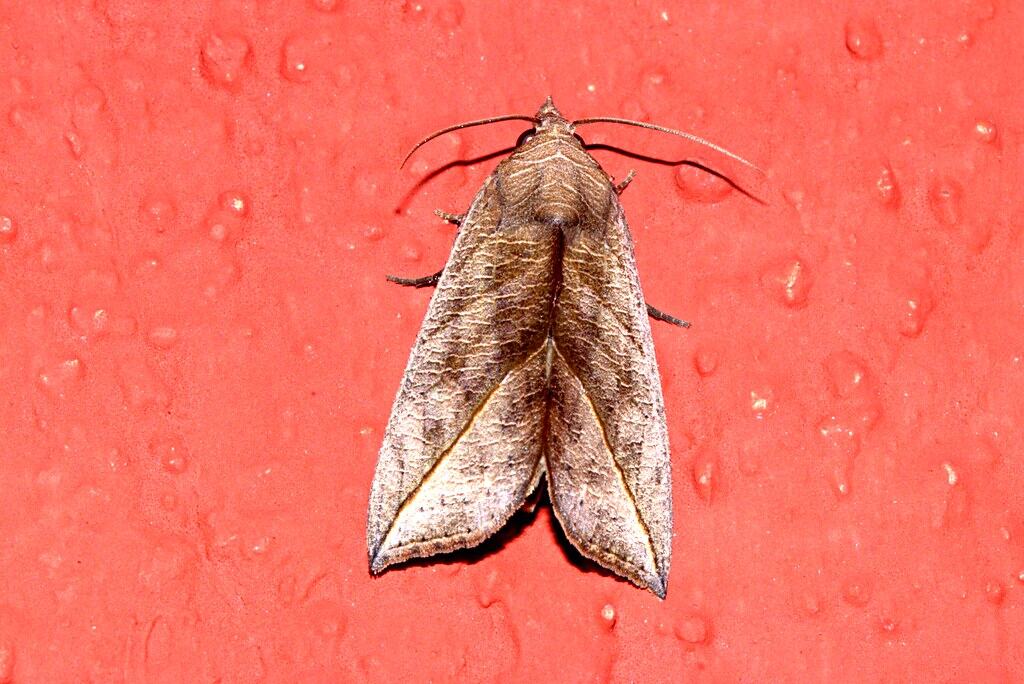
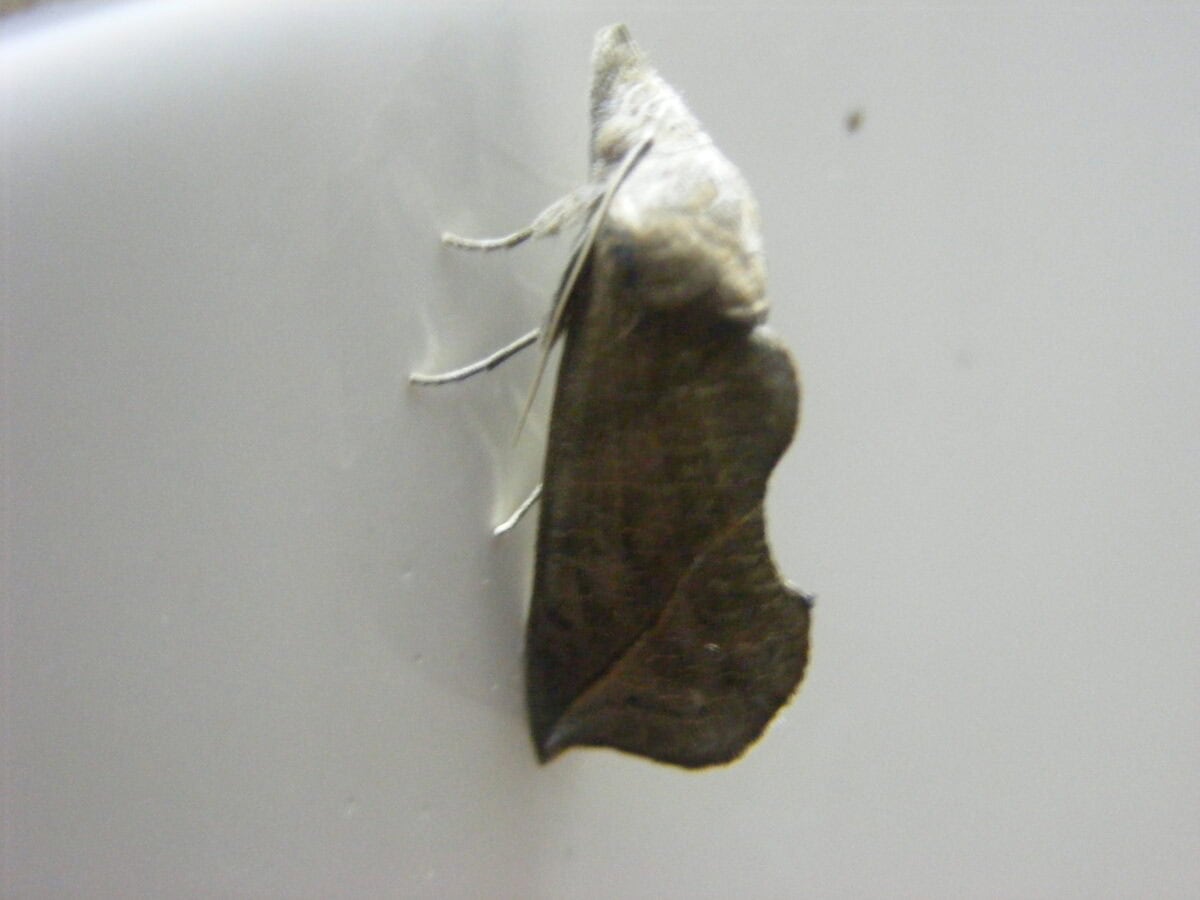
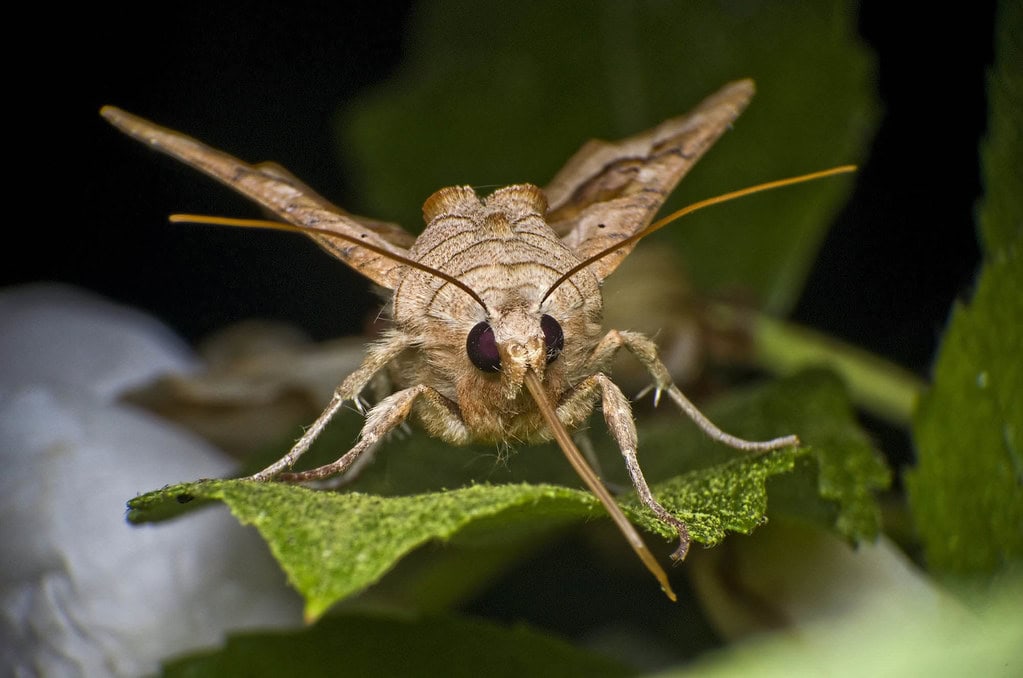
Deep in the forests of Southeast Asia and parts of Eastern Russia lives a creature that seems plucked from horror fiction—a moth that drinks blood. The Calyptra genus, colloquially known as vampire moths, includes several species that have evolved from fruit-feeding ancestors into something far more sinister. While most moths contentedly sip nectar from flowers or feast on fruit juices, these remarkable insects have developed specialized mouthparts capable of piercing mammalian skin and drinking blood. This shocking adaptation has fascinated entomologists and casual observers alike, challenging our understanding of lepidopteran behavior and evolution. The vampire moth represents one of nature’s most unusual evolutionary paths—a distinct departure from the typical moth lifestyle that offers intriguing insights into how environmental pressures can drive species to develop seemingly improbable feeding strategies.
Evolutionary Origins and Classification

The blood-drinking moths belong to the genus Calyptra, part of the family Erebidae. Scientists believe these moths evolved from fruit-piercing ancestors that originally used their proboscis to penetrate thick-skinned fruits. This evolutionary journey from fruit-piercer to blood-feeder represents a fascinating example of exaptation—where a trait evolved for one purpose is repurposed for another. Phylogenetic studies indicate that blood-feeding behavior likely emerged in the last few million years, a relatively recent development in evolutionary terms. Of the roughly 17 Calyptra species identified worldwide, only a handful have fully developed the blood-drinking habit. The most notorious among them is Calyptra thalictri, the best-documented vampire moth species. This evolutionary transition demonstrates nature’s remarkable adaptability and showcases how seemingly minor adaptations can open entirely new ecological niches for exploitation.
Anatomical Adaptations for Blood Feeding

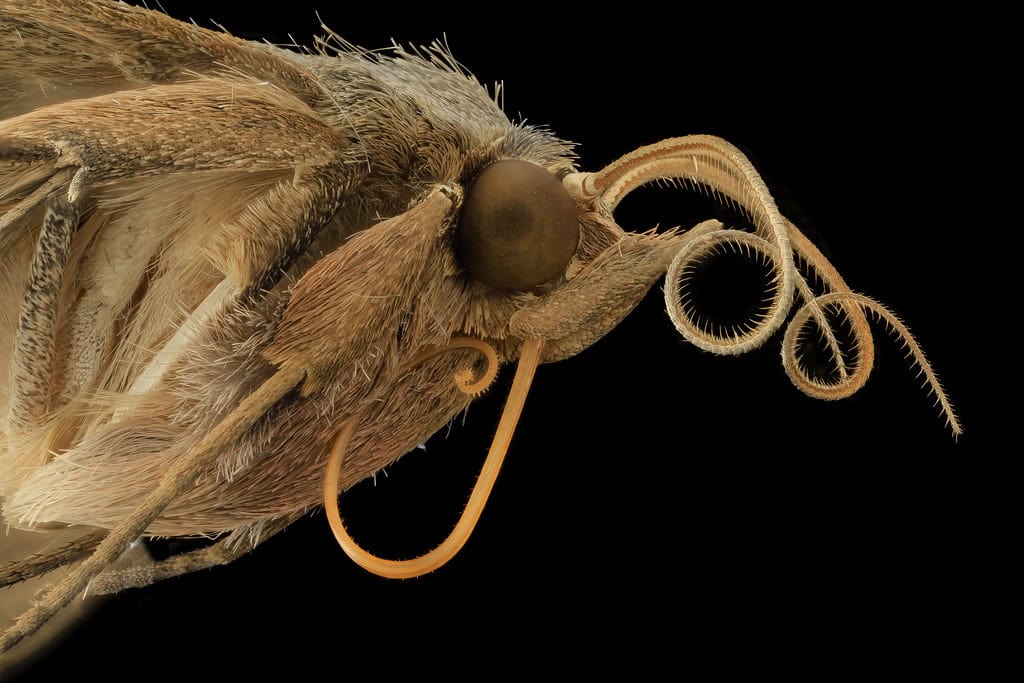
What makes the vampire moth capable of its unusual feeding habit is a remarkable set of anatomical adaptations. Unlike the soft, coiled proboscis of typical nectar-feeding moths, the Calyptra’s proboscis has evolved into a rigid, barbed drilling tool. This modified mouthpart contains tiny hooks and barbs that can tear through skin, while specialized channels facilitate blood flow. Under microscopic examination, the proboscis reveals serrated edges—essentially natural sawing tools—that can penetrate mammalian skin up to 1mm deep. Additionally, their saliva contains anticoagulant compounds that prevent blood from clotting while they feed, similar to mosquitoes and other hematophagous (blood-feeding) insects. These adaptations represent a significant departure from standard moth anatomy and highlight the remarkable specificity of evolutionary adaptations when a species exploits a new feeding niche.
Blood-Feeding Behavior and Preferences

The blood-feeding behavior of vampire moths is primarily exhibited by males, contrary to most hematophagous insects where females are typically the blood-seekers. These male moths appear to consume blood as a supplementary diet rather than a primary food source. Field observations and laboratory studies have shown that they often begin feeding on fruits but can transition to blood when the opportunity arises. They show a preference for large mammals, including humans, cattle, and other domestic animals. When feeding, they can drink continuously for up to 30 minutes—an extended period that increases exposure to host defenses but maximizes nutritional gain. Interestingly, they show remarkable persistence, often continuing to feed even when disturbed. Researchers hypothesize that blood consumption might provide additional proteins and nutrients that enhance male reproductive success, potentially explaining why this unusual behavior has been maintained through natural selection.
Geographic Distribution and Habitat

Vampire moths are predominantly found across parts of Southeast Asia, with their range extending into southern and eastern regions of Russia, Japan, and northern parts of China. They inhabit primarily deciduous and mixed forests where their host mammals and fruit sources coexist. The most widely studied species, Calyptra thalictri, was originally native to Central and Southern Europe and across temperate Asia, but in recent decades has expanded its range northward, possibly due to climate change. Other blood-feeding Calyptra species occupy specific ecological niches throughout Southeast Asia, with some species having relatively limited distributions. These moths generally prefer humid, warm environments with abundant mammalian hosts. The diverse geographical distribution of various Calyptra species suggests that blood-feeding may have evolved independently multiple times within the genus, representing an intriguing case of convergent evolution driven by similar ecological pressures.
The Science Behind the Bite

The vampire moth’s feeding process involves a complex sequence of behaviors and physiological responses. When a moth identifies a potential host, it lands quietly and typically targets areas where skin is thinner and blood vessels are closer to the surface. Using specialized sensory organs, these moths can detect body heat and carbon dioxide—signals that help them locate mammals. The feeding process begins with the moth drilling through the skin using its modified proboscis, which can take up to a minute of persistent effort. Once blood flow begins, the moth’s saliva delivers anticoagulants and vasodilators that enhance blood flow and prevent clotting. Unlike mosquitoes, which extract blood through a needle-like structure, vampire moths create a small wound from which they lap flowing blood. The bite typically causes mild pain—described as more uncomfortable than a mosquito bite but less painful than a bee sting—and can leave a small, red welt that may persist for several days.
Nutritional Benefits of Blood Feeding
Blood represents a nutritional goldmine for insects that can access it, offering a concentrated source of proteins, lipids, and various micronutrients. For male vampire moths, blood consumption appears to supplement their primary diet of fruit juices and plant saps. Research suggests that the protein-rich blood meal may enhance sperm production and overall reproductive fitness. Studies comparing blood-fed males with those restricted to fruit diets have shown that blood-feeders produce more viable sperm and may exhibit enhanced mating success. Blood also contains sodium and other minerals that might be limited in strictly fruit-based diets. Additionally, the iron in blood could potentially boost metabolic functions, though the exact physiological pathways remain under investigation. This nutritional supplementation theory helps explain why blood-feeding behavior would be maintained through natural selection despite the risks involved in attacking much larger mammals.
Human Encounters and Public Health Implications

Human encounters with vampire moths remain relatively rare, occurring primarily in rural areas within their native range. When these encounters do occur, they typically result in minor discomfort rather than significant health concerns. Unlike mosquitoes and other disease-transmitting blood-feeders, there is currently no evidence that vampire moths serve as disease vectors. Their feeding behavior—which involves creating a wound rather than inserting a hypodermic-like proboscis—theoretically limits their ability to transfer pathogens directly into the bloodstream. Additionally, vampire moths feed much less frequently than mosquitoes, reducing potential transmission opportunities. The most common reaction to their bites includes localized swelling, itching, and occasional mild pain lasting several days. In rare cases, individuals may experience stronger allergic reactions to components in the moth’s saliva. Despite their intimidating reputation, vampire moths pose minimal public health threats compared to other blood-feeding arthropods like mosquitoes, ticks, and certain flies.
Life Cycle and Reproduction

The vampire moth’s life cycle follows the standard lepidopteran pattern of complete metamorphosis, progressing through egg, larval, pupal, and adult stages. Females lay clusters of small, dome-shaped eggs on the underside of host plant leaves, typically selecting plants that will nourish their developing larvae. Unlike their blood-drinking adult male counterparts, the caterpillars are exclusively herbivorous, feeding primarily on plants in the Menispermaceae family. After several molts, the mature caterpillar forms a silken cocoon for pupation, emerging as an adult moth after 2-3 weeks. The adult lifespan typically ranges from 3-5 weeks, during which males may seek blood meals to enhance reproductive fitness. Interestingly, the blood-feeding behavior appears to be facultative rather than obligatory, meaning males can complete their life cycle without blood but may gain reproductive advantages from this supplementary nutrition. This flexible feeding strategy represents an evolutionary middle ground between obligate blood-feeders and traditional nectar-feeders.
Scientific Research and Discoveries
Scientific interest in vampire moths has accelerated in recent decades, with researchers investigating multiple aspects of their unusual biology. A landmark study published in 2008 by Dr. Jennifer Zaspel documented blood-feeding behavior in Calyptra thalictri in the wild, confirming what had previously been observed primarily in laboratory settings. Subsequent research has focused on the evolutionary pathway from fruit-piercing to blood-feeding, with genomic studies attempting to identify genetic changes associated with this behavioral shift. Biochemists have analyzed the moths’ saliva, identifying compounds with potential applications in anticoagulant medications. Ongoing research is examining the sensory mechanisms that allow these moths to locate mammalian hosts, which appear to involve both infrared detection and chemoreception of mammalian odors. Scientists are also monitoring range expansions of various Calyptra species, with some evidence suggesting climate change may be enabling these moths to establish populations in previously unsuitable regions. These research efforts not only illuminate the biology of an unusual species but also provide insights into evolutionary processes and potential biomedical applications.
Cultural Significance and Folklore

Though less entrenched in global folklore than their mammalian vampire counterparts, blood-drinking moths have carved out a niche in local mythologies and modern popular culture. In parts of rural Southeast Asia, these moths sometimes feature in folk beliefs as harbingers of misfortune or manifestations of restless spirits. Some traditional communities in regions where vampire moths are common have developed specific traditions around deterring them, including herbal repellents and protective charms. In contemporary culture, vampire moths have featured in nature documentaries, horror-themed media, and as inspiration for fictional creatures in films and literature. The concept of a blood-drinking moth taps into primal fears while challenging our expectations about insect behavior, making them compelling subjects for both scientific and cultural exploration. Like other hematophagous creatures, they occupy an ambiguous position in human perception—simultaneously fascinating and unsettling—reflecting our complex relationship with the natural world and particularly with animals that feed on human blood.
Conservation Status and Environmental Threats
Despite their sinister feeding habits, vampire moths face many of the same threats as other insect species in the Anthropocene era. Habitat loss represents the primary challenge, as deforestation continues throughout much of their native range in Southeast Asia. While no Calyptra species currently appear on endangered species lists, localized populations may be declining due to habitat fragmentation and agricultural expansion. Climate change presents a more complex picture—while warming temperatures may allow some species to expand their ranges northward, it could also disrupt the seasonal synchronization between moths and their host plants, potentially affecting larval survival rates. Pesticide use, especially broad-spectrum insecticides applied in agricultural areas adjacent to forests, may also impact populations. Conservation efforts specifically targeting vampire moths are limited, though they benefit indirectly from broader forest protection initiatives throughout their range. Their unusual feeding behavior actually makes them valuable indicators of ecosystem health, as they require both healthy forest habitats for larvae and stable mammalian populations for adult feeding opportunities.
Conclusion: Nature’s Remarkable Adaptability
The blood-drinking moth stands as a testament to the remarkable adaptability of life on Earth and the sometimes unexpected paths that evolution can take. From humble fruit-piercing ancestors, these moths developed the specialized equipment and behaviors necessary to extract blood from mammals thousands of times their size—a remarkable feat of natural engineering. While their feeding habits may seem unsettling from a human perspective, they represent a fascinating case study in evolutionary opportunism and specialized adaptation. The vampire moth challenges our preconceptions about entire taxonomic groups, reminding us that nature rarely conforms to our neat categorizations and expectations. As scientists continue to unravel the mysteries of these unusual insects, they provide us with valuable insights into evolutionary processes, potential biomedical applications, and the intricate relationships between organisms in complex ecosystems.

- The Most Elusive Big Cat in North America Just Reappeared - June 17, 2026
- The African Dust Cloud That Reaches Florida Every Year - June 17, 2026
- 10 Reasons Why You Should Never Underestimate a Komodo Dragon - June 17, 2026