

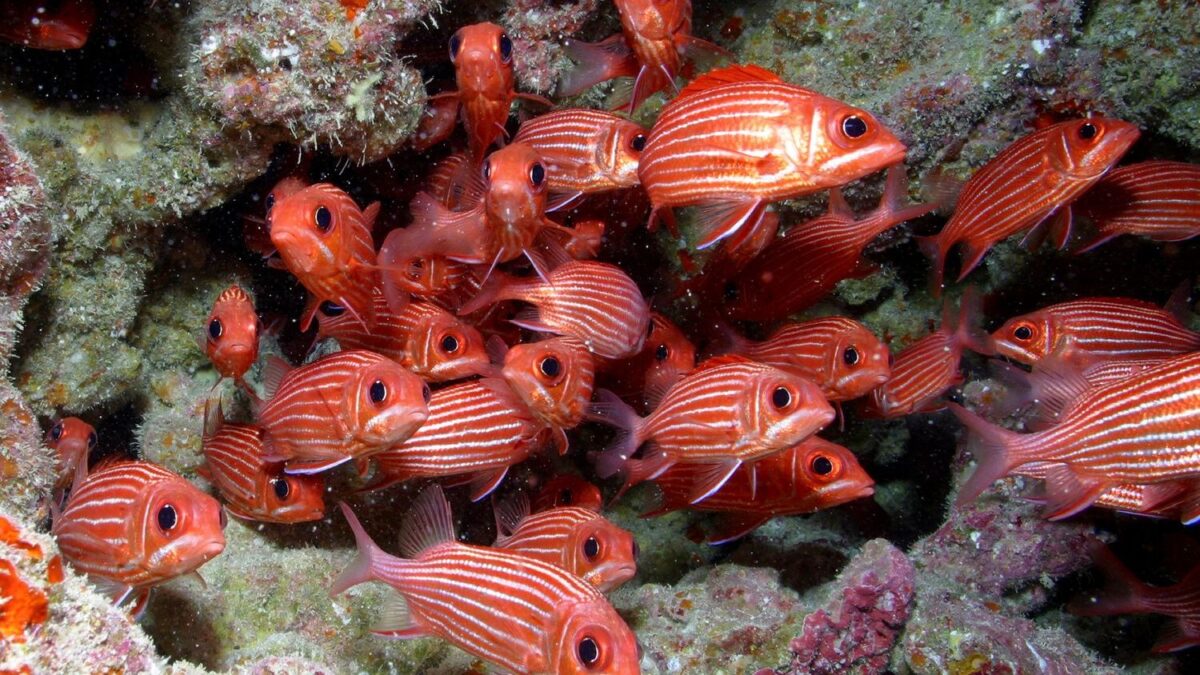
Something is happening beneath the ocean’s surface that most of us don’t see, don’t feel, and honestly don’t think about enough. The sea looks the same from the shore. Waves still crash. Sunsets still shimmer across the water. Yet underneath all that calm, a slow and devastating loss is unfolding year after year.
New research has brought a startling pattern into focus: ocean fish biomass is declining on an annual basis, and the scale of this shift is bigger than many scientists anticipated. This isn’t a distant future problem. It’s happening now. Let’s dive in.
A Shrinking Ocean: What the Research Actually Found
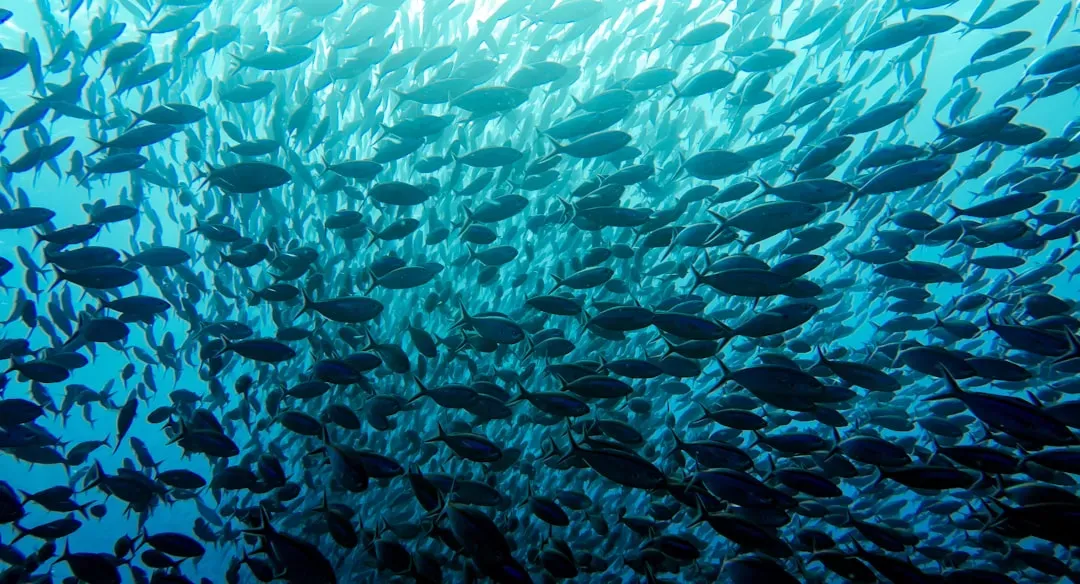
Here’s the thing – when researchers talk about “fish biomass,” they mean the total weight of all fish living in the ocean at any given time. Think of it like stepping on a scale, except the scale is the entire ocean. What scientists have recently confirmed is that this number is going down, consistently, year over year.
The findings, published through Phys.org in early 2026, point to an annual decline in fish biomass across large portions of the global ocean. This isn’t just one bad year or one struggling species. It’s a broad, systemic trend that stretches across multiple ocean regions and dozens of species.
What makes this especially sobering is the consistency of the data. Researchers used modeling alongside observational data to track changes, and the results paint a coherent, troubling picture. The ocean is not simply fluctuating. It is losing biomass in a measurable, documented, repeating pattern.
Overfishing: Still the Loudest Culprit in the Room
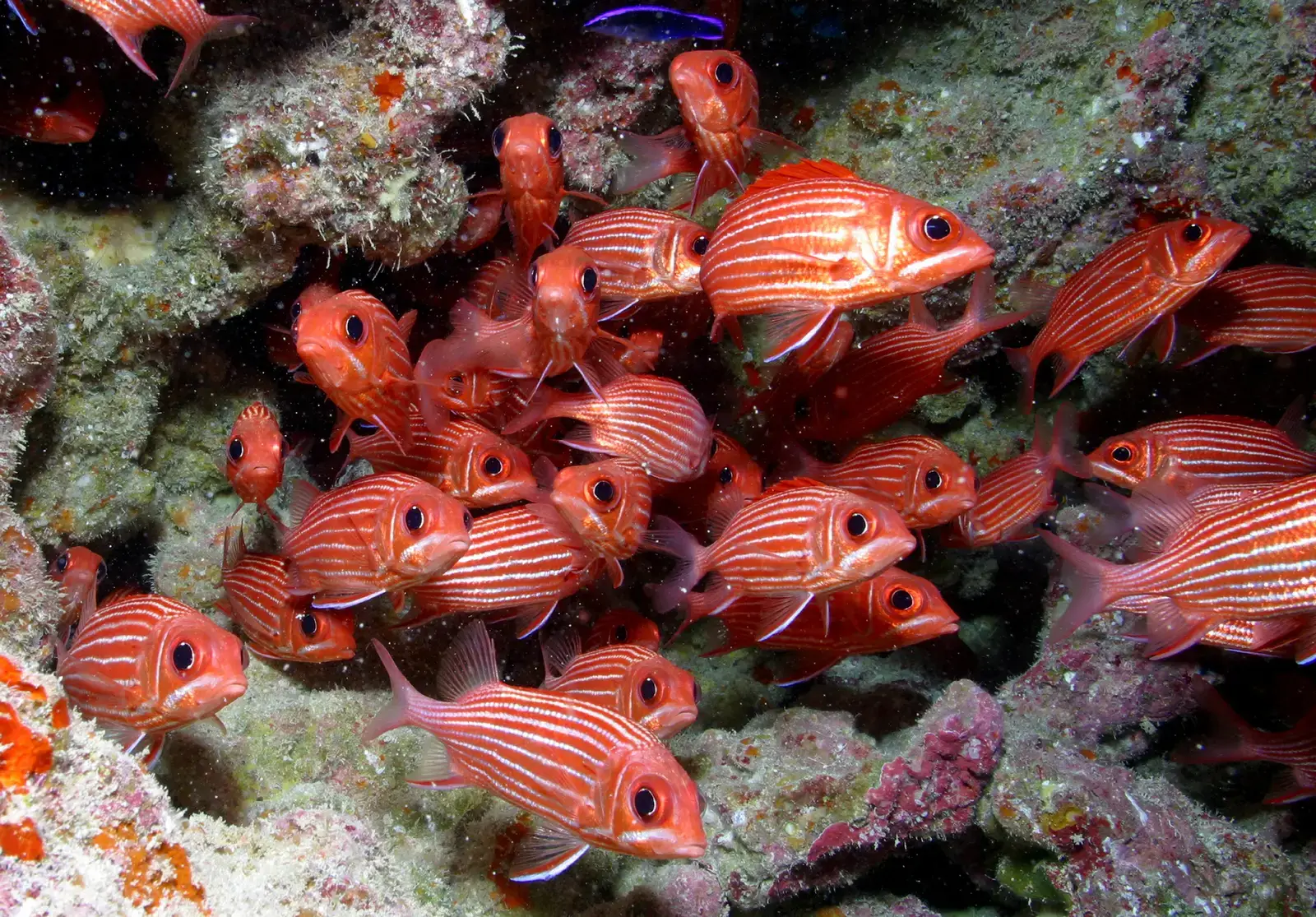
Let’s be real – overfishing has been a known problem for decades. We’ve heard the warnings before. Somehow, the industrial fishing machine keeps rolling, and global fish stocks keep absorbing the pressure. What this new research reinforces is that the cumulative toll of decades of overfishing is now showing up as a structural decline, not just a temporary dip.
Roughly about one third of the world’s monitored fish stocks are currently being harvested at biologically unsustainable levels, according to long-standing assessments from the Food and Agriculture Organization. That number has remained stubbornly high for years. When you overfish a population long enough, its ability to recover shrinks. The math eventually catches up.
Ocean Warming Is Making Everything Worse
Climate change is doing something almost invisible but profoundly damaging to marine ecosystems. As ocean temperatures rise, fish species are being forced to shift their ranges, moving toward cooler waters – usually poleward or into deeper depths. This disrupts feeding patterns, breeding cycles, and the entire food web that connects small organisms to large ones.
Warmer oceans also hold less dissolved oxygen, which means fish have less energetic support for growth and reproduction. Some species are shrinking in body size as a direct response to thermal stress. Honestly, imagine trying to thrive while your environment is simultaneously getting hotter and running out of the air you need to breathe. That’s essentially what many fish are experiencing.
The compounding effect of warming on top of existing overfishing pressure is what researchers describe as a “double stressor” scenario. One problem alone might allow a population to recover. Two together, acting simultaneously, make recovery dramatically harder.
Plankton at the Base – When the Foundation Crumbles
Fish don’t exist in isolation. Their survival depends entirely on what sits at the bottom of the food chain, and near the very base of that chain is plankton. Phytoplankton, the microscopic plant-like organisms that absorb sunlight and carbon dioxide, are the primary food source for zooplankton, which in turn feed juvenile fish and small forage species.
Here’s where things get seriously worrying. Ocean warming and acidification are affecting phytoplankton productivity in many regions. Fewer phytoplankton means less food moving up the chain. Less food at the base of the web means less energy available to support the fish populations that humans and marine predators alike depend on.
This is the part of the story that tends to get overlooked in mainstream coverage. People focus on tuna or cod, which are visible and commercially important. The real disruption, though, is happening at a microscopic level, in layers of the ocean that most people will never see or think about.
Regional Hotspots: Where the Decline Hits Hardest
Not every part of the ocean is suffering equally, and that’s actually an important nuance the research highlights. Some regions are experiencing sharper declines than others, with tropical and subtropical waters appearing especially vulnerable. These areas tend to have the highest diversity of species, but also the highest fishing pressure and the most direct exposure to warming surface temperatures.
Coral reef ecosystems, which support an extraordinary proportion of all marine species despite covering a relatively small portion of the ocean floor, are experiencing habitat degradation that directly reduces fish populations. When reef structures bleach and die, the complex architecture that fish use for shelter, breeding, and feeding disappears with it.
The North Atlantic and parts of the Pacific are also showing measurable changes in fish community composition. It’s not always that fish disappear entirely – sometimes the mix of species shifts in ways that reduce overall biomass even when individual species appear stable. It’s subtle, but the cumulative effect is significant.
What This Means for Human Food Security
More than three billion people around the world rely on fish as their primary source of animal protein. That number is staggering when you hold it up against the backdrop of declining fish biomass. For coastal and island communities, particularly in Southeast Asia, Sub-Saharan Africa, and the Pacific Islands, fish isn’t a luxury or a dietary preference. It’s a survival staple.
As biomass declines, catches inevitably follow. Fishing communities are already reporting that they have to travel farther, fish longer, and spend more fuel to bring in the same volume they caught a generation ago. The economic pressure compounds into social pressure, which compounds into food insecurity. It’s a cascade, and it moves fast once it starts.
I think the disconnect between global fish consumption trends – which are still rising in many parts of the world – and the biological reality of what’s left in the ocean is one of the most dangerous mismatches of our time. We’re consuming more, but there’s less to consume from.
Is There Any Reason for Hope?
Despite how grim the data looks, researchers and conservationists are careful to point out that fish populations can recover – but only under the right conditions. Marine protected areas, where fishing is restricted or banned entirely, have shown genuine success in rebuilding biomass in localized zones. The ocean, given a genuine chance, is capable of coming back.
Some fisheries managed under strict science-based quota systems have seen real improvements over the past two decades. The key word there is “strict.” Loosely enforced or politically compromised management tends to fail. The difference between a recovering fishery and a collapsed one often comes down to whether the rules are actually followed.
The challenge, of course, is scaling these successes globally while addressing the underlying drivers – warming temperatures, acidification, and the sheer industrial scale of modern fishing fleets. Solutions exist. The will to implement them, consistently and at the speed the ocean needs, remains the harder question.
Conclusion: The Ocean Doesn’t Get a Pause Button
The annual decline in fish biomass isn’t a headline that should disappear from the news cycle after a single day. It’s one of those slow-moving crises that quietly reshapes the world while people are busy looking elsewhere. The ocean feeds billions, regulates our climate, and absorbs a vast portion of the carbon we’ve pumped into the atmosphere. Treating it as inexhaustible was always a gamble, and the bill is now coming due.
Honestly, I think the hardest part of this issue is that the ocean’s decline is largely invisible to most people. You can’t see a fish that isn’t there. You can’t feel the absence of plankton or measure a warming thermocline with your hand. But the science can, and the science is telling us something we really shouldn’t ignore.
The question isn’t whether the ocean is changing. It clearly is. The question is whether we’ll act like it matters before the window for meaningful action closes. What do you think it will take for the world to genuinely change course? Let us know your thoughts in the comments.

- Urban Coyotes Show Remarkable Adaptability, Learning to Thrive in City Environments - July 22, 2026
- Beavers Are Nature’s Engineers, Creating Vital Habitats for Other Wildlife Species - July 21, 2026
- The Recovery of the California Condor Offers Hope for Other Critically Endangered Birds - July 21, 2026