
Worried about unexpected vet bills?
Pet insurance can cover thousands in unexpected vet costs. Get a free quote from Lemonade in under 2 minutes.
Get My Free Quote →Sponsored · Opens Lemonade.com
There’s something profoundly unsettling about imagining a creature that was alive when Michelangelo was carving David, still swimming through the dark ocean depths today. Yet these animals exist. Not in science fiction, not in ancient myths, but right here on our planet, hidden beneath thousands of feet of water where sunlight never reaches.
The deep sea doesn’t just harbor old creatures. It guards secrets about aging that scientists are only beginning to unravel, and these discoveries could reshape everything we thought we knew about life, death, and the ticking clock inside every living cell. Let’s be real, when we think about extending human life, we rarely picture a shark or a sponge as our teacher.
The Greenland Shark’s Four-Century Patience
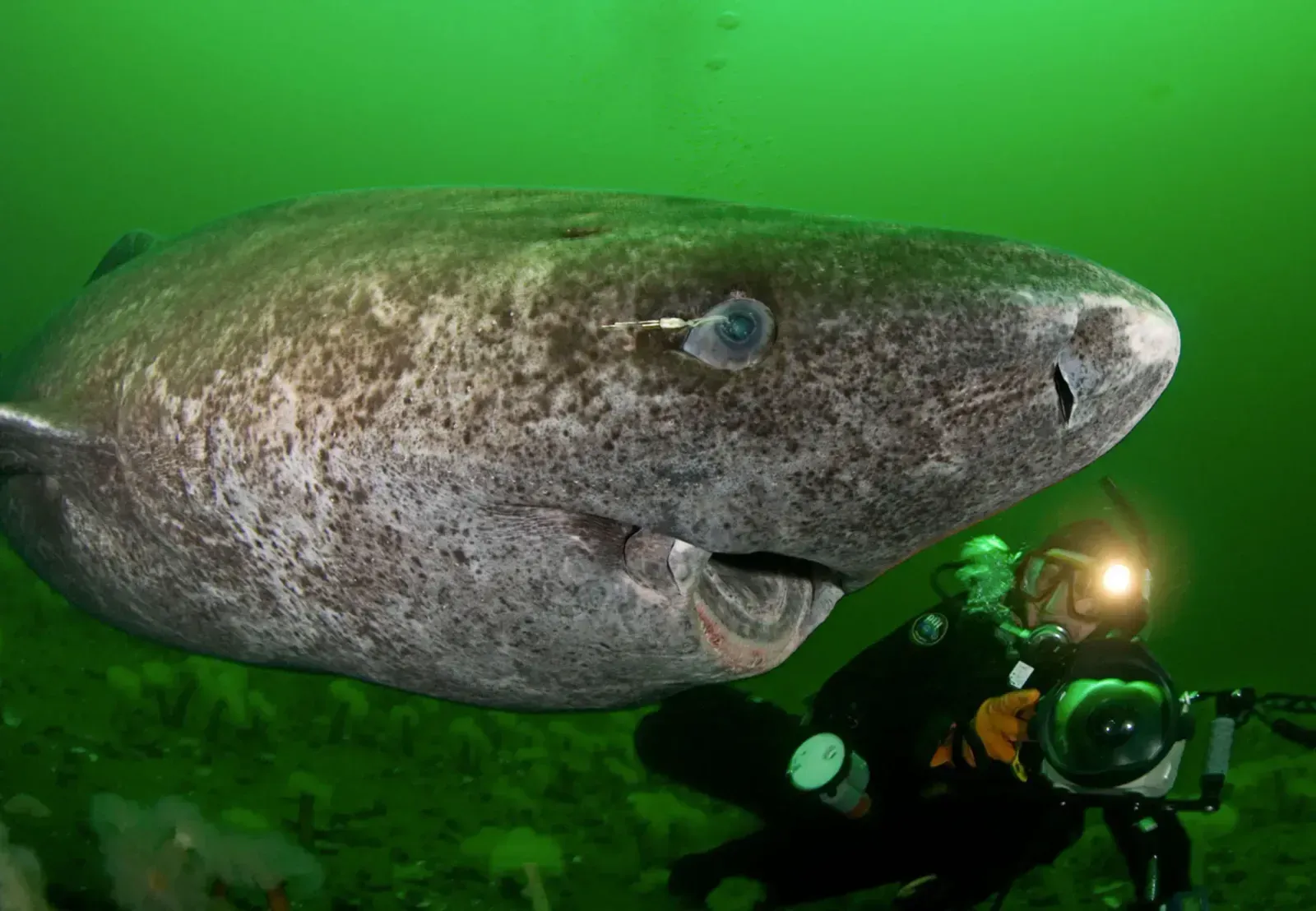
Greenland sharks can live to be 400 years old and only become sexually mature at 150, a fact that seems almost impossible to comprehend. Imagine waiting a century and a half just to reach adulthood. The largest shark specimen found, a 5-meter female, was between 272 and 512 years old according to scientific estimates.
These ancient predators inhabit the coldest, darkest reaches of the Arctic and North Atlantic oceans. One theory to explain this long lifespan is that the Greenland shark has a very slow metabolism, an adaptation to the deep, cold waters it inhabits. Their hearts beat slower than almost any vertebrate on Earth. They grow less than one centimeter per year, inching through life at a pace that makes glaciers seem hurried.
Surprisingly, research has found no significant variation in muscle metabolic activity across different ages, suggesting that their metabolism does not appear to decrease over time and may play a key role in their longevity. Most animals show declining metabolic function as they age, but Greenland sharks seem to have bypassed this fundamental rule of biology. Other researchers sequencing the Greenland shark’s genome recently found another hint to their superpower: multiple copies of 81 genes involved in DNA repair.
Their genetic code contains something extraordinary. Many of the Greenland shark’s duplications included genes that were linked to DNA repair, and instead of creating a disruption, they may have created additional helpful genes, which could hypothetically slow down aging. The sharks essentially have backup systems for their backup systems, ensuring their cellular machinery never truly breaks down.
Think about the implications here. These creatures don’t just survive for centuries; they thrive without showing traditional signs of aging. Their bodies maintain the same vigor at 300 years old as they did at 50.
Sponges That Witnessed the Rise of Civilizations
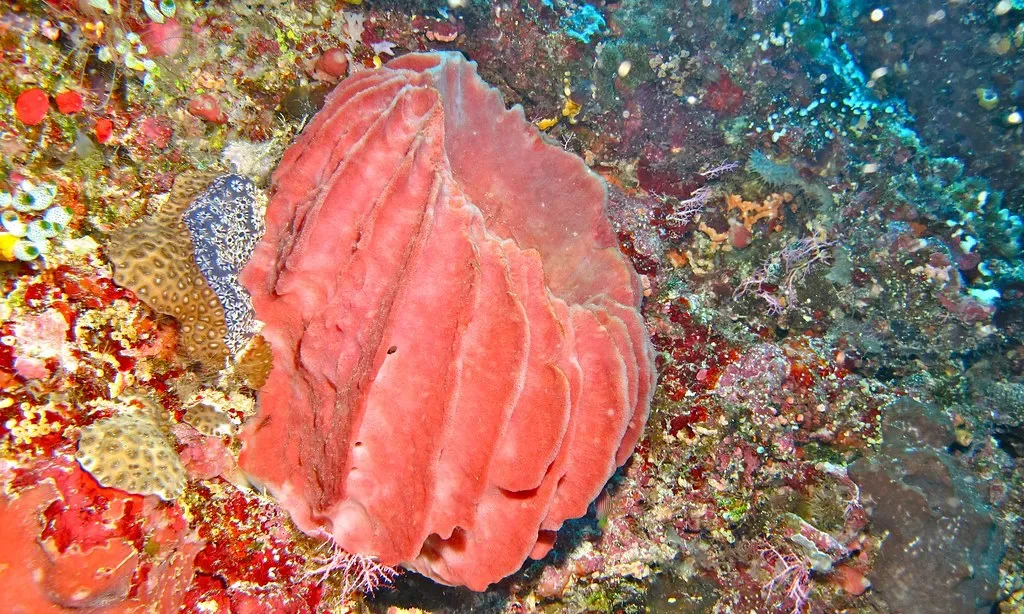
The longest-lived known marine species, the sponge Monorhaphis chuni, observed at 1000 m depth, has an estimated age of 11,000 years. Let that sink in. This organism was filtering water through its simple body when humans were just learning to farm, when the first cities were being built, before the pyramids existed.
Giant barrel sponges quietly filter seawater for over 2,000 years, and some Caribbean specimens have been silently witnessing ocean life since Roman times. These simple creatures lack brains, hearts, or muscles, yet somehow outlast virtually everything else on the planet. How does something so apparently basic achieve what complex organisms cannot?
Their secret might be their incredibly slow metabolism and simple body structure. Complexity, it turns out, might be a liability when it comes to longevity. The more moving parts you have, the more that can break down. Sponges sidestep this problem entirely by keeping things fundamentally simple.
Scientists are now able to explain why sponges, cnidarians and other molluscs living on the seabed display such particularly high diversity of marine-derived active compounds. Once firmly anchored to the sea floor, these usually very long-lived animals are hardly able to escape, so the sessile animals therefore need to produce effective deterrent substances. Their longevity isn’t just about being slow, it’s about chemical warfare perfected over millennia.
These compounds might hold keys for human medicine. The molecules sponges produce to defend themselves have already shown potential in anti-cancer research. I think it’s fascinating that something alive for 11,000 years might teach us how to add a few more decades to our own spans.
Where Stability Breeds Immortality
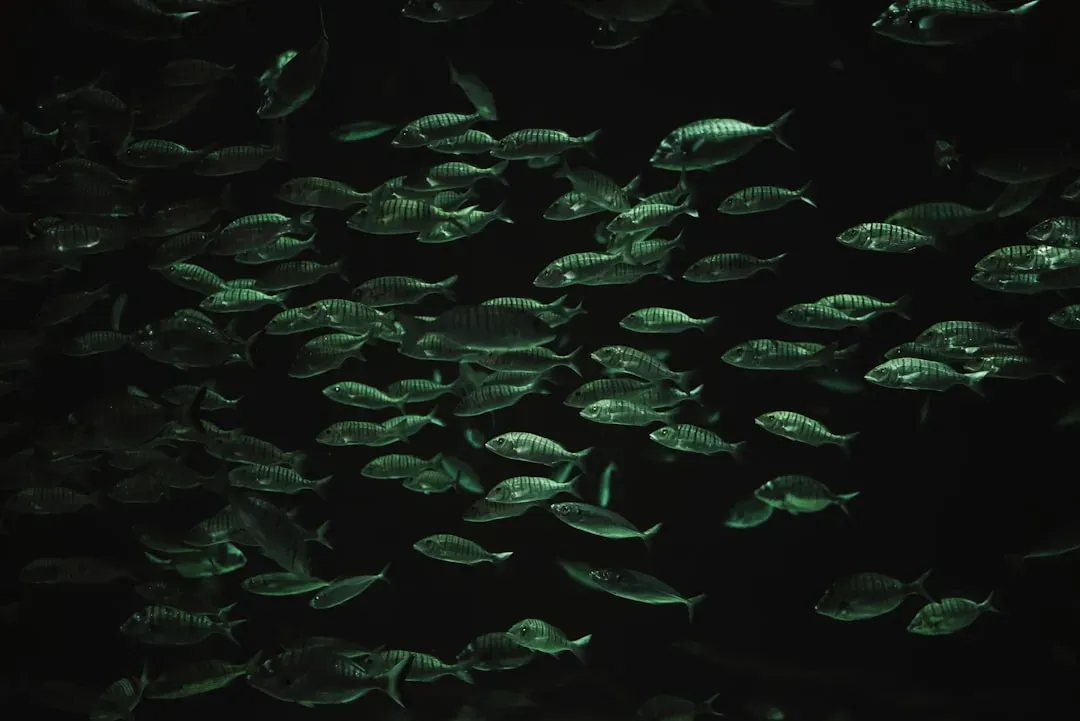
Natural selection favors long lifespans in stable environments where chance events don’t kill you off, like deep below the sea. The deep ocean doesn’t have storms. It doesn’t have drastic temperature swings or seasonal changes. It’s a world frozen in consistent darkness and cold, where the same conditions persist year after year, century after century.
Animals living in deeper waters were likely to have longer lives, according to research examining patterns across hundreds of marine species. Depth matters because it equals stability. Species in shallower waters stand a far higher chance of dying young from dangers like predators, which means there’s no particular evolutionary benefit to such creatures being able to repair their bodies and remain hardy into old age.
Here’s the thing: evolution is ruthlessly efficient. If an environment kills you randomly and frequently, investing energy in long-term cellular repair makes no sense. Better to reproduce quickly and often before something eats you. But in the stable abyss, where threats are minimal and predictable, suddenly it pays to build a body that lasts.
Great longevity could be facilitated by slow metabolism, and in deep-sea fish, metabolic rates are typically an order of magnitude lower than in fish living near the surface. Cold water slows everything down. Chemical reactions proceed at glacial rates. The fire of life burns so dimly that it never consumes the fuel.
Strong positive relationships exist between depth and maximum lifespan across multiple sessile marine taxa, including corals, bivalves, sponges and macroalgae, and extreme longevity leads to strongly dampened population dynamics. These creatures barely fluctuate in numbers because they barely die. It’s a completely different model of existence than what we see on land.
Deep-Sea Vents and Their Ancient Guardians
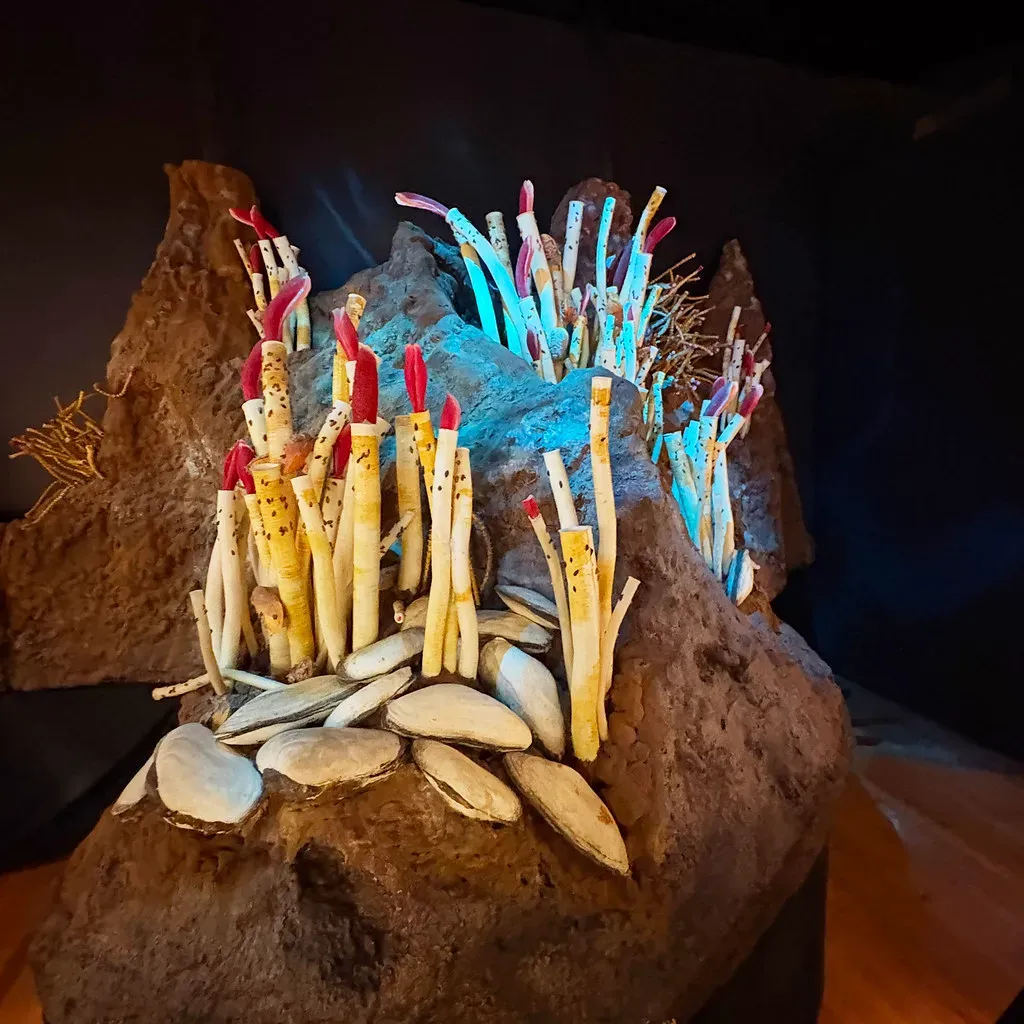
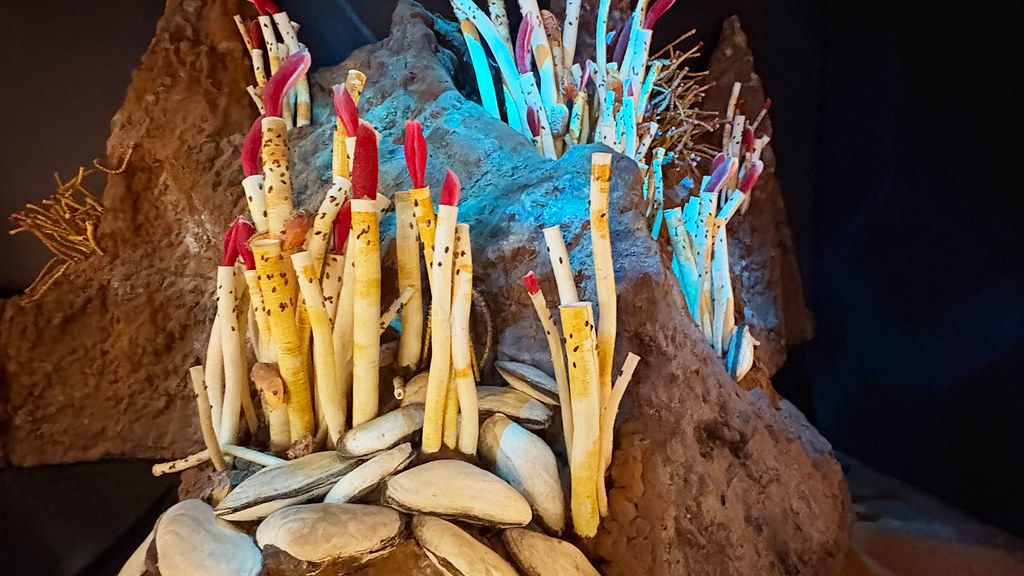
Hydrothermal vents are relatively short-lived, but cold seeps are long-lasting, and worms that live in the cold seep environments are among the longest living invertebrates in the world. These chemical-rich environments at the ocean floor support communities that don’t rely on sunlight at all. Instead, they harvest energy from toxic compounds spewing from the Earth’s crust.
The tubeworm Escarpia laminata that lives in deep sea cold seeps regularly reaches the age of between 100 and 200 years, with some individuals determined to be more than 300 years old, and some may live for over 1,000 years. Think about that for a moment. A worm, sitting in one place for ten centuries, feeding on hydrogen sulfide and methane.
The creatures at hydrothermal vents face a paradox. Around hydrothermal vents, life is abundant because food is abundant, as hot, mineral-rich fluids supply nutrient chemicals, and microbes form the base of the food chain for a diverse community of organisms. You’d think abundant resources would mean short lives and rapid turnover, but the opposite proves true.
Growth and age differences are thought to occur because of ecological and physiological adaptations, and the underlying mechanisms of cell proliferation and death, which are closely linked to homeostasis, growth, and longevity, remain a scientific frontier. These vent animals have apparently found ways to control their cellular processes that other organisms haven’t mastered.
Honestly, it sounds crazy, but some of these worms might be older than European colonization of the Americas. They’ve been sitting in the same spot, in near-boiling water mixed with poisons, for longer than the United States has existed as a country.
Ocean Compounds That Could Extend Human Life
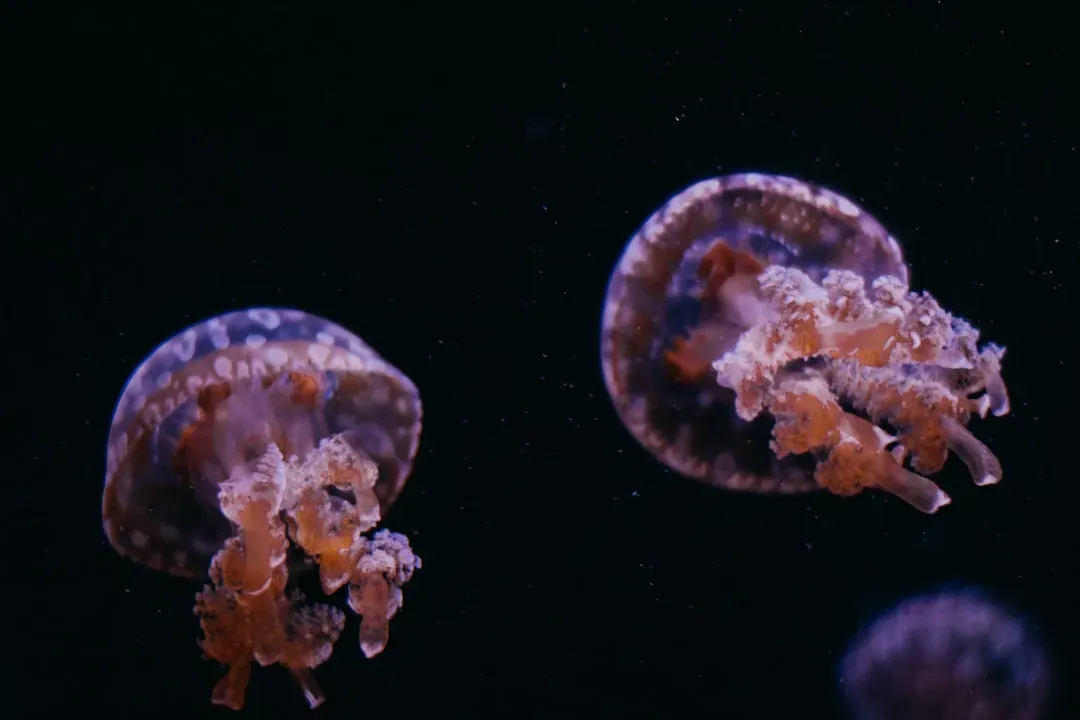
Among the top 100 species with the highest longevity in the world, 70 are marine ones, including sponges, bivalves, fish, polychaetes worms, marine mammals, sea urchins, crustaceans, and reptiles, most of which can live over 100 years. This isn’t coincidence. The ocean has cracked codes that land-dwelling life never needed to solve.
Some marine bioactive peptides regulate free radical homeostasis in vitro and in vivo, and can have antiaging effects in cell and animal models and in human clinical trials. Marine natural bioactive peptides have also been used in cosmeceutical skin products as antiaging agents. We’re already extracting these secrets and putting them to use.
The signaling pathways of regulating lifespan are quite conservative in different species, mainly including insulin, mitochondrial respiratory chain, MAPK, diet and gonadal signaling pathways. These pathways were interrelated with each other by network regulation, which provided a theoretical basis for screening antiaging active compounds. The same genetic switches that control aging in a sea urchin might work in us too.
Marine collagen is gaining increasing attention due to its safety, biocompatibility in many biomedical applications, biodegradability, and numerous biological activities and therapeutic properties, such as antioxidant and anti-inflammatory activity, neuroprotective, anti-ageing, and healing effects. The materials these creatures build their bodies from possess properties we’re only beginning to understand.
Research continues to uncover compounds with remarkable effects. Compounds with strong anti-oxidant potential are mainly obtained from microorganisms inhabiting extreme systems, such as hydrothermal vents. The very environments that seem most hostile to life produce the most powerful protective molecules.
The cosmetics industry has already caught on, but the real promise lies in medicine. What if we could trigger the same DNA repair mechanisms that keep a Greenland shark young for centuries? What if we could harness the metabolic stability that allows sponges to live for millennia?
The Future Written in Ancient Genes
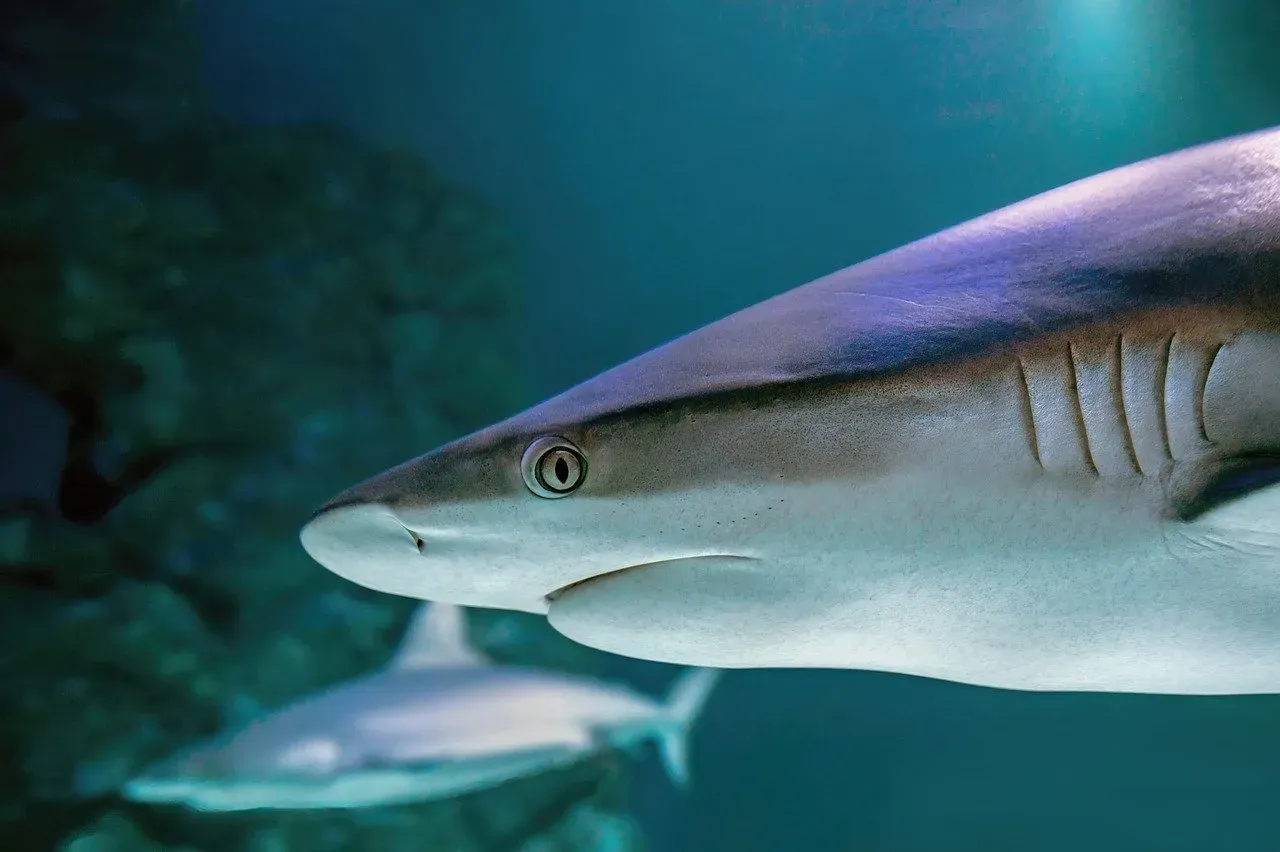
The keys to a Greenland shark’s long life can help scientists understand longevity in other animals and could be beneficial to humans. Scientists can make comparisons between those animals and humans to learn more about the aging process, looking for genes present in long-lived animals and absent in short-lived ones that could aid in staving off age-related diseases.
Since immune responses, inflammation and tumor formation significantly affect aging and lifespan, the increase in genes involved in NF-κB signaling might be related to the Greenland shark’s longevity, according to researchers studying their genome. These sharks apparently don’t get cancer at anywhere near the rates other animals do. Their cells simply refuse to go rogue.
The deep ocean still hides most of its secrets. Fewer than 7 percent of described marine species come from below 1,000 meters, leaving vast stretches of ocean biodiversity unexplored. Every expedition that descends into the abyss returns with new species, new adaptations, new mysteries.
The goal isn’t to make people live longer, the goal is to keep people healthier for longer, as one molecular biologist explained. The ocean’s ancient creatures don’t just survive for centuries, they remain functional and vigorous. That’s the real prize: not just more years, but more good years.
We’re standing at the edge of a revolution in how we think about aging. The physiological mechanisms allowing organisms to adapt to extreme conditions of the deep ocean are still largely unknown. Some deep-sea species have very long life-spans, whereas others can tolerate toxic compounds at high concentrations; these characteristics offer an opportunity to explore the specialized biochemical and physiological mechanisms that could transform human medicine.
It’s hard to say for sure, but the creatures living in perpetual darkness, under crushing pressure, in near-freezing water, might hold the keys to extending and improving human life more than any drug we’ve developed on land. Turns out, if you want to learn about longevity, you need to go where the truly old things live.
Did the deep ocean’s ancient survivors surprise you as much as they did scientists? What other secrets might be waiting in the unexplored abyss?
Worried about unexpected vet bills?
Pet insurance can cover thousands in unexpected vet costs. Get a free quote from Lemonade in under 2 minutes.
Get My Free Quote →Sponsored · Opens Lemonade.com
