

Ever wondered why these tiny invaders decide to march right through your front door? It’s not just bad luck. Carpenter ants are drawn to your home by specific scents and conditions that make it impossible for them to resist. The problem is, most homeowners have no idea they’re practically rolling out the welcome mat for these wood-damaging pests.
Understanding what attracts carpenter ants isn’t just about satisfying your curiosity. It’s about protecting your home from potentially expensive structural damage. These aren’t your average picnic crashers. They’re determined, destructive, and surprisingly picky about what lures them in. Let’s uncover the truth about what really brings them knocking, starting with the biggest culprit of them all.
The Number One Culprit: Sweet Honeydew From Aphids
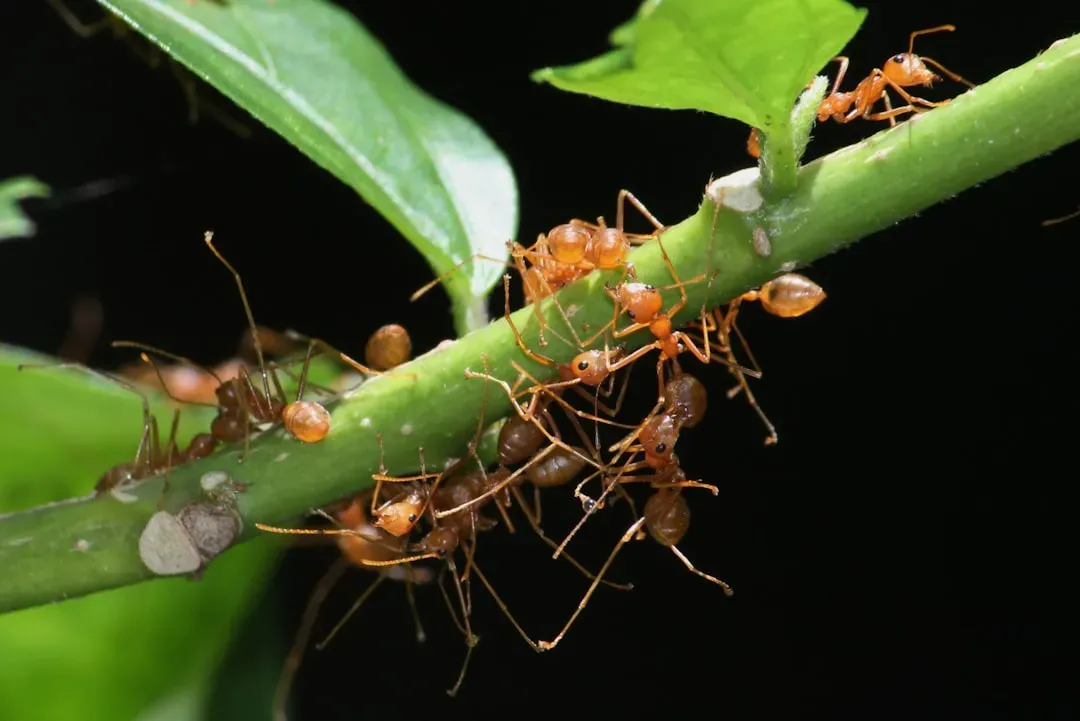
Here’s something that might surprise you: the single most attractive scent for carpenter ants is honeydew, that sweet liquid produced by aphids and other sap-sucking insects. This isn’t just any ordinary sugar source. The carpenter ant’s preference for honeydew from aphids creates a strong bond between these two insects, almost like a fast-food drive-through that never closes.
Think of it this way. A yard with lots of plants provides the perfect environment for carpenter ants, where they enjoy the protein provided by aphids, scale insects, and dead insects while enjoying the honeydew left by insects that feed on plant sap. The smell of this sweet secretion acts like a homing beacon. If you’ve got landscaping near your foundation or plants touching your house, you’re essentially giving carpenter ants an all-you-can-eat buffet invitation. The scent trail they create can lead an entire colony straight to your doorstep, and from there, it’s just a matter of time before they explore what’s inside.
Moisture-Damaged Wood: The Irresistible Nesting Invitation
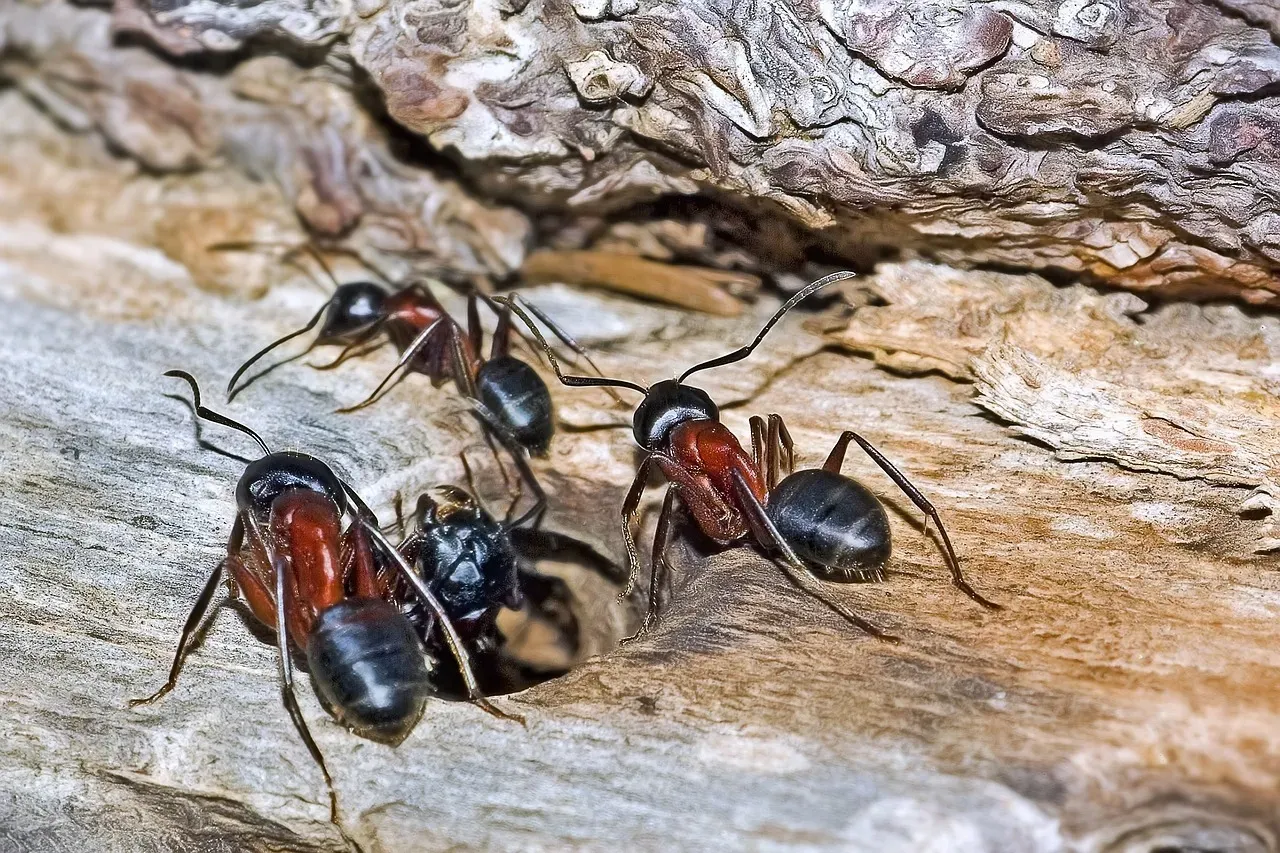
Carpenter ants are attracted to moist wood, and wood suffering from moisture damage will attract them because damp wood is easier for the ants to chew than sound, dry wood. This makes leaky pipes, damaged roofs, and poorly ventilated areas prime real estate for these pests. Let’s be real, they’re not looking to eat your house, but they absolutely want to move in.
Wood suffering from moisture damage attracts carpenter ants as nest sites, and damp wood combined with warm temperatures promotes the survival, growth and reproduction of carpenter ant colonies. Moisture creates a soft, workable material that carpenter ants can excavate with minimal effort. Even worse, that damp, musty smell from water damage practically screams “vacancy” to nearby carpenter ant scouts. If you’ve ever ignored a small leak or noticed condensation buildup, you might have unknowingly created the perfect carpenter ant hotel.
Sweet Substances and Sugary Spills
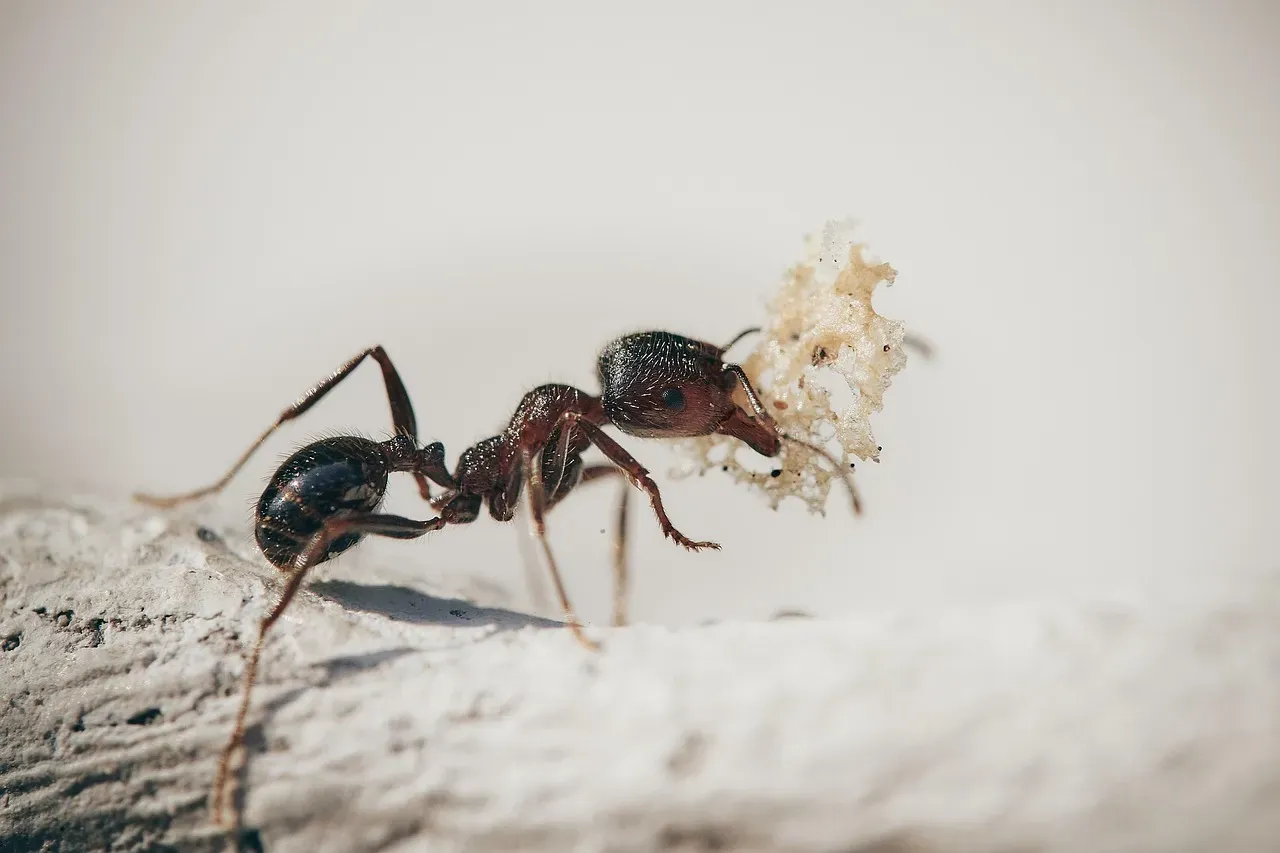
Carpenter ants are particularly attracted to sweet substances and protein-rich foods, with common sources including pet food, honeydew from aphids, and dead insects. That drop of syrup you didn’t quite wipe up after breakfast? Pure gold to a foraging carpenter ant. Sugar crystals near the coffee maker, sticky residue on the counter, or even fruit juice spills become powerful attractants.
Indoors, carpenter ants feed on meats and pet food, as well as syrup, honey, sugar, jelly and other sweets, and they are attracted to honey and other sweet foods. The scent of these sugary substances can travel surprisingly far, drawing worker ants from outdoor colonies into your kitchen. Once they find a reliable food source, they lay down pheromone trails for their nestmates to follow. Before you know it, what started as a single scout becomes a highway of hungry ants marching through your home.
Pet Food: An Unexpected Protein Magnet
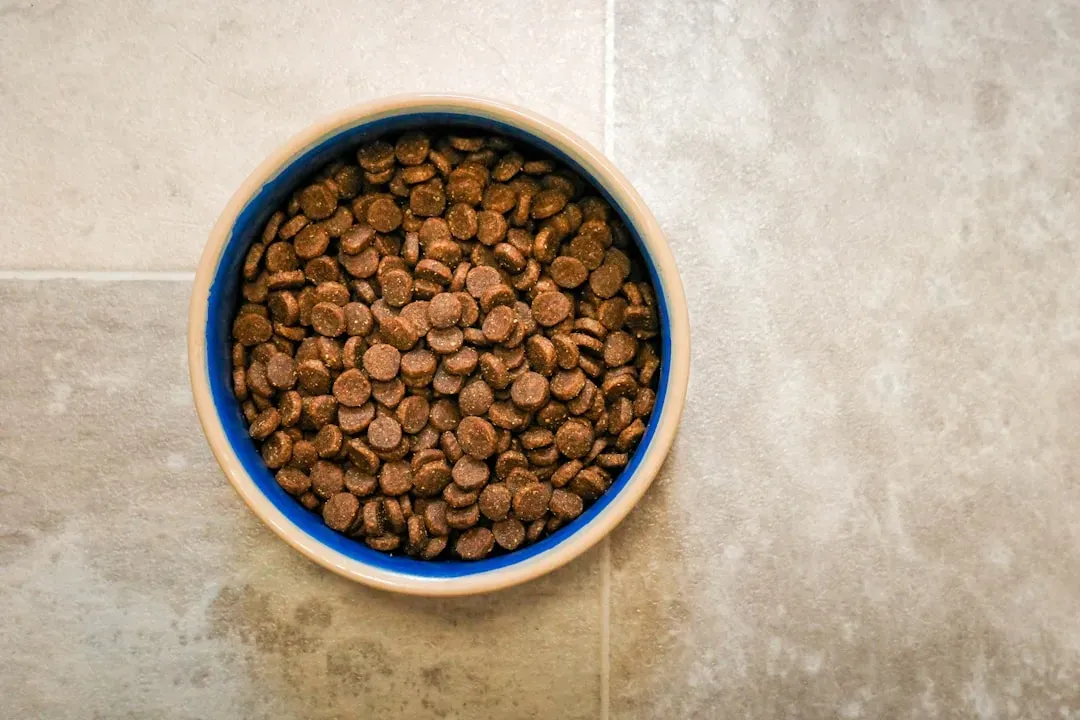
Carpenter ants eat meats and sweets, and pet food that has been left lying around contains all of the protein they require. If you have dogs or cats, you know how easy it is to leave food bowls out all day. Honestly, it’s convenient for your pets, but it’s also an open invitation for carpenter ants searching for protein sources.
Open containers of food or accessible pet food invite carpenter ants to your home, and like many other pests, carpenter ants are attracted to garbage. The smell of kibble, wet food, or even the grease residue left in pet bowls creates an aromatic calling card that carpenter ants can’t ignore. The protein component is especially important during spring when colonies are raising larvae. Workers need to bring back substantial protein to feed the developing young, making your pet’s dinner an especially tempting target during those months.
Garbage and Food Waste Odors

Your trash can might be the most underestimated carpenter ant attractor in your entire home. Trash is a top priority for ant control, but many things can develop a smell, with another common attractant being a juice spot or soiled spot on the floor, as decaying juices will cause ants to mobilize an army. The fermenting smell of organic waste is like a neon sign flashing “Free Food Here” in the ant world.
Trash sits and attracts odorous house ants, giving food less time to rot and develop a strong, ant-attracting odor. When you let your kitchen trash overflow or delay taking it outside, you’re giving those food odors more time to waft through your home and out through tiny cracks. Carpenter ants have an incredibly acute sense of smell. They can detect these odors from considerable distances, especially when combined with other attractants like moisture or honeydew sources nearby. Taking out the trash regularly and using sealed containers makes a bigger difference than most people realize.
Standing Water and Humid Environments
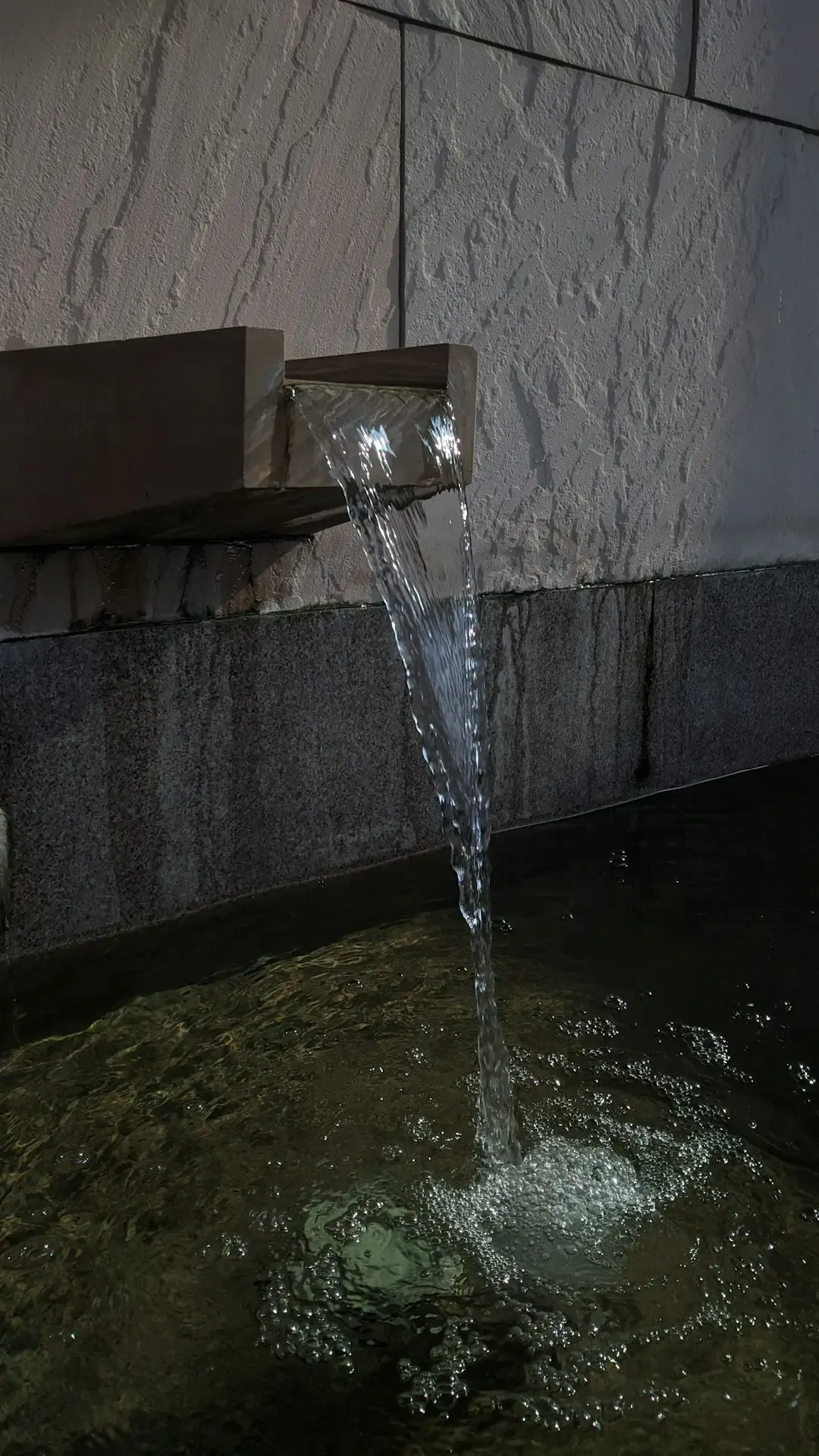
Water is one of the few things that carpenter ants need to survive, as they scour different areas for water sources and will enter your home if there are pools of water around the house. Humidity and standing water don’t just provide drinking sources; they create the ideal conditions for carpenter ants to thrive. Leaky faucets, clogged gutters, or condensation buildup all produce that telltale moisture signature.
Common ways that standing water forms include broken gutter systems, leaking hoses, compacted leaf litter, compacted ground, leaking air conditioning units, and leaking water pipes. Each of these creates a microenvironment that carpenter ants find absolutely perfect. The smell of dampness combined with decaying organic material creates a powerful cocktail of attraction. It’s hard to say for sure, but I think the combination of moisture and wood is probably what makes carpenter ants most dangerous to homes. They can sense that humid environment from outside and know immediately that conditions inside will support a thriving colony.
Dead Insects and Protein Sources
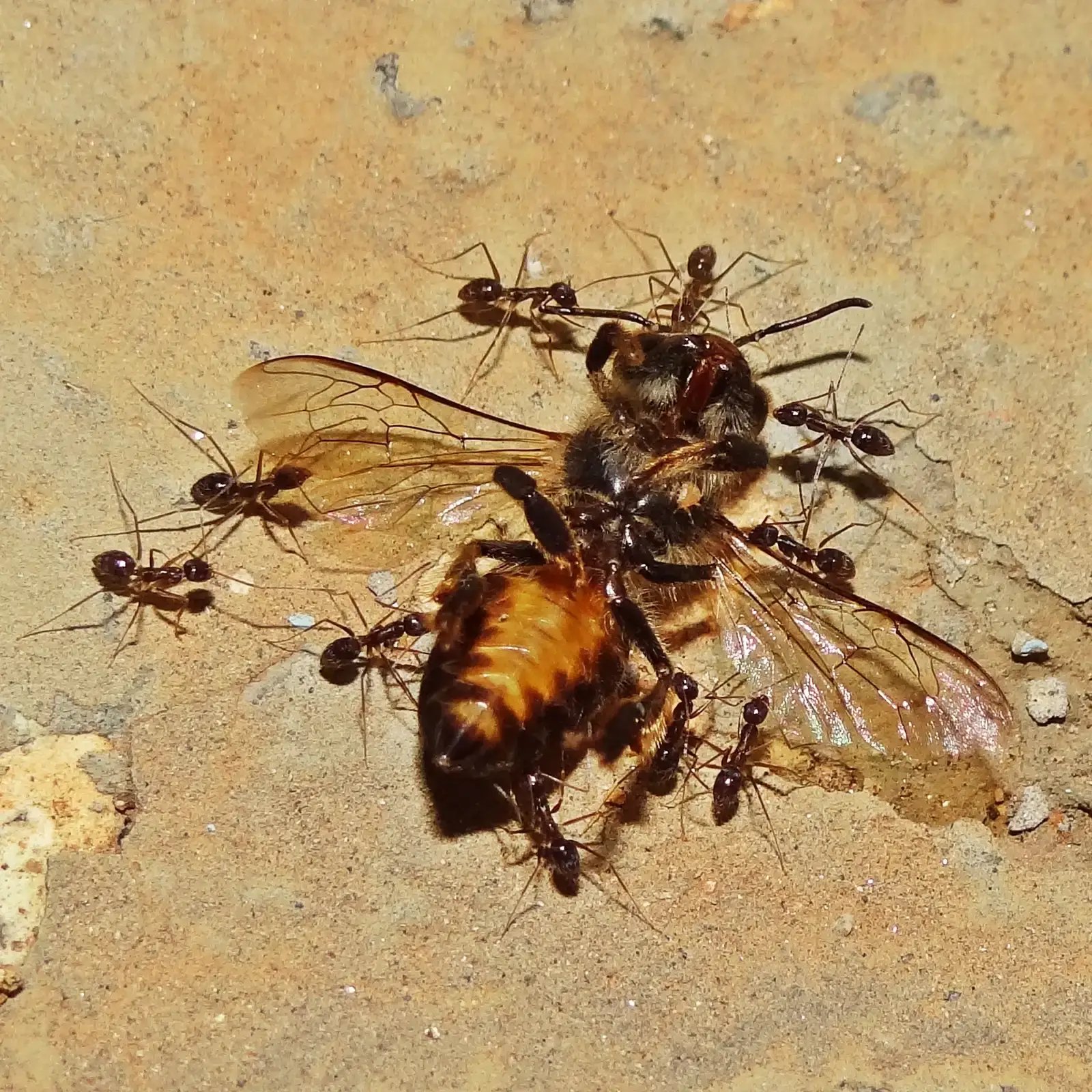
Outdoors, carpenter ants feed on living and dead insects, and they feed on a sweet liquid produced by aphids and scale insects, called honeydew. Dead bugs might not seem like a major household issue, but if you have a collection of deceased insects in window sills, corners, or behind furniture, you’re providing carpenter ants with their preferred protein sources. The scent of decomposing insects acts as another form of attraction.
In the wild, carpenter ants feed on other insects, including caterpillars, spiders, and aphids, and they are also attracted to sweet and sticky substances, such as nectar, fruit juices, and honeydew, produced by sap-sucking insects. Worker ants collect these protein sources to bring back to larvae, who need the nutrients for development. If you notice carpenter ants trailing through certain areas of your home, check for dead insect accumulations nearby. That might be exactly what they’re after, and eliminating those protein sources can help break the attraction cycle.
Tree Branches Touching Your Home
Carpenter ants can crawl up the side of a home, but they are more likely to attack higher points on a home by using tree branches as a bridge, and homeowners who don’t trim tree branches that touch rooflines can expect carpenter ants and other pests to take advantage of this vulnerability. Branches create physical highways, but they also carry the scent markers from outdoor colonies directly to your structure.
Trimming tree limbs away from the structure helps, as foraging carpenter ants often enter structures by bridging to roofs and siding from tree branches in contact with these surfaces. When branches rest against your home, they trap moisture and create perfect harborage areas. Plus, trees themselves often host aphid colonies, meaning the honeydew scent is right there at the point of contact. What would you have guessed was the easiest entry point for carpenter ants? Most people think cracks in the foundation, but overhanging branches might actually be the winner. Keeping vegetation trimmed back isn’t just about curb appeal; it’s serious pest prevention.
Conclusion: Protecting Your Home From Scent-Based Invasions
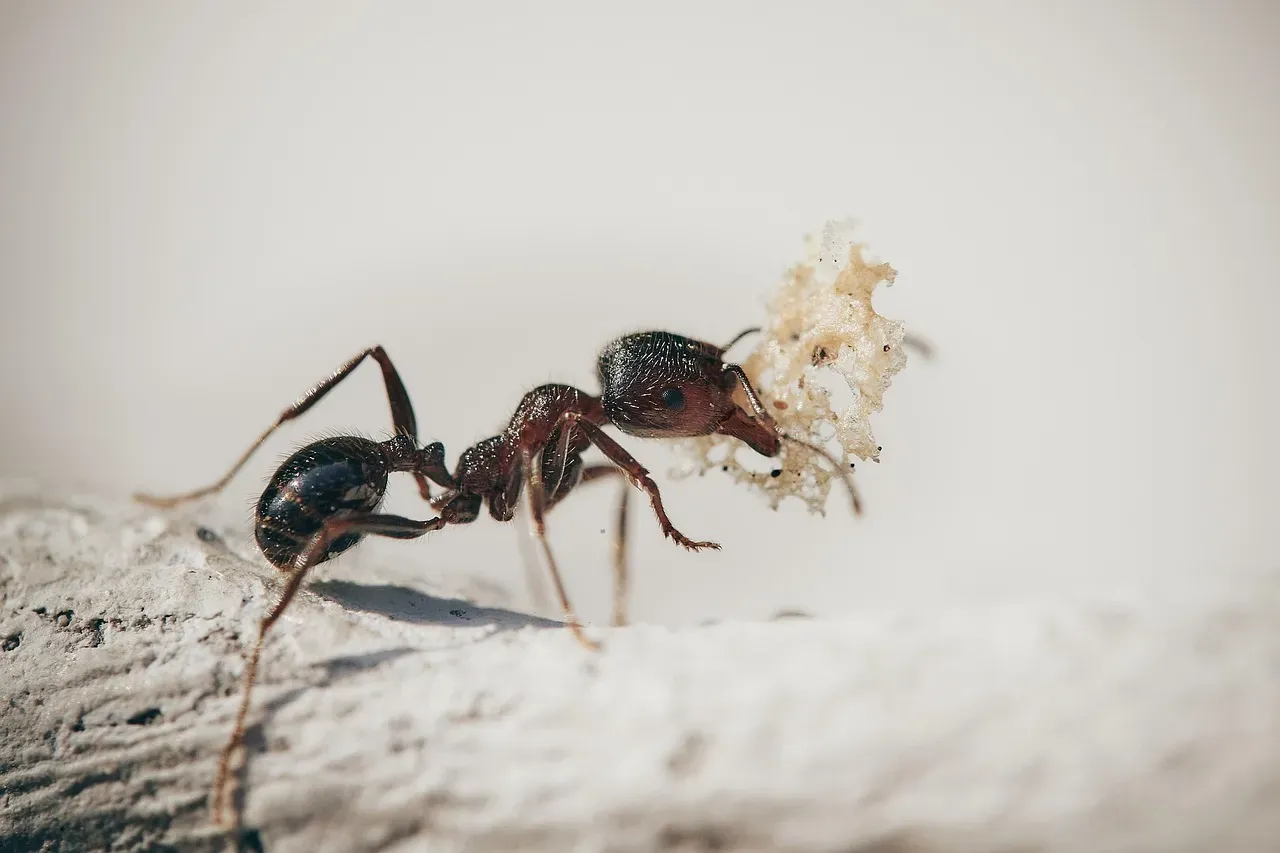
Carpenter ants don’t invade randomly. They follow specific scent cues that tell them your home offers everything they need: food, water, and shelter. The number one attractant is that sweet honeydew from aphids, but moisture-damaged wood, sugary spills, pet food, garbage odors, standing water, dead insects, and tree branches all contribute to making your property irresistible. Each of these scent sources acts like a billboard advertising “Prime Real Estate Available Here.”
The good news is that understanding what attracts them gives you the power to prevent them. Address moisture problems immediately, keep food sealed and surfaces clean, manage your landscaping, and eliminate standing water. By removing these scent-based attractions, you’re essentially making your home invisible to carpenter ant scouts. Did you notice how many of these attractants you might have around your home right now? Taking action today could save you from expensive repairs tomorrow.

- 14 Quiet Signs Your Dog Knows Its Time Is Near and Wants You Close - July 22, 2026
- 10 Falcon Facts That Will Blow Your Mind - July 22, 2026
- 5 Incredible Migratory Journeys Animals Make Every Year - July 22, 2026