

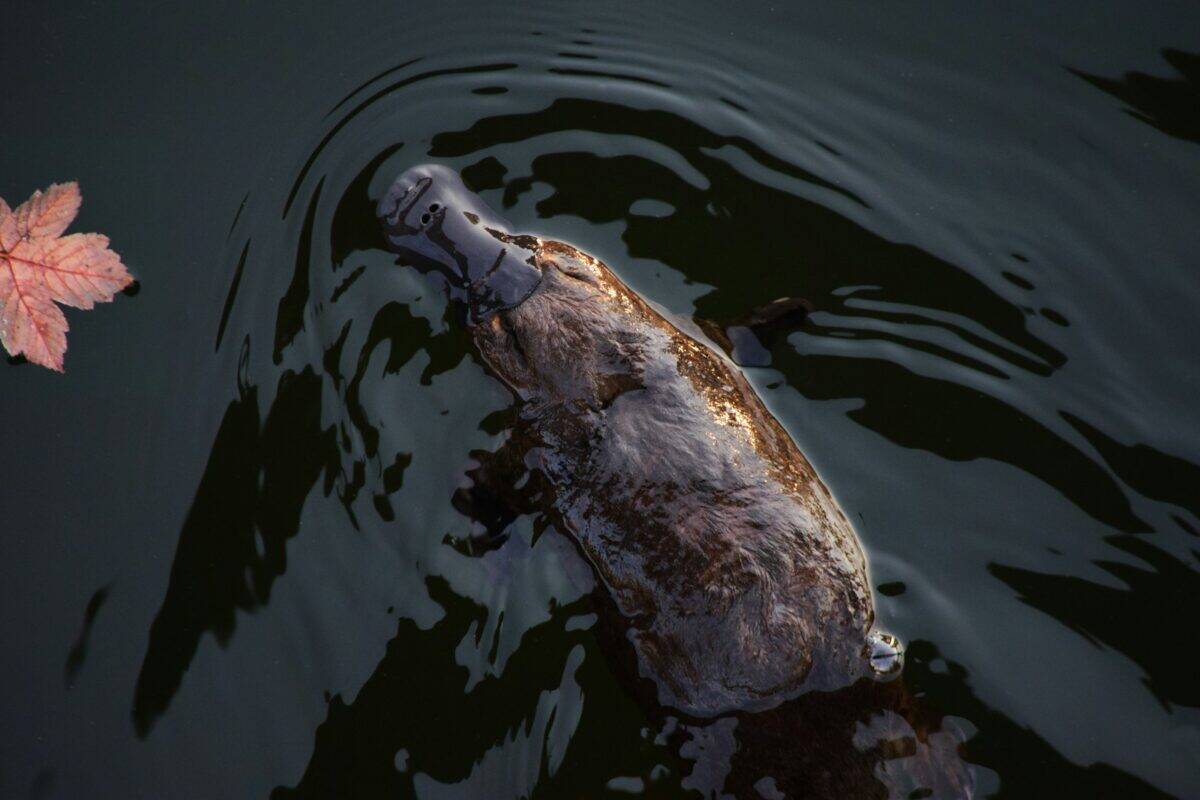
In the animal kingdom, mammals are known for their unique characteristics like warm-bloodedness, fur, and the ability to produce milk. But among the approximately 6,400 known mammal species, one stands out with a particularly unusual trait: it glows under ultraviolet light. The platypus, Australia’s famously unusual egg-laying mammal, is the only known mammal that naturally biofluoresces. This extraordinary discovery has changed how scientists view these already peculiar creatures and opened new avenues for research into the evolutionary advantages and mechanisms behind this remarkable adaptation.
Discovery of Platypus Biofluorescence

The discovery of platypus biofluorescence occurred relatively recently, in 2020, when researchers from Northland College in Wisconsin were studying biofluorescence in other animals. While examining museum specimens under ultraviolet light, they made the unexpected observation that platypus fur absorbed UV wavelengths between 200 and 400 nanometers and re-emitted them at longer wavelengths, causing the fur to glow with a greenish-blue hue. This phenomenon was consistent across specimens from different museums, ages, sexes, and preservation methods, confirming it was a natural characteristic of the species rather than an artifact of preservation techniques. The finding was particularly surprising because while biofluorescence had been documented in various organisms including fish, amphibians, reptiles, birds, and even some invertebrates, it had never before been observed in mammals.
Understanding Biofluorescence
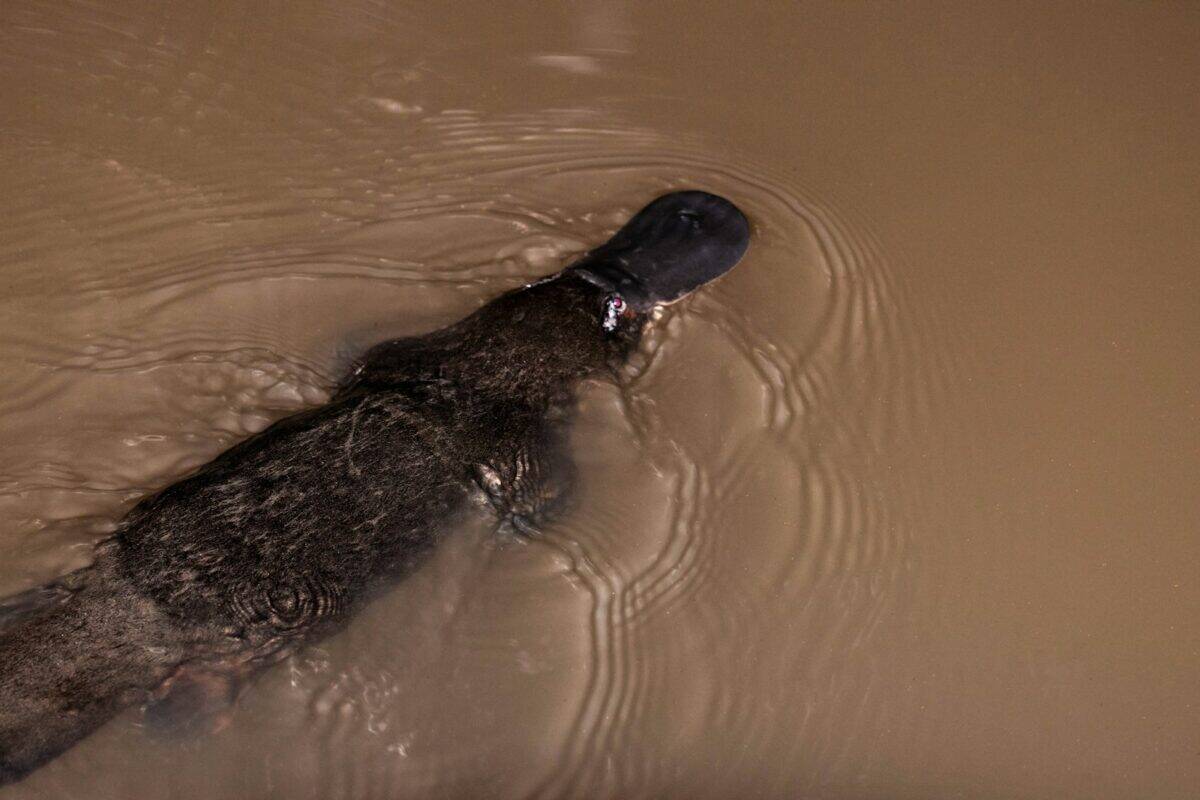
Biofluorescence should not be confused with bioluminescence, which is the ability of living organisms to produce their own light through chemical reactions. Instead, biofluorescence occurs when organisms absorb light at one wavelength and re-emit it at longer wavelengths, creating a visible glow when viewed under the right lighting conditions. In the platypus’s case, its fur absorbs ultraviolet light (which is invisible to humans) and re-emits it in the visible spectrum, producing the characteristic blue-green glow. This process is completely passive, requiring an external light source, unlike bioluminescence which generates light independently. The phenomenon depends on fluorescent proteins or compounds in the organism’s tissues that interact with light in this specific way.
The Platypus: Already an Evolutionary Oddity
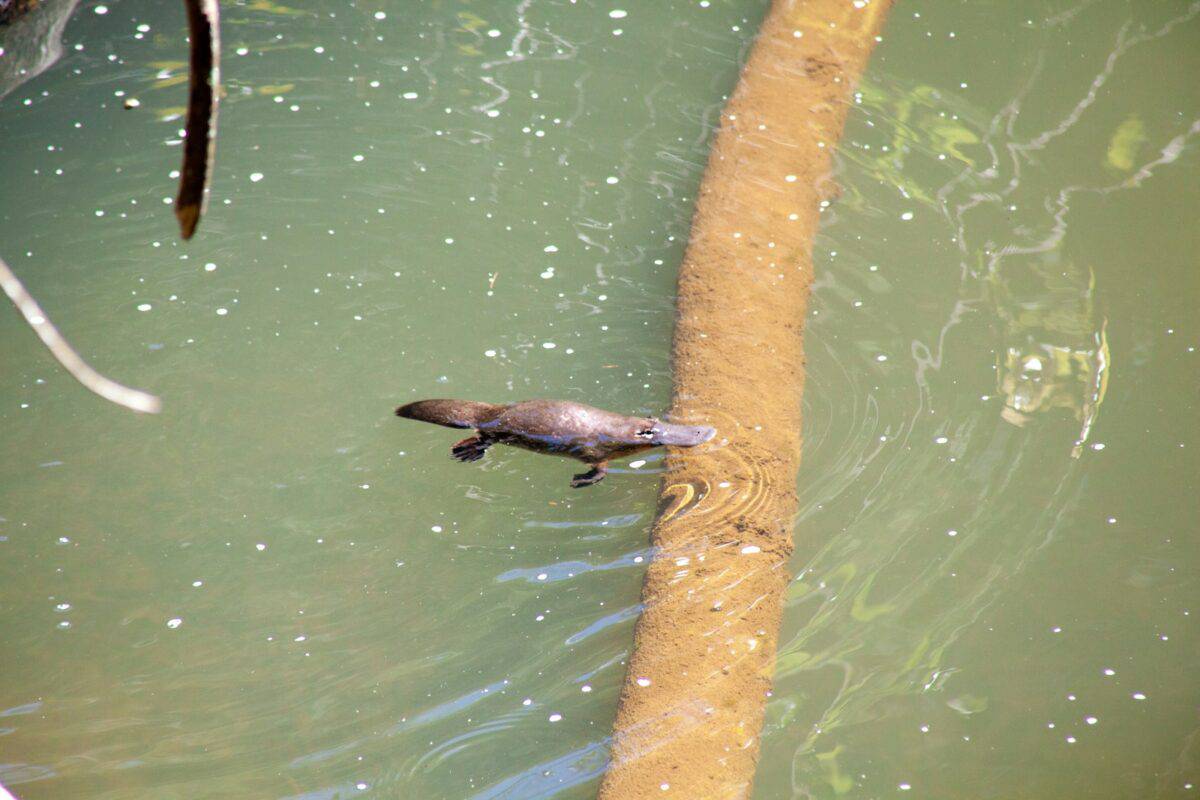
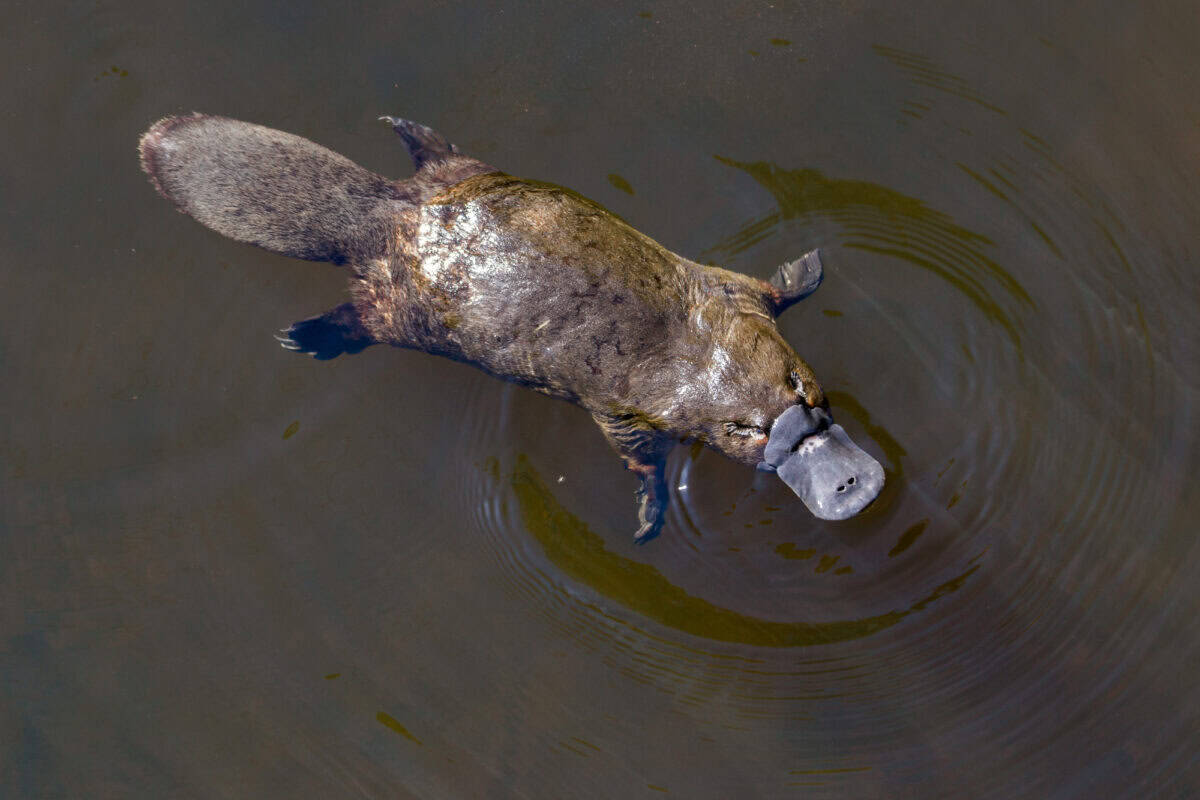
The platypus (Ornithorhynchus anatinus) was already considered one of the world’s most unusual mammals long before the discovery of its biofluorescence. As a monotreme, it belongs to the oldest branch of mammals, which diverged from other mammalian lineages approximately 166 million years ago. Monotremes retain several reptilian features, most notably laying eggs rather than giving birth to live young. The platypus also possesses a duck-like bill, webbed feet, a beaver-like tail, and venomous spurs on the hind legs of males. They use electroreception to detect prey underwater by sensing electric fields produced by muscle movements. With such a unique collection of characteristics, the addition of biofluorescence to the platypus’s repertoire of oddities seems almost fitting, further cementing its status as one of nature’s most peculiar creations.
Potential Evolutionary Advantages
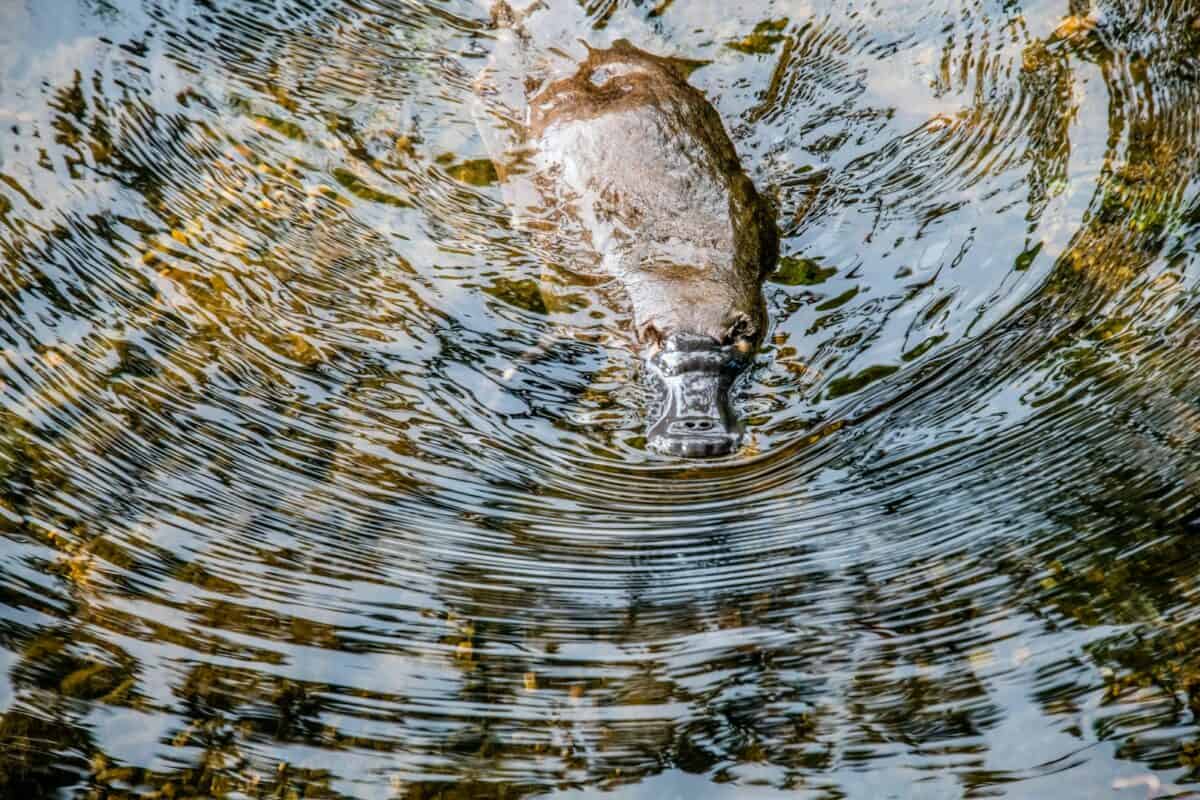
Scientists are still debating the evolutionary purpose of biofluorescence in the platypus. One leading theory suggests it may serve as a form of adaptation to low-light environments. Platypuses are primarily nocturnal and crepuscular (active at dawn and dusk), spending much of their time in dimly lit waters. During these periods, UV light from the moon and stars could potentially make them visible to each other while remaining camouflaged from predators that cannot see in the UV spectrum. Another hypothesis proposes that the fluorescence might help platypuses avoid predators, as their glow could mimic toxic or unpalatable species. Alternatively, it might play a role in mate selection, with the quality or intensity of fluorescence potentially signaling genetic fitness. Without conclusive evidence, researchers continue to investigate these possibilities and others.
The Role of UV Vision in Platypus Ecology

For biofluorescence to serve any communicative function, platypuses would need to be able to see in the UV spectrum. Interestingly, studies on platypus vision suggest they may indeed have this ability. Unlike most mammals, which have dichromatic vision (two types of color receptors), the platypus has inherited rod-like and cone-like photoreceptors that potentially enable them to detect UV light.
This visual adaptation could have evolved alongside biofluorescence, creating a private communication channel invisible to many predators and competitors. The platypus’s largely nocturnal lifestyle in aquatic environments, where light conditions differ significantly from terrestrial habitats, may have driven the development of these specialized visual capabilities as an evolutionary advantage for navigation, prey detection, and social interaction.
Comparing Platypus Fluorescence to Other Animals

While the platypus is the only known mammal with natural biofluorescence, this phenomenon is not uncommon in the animal kingdom. Various marine creatures, including certain species of fish, corals, and jellyfish, exhibit brilliant fluorescent patterns. Among terrestrial vertebrates, some frogs, salamanders, and chameleons also display this trait.
Birds like parrots have fluorescent feathers, and flying squirrels were recently discovered to have a pink fluorescent glow under UV light, though this is thought to be diet-related rather than the intrinsic property seen in platypuses. The mechanisms and evolutionary paths leading to biofluorescence differ across these groups, making the platypus’s case particularly intriguing as it represents a unique evolutionary development among mammals that parallels adaptations seen in distantly related animal groups.
Chemical Basis of Platypus Fluorescence

The precise chemical compounds responsible for the platypus’s biofluorescence remain under investigation. Researchers believe the glow is likely caused by specific proteins or pigments in the platypus’s fur that have fluorescent properties. These compounds may be synthesized by the platypus itself or potentially derived from its diet or environment.
Preliminary analyses suggest the fluorescent compounds are distributed throughout the fur rather than concentrated in specific patterns, creating an all-over glow rather than the distinctive patterns seen in some fluorescent fish and amphibians. Further biochemical studies are needed to isolate and identify these compounds, which could potentially have applications in scientific research, medical imaging, or biomimetic technologies that draw inspiration from natural fluorescent mechanisms.
Conservation Implications

The discovery of biofluorescence in platypuses adds another dimension to conservation efforts for these unique mammals. Platypuses face numerous threats including habitat destruction, water pollution, and climate change. Understanding all aspects of their biology, including their fluorescent properties, may be crucial for effective conservation strategies.
For instance, if biofluorescence plays a role in mate selection or social communication, habitat alterations that affect light conditions could potentially disrupt these behaviors. Additionally, water pollution might interfere with the chemical compounds responsible for fluorescence. Conservation measures might need to consider preserving not just the physical habitat but also the light environment and water quality necessary for the platypus’s unique adaptations to function properly.
Research Challenges and Methodologies

Studying biofluorescence in wild platypuses presents significant challenges. These animals are notoriously difficult to observe in their natural habitat, as they are shy, nocturnal, and spend much of their time underwater. Researchers must use specialized equipment, including waterproof UV lights and UV-sensitive cameras, to document fluorescence in living specimens.
Ethical considerations also limit the types of studies that can be conducted, as platypuses are protected species in Australia. Most initial research relied on preserved museum specimens, which may not perfectly represent the fluorescent properties of living animals. Field studies involving minimal-impact observation techniques, along with careful laboratory analyses of fur samples from animals being monitored for conservation purposes, represent the most promising approaches for advancing our understanding of this phenomenon without harming these remarkable creatures.
Future Research Directions

The discovery of platypus biofluorescence has opened numerous avenues for future research. Scientists are particularly interested in determining whether the close relatives of the platypus, the echidnas (the only other living monotremes), also exhibit biofluorescence. Comparative studies across monotremes and other mammalian orders could provide insights into the evolutionary history of this trait.
Researchers are also investigating whether the intensity or spectral characteristics of fluorescence vary seasonally or with the animal’s age, sex, or reproductive status, which might indicate a role in social signaling. Molecular studies aim to identify the genes responsible for producing fluorescent compounds and trace their evolutionary origins. Behavioral studies in controlled environments could help determine whether platypuses can perceive and respond to fluorescent signals, providing crucial evidence for the adaptive significance of this fascinating trait.
Cultural and Scientific Significance

The platypus has long captured public imagination as one of nature’s most peculiar creatures. The discovery of its biofluorescence has only enhanced its cultural significance and appeal. Beyond public fascination, this finding has important implications for how scientists understand mammalian evolution and adaptation. It challenges the conventional notion that mammals are relatively conservative in their visual ecology compared to other vertebrates.
The platypus, along with other recent discoveries like UV vision in reindeer and magnetic sensitivity in various mammals, is forcing scientists to reconsider the diversity and complexity of sensory adaptations in mammals. Furthermore, studying natural biofluorescence could inspire new applications in fields ranging from medical imaging to the development of bio-inspired fluorescent materials, demonstrating how basic research on unusual animal traits can lead to unexpected practical benefits.
Conclusion
The platypus continues to surprise and challenge our understanding of mammalian biology with its unique adaptation of biofluorescence, cementing its status as one of the world’s most extraordinary creatures. This remarkable trait not only adds to the platypus’s list of evolutionary oddities but also opens new frontiers in research regarding the functions, mechanisms, and evolutionary history of biofluorescence in vertebrates.
As scientists continue to investigate this phenomenon, we may gain insights that extend far beyond the platypus itself, potentially revealing new aspects of sensory ecology and communication in other species. In protecting these unique animals and studying their unusual characteristics, we protect not just an iconic species but also our opportunity to uncover nature’s secrets that may one day inform everything from conservation practices to technological innovations.

From exploring the marine wonders in the Azores and witnessing the vast savannas of Kenya, to delving deep into the rich biodiversity of South Africa and traversing iconic landscapes in Australia and the US like Yellowstone, Chris's experiences are vast.
With a penchant for diving alongside sharks, the ocean holds a special place in his heart.
Through his academic insights, he champions wildlife conservation, striving with 'Animals Around The Globe' to cultivate a profound connection between humans and animals, enhancing our mutual appreciation.
Connect with him at Feedback@animalsaroundtheglobe.com.