

In the cold, deep waters of the North Pacific Ocean, a fascinating cultural phenomenon has emerged among certain orca (killer whale) populations. Some pods have developed specialized hunting techniques that involve taking fish directly from fishing boats – a behavior known as depredation. What makes this particularly remarkable is how these intelligent marine mammals pass this knowledge down through generations, effectively teaching their young to “steal” from humans. This cultural transmission represents one of the most sophisticated examples of learned behavior in the animal kingdom and illustrates the complex social structures and problem-solving abilities of these apex predators.
The Evolution of Depredation Behavior

Depredation—the taking of fish directly from fishing gear—didn’t develop overnight. This behavior evolved gradually as orcas recognized fishing vessels as potential sources of food. Historical records indicate that interactions between killer whales and fishing operations date back to at least the 1960s in Alaska’s waters, but the behavior has intensified and spread in recent decades. As commercial longline fishing expanded in regions like the Gulf of Alaska and the Bering Sea, certain orca pods began associating the sounds of boat engines and fishing activities with easy meals. Over time, what began as opportunistic encounters evolved into deliberate, coordinated hunting strategies targeting specific fisheries, particularly those for valuable species like halibut and black cod (sablefish).
The Cultural Learning Process

What makes this behavior particularly fascinating is how it’s transmitted within orca communities. Orcas are highly social animals with complex cultures that vary between pods. Young orcas spend years learning hunting techniques from their mothers and other pod members. In pods that practice depredation, juveniles observe as experienced adults follow fishing vessels, wait for fishermen to set their lines, and then skillfully remove fish from hooks or nets. This cultural transmission creates “traditions” within specific family groups. Research by marine biologists has documented juvenile whales gradually becoming more proficient at these techniques under the guidance of experienced adults. The learning process involves observation, imitation, and practice—similar to how human cultural knowledge is passed down through generations.
Regional Hotspots of Boat Interaction

While depredation occurs in various locations worldwide, certain regions have become notorious hotspots for this behavior. In Alaskan waters, particularly around the eastern Gulf of Alaska and Prince William Sound, specific killer whale pods have specialized in taking black cod from longline fisheries. In the Bering Sea, other groups target halibut operations. Similar behaviors have been documented off the coasts of Chile, New Zealand, and in the Southern Ocean near the Crozet Islands, where orcas target Patagonian toothfish operations. Each regional group has developed slightly different techniques based on the specific fisheries they encounter and the fishing methods used in those areas. For instance, some pods specialize in taking fish from longlines, while others have learned to extract fish from trawl nets.
The Economics of Orca Depredation

The financial impact of orca depredation on commercial fishing operations is substantial. In the North Pacific, studies estimate that some fishing vessels lose between 30% and 70% of their catch to killer whales during encounters. For the Alaskan longline fishery alone, annual losses are estimated to exceed $10 million. Beyond the direct loss of catch, fishermen incur additional costs: they must spend more on fuel traveling to areas without whale activity, invest in deterrent technologies, and sometimes abandon productive fishing grounds entirely. The economic strain has driven innovation in fishing practices and equipment, including the development of specialized gear designed to protect catches from predation. For small-scale fishing operations, a single encounter with a pod specialized in depredation can mean the difference between a profitable trip and a financial loss.
Distinguishing Features of “Fishing Specialist” Pods

Not all orca pods engage in depredation—this behavior is limited to specific groups that have incorporated it into their cultural repertoire. Researchers have identified distinct characteristics of these “fishing specialist” pods. They typically demonstrate greater tolerance for vessel presence, show more persistent tracking of boats, and exhibit coordinated hunting strategies specific to fishing operations.
Interestingly, these pods often show less interest in natural prey when fishing vessels are present, suggesting a clear preference for the relatively easy meals that boats provide. Some fishing specialist pods have even become recognizable to local fishermen, who give them nicknames and can identify them by their distinctive markings and behaviors. Scientists use photo identification and acoustic monitoring to track these specialized groups, documenting how their ranges often overlap with intensive commercial fishing zones.
The Physics and Mechanics of Fish Theft

The actual process of taking fish from fishing gear requires remarkable precision and understanding of fishing equipment. When targeting longlines, orcas have been observed waiting until the gear is set and then swimming alongside the lines, removing fish with surgical precision. In some cases, they leave just the fish lips or heads on the hooks—evidence of their careful extraction technique. For trawl fishing, orcas have learned to identify the narrowing “cod end” of nets where captured fish concentrate.
Some pods have even developed techniques to create waves that wash fish out of nets as they’re being retrieved. These mechanical skills demonstrate the orcas’ problem-solving abilities and their understanding of human fishing technology. High-definition underwater footage has revealed that different pods employ slightly different techniques, further evidence of distinct cultural traditions within the species.
The Sensory Abilities That Enable Depredation

Orcas possess sensory capabilities that make them exceptionally well-suited to locate fishing operations and target catches. Their echolocation allows them to detect fishing gear underwater with remarkable precision, while their excellent hearing enables them to identify the distinctive sounds of fishing activities—such as engines changing pitch during gear deployment or retrieval. Some studies suggest that orcas can detect fishing operations from over 10 miles away under good conditions.
Their intelligence allows them to associate these sensory inputs with potential food rewards. Additionally, chemical sensing may play a role, as orcas can possibly detect the oils and other compounds released by fish caught on lines. These sensory abilities combine with their impressive memory and spatial awareness, allowing pods to return to productive fishing areas season after season.
Deterrent Technologies and Their Effectiveness

As depredation has increased, fishermen and researchers have developed various technologies to deter orcas from taking catches. Acoustic deterrent devices that emit unpleasant sounds have shown mixed results, with many orcas quickly habituating to them. Physical barriers like “cachalotera” systems—protective sleeves that cover caught fish as they’re brought up—have proven more effective in some fisheries. Another approach involves changing fishing practices, such as reducing soak times for longlines or using pot gear instead of hooks.
Some vessels now share real-time information about orca locations to help each other avoid areas with active pods. Despite these innovations, truly effective deterrents remain elusive. The orcas’ intelligence allows them to adapt to most deterrent strategies over time, creating an evolutionary arms race between human innovation and whale learning abilities. Researchers continue to test new approaches, including magnetic deterrents and alternative gear types, seeking solutions that balance fishing efficiency with minimizing depredation.
The Social Structure of Depredating Pods

Orca pods that practice depredation maintain the same complex social structures characteristic of all killer whale groups. They typically consist of extended family units led by a matriarch, with sons and daughters remaining with their mothers for life. This stable social arrangement facilitates the transmission of specialized knowledge across generations. Within depredating pods, researchers have observed apparent role specialization during fishing interactions.
While some pod members directly engage with fishing gear, others appear to maintain lookout positions or coordinate the group’s movements. Acoustic studies have detected distinctive vocalizations during depredation events, suggesting specialized communication related to this activity. The cohesive social structure also enables collective learning, where successful techniques discovered by one pod member can quickly spread throughout the group. This social learning accelerates the adaptation process and helps maintain the cultural tradition of depredation within specific lineages.
Ecological Implications and Conservation Concerns
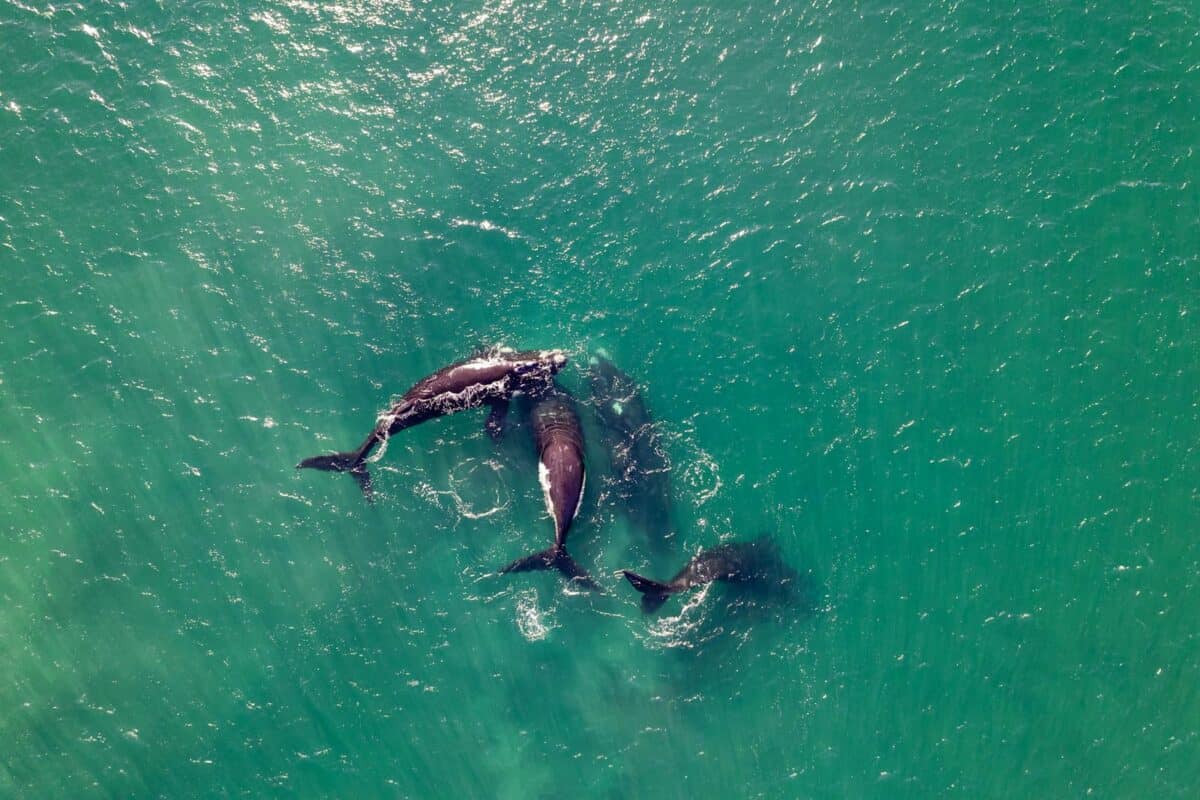
The ecological implications of orca depredation extend beyond the direct economic impact on fisheries. By removing fish from commercial catches, these orcas are effectively competing with humans for marine resources. However, the activity also raises conservation concerns about potential risks to the orcas themselves. Increased interaction with fishing gear elevates the risk of entanglement, vessel strikes, and potential retaliatory actions from frustrated fishermen.
Additionally, there are concerns about how this artificial food source might alter natural foraging behaviors and population dynamics. If certain pods become dependent on fishing vessels for nutrition, changes in fishing regulations or practices could potentially impact their survival. Conservation biologists monitor these interactions closely, recognizing that solutions must balance the protection of both commercial fishing interests and the welfare of these intelligent marine predators.
Geographic Expansion of the Behavior

The geographic range of depredation behavior continues to expand as the practice spreads to new pods and regions. While initially confined to specific areas, the behavior has been documented in increasingly diverse locations across the world’s oceans. This expansion occurs through two primary mechanisms: the movement of pods that already practice depredation into new territories, and the independent development of similar behaviors in previously unaffected populations. Satellite tracking studies have revealed that some “specialist” pods travel hundreds of miles to follow seasonal fishing operations, demonstrating remarkable memory and navigational abilities.
The increasing global documentation of this behavior raises questions about whether we are witnessing the spread of a particularly successful cultural innovation among orca populations worldwide. Long-term studies tracking the emergence of depredation in new areas provide valuable insights into how complex behaviors propagate through marine mammal populations.
Human Perspectives on Orca Intelligence
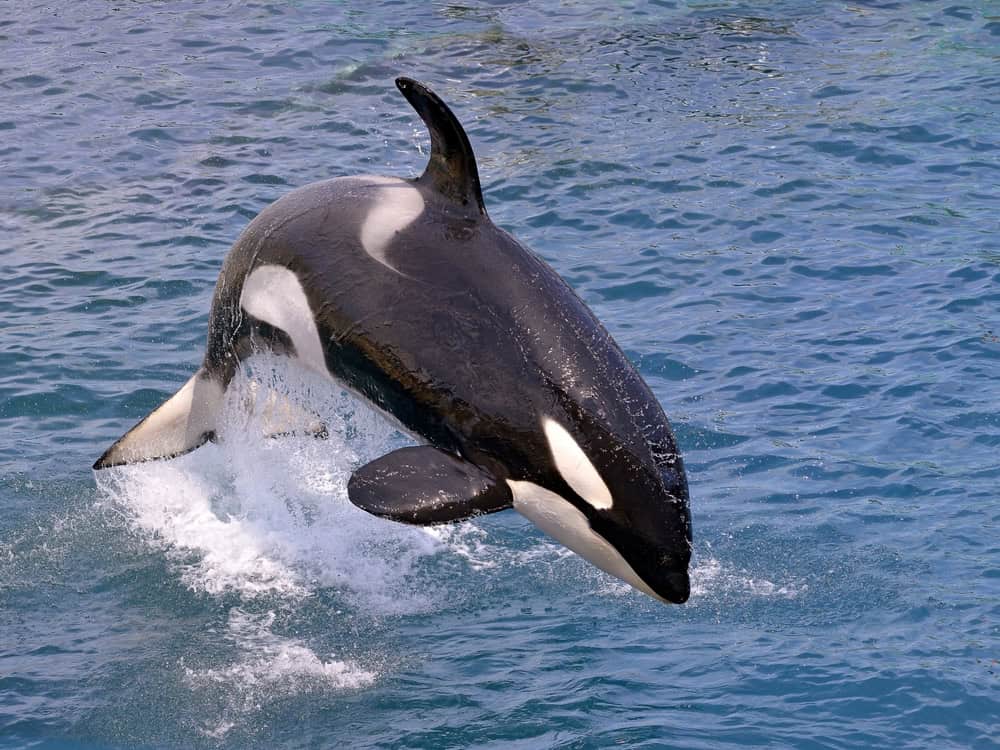
The development and transmission of depredation techniques has profoundly impacted human perspectives on orca intelligence and culture. What fishermen once viewed as simple theft, scientists now recognize as evidence of remarkable problem-solving abilities, cultural learning, and adaptive behavior. These interactions have helped reshape scientific understanding of non-human intelligence, challenging anthropocentric views about the uniqueness of human cultural transmis
sion. Many fishermen who regularly encounter these animals express a complex mixture of frustration and reluctant admiration for their intelligence. As one Alaskan longline fisherman told researchers, “They’re smarter than we are. They know exactly when we’re going to set gear and exactly when we’re going to pick it up.” These interactions create a unique form of human-wildlife conflict where both sides continuously adapt their strategies in response to the other—a remarkable evolutionary scenario playing out in real-time across the world’s oceans.
Conclusion: The Future of Orca-Fishery Interactions

The phenomenon of orcas teaching their young to take fish from boats represents one of the most fascinating intersections of human industry and wildlife adaptation in the marine environment. As fishing practices continue to evolve and orcas further refine their depredation techniques, we can expect this complex relationship to develop in new and unpredictable ways. Finding sustainable solutions will require collaboration between fishing communities, marine biologists, conservation organizations, and regulatory agencies to develop approaches that protect both fishing livelihoods and these remarkable marine predators.
The story of depredating orca pods ultimately reminds us that we share our oceans with highly intelligent, culturally sophisticated beings capable of adapting to human activities in ways that continue to surprise and challenge us. As we work to manage these interactions, we gain not only practical knowledge about mitigating conflicts but deeper insights into the remarkable cognitive abilities of our planet’s oceans’ apex predators.

- How Florida’s Kids Saved the Panther From Extinction - August 16, 2026
- How to Stop Racoons Stealing and Eating Your Halloween Pumpkins - August 13, 2026
- The World’s 7 Most Mysterious Animal Migrations Explained by Science - August 12, 2026