
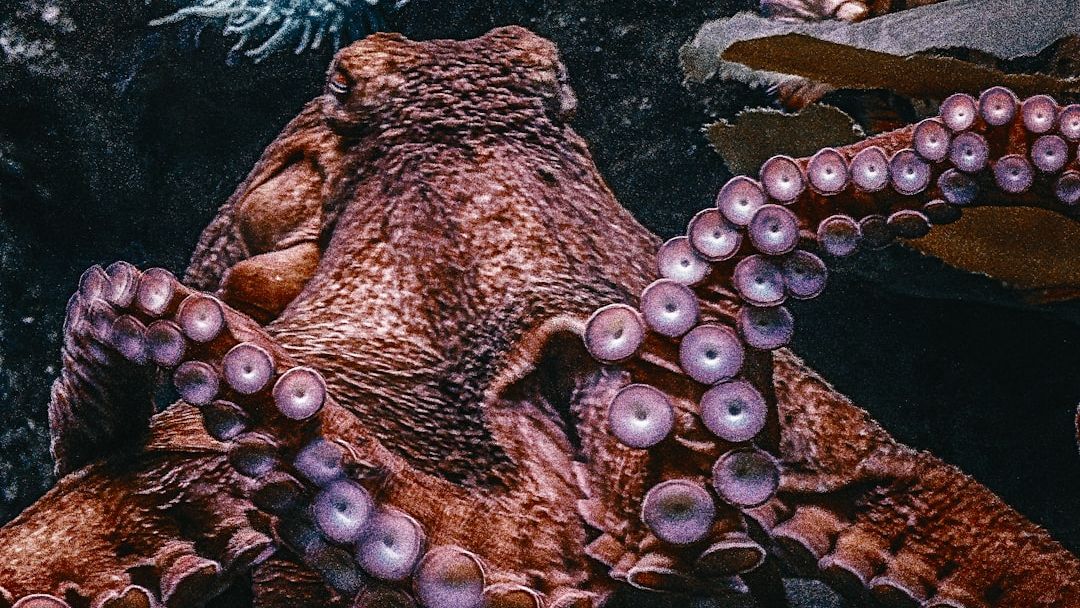
There are creatures on this planet so unlike us, so fundamentally strange, that studying them feels less like marine biology and more like a first encounter with alien life. The octopus is one of them. Eight arms. Three hearts. Blue blood. A doughnut-shaped brain. Honestly, if someone described the octopus to you without showing you a picture, you’d probably assume it was science fiction.
The octopus, a master of disguise and a surprisingly sophisticated problem-solver, has increasingly fascinated scientists over the past decade, compelling researchers to uncover how these animals display cognition that is both complex and alien in nature. What they keep finding is nothing short of extraordinary. Get ready for a deep dive into one of nature’s most baffling minds.
A Brain Unlike Anything Else on Earth
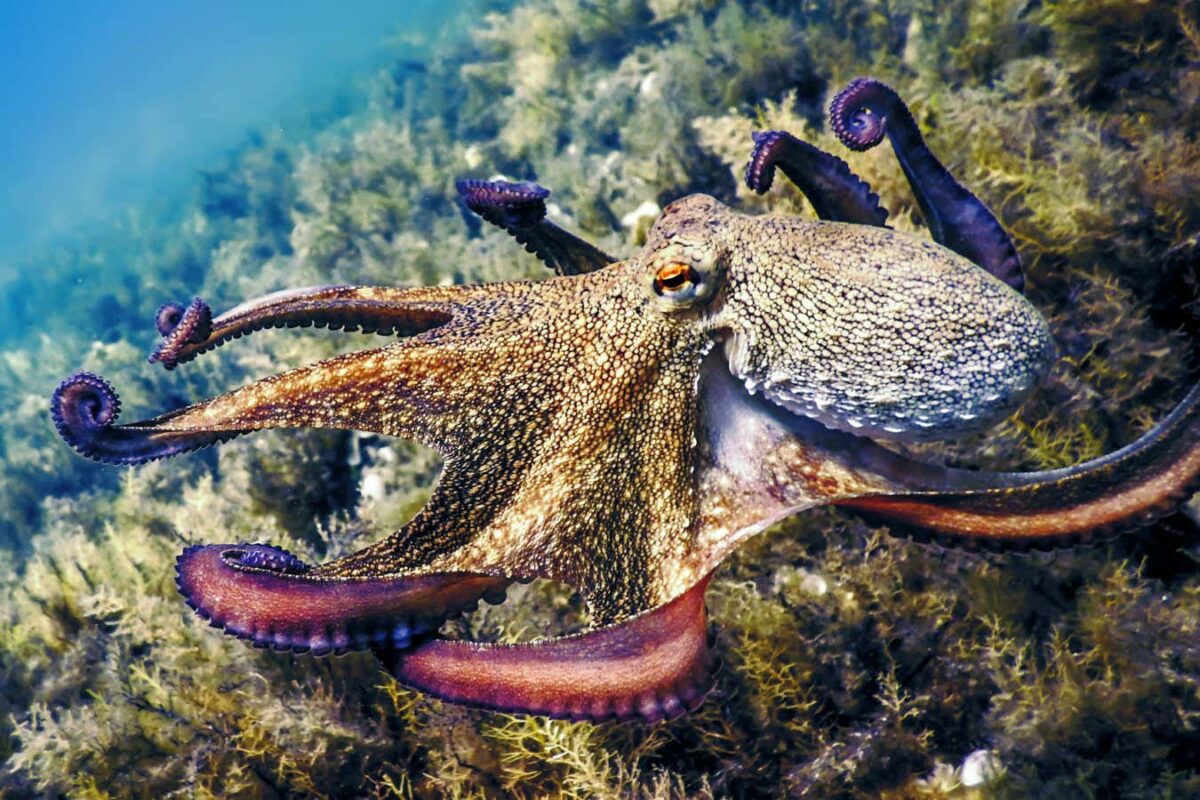
Here’s the thing that stops most people in their tracks: the octopus doesn’t think the way we think. Not even close. Humans are more closely related to dinosaurs than they are to octopuses, with our lineage splitting from that of cephalopods roughly half a billion years ago.
The common octopus has around 500 million neurons, roughly comparable to a dog. About two thirds of those neurons are located in its arms, while the rest are in its doughnut-shaped brain, which is wrapped around the esophagus and located in the head.
Think about what that means for a moment. Imagine if your arms could think independently without waiting for your brain to give them instructions. That’s basically what’s happening here. Unlike vertebrates, octopus arms have their own neurons and do not require input from the central brain to function. In fact, two thirds of an octopus’s neurons are in the nerve cords of its arms, capable of complex reflex actions without any brain input.
Although small compared to a human brain, the octopus brain is large relative to body size and highly folded, giving it a surface area closer to that of a mammalian brain than of most invertebrates. That’s an evolutionary overachievement by any measure.
Arms That Think, Plan, and Explore on Their Own
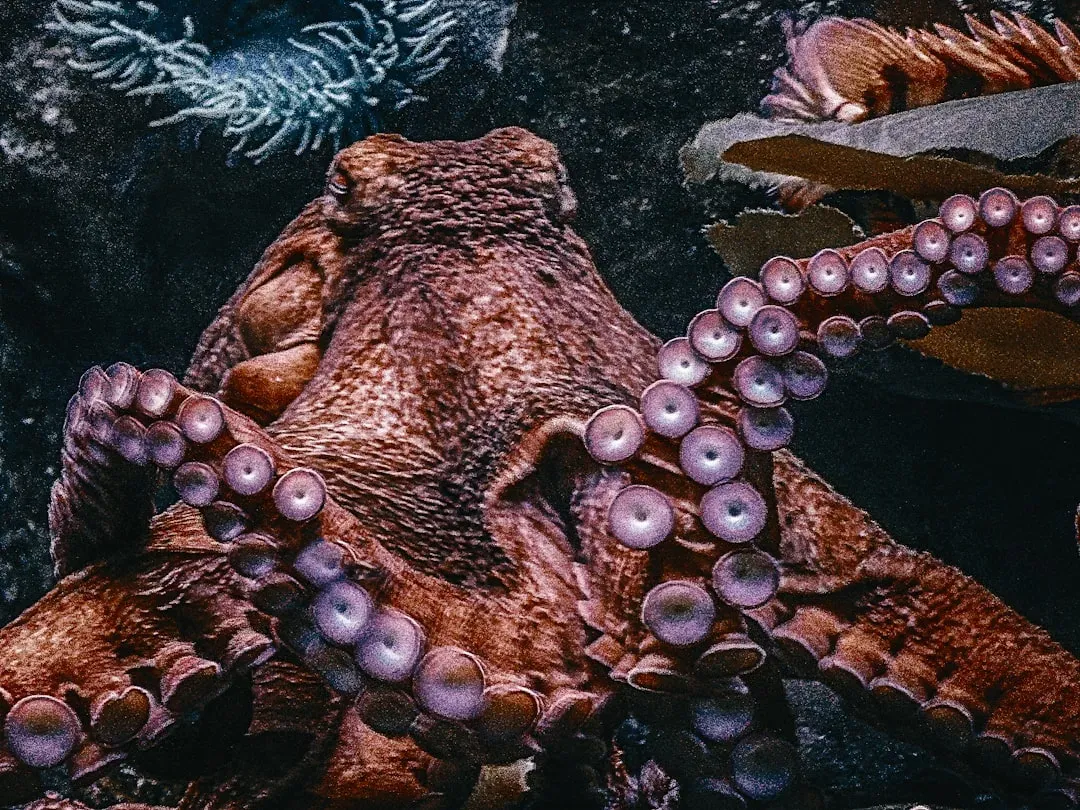
If you’ve ever watched an octopus move, you’ve probably noticed it looks almost choreographed. The reality is even more astonishing. A landmark study published in Scientific Reports in September 2025 documented something marine biologists had long suspected but never quantified: octopuses don’t just have eight arms, they have eight semi-independent decision-making units, each capable of complex sensorimotor processing without central brain input.
The 2025 study revealing arm specialization found that front arms primarily handle exploration while rear arms focus on locomotion, yet all arms retain full behavioral flexibility. It’s a division of labor that would make any organizational consultant jealous.
Marine scientists recorded nearly 4,000 unique arm movements while studying octopuses in the wild, each action serving a purpose such as building shelters, hunting, defending, or exploring. The front arms handled most of the searching, while the back arms pushed and steered through the water.
These findings showed that octopuses don’t rely on random instinct. Their movements follow patterns and strategies suited to each situation, and every gesture reveals a level of coordination that rivals advanced robotics. Let’s be real: this is not the behavior of a simple sea creature.
Tool Use, Deception, and Signs of Consciousness
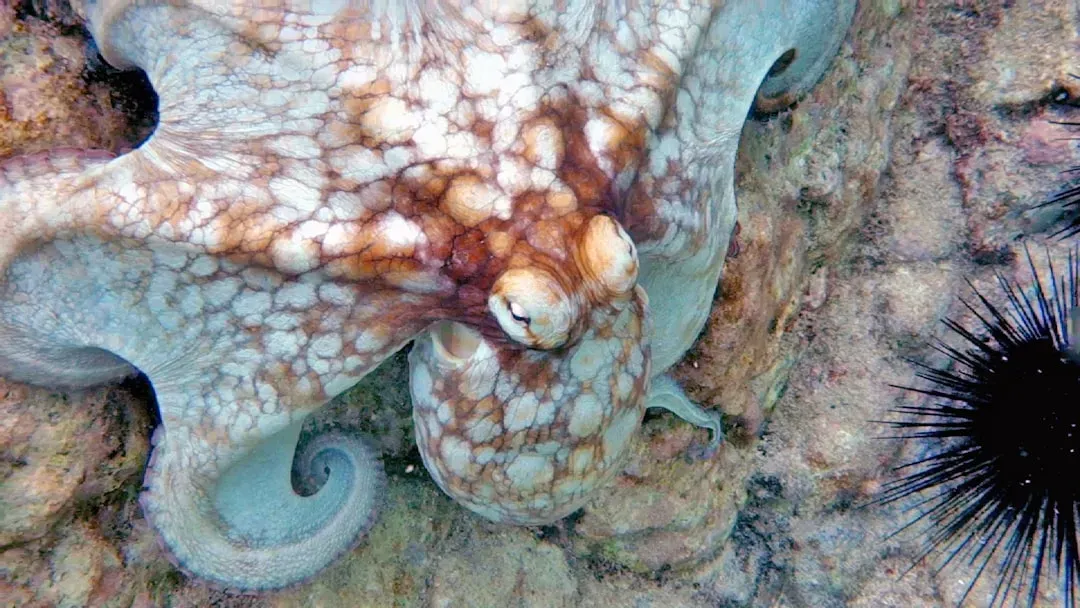
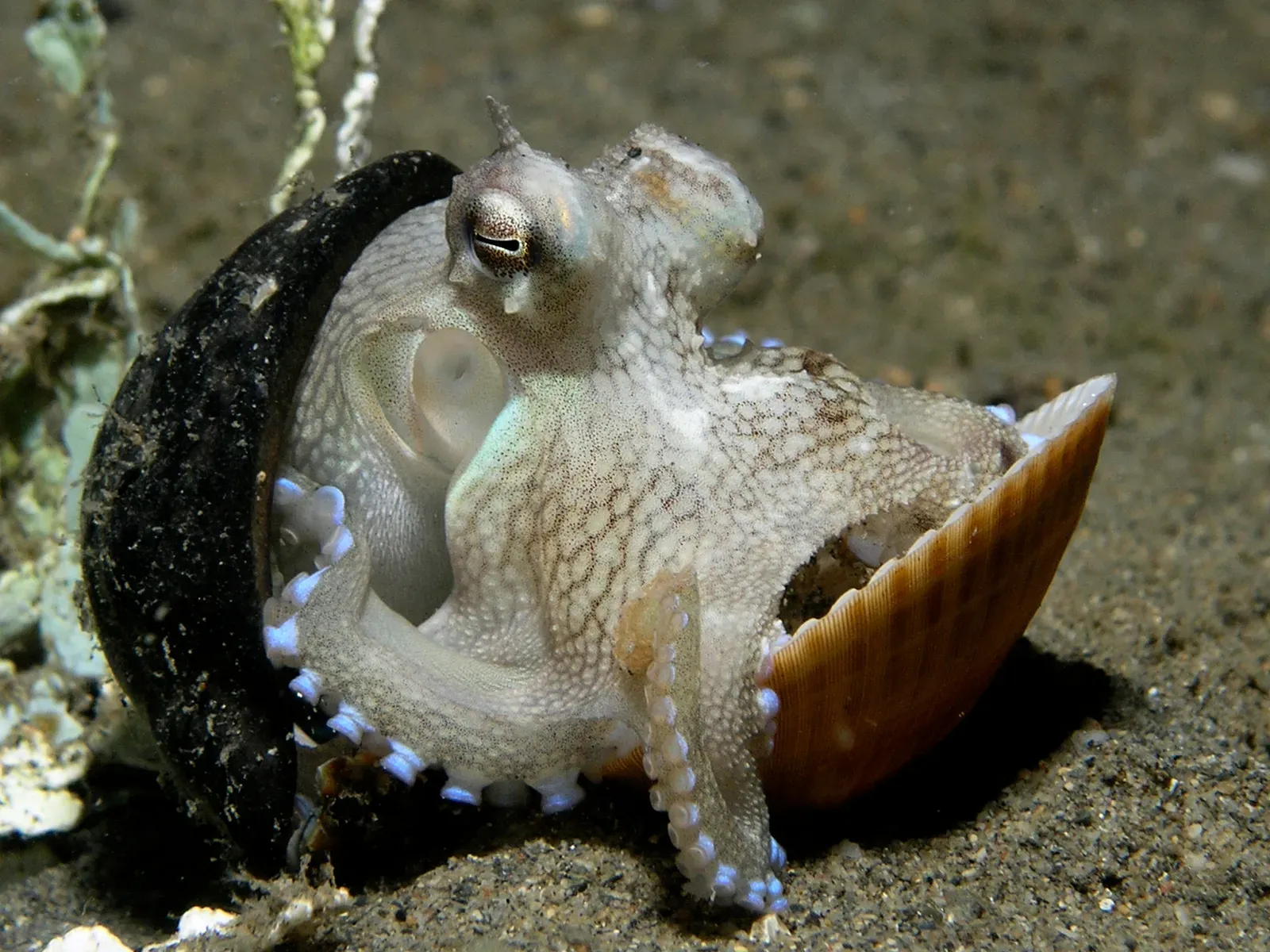
Want to feel genuinely humbled? Consider that an octopus has been observed planning for its own future comfort. At least four individuals of the veined octopus have been observed retrieving discarded coconut shells, transporting them across some distance, and then reassembling them for use as a shelter. That’s not instinct. That’s forward planning.
Tool use is a strong indicator of intelligence. Some octopus species have been observed collecting coconut or clam shells and carrying them across the seafloor to use as shelters, while others jet water to dislodge prey or manipulate objects. These behaviors go beyond simple instinct and require planning, fine motor control, and an understanding of cause and effect.
Deception is another chapter in this story. The cognitive sophistication of cephalopods extends to tactical deception, with research documenting context-dependent behaviors that manipulate observer attention and perception.
Scientists have also suggested that octopuses have a complex, vertebrate-like sleep pattern with two separate stages similar to REM and NREM sleep. The “quiet sleep” stage involves eyes closing, flat body posture, and a white skin pattern, usually lasting around 60 minutes. After this, the octopus moves into an “active sleep” stage lasting about one minute, during which it shows more eye and body movements, increased breathing rate, and vivid color changes on its skin.
The idea that an octopus might be dreaming in color is, I think, one of the most haunting and beautiful images in all of science.
Intelligence Without a Rulebook: Camouflage, Memory, and Learning
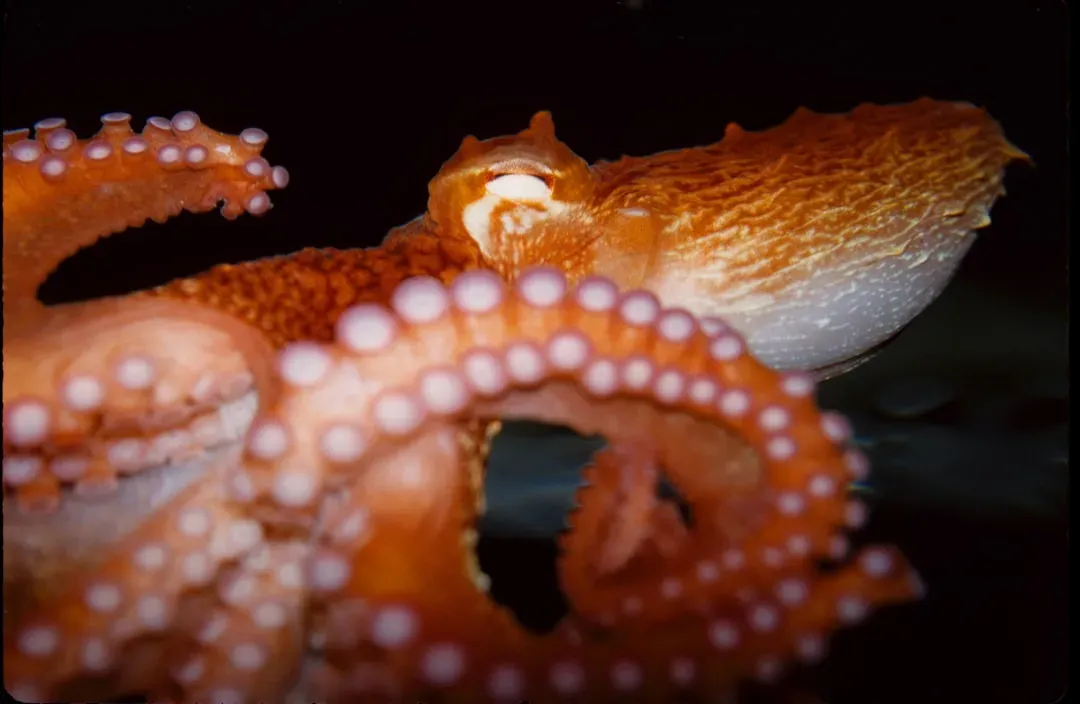
Most animals are creatures of habit. The octopus is a creature of improvisation. One of the most dramatic signs of octopus intelligence is its ability to change color, texture, and pattern almost instantly, and this camouflage is not automatic. It is guided by what the octopus sees and where it is in its environment, reflecting a form of decision-making where the animal evaluates its surroundings and selects the most effective disguise.
Octopuses have been shown to have forms of short and long-term memory. Researchers studying memory formation discovered that vertical memory lobes in the octopus brain show similar processes for laying down patterns as in vertebrates, using similar synaptic transmitters.
Biologists at the Seattle Aquarium tested recognition abilities in giant Pacific octopuses. Over two weeks, one person fed them regularly while another touched them with a bristly stick. At the end of the experiment, the octopuses behaved differently toward the two individuals, despite the fact that both wore identical uniforms. They weren’t just reacting. They were remembering.
Perhaps most impressively, octopuses exhibit observational learning, as watching a trained octopus open a puzzle box significantly accelerates learning in observers, suggesting social intelligence in these supposedly solitary creatures. It’s hard to say for sure where this kind of learning ends and something resembling culture begins.
Rewriting Robotics and the Future of Artificial Intelligence
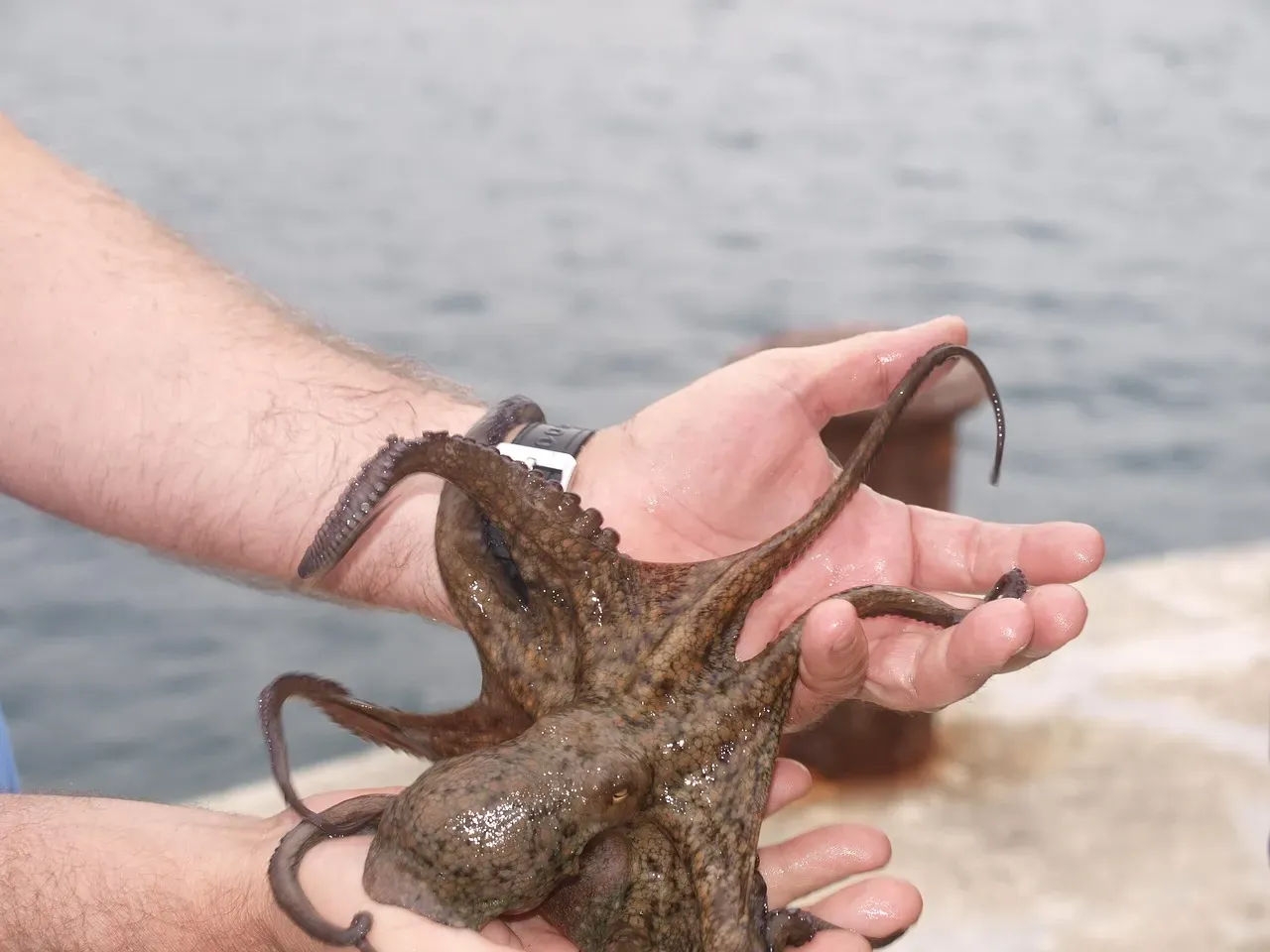
The implications of all this reach far beyond the ocean floor. Scientists and engineers have been paying very close attention. Scientists inspired by the octopus’s nervous system have developed a robot that can decide how to move or grip objects by sensing its environment.
A study published in the journal Science Robotics shows how a soft robot can use suction flow not just to stick to things, but also to sense its environment and control its own actions, just like an octopus. A single suction system enables the robot to grab delicate items, sense whether it’s touching air, water, or a rough surface, and even predict how hard something is pulling on it, all at once and without needing a central computer.
As artificial intelligence researchers confront the limitations of centralized processing systems, the octopus demonstrates that sophisticated intelligence can emerge from radically distributed networks where local nodes make autonomous decisions without constant oversight from a central controller.
In recent years, genetic and neurobiological studies have added another layer to this research. Scientists have discovered that octopuses have a high number of “jumping genes,” which may contribute to the rapid rewiring of neural circuits and the ability to learn, reshaping marine biology and opening new ways to explore how intelligence evolves in different animal lineages. The octopus isn’t just changing how we understand sea life. It’s reshaping how we think about minds, machines, and what intelligence actually is.
Conclusion: The Ocean’s Most Humbling Teacher
Our most recent common ancestor with the octopus is so distant, more than twice as ancient as the first dinosaurs, that these creatures represent an entirely independent experiment in the evolution of large brains and complex behavior. If we can connect with them as sentient beings, it is not because of a shared history or kinship, but because evolution built minds twice over.
That thought alone should stop us cold. We tend to define intelligence by how closely it resembles our own, but the octopus obliterates that assumption with every arm movement, every split-second disguise, every jar it unscrews in the dark.
Ultimately, the octopus teaches us that intelligence is not a single formula. It is an adaptive trait shaped by context, environment, and necessity. A creature with no backbone, no social structure, and a lifespan that rarely exceeds a few years has managed to evolve one of the most sophisticated minds on the planet. The more we study them, the more we realize the ocean holds a kind of wisdom we’ve barely begun to understand.
What does it say about intelligence that nature invented it in such a radically different form, entirely without us? That question, I think, is worth sitting with for a while. What do you think about it? Tell us in the comments.

- Which Zodiac Signs Are Naturally Drawn to Ocean Animals - July 14, 2026
- The Most Playful Horse Breeds That Love Bonding With Humans - July 14, 2026
- 24 Things Nobody Tells You About Adopting a Dog in Your Sixties - July 14, 2026