

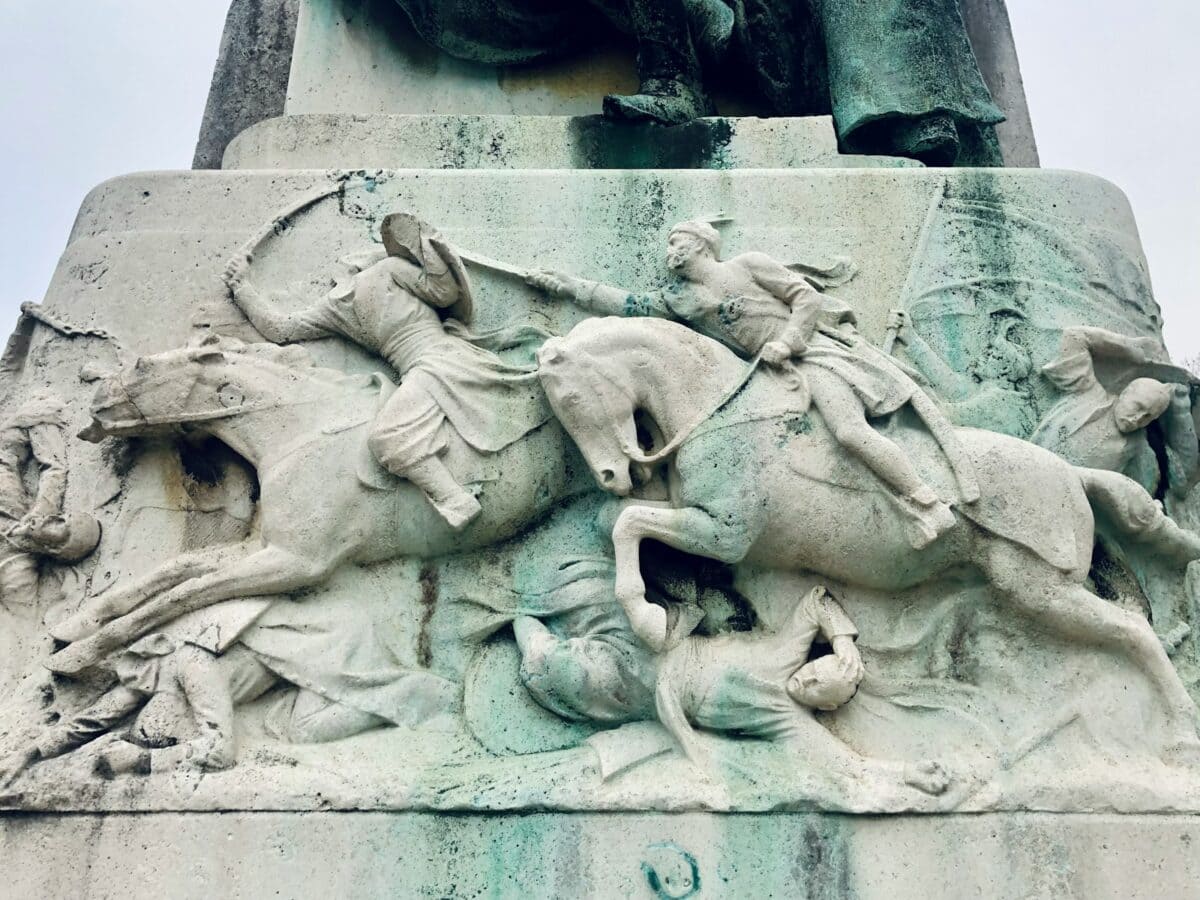
Throughout history, horses have been indispensable allies in war, serving as the mounts, haulers, and even companions of soldiers on the battlefield. In the United States, horses have left an indelible mark on military history, playing crucial roles from the Revolutionary War to modern-day ceremonial purposes. This article explores the incredible contribution of these noble animals in shaping U.S. military history.
Early Use of Horses in American Conflicts
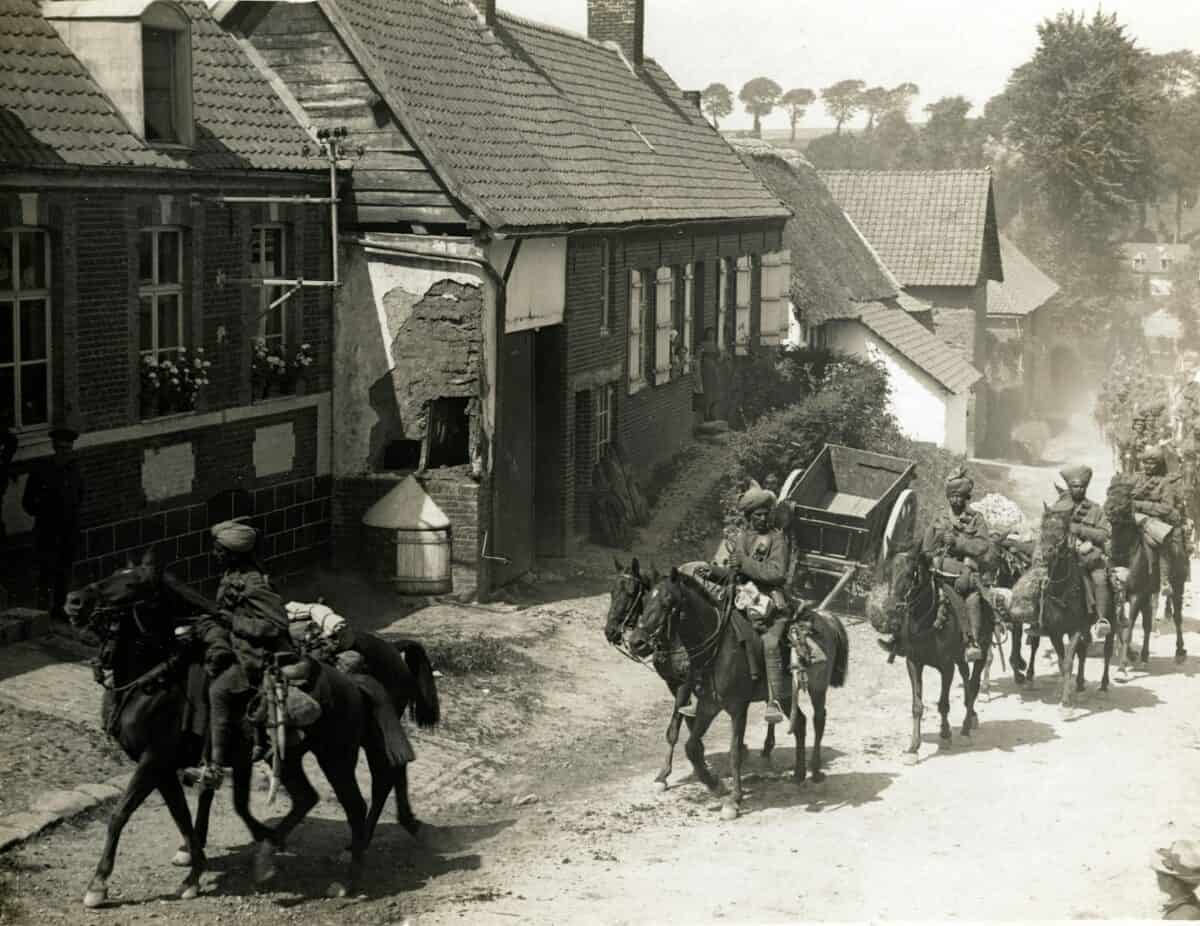
The use of horses in military operations in America dates back to European colonization. Indigenous peoples utilized horses in warfare after their introduction by the Spanish in the 16th century. During the American Revolutionary War, cavalry units played pivotal roles in battles, providing mobility and strength that foot soldiers alone could not.
The Revolutionary War: Mobility and Strategy

In the Revolutionary War, leaders like George Washington understood the strategic advantage provided by cavalry. Mounted units could quickly gather intelligence, execute flanking maneuvers, and chase down retreating forces. Horses were essential in battles such as the Battle of Cowpens, where American mounted forces outmaneuvered the British.
The War of 1812: Horses in Action
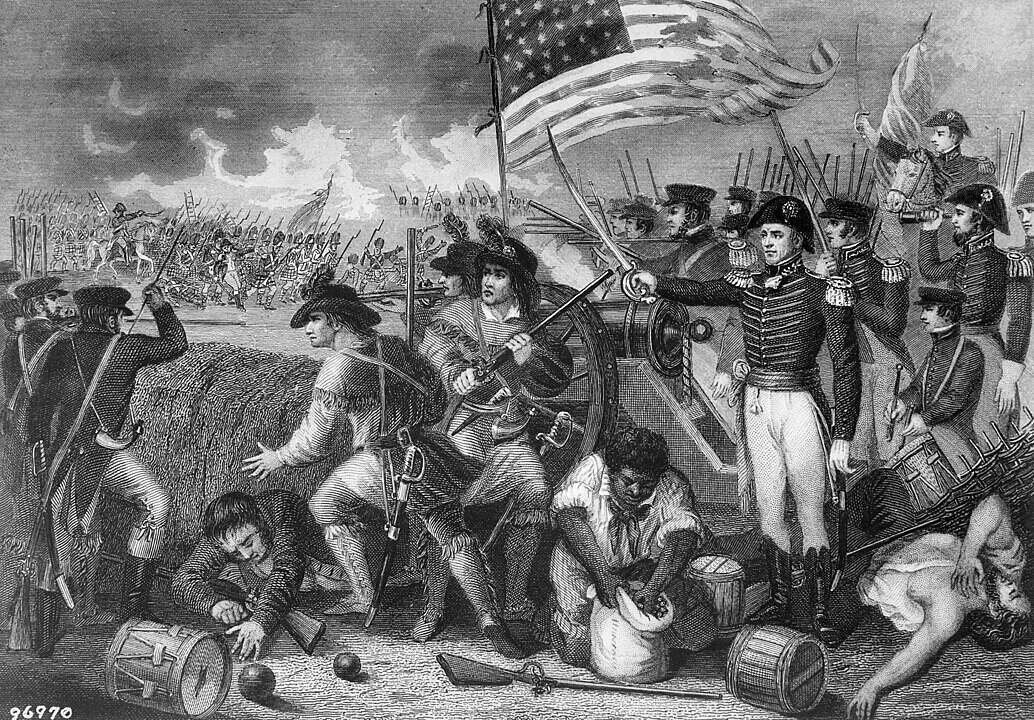
The War of 1812 saw further refinement of cavalry tactics. Horses facilitated rapid communication across vast distances, with riders delivering crucial orders. They were also involved in key battles, such as the Battle of New Orleans, where cavalry charges were integral to the American victory.
Civil War: The Pinnacle of Horse Cavalry
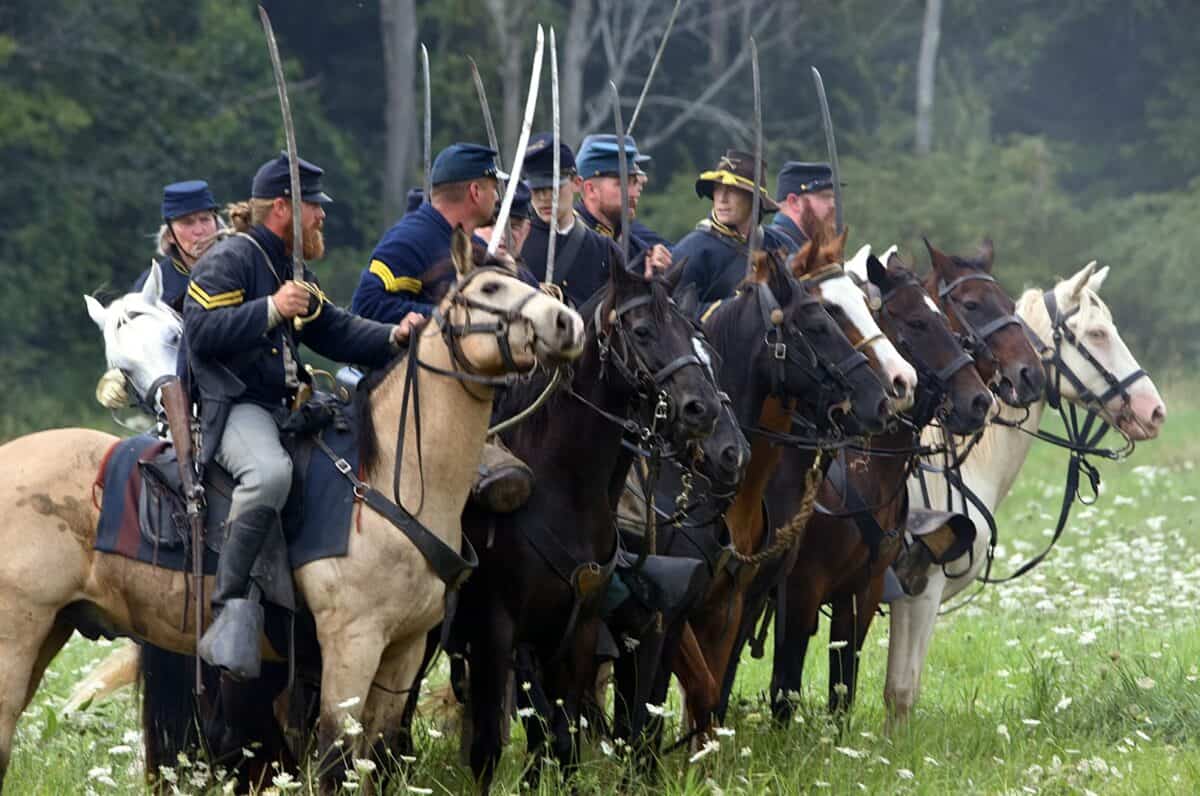
The American Civil War represented the pinnacle of horse cavalry in U.S. military history. Horse-mounted units were essential for reconnaissance, raiding, and communication. Leaders such as J.E.B. Stuart and Philip Sheridan became famous for their cavalry exploits. However, the high demand for horses also resulted in high casualties among these noble animals.
The Era of Transition: Decline of Horse Cavalry
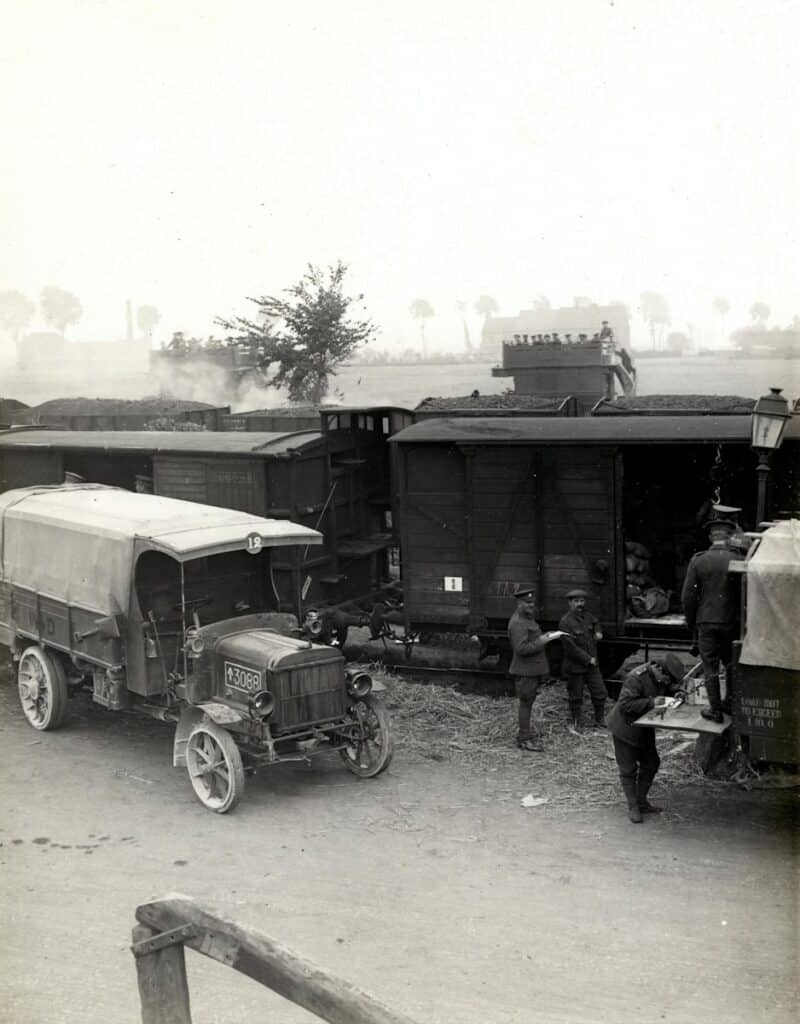
The late 19th and early 20th centuries marked a period of transition for horse use in the military. With the advent of mechanized vehicles and weaponry, the traditional horse cavalry began to decline. However, horses remained vital for transportation and logistics in rough terrains, where vehicles could not traverse.
World War I: The Last Cavalry Charges
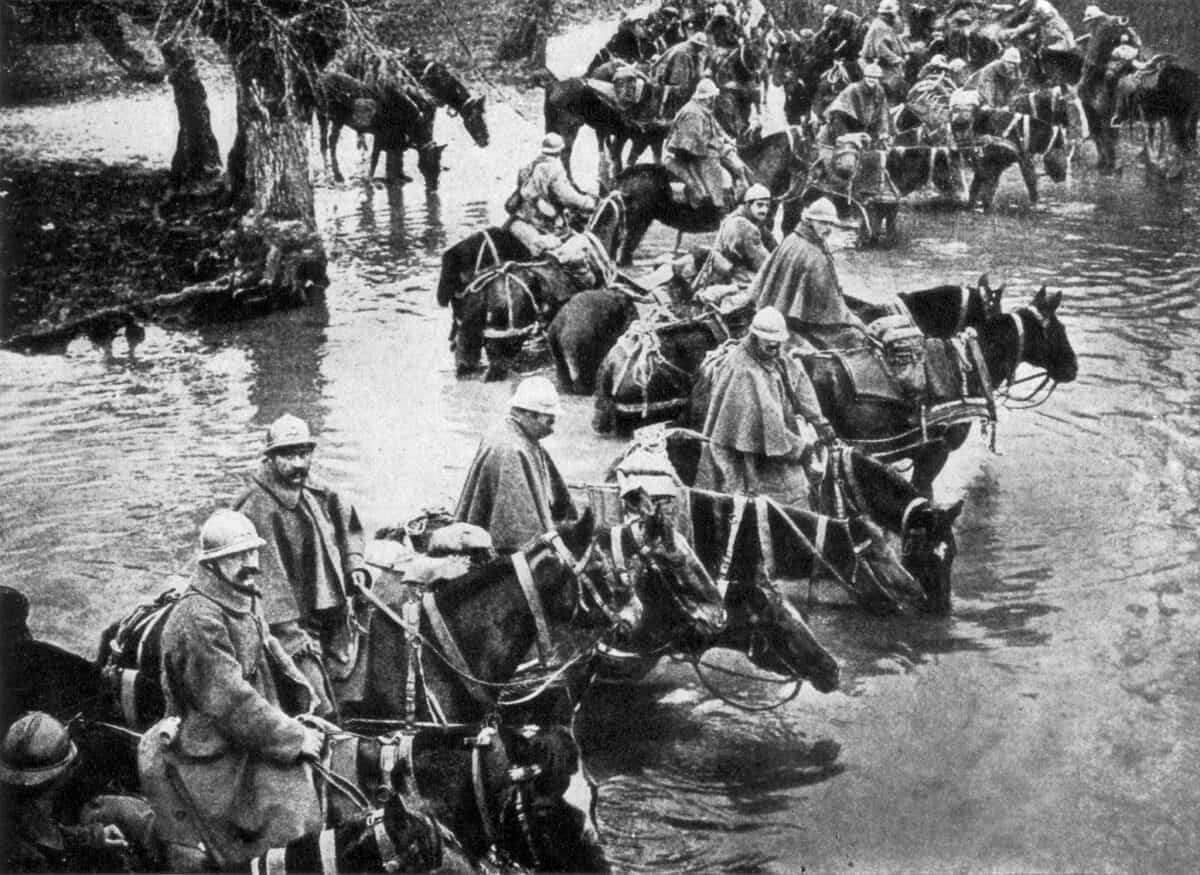
During World War I, horses still played significant roles, especially on the Western Front. Although traditional cavalry charges were mostly phased out, horses were indispensable for pulling artillery, ambulances, and supply wagons. It’s noteworthy that horses suffered immensely in this war, with millions perishing.
World War II: Evolving Roles
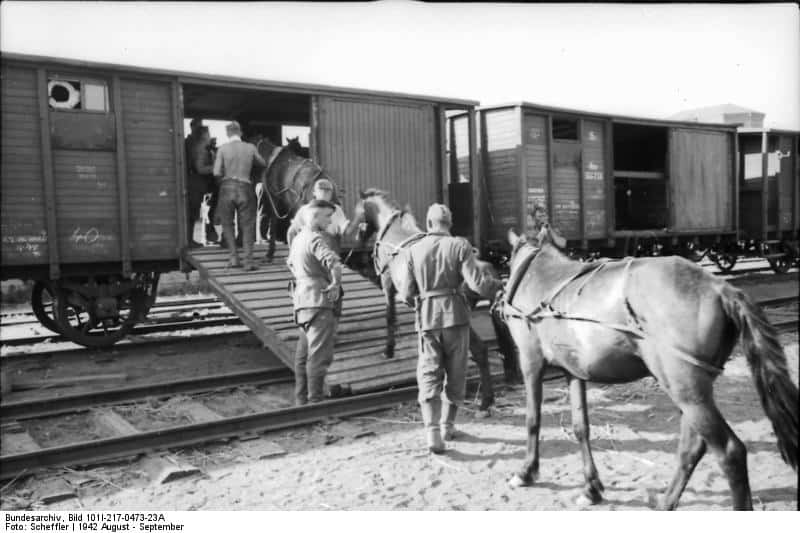
By World War II, the role of horses had notably changed. While mechanization took precedence, horses were still used in regions unsuitable for vehicles, such as the jungles of the Pacific and the mountains of Italy. The German and Soviet armies also utilized horses extensively for logistics.
Korean and Vietnam Wars: End of Traditional Use
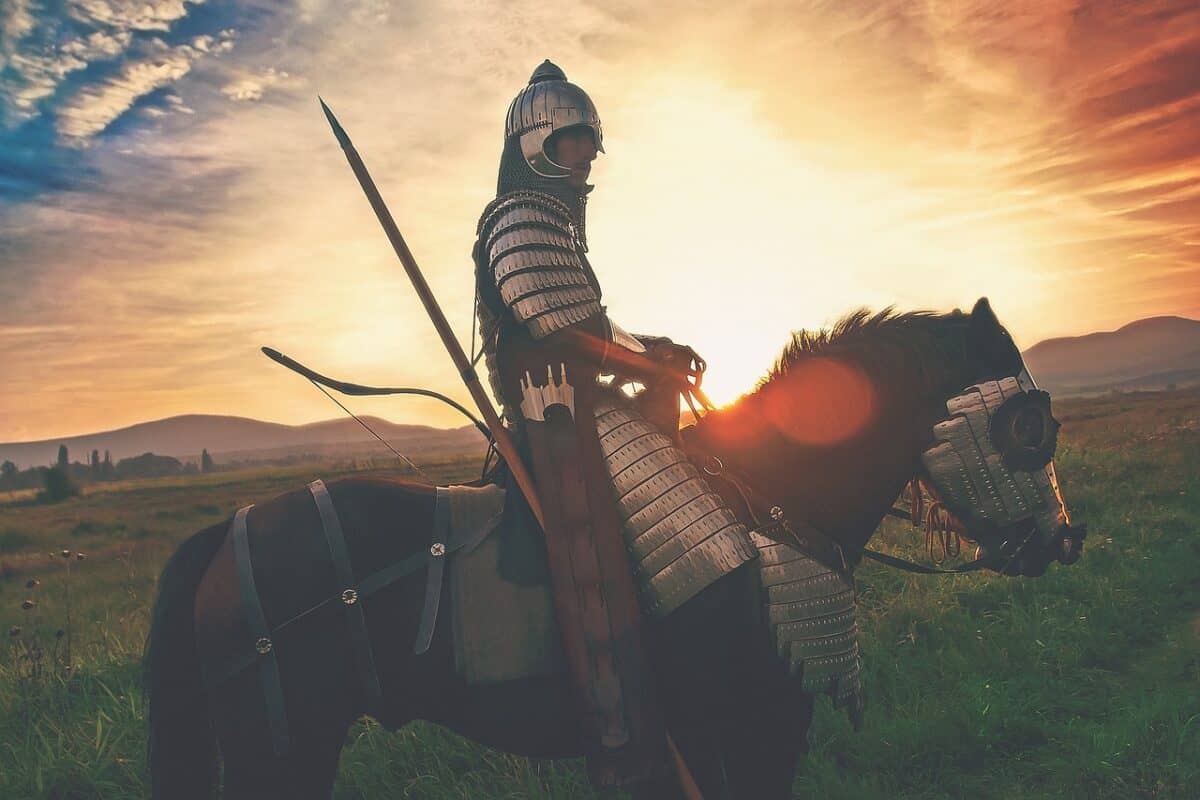
Horses saw little use in the Korean and Vietnam Wars due to advancements in military technology. However, select units continued to employ horses for specialized tasks like commanding difficult terrains or ceremonial roles, transitioning their function in modern warfare.
The Modern Era: Ceremonial and Therapeutic Roles

In contemporary times, horses primarily serve ceremonial functions within the U.S. military. Units like the Caisson Platoon of the Old Guard perform ceremonial duties in Arlington National Cemetery. Additionally, horses are used in therapeutic programs for veterans, offering physical and emotional healing through equine-assisted therapy.
Horses in Military Culture
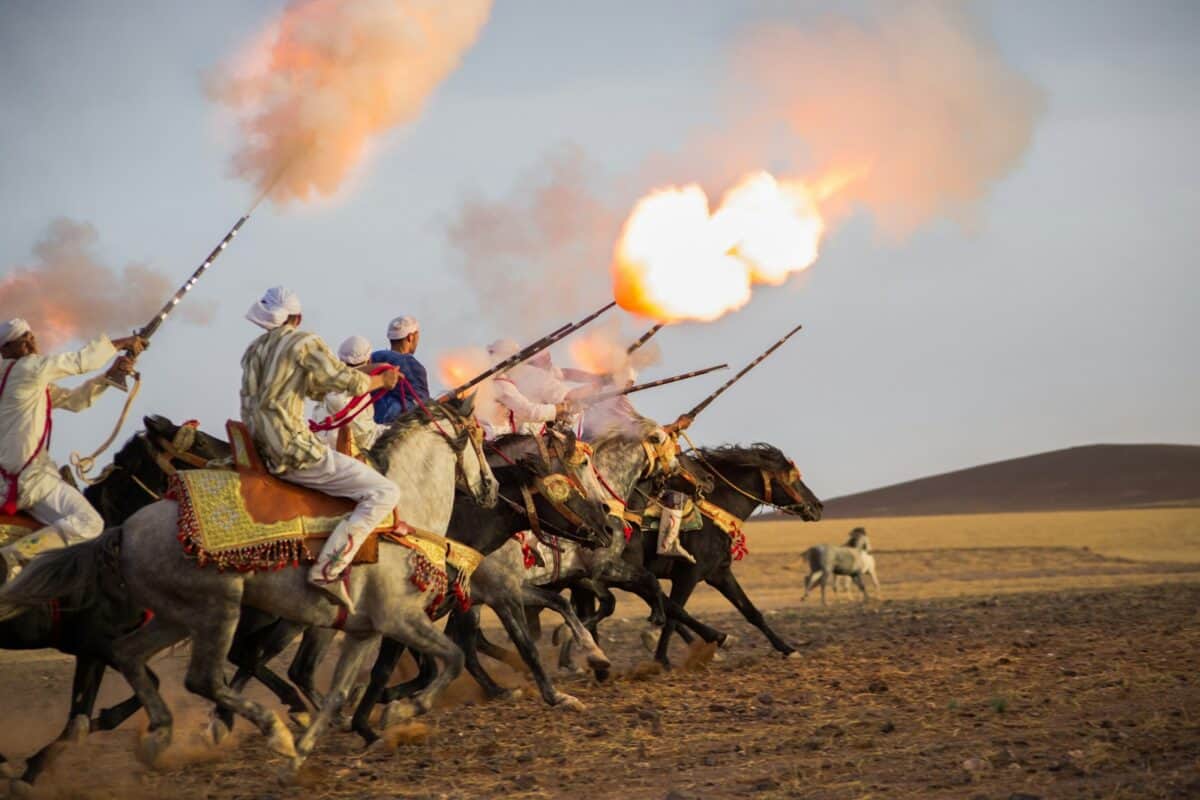
Beyond their practical applications, horses have also played a significant role in shaping military culture. They have influenced uniforms, insignia, and even military language, with terms like “cavalry” and “troop” originating from the era of horse-mounted warriors.
Preservation of Equestrian Heritage
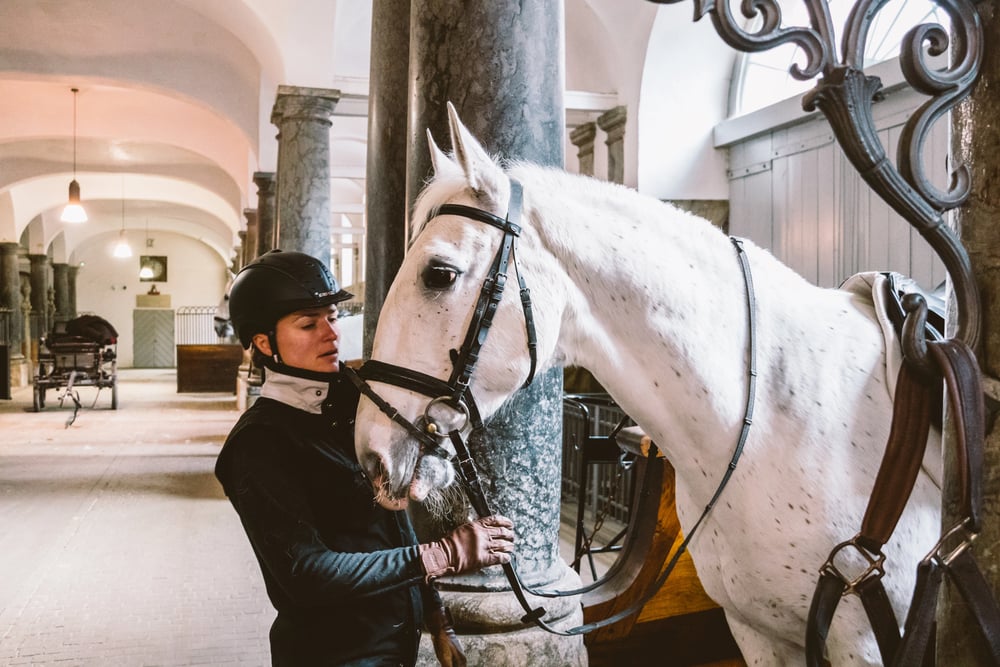
Efforts to preserve the military’s equestrian heritage are evident through organizations dedicated to the conservation of historic cavalry artifacts and traditions. Museums and historical societies across the United States maintain collections that highlight the gallant history of horses in military service.
The Legacy of the Military Horse
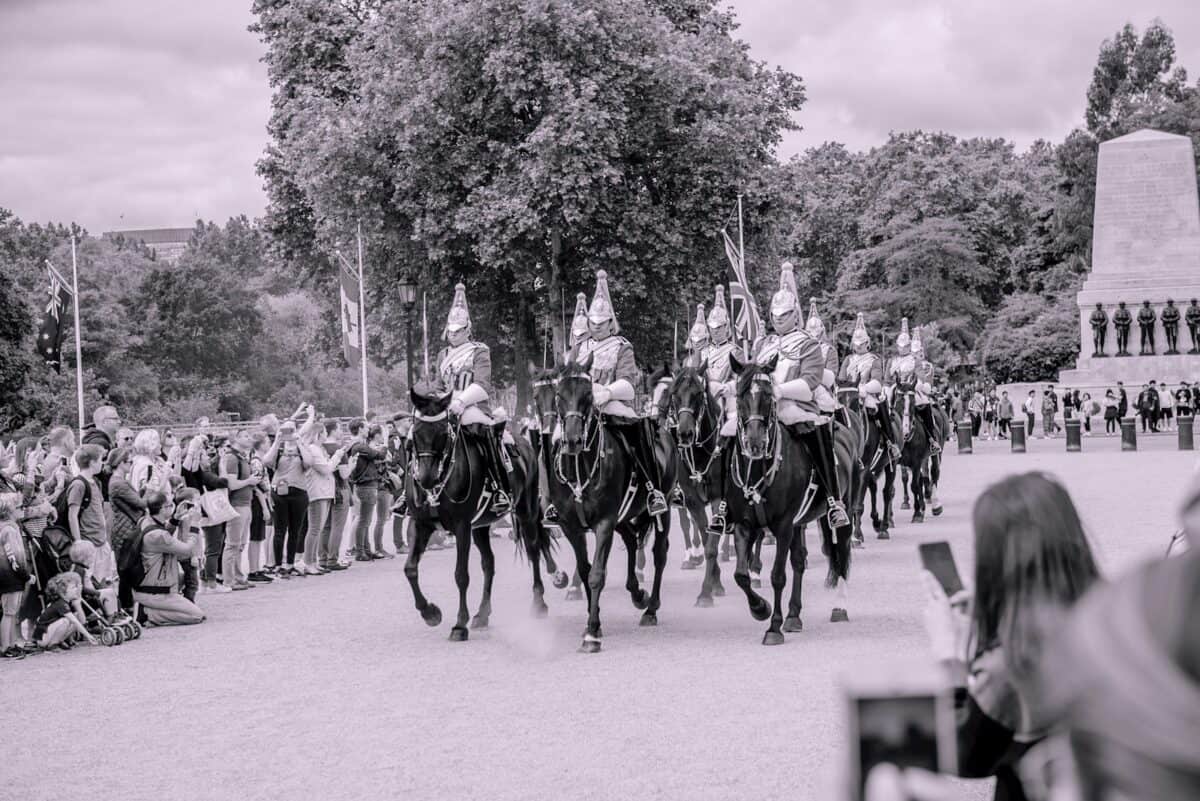
The legacy of horses in the U.S. military is one of loyalty, courage, and mutual trust. These animals have enabled tactical successes, endured wartime hardships, and earned a respected place in military history. Their contributions continue to be honored through ongoing traditions and ceremonies.
In conclusion, horses have played a critical role in U.S. military history, from their early use in Colonial America to their current ceremonial duties. Their stories are a testament to the resilience and adaptability of these extraordinary animals, whose legacy lives on in the annals of history and within the hearts of those who continue to serve alongside them.

- How Wildlife Corridors Are Saving Big Cats - July 14, 2026
- The Deepest Cave on Earth Was Just Explored—What They Found Is Terrifying - July 14, 2026
- How to Tell a Black Bear from a Grizzly Bear at a Glance - July 14, 2026