
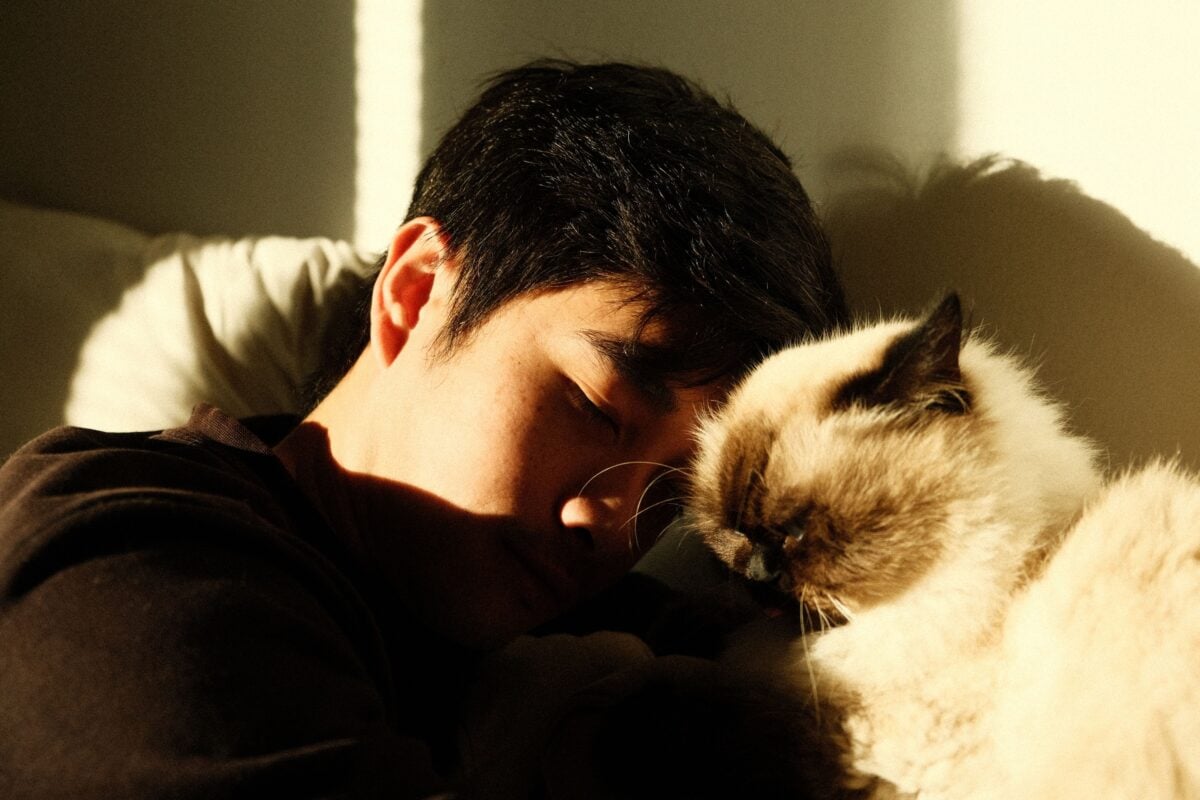
Everyone who’s ever met a Siamese cat has an opinion about it. Loud. Bossy. Dramatic. The cat equivalent of a smoke alarm that goes off over toast. That’s the version strangers get, and honestly, it’s not wrong.
But ask someone who’s actually lived with one for years, and you’ll get a completely different story – one that never makes it into the jokes. Underneath all that noise is a second personality, one so quiet and so specific to a single person that most owners can’t even explain it without sounding a little unhinged. This is the part nobody outside the relationship ever sees.
#1 – The “Shadow Cat” Habit Outsiders Think Is Just Clingy
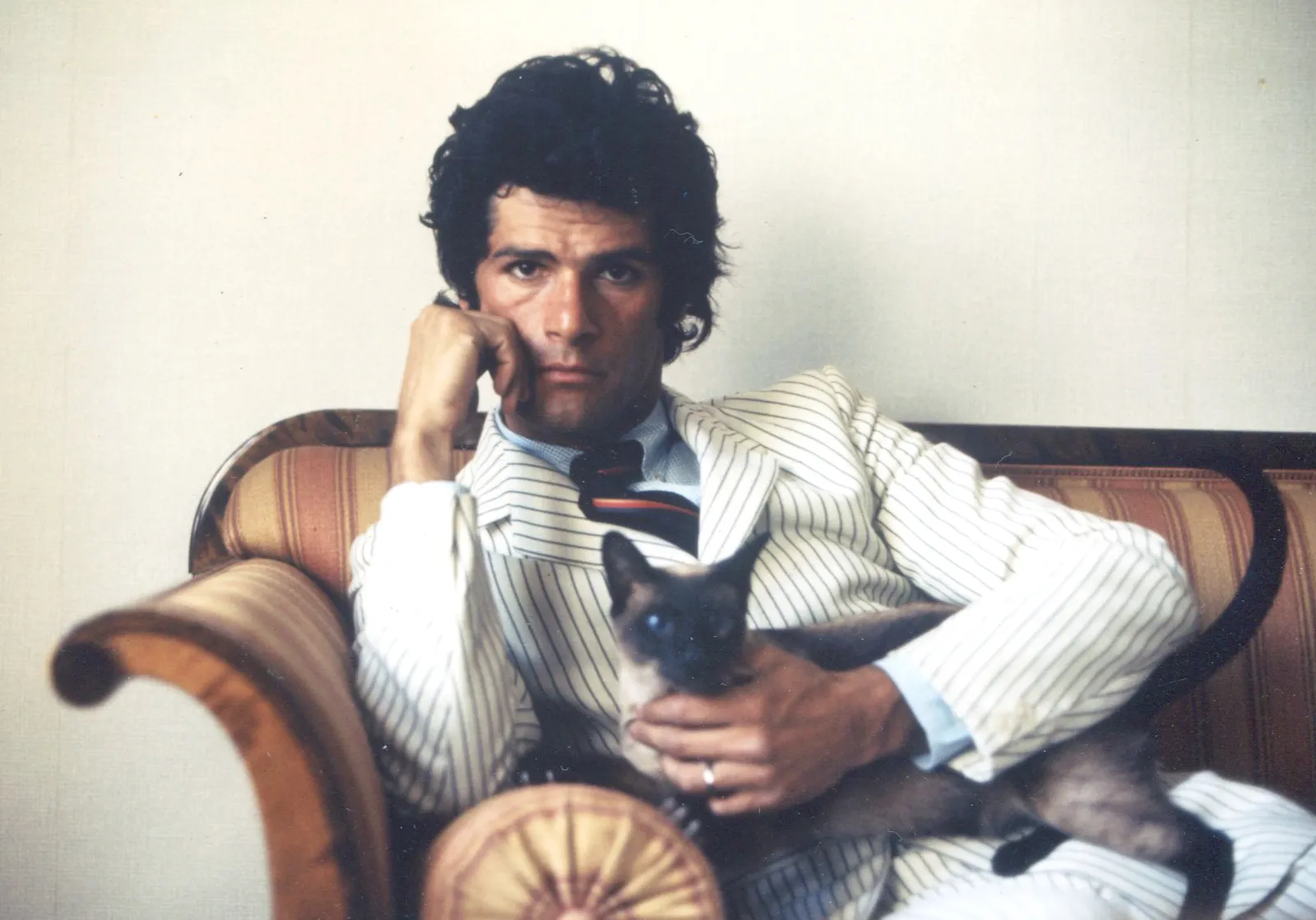
Siamese cats get labeled “needy” because they trail their humans from room to room like a small, silent shadow. But owners figure out fast that it isn’t random hovering – it’s deliberate tracking. Your Siamese learns your paths, your routines, even the specific sound of your footsteps on different floors of the house.
Many will sit just far enough away to watch without interfering, as if their real job is surveillance, not cuddling. Notice how they park themselves in the doorway during a stressful phone call, or camp outside the bathroom when you’re sick – not meowing, just present. Guests see a cat underfoot. You get a built-in emotional barometer.
#2 – The Strange Eye Contact Only Their Person Gets
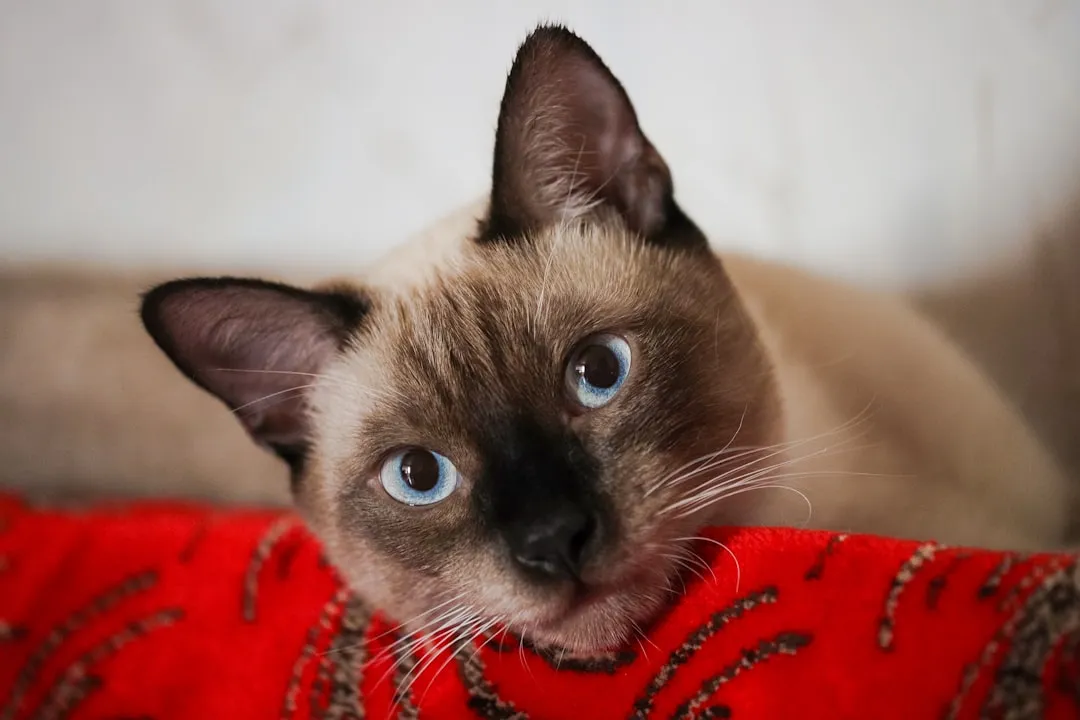
Most cats avoid holding eye contact; it reads as a threat. Siamese break that rule completely with their chosen human. They’ll perch on a chair or windowsill and hold your gaze for long, almost unnerving stretches, less like a stare and more like a check-in – as if they’re quietly asking, “We good?”
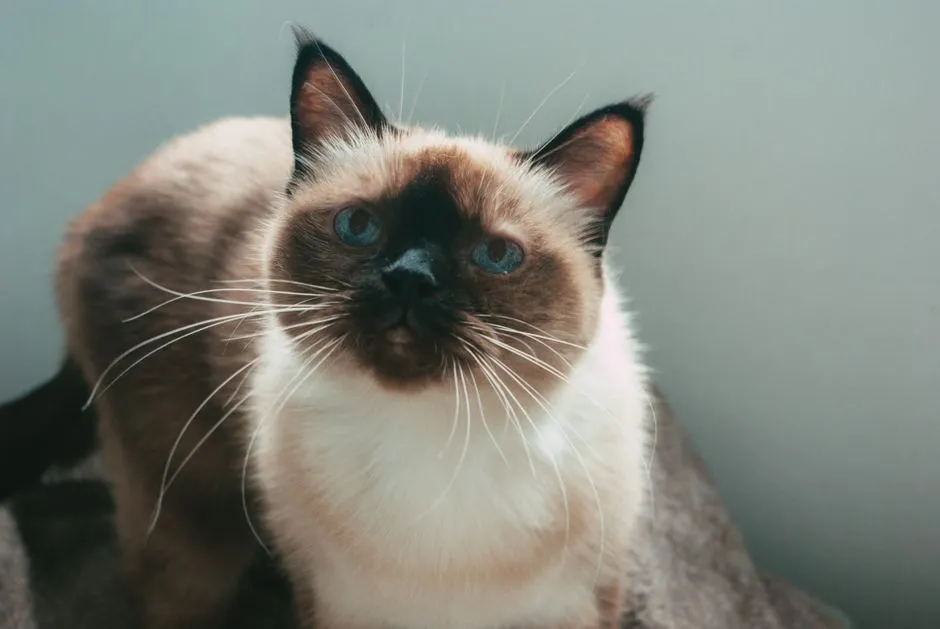
Owners notice the pattern: slower, softer gazes when you’re tired or quiet, sharper glances when your mood spikes. Those famous slow “kitty blinks” get reserved in their longest, laziest form for one person only. Blink back, and you’ll watch their shoulders drop and their tail slow down. Strangers just see “a weird blue-eyed cat.” You see a ritual.
#3 – The Secret Language of Tiny, Private Meows
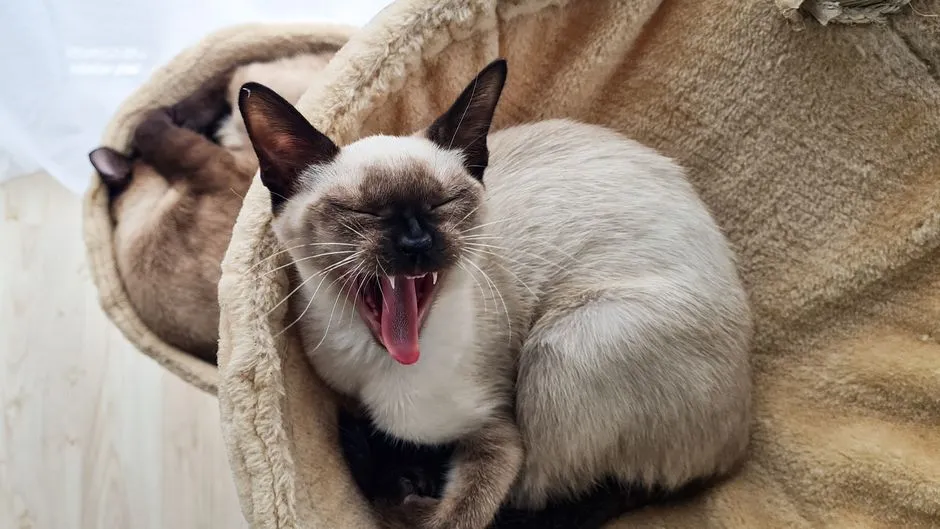
Yes, Siamese are famously vocal. But what outsiders hear as nonstop drama is just the public layer. The real bonding happens in the tiny, under-the-breath sounds that only surface when it’s just the two of you.
There’s the soft, questioning “mrrrp?” when you change routine, the low humming chirp when they settle on your lap, the half-meow exhale when you come home late and they clearly want answers. Siamese are among the breeds most likely to develop learned vocal patterns aimed at a specific human. Over time it becomes a real back-and-forth – you talk, they answer. To everyone else, it’s just a loud cat. To you, it’s a private code.
Fast Facts
- Siamese cats originated in Siam, the country now known as Thailand, and rank among the oldest recognized pedigreed breeds.
- The Siamese is considered one of the most vocal, people-focused cats around, with a personality defined by a temperature sensitive coat that creates the signature dark points and a famously vocal, people focused personality.
- Fans nickname them “Meezers,” and most owners say one Siamese has more to say than a whole houseful of other cats.
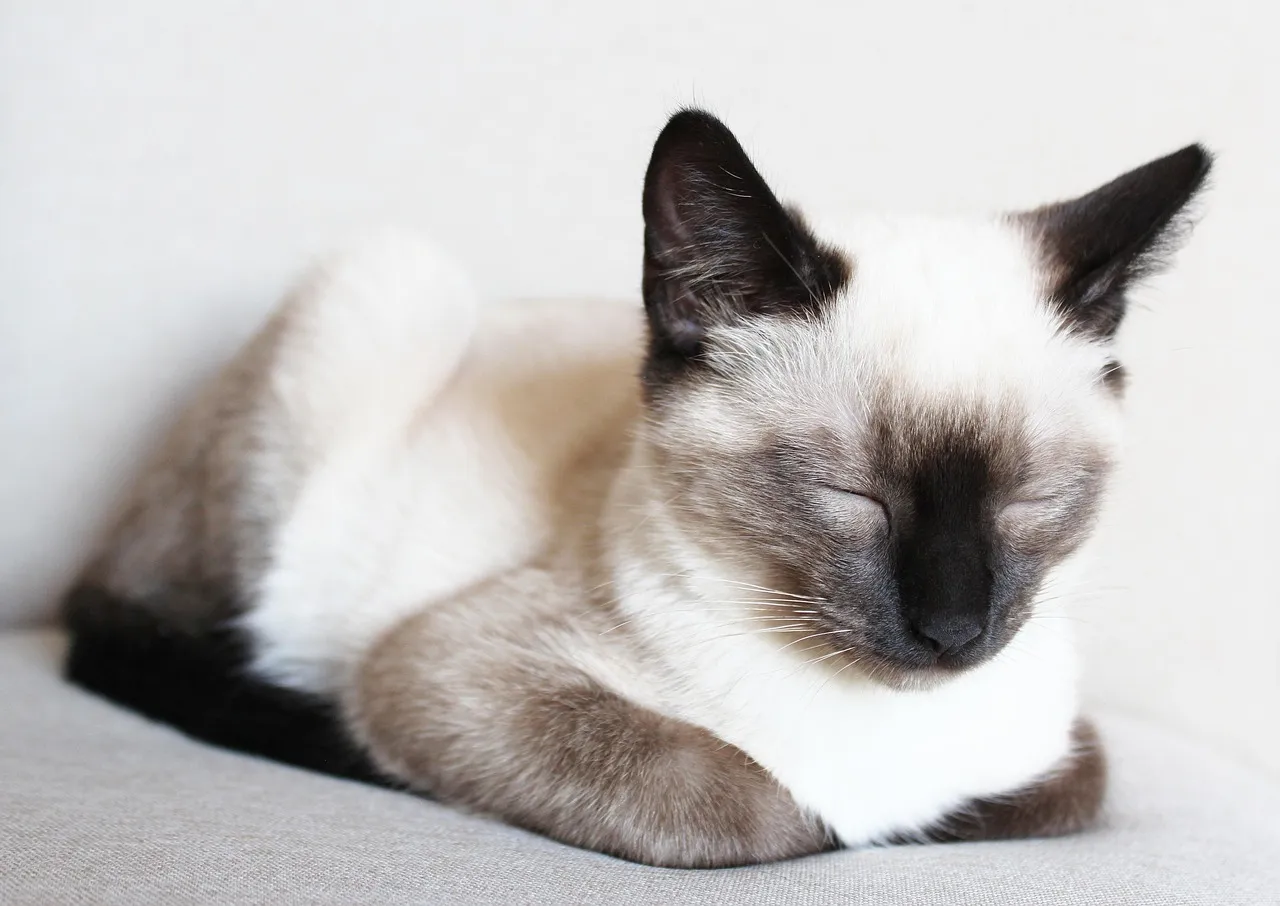
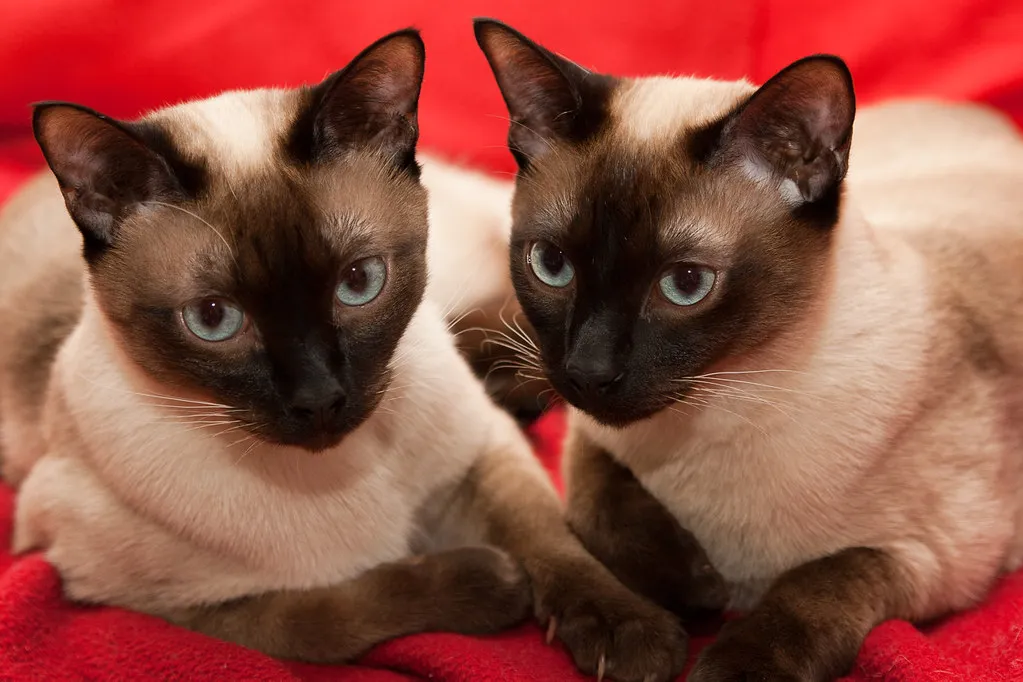
- Their point coloring is temperature-sensitive, so cooler areas like the ears, face, paws, and tail darken more than the rest of the body.
#4 – The Way They Mirror Your Mood When No One’s Watching
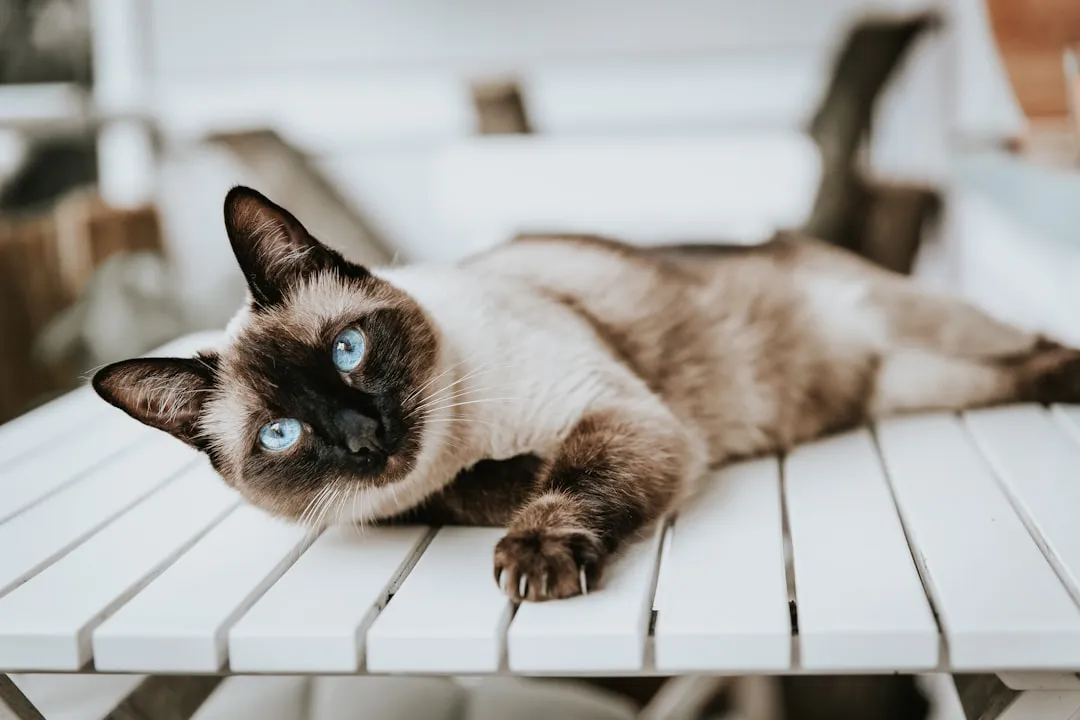
People roll their eyes at “he knows when I’m sad.” With Siamese, it isn’t wishful thinking – it’s observable behavior. These cats are hypersensitive to tone, posture, and routine, and when your emotional state shifts, theirs often shifts within minutes.
Quiet and withdrawn, and they lie closer, touching but not pestering. Agitated or pacing, and they trail farther back, watching carefully. Crying or visibly upset, and even cats who normally avoid laps will climb onto your chest. Crucially, none of this is a performance for company – it happens at 11 p.m. on the couch, not at 3 p.m. with friends over. Outsiders insist cats are aloof while yours is quietly syncing itself to your weather.
#5 – The Late-Night Check-Ins You Only Notice If You’re Awake
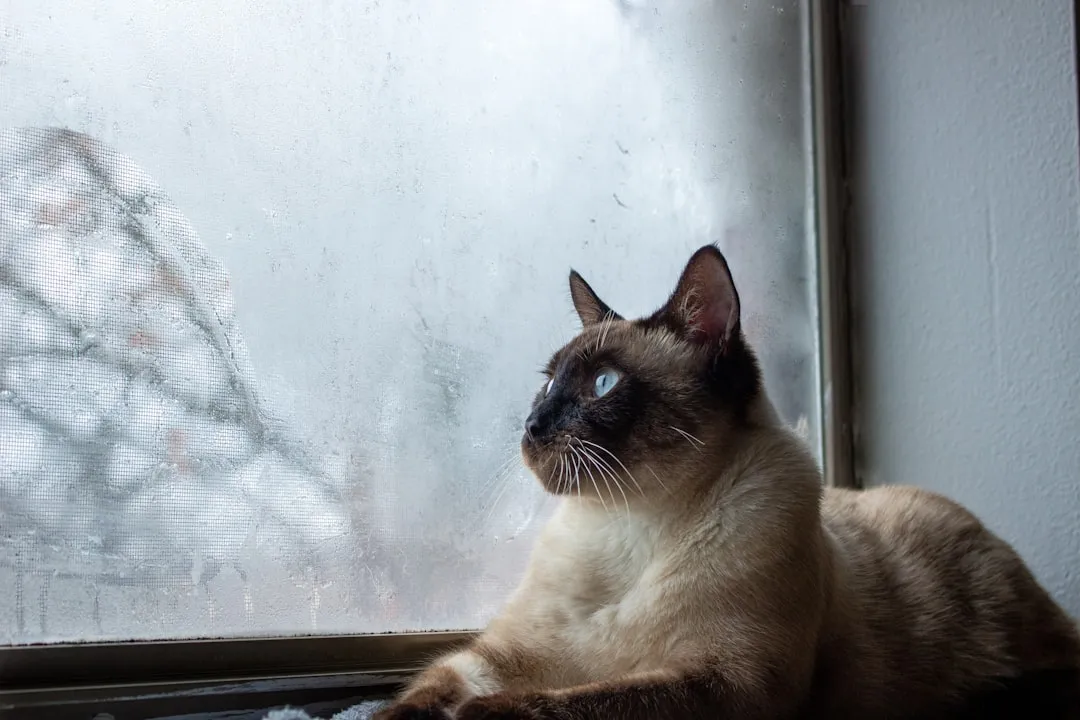
Ask any Siamese owner who’s dealt with insomnia or a newborn: the nighttime patrols aren’t random. Many cats run slow loops through a dark house, stopping to check on their person like a security guard on rounds.
A soft jump onto the bed the second you finally lie down. A gentle walk across your pillow, then a nose-bump to your forehead. The same exact spot near your feet, every single night. Get up unexpectedly at 2 a.m., and you may find your Siamese already awake, watching from a hallway, tracking you with calm eyes. It doesn’t photograph well. There’s no viral clip of “cat does quiet room check.” But to the person who wakes to that same watchful presence night after night, it’s one of the clearest signs of a bond that needs no audience.
Worth Knowing
- Cats are naturally more alert around dawn and dusk, which lines up neatly with those quiet hallway patrols.
- Siamese are known for staying unusually tuned in to household routines, often clocking small changes before their owners even notice them.
- Many owners report their cat claiming the exact same resting spot near them every single night, almost like a fixed post.
#6 – The Way They “Correct” Your Routine Without Making a Scene
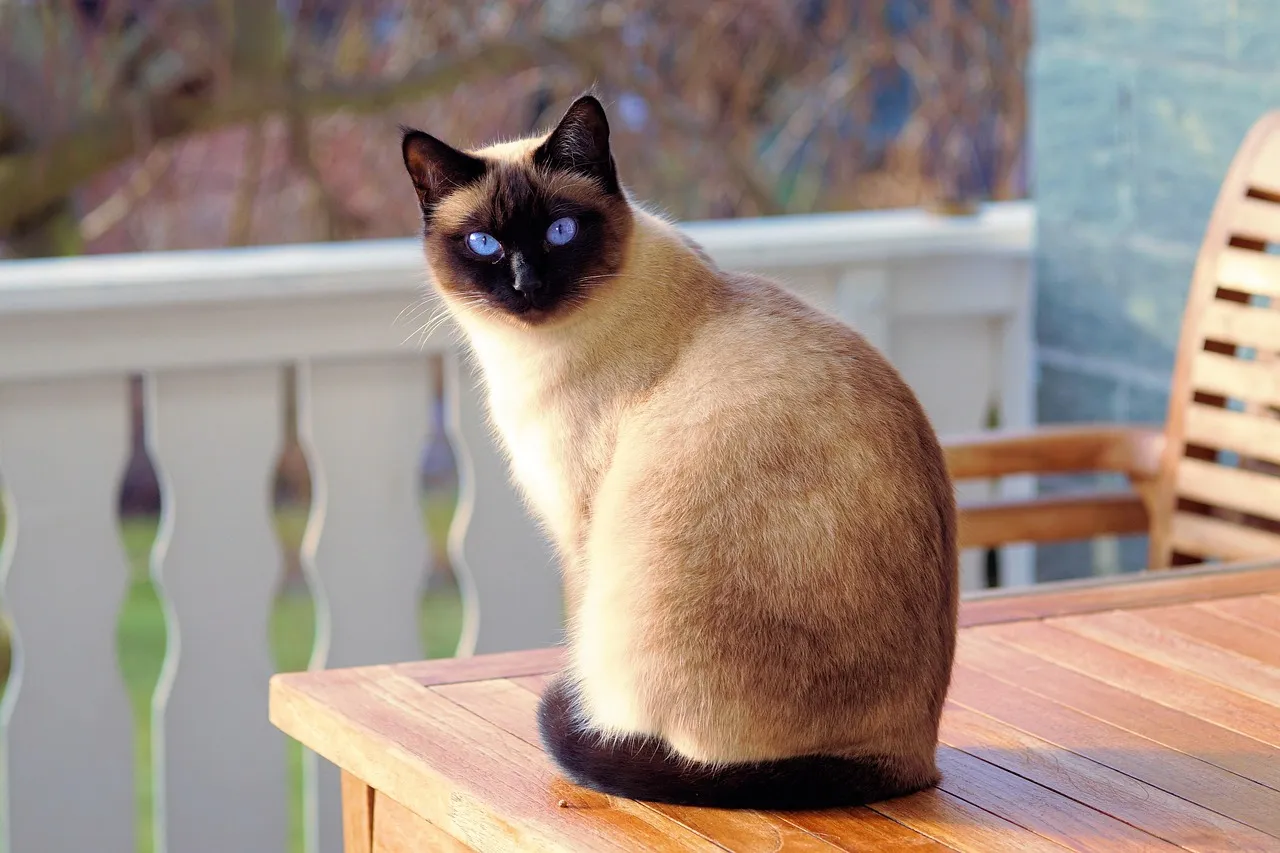
Dogs are obvious about routines. Siamese are subtle, and over time many owners realize their cat has quietly become the household’s unofficial manager. Skip a normal step, and watch your Siamese appear, suddenly alert, as if they’d been waiting for exactly this mistake.
Forget to close a door at night, and they sit in the doorway staring until you notice. Miss a play session, and they show up with a toy and a pointed look. Sleep in past your usual hour, and they walk across your chest at precisely the old wake-up time. It doesn’t look like loyalty – it looks like bossiness. But the pattern is unmistakable: they’re not managing the house, they’re managing you.
#7 – The “Embarrassing” Affection They Only Show You
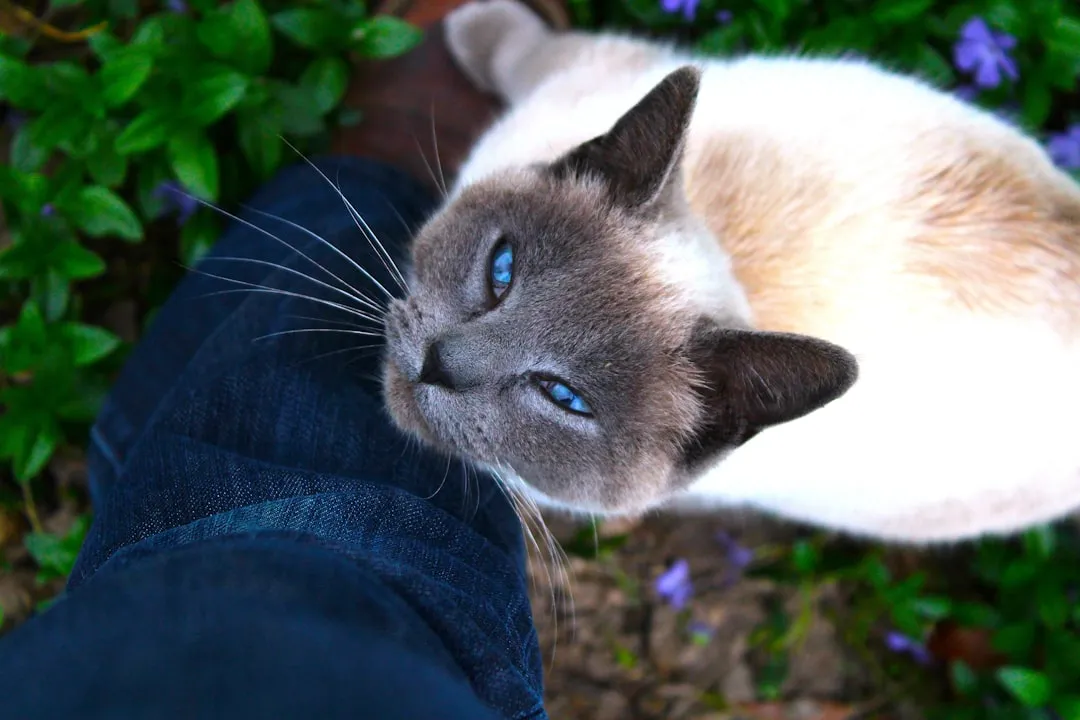
Here’s the controversial part: plenty of Siamese are far less affectionate with guests than with their chosen person. While other cat owners insist “mine loves everybody,” Siamese owners often deal with the opposite – a cat that saves its softest, goofiest, most vulnerable side for private moments only.
Rolling onto their back at your feet, then flipping upright the second someone else walks in. Suckling on your shirt or hair, a kitten habit they’d never risk showing a stranger. Kneading happily on your lap but going stiff and distant the moment anyone else reaches out. To friends, your cat seems intense or even snobby. Meanwhile you’re the one who fell asleep with that same cat’s face pressed into your neck, purring like an engine.
#8 – The Odd Little “Guarding” Behavior People Dismiss
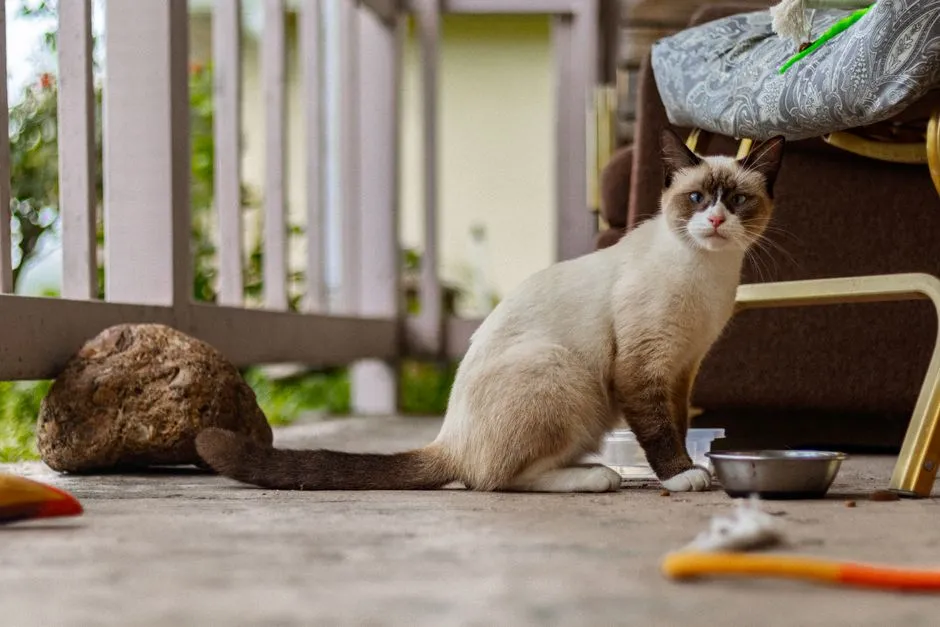
Most people picture a dog when they think of a guard animal. Siamese owners notice something quieter: their cat positions itself strategically around doors, windows, and new people. It isn’t aggression – it’s vigilance.
A repair person arrives, and your Siamese parks between you and them, upright, eyes locked. You’re on the phone arguing, and they jump onto the back of the couch behind your head, watching the doorway. A new pet enters the house, and they monitor from a higher perch, tracking every move. Non-owners write it off as curiosity. But the consistency is hard to ignore – your Siamese doesn’t do this for everyone. Just you.
Why It Stands Out
- Siamese are often described as the “social butterflies” of the cat world, bringing a mix of intelligence, sass, and unwavering devotion to their families.
- They tend to actively participate in family life rather than fade into the background, which may explain why they hover near their person instead of hiding.
- That same people-focused wiring is likely behind their instinct to station themselves near you around unfamiliar visitors or new pets.
#9 – The Rituals Only Long-Term Owners Notice
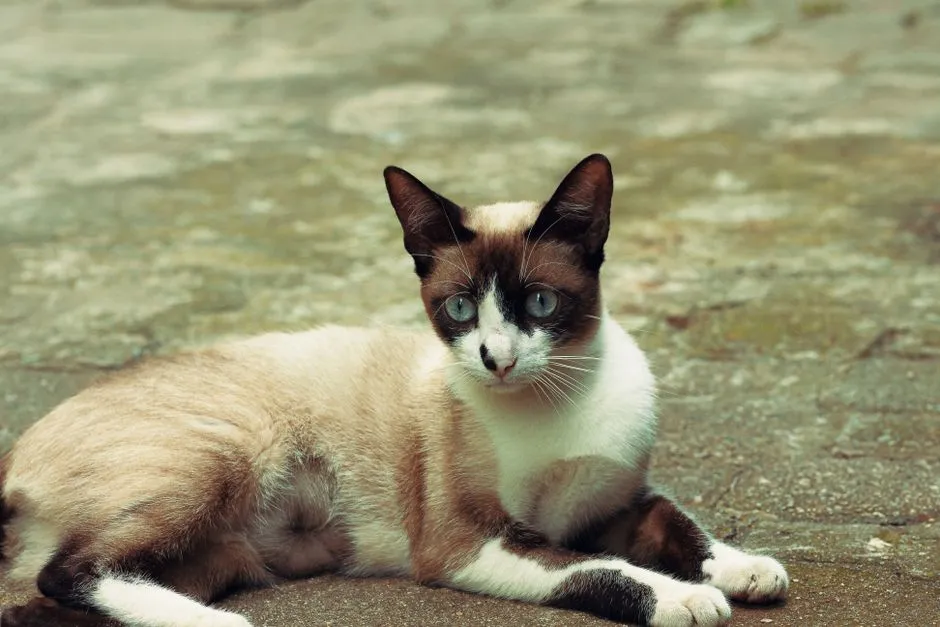
This is where the bond starts to feel almost eerie. Over years together, Siamese cats and their humans build small rituals that no one else even registers as rituals. Miss one, and your cat reacts like you skipped a line in a favorite song.
A specific reading chair the cat only claims when you’re in it. A “goodnight” sound you always make, answered by the same soft noise every time. The exact tile they run ahead to and wait on, every single morning. To outsiders, it’s just “cat sits in that spot a lot.” To you, it’s a private choreography you accidentally co-wrote over a decade – one your cat will patiently rebuild from scratch if you ever move or change your routine.
#10 – The Selective Memory That’s Clearly About You
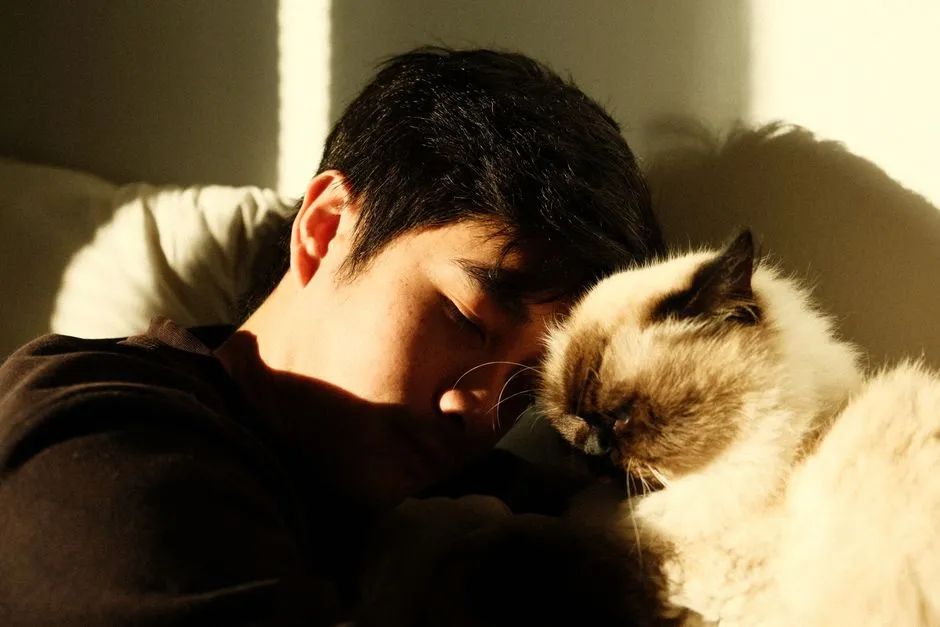
People love to say cats only remember what benefits them. Siamese quietly disprove that – they remember astonishingly specific things tied to one person. Where you hide the treats. Which bag is “yours.” What your footsteps sound like coming up the driveway.
Your roommate walks in, and you get mild interest. You walk in, and it’s a full-body trot with the tail straight up. Change your haircut or put on a hat, and they circle and sniff, quietly re-cataloging “their” human. Come home smelling like another animal, and you’ll get a full nose-to-shoe security check with visible skepticism. Outsiders call it food-motivated behavior. You know it’s a running internal file on you, updated constantly.
#11 – The Silent Loyalty During Your Worst Days
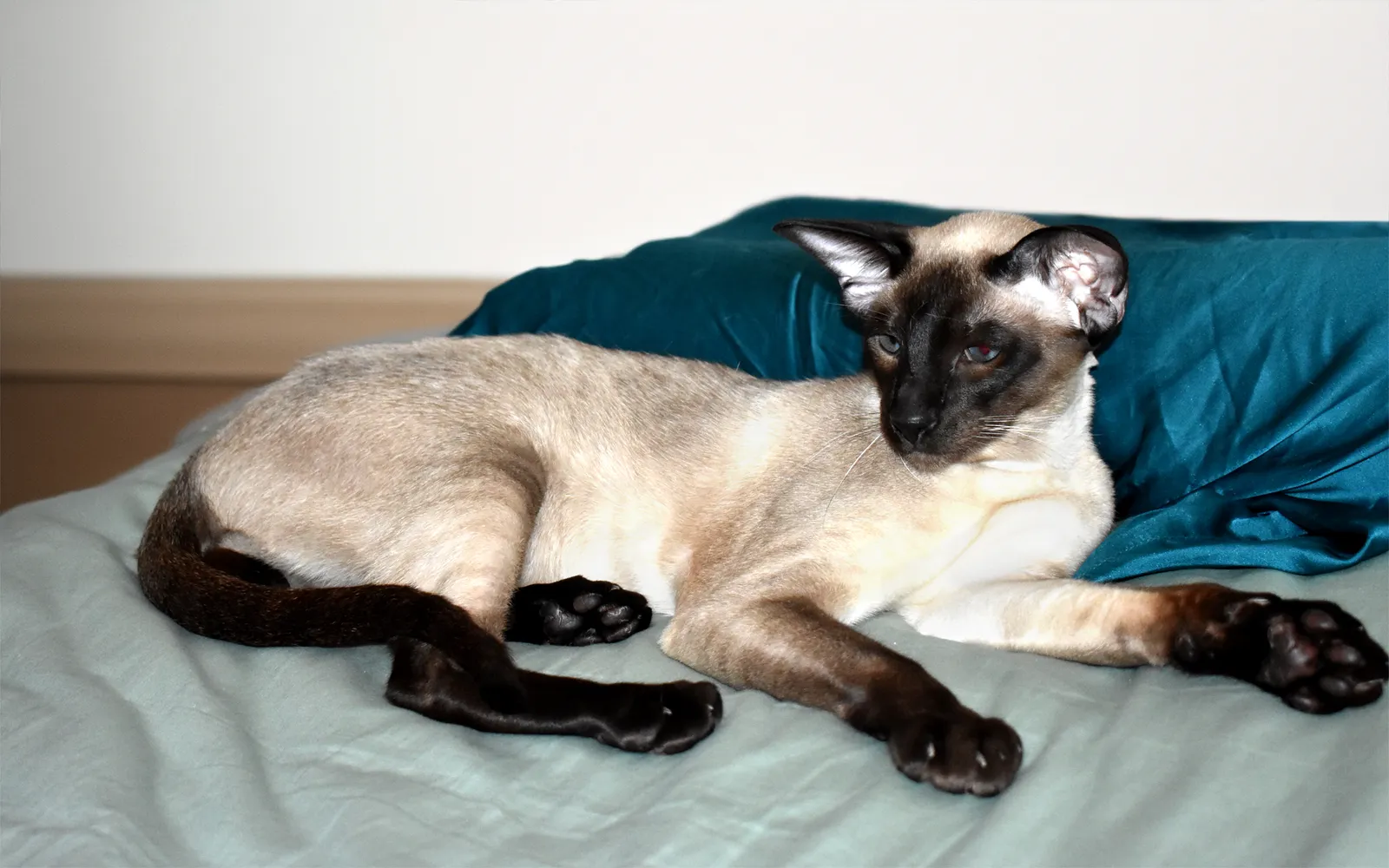
Nobody posts photos of this part. When you’re sick, depressed, grieving, or just running on empty, a Siamese doesn’t usually ramp up the theatrics. Often it’s the opposite – they get quieter, steadier, almost deliberately calm, like they’re anchoring the room.
Cats who normally yowl at everything go silent and curl up close instead. Hyperactive Siamese suddenly sit still near your shoulder for hours. A nose against your hand, a paw resting lightly on your arm, then back to silent watching. This never shows up when casual visitors are around – it’s not for show. People who insist “cats don’t care” haven’t seen a Siamese refuse to leave someone’s side for 48 hours after surgery.
Cats choose us; we don’t own them.
Kristin Cast
#12 – The Way They Age With You, Not Just Near You
Most conversations about cats obsess over kitten energy and funny antics. Siamese owners know the deeper story starts much later. As these cats age, they often soften and slow down in sync with their human, their needs shifting at almost the same rhythm as yours.
The cat who used to sprint down the hall now prefers long, shared naps beside you. They grow more tolerant of gentle handling, as if they understand you’re being careful with them – and they with you. It can be bittersweet. Friends still picture “that loud blue-eyed cat,” while you’re watching the same animal quietly adjust to your new job, your new relationship, your new home. The bond doesn’t fade. It deepens and simplifies.
Fast Facts
- Siamese are considered one of the longer-lived cat breeds, with these chatty companions often living 15-20 years, some even reaching their mid-20s.
- The oldest Siamese on record, a cat named Scooter, reached 30 years old and held a Guinness World Record for the world’s oldest living cat.
- That kind of longevity means many owners spend two full decades quietly changing alongside the very same cat.
#13 – The Grief No One Understands Until They’ve Lived It
Here’s the part most people get wrong: losing a Siamese you’ve truly bonded with does not feel like “just losing a pet.” The relationship is too layered, too specific, too threaded through your daily life. Every ritual you built – the late-night check-ins, the doorway waiting, the private meows – stops all at once, and the silence left behind is deafening.
Outsiders say “you can get another cat” or “it was just an animal.” What you actually feel is stranger: catching yourself leaving a door cracked out of habit, reaching for a cat who’s no longer on the bed, a weird hollow quiet where a constant living presence used to be. People who’ve never had a Siamese bonded to them will call that dramatic. People who have will recognize it instantly, because the invisible thread doesn’t disappear overnight – your routines keep reaching for it long after it’s gone.
The Bottom Line
Siamese cats aren’t “extra needy” or “overdramatic” in the shallow way the internet loves to joke about. They’re intensely relational, almost unnervingly tuned into one specific human’s rhythms, moods, and habits. The wild part is how quietly most of it plays out – late-night room checks, tiny meows no one else hears, a stare held a beat too long.
From the outside, it’s just a loud, pretty cat. From the inside, it’s a running conversation you never meant to start but can’t imagine living without. Is a Siamese for everyone? Honestly, no. They’re too much cat for anyone who wants something purely decorative. But for the one person they choose, the bond is opinionated, occasionally exhausting, and completely real – and I’ll take that trade every time.
