


The mysteries of legendary beasts have captured human imagination for millennia, with stories of dragons breathing fire, unicorns healing the sick, and vampires draining the lifeblood from their victims. These creatures might seem like pure fantasy, but science offers fascinating explanations for how our ancestors developed these myths. From misidentified fossils to natural phenomena and misunderstood medical conditions, real-world discoveries often provided the foundation for the most enduring mythological tales.
While we now know these creatures exist only in stories and imagination, the scientific basis behind their origins reveals something profound about human nature. Our ancestors weren’t simply making up wild tales – they were doing their best to explain the unexplainable world around them. Let’s explore how reality shaped fiction and discover what science tells us about these legendary beings.
Dragons: When Dinosaur Bones Sparked Ancient Fire
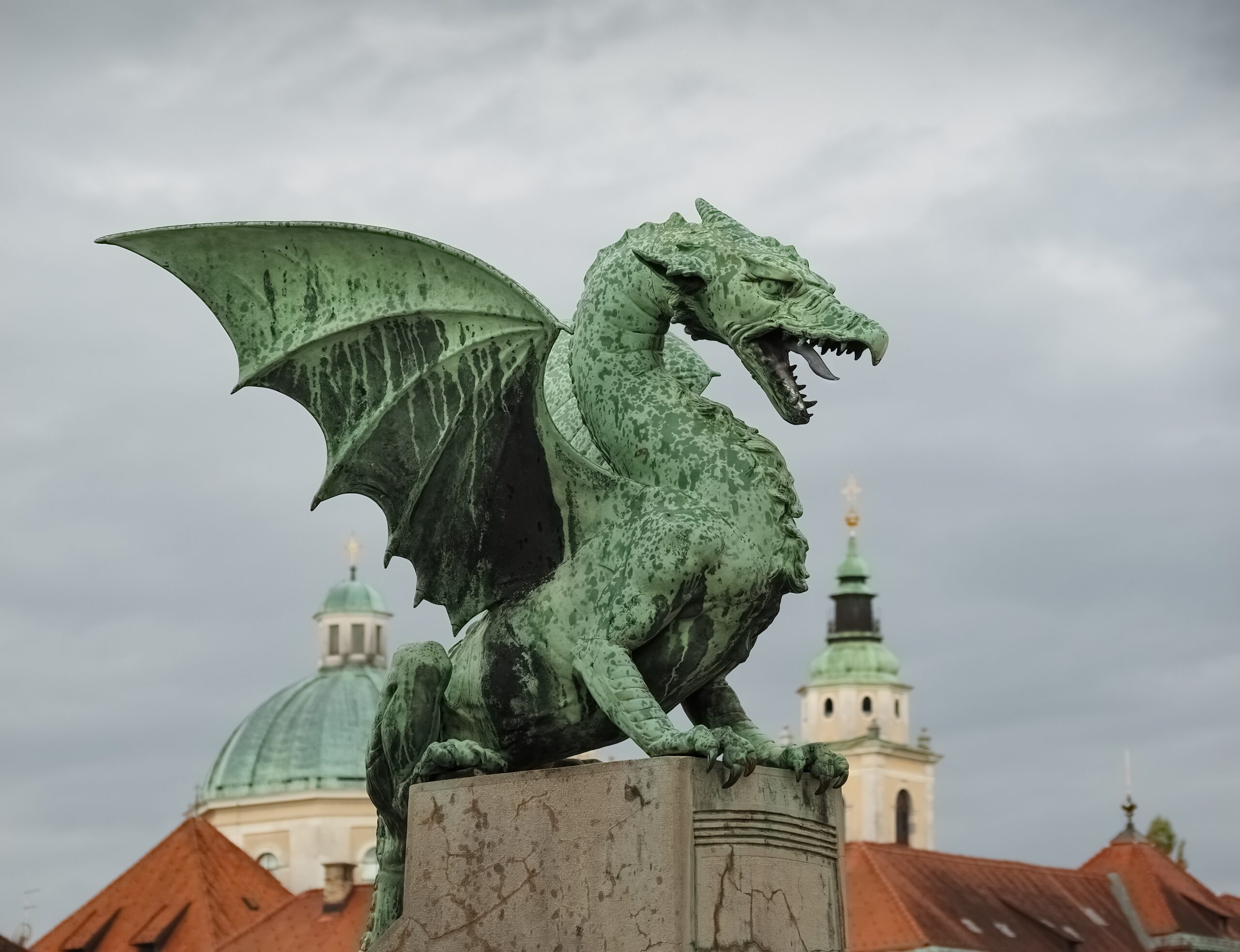
Dragons appear in cultures worldwide, from Chinese mythology to European folklore, and their origins might lie in ancient fossil discoveries. Mythic Creatures: Dragons, Unicorns & Mermaids showcases the stories of mythical beings that have been with us for thousands of years and how they were often inspired by real fossils or living animals. When early civilizations stumbled upon massive dinosaur bones and skulls, they likely tried to reconstruct what these creatures might have looked like.
Take the dragon for example. The dragon appears in the mythology of cultures all over the world. What else can be found all over the world? Dinosaur fossils. It is likely no coincidence that many depictions of dragons resemble our modern understanding of what a dinosaur looked like. The enormous bones, sharp teeth, and imposing size of these ancient reptiles could easily have inspired tales of fire-breathing monsters.
Unicorns: The Truth Behind the Single Horn
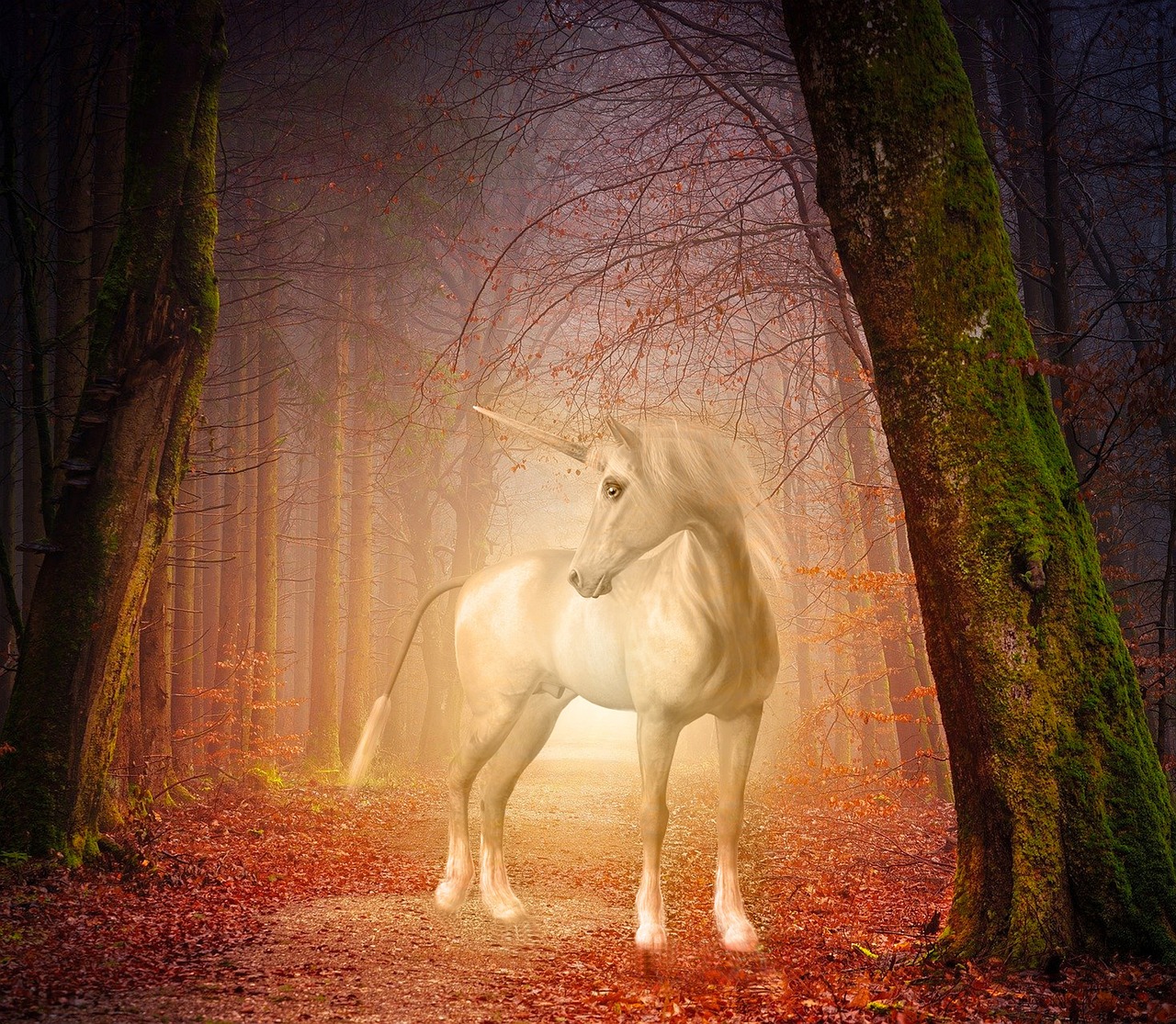
The elegant unicorn, often depicted as a white horse with healing powers, has surprisingly mundane origins rooted in mistranslation and misidentification. The earliest depictions of unicorns date from around 2600-1900 BC in the Indus Valley civilization, and were probably based on aurochs, an extinct two-horned wild ox. A 3rd-century BC mistranslation of the Hebrew word for aurochs (or possibly oryx), re’em, to the Greek word monokeros, ‘one horn’, might explain how the later unicorn myth originated.
The medieval belief in unicorn horns became particularly strong when sailors brought mysterious tusks to Europe. The legend gained traction in the Middle Ages when sailors brought tusks to Europe and sold them as unicorn horns. In fact, such horns invariably came from narwhals, a medium-sized whale with a single tusk – actually an elongated, spiral-growing canine tooth – up to 3m long. These narwhal tusks were sold for enormous sums, believed to neutralize poison and cure diseases.
Vampires: Decomposition and Disease Create Monsters
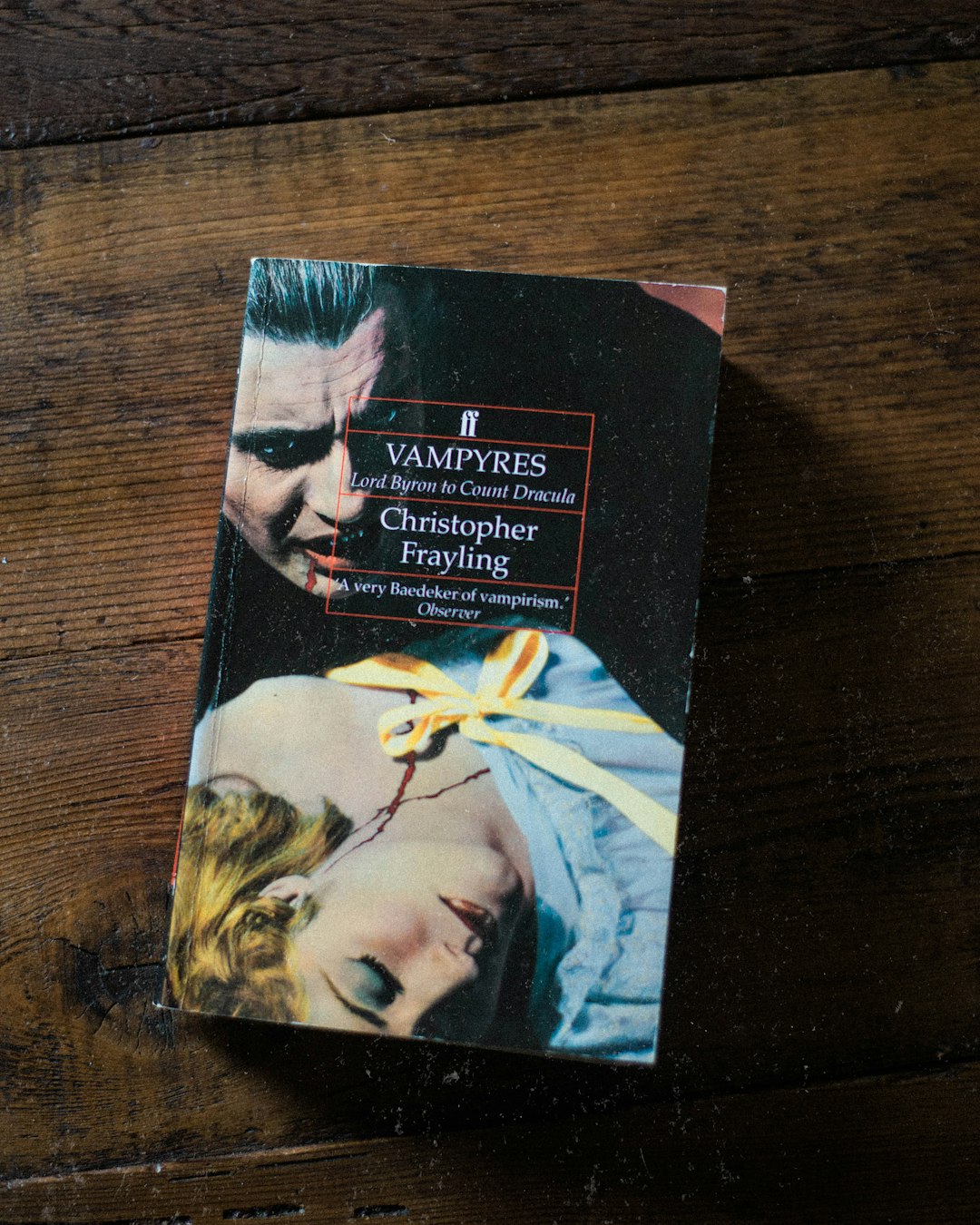
The vampire legend might be the most scientifically explainable of all mythological creatures, with roots in misunderstood death and decomposition processes. However, there are some people that think the vampire legend resulted from misunderstandings and fears about death and decomposition. The skin contracts after death, creating the illusion that hair and fingernails continue to grow.
Vampires may have been inspired in part by premature burials in the past, when unfortunate people were mistakenly taken for dead. Upon exhuming these bodies following reports of the undead, people occasionally found markings such as nail scratches on the inside of the coffin – if the person didn’t actually make it out alive and scare villagers outright. Additionally, the natural decomposition process creates features that could be mistaken for vampiric traits.
Cyclops: When Elephant Skulls Fooled Ancient Greeks
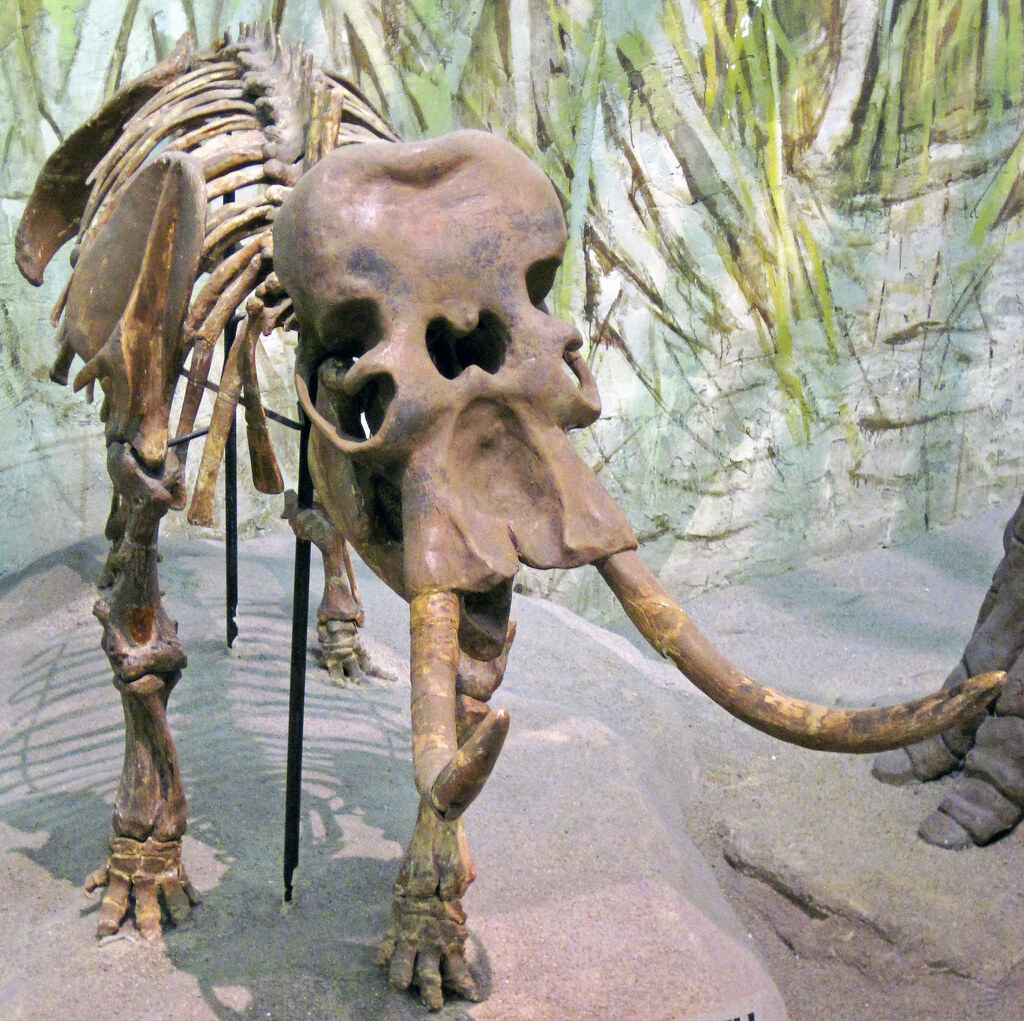
Perhaps no mythological creature has a more concrete scientific explanation than the one-eyed Cyclops. To the ancient Greeks, Deinotheriumskulls could well be the foundation for their tales of the fearsome one-eyed Cyclops. These ancient elephant relatives had massive skulls with prominent nasal cavities in the center, which ancient people who had never seen a living elephant could easily mistake for a giant eye socket.
Anyone who goes to a natural history museum and looks at the skull of an elephant can see that the eye sockets are negligible, you don’t even notice those. What you notice is the gigantic hole in the middle of the skull that looks like a single eye. But prior to the time of Alexander the Great, in the mid-fourth century B.C.E., ancient Greeks would never have seen a live elephant, and thus could easily have mistaken it for a large, singular eye socket.
These one-eyed giants were said to live on the island of Sicily, where the ancient Greeks found strange skulls with a large center hole. In fact, these skulls belonged to extinct elephants that once roamed the island. The hole was not a massive eye socket, but the place where the trunk attached.
Phoenix: The Egyptian Bird That Rose From Misunderstanding
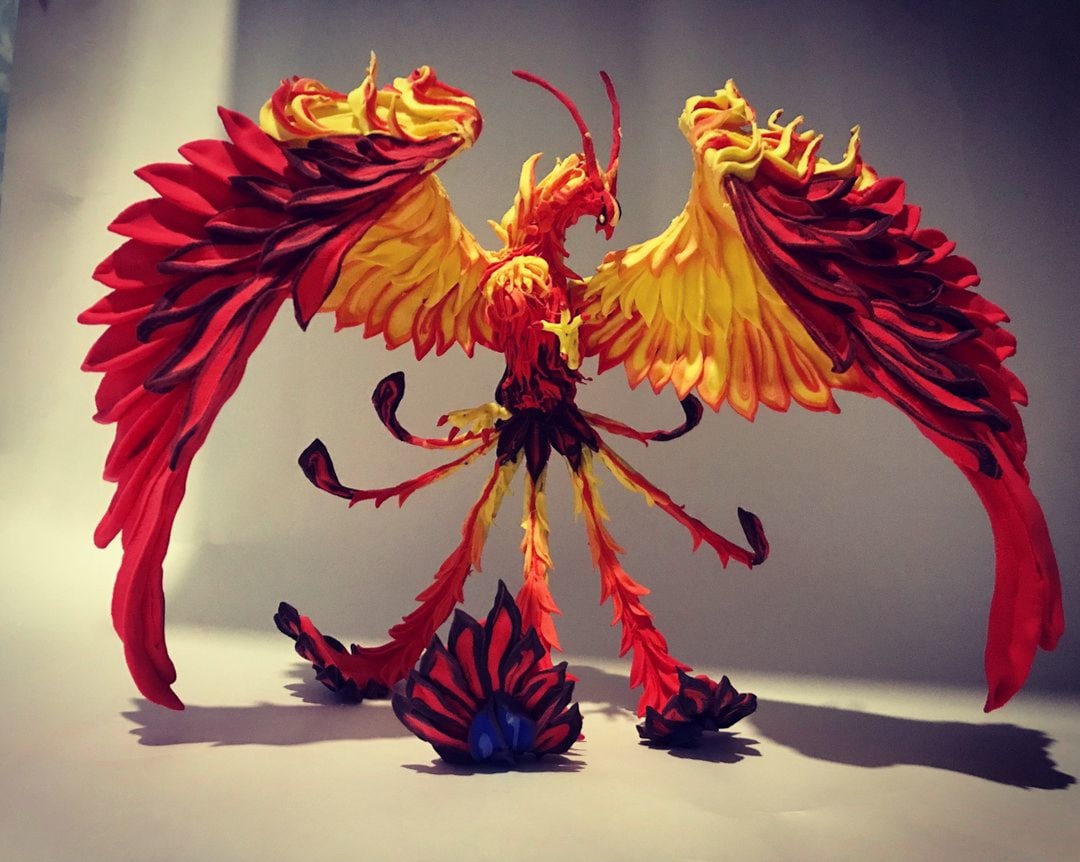
The magnificent phoenix, eternally reborn from its own ashes, traces its origins to ancient Egyptian beliefs about a very real bird. According to the Greek historian Herodotus, the phoenix originated in Egypt. Evidence exists indicating that the ancient Egyptians worshipped a bird deity known as the Bennu, which was said to resemble a heron. The Bennu bird was associated with the sun god Ra and represented the daily cycle of death and rebirth.
Just as the dragon was a figment of collective imagination, the story of the sacred bird called the phoenix is likely based on the now-extinct Egyptian Bennu heron. Some researchers also suggest that local species of flamingos, with their brilliant red and gold plumage, may have contributed to the phoenix myth. The bird’s association with fire and rebirth likely came from its connection to solar worship rather than any actual ability to burst into flames.
Basilisk: The Serpent-Rooster That Never Was
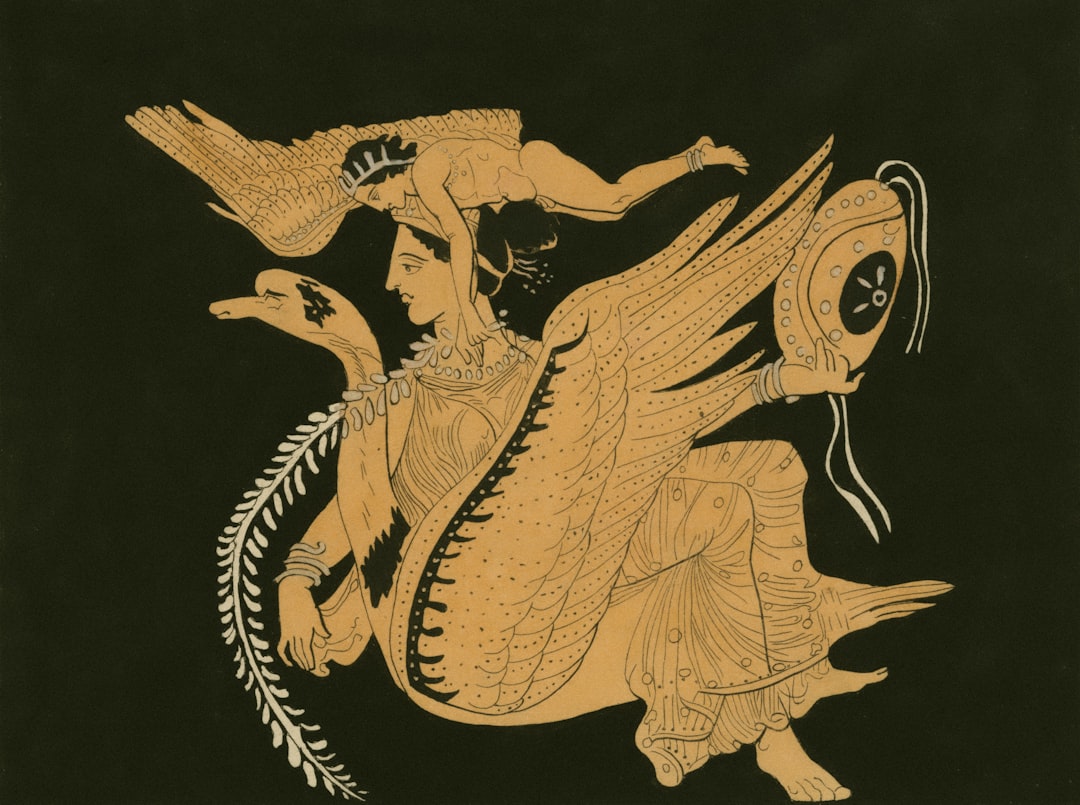
The basilisk, described as a creature capable of killing with a single glance, represents how medieval imagination could transform ordinary animals into terrifying monsters. In European legend, the basilisk is a serpentine creature who, much like the Gorgons of Greek myth, can kill with one look. This legendary creature was supposedly born from a serpent’s egg incubated by a cockerel, creating a hybrid beast with deadly powers.
The creature emerged from a rooster’s egg after being incubated by a toad, and had the power “to wither landscapes with its breath,” according to the Smithsonian. The basilisk’s supposed ability to kill with a glance might have been inspired by actual venomous snakes whose bites could cause rapid death, leading to exaggerated tales of supernatural killing power.
Griffins: Dinosaur Fossils Meet Ancient Gold Miners
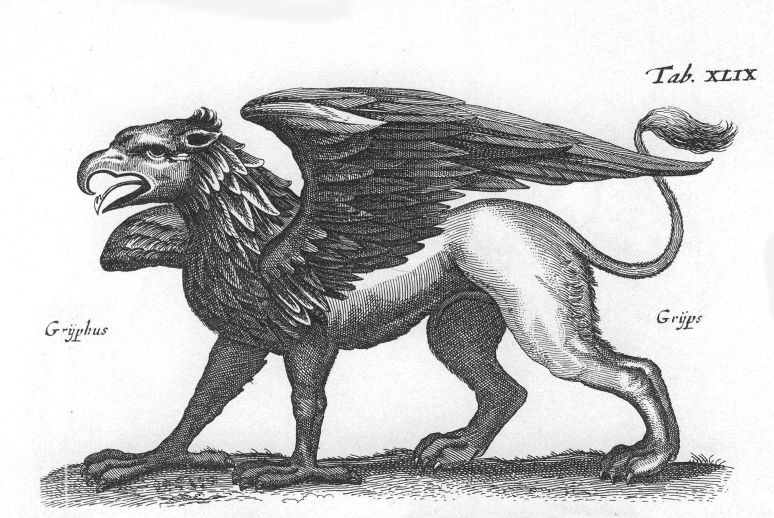
The majestic griffin, with its eagle’s head and lion’s body, might have originated from an unlikely source: ancient gold mining operations. A few experts believe that the legends of the griffin, a creature combining body parts of both an eagle and a lion, originated in the Gobi Desert around 2,000 years ago when Scythian miners stumbled upon the fossil remains of the four-legged, beaked dinosaur Protoceratops.
It’s been suggested that the inspiration for this mythical creature, which was said to guard golden treasures, came from early discoveries of dinosaur fossils. One mooted species was Protoceratops, a beaked dinosaur that lived in Asia between 75 and 71 million years ago. Its fossilised bones were uncovered by Scythian gold miners in the Gobi Desert around 2,000 years ago. The connection between griffins and treasure might stem from the fact that these fossils were found in gold-mining regions.
Kraken: Giant Squids Surface From the Deep
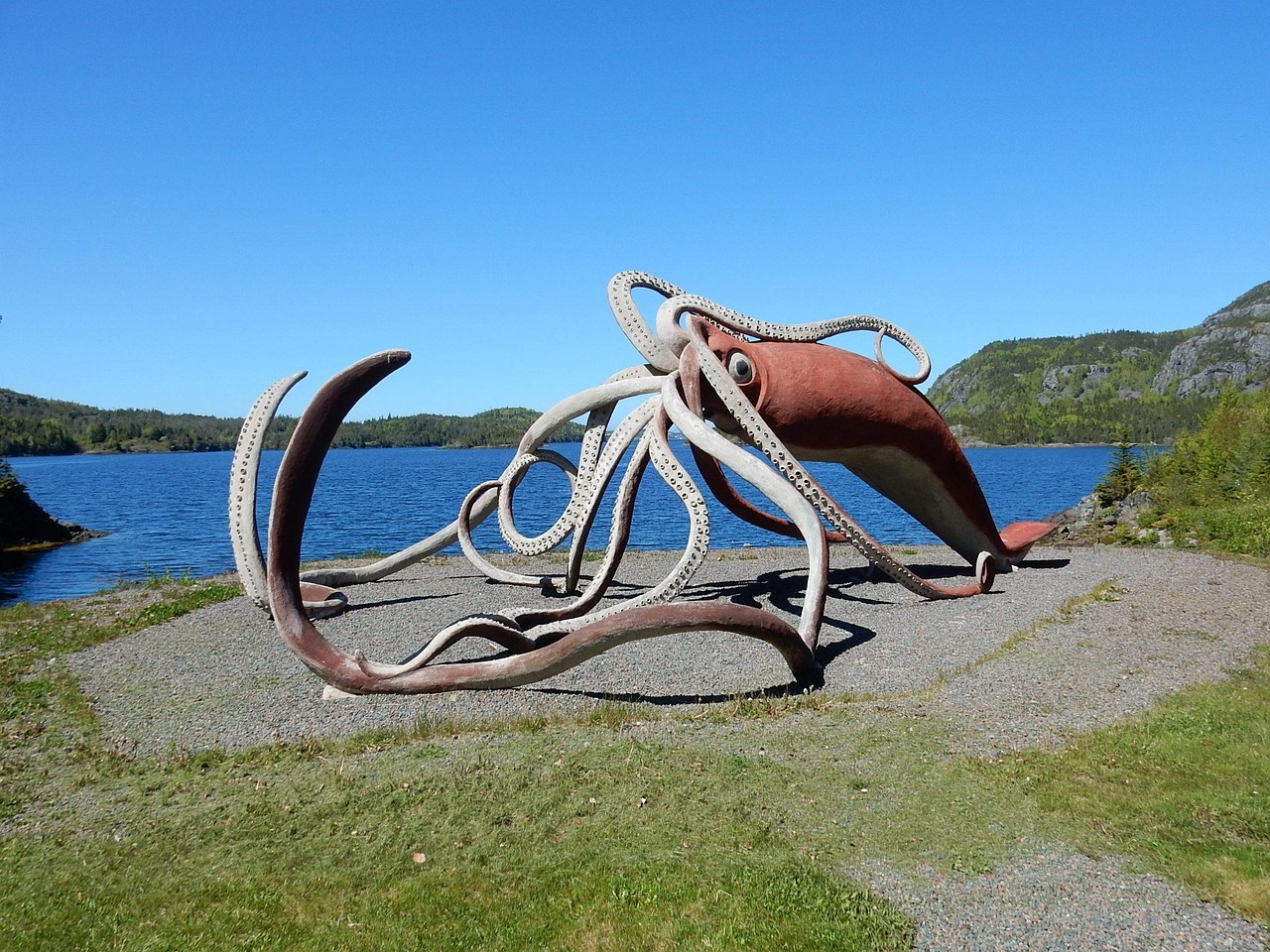
A giant, octopus-like creature that wrecks ships, the kraken originated in Scandinavian folklore, with the earliest descriptions dating to the 12th century and becoming widely known in the 18th century, but tales of enormous tentacled beasts have long been told around the world. In this case, reality isn’t so far from myth: two species of enormous, deep-ocean-dwelling squid have been discovered that may explain the origin of the tales.
The colossal squid and giant squid, both reaching incredible sizes, could easily account for sailors’ reports of massive tentacled monsters attacking their vessels. These real creatures, dwelling in the ocean’s depths, remained largely unknown to science until recent decades, making the kraken one of the few mythological creatures with a basis in living animals rather than fossils or misunderstandings.
Mermaids: Manatees and Maritime Imagination
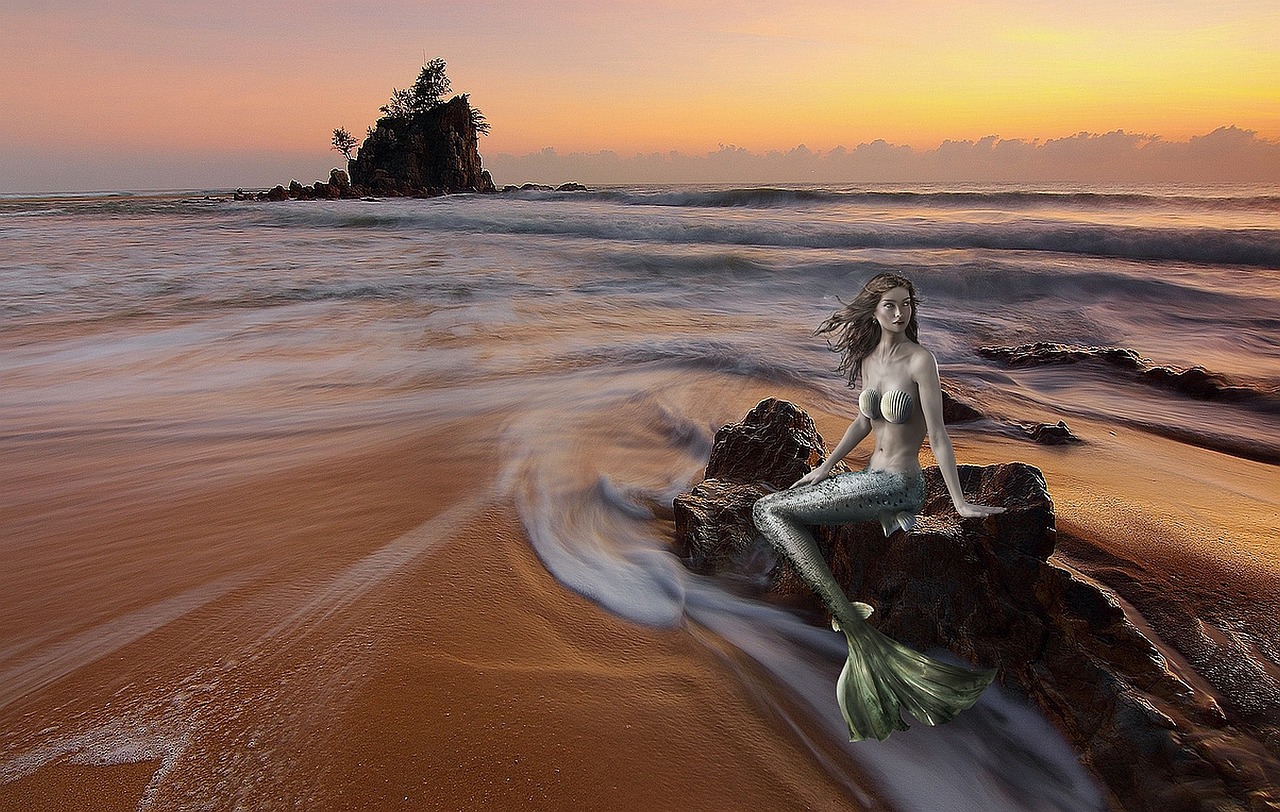
The enchanting mermaid, half-human and half-fish, likely originated from sailors’ encounters with marine mammals in unfamiliar waters. For centuries, mermaid sightings were regarded with the same credulity as sightings of any other exotic animal. None other than Christopher Columbus himself even claimed to have seen them; one of his crew recounted how their admiral spotted three mermaids, though they were “not so beautiful as they are said to be, for they had the face of a man.”
Modern scientists believe that most historical mermaid sightings were actually encounters with dugongs, manatees, or seals. These marine mammals, when glimpsed briefly at a distance or in poor lighting conditions, could appear remarkably humanlike to homesick sailors who had been at sea for months. The psychological need for human contact combined with unfamiliarity with local marine life created perfect conditions for mermaid myths to flourish.
Zombies: Neurotoxins and Haitian Folklore
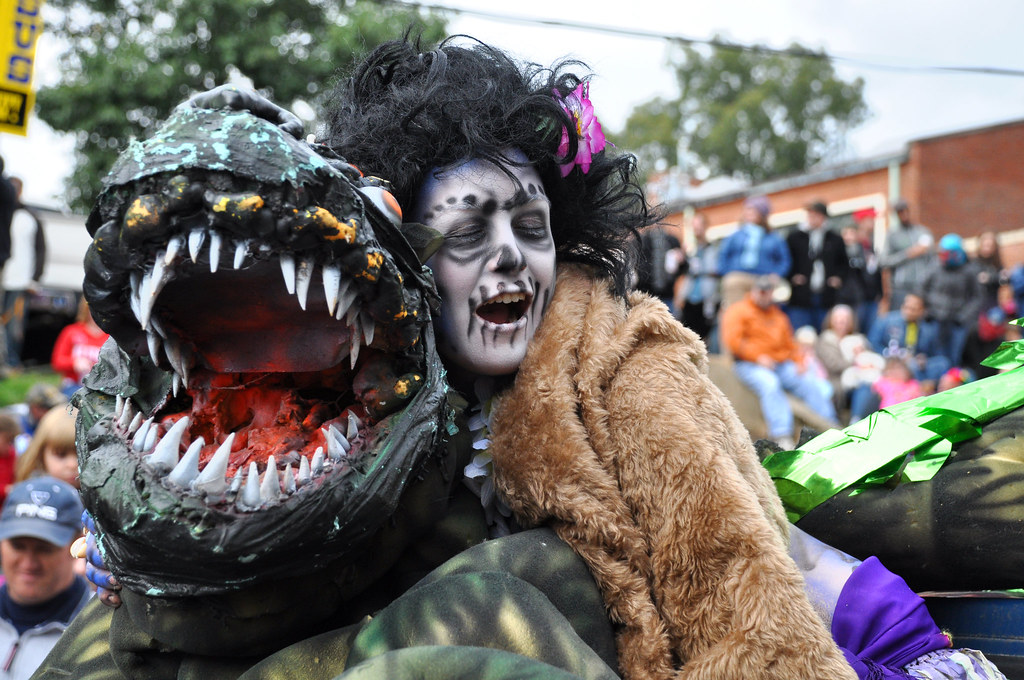
The modern zombie, popularized by Hollywood horror films, has fascinating roots in Haitian folklore and potentially real neurological phenomena. Zombies originated in Haitian folklore, with the Haitian French term “zombi” or Haitian Creole “zonmi” used to describe a corpse reanimated through magic or other means. However, some scientists have proposed biological explanations for these supposed resurrections.
His story attracted media and scientific attention, including from Harvard ethnobotanist Wade Davis, who suggested another explanation. In his 1985 book The Serpent and the Rainbow, Davis put forth that voodoo victims were poisoned by a neurotoxin that temporarily simulated death by slowing the heart and stiffening the muscles. From there, the witch doctors kept their victims drugged and docile with amnestic drugs. While this theory remains controversial, it demonstrates how real biological processes might contribute to supernatural beliefs.
Conclusion: When Reality Creates Legend
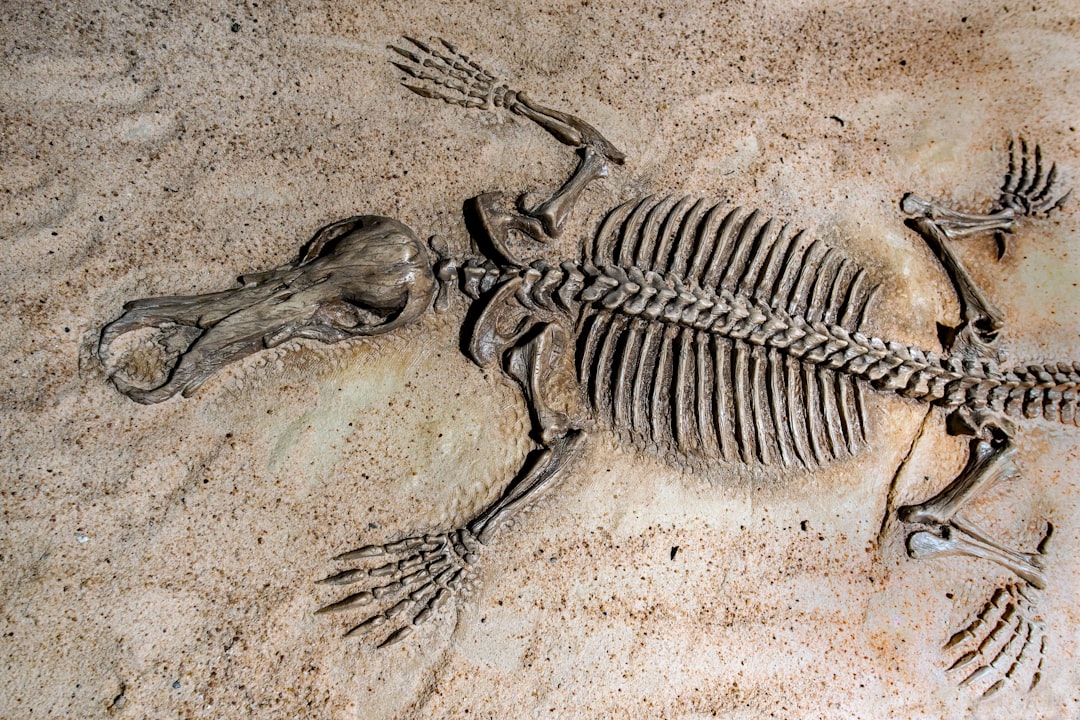
The scientific explanations behind mythological creatures reveal a profound truth about human nature: our ancestors were natural scientists, constantly trying to make sense of the world around them. When they encountered massive fossil bones, witnessed unusual medical conditions, or observed unfamiliar animals, they created stories that seemed logical within their understanding of the world.
The Greeks and Romans used fossil evidence – the enormous bones of long-extinct species – to support existing myths and to create new ones. These weren’t simply random fantasies but attempts to explain real phenomena using the best knowledge available at the time. The enduring power of these creatures in modern culture shows that they still serve an important purpose: helping us understand the boundaries between the known and unknown.
Today, we can look back at these legends with both scientific understanding and appreciation for their cultural significance. They remind us that the line between science and imagination isn’t always clear-cut, and that sometimes the most fantastic stories have the most ordinary explanations. What other mysteries might future generations solve that seem impossible to us today?
