
There’s a common assumption that the relationship between humans and animals is mostly one-sided. We feed them, care for them, and give them shelter. That’s the deal, right? Except the evidence keeps suggesting otherwise. Time and again, animals have stepped in during moments of crisis, quiet suffering, or invisible illness, often doing things that no machine, no app, and sometimes no other human could replicate.
What makes these stories particularly striking isn’t just the drama of them. It’s the fact that they happen in ordinary settings, in backyards, hospital corridors, open water, and therapy barns, with no rehearsal and no reward. The six stories below are grounded, verifiable, and quietly extraordinary.
#1: The Dog That Detected What Doctors Almost Missed
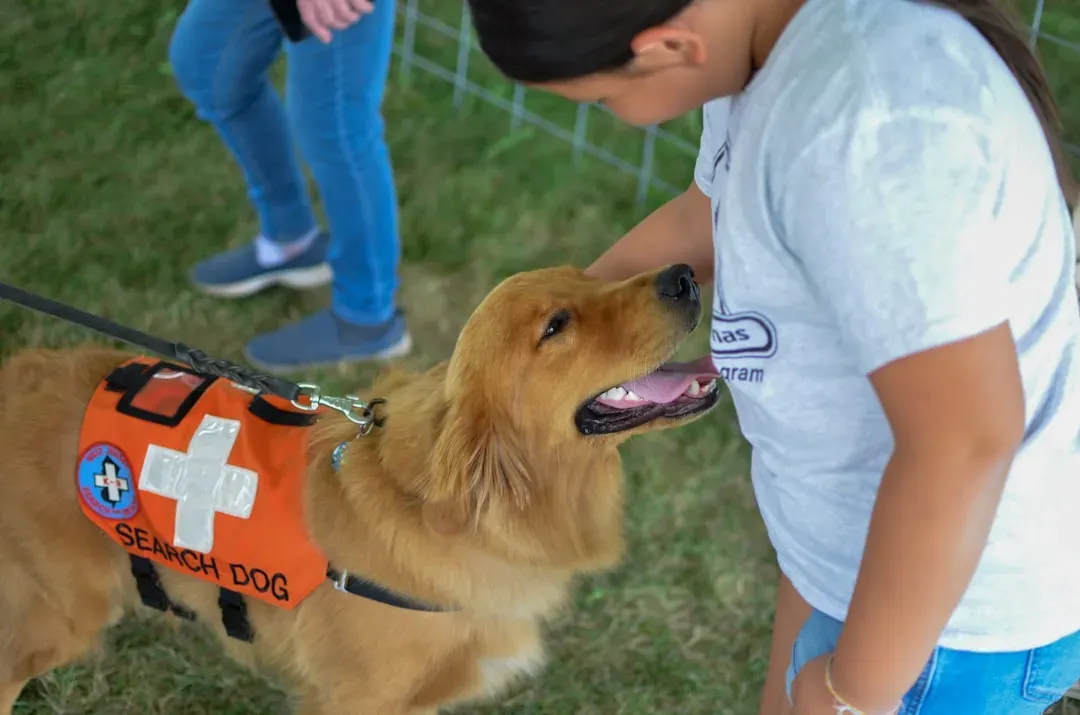
Dogs rely on scent in ways that still surprise researchers. They have up to 300 million olfactory receptors, compared to about 6 million in humans, and can detect smells with an accuracy far beyond anything we’re capable of. Their noses pick up small chemical changes that most people would never notice. That biology has quietly been saving lives in living rooms for years.
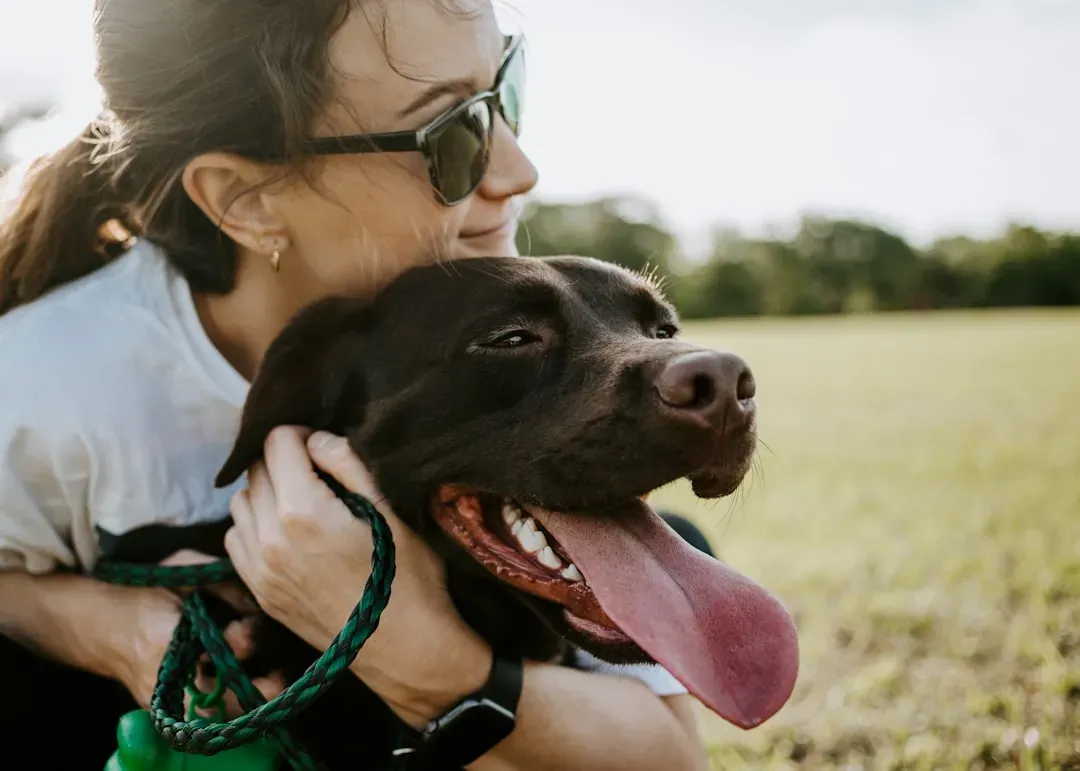
There are countless stories of dogs saving lives by detecting illness early. One case involved a woman whose Labrador persistently nudged at a mole on her leg, which was later diagnosed as melanoma. In another documented case, Claire Guest, CEO of Medical Detection Dogs, recalled that her trained Fox Red Labrador kept staring and pawing at her chest. While trying to decipher the dog’s behavior, Guest discovered a lump that turned out to be a malignant tumor deep in her breast.
In studies and real-life situations, trained dogs have identified early signs of conditions like cancer, seizures, and low blood sugar, often before symptoms become clear. Research into canine cancer detection focuses on one key idea: disease changes how the body smells. Cancer cells release unique chemical compounds that show up in breath, urine, sweat, and even blood. These aren’t flukes. They’re the result of an olfactory system that evolution spent tens of thousands of years perfecting.
#2: Seizure Alert Dogs Giving People Their Independence Back
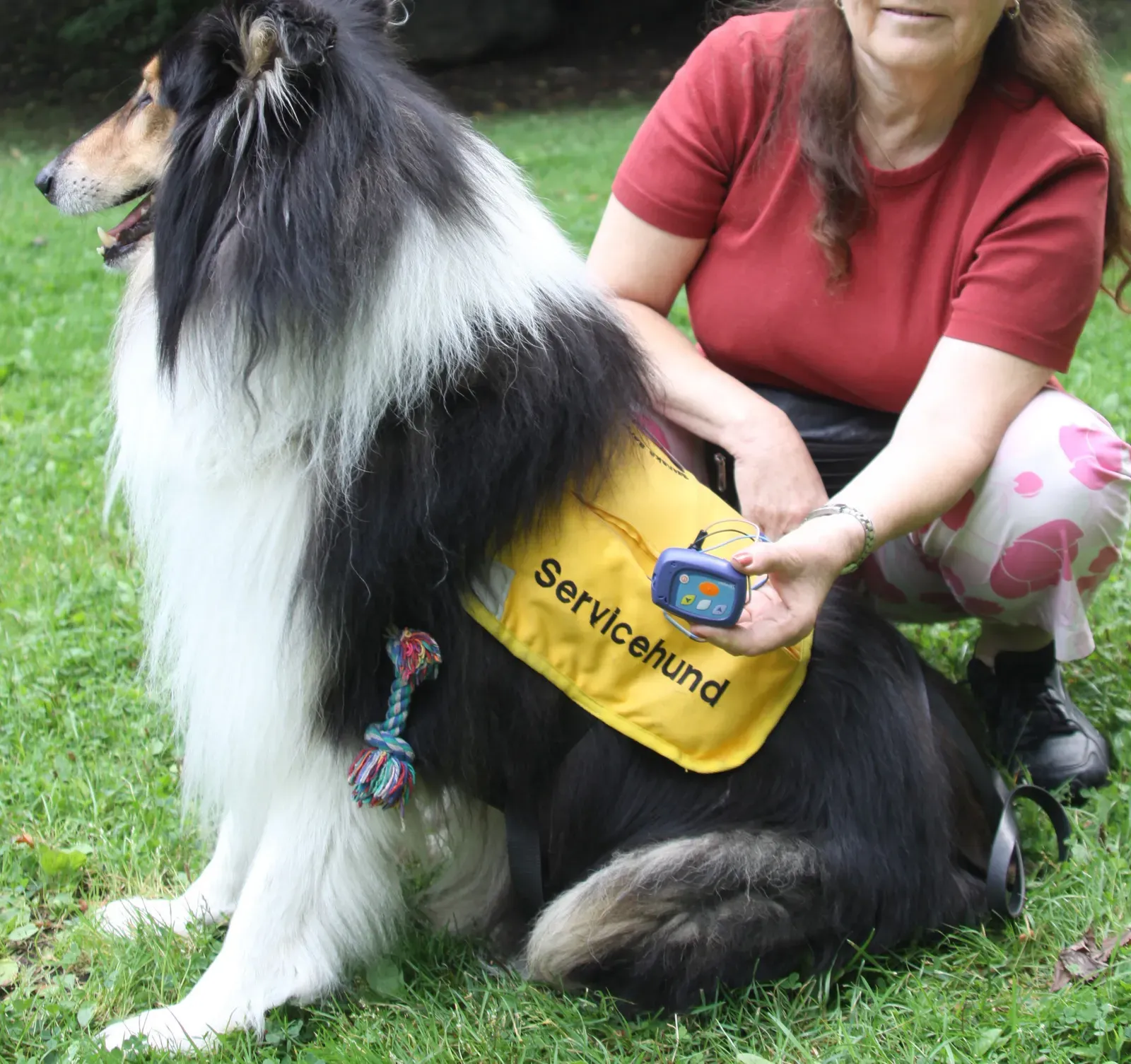
People who experience seizures may black out, become confused, lose control of their movements, and experience injuries from falls. That’s where seizure response dogs come in. They can sense that their handler will have a seizure up to 45 minutes before it occurs, allowing owners to reach a safe place, take medication, or seek help ahead of time. For someone living alone, that kind of early warning is life-changing.
Dogs trained to assist people with epilepsy already play a practical part in daily life. These seizure dogs are taught to respond when a seizure happens or immediately after. Common tasks include barking to alert family members, lying next to someone to prevent injury, or activating an alarm system. Some dogs are trained to position themselves in a way that reduces the risk of a fall at the onset of a seizure. The result isn’t just physical safety. Seizure dog owners report having less anxiety, more positive morale and confidence, and increased feelings of independence and safety.
#3: LuLu the Pig Who Stopped Traffic to Save a Life
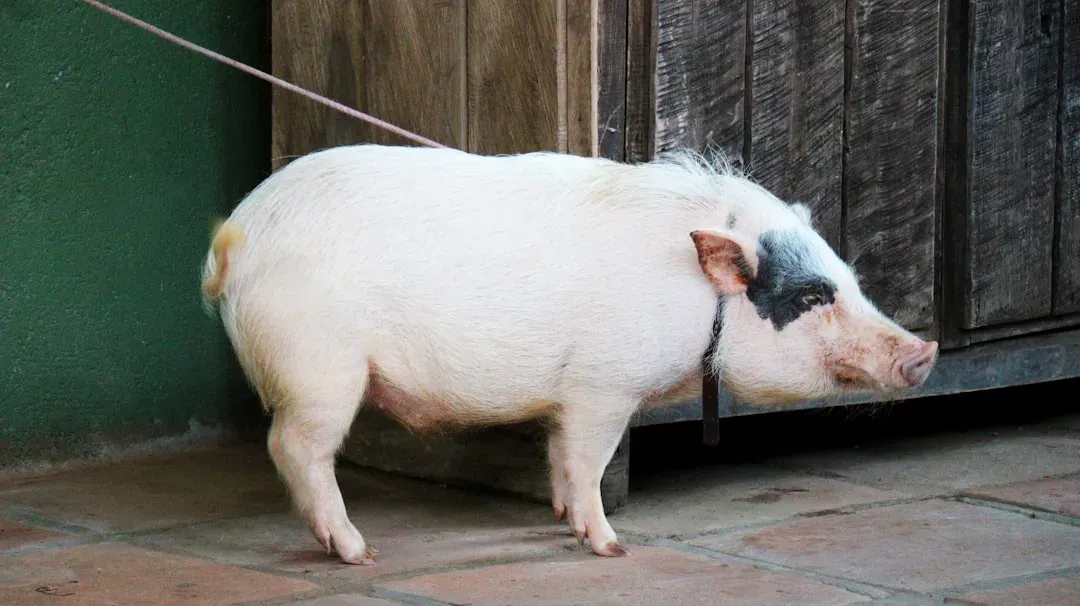
When Jo Ann Altsman suffered a heart attack, help came just in time in the form of a pot-bellied pig. Altsman’s husband was away when she collapsed on the floor, so her quick-thinking pig, LuLu, figured out how to get help. LuLu squeezed her 150-pound body through the dog door, cutting her stomach as she shoved herself through. She somehow opened the fence gate, walked into the road, and lay down in the middle of traffic.
Finally, a good Samaritan stopped to check on her. LuLu quickly led him back to Altsman, and he called for help. Doctors who performed Altsman’s open-heart surgery told her that she wouldn’t have lived another 15 minutes. It’s a story that challenges every assumption we carry about which animals are capable of what. Pigs are often regarded as farm animals, nothing more. LuLu apparently had different ideas. The family, by all accounts, stopped eating pork.
#4: Dolphins Forming a Living Shield Against a Great White Shark
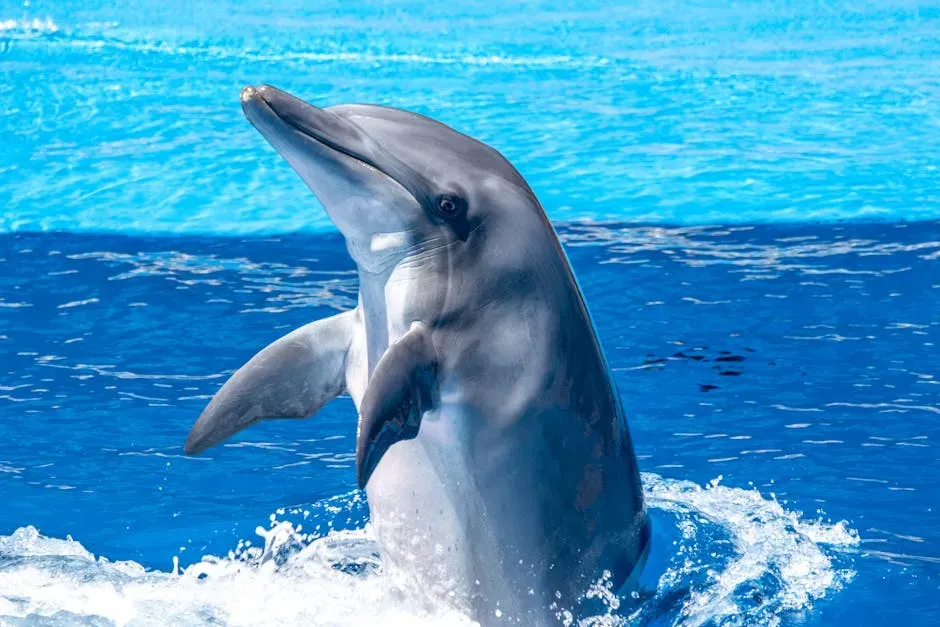
Lifeguard Rob Howes, his daughter Niccy, Karina Cooper, and Helen Slade were swimming 100 meters out to sea at Ocean Beach near Whangarei when seven bottlenose dolphins sped toward them and herded them together. They were behaving really weird, turning tight circles and slapping the water with their tails. Howes didn’t understand what was happening at first. Then he drifted slightly from the group, and a dolphin dove sharply in front of him.
When Howes turned in the water to see where the dolphin would surface, he instead saw a great big grey fish swim around him. The veteran lifeguard said it was undoubtedly a three-meter-long great white shark. The dolphins herded the swimmers back together and circled protectively around them for another 40 minutes, fending off the shark. Dolphins are known for helping helpless things. It is an altruistic response and bottlenose dolphins in particular are known for it, confirmed Dr. Rochelle Constantine of Auckland University. The rescue made international headlines and inspired a BBC documentary.
#5: A Parrot That Sounded the Alarm During a House Fire
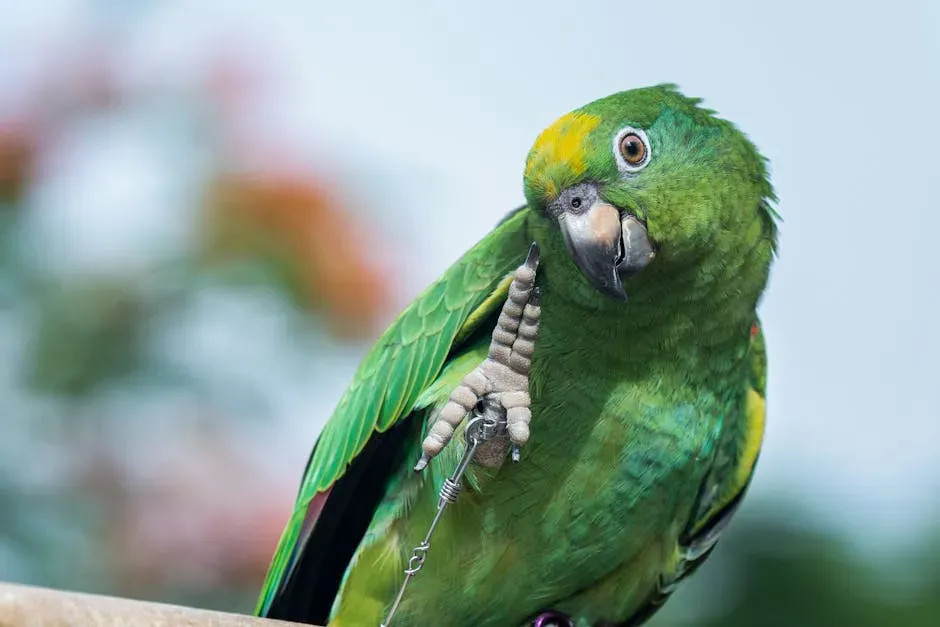
Around four o’clock in the morning, LauraJean Niesel and her fiance awoke to the sound of their parrot Pearly causing a ruckus. Evidently, Pearly was trying to alert his family that a fire had engulfed their laundry room. Thanks to this bird’s loud squawks, the family got out safely and called the fire department in time to stop the fire from spreading. Most people dismiss parrots as noisy, mimicking birds. Pearly’s actions that morning suggest there’s a good deal more going on behind those bright eyes.
Parrots are among the most cognitively advanced birds on earth, capable of problem-solving, recognizing individual humans, and responding to distress cues in ways researchers are still trying to fully understand. What Pearly did wasn’t random noise. It was a persistent, directed effort to wake sleeping people during a genuine emergency. Animals don’t get enough credit for how intelligent, perceptive, and caring they can be. Unfortunately, animals are often seen as commodities or pests. However, stories like this demonstrate that animals are complex beings that can display altruistic behavior.
#6: Horses Healing People That Words Cannot Reach
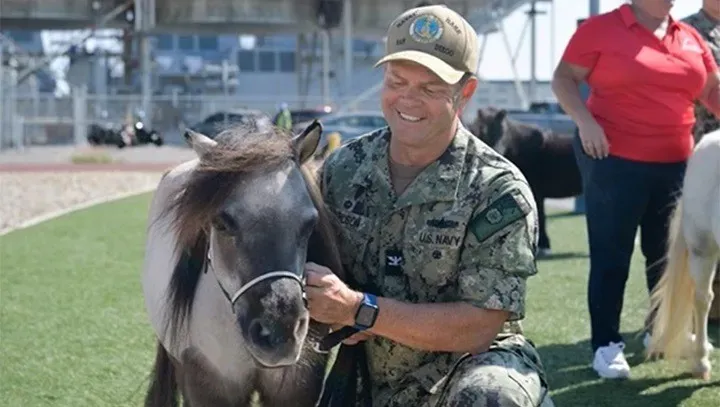
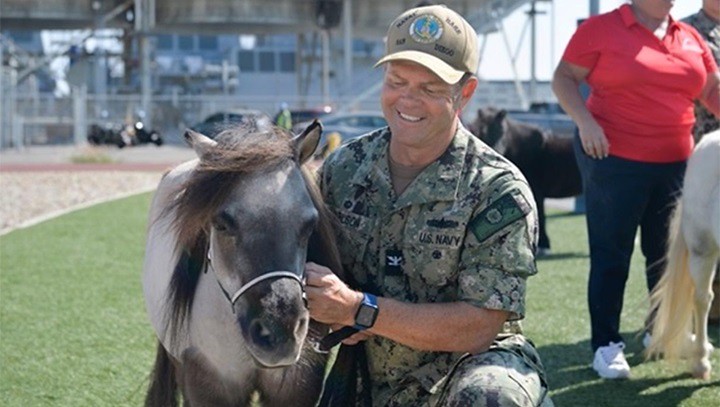
Formidable in size and yet gentle and accepting, horses have an innate ability to empathize with humans. Just like people, they can be extroverted, shy, playful, stubborn, and genuinely affectionate. They are remarkably sensitive to expressions of fear, anger, agitation, and sadness, and they engage without an ounce of judgment, expectation, or preconceived notions. That combination makes them uniquely powerful in therapeutic settings, particularly for people who’ve been failed by more conventional approaches.
Both humans and horses emit electromagnetic energy from their hearts which is measurable and plays a crucial role in their interactions. A horse’s heart is 10 times the size of a human heart and generates an electromagnetic field that is significantly larger. This expanded electromagnetic range can have a soothing effect on individuals, contributing to the therapeutic benefits of equine-assisted programs. Working in close proximity to a horse has been proven to reduce heart rate, blood pressure, the amount of cortisol, and to cause feel-good endorphins to increase. Some studies show equine-assisted psychotherapy can help with a variety of mental health issues including anxiety, low self-esteem, addiction, trauma, depression, and antisocial behavior. More than 66,000 individuals in 2019 participated in equine-assisted activities or therapies, according to the Professional Association of Therapeutic Horsemanship International.
For veterans like US Marine Corps Veteran Kody Wall, the special bond between human and horse has been genuinely life-saving. Some of the earliest written evidence on equine-assisted physical therapy came from Hippocrates, who touted the therapeutic benefits of horseback riding around 400 BC. The fact that we’re still discovering new dimensions of what horses offer tells you something about the depth of that relationship.
A Final Thought
These six stories don’t share a species, a setting, or even a type of help. What they share is something harder to categorize: the repeated, verifiable reality that animals notice things we miss, step in when we can’t step in for ourselves, and form connections with us that have real, measurable consequences for human survival and wellbeing.
We tend to place ourselves at the top of a hierarchy where we’re the helpers and animals are the helped. The evidence doesn’t quite support that framing. If anything, the relationship is far more reciprocal than most of us are raised to believe. A pig playing dead in traffic. A dolphin circling a frightened swimmer. A dog nudging at a hidden tumor. None of them were trained to do those specific things at those specific moments. They just did them anyway.
That’s worth sitting with for a while.
