


In September 2022, India embarked on one of its most ambitious conservation projects to date: the reintroduction of cheetahs to the subcontinent after a 70-year absence. This historic initiative, named Project Cheetah, saw eight Namibian cheetahs released into Madhya Pradesh’s Kuno National Park, marking the world’s first intercontinental large wild carnivore translocation project. The endeavor represents not just an attempt to restore an extinct species to India’s wilderness, but also a complex ecological experiment with far-reaching implications for conservation biology, ecosystem restoration, and wildlife management practices globally. As these magnificent cats take tentative steps across their ancestral homeland once again, their journey symbolizes hope, scientific innovation, and the human capacity to repair some of the damage inflicted upon our natural world.
The Historical Presence and Extinction of Cheetahs in India
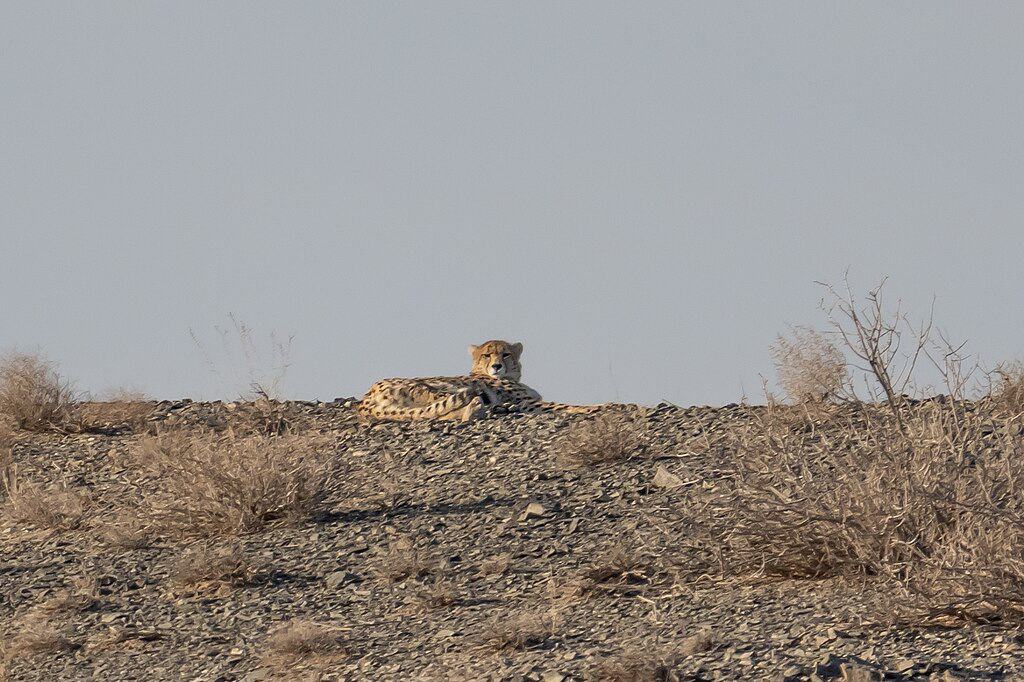
Cheetahs once roamed freely across the Indian subcontinent, with their presence documented as far back as the Vedic period (1500-500 BCE). Historical records, including Mughal paintings and colonial accounts, depict cheetahs being used by Indian royalty for coursing—a form of hunting where the swift cats would be used to chase down prey. The Asiatic cheetah (Acinonyx jubatus venaticus) was native to India and differed slightly from its African cousins in physical characteristics.
However, the 20th century witnessed the rapid decline of cheetah populations in India. Habitat loss due to expanding agriculture, uncontrolled hunting by colonial administrators and Indian royalty, and the capture of cubs for training as hunting companions severely depleted their numbers. By the 1940s, the situation had become dire. The last officially recorded cheetah sighting in India occurred in 1947 when Maharaja Ramanuj Pratap Singh Deo of Koriya (in present-day Chhattisgarh) shot three cheetahs. By 1952, the Asiatic cheetah was declared extinct in India, marking the only time in modern history that a large mammal had completely disappeared from the country.
Project Cheetah: Genesis and Planning

The idea of reintroducing cheetahs to India was first proposed in the early 1970s, but concrete planning began in 2009 when the Wildlife Trust of India and the Wildlife Institute of India presented a detailed roadmap for cheetah reintroduction. After years of feasibility studies, habitat assessments, and international negotiations, Project Cheetah officially took shape under the guidance of the National Tiger Conservation Authority (NTCA) and the Ministry of Environment, Forest and Climate Change.
The project required meticulous planning across multiple dimensions. Scientists had to identify suitable habitats that could support a cheetah population, assess prey availability, prepare local communities, and develop protocols for translocation, release, and monitoring. Since the Asiatic cheetah is now found only in Iran with fewer than 50 individuals remaining, conservation authorities turned to African cheetahs from Namibia and South Africa as the source population. This decision wasn’t without controversy, as some scientists questioned the ecological validity of introducing a different subspecies. However, genetic studies suggesting minimal differences between African and Asiatic cheetahs provided scientific support for the project’s approach.
Kuno National Park: The Chosen Habitat

After evaluating several potential sites across India, Kuno National Park in Madhya Pradesh emerged as the ideal location for the cheetah reintroduction. Spanning approximately 750 square kilometers, Kuno offers a mix of grasslands, woodlands, and scrub forest—habitats that closely resemble cheetahs’ preferred terrain. The park underwent significant preparation to accommodate its new residents, including habitat management to increase grassland coverage and the relocation of villages from within the protected area to expand available space.
Kuno’s selection also had historical significance. The park had previously been prepared for translocation of Asiatic lions from Gujarat’s Gir Forest, a project that ultimately stalled due to interstate politics. This prior preparation meant that much of the groundwork for introducing a new apex predator had already been laid, including prey augmentation efforts that had successfully increased populations of cheetahs’ preferred prey species such as chital, nilgai, and blackbuck.
An additional factor in Kuno’s selection was its relatively low density of competing predators compared to other potential sites. While the park does host leopards and recently reintroduced tigers, the population densities were deemed low enough to reduce immediate competitive pressure on the newly introduced cheetahs, giving them time to establish territories and hunting patterns.
The Namibian Connection: Sourcing the First Cheetahs

India’s quest for source cheetahs led to Namibia, home to approximately 3,000 cheetahs—about a third of the global wild population. After extensive diplomatic negotiations, India and Namibia signed a historic agreement in July 2022 for the transfer of eight cheetahs. This agreement represented not just a conservation milestone but also strengthened diplomatic relations between the two nations.
The selected cheetahs, five females and three males aged between two and six years, were chosen based on specific criteria: they were wild-born but habituated to human presence through their rescue and rehabilitation history, healthy, in prime reproductive age, and genetically diverse. Each animal underwent rigorous health screenings, vaccinations, and were fitted with satellite collars for post-release monitoring.
The Cheetah Conservation Fund (CCF), a Namibian non-profit organization, played a crucial role in preparing the cheetahs for their journey. For months before the translocation, the cats were conditioned to enter and remain calm in their transport crates—a critical step to reduce stress during the 5,000-mile journey. The CCF also sent technical experts to India to assist with the initial phase of the project, creating an important knowledge transfer component to the international collaboration.
The Historic Translocation Process

On September 17, 2022—Prime Minister Narendra Modi’s birthday—the eight Namibian cheetahs arrived at Gwalior Air Base in Madhya Pradesh aboard a specially modified Boeing 747 dubbed “Cat Plane.” The carefully choreographed 10-hour journey included veterinarians monitoring the cheetahs throughout the flight to ensure their well-being. Each cheetah traveled in an individual, specially designed crate with access to water and a small amount of meat.
From Gwalior, the precious cargo was transferred to Indian Air Force helicopters for the final leg to Kuno National Park. Upon arrival, Prime Minister Modi personally released the first cheetahs into a quarantine enclosure, marking the official launch of Project Cheetah. The event was broadcast nationwide, symbolizing India’s commitment to wildlife conservation and ecological restoration.
The translocation wasn’t merely a physical journey but represented years of scientific planning, international diplomacy, and conservation expertise. The protocols developed for this translocation have since contributed valuable knowledge to the field of conservation translocations globally, establishing a potential framework for future intercontinental wildlife reintroduction efforts.
South African Reinforcements: Expanding the Population

Building on the initial translocation from Namibia, India expanded Project Cheetah in February 2023 with the addition of 12 more cheetahs from South Africa. This second phase of the project followed the signing of a Memorandum of Understanding between India and South Africa in January 2023, culminating years of negotiation. The South African cheetahs—seven males and five females—arrived at Kuno National Park on February 18, 2023, bringing the total reintroduced population to 20 individuals.
The South African cats came from different reserves and rehabilitation centers across South Africa, selected through a similar rigorous process as their Namibian counterparts. The inclusion of South African cheetahs was strategically important for increasing the genetic diversity of India’s founder population, enhancing the project’s long-term viability. Conservation biologists suggest that a founding population with diverse genetic origins has a better chance of establishing a resilient, self-sustaining population in the new habitat.
Unlike the Namibian group, the South African contingent included some cheetahs with experience of more densely wooded habitats, potentially offering adaptive advantages in certain parts of Kuno’s mixed terrain. This diversity in habitat experience among the introduced cheetahs represents another layer of the project’s scientific approach to maximizing adaptation potential.
Early Challenges and Adaptations
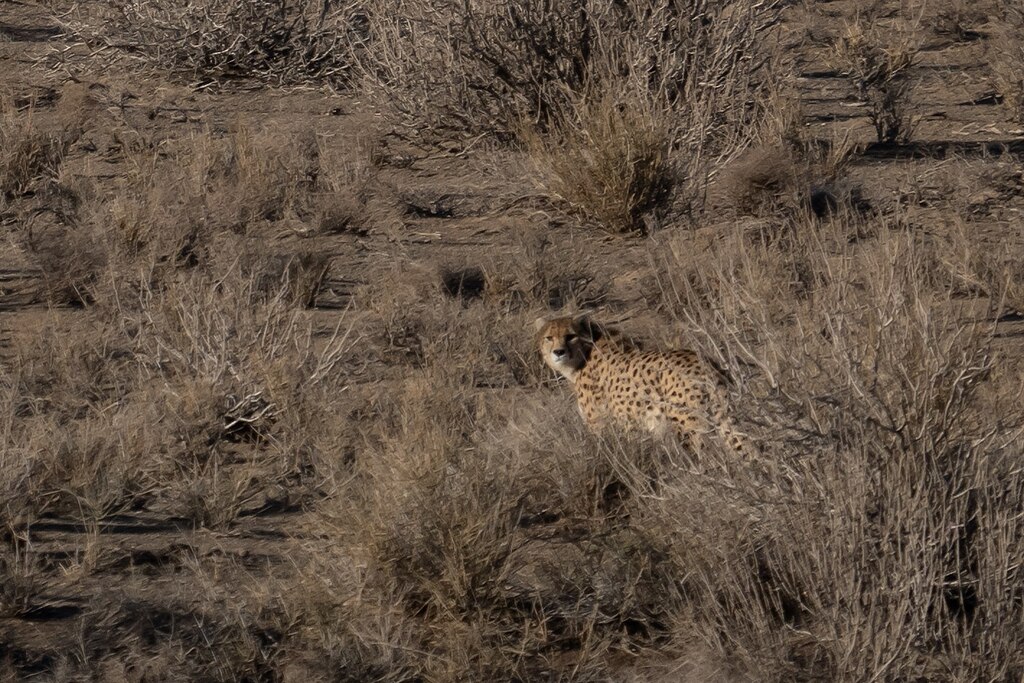
The first year of Project Cheetah presented numerous challenges, testing both the resilience of the introduced cats and the adaptability of the management team. Within months of their release from quarantine enclosures into larger, though still enclosed, areas of the park, the project faced its first setbacks. By July 2023, four adult cheetahs had died due to various causes including heat stress, injuries, and infections. Additionally, three of the four cubs born to a female cheetah named Jwala (formerly Siyaya) died.
The mortalities prompted a reevaluation of the project’s approach. Conservation experts identified several factors that needed addressing: the initial release coincided with India’s intense summer and monsoon seasons, creating challenging adaptation conditions; some animals showed signs of stress from radio collar monitoring; and medical interventions needed refinement. In response, project managers implemented several modifications, including improvements to veterinary protocols, adjustments to monitoring techniques to reduce stress, creation of specialized shelter areas to provide relief during extreme weather, and temporary postponement of full releases until after the monsoon season.
These early difficulties, while concerning, were not entirely unexpected. Conservation biologists working on the project had acknowledged from the outset that reintroduction projects typically experience 50% mortality in the establishment phase. The project’s transparent approach to addressing these challenges and willingness to adapt protocols based on evidence demonstrated the scientific rigor underpinning this conservation experiment.
Ecological Impact and Scientific Monitoring
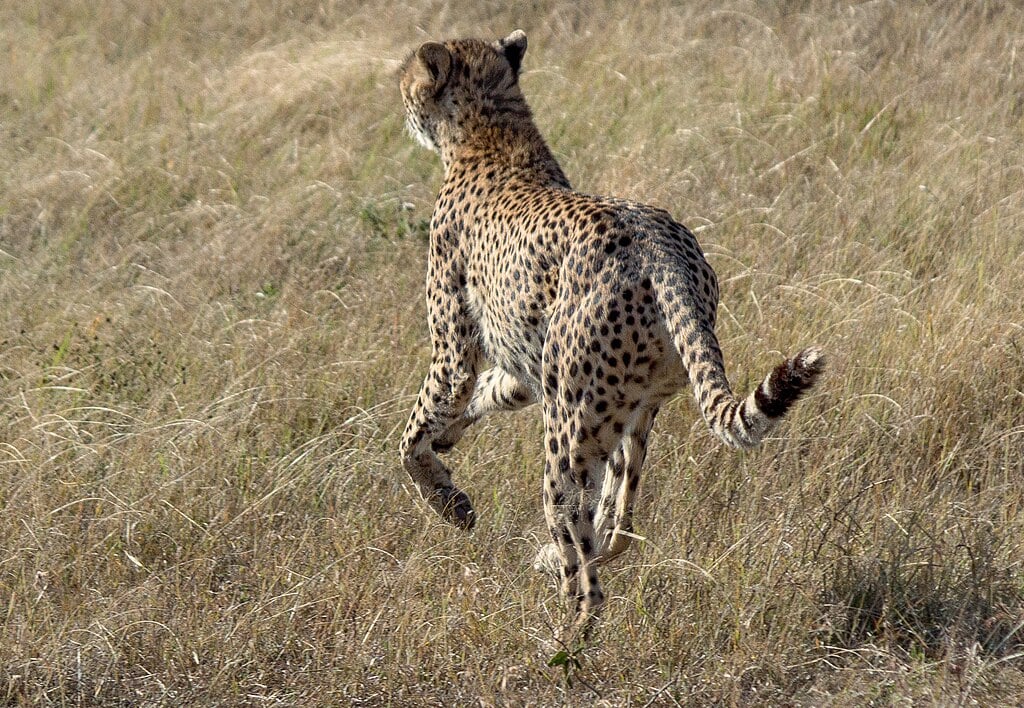
Beyond the fate of individual cheetahs, Project Cheetah represents a living laboratory for understanding predator reintroduction effects on ecosystems. Scientists from the Wildlife Institute of India, in collaboration with international experts, have implemented comprehensive monitoring protocols to document how the cheetahs’ presence affects everything from prey behavior to vegetation patterns and soil composition.
Early observations indicate some fascinating ecological responses. Prey species, particularly chital deer and nilgai antelope, have shown altered vigilance behaviors and movement patterns in areas frequented by cheetahs. This behavioral change, known as the “landscape of fear” effect, can potentially influence vegetation by altering grazing patterns—a classic example of a trophic cascade where predators indirectly affect plant communities.
Each introduced cheetah is fitted with a satellite collar that provides real-time location data, allowing researchers to map territories, understand habitat preferences, and monitor hunting success. This data is complemented by camera traps, scat analysis for dietary studies, and direct behavioral observations. Collectively, these monitoring tools are generating unprecedented scientific insights into how an apex predator reestablishes itself in a historical but long-vacant habitat, providing valuable information for future reintroduction projects worldwide.
Community Engagement and Human Dimensions

The success of Project Cheetah ultimately depends as much on human acceptance as on ecological factors. Recognizing this, project planners have implemented extensive community engagement initiatives in villages surrounding Kuno National Park. These programs include conservation education, skill development for alternative livelihoods, and mechanisms for addressing human-wildlife conflict if it arises.
Local communities have generally responded positively to the cheetah reintroduction, with many villagers expressing pride in their region’s international conservation significance. The project has created new employment opportunities, from park guides and anti-poaching patrol members to hospitality services for the increasing number of tourists drawn by the cheetahs. This economic benefit helps cement local support for conservation.
To prevent negative interactions, the project has established a rapid response team trained to address potential conflicts, along with a compensation scheme for livestock losses. Community members have been trained as “cheetah mitras” (friends of cheetahs) who serve as conservation ambassadors in their communities and assist with monitoring cheetah movements near village boundaries. This participatory approach represents an evolution in Indian conservation practice, moving away from exclusionary protection toward models that integrate local communities as conservation partners.
Controversies and Scientific Debates
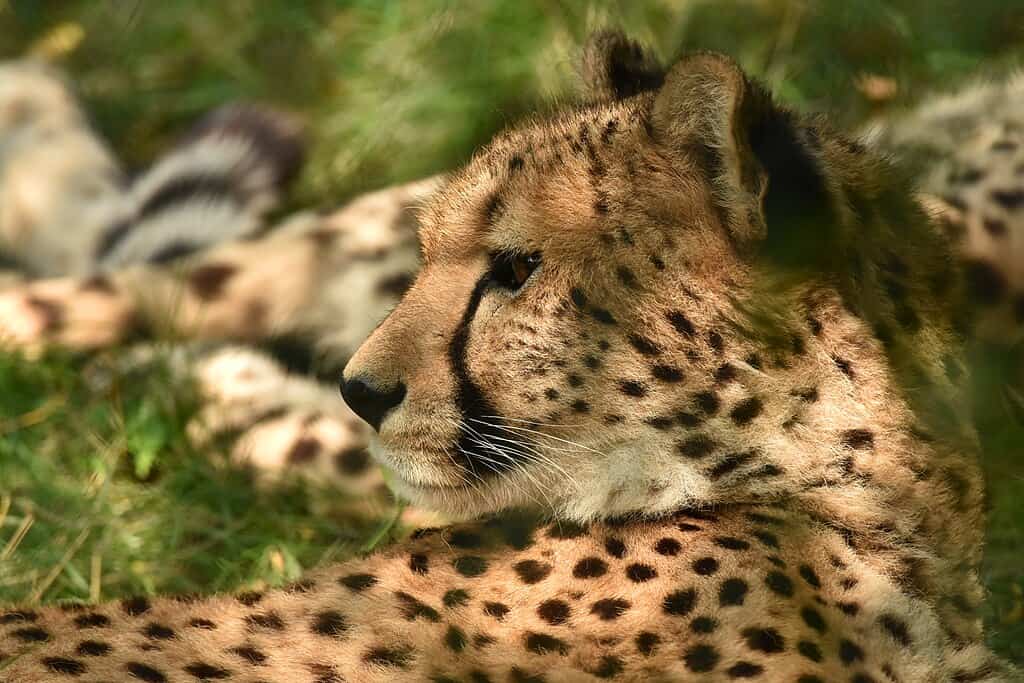
Despite its ambitious goals, Project Cheetah has not been without critics. Some conservation scientists have questioned the ecological wisdom of introducing African cheetahs (Acinonyx jubatus jubatus) rather than the historically present Asiatic subspecies (Acinonyx jubatus venaticus). They argue that subtle adaptations might make African cheetahs less suited to Indian conditions, potentially compromising the project’s long-term success.
Other critics have raised concerns about resource allocation, suggesting that the significant funding directed toward cheetah reintroduction might yield greater conservation returns if invested in protecting critically endangered native species like the Great Indian Bustard or the gharial. The question of conservation triage—how to allocate limited resources among competing conservation needs—continues to spark debate among wildlife managers and conservation ethicists.
The scientific community has also debated the project’s biological feasibility, particularly regarding whether Kuno and other potential sites offer sufficient space for a self-sustaining cheetah population. Cheetahs typically require large territories with minimal overlap, raising questions about the carrying capacity of available protected areas. Project defenders counter that the initial reintroduction is just the first step in a larger vision that includes multiple reintroduction sites connected by wildlife corridors, potentially creating a metapopulation structure that could ensure long-term viability.
Global Conservation Significance

Beyond its importance for India, Project Cheetah holds significant implications for global conservation efforts. As the world’s first intercontinental large carnivore reintroduction, it establishes precedents and protocols that may inform future attempts to restore locally extinct predators. The project’s transparent documentation of both successes and challenges provides valuable lessons for conservation practitioners worldwide.
The reintroduction also represents an important case study in “rewilding”—the increasingly popular conservation approach focused on restoring ecological processes and keystone species to degraded ecosystems. By reestablishing a missing predator, India is experimenting with ecosystem restoration at a scale rarely attempted, offering insights into how rewilding might function in complex socio-ecological contexts.
Furthermore, the project demonstrates how conservation can transcend national boundaries, with nations collaborating to address biodiversity loss. The partnerships between India, Namibia, and South Africa exemplify how source and recipient countries can work together, sharing expertise, resources, and genetic diversity to mutual benefit. This model of conservation diplomacy may become increasingly important as climate change and habitat fragmentation necessitate more interventionist approaches to biodiversity conservation.
Future Expansion and Long-term Vision

Looking ahead, Project Cheetah envisions expanding beyond Kuno National Park to create a network of cheetah populations across suitable habitats in India. The National Tiger Conservation Authority has identified several potential future reintroduction sites, including Nauradehi Wildlife Sanctuary in Madhya Pradesh, Gandhi Sagar Wildlife Sanctuary on the Madhya Pradesh-Rajasthan border, and Banni Grasslands in Gujarat.
The long-term vision includes establishing a metapopulation of 35-40 cheetahs across these sites, connected by wildlife corridors to allow natural dispersal and gene flow. This approach aims to mitigate the genetic and demographic risks associated with small, isolated populations—a key consideration for the project’s long-term success. Population modeling suggests that with careful management and periodic supplementation, India could eventually support a population of 50-100 cheetahs.
Project planners have established clear metrics for measuring success: cheetah survival and reproduction rates, evidence of natural hunting behaviors, successful establishment of territories, minimal human-wildlife conflict, and ultimately, the formation of a self-sustaining population that requires minimal management intervention. While achieving these benchmarks will likely take decades rather than years, the project has established monitoring frameworks to track progress toward these goals over its projected 20-30 year timeframe.

From exploring the marine wonders in the Azores and witnessing the vast savannas of Kenya, to delving deep into the rich biodiversity of South Africa and traversing iconic landscapes in Australia and the US like Yellowstone, Chris's experiences are vast.
With a penchant for diving alongside sharks, the ocean holds a special place in his heart.
Through his academic insights, he champions wildlife conservation, striving with 'Animals Around The Globe' to cultivate a profound connection between humans and animals, enhancing our mutual appreciation.
Connect with him at Feedback@animalsaroundtheglobe.com.