

There’s something quietly remarkable about seeing a sleek, whiskered head break the surface of a river that, a few decades ago, was too polluted to support fish. Otters have been returning to American waterways at a pace that would have seemed improbable in the industrial wreckage of the mid-twentieth century. Their reappearance isn’t just a charming wildlife story – it’s a reflection of something genuinely changing beneath the surface of our rivers, wetlands, and coastal systems.
Of the 13 species of otters found worldwide, twelve are considered vulnerable, threatened, or endangered. Only one species, the North American river otter, is bucking the trend. That distinction matters. It makes the story unfolding in US waterways not only ecologically significant but genuinely rare on a global scale.
#1: A Near Disappearance Nobody Expected to Reverse
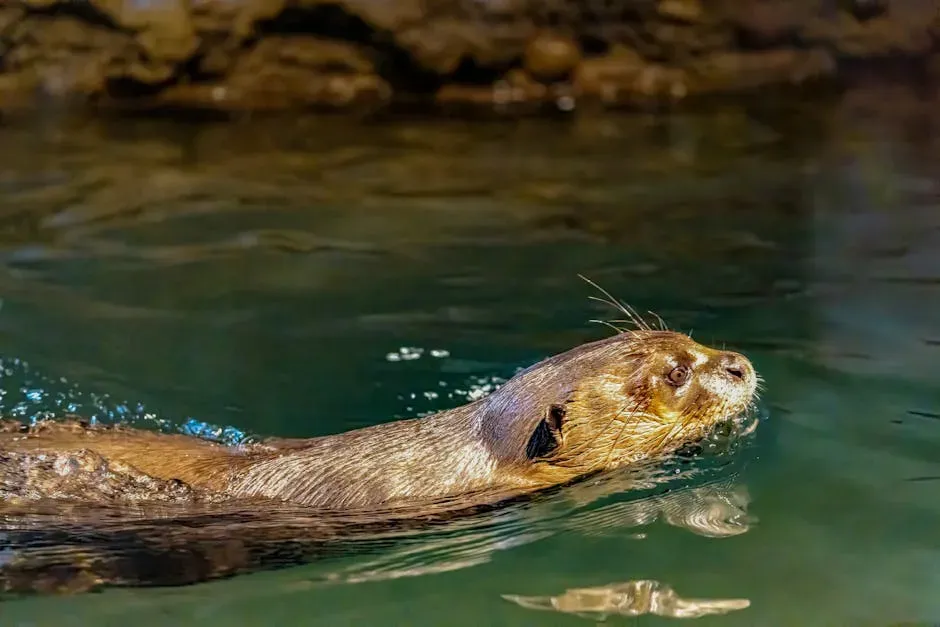
It’s easy to forget how close the river otter came to vanishing from the American landscape entirely. Once widespread across nearly every major watershed in the United States and Canada, these mammals faced severe population declines through the early and mid-20th century due to unregulated trapping, water pollution, and habitat destruction. By the 1970s, river otters had been eradicated from 11 states.
In the 1900s, wetland habitats were drained to make room for farmland and urban projects, and the remaining water was often polluted by agricultural and industrial runoff. All three of these dangers led to the historic range of river otters being reduced by more than three quarters. That’s a staggering contraction for an animal that once called virtually every major US waterway home.
As top predators in aquatic ecosystems, river otters require clean water, abundant fish populations, and undisturbed shoreline habitat. Industrial pollution, agricultural runoff, and dam construction degraded watersheds nationwide, making many rivers and streams unsuitable for otters. The message the rivers were sending was unmistakable, even if at the time, few were listening.
#2: How Conservation and Legislation Turned the Tide
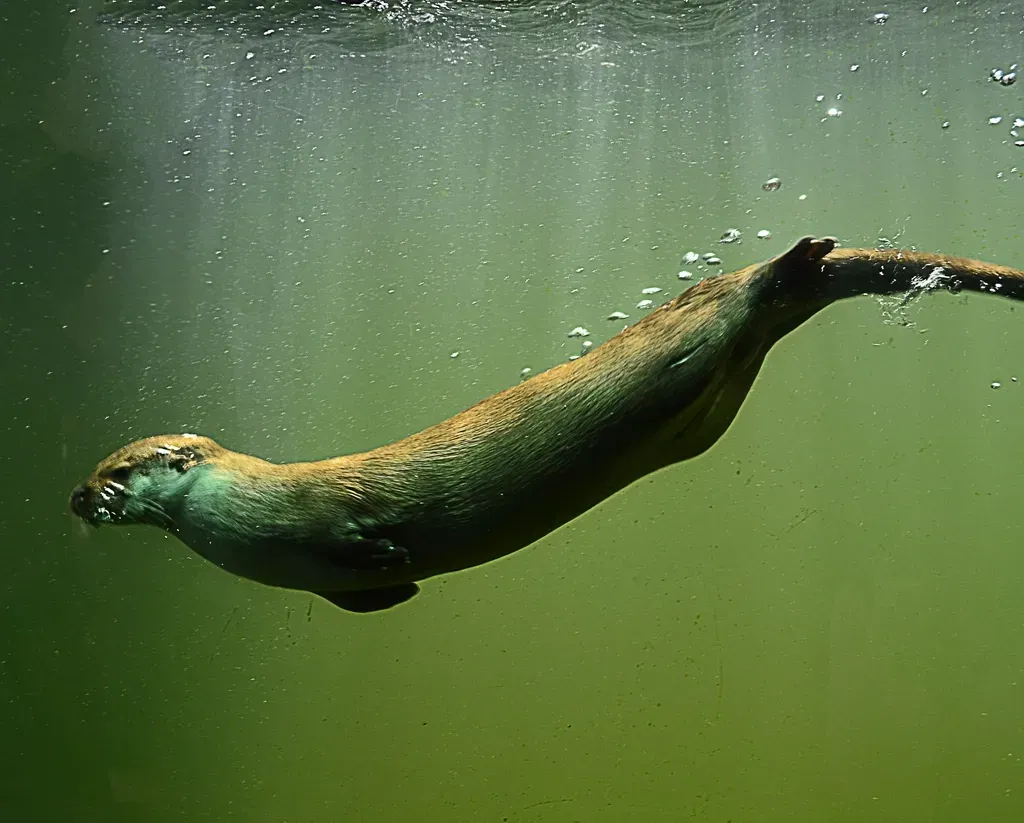
Recovery began in earnest during the 1970s and 1980s as state wildlife agencies, recognizing the otter’s absence, launched ambitious restoration programs. Biologists trapped otters from healthy populations in states like Louisiana, Minnesota, and Alaska, then released them into suitable habitats where populations had been wiped out. Between 1976 and 1997, more than 4,000 river otters were translocated across 21 states.
The Clean Water Act of 1972 played an equally critical role in otter recovery by mandating improved water quality standards and reducing industrial pollution. As rivers and streams became cleaner, fish populations rebounded, providing the prey base otters needed. It was a convergence of policy and biology that created a window of possibility.
River otter populations in the United States have expanded during the past 50 years as a result of improvements in habitat quality and effective management programs implemented by state and federal agencies and native tribes. Research from 2016 reported that all states showed stable or increasing river otter populations. Few conservation efforts of this scale and ambition have delivered results so clearly measurable.
#3: Otters as Living Water Quality Reports
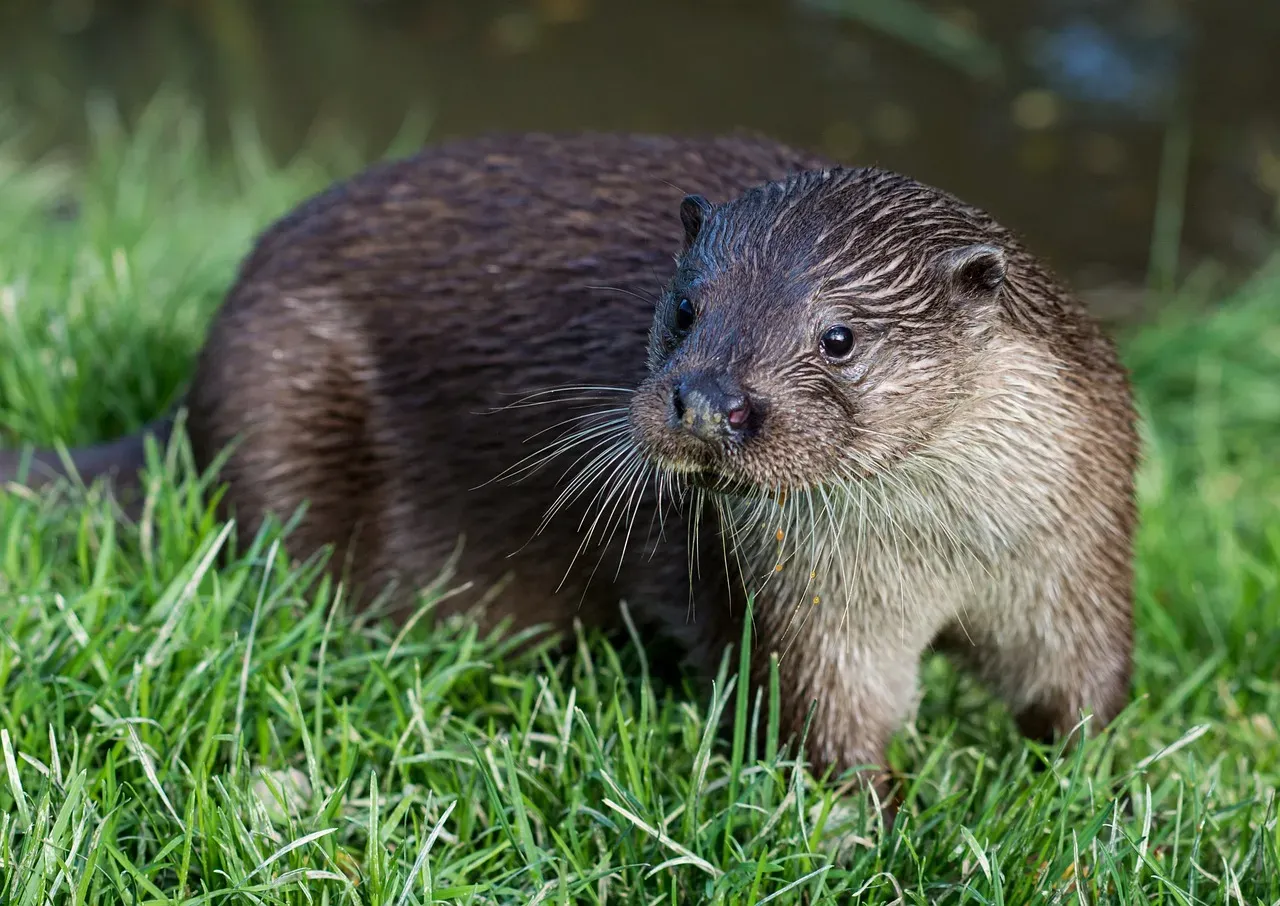
One of the most compelling aspects of the otter’s return is what it tells us about water quality. These animals don’t just benefit from clean environments – they function as ongoing, biological monitors of them. River otters are more than cute and adorable. Their natural history and prey habits make them sentinels of environmental contamination.
As otters eat mostly at the top of the food web, they acquire larger amounts of pollutants in their systems than many other species. As a result, they can be more likely to be affected by a polluted habitat than other species. The effects of pollutants can either cause illness, affect their endocrine systems, reproductive success, and pup health and survival. A thriving otter population, then, is a signal worth paying close attention to.
This characteristic makes otters good indicators of pollution levels and the general health of local ecosystems. If otters are thriving and their populations are growing, their habitat must be reasonably healthy. Their high trophic position and dual habitat use make them excellent sentinel species to monitor the presence of food and waterborne pathogens in ecosystems. In a sense, every otter swimming freely in a river is casting a quiet vote of confidence in that waterway.
#4: The Sea Otter’s Outsized Coastal Role
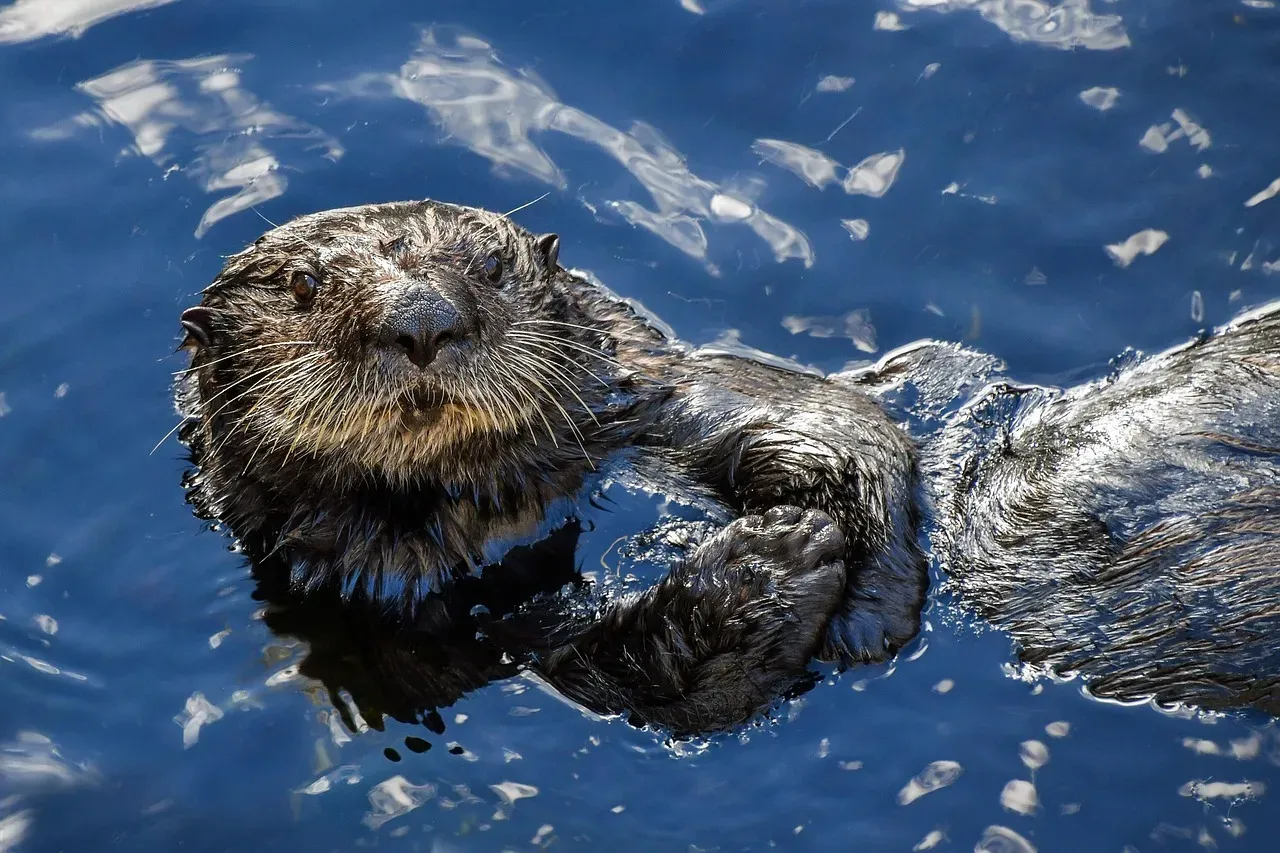
Away from freshwater rivers, a parallel story is unfolding along America’s Pacific coastline, where sea otters are demonstrating just how profoundly one species can reshape an entire marine environment. Sea otters are a keystone species, meaning they have a disproportionate impact on their environment. As top predators, sea otters are critical to maintaining the balance of nearshore ecosystems, such as kelp forests, embayments and estuaries. Without sea otters, sea urchins can overpopulate the seafloor and devour the kelp forests that provide cover and food for other marine animals.
Researchers have found that the reintroduction of sea otters has led to a remarkable 90% reduction in erosion at the edges of salt marshes, with the industrious critters demonstrating a canny ability to regulate the crab populations that feed on the marsh vegetation. That’s the kind of cascading effect that reshapes entire coastlines. One animal, through its appetite alone, can stabilize ecosystems that human engineering has struggled to protect.
By maintaining healthy kelp forests, sea otters indirectly help to reduce levels of atmospheric carbon dioxide, a prevalent greenhouse gas, as kelp absorbs and sequesters carbon. Because of how dense and tall these forests can get, they are also one of the most effective ecosystems at sequestering carbon from our atmosphere. Per acre, these underwater forests are able to sequester up to twenty times more carbon than terrestrial forests. The otter’s role in climate mitigation is rarely part of everyday conservation conversations, but perhaps it should be.
#5: What the Future Holds – Promise and Genuine Uncertainty
The return of otters to US waterways is genuinely good news, but conservation honesty demands acknowledging that the story isn’t finished. While river otters have recovered impressively, their future depends on continued watershed protection. Climate change, emerging contaminants, and habitat fragmentation pose ongoing challenges. The progress achieved over five decades can’t be taken for granted.
Over the summer of 2024, two sea otters were briefly spotted off the coast of Oregon, a rare and exciting event in waters where the species was once abundant. A grant – one of the largest ever dedicated to sea otter recovery – was awarded by the National Fish and Wildlife Foundation and will fund habitat assessments, stakeholder outreach, and tribal coordination. The announcement marked a significant milestone in a long-running campaign to return sea otters to parts of their historic range where they have been absent for more than a century. These are signals of momentum, not finished victories.
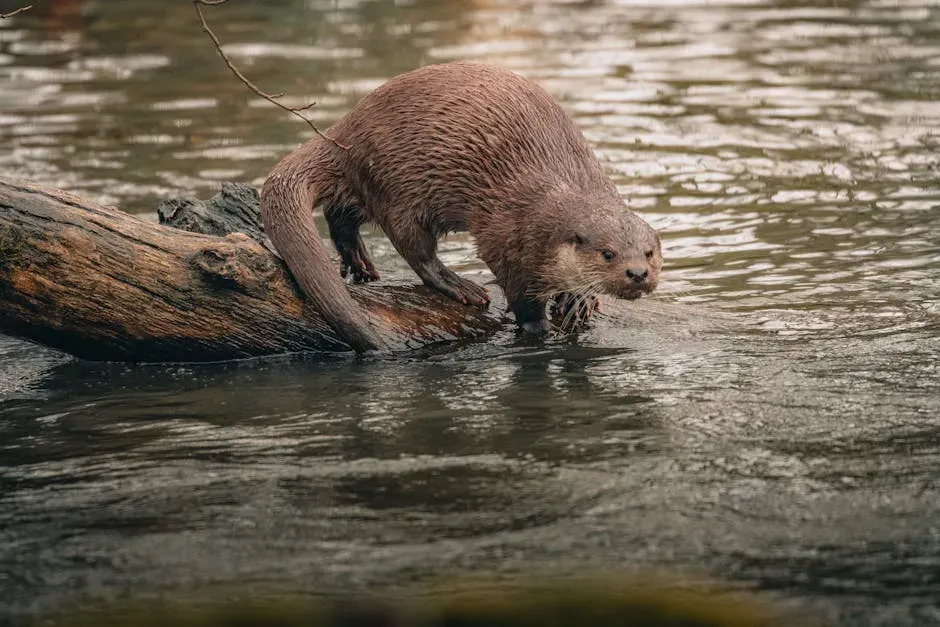
River otters are now found in all of the contiguous United States and Alaska, which is an extraordinary turnaround by any measure. Yet southern sea otters only inhabit about 13% of their former range and they remain absent from the Oregon coast, a reminder that ecological recovery rarely follows a straight line. The work ahead is substantial, even as the progress behind is worth celebrating with clear eyes.
Conclusion: An Honest Reckoning With Good News
Otters are back. Not everywhere, not without caveats, and not without ongoing effort – but they are back in numbers and in places that felt impossible to imagine fifty years ago. That return is inseparable from cleaner water, stricter protections, and the kind of sustained, unglamorous conservation work that rarely makes headlines.
What strikes me most about this story isn’t the scale of the recovery, remarkable as it is. It’s the fact that the otter’s return isn’t something we engineered by force. We simply stopped poisoning and draining the places these animals need. They did the rest. That’s not a small lesson. It suggests that much of what we call environmental recovery is really just a willingness to get out of nature’s way long enough for resilience to do its work.
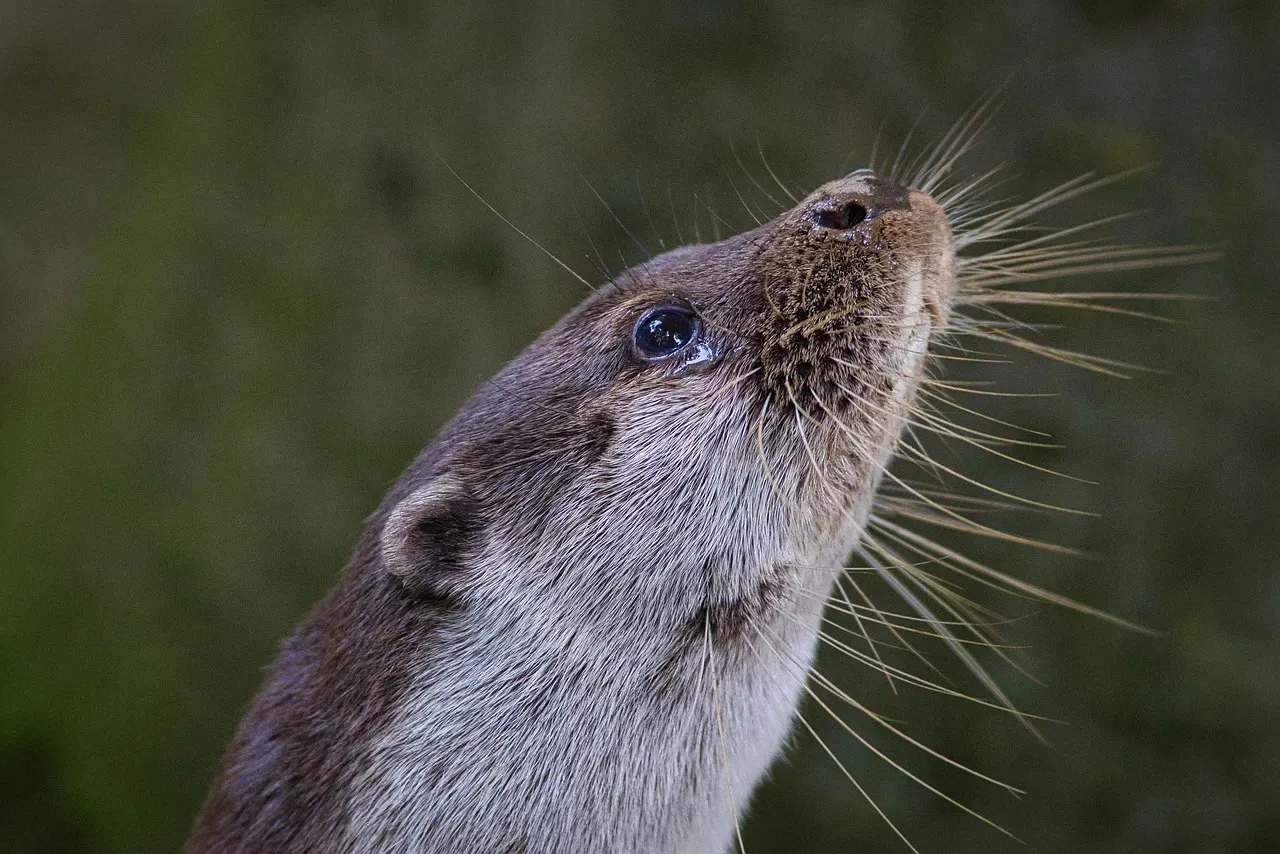
The otter’s whiskered face peering up from a river that once ran chemical and dead is, arguably, one of the most accurate environmental progress reports we have. Their return demonstrates that with sufficient commitment to environmental restoration, species once eliminated from urban and suburban landscapes can rebound, even in the most densely populated regions of the country. The question now is whether we can hold onto the conditions that made it possible – because nature, as otters quietly show us, is more patient and persistent than we often give it credit for.

- 7 Apex Predators That Are Actually Afraid of One Specific Animal Smaller Than Themselves and the Encounters That Confirmed It - July 18, 2026
- 10 Animals That Researchers Confirmed Can Recognize Themselves in a Mirror – and the One Near the Bottom of the List That Rewrote the Criteria Entirely. - July 18, 2026
- 6 Most Shark-Dense Coastlines Outside the United States That Tourism Boards Have Been Very Quiet About - July 18, 2026