

In the spring of 1942, amid the chaos of World War II, a most unusual soldier joined the ranks of the Polish II Corps. Wojtek (pronounced “Voy-tek”) was not your typical military recruit—he was a Syrian brown bear cub. The orphaned bear was purchased from a local boy by Polish soldiers near Hamadan, Iran, after their unit had been evacuated from the Soviet Union. The soldiers, part of the Anders Army, were making their way through the Middle East to join the British forces fighting against Nazi Germany. Initially, Wojtek was a small, malnourished cub who could fit inside a knapsack, but his presence would soon become legendary.
The name “Wojtek” was not chosen randomly. In Polish, it means “happy warrior” or “smiling warrior,” a name that would prove remarkably fitting for the bear’s temperament and future role. The soldiers, many of whom had lost families and homes to the ravages of war, found in Wojtek an unexpected source of comfort and camaraderie. Little did they know that this bear cub would not only become their mascot but would also earn official military status and accompany them through some of the most significant battles of the war.
Growing Up in a Military Camp

Life in a military camp was unconventional for a young bear, but Wojtek adapted with remarkable ease. The Polish soldiers of the 22nd Transport Company, Artillery Division, became his family, and he quickly developed human-like habits that endeared him to everyone in the unit. Wojtek was fed condensed milk from an empty vodka bottle in his early days, but his diet soon expanded to include fruits, marmalade, honey, and syrup. As he grew, he developed a taste for beer, which became his favorite treat, and he even learned to smoke (or rather eat) cigarettes—a habit that amused his human comrades.
Standing at over six feet tall when fully grown and weighing around 500 pounds, Wojtek could have been intimidating. However, he was known for his gentle nature and playful antics. He would wrestle with the soldiers, who treated these matches as tests of strength and courage. Wojtek also enjoyed swimming and would often try to join the soldiers during their bathing time. His ability to integrate with human routines was remarkable—he slept in a tent with his fellow soldiers, rode in military vehicles, and even learned to salute when greeted. The bear became so accustomed to human company that he would become distressed when separated from his Polish friends.
Official Enlistment: From Mascot to Soldier

In 1943, when the Polish II Corps prepared to travel from Egypt to Italy to join the Allied forces, they faced an unexpected challenge: animals were not permitted on British transport ships. The solution? Wojtek was officially enlisted in the Polish Army as a private, complete with his own paybook, rank, and serial number. The paperwork described him as Private Wojtek, and his species was listed as “bear.” This clever bureaucratic maneuver allowed him to board the ship with his unit and continue his journey with the soldiers who had become his family.
Wojtek’s enlistment was more than just a paperwork trick—it reflected his genuine role within the unit. He was not merely a mascot but a valued member who contributed to morale and, as would later become evident, to actual military operations. His official adoption into the Polish Army also gave him a legitimate place in military history. Wojtek eventually reached the rank of corporal, a promotion that recognized his service and the special place he held in the hearts of the Polish soldiers. His military identity was complete with the 22nd Transport Company’s emblem: a bear carrying an artillery shell, inspired by Wojtek’s most famous contribution to the war effort.
The Battle of Monte Cassino: Wojtek’s Heroic Contribution

The Battle of Monte Cassino in 1944 stands as one of the most brutal and significant conflicts of the Italian campaign during World War II. It was here that Wojtek’s legend was cemented in military history. As Allied forces struggled to break through the German defensive line centered on the ancient Benedictine monastery atop Monte Cassino, the Polish II Corps was called into action for the fourth and final assault. During this intense battle, Wojtek made a remarkable contribution that would forever associate him with this historic military engagement.
Observing his fellow soldiers loading heavy artillery shells, Wojtek began to mimic them. To the astonishment of the troops, he began picking up 100-pound crates containing artillery shells and carrying them to the supply vehicles. Without any training or prompting, Wojtek transported shell after shell, significantly speeding up the resupply process during critical moments of the battle. Eyewitnesses report that he never dropped a single crate. This remarkable assistance during combat conditions was not just symbolic—it was a genuine contribution to the Allied war effort that helped the Polish forces successfully complete their mission. Wojtek’s actions at Monte Cassino inspired the official emblem of the 22nd Transport Company: a bear carrying an artillery shell.
Daily Life with the Troops: Wojtek’s Human-like Behaviors

Wojtek’s integration into military life went far beyond his famous shell-carrying exploits. Daily interactions with the soldiers shaped his behavior in ways that blurred the line between bear and human. He learned to open doors, retrieve items when asked, and would even attempt to help with various camp duties. The bear became known for his love of showers and would often sneak into the camp’s shower facilities, causing amusing disruptions. He slept in a specially reinforced wooden crate at night but was otherwise free to roam the camp, where he was treated as a fellow soldier rather than a pet or mascot.
Food was a central aspect of Wojtek’s social bonds with the troops. While he had standard rations, soldiers would share their own food with him, and he developed particular preferences. Wojtek had a sweet tooth and would do almost anything for fruits, marmalade, or honey. He also acquired some distinctly human vices—he enjoyed drinking beer with the soldiers and would accept lit cigarettes, which he would promptly eat rather than smoke. Perhaps most remarkable was his response to discipline; when mildly scolded for misbehavior, Wojtek would hang his head in what appeared to be genuine shame, demonstrating an emotional intelligence that further endeared him to his human companions.
A Symbol of Polish Resilience
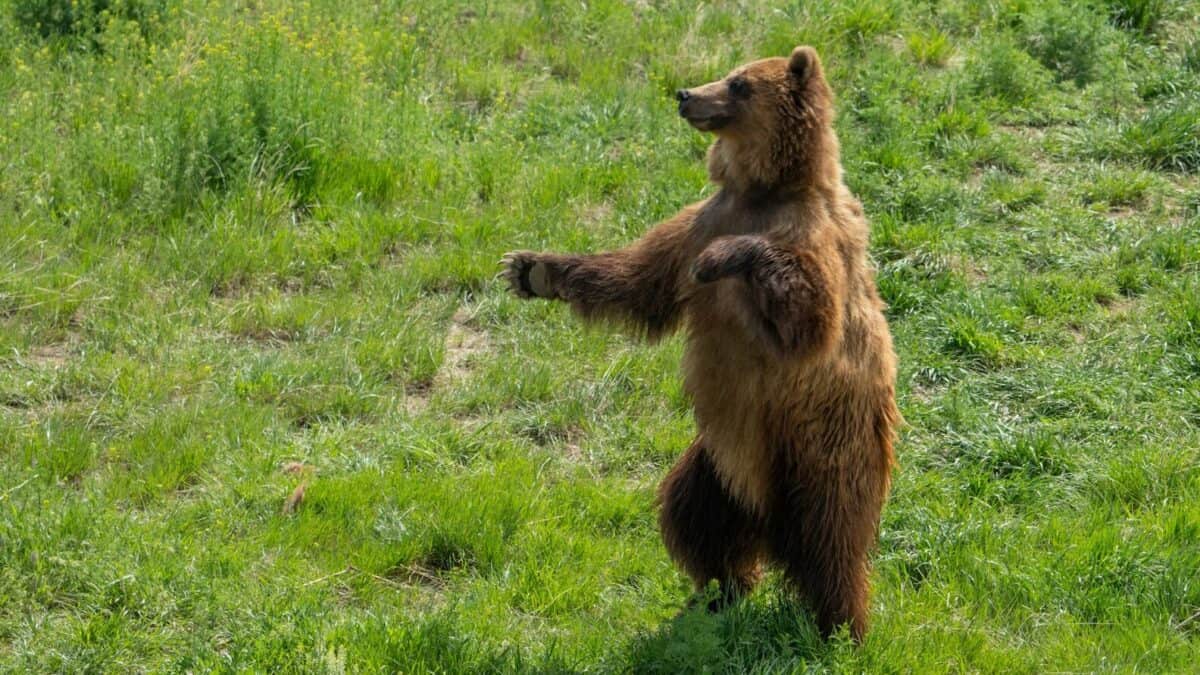
Beyond his practical contributions and entertaining presence, Wojtek came to represent something profound for the Polish soldiers. Many of these men had been through unimaginable hardships—Soviet labor camps, forced relocations, and the knowledge that their homeland was under brutal occupation. The bear became a living symbol of their resilience and determination to fight despite overwhelming odds. His journey mirrored their own: orphaned, displaced, but finding strength and purpose through unity and perseverance.
The Polish II Corps embraced Wojtek as an embodiment of their national spirit. Polish military tradition had long associated bears with strength and courage, and now they had a real bear fighting alongside them. Wojtek’s image appeared on unit insignia, vehicles, and even in Allied military publications. For soldiers far from home, many uncertain if they would ever see Poland again, Wojtek provided a focal point for national pride and identity. He represented hope during dark times and became a tangible reminder of what they were fighting for—the freedom to return to their homeland and rebuild their lives. This symbolic role may explain why the soldiers went to such extraordinary lengths to keep Wojtek with them throughout the campaign.
Post-War Years: Wojtek’s Life in Scotland

After World War II ended in 1945, the Polish II Corps was transported to Scotland. With Poland now under Soviet control, many Polish soldiers chose not to return to their homeland. Wojtek, still officially a member of the Polish Army, was demobilized along with his unit and found a new home at the Edinburgh Zoo in 1947. The transition from military life to zoo inhabitant was significant for the bear who had spent most of his life in the company of soldiers. Initially, Wojtek showed signs of distress and confusion in his new environment, often appearing depressed when there were no Polish visitors.
Former Polish soldiers would regularly visit Wojtek at the zoo, sometimes jumping into his enclosure to wrestle with him as they had done during wartime—much to the alarm of other zoo visitors who didn’t understand their special relationship. These visits always cheered Wojtek, who recognized his old comrades by their Polish language and distinctive uniforms. The bear who had once traveled through Iran, Iraq, Syria, Palestine, Egypt, and Italy as a soldier now became a celebrated attraction in Scotland, drawing visitors who had heard the remarkable story of the bear who went to war. Wojtek lived at Edinburgh Zoo until his death in December 1963, at the age of 22.
Historical Documentation and Eyewitness Accounts
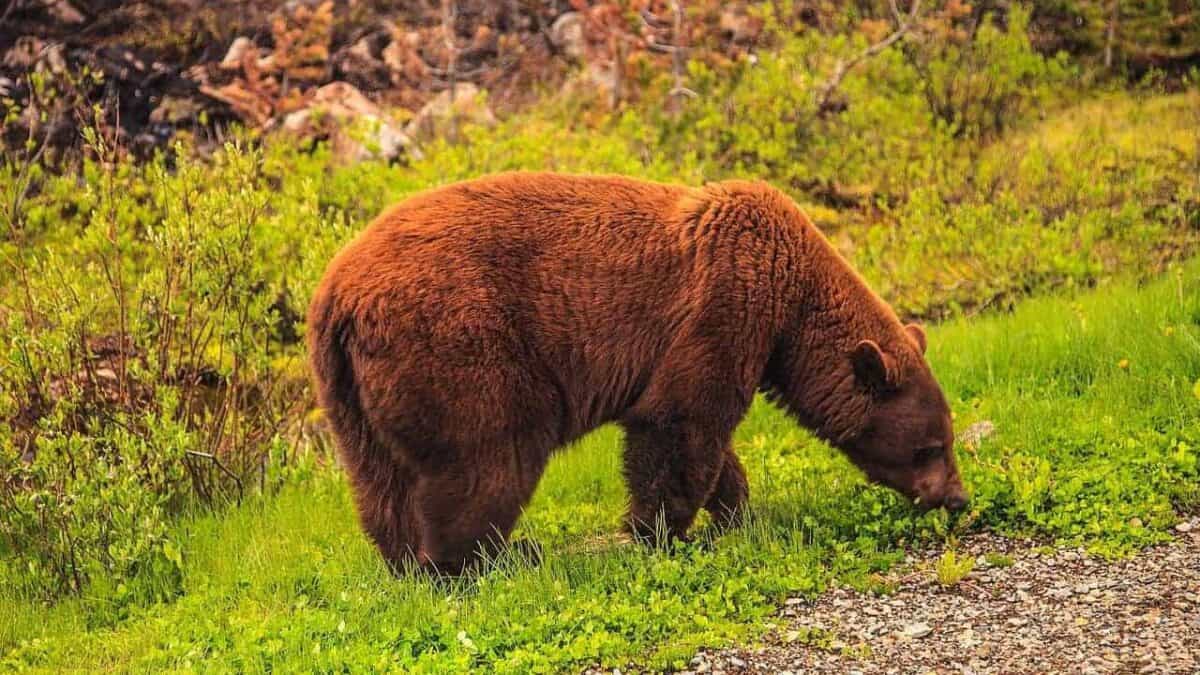
The story of Wojtek is exceptionally well-documented for what might otherwise seem like a wartime tall tale. Numerous photographs show the bear with his unit in various locations throughout the campaign, providing visual evidence of his military service. Official military records confirm his enlistment, complete with service number and rank. The 22nd Transport Company’s official emblem featuring a bear carrying an artillery shell serves as institutional recognition of Wojtek’s role. Additionally, multiple independent eyewitness accounts from both Polish soldiers and Allied personnel corroborate the details of Wojtek’s service, including his famous shell-carrying at Monte Cassino.
Perhaps the most compelling documentation comes from the personal testimonies of the soldiers who served alongside Wojtek. In the decades following the war, many veterans gave detailed interviews about their experiences with the bear soldier. One of the most comprehensive accounts comes from Wojtek’s primary caretaker, Piotr Prendys, who maintained a close bond with the bear throughout the war. British war correspondent Archibald McIndoe also reported on Wojtek in contemporary newspaper articles, describing the bear’s unusual role and the affection the Polish soldiers had for their non-human comrade. These various sources of documentation have preserved Wojtek’s story and established its historical authenticity beyond question.
Cultural Impact and Commemorations

Wojtek’s extraordinary story has inspired numerous memorials and cultural tributes in the decades since his death. In 2011, a bronze statue depicting Wojtek and a Polish soldier walking side-by-side was unveiled in Princes Street Gardens, Edinburgh. Another memorial statue was erected in Żagań, Poland, in 2013, followed by monuments in Imola, Italy, and Sopot, Poland. These physical commemorations reflect Wojtek’s status as a symbol of Polish-Scottish friendship and a unique figure in military history who bridges cultures and generations.
Beyond monuments, Wojtek’s legacy lives on in literature, film, and education. Several children’s books have introduced his story to younger generations, while scholarly works have examined the historical significance of his unusual military service. The BBC produced a documentary titled “Wojtek: The Bear That Went to War,” bringing his story to international audiences. In Poland, Wojtek is taught in schools as part of World War II history, representing the Polish contribution to the Allied victory. His story has also been incorporated into military heritage tours in Italy, particularly around Monte Cassino, where visitors can learn about the bear soldier who helped liberate the historic monastery.
Scientific Perspective: Understanding Wojtek’s Behavior

From a zoological perspective, Wojtek’s behavior represents an extraordinary case of interspecies bonding and adaptation. Syrian brown bears (Ursus arctos syriacus) are typically solitary animals in the wild, not known for their sociability or trainability compared to some other mammals. However, Wojtek was adopted at a very young age—likely just weeks old—during a critical period of development when imprinting occurs. Being raised exclusively among humans from such an early age, he imprinted on his Polish caregivers rather than other bears, which explains his unusual comfort with human company and his adoption of human-like behaviors.
Wildlife biologists who have studied Wojtek’s case note several remarkable aspects of his behavior. His apparent understanding of context—recognizing battlefield situations versus camp life, for example—suggests a high level of environmental awareness. His ability to mimic human actions, such as carrying crates like the soldiers did, demonstrates sophisticated observational learning not commonly associated with bears. His emotional responses, including what appeared to be homesickness when separated from Polish speakers after the war, indicate a complex emotional life. While Wojtek’s case cannot be replicated in modern ethical frameworks of animal care, it provides a unique window into the cognitive and social capabilities of brown bears when raised in extremely unusual circumstances.
The Ethics of Animals in Warfare
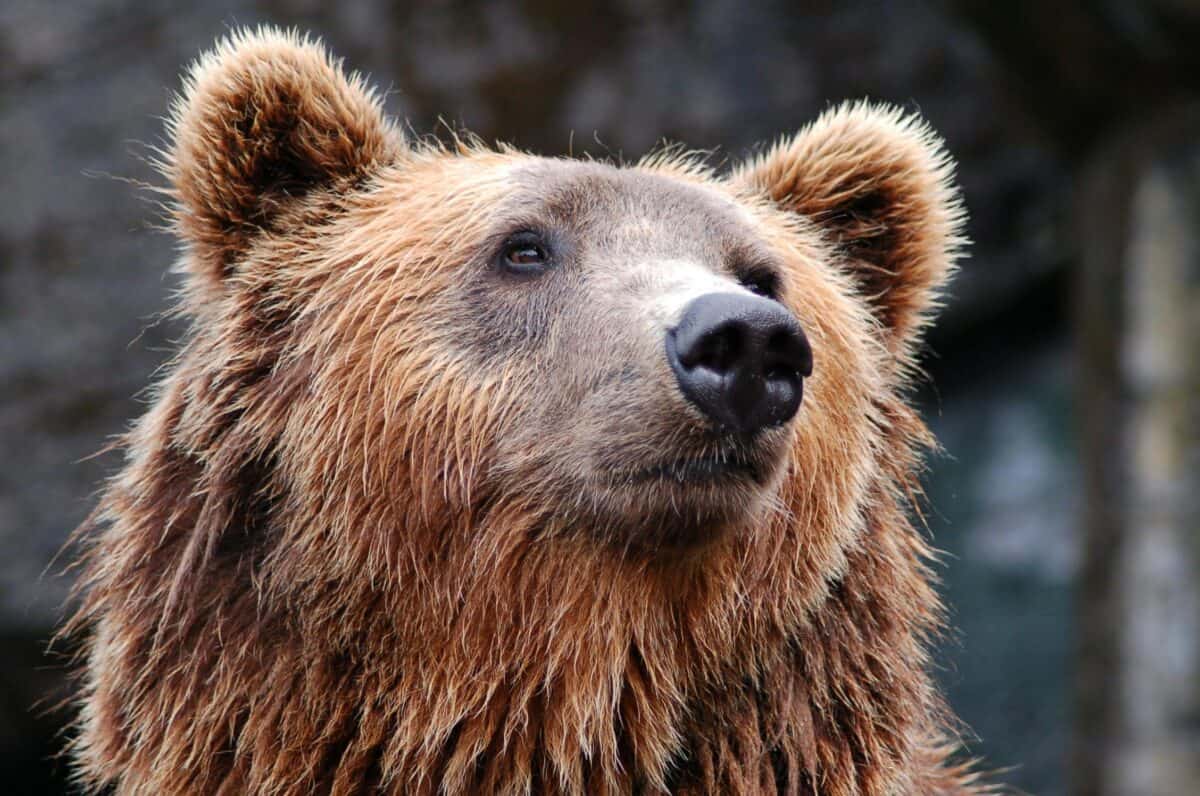
Wojtek’s story raises interesting ethical questions about the involvement of animals in human conflicts. Unlike many animals used in warfare, Wojtek was not deliberately trained for military purposes—his participation evolved organically from his adoption as an orphaned cub. He was not exposed to the front lines of combat, used as a weapon, or deliberately placed in harm’s way. Nevertheless, his presence in a war zone and his involvement in military activities would be considered inappropriate by modern animal welfare standards. Today, military regulations in most countries explicitly prohibit the use of animals as mascots in operational units, recognizing the ethical concerns and welfare issues involved.
Historians and ethicists who have examined Wojtek’s case often note the context of the extraordinary circumstances of World War II. The Polish soldiers who adopted him had themselves experienced extreme displacement and trauma, having been prisoners in Soviet labor camps before forming the Anders Army. Their deep bond with Wojtek provided psychological support during the horrors of war, and by all accounts, they treated him with genuine affection and care. While contemporary standards would not permit a repeat of Wojtek’s military service, his story is generally viewed through a historical lens that acknowledges both the different ethical standards of the time and the unique circumstances that led to his unusual role in the war effort.
Wojtek’s Legacy: A Timeless Symbol of Unusual Friendship

Wojtek the Soldier Bear represents far more than a curious footnote in military history—he embodies a timeless story of the unexpected bonds that can form during the most challenging human circumstances. His journey from orphaned cub to decorated war hero transcends the boundaries between humans and animals, demonstrating how companionship can flourish in unlikely environments. The Polish soldiers who adopted Wojtek had lost everything—their homes, families, and homeland—yet found solace and purpose in caring for this bear who, in turn, supported them through one of history’s darkest chapters.
The enduring fascination with Wojtek speaks to our human need for stories that highlight compassion and connection amid conflict. His tale has been embraced by multiple generations and cultures, serving as a powerful reminder that even in wartime, humanity can express itself through unusual acts of care and kinship. For veterans’ groups, historians, animal behaviorists, and ordinary people alike, Wojtek continues to inspire discussions about the role of animals in human society, the psychological dimensions of war, and the surprising ways that comfort and courage can manifest during times of crisis. In the pantheon of famous military animals, Wojtek stands uniquely tall—a beer-drinking, cigarette-eating, artillery-carrying bear whose greatest achievement was not what he carried in his paws, but what he represented in his heart: the unbreakable spirit of friendship that transcends species and survives even the harshest realities of war.

- This River Delta Is a Magnet for Endangered Birds - July 17, 2026
- New Fossils in Baja California Reveal a Never-Before-Seen Grouper - July 17, 2026
- The Most Venomous Animal on Land—And How It Kills - July 17, 2026