
Worried about unexpected vet bills?
Pet insurance can cover thousands in unexpected vet costs. Get a free quote from Lemonade in under 2 minutes.
Get My Free Quote →Sponsored · Opens Lemonade.com
Something remarkable is happening beneath the surface of America’s rivers. Salmon are pushing past stretches of water they haven’t touched in more than a century. Sturgeon, ancient and armored, are being spotted leaping from tidal rivers where they were once almost entirely absent. The river systems that generations of Americans wrote off as permanently altered are, in pockets across the country, coming back to life.
This isn’t wishful thinking. It’s documented, carefully monitored, and grounded in the results of decades of restoration work finally gaining real momentum. The signals are coming from multiple directions at once, which is what makes the current moment feel genuinely different.
The Klamath River: A Case Study in What’s Possible
The Klamath River story has become something of a watershed moment for US river conservation, quite literally. The removal of four hydroelectric dams on the Klamath River in southern Oregon and northern California has been recognized as the largest dam removal in US history, and more notably, the largest salmon restoration project to date. The scale of what was accomplished between 2023 and 2024 is hard to overstate.
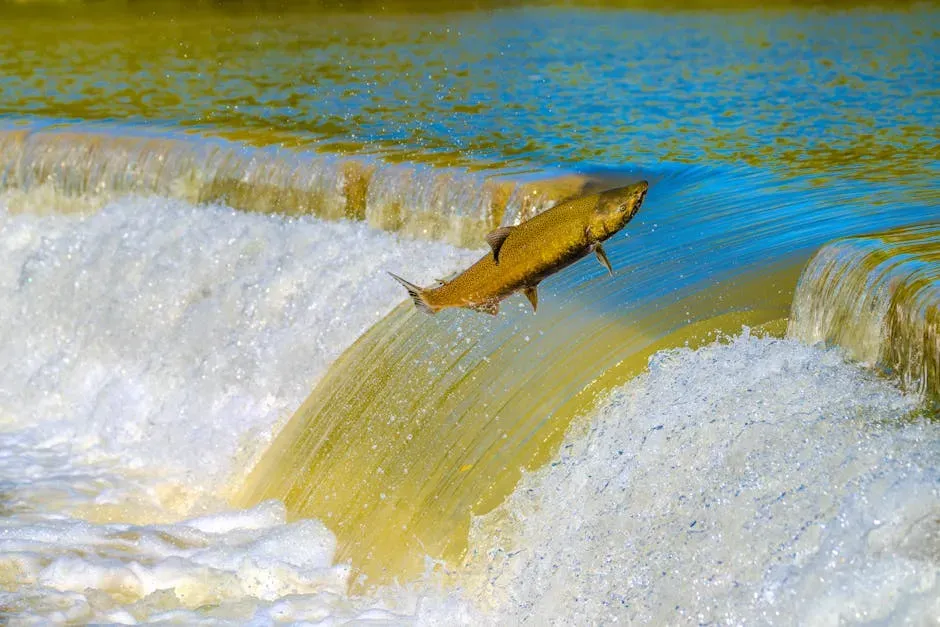
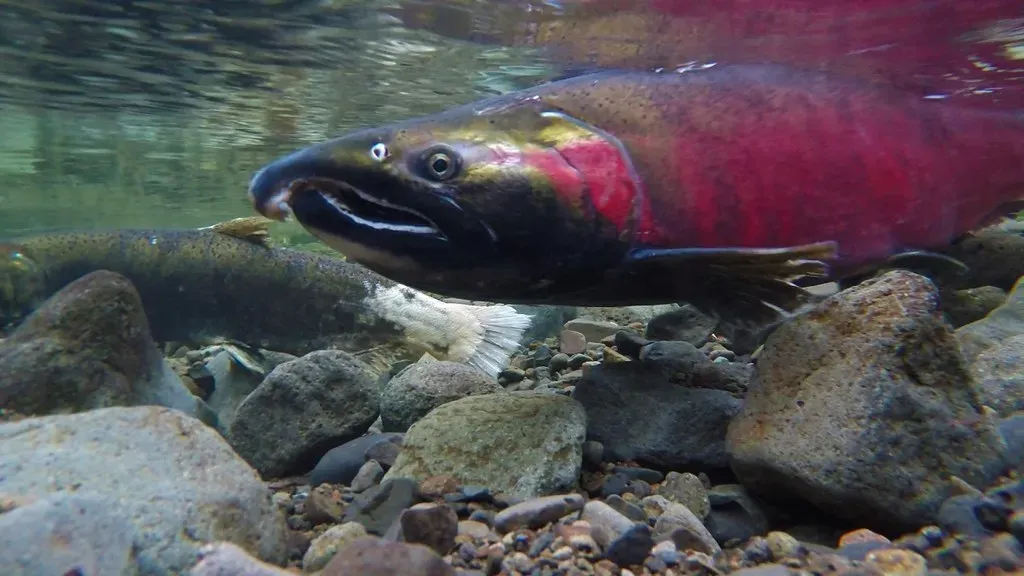
The removal of four large dams from the Klamath River allows salmon to again reach about 400 miles of their original habitat that had been blocked for many decades. What followed was faster than almost anyone anticipated. Just one year after the removal of the Klamath River dams, new monitoring results showed thousands of Chinook salmon pushing deep into newly reopened habitat, some reaching more than 360 river miles from the ocean into the Upper Klamath Basin.
Scientists were seeing salmon reoccupying just about every corner of their historic habitat. The speed at which salmon are repopulating every nook and cranny of suitable habitat upstream of the dams in the Klamath Basin was described as both remarkable and thrilling by scientists on the ground. The 2025 fall run brought further cause for optimism. The team’s early-season preliminary data revealed a strong fall run in 2025, with more than 10,000 fish over two feet long, likely Chinook salmon, passing the former Iron Gate Dam site, substantially more than in 2024.
Monitoring crews found a group of fall Chinook that swam all the way up into the Williamson and Sprague rivers above Upper Klamath Lake for the first time in more than a century. That single data point carries the weight of generations. The Klamath River was once the third most abundant salmon-producing river on the West Coast of the continental United States, and six federally recognized Native American tribes had for millennia relied on the bounty of the Klamath River for sustenance and spiritual practices central to their identity.
Sacramento Valley Salmon: Numbers Turning the Corner
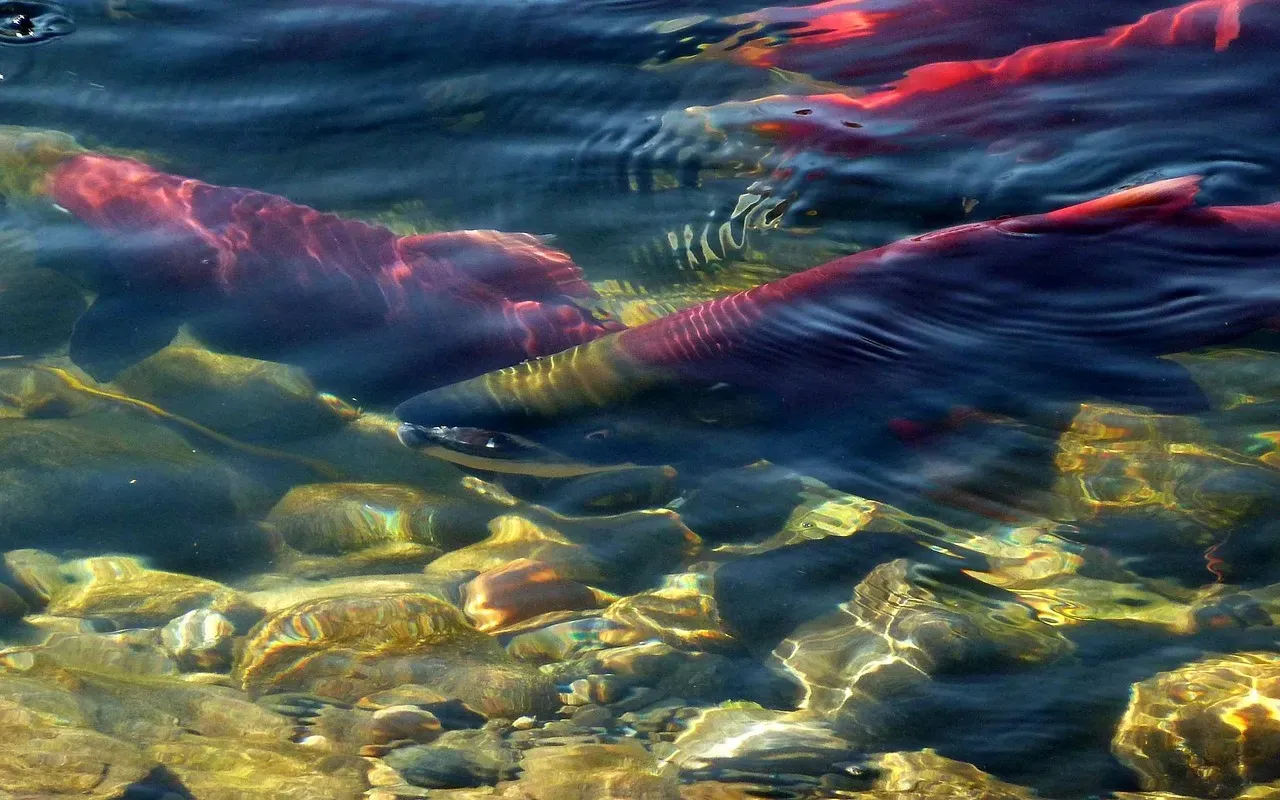
The Klamath isn’t the only West Coast river showing signs of recovery. California’s Central Valley rivers have seen a striking turnaround in salmon numbers after years of deeply discouraging counts. The upper Sacramento River saw a return of over 62,000 adult salmon to natural spawning areas in 2025, compared to just over 4,100 in 2024, a 15-fold increase. That kind of jump in a single year is unusual and hard to ignore.
These brighter returns coincide with fish that out-migrated as juveniles from the Sacramento Valley in the very wet spring seasons of 2023 and 2024, underscoring the survival benefit salmon enjoy when there’s enough water in Central Valley rivers. Throughout the Sacramento Valley, adult salmon returns jumped from just over 100,000 in 2024 to just under 165,000 in 2025.
The return of protected winter-run salmon was also relatively strong in 2025, making it less likely that constraints on early-season fishing in Monterey Bay and other areas south of Pigeon Point will occur. These numbers have real economic consequences. California’s salmon industry is valued at roughly 1.4 billion dollars in economic activity and around 23,000 jobs annually in a normal season. When salmon return, livelihoods follow.
Dam Removal Gains Serious Momentum Across the Country
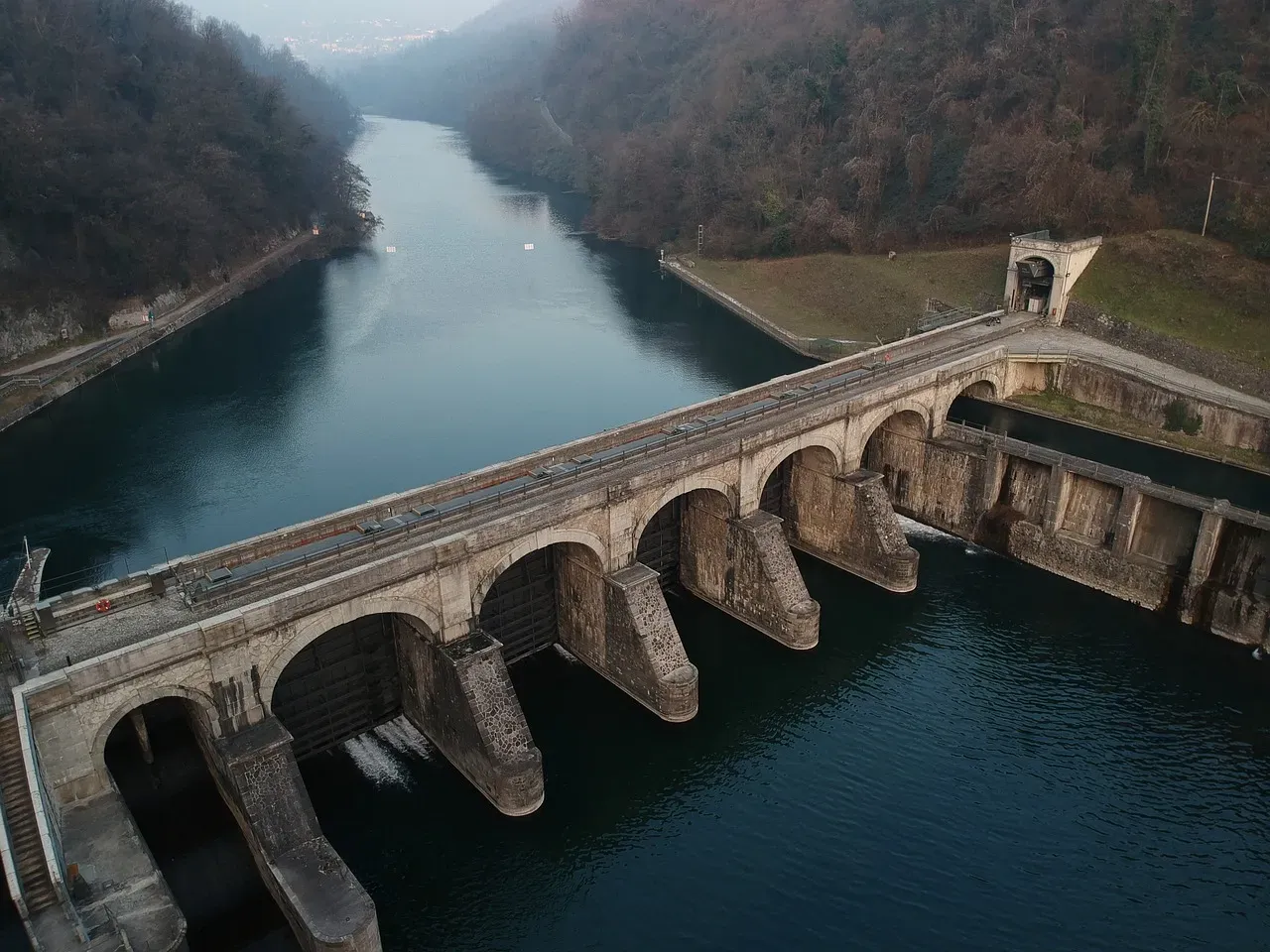
The Klamath project captured national attention, but it sits within a much broader national trend. More than 4,893 miles of river were reconnected in a single year through dam removal, the most upstream miles ever reconnected in a single year in the US. In these rivers, water is flowing freely again for the first time in decades, sometimes centuries.
The Southeast alone reconnected 2,424 upstream river miles in 2025. The Great Lakes and Central regions added more than 1,446 miles. These aren’t abstract statistics. These numbers represent real habitat, real spawning grounds, real migration corridors, and real flood buffers returned to function as nature intended.
Removing a dam is one of the fastest and most effective ways to bring a river back to life. Within days of removal, bugs return. Within weeks, native fish are swimming reaches they haven’t accessed in generations. The ecological case has become increasingly difficult to argue against. The US has more than 500,000 dams in its national inventory, and a staggering number of them are no longer generating power, no longer supplying water, nor serving any practical purpose. What they are doing is blocking fish from reaching spawning habitat, warming water in stagnant reservoirs, and threatening public safety.
In Washington State, dam removals on the Elwha and White Salmon rivers reopened habitat that had been inaccessible for migrating fish for about a century, allowing Chinook, coho, steelhead, and lamprey to return. The Elwha recovery has now been studied for over a decade, and the findings remain compelling. With the barriers removed, aquatic organisms regained access to the entire river. Anadromous fish such as salmon returned to areas that have been void of such species for a century, and this free passage also prompted a rapid increase in salmon life history diversity.
Atlantic Sturgeon and American Shad: A Slower Road East
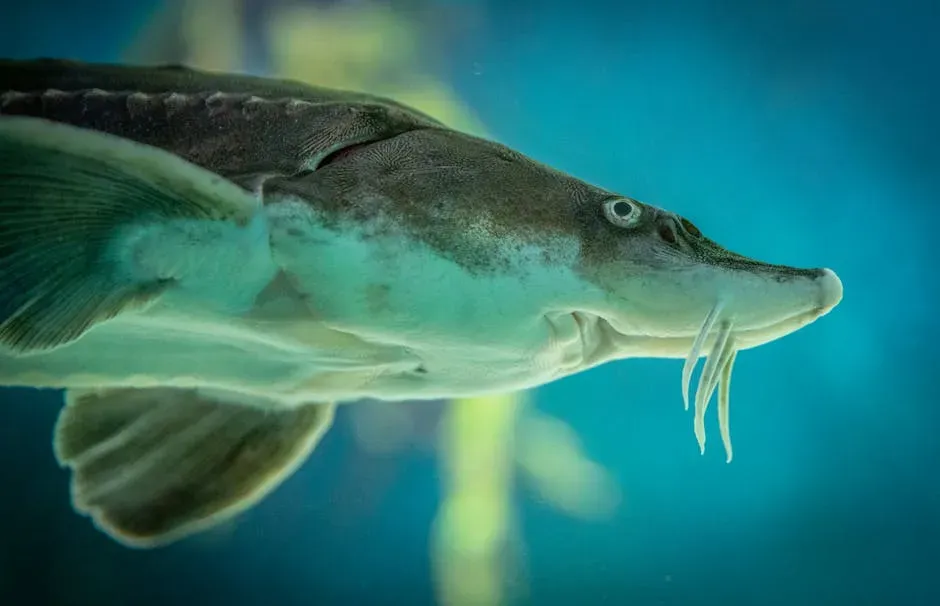
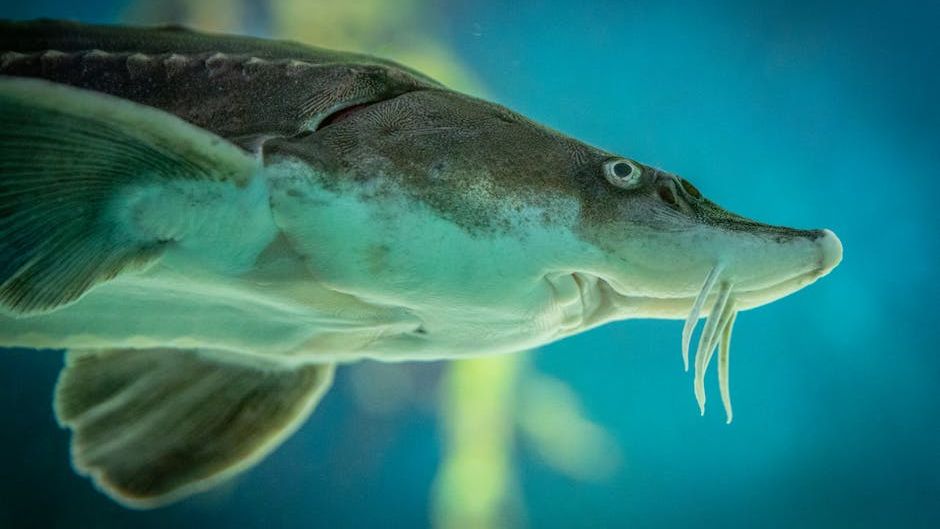
The story in eastern rivers is more complicated. Some species are showing encouraging signs; others remain in deep trouble. Atlantic sturgeon, which can trace their lineage back hundreds of millions of years, were once found in enormous numbers along the US East Coast. Atlantic sturgeon were once a highly valued fishery along the US East Coast, but their populations declined dramatically in the late 1800s when they were overfished for their eggs for high-quality caviar.
Due to over-harvest and water pollution, they were rarely seen in Virginia’s tidal rivers since the mid-1900s, and efforts to revitalize their populations have been underway for more than 50 years. They were listed as federally endangered in 2012, but in recent years sturgeon have been seen breaching and swimming in the James and other rivers again. That last detail matters more than it might seem. Breaching means the fish are there, they’re healthy enough to surface, and the habitat is supporting them.
Research suggests that conditions for recovery for both Atlantic and Shortnose sturgeon are improving because of dam removals in historic habitat and legislation such as the Clean Water Act, though many threats still exist, including vessel strikes, habitat degradation, and unintentional harvest as bycatch. American shad, meanwhile, face a harder road. Shad have been particularly impacted in the James River watershed, where annually monitored shad abundance levels have reached all-time lows. Since 2021, monitoring data has American shad at zero percent of the Chesapeake Bay Program’s shad abundance goal for the James River.
In 2025, Pennsylvania’s Fish and Boat Commission stocked nearly 1.2 million shad into the Juniata River in hopes that they will return in three to five years to spawn. Shad restoration efforts have been underway for more than 150 years. Persistence, in this case, is not optional.
The Challenges That Still Remain
Celebrating these recoveries without acknowledging what still stands in the way would be incomplete. The picture is genuinely mixed, and anyone paying close attention knows it. River systems altered by dams and other barriers have led to roughly two out of every five of America’s fish species being listed as imperiled and many commercial fisheries being decimated. The gains made so far have barely scratched the surface of the full problem.
Even the Klamath success story carries caveats. Although fall Chinook have had immediate success, the spring-run Chinook population is on the brink of extinction. Historically, spring Chinook salmon were the largest population of Chinook in the Klamath Basin prior to the dams being built. Recovery, it turns out, is not a single finish line but a series of them, species by species, river by river.
Salmon populations need multiple generations to recolonize available habitat, rebuild age structure, and stabilize at sustainable levels. Vegetation communities take years to mature. Sediment dynamics and channel morphology continue adjusting for a decade or more. There are also entirely different threats emerging. Mining, data center development, and pollution are putting river health and public well-being at risk in new ways even as restoration efforts make progress elsewhere.
The two largest threats identified in habitat plans for American shad were barriers to migration and a lack of information on the consequences of climate change. Climate remains the most uncertain variable of all, capable of reshaping water temperatures and flow regimes in ways no dam removal can fully offset. Progress is real, but it is not guaranteed.
Conclusion
What’s unfolding across America’s rivers right now is genuinely worth paying attention to. It isn’t a tidy conservation victory. It’s a slow, uneven, multi-decade process that is finally producing measurable results in some of the places that needed it most. The Klamath, the Sacramento, the Elwha, and dozens of smaller waterways in the Southeast and Great Lakes region are demonstrating something that ecologists have argued for years: rivers, given half a chance, want to recover.
The science behind dam removal is no longer theoretical. One of the most surprising findings from monitoring projects is how quickly rivers can heal. Within months of the Elwha dams coming down, fish moved upstream. Within a year of the Klamath removals, observers reported dramatic increases in salmon abundance and diversity. That speed is both encouraging and humbling.
The fish returning to these rivers aren’t just indicators of ecological health. They carry cultural weight, economic relevance, and a kind of historical memory that belongs to the rivers themselves. The real question isn’t whether rivers can recover. The Klamath has already answered that. The question is how many others we’re willing to give the chance.
Worried about unexpected vet bills?
Pet insurance can cover thousands in unexpected vet costs. Get a free quote from Lemonade in under 2 minutes.
Get My Free Quote →Sponsored · Opens Lemonade.com

- 14 Quiet Signs Your Dog Is Getting Ready to Say Goodbye – Most Owners Miss Them Completely - June 9, 2026
- 15 Dog Breeds Known for Their Exceptional Loyalty and Devotion - June 9, 2026
- 14 Garden Mistakes That Drive Hummingbirds Away for Good – Most Gardeners Don’t Realize Until It’s Too Late - June 9, 2026