

As winter approaches and temperatures drop, bears across various species prepare for one of nature’s most fascinating survival strategies: hibernation. Unlike many animals that simply sleep through the cold months, bears enter a complex physiological state that allows them to survive without food or water for extended periods while maintaining muscle mass and bone density. This remarkable adaptation has evolved over millions of years, enabling bears to thrive in environments with seasonal food scarcity. From the biochemical changes in their bodies to the behavioral preparations they make before denning, a bear’s hibernation cycle represents one of the most sophisticated survival mechanisms in the animal kingdom. This article explores the science behind this fascinating process, revealing how bears manage this extraordinary feat and what we might learn from it.
Understanding True Hibernation vs. Bear Dormancy

Contrary to popular belief, bears don’t technically enter true hibernation. Instead, they experience a state called torpor or winter dormancy. In true hibernation, as seen in animals like ground squirrels, body temperatures drop dramatically to near-freezing levels, heart rates slow to just a few beats per minute, and the animals become virtually impossible to wake. Bears, however, maintain a body temperature only slightly below normal (dropping from about 100°F to 88-93°F), allowing them to wake relatively quickly if threatened. Their heart rate does slow significantly—from 40-70 beats per minute to just 8-12 beats per minute—but they remain far more responsive than true hibernators. This distinction is important because it represents a different evolutionary adaptation that allows bears to respond to threats while still conserving energy during food-scarce months.
Physiological Transformations Before Hibernation

Before entering hibernation, bears undergo remarkable physiological changes. During late summer and fall, bears enter a phase called hyperphagia, where they consume up to 20,000 calories daily—equivalent to about 40 Big Macs in human terms. This intensive feeding allows them to gain up to 30% of their body weight in fat stores. Their bodies also begin producing a hormone called leptin that regulates appetite and metabolism. Additionally, bears develop a specialized tissue called brown adipose tissue, which will later help generate heat during hibernation through a process called non-shivering thermogenesis. Their kidneys start functioning differently to prepare for the long period without drinking, and their digestive systems begin to slow down. These pre-hibernation changes are crucial to surviving the long winter ahead and represent precise biological programming triggered by changing day length, temperature, and food availability.
The Metabolic Marvel of Hibernating Bears

During hibernation, a bear’s metabolism slows to about 25% of its normal rate—an extraordinary feat of biological engineering. This metabolic suppression allows bears to survive for up to 7 months without eating, drinking, urinating, or defecating. Despite burning through approximately 4,000 calories daily, bears can sustain themselves entirely on stored fat. Their bodies undergo a remarkable transition to fat metabolism, producing ketones that provide energy to the brain and vital organs. What’s particularly fascinating is that despite this dramatic metabolic slowdown, bears don’t develop ketoacidosis, a dangerous condition that would affect humans in similar circumstances. Additionally, bears maintain protein synthesis during hibernation, allowing them to preserve muscle mass despite months of inactivity. This metabolic adaptation has captivated medical researchers seeking solutions for conditions like diabetes, obesity, and muscle atrophy in bedridden patients.
Waste Management: The Recycling System

Perhaps one of the most remarkable aspects of bear hibernation is their waste management system. During hibernation, bears don’t urinate or defecate for months—a condition that would be fatal to humans within days. Instead, bears have evolved an incredible internal recycling system. Urea, the toxic waste product normally excreted in urine, is broken down and the nitrogen is reused to build protein, helping maintain muscle mass during inactivity. The bear’s body also extracts water from its bladder and reabsorbs it to stay hydrated. Intestinal waste forms a fecal plug that remains in place until the bear emerges in spring. This plug consists of hair, cellular debris, and other waste materials but doesn’t cause toxicity or infection. Scientists have discovered that this waste recycling system is facilitated by specialized gut microbiota that change during hibernation, allowing for these extraordinary adaptations that have potential applications for human medicine, particularly for kidney disease patients.
Brain Activity During Hibernation

While a hibernating bear’s body functions slow dramatically, brain activity undergoes fascinating changes rather than simply diminishing. EEG studies on hibernating bears show they experience cycles similar to non-REM sleep, but with unique patterns distinct from normal sleep. Bears remain responsive to threats and can wake if disturbed, indicating their brains maintain vigilance circuits even while conserving energy. Remarkably, bears experience almost no brain cell shrinkage or neural connection loss during hibernation—a finding that contrasts sharply with what happens in bedridden humans. Scientists have identified a brain protein called RBM3 that increases during hibernation and appears to protect neural connections. This protection against brain damage during prolonged inactivity and reduced blood flow has sparked interest among researchers studying neurodegenerative diseases like Alzheimer’s and conditions involving brain injury. The bear brain’s ability to function under reduced metabolism represents an evolutionary marvel with significant implications for human medicine.
Cardiac Adaptations During Dormancy
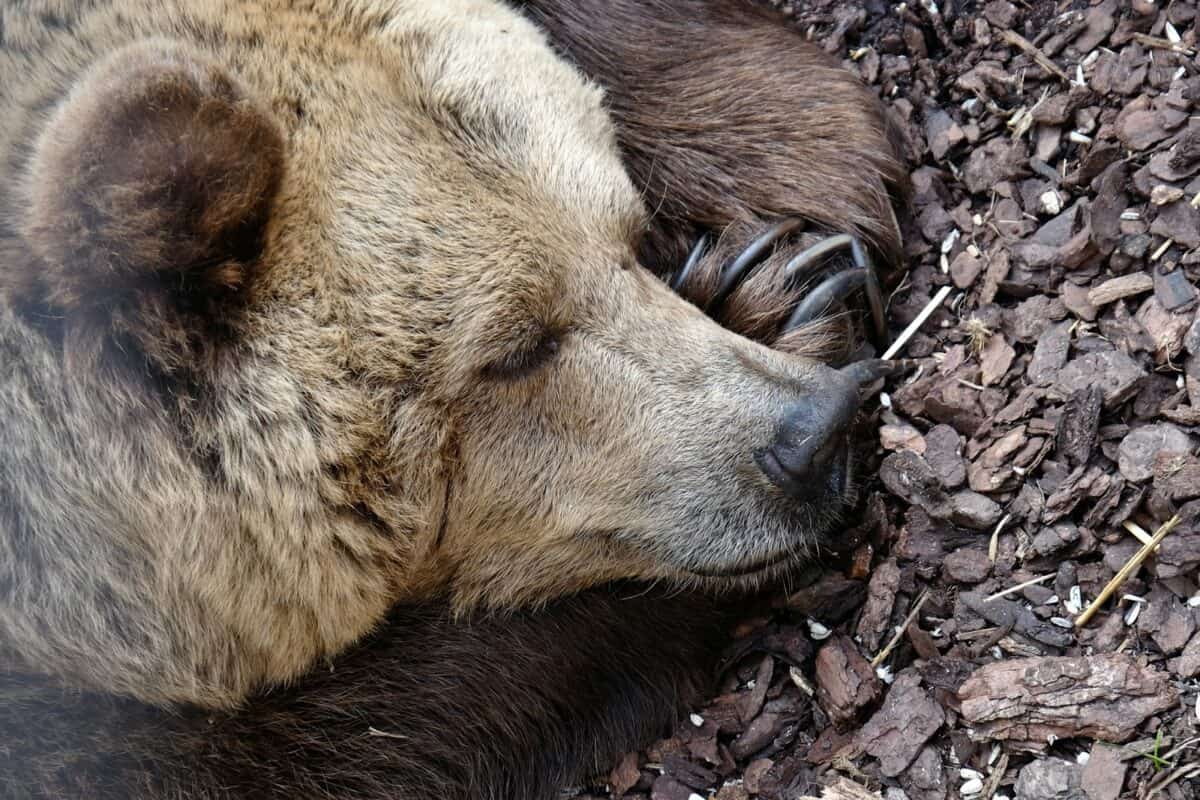
The cardiovascular system of hibernating bears demonstrates remarkable adaptations that would be impossible for humans. During hibernation, a bear’s heart rate drops from 40-70 beats per minute to just 8-12 beats per minute. Blood pressure decreases by approximately 50%, and they experience periods where breathing stops for up to 60 seconds (called apnea). Despite these dramatic changes, bears don’t develop blood clots or heart damage that would typically occur in humans under similar conditions of reduced blood flow. Research has identified specialized proteins that prevent platelet aggregation and blood clotting during hibernation. Additionally, bears maintain cardiac muscle without the atrophy that would occur in an inactive human heart. Their blood also becomes more viscous due to dehydration, yet they don’t suffer strokes or heart attacks. These cardiac adaptations have profound implications for treating human cardiovascular diseases and have inspired research into new approaches for protecting the heart during surgery and treating conditions like atrial fibrillation.
Bone Density Maintenance Despite Inactivity
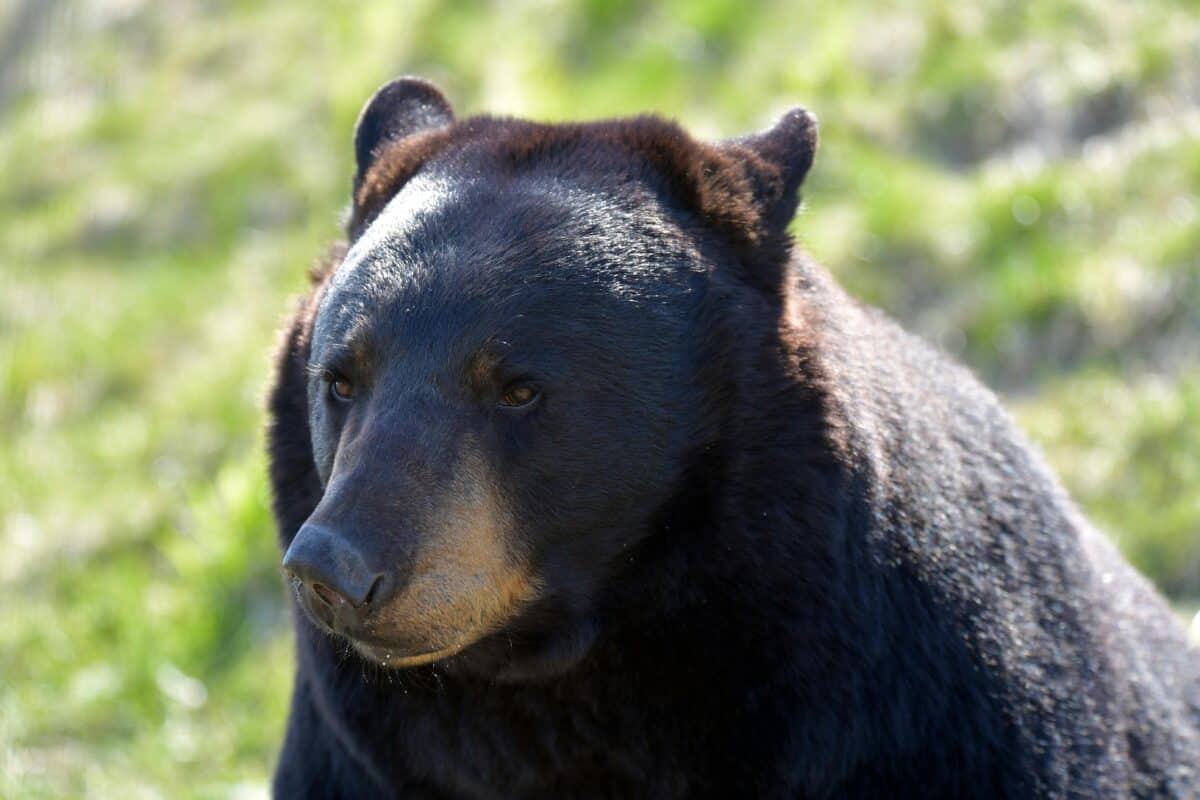
One of the most medically significant aspects of bear hibernation is their ability to maintain bone density despite months of inactivity. In humans, extended bed rest leads to rapid bone loss—astronauts can lose up to 1-2% of bone mass per month in space. Hibernating bears, however, show minimal bone loss after months without movement. Research has revealed that bears continue to form new bone during hibernation while suppressing bone resorption (breakdown). They accomplish this through changes in hormone levels, particularly parathyroid hormone and vitamin D metabolism. Bears also maintain calcium levels in their blood without leaching it from bones by recycling calcium through their kidneys. Scientists have identified a protein called osteocalcin that plays a key role in this process. Understanding how bears prevent bone loss could lead to breakthroughs in treating osteoporosis and helping patients confined to prolonged bed rest. The bear’s solution to this biological challenge represents millions of years of evolutionary adaptation that human medicine hopes to harness.
Pregnancy and Birth During Hibernation

Female bears perform perhaps the most remarkable feat of all during hibernation: giving birth and nursing cubs while in a dormant state. After mating in summer, female bears experience delayed implantation, where the fertilized egg doesn’t immediately attach to the uterine wall. Instead, it remains in suspended development until fall, when it implants only if the mother has gained sufficient fat reserves. Cubs are born during mid-winter hibernation, typically weighing just 1/300th to 1/500th of their mother’s weight (about one pound for black bears). The mother doesn’t eat or drink while nursing these cubs, providing fat-rich milk produced entirely from her body’s reserves. Despite her dormant state, a mother bear’s milk production is prolific, allowing cubs to gain weight rapidly. This extraordinary reproductive strategy ensures cubs are born when they’re protected from predators in the den and have several months to develop before facing the outside world. The physiological mechanisms allowing for birth and nursing during a state of dormancy remain among the most fascinating aspects of bear biology.
Differences Across Bear Species

Hibernation patterns vary significantly across the eight bear species. Polar bears represent a unique case—pregnant females hibernate for birth and cub-rearing, but most polar bears remain active year-round. Brown bears (including grizzlies) are champion hibernators, with some populations denning for 5-7 months. American black bears typically hibernate for 3-5 months, with duration varying by latitude and local climate conditions. Asiatic black bears follow similar patterns to their American cousins. Giant pandas, specialized bamboo eaters, don’t hibernate at all due to their year-round food source. Sloth bears in warm climates also don’t hibernate, while sun bears in Southeast Asia may enter brief torpor periods during food scarcity but don’t undergo true hibernation. Spectacled bears in South America sometimes enter short dormancy periods during dry seasons. These variations demonstrate how hibernation has evolved as a flexible strategy that different bear species have adapted according to their particular environmental challenges and food availability patterns.
Environmental Triggers and Den Selection

The timing of a bear’s hibernation cycle is regulated by complex environmental cues and internal biological rhythms. Decreasing daylight hours (photoperiod) trigger hormonal changes that initiate pre-hibernation behaviors. Food availability plays a crucial role—in years with abundant fall food sources, bears may enter hibernation later. Temperature drops serve as secondary cues but aren’t the primary trigger. Bears are remarkably selective about their den sites, with choices varying by species and habitat. Black bears may use hollow trees, rock crevices, or excavate soil dens. Brown bears often dig dens on steep, north-facing slopes that maintain snow cover. Female bears, especially those with cubs, typically select more protected sites. The perfect den provides insulation, protection from predators, and structural stability. Bears will prepare dens by lining them with vegetation, moss, and leaves for insulation. Some bears return to the same denning areas year after year, while others select new sites. Climate change is now disrupting these carefully evolved patterns, with warmer winters causing earlier emergence or interrupted hibernation in some populations.
Arousal and Post-Hibernation Recovery

The process of emerging from hibernation is not the simple “wake-up” often portrayed in cartoons but a gradual physiological transition that begins weeks before a bear leaves its den. As spring approaches, bears experience periodic arousal states where body temperature and heart rate temporarily increase before returning to hibernation levels. These rehearsals prepare the body for full emergence. When bears finally exit hibernation, they undergo rapid physiological changes: metabolism increases to normal levels, heart and respiration rates normalize, and digestive and urinary systems resume full function. The intestinal plug is expelled, often within 24 hours of emergence. Despite months of inactivity, bears show minimal muscle atrophy and can be fully mobile almost immediately—a remarkable contrast to humans after extended bed rest. Initially, bears drink water but may not eat for several days as their digestive systems gradually reactivate. Their first foods are typically grasses, plant shoots, and other easily digestible vegetation before transitioning to more substantial nutrition. The entire post-hibernation recovery period represents another remarkable adaptation that allows bears to quickly resume normal activity after months of dormancy.
Human Applications: Medicine and Space Travel

The extraordinary physiological adaptations of hibernating bears have captured the attention of medical researchers and space agencies alike. Scientists are studying bear hibernation for potential applications in treating conditions including osteoporosis, kidney disease, muscle atrophy, obesity, diabetes, and heart disease. The bears’ ability to prevent blood clots during periods of reduced flow has led to investigations of novel anticoagulant compounds. Their waste recycling system offers insights for kidney failure treatments. The protection against muscle and bone loss during inactivity could help bedridden patients and astronauts on long space missions. NASA has invested in hibernation research as a potential solution for long-duration spaceflight to Mars and beyond, where induced torpor could reduce resource requirements and protect astronauts from radiation and psychological stress. Researchers have identified several proteins and genetic mechanisms involved in hibernation that could potentially be manipulated in humans. While human hibernation remains in the realm of science fiction for now, the biological mechanisms bears have perfected through evolution offer promising avenues for addressing some of our most challenging medical problems.
Conclusion: Nature’s Remarkable Winter Survival Strategy
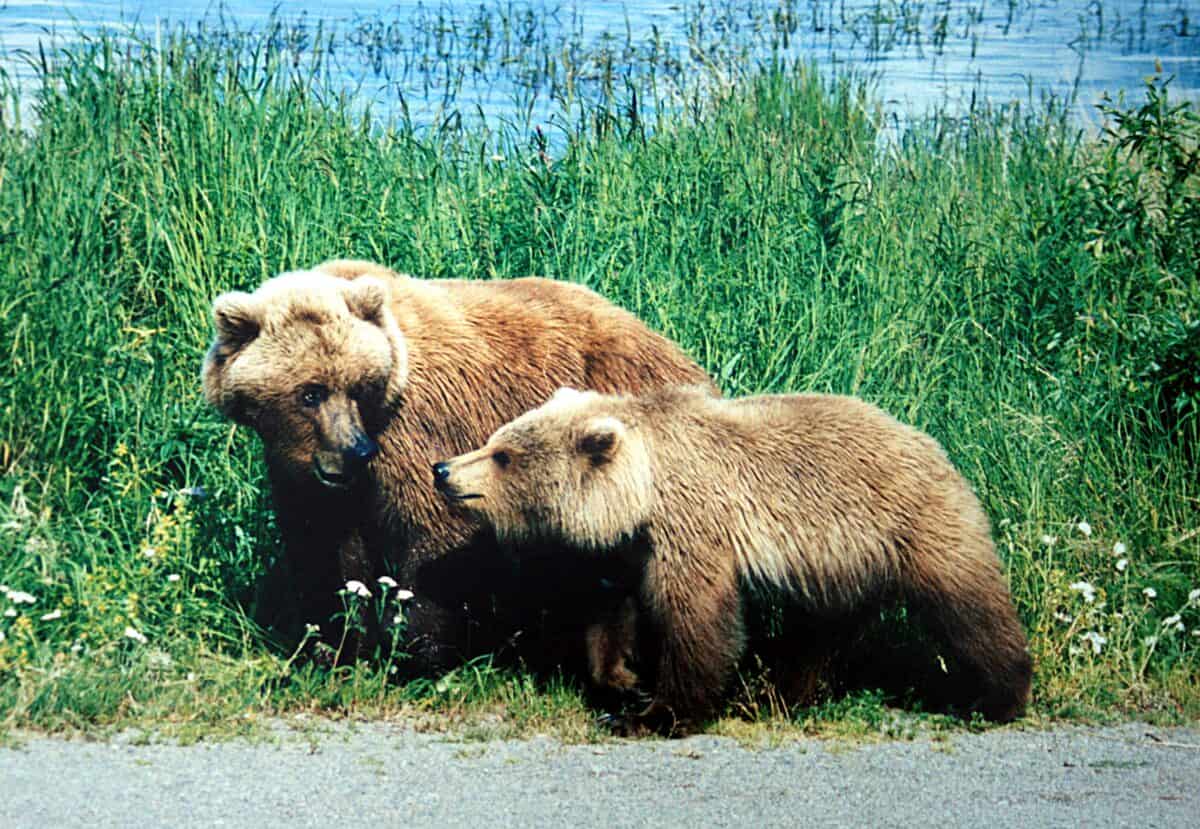
The hibernation cycle of bears represents one of nature’s most sophisticated survival adaptations, a testament to the power of evolutionary processes over millions of years. From their remarkable metabolic adjustments and waste recycling to their ability to maintain muscle mass and bone density during months of inactivity, bears have developed physiological mechanisms that continue to astound scientists. These adaptations allow bears to bridge the gap between seasons of plenty and scarcity, enabling them to thrive in environments that would otherwise be uninhabitable year-round. As climate change alters hibernation patterns and human development encroaches on denning habitat, understanding and protecting this crucial life phase becomes increasingly important for bear conservation. Beyond their ecological significance, the biological secrets of hibernating bears may hold solutions to some of humanity’s most pressing medical challenges, demonstrating once again how nature’s innovations can inspire human ingenuity.

- Can Snakes Give Birth Without Mating? - July 15, 2026
- The Hidden Desert Beneath a U.S. Forest—A Strange Natural Twist - July 15, 2026
- Rare Shark Sighting Alarms Scientists Near Baja California - July 15, 2026