


Worried about unexpected vet bills?
Pet insurance can cover thousands in unexpected vet costs. Get a free quote from Lemonade in under 2 minutes.
Get My Free Quote →Sponsored · Opens Lemonade.com
Falcons are among the most admired and studied birds of prey. Known for their impressive speed and hunting prowess, these birds have fascinated humans for centuries. One distinctive feature of falcons is the presence of dark stripes under their eyes, which has intrigued ornithologists and bird watchers alike. Let’s explore why these unique markings are present and their role in these remarkable birds’ lives.
Understanding Falcon Anatomy

To comprehend the purpose of the facial stripes, it’s essential to have a basic understanding of falcon anatomy. Falcons are streamlined, sharp-visioned birds capable of incredible feats of agility and speed in the air. Their robust anatomy is complemented by certain unique adaptations that help them thrive as predators.
The Role of Vision in Falcons

Among their many adaptations, falcons are renowned for their extraordinary vision. Their eyes are among the most advanced in the avian world, enabling them to spot prey from great distances. This visual acuity is crucial for hunting, and any feature that aids in this aspect is paramount to their survival.
The Function of Facial Stripes

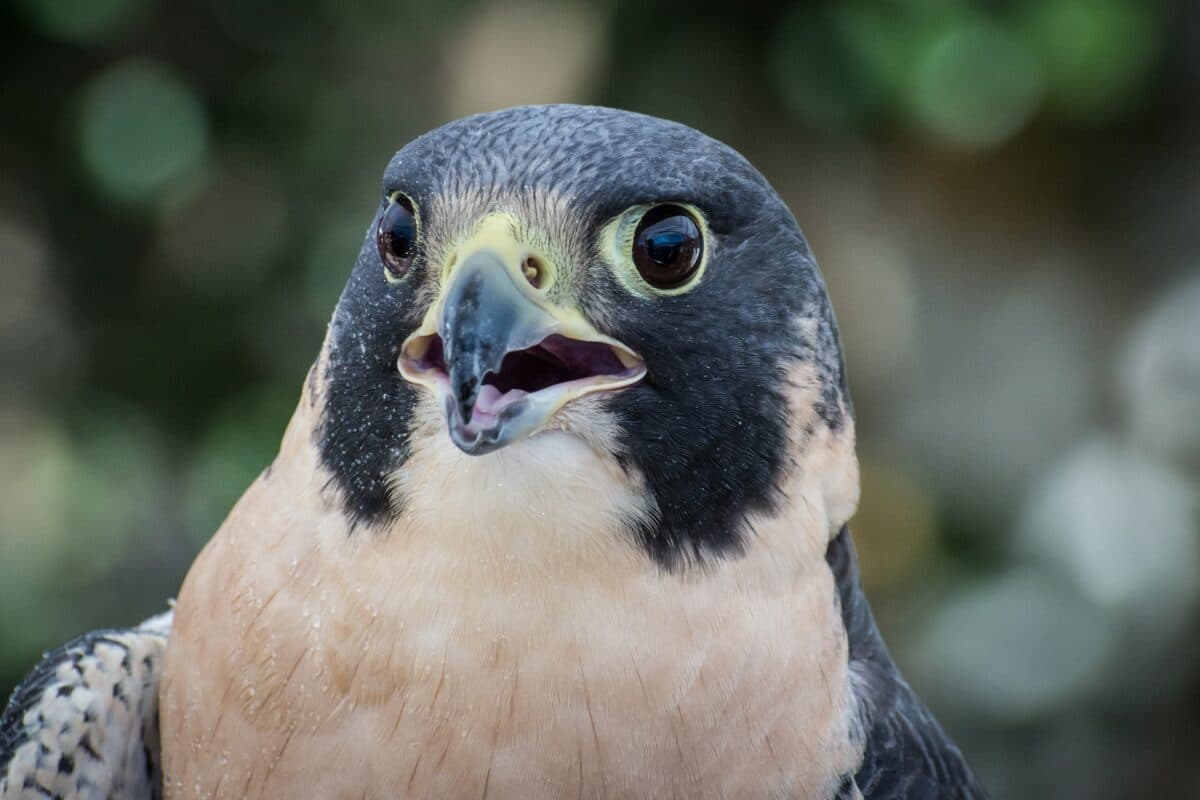
The dark stripes, often referred to as “malar stripes” or “mustachial stripes,” run from the falcon’s eyes down to its beak. These markings serve a critical function by reducing glare from the sun, much like the black paint athletes use under their eyes to shield from sunlight. This adaptation ensures falcons can maintain their focus on prey, even in bright conditions.
Evolutionary Advantage of Eye Stripes

From an evolutionary perspective, the emergence of eye stripes can be tied to natural selection. Falcons with more pronounced malar stripes likely had a better hunting success rate as they could concentrate better under varying light conditions. Over generations, this feature became more prevalent, offering a survival advantage.
Comparing Falcons with Other Raptors
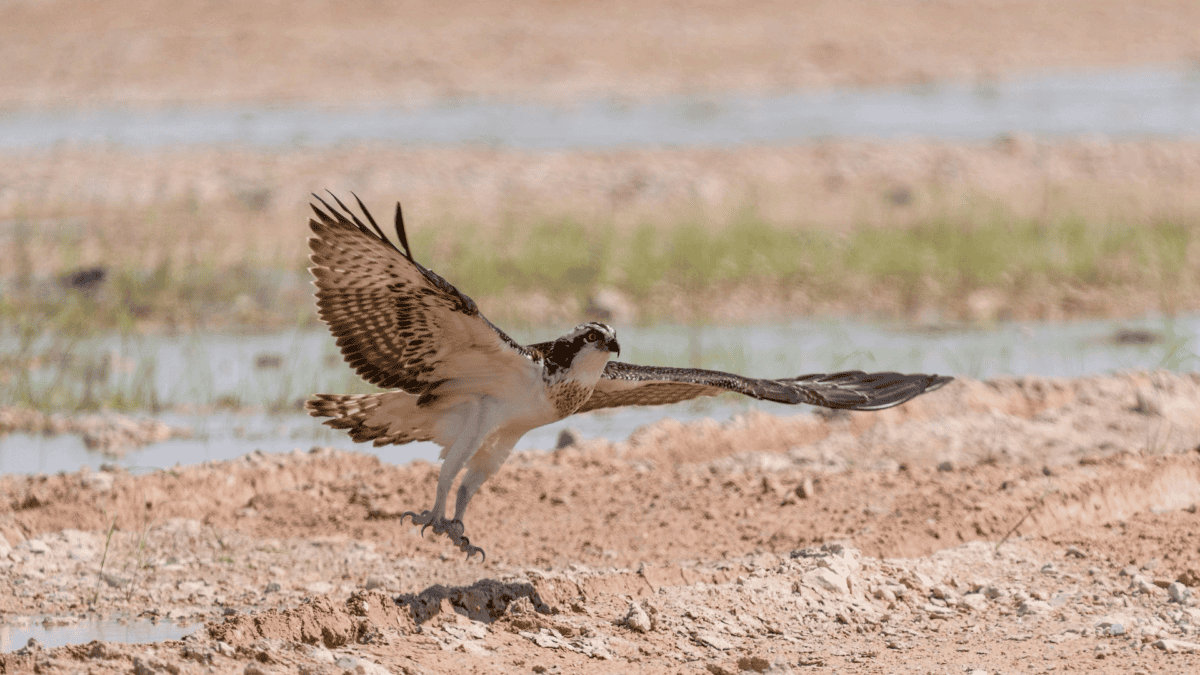
While falcons are not the only birds of prey with facial stripes, the prominence and placement of falcons are unique. Comparing these features with other raptors like hawks and owls sheds light on the varied evolutionary paths and adaptations these birds have taken to optimize their hunting abilities.
Field Studies and Observations

Numerous field studies have observed the hunting habits and adaptive behaviors of falcons. Such studies often highlight how the distinctive facial stripes play a role in their hunting success, further emphasizing their importance in aiding visual acuity and focus in dynamic environments.
Falcons in Different Cultures
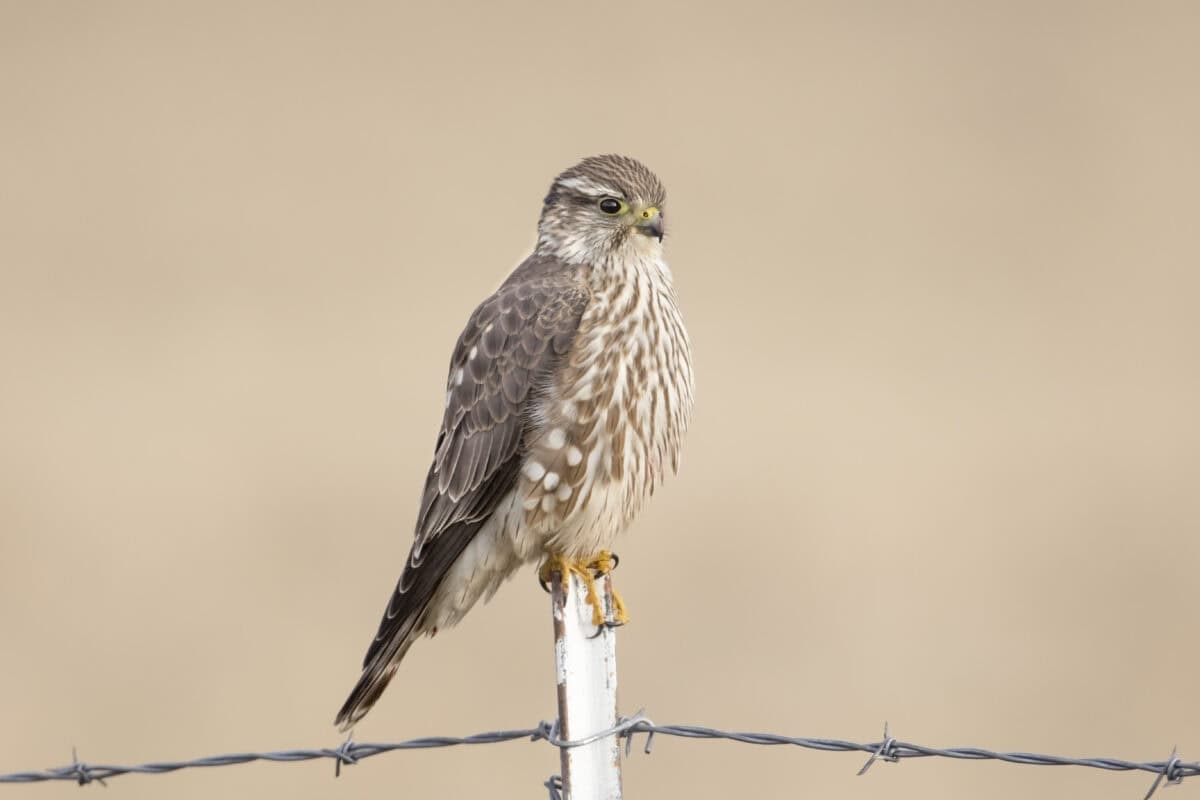
The iconic appearance of falcons, stripes included, has embedded them deeply in various cultural symbols and folklore. From ancient Egypt to Native American traditions, the falcon has been seen as a symbol of strength, agility, and speed, often associated with deities and spiritual messengers.
Impact on Falconry and Conservation
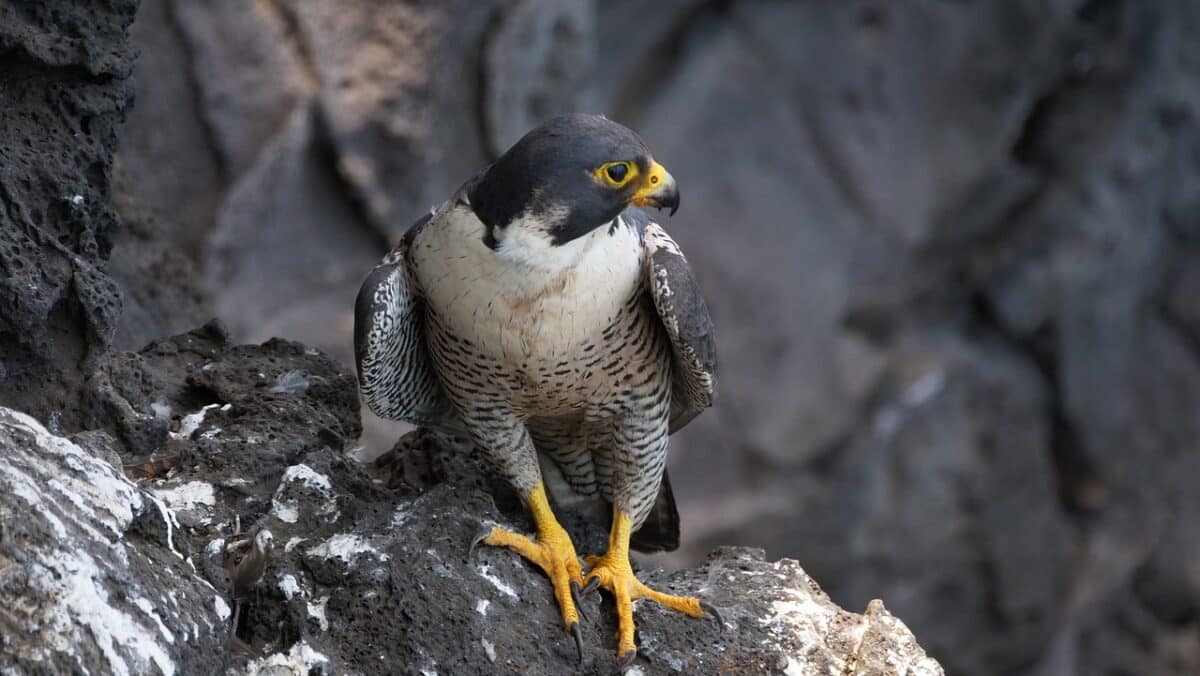
Understanding the physiological and evolutionary adaptations of falcons enhances falconry practices and conservation efforts. Recognizing the significance of such features can help in crafting better conservation strategies, ensuring these majestic birds continue to thrive in their natural habitats.
Conclusion: Nature’s Ingenious Designs
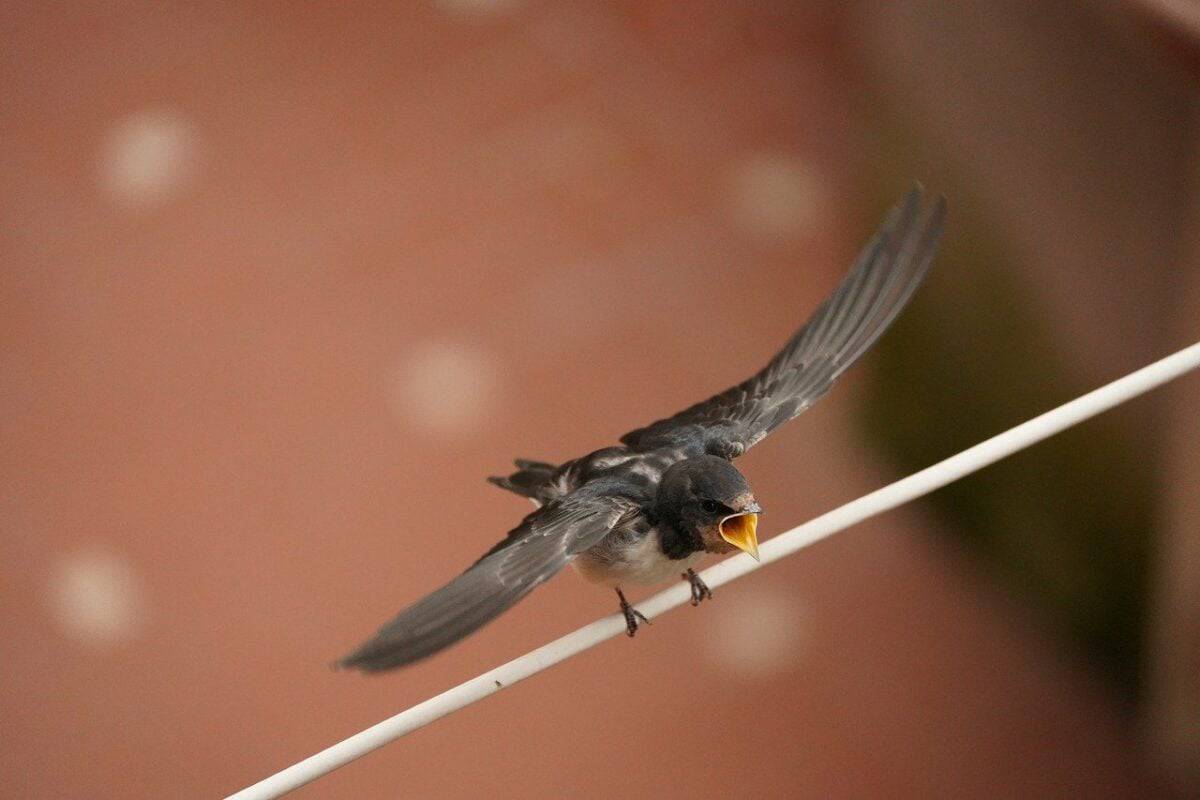
The presence of the iconic stripes under the eyes of falcons is more than just an aesthetic trait. It is a testament to nature’s ingenuity in designing creatures that are perfectly adapted to their roles in the ecosystem. These facial markings are a small but crucial part of what makes falcons such extraordinary hunters, reflecting the ever-fascinating mechanics of evolutionary biology.
Additional Resources for Enthusiasts
For those eager to delve deeper into the world of falcons, numerous resources are available, ranging from ornithology texts to documentaries and wildlife reserves dedicated to studying these birds. Engaging with these resources can provide further insights into the complex and captivating world of falcons.
Worried about unexpected vet bills?
Pet insurance can cover thousands in unexpected vet costs. Get a free quote from Lemonade in under 2 minutes.
Get My Free Quote →Sponsored · Opens Lemonade.com

As a little kid, I fell in love with nature, wildlife, and animals. Living in the USA, South Africa, Italy, China and Germany gave me the opportunity to discover the world's Wildlife. My favorite animals are Mountain Gorillas, Siberian Tigers, and Great White Sharks.
I'm a certified PADI Open Water Diver, went to Everest Base Camp and Trekked Gorillas in Uganda. I hold a Master of Science in Economics and Finance.
Please send any feedback to feedback@animalsaroundtheglobe.com
- 14 Incredible Ways Animals Outsmart Humans in the Wild - June 11, 2026
- 12 Wild Animal Misconceptions We Got from Movies - June 11, 2026
- 12 Species That Have Not Changed in Millions of Years - June 11, 2026