

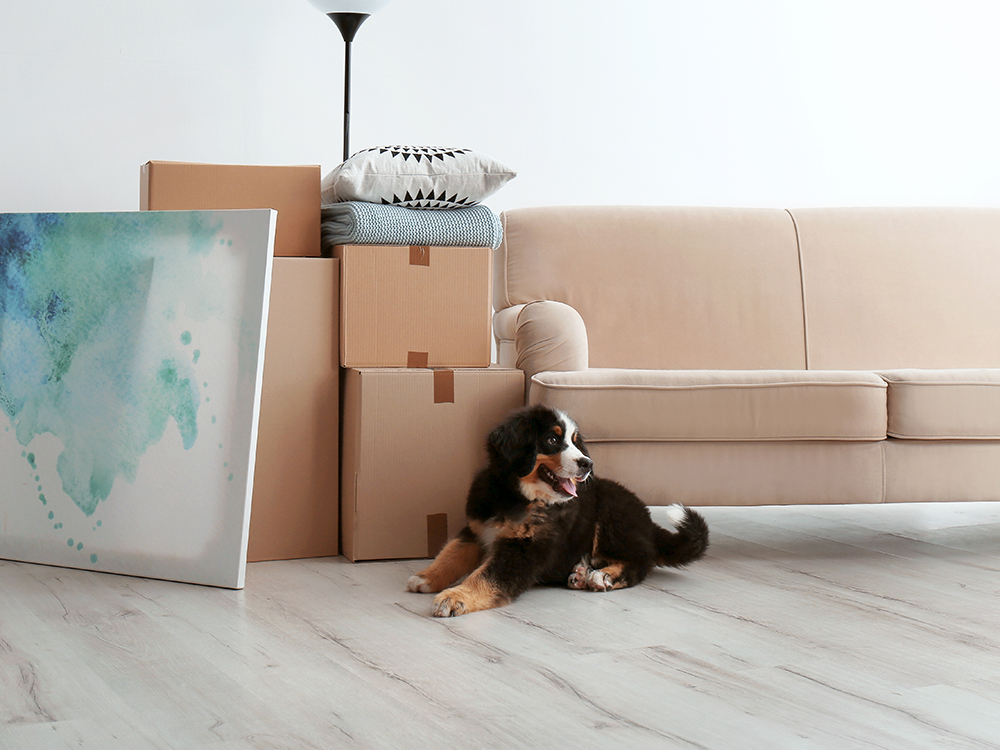
Urban Life’s Toll on Canine Confidence (Image Credits: Images.ctfassets.net)
Dog owners frequently ponder if their furry friends thrive more in bustling cities or serene countrysides.
Urban Life’s Toll on Canine Confidence
Researchers once analyzed data from nearly 6,000 dogs and discovered striking differences in behavior based on location.[1][2] City dogs showed 45 percent higher fear toward strangers and 70 percent more apprehension around unfamiliar dogs compared to their rural counterparts.[3]
The constant noise, crowds, and limited green spaces in urban areas often overwhelm sensitive pups. Owners reported more instances of barking, cowering, or refusal to walk in high-traffic zones. Small breeds and neutered females appeared especially vulnerable to these stresses. Yet, proactive socialization during puppyhood mitigated some effects, highlighting nurture over nature alone.
Rural Retreats: Space and Serenity for Pets
Rural settings offered dogs greater freedom to roam and explore, fostering calmer demeanors. Homeowners in these areas proved more likely to own dogs than renters in cities or suburbs. Fenced yards simplified potty breaks and playtime, reducing reactivity toward neighbors.
Still, countryside life presented hurdles. Veterinary services remained scarce in remote regions, complicating emergencies. Parasites and traffic risks also loomed larger for unleashed rural dogs. Experts noted that while space abounded, isolation sometimes hindered socialization opportunities.
Home Essentials That Trump Location
Dogs prioritized their bond with owners over square footage or scenery. One trainer observed, “Any environment that makes it difficult for guardians to fulfill their dog or directly goes against a dog’s personality can be tough.”[4] Exercise through walks or parks sufficed where yards lacked.
Safe spaces for rest proved vital in cramped apartments or campers. Mental puzzles and training sessions matched physical outlets in efficacy. Another professional emphasized that most dogs acclimated over time with consistent routines.
| Factor | City Challenges | Rural Advantages |
|---|---|---|
| Potty Access | Stairs, elevators | Yard convenience |
| Stimulation | Overload possible | Balanced exploration |
| Vet Care | Readily available | Often distant |
Tips to Tailor Any Space for Success
Pet parents succeeded by assessing five core needs: convenient bathroom access, quiet downtime, energy outlets, secure napping spots, and nearby vets. Rotate park visits for novelty and use long lines for safe off-leash fun.
- Prioritize puppy socialization to build resilience.
- Incorporate daily mental games like scent work or obedience drills.
- Schedule annual vet checkups with bloodwork for early detection.
- Seek breed-appropriate activities, such as herding games for working dogs.
- Embrace downtime; rest equals happiness.
Key Takeaways
- Lifestyle outweighs location for canine contentment.
- Urban dogs face higher fear risks, but training counters them.
- Dedicated effort ensures thriving anywhere.
Dogs flourished wherever guardians met their needs with creativity and commitment. A pup in a tiny van outshone one idle in a vast yard. What environment best suits your dog? Share in the comments.

- Urban Coyotes Show Remarkable Adaptability, Learning to Thrive in City Environments - July 22, 2026
- Beavers Are Nature’s Engineers, Creating Vital Habitats for Other Wildlife Species - July 21, 2026
- The Recovery of the California Condor Offers Hope for Other Critically Endangered Birds - July 21, 2026