

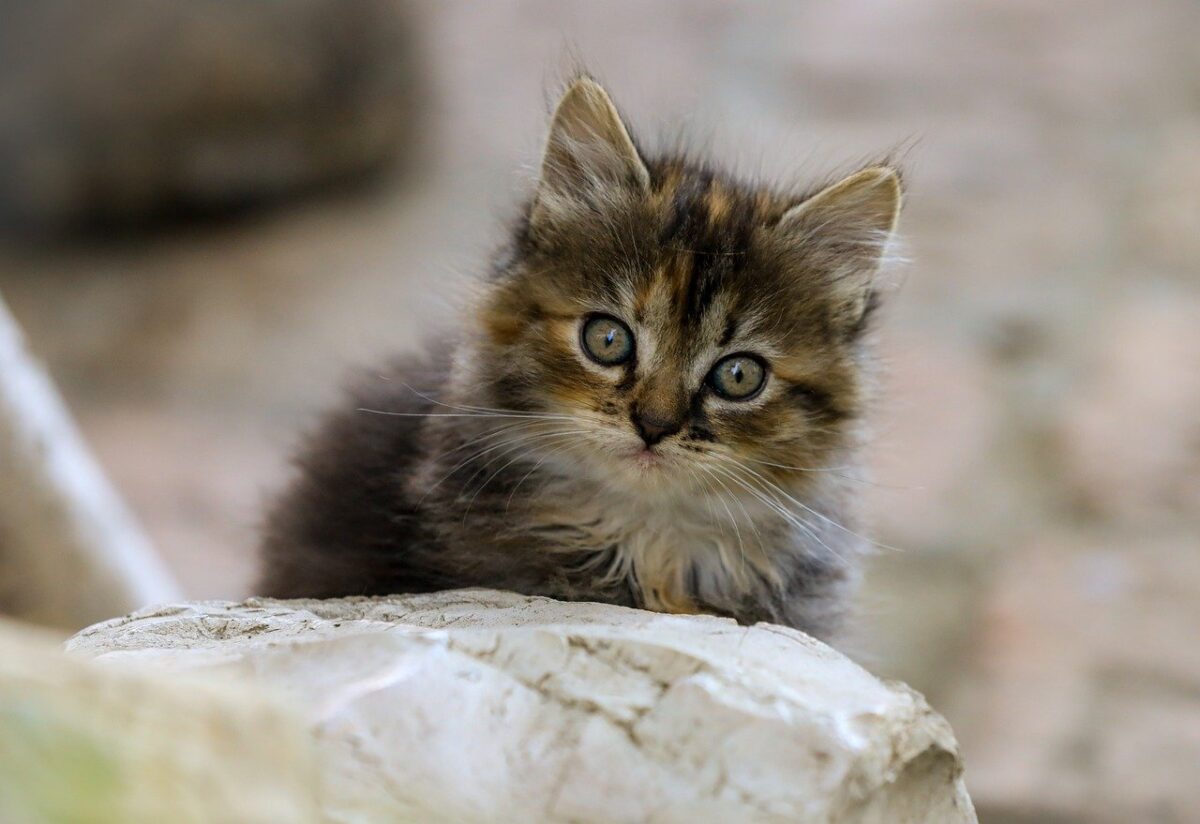
Occasional Shakes Are Part of Normal Cat Behavior (Image Credits: Pixabay)
Cat owners frequently observe their pets shaking heads with surprising vigor, particularly after adding a new accessory like a collar bell or during quiet evenings at home.
Occasional Shakes Are Part of Normal Cat Behavior
Frequent head shaking grabs attention, yet brief shakes often signal nothing serious. Cats naturally flick their heads to dislodge water after drinking, remove loose fur during grooming, or react to a sudden itch.[1][2]
A new collar bell can amplify visibility of this habit. The unfamiliar jingle prompts extra shakes as the cat adjusts, much like humans fidget with new jewelry. Owners report noticing the behavior more after such changes, though it typically fades within days.
Still, patterns matter. Isolated incidents at odd hours, such as 2 a.m., usually reflect routine feline quirks rather than distress.
Ear Infections Top the List of Concerns
Bacterial or yeast overgrowth in the ear canal stands out as the leading medical trigger for persistent shaking. Inflammation causes buildup of debris, prompting cats to shake vigorously for relief.[2][1]
Symptoms extend beyond shaking. Redness, foul-smelling discharge, and excessive scratching often accompany the issue. Untreated infections worsen, potentially leading to pain or hearing problems.
Veterinarians diagnose through ear exams and prescribe medicated cleaners or drops. Early intervention resolves most cases quickly.
Ear Mites and External Parasites Irritate Relentlessly
Tiny parasites like ear mites thrive in warm ear environments, especially among kittens and outdoor cats. These pests provoke intense itching, resulting in rapid head shakes and dark, coffee-ground-like debris.[2][3]
Fleas occasionally contribute by biting around the ears. Harvest mites or similar invaders cause similar discomfort during certain seasons.
Topical treatments eliminate mites effectively. Vets confirm presence via microscopic checks to rule out mimics like infections.
Allergies Spark Unexpected Reactions
Environmental allergens, pollen, dust, or even food sensitivities trigger head shaking through ear canal inflammation. Flea allergies rank high, as bites concentrate near the head.[4][1]
Cats respond by shaking and scratching, sometimes sneezing if airborne irritants play a role. Seasonal patterns hint at pollen involvement.
- Dust mites in bedding exacerbate symptoms indoors.
- Food trials under vet guidance identify dietary culprits.
- Antihistamines or hypoallergenic diets offer relief.
- Flea preventives curb bite-related allergies year-round.
Less Common but Serious Triggers
Foreign objects, such as grass seeds or toy fragments, lodge in ears and demand removal. Polyps or growths inside the canal cause chronic shaking, often requiring surgery.[5][6]
Neurological issues or vestibular disease appear rarely, marked by balance loss alongside shakes. These demand prompt veterinary evaluation.
Owners spot differences through observation. Normal shakes last seconds; problematic ones persist or pair with lethargy.
Key Signs to Watch and Next Steps
Consult a vet if shaking lasts over a day, involves one ear only, or includes discharge, odor, or appetite loss. Balance issues or facial swelling signal urgency.
Key Takeaways:
- Normal shakes follow grooming or new collars; monitor frequency.
- Ear infections and mites respond well to early treatment.
- Allergies need environmental tweaks plus vet-prescribed care.
Understanding these patterns empowers owners to act swiftly. A quick check prevents minor irritations from escalating. What signs have you noticed in your cat? Share in the comments below.

- Urban Coyotes Show Remarkable Adaptability, Learning to Thrive in City Environments - July 22, 2026
- Beavers Are Nature’s Engineers, Creating Vital Habitats for Other Wildlife Species - July 21, 2026
- The Recovery of the California Condor Offers Hope for Other Critically Endangered Birds - July 21, 2026