
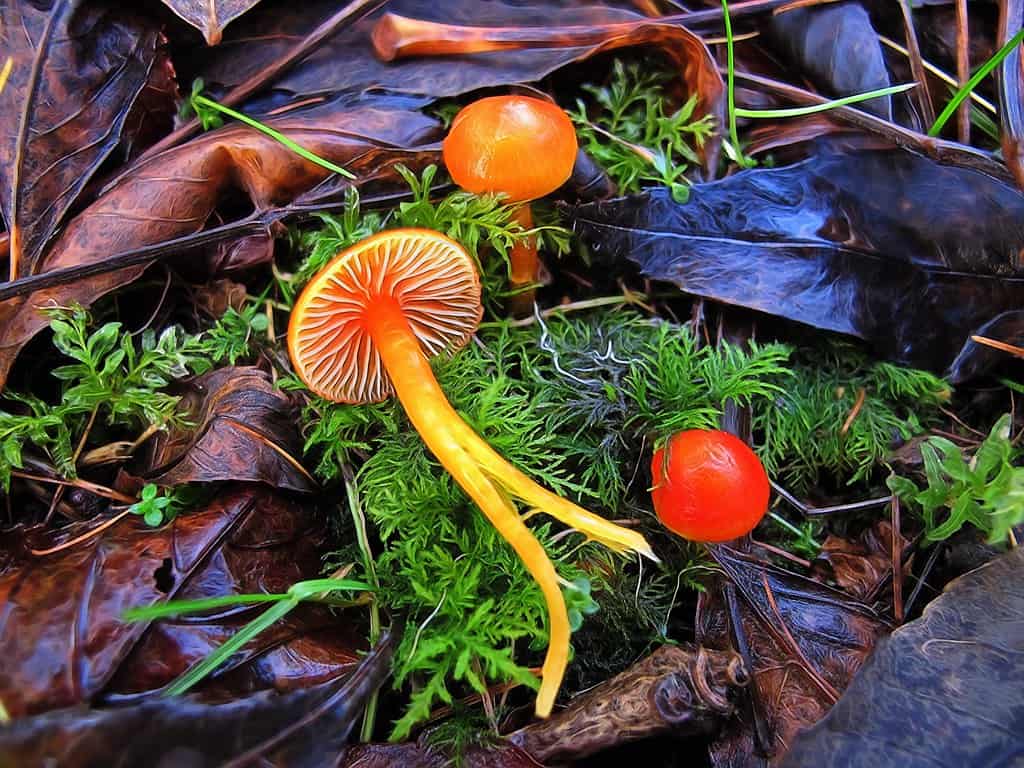
In the hidden corners of our planet, from the deepest ocean trenches to tropical forest canopies, a remarkable biological phenomenon unfolds in darkness. Bioluminescence and biofluorescence—nature’s living light shows—transform ordinary creatures into spectacles of glowing wonder. While humans have harnessed electricity to illuminate our world, these animals evolved their own internal light systems millions of years earlier through remarkable biochemical processes. This natural illumination serves crucial purposes in their lives: attracting mates, luring prey, confusing predators, or communicating with others of their kind. Join us as we explore this mesmerizing secret world of animals that glow, where evolution has crafted living lanterns in unexpected and beautiful ways.
The Science Behind the Glow
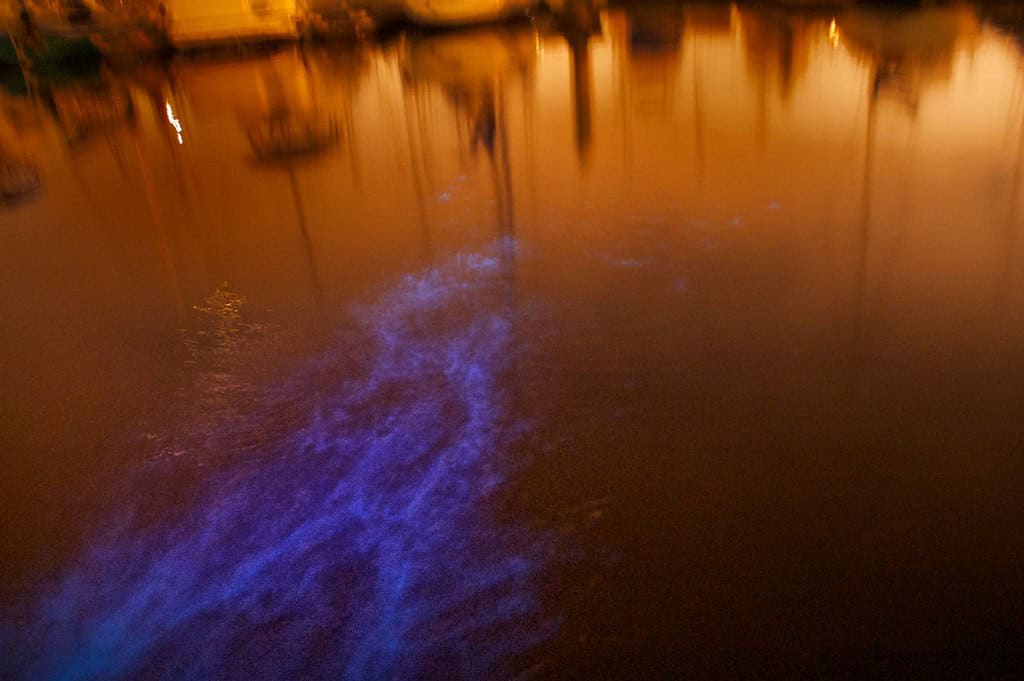
Animals produce light through two distinct processes: bioluminescence and biofluorescence. Bioluminescence is the production of light through a chemical reaction within an organism, typically involving a compound called luciferin interacting with oxygen, catalyzed by an enzyme called luciferase. This reaction releases energy in the form of light rather than heat—a remarkable efficiency that human technology still cannot match. Biofluorescence, on the other hand, occurs when organisms absorb light at one wavelength and re-emit it at another, often appearing as a different color. Unlike bioluminescence, biofluorescent creatures require an external light source to glow. These distinct mechanisms have evolved independently across multiple animal lineages, demonstrating the power of convergent evolution when a trait offers significant survival advantages.
Glowing Masters of the Deep Sea

The deep sea represents the largest habitat on Earth and houses the greatest diversity of bioluminescent organisms. In these lightless depths where sunlight cannot penetrate, approximately 90% of marine creatures produce their own light. The anglerfish, perhaps the most famous deep-sea luminary, dangles a glowing lure from its head to attract prey. This light is actually produced by symbiotic bacteria living in the lure. Lanternfish, despite their small size (typically under 6 inches), constitute about 65% of the deep sea’s biomass and produce light from specialized organs called photophores arranged in patterns unique to each species. Vampire squid can eject glowing mucus clouds when threatened, creating a disorienting display that allows them to escape. These adaptations showcase how bioluminescence has become essential for survival in an environment where darkness is the norm rather than the exception.
Fireflies: Nature’s Light Show Artists
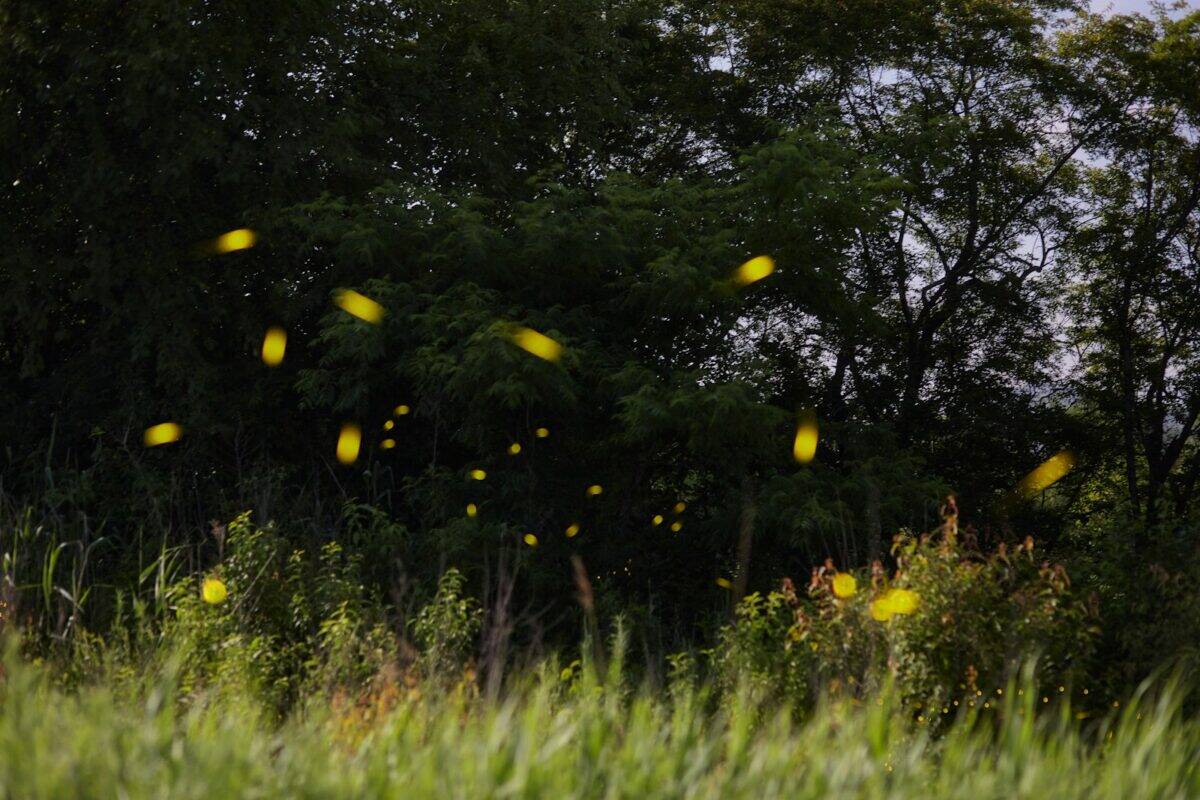
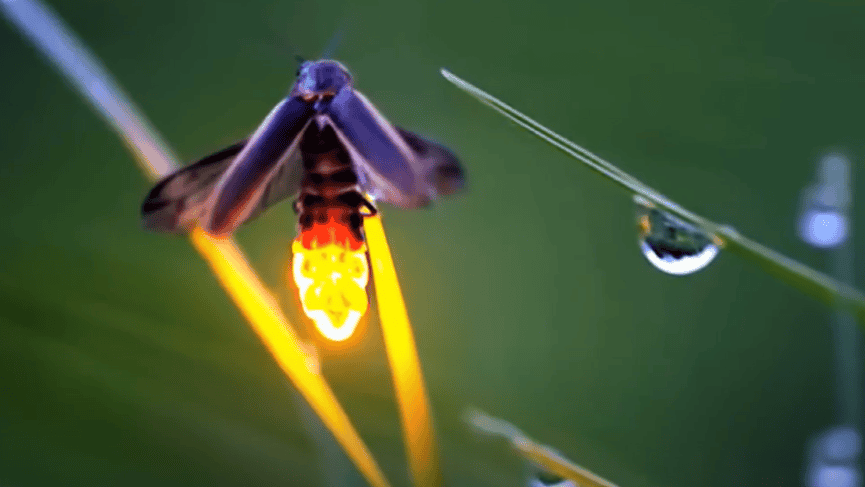
Few bioluminescent displays are as beloved as the synchronized flashing of fireflies on summer evenings. These beetles, comprising over 2,000 species worldwide, produce light through a chemical reaction in their abdomens. What makes fireflies particularly fascinating is their species-specific flash patterns—complex visual languages used primarily for mating. Males fly through the air emitting light in distinctive patterns, while females respond with their own flashes from perches on plants. In Malaysia, the phenomenon reaches spectacular heights along riverbanks where thousands of male fireflies synchronize their flashing on mangrove trees, creating pulsating waves of light. Unfortunately, light pollution increasingly threatens these displays, as artificial lighting disrupts their communication signals and reproductive cycles. Some firefly species, like the femme fatale fireflies (Photuris), have evolved to mimic the flash patterns of other species, luring male fireflies of those species to become their prey.
Glowing Fungi: The Forest’s Hidden Light

While not animals, bioluminescent fungi deserve mention as some of nature’s most extraordinary light producers. Approximately 80 species of fungi glow in the dark, creating an ethereal experience for nighttime forest visitors. The ghost fungus (Omphalotus nidiformis) native to Australia and the foxfire (Armillaria mellea) found in North America produce an eerie green glow from their gills. Scientists have only recently discovered why these fungi evolved to glow: the light attracts insects that help disperse their spores. The mycelium network—the vegetative part of the fungus—can illuminate entire forest floors in rare circumstances, creating what folklore has sometimes called “fairy rings” or “witch circles.” In Brazil’s Atlantic Forest, during the rainy season, entire hillsides can sparkle with the glow of bioluminescent mushrooms, creating natural constellations on the forest floor that rival the stars above.
Glowing Coral Reefs: Fluorescent Wonderlands
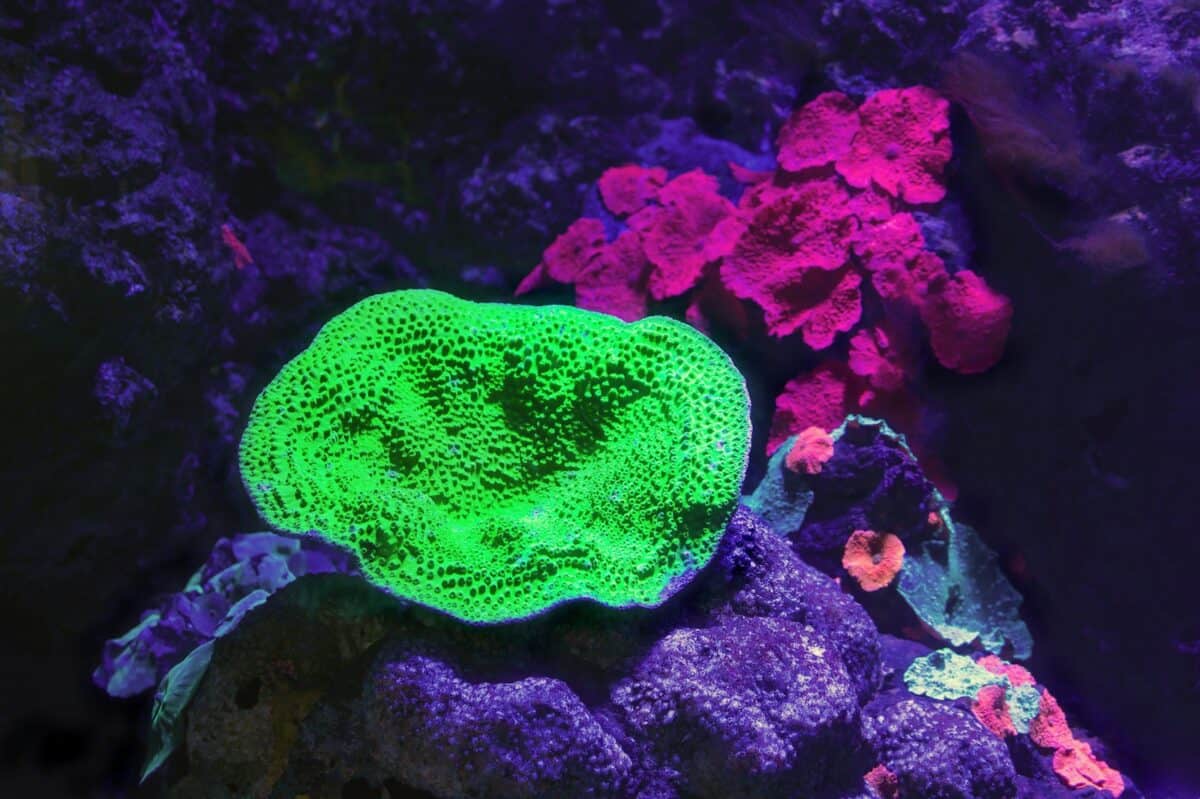
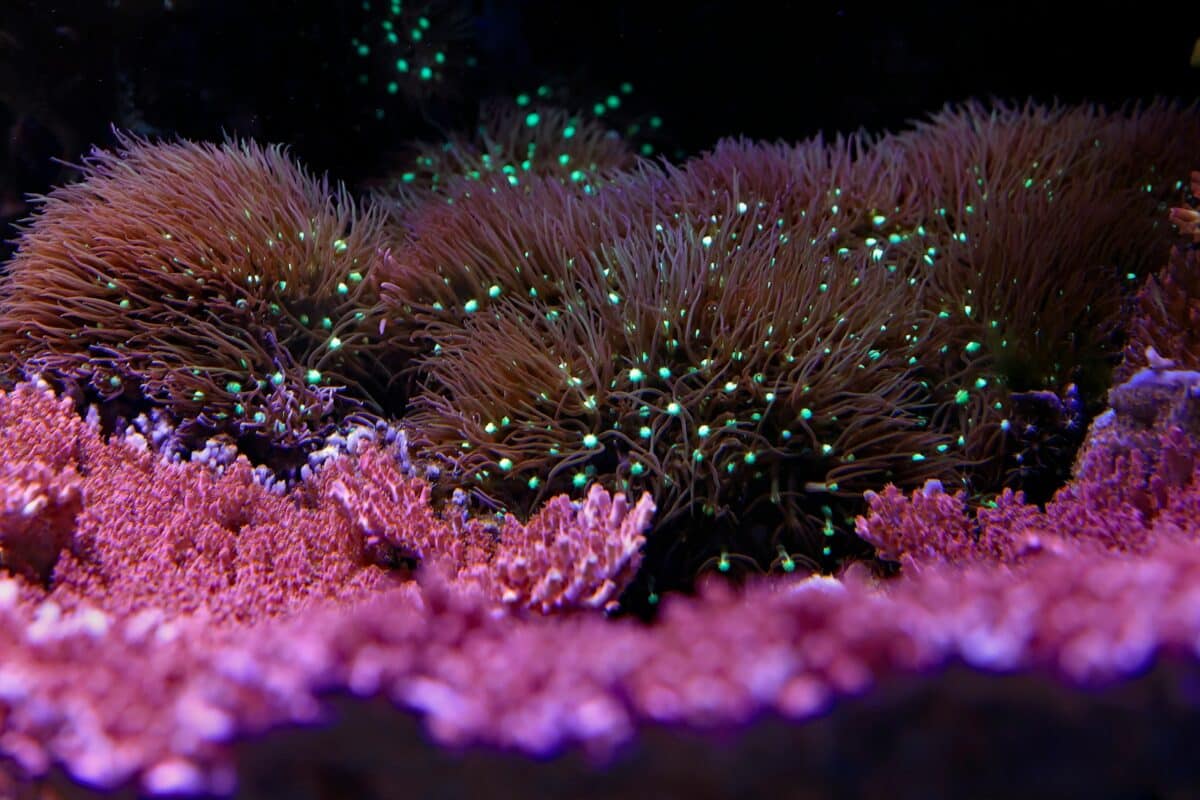
Coral reefs transform into otherworldly landscapes when viewed under specialized blue light that reveals their biofluorescence. Many coral species contain fluorescent proteins that absorb blue and ultraviolet light and re-emit it as red, green, or orange glows. This fluorescence serves multiple purposes: it acts as a sunscreen protecting coral from excessive light damage, aids in photosynthesis for their symbiotic algae, and may attract beneficial microorganisms. The discovery of Green Fluorescent Protein (GFP) from the crystal jelly (Aequorea victoria) revolutionized biological research, earning its discoverers the Nobel Prize in Chemistry in 2008. This protein, now used as a biological marker in countless scientific applications, allows researchers to track processes within living cells. Beyond corals, many reef-dwelling fish, crustaceans, and even sea turtles display striking fluorescent patterns visible only under specific lighting conditions, creating a hidden dimension of beauty invisible to the casual observer.
Glowing Sharks and Rays
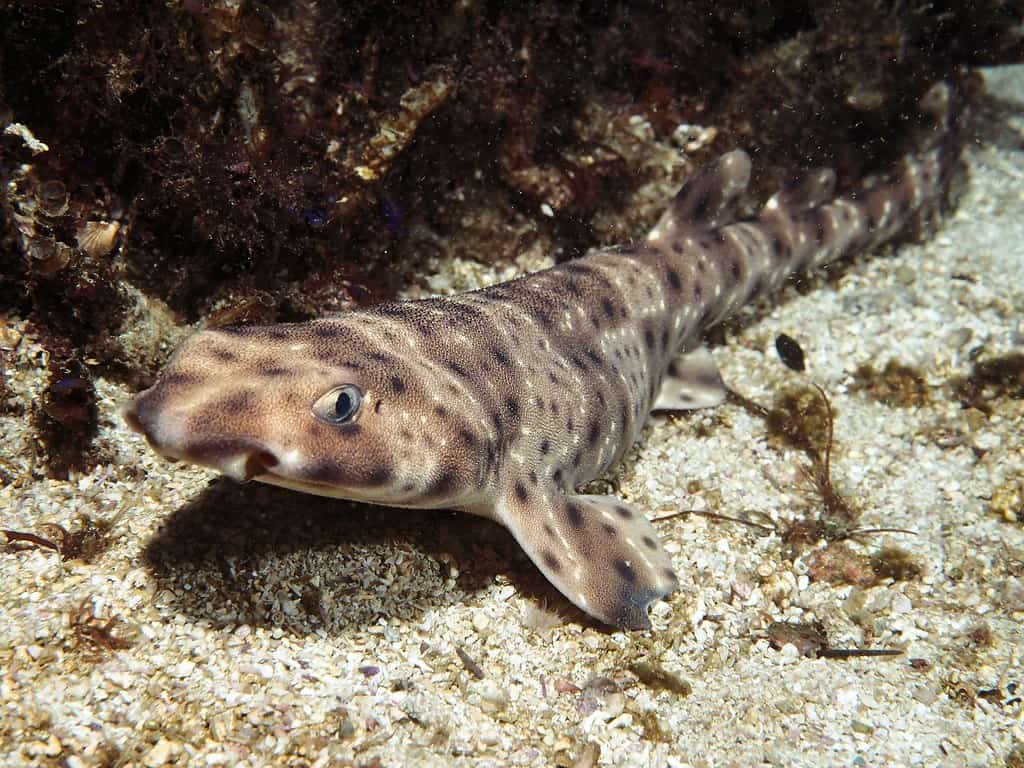
Recent scientific discoveries have revealed that many shark and ray species possess biofluorescent properties, a finding that has transformed our understanding of these animals. The swell shark and chain catshark, relatively small shark species found along the Pacific coast of North America, appear dull brown under normal lighting but transform to emit bright green patterns when exposed to blue light. This biofluorescence likely aids in intraspecies communication, as these sharks have evolved special visual filters in their eyes that enhance their ability to see these glowing patterns against the blue ocean background. Even more remarkably, researchers discovered in 2021 that kitefin sharks—the largest known vertebrate capable of producing light, reaching lengths of nearly six feet—have bioluminescent skin that helps them camouflage against downwelling light when viewed from below. These findings suggest that biofluorescence may be far more widespread among marine vertebrates than previously believed, with potential discoveries still awaiting in the ocean’s twilight zone.
Glowing Invertebrates of Land and Sea
Beyond the famous fireflies, numerous invertebrates have evolved bioluminescent capabilities. Glow worms—which are actually the larvae of various beetle and fly species—create stunning displays in caves like New Zealand’s Waitomo Caverns, where thousands create a living replica of a starry night on cave ceilings. They produce sticky, luminous threads to attract and trap flying insects. In the ocean, comb jellies (ctenophores) produce cascading waves of blue-green light along their comb rows when disturbed. Crystal jellies can produce flashes so bright they’re visible in daylight. Perhaps most spectacular are the displays of bioluminescent dinoflagellates—single-celled marine organisms that create the phenomenon known as “sea sparkle.” When agitated by wave action or movement, these microscopic creatures produce a chemical reaction resulting in blue light, making breaking waves, boat wakes, or even footprints on wet sand glow brilliantly at night in areas with high concentrations of these organisms.
Evolutionary Advantages of Glowing

Bioluminescence and biofluorescence have evolved independently dozens of times across the tree of life, suggesting these traits provide significant evolutionary advantages. The primary functions include defense (startling predators or creating confusion), attracting prey (like the anglerfish’s lure), counterillumination camouflage (matching downwelling light to become invisible from below), and communication (particularly for mating displays). In deep-sea environments where food is scarce, the ability to produce light represents a substantial energy investment, underscoring its critical importance for survival. For some species, like certain squid, bioluminescent bacteria form symbiotic relationships with the host animal, receiving nutrients and shelter while providing light. The prevalence of these traits across vastly different animal groups—from bacteria to vertebrates—demonstrates a fascinating case of convergent evolution, where unrelated organisms independently developed similar solutions to environmental challenges.
Rare and Recently Discovered Glowing Animals
Scientific exploration continues to uncover new bioluminescent and biofluorescent species, particularly in deep-sea environments. In 2020, researchers documented biofluorescence in platypuses, making them the first known mammals with this trait. Their fur absorbs UV light and emits a blue-green glow, though the biological purpose remains unclear. Deep-sea expeditions regularly discover new bioluminescent creatures, like the “cosmic” jellyfish (Atolla wyvillei) with its intricate ring of glowing organs, or the stoplight loosejaw dragonfish that can produce red light—extremely rare in marine bioluminescence. The ultra-black deep-sea fish discovered in 2020 absorb over 99.5% of light, making their bioluminescent lures stand out dramatically against their nearly invisible bodies. Even in well-studied environments, new discoveries occur: in 2019, scientists found that flying squirrels fluoresce pink under UV light, adding to growing evidence that mammalian biofluorescence may be more common than previously thought. These discoveries highlight how much remains unknown about the secret world of animal illumination.
Human Applications of Bioluminescence

The natural light-producing capabilities of bioluminescent organisms have inspired numerous scientific and technological innovations. The most significant impact has come from Green Fluorescent Protein (GFP), now an indispensable tool in medical research that allows scientists to track protein expression, cell development, and disease progression. Newer applications include using engineered bioluminescent bacteria as biosensors to detect environmental toxins or pathogens. Some innovative companies are exploring bioluminescent trees and plants as sustainable alternatives to electric street lighting. Medical imaging has benefited from luciferase-based techniques that allow researchers to visualize tumors or track the effectiveness of drug treatments in real-time within living organisms. Engineers studying deep-sea bioluminescent organisms have drawn inspiration for developing energy-efficient lighting systems. These applications demonstrate how understanding nature’s light-producing mechanisms can lead to transformative technologies with far-reaching benefits for human health, environmental monitoring, and sustainable development.
Threats to Bioluminescent Ecosystems

Many of nature’s living light shows face significant threats from human activities. Light pollution presents a particular challenge, disrupting natural behaviors of bioluminescent organisms, especially those that rely on darkness for their displays and communication. Firefly populations have declined globally, with artificial lighting interfering with their mating signals. Marine bioluminescent organisms face threats from climate change, as warming oceans and changing chemistry affect both their habitats and the chemical processes required for light production. Ocean acidification particularly threatens bioluminescent plankton, which form the base of many marine food webs. Habitat destruction impacts specialized environments like the bioluminescent bays of Puerto Rico, where development and pollution have degraded these rare ecosystems. Increased boat traffic and tourism can also disrupt the delicate balance of bioluminescent waters, though sustainable ecotourism initiatives can help raise awareness about the importance of preserving these natural wonders. Conservation efforts focused on reducing light pollution, mitigating climate change, and protecting critical habitats are essential for ensuring future generations can experience these remarkable biological light shows.
Where to Witness Bioluminescence in Nature

For those wishing to experience natural bioluminescence firsthand, several destinations around the world offer spectacular displays. Puerto Rico’s three bioluminescent bays—Mosquito Bay on Vieques Island (often considered the brightest in the world), La Parguera, and Laguna Grande—provide magical kayaking experiences where every paddle stroke illuminates the water. The Waitomo Caves in New Zealand offer boat tours beneath thousands of glowing glowworms. During summer months, synchronous fireflies create unforgettable displays in the Great Smoky Mountains National Park (Tennessee) and Congaree National Park (South Carolina), with limited viewing permits available through lottery systems. The “blue tears” phenomenon along the shores of Matsu Islands, Taiwan, presents spectacular blue waves created by high concentrations of dinoflagellates. In the Maldives and parts of Thailand, bioluminescent plankton create glowing shorelines best viewed during new moon periods. The Luminous Lagoon in Jamaica offers year-round displays where swimmers can be surrounded by glowing water. These natural spectacles provide not just breathtaking experiences but opportunities to connect with one of nature’s most magical phenomena while raising awareness about the importance of preserving these delicate ecosystems.
Conclusion: Illuminating the Mysteries of Natural Light

The secret world of animals that glow represents one of nature’s most enchanting evolutionary innovations, where chemistry and biology combine to create living light. From microscopic marine plankton to deep-sea predators, from forest floors to tropical coral reefs, these illuminated creatures have evolved remarkable adaptations that continue to inspire scientific discovery and human wonder. As research techniques advance, scientists continue uncovering new glowing species and deeper understanding of how and why these mechanisms evolved across such diverse animal groups. The applications derived from studying these natural light producers have revolutionized fields from medicine to environmental monitoring, demonstrating the profound value of biodiversity beyond its inherent beauty. By protecting these glowing creatures and their habitats, we preserve not just extraordinary natural phenomena but potential solutions to human challenges that may lie encoded in the chemistry of living light.

- Can Snakes Give Birth Without Mating? - July 15, 2026
- The Hidden Desert Beneath a U.S. Forest—A Strange Natural Twist - July 15, 2026
- Rare Shark Sighting Alarms Scientists Near Baja California - July 15, 2026