

The One Gesture That Changes Everything: The Uninvited Hug
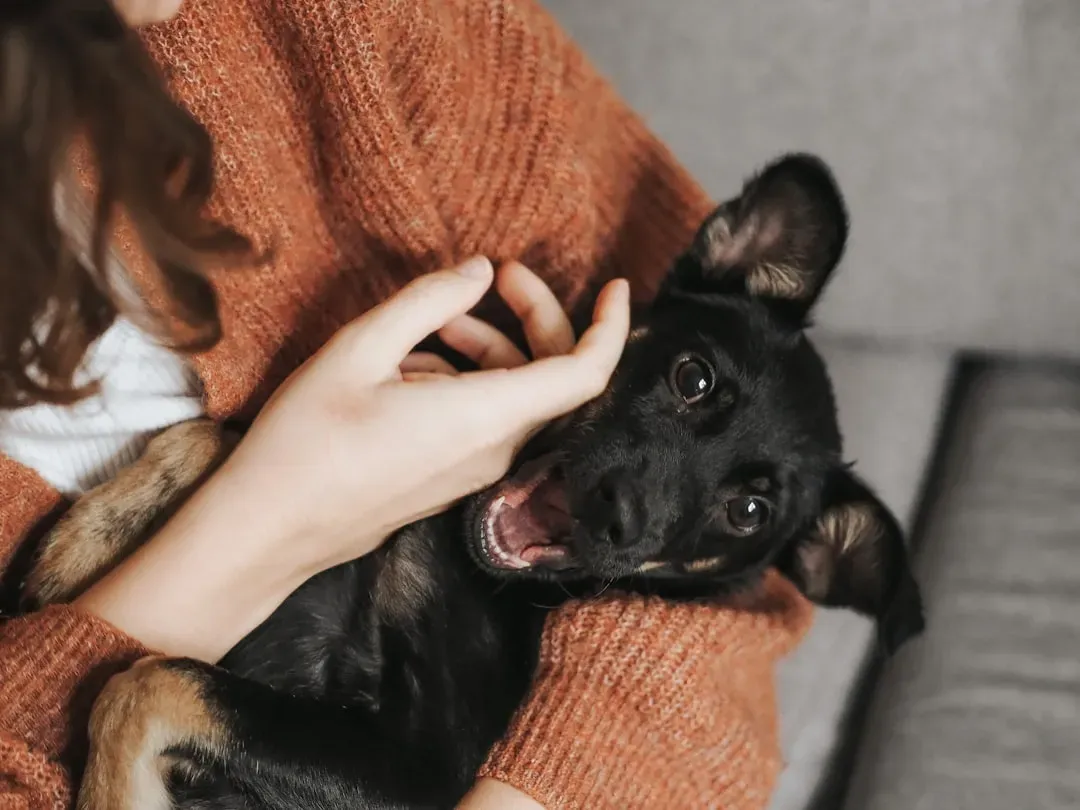
Of all the daily habits that accidentally send the wrong message, hugging sits at the top of the list. It feels so natural to us. A squeeze is warmth, connection, love. The problem is that dogs don’t share that emotional vocabulary.
Dogs are what’s called “cursorial animals,” meaning they’re built to run. When they’re anxious or scared, flight is their first move, not fight. So when we pin them in place with a hug, we take away that option, which can heighten stress and even provoke a defensive bite.
In a widely cited study, a researcher looked at 250 random online photos of people hugging their dogs and found that 82 percent of the dogs were visibly uncomfortable. Only 7.6 percent looked truly at ease. The humans in nearly all those photos were smiling. Their dogs were quietly distressed. The mismatch is striking.
We assume a dog being still is a dog being chill. Often, stillness is a freeze response – not affection, but stress. That frozen, tolerant quality that looks like a dog enjoying a cuddle is frequently the canine equivalent of holding your breath and waiting for it to stop.
The Hard Stare: When Your “I Love You” Looks Like a Threat
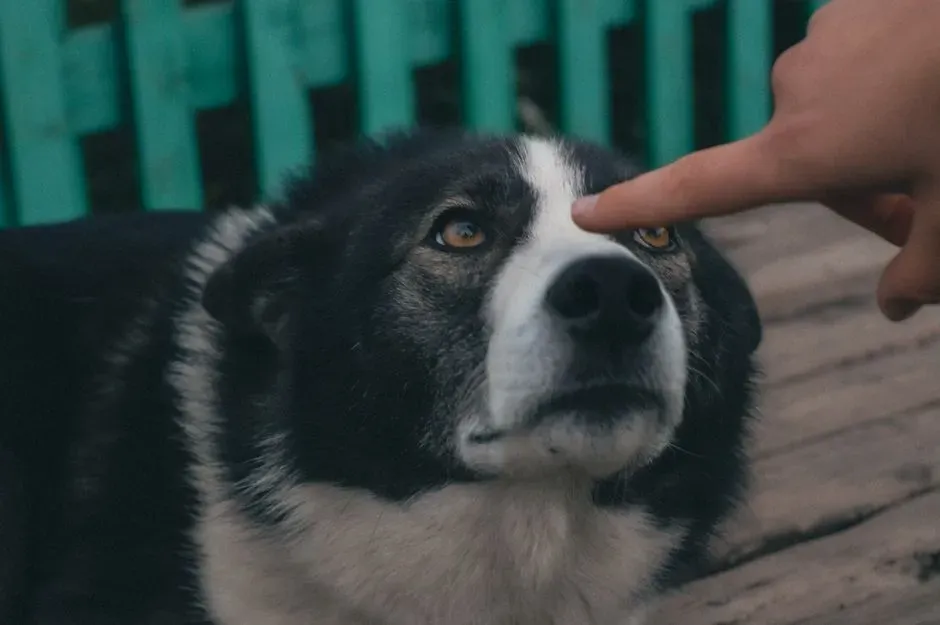
Direct, sustained eye contact is how humans show attention and sincerity. In dog language, it means something very different. In the dog world, direct eye contact often serves as a challenge or threat display. So when you lean in and lock eyes with your dog, holding their gaze the way you would a friend’s, you may be triggering a low-grade alarm rather than a warm connection.
Direct, hard stares usually indicate challenge, threat, or intense focus and can escalate conflicts. Most owners never consider that a loving gaze from a human could read as intimidating to the animal receiving it. Dogs have inherited this behavior from their wolf ancestors, for whom direct staring could escalate into confrontation. By averting their gaze, your dog is saying “I come in peace” while still showing interest in interaction.
There is nuance here worth understanding. Soft, calm gazes often indicate contentment, affection, and trust. Mutual gentle eye contact between a dog and its owner has been shown to trigger the release of oxytocin, often called the “bonding hormone,” which strengthens the emotional connection and trust. The key distinction is the quality of the gaze – soft and relaxed versus fixed and unblinking. One builds the bond. The other strains it.
The Misread Yawn: Dismissing a Real Plea for Calm
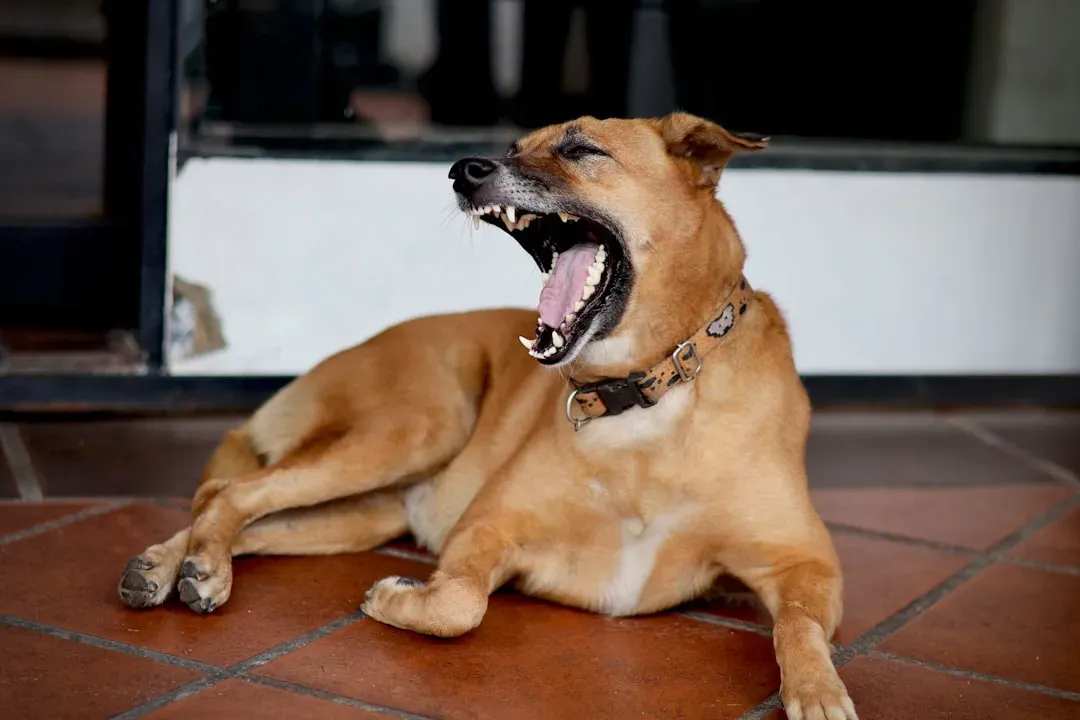
You’re doing something your dog finds stressful, and they yawn. You think nothing of it. Maybe you even smile at how tired they look. When your dog yawns, it does not always mean they are sleepy. It often shows up in moments when they feel uneasy or overwhelmed, helping them release tension. You might notice it during training, at the vet, or when they are around new people.
People yawn when they’re tired or bored, but dogs yawn when they’re stressed. According to Turid Rugaas, author of “On Talking Terms With Dogs: Calming Signals,” dogs use yawning to calm themselves in tense situations and to calm others, including their owners. By ignoring this signal, owners miss a direct, gentle communication from their dog that says: please slow down, this is too much for me right now.
Calming signals are a group of behaviors identified by Norwegian dog trainer Turid Rugaas that dogs use to reduce social tension, communicate peaceful intent, or self-regulate stress. Common calming signals include yawning, lip licking, looking away, turning the head or body, blinking slowly, sniffing the ground, and shaking off. They are typically low-intensity signals that appear early in a stress sequence – exactly the ones most owners miss. Most people have never heard of this system, which means most dogs are being regularly misunderstood by the people who love them most.
Lip Licking and the Nervous Tongue Flick Nobody Notices
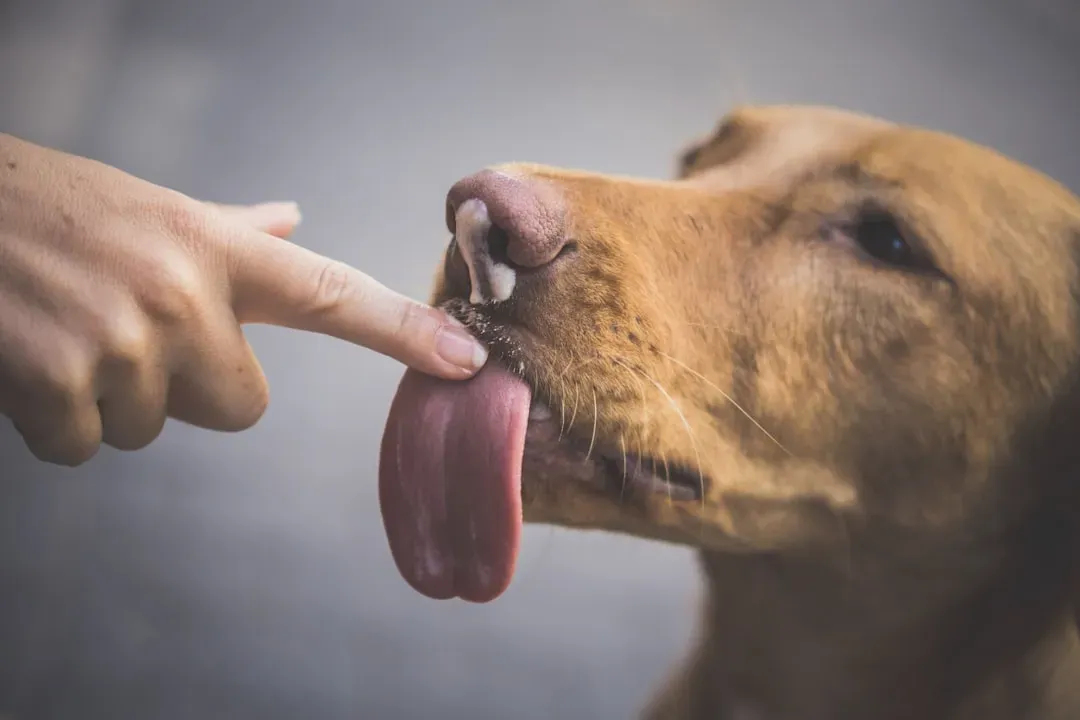
Lip licking is often mistaken as a sign of hunger or anticipation, but in many situations, it points to stress. Dogs use it as a calming signal when they feel uneasy or unsure. If you notice repeated lip licking in a new or tense environment, it usually means the dog is trying to cope with discomfort and is not fully at ease.
Lip-licking is a bit of dog body language that people often misinterpret. Just like people, dogs will lick their lips after a delicious meal, but they’ll also do it when they feel anxious. Sometimes the tongue flick is so quick it’s tricky to notice. It lasts less than a second and gets filed away as nothing. In reality, it’s your dog asking you in the quietest possible way to please back off a little.
Ignoring early stress signals is one of the most common mistakes owners make. Yawning, lip licking, and looking away are easy to dismiss as irrelevant. Consistently missing them means the dog learns that only intense signals get a response – and the signals escalate accordingly. A dog who once used subtle cues eventually learns they don’t work, and the warnings get louder.
Whale Eye and What Your Dog’s Face Is Actually Telling You
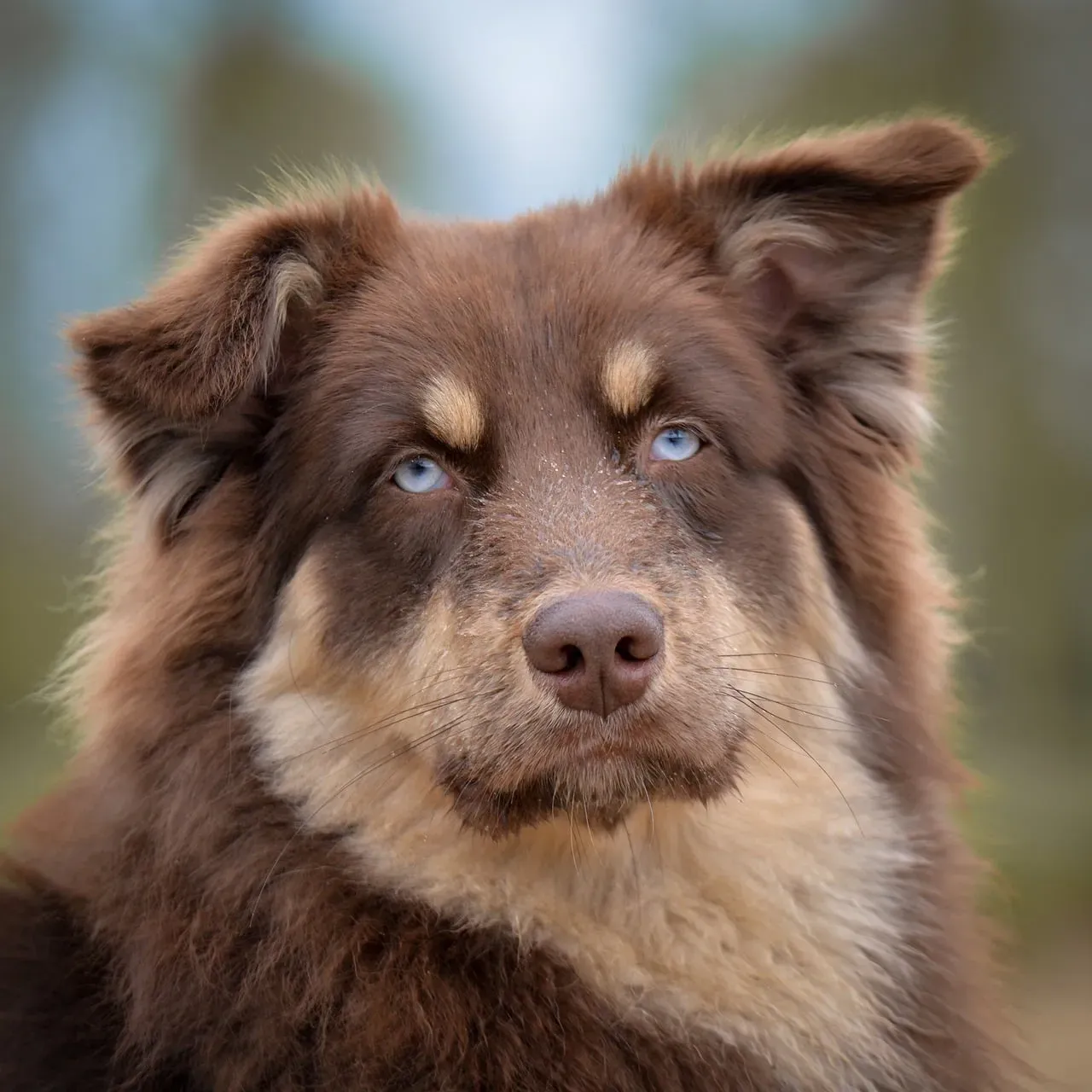
Whale eye sounds dramatic, but it happens in the most ordinary moments. Your dog turns their head slightly away while you’re holding them close, and you can see the white crescent at the edge of their eye. It looks almost comical. It isn’t. You might notice your dog turn their head slightly while keeping their eyes locked on something, with the whites clearly visible. This look, often called “whale eye,” usually means they are feeling uneasy or on edge. They are trying to avoid direct conflict while still tracking what is bothering them.
When a dog shows the whites of their eyes, it means they feel stressed or anxious. Known as whale eye, it’s important to recognize that you’re pushing a dog out of their comfort zone. If you don’t back off, they might feel the need to snap or bite. This is one of those signals that, if understood early, can prevent a situation from escalating into something nobody wanted.
Research from the American Kennel Club’s training experts makes the pattern plain: humans consistently misinterpret certain dog facial expressions. People often mistake positive anticipation as frustration, appeasement as happiness, distress as surprise, fear as happiness, and sadness as fear. The emotional translation is genuinely hard, and most of us were never taught how to do it.
Forced Interactions: When Good Intentions Override Your Dog’s Voice
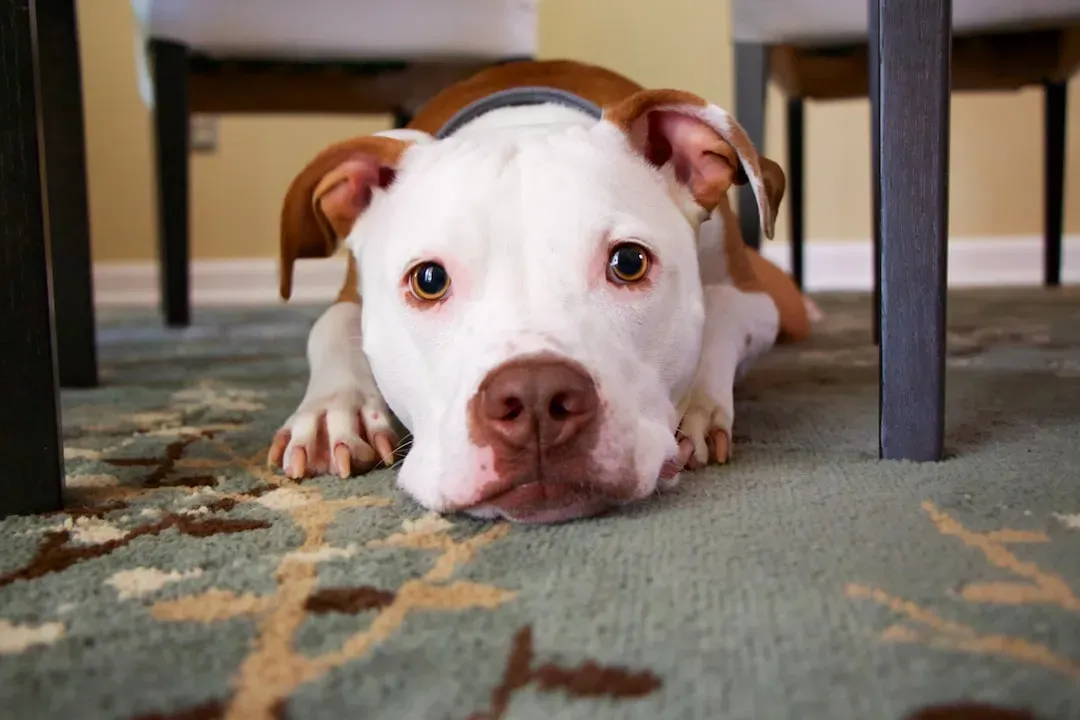
There’s a well-meaning but problematic habit many owners have: deciding that their dog needs to meet someone, needs to be held by a child, or needs to get used to something. Forcing a dog toward another dog or person against their clearly communicated preference – because you decide it will be “fine” – teaches the dog that their signals don’t work. This is one of the most reliable pathways to reactive behavior.
Allowing dogs to approach voluntarily makes a significant difference. Forcing interactions can cause stress and anxiety. When a dog’s attempts to communicate discomfort are repeatedly ignored or overridden, they stop bothering with the early, polite warnings and skip straight to the louder ones. When you notice stress signals early, you are better able to respond in the right way. This helps prevent confusion and also builds a stronger, more trusting connection between you and your dog in everyday life.
Respecting your dog’s communication – if your dog shows signs of discomfort, removing them from the situation rather than forcing them to tolerate it – is one of the most important things an owner can do. It costs you nothing. It tells your dog that their voice matters. That single act of listening builds more trust than most people realize.
How to Actually Show Your Dog You Love Them
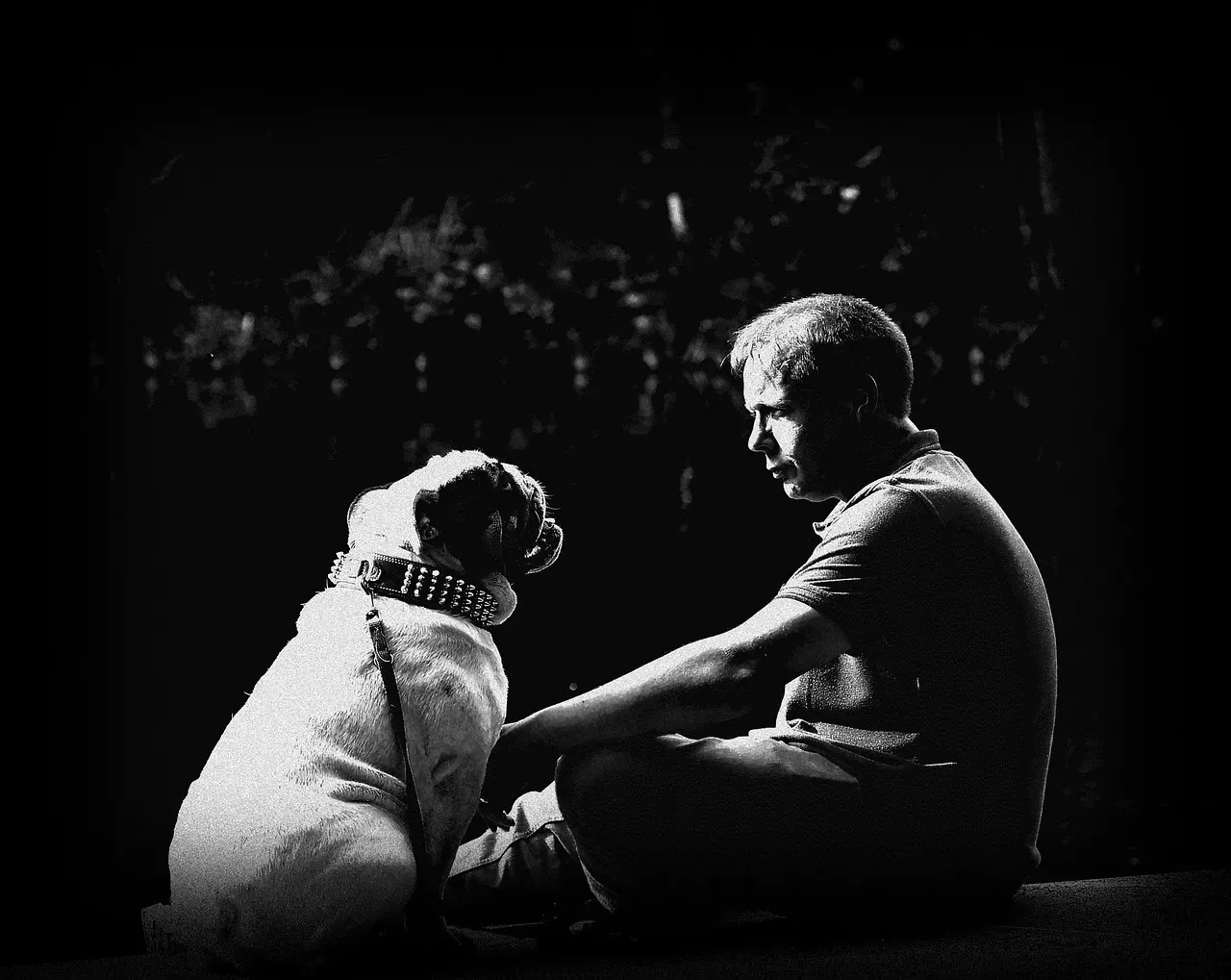
The shift isn’t complicated. It just requires paying attention to a language we were never formally taught. Dogs communicate how they feel through body language – including their ears, eyes, mouth, posture, and tail – and understanding these signals helps prevent fear, stress, and bites while strengthening your bond. Noticing the whole picture, rather than a single signal like a wagging tail, is where it starts.
Reading, understanding, and responding to your dog’s body language is a key part of the companion-to-owner relationship. By understanding their cues and appropriately advocating for your dog, owners can continue to ensure their dogs remain happy, comfortable, and safe. Advocacy is the right word here. Your dog can’t tell the room to slow down. You have to do that for them.
Dogs that feel consistently heard and responded to appropriately develop deep, reliable trust with their owners. That’s not a small thing. Mutual gentle eye contact between a dog and its owner has been shown to trigger the release of oxytocin, the “bonding hormone,” which strengthens the emotional connection and trust. The warm relationship you want with your dog is absolutely possible. It just requires speaking a little more of their language, and a little less of yours.
Conclusion
Here’s what this really comes down to: the gestures that accidentally say “I don’t love you” to your dog aren’t signs of bad ownership. They’re signs of a species gap that almost nobody talks about. Owners who hug, stare, and override their dog’s signals aren’t cruel – they’re simply unaware that an entirely different conversation is happening beneath the surface of every interaction.
The evidence is clear enough that this shouldn’t stay niche knowledge reserved for behaviorists and trainers. Reading, understanding, and responding to your dog’s body language is a key part of the companion-to-owner relationship. By understanding their cues and appropriately advocating for your dog, owners can continue to ensure their dogs remain happy, comfortable, and safe.
Your dog has been trying to talk to you this whole time. The most loving thing you can do now is finally start listening – not with words, but with your eyes wide open to theirs.

- 10 Cat Breeds That Love Following Their Owners Everywhere - July 19, 2026
- The Only Place in North America Where You Can Legally Watch a Wild Jaguar From the Roadside – and Why Almost No One Makes the Trip - July 19, 2026
- Which Deep-Sea Creature You Are According to Your Zodiac Sign – and What It Reveals About How You Process Fear - July 19, 2026