

Most people think they know what a wagging tail means. It’s happiness, right? A dog bounding toward you, tail going like a metronome, must be overjoyed to see you. That assumption, as comforting as it is, turns out to be one of the most common misreads in the entire relationship between humans and dogs.
The truth is considerably more nuanced, and once you understand what’s really going on behind that wag, you start to see your dog in a whole new light. There’s an entire emotional vocabulary encoded in the speed, position, and direction of that tail, and most of us have been skimming right past it for years.
#1: A Wagging Tail Doesn’t Always Mean What You Think
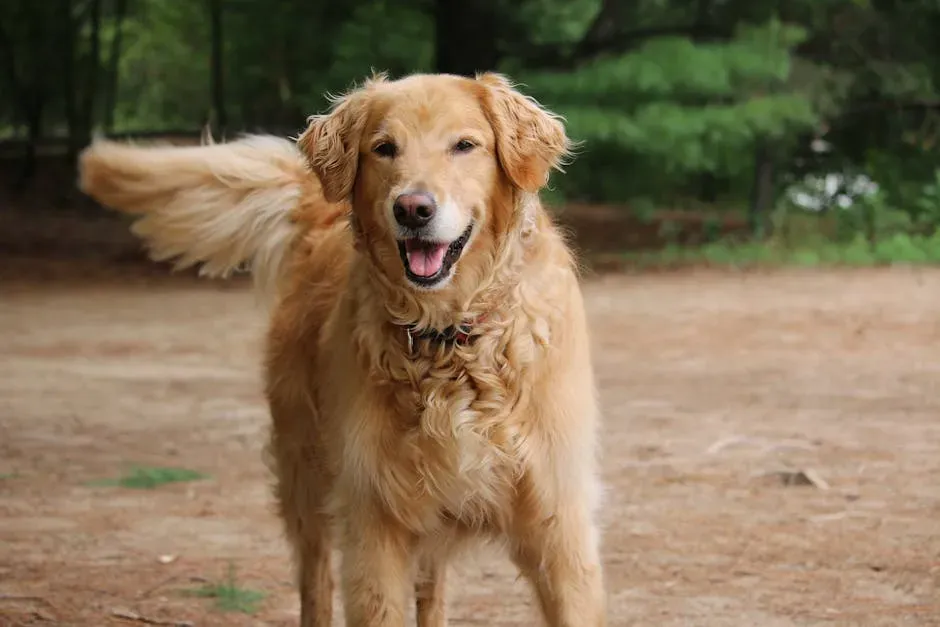
When a dog wags its tail, most people interpret it as the dog expressing happiness and friendliness. Though tail wagging can express these positive emotions, it can also be an indication of fear, insecurity, the challenging of dominance, or a warning sign that the dog may bite. That’s a sobering thought, especially for anyone who’s confidently reached out to pet an unfamiliar dog mid-wag.
Dogs experiencing emotional conflict may begin to wag their tails rapidly as a reflection of their discomfort. Tail wags are often misinterpreted to mean that the dog is “friendly” and wants to engage, when the dog may actually be trying their best to find a way to end the interaction. In some cases, this miscommunication ends with physical confrontations such as snaps or bites.
Research has shown that tail wagging is associated with a dog’s inner state, related to the emotional state in humans, and conveys sophisticated information during social interactions. Tail wagging is a context-specific behavior that reflects the inner state of the dog, including its friendliness, confidence, anxiety, and aggressiveness toward threats. In other words, the tail is closer to a mood indicator than a simple greeting flag.
#2: The Direction of the Wag Carries a Hidden Signal
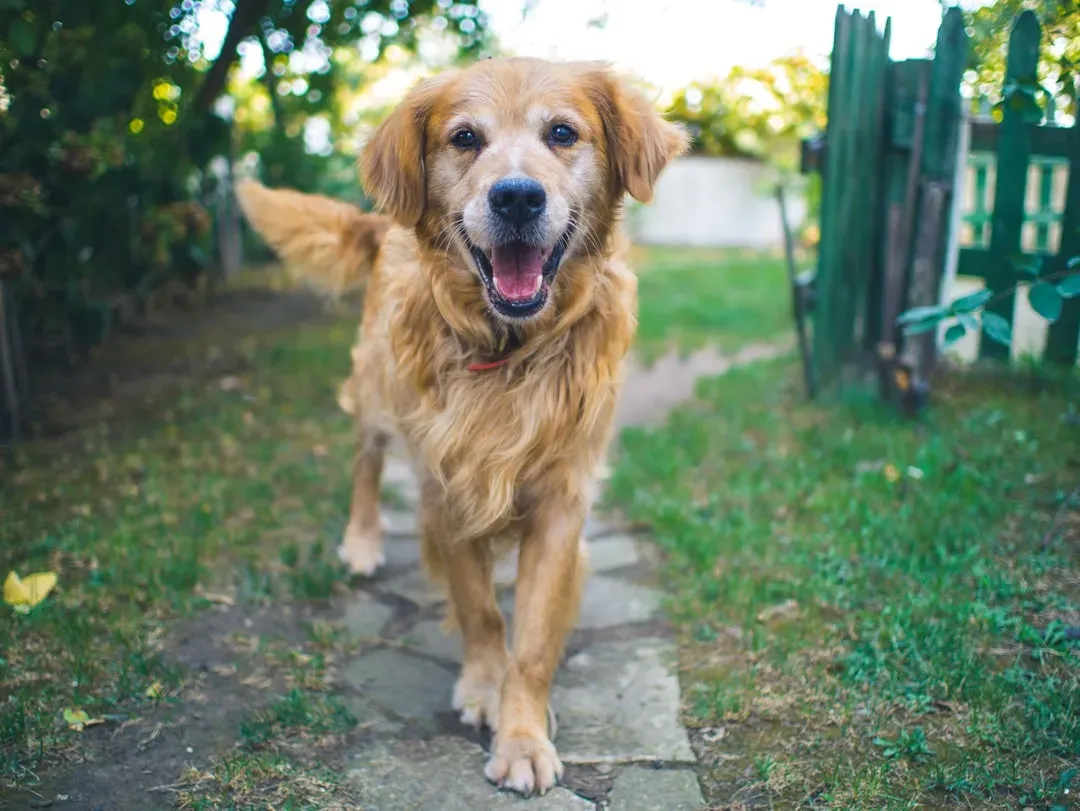
Researchers found that happy dogs wag their tails more to the right, from the dog’s own point of view, while nervous dogs wag more to the left. Their findings also show that dogs recognize and respond to these distinct patterns in other dogs. This is one of the more surprising discoveries in canine science in recent years, and it points to something genuinely deep about how dogs process emotion.
According to researchers, because the left brain controls the right side of the body and vice versa, the nerve signals cross the midline of the body and cause the dog’s tail to wag more to the right when its left brain is experiencing a positive emotion. When a dog is given a stimulus associated with a positive emotion, such as being greeted by its owner, it tends to wag its tail more towards the right. When exposed to stimuli that might elicit withdrawal, such as an unfamiliar human or a more dominant dog, they tend to wag more towards the left.
Dogs looking at video images of other dogs exhibiting left-asymmetric tail wagging showed higher cardiac activity and higher scores of anxious behavior compared to those watching right-biased tail wagging. This finding supports the hypothesis of a link between brain asymmetry and social behavior and may prove useful to canine animal welfare theory and practice. It’s remarkable that this information travels silently between dogs, almost beneath conscious awareness.
#3: Speed and Height Tell You How Intense the Feeling Is

In general, the higher the dog’s tail and the faster the wag, the greater the level of arousal. While a very high tail indicates high arousal, a very low-wagging tail most often denotes fear and appeasement. Think of it like a volume dial. The more extreme the position and speed, the louder the emotional signal being broadcast.
A tucked or low, fast-wagging tail can communicate fear or uncertainty, while a high, stiff wag can signal agitation or strong arousal. A loose wag, not really high or really low, tends to mean the dog is comfortable and friendly, though as always, the rest of the body still matters. Speed alone doesn’t tell you the full story without context.
Most often, a dog will wag its tail in a circular motion if it is particularly overjoyed to see someone special, especially someone it hasn’t seen recently. A very friendly dog may offer this circular wag in happy excitement any time it meets someone it wants to call a friend, even someone new. If you’ve ever seen this full-body helicopter tail in action, you know exactly the kind of joy it represents. It’s about as unambiguous as canine emotion gets.
#4: Breed Differences Make Reading Tails Tricky
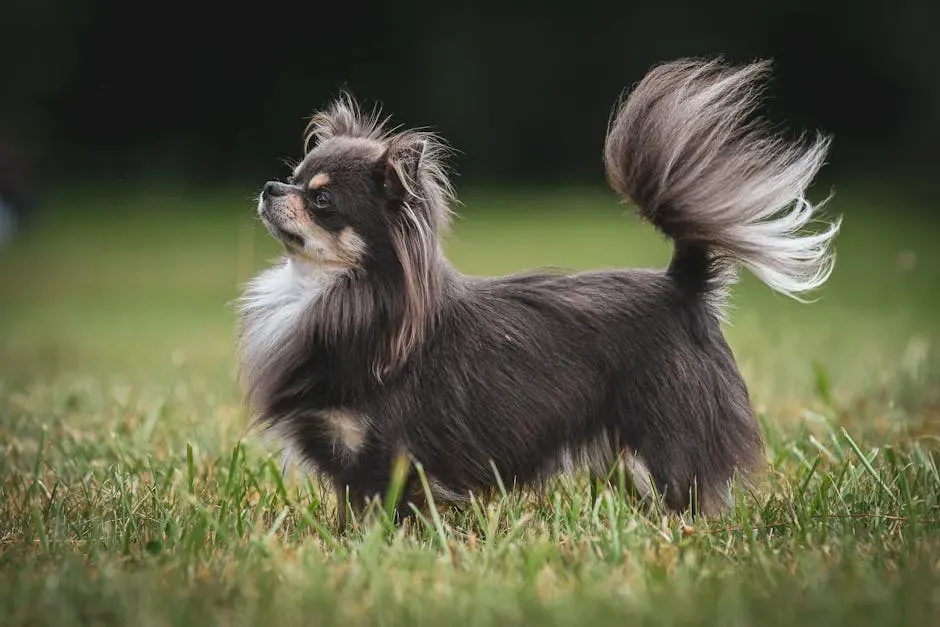
The neutral or natural position of a dog’s tail varies by breed. Most dogs have tails that hang down near their heels when relaxed, but some dogs, like beagles, hold their tails more vertically. Breeds such as greyhounds and whippets curl their tails under their bellies, while many others, such as Siberian huskies and Norwegian elkhounds, curl their tails over their backs.
Relaxed dogs hold their tails in a neutral position, but neutral depends on the breed. Some breeds, such as the Chow Chow, have tails that naturally curl over their backs, whereas others like the Italian Greyhound have a very low neutral tail position. Becoming familiar with your dog’s neutral tail position will help you recognize more quickly when their emotions have shifted.
Some breeds, like Dobermans and Boxers, have docked tails, which can make their emotions harder to read. Since these dogs rely more on body language and ear position, observing the dog’s entire posture rather than just tail movement becomes even more essential. Dogs who are born with short tails or whose tails are docked are at a significant disadvantage when it comes to tail communication altogether. It’s a reminder that tail docking isn’t a neutral cosmetic choice. It genuinely affects how a dog talks to the world.
#5: The Tail Is Just One Part of a Whole Conversation
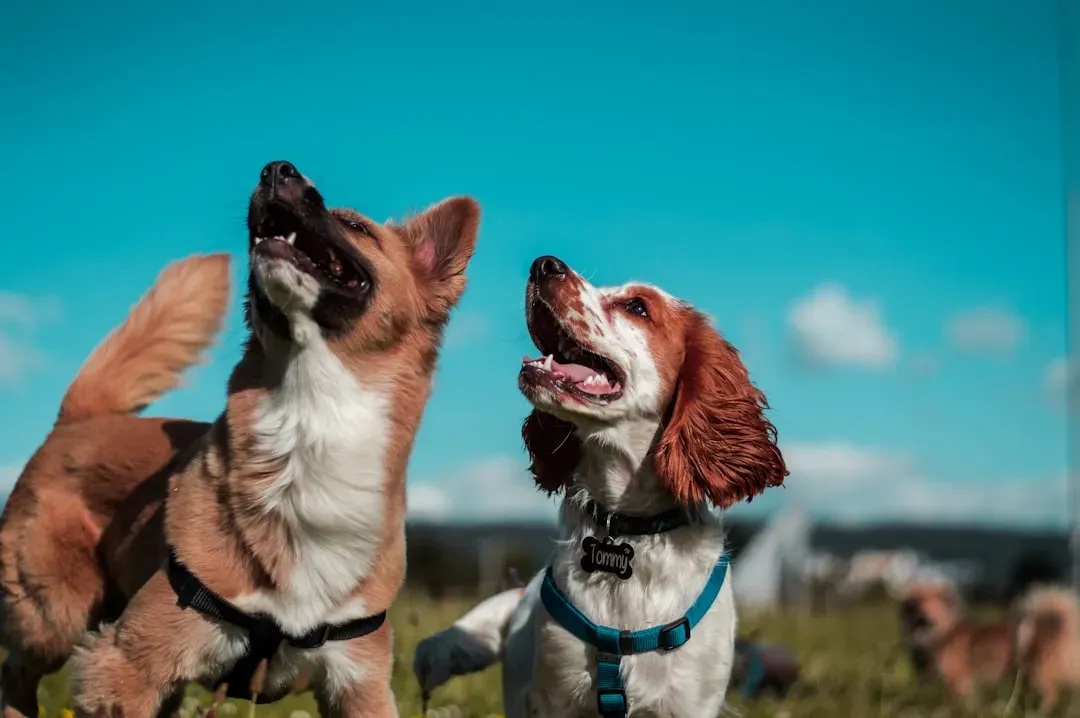
A dog’s tail is a significant indicator of its emotional state, but other aspects of body language provide a fuller picture. Ears play a key role: ears pinned back often signal fear or submission, while perked, forward-facing ears show alertness or curiosity. The eyes also offer insight, as soft, blinking eyes suggest relaxation, while hard staring can indicate aggression or fear. A dog’s mouth is another clue, since a relaxed, slightly open mouth usually means a calm dog, while a tightly closed mouth or lip licking could point to anxiety.
Dogs don’t communicate with just one body part. They use their entire body as a communication system. A wagging tail combined with a stiff body posture sends a completely different message than the same tail wag with a loose, bouncy movement. This is where reading dogs gets both harder and more rewarding. You have to take everything in together, not just fixate on the tail.
When you read a dog’s communication, you need to look at every signal the dog is using, from tail height to eye shape. Your dog is communicating with you constantly. Learning what your dog is saying helps you develop a deeper bond of trust and respect, and your understanding of its emotional state can help you predict behavior and prevent problems before they arise. That kind of attentiveness changes the relationship in ways that are hard to put into words.
Conclusion: Learning to Listen Without Words
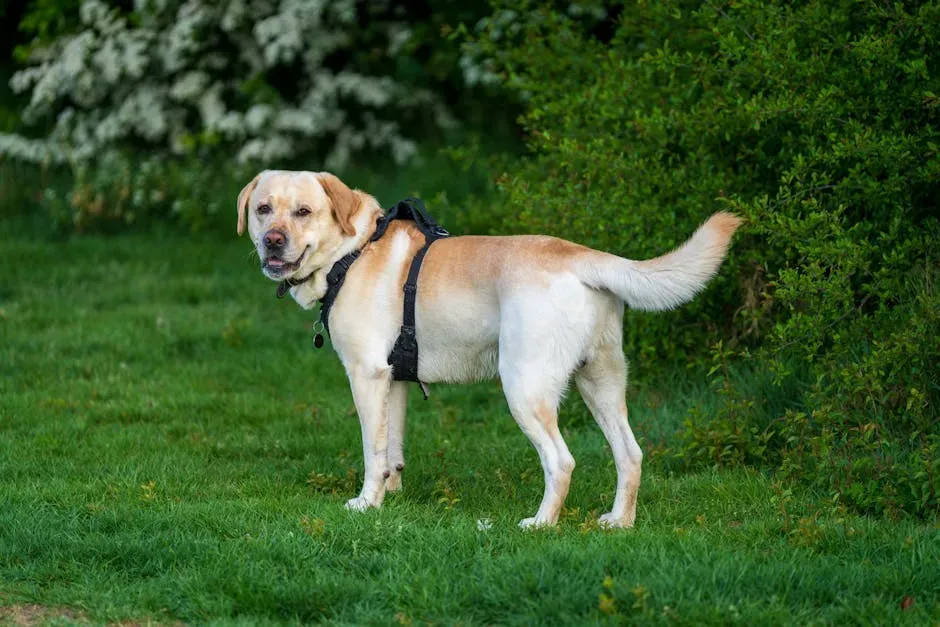
There’s something quietly humbling about realizing that dogs have been trying to tell us exactly how they feel all along, and that we’ve been missing much of it. The tail wag is not a simple “I’m happy” signal. It’s a nuanced, directional, speed-sensitive, context-dependent broadcast of internal emotional states, shaped by millions of years of evolution and refined through thousands of years of living alongside humans.
Compared to wolves, dogs wag their tails significantly more often and from a much earlier age. This suggests that their wagging behavior evolved in line with their domestication by humans, lending support to the theory that tail wagging may have arisen to allow these animals to communicate with their human companions. Dogs didn’t develop this expressive range by accident. They developed it, at least in part, because of us.
The real takeaway here isn’t a checklist of wag types to memorize. It’s an invitation to actually pay attention. Once you start observing your dog’s tail alongside its posture, eyes, and ears, all at once, you stop interpreting and start genuinely listening. That shift is small in effort and enormous in impact. Your dog has been talking. It’s worth learning the language.
