

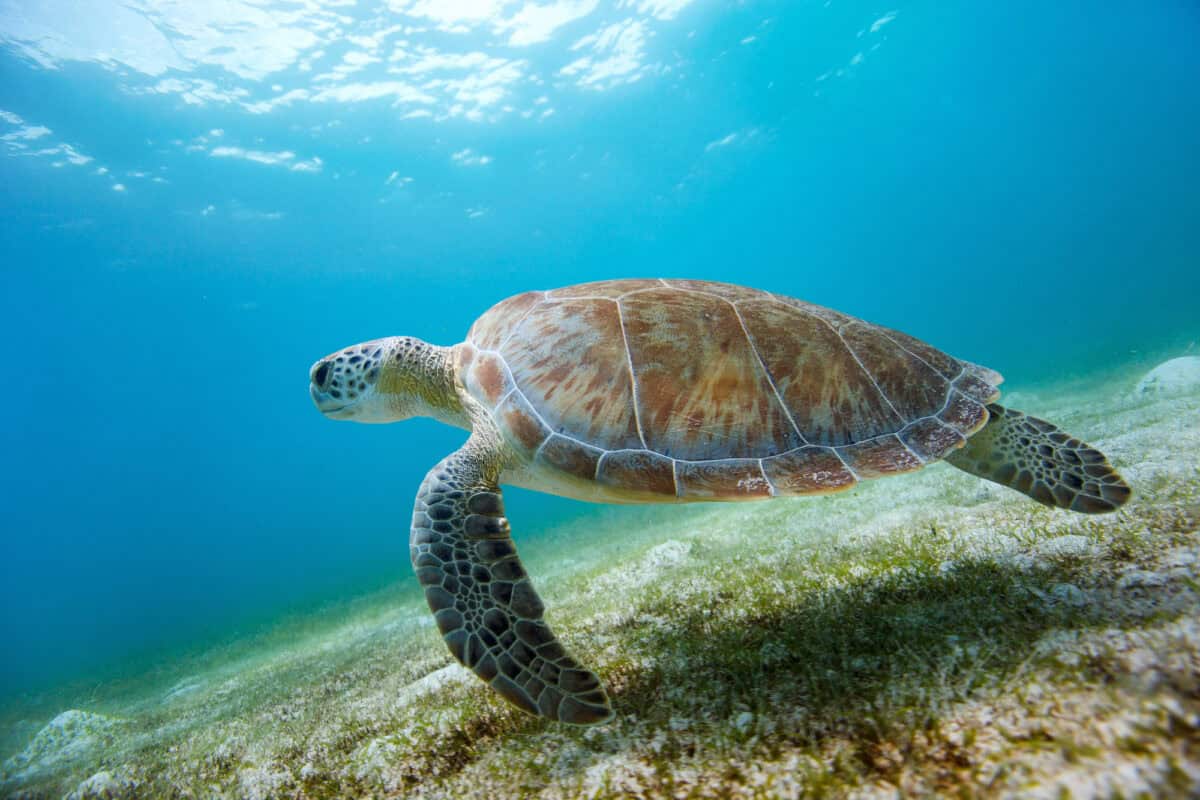
The leatherback sea turtle, the largest of all living turtles, is a remarkable marine animal whose long, slow-motion journey across the world’s oceans captivates scientists and nature enthusiasts alike. Known for its impressive migrations, distinctive physiology, and fragile place in the ecosystem, the leatherback is an enduring symbol of both the beauty and vulnerability of our oceans.
A Journey of Epic Proportions

Leatherback sea turtles undertake one of the longest migrations in the animal kingdom, sometimes traveling over 10,000 miles annually between feeding and nesting grounds. Their journeys span entire ocean basins, with turtles in the Atlantic and Pacific Oceans often traveling from the cool waters of the north to tropical beaches where they lay their eggs. This incredible feat of navigation remains largely mysterious, though it is believed that leatherbacks rely on a combination of magnetic fields, water temperature, and other environmental cues to guide their way.
Unique Adaptations for Survival

The leatherback sea turtle’s physiology is uniquely adapted to its oceanic lifestyle. Unlike other sea turtles, it lacks a bony shell, instead boasting a leathery, flexible carapace that allows it to dive to depths of up to 4,000 feet. This ability to withstand high pressure and frigid temperatures enables leatherbacks to hunt for jellyfish, their primary food source, in colder, deeper waters. Additionally, their large size helps them maintain a higher body temperature relative to the environment, a trait known as gigantothermy.
Nesting and Reproduction

Leatherback turtles return to the beaches where they were born to nest, a phenomenon called natal homing. Females usually lay between 60 to 120 eggs per clutch, and will nest several times per season. The sand temperature influences the sex of the hatchlings, with warmer sand producing more females and cooler sand yielding more males. Once the tiny turtles emerge from their eggs, they face a perilous journey to the ocean, confronting predators like crabs and birds. Only a small percentage survive to adulthood, making the protection of nesting sites critical for the species’ survival.
Challenges and Conservation Efforts

Despite their resilience, leatherback sea turtles face significant threats from human activity. Bycatch in fisheries, marine pollution, and climate change are major pressures on their populations. The destruction of nesting beaches due to coastal development and the illegal collection of eggs further exacerbate their decline. Conservation efforts, such as protecting nesting habitats, regulating fisheries, and reducing oceanic pollution, are essential for protecting these majestic creatures.
Organizations worldwide are advocating for stronger international cooperation and policy-making to ensure the survival of leatherbacks. Public awareness initiatives and community involvement are also key components in fostering a sustainable future for these turtles, emphasizing the importance of every individual’s role in conserving biodiversity.
A Symbol of Oceanic Resilience and Vulnerability

The leatherback sea turtle is not only an ocean traveler of extraordinary endurance but also a powerful symbol of the fragility and interconnectedness of marine ecosystems. Their slow-motion journey across our planet’s vast oceans serves as a reminder of the delicate balance that sustains life beneath the waves. By learning more about these incredible creatures and supporting efforts to protect them, we take meaningful steps toward ensuring that future generations can continue to marvel at the leatherback’s epic voyages.
In understanding the plight of the leatherback, we reflect on our own responsibilities and opportunities to protect the natural world, recognizing that the survival of these ancient mariners is intrinsically linked to the health of the oceans and, ultimately, the planet itself.

As a little kid, I fell in love with nature, wildlife, and animals. Living in the USA, South Africa, Italy, China and Germany gave me the opportunity to discover the world's Wildlife. My favorite animals are Mountain Gorillas, Siberian Tigers, and Great White Sharks.
I'm a certified PADI Open Water Diver, went to Everest Base Camp and Trekked Gorillas in Uganda. I hold a Master of Science in Economics and Finance.
Please send any feedback to feedback@animalsaroundtheglobe.com
- 12 Differences Between Rhinos and Hippos - June 15, 2026
- The 10 Most Resilient Animals That Can Survive Almost Anything - June 15, 2026
- 13 Mysterious Bird Migrations Scientists Still Can Not Explain - June 15, 2026
Leave a comment
You must be logged in to post a comment.