

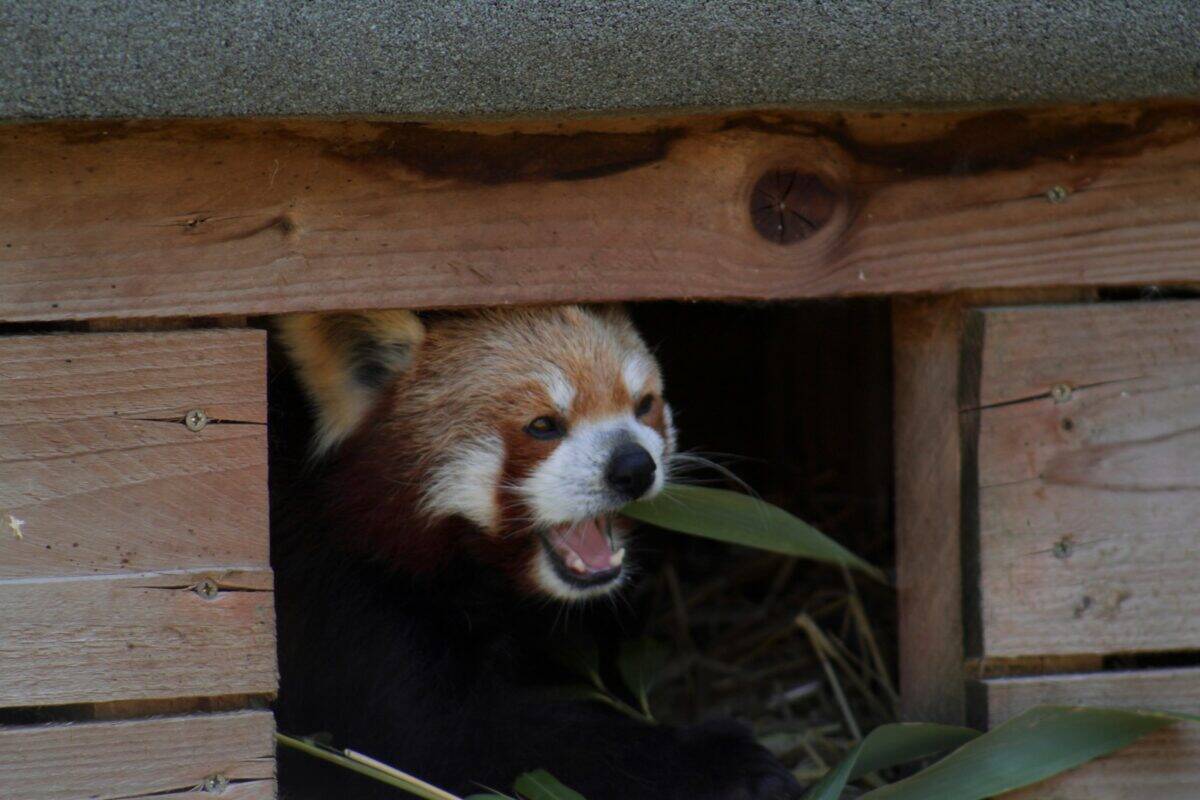
The red panda (Ailurus fulgens) is one of nature’s most enchanting creatures, with its fox-like face, rust-colored fur, and raccoon-like ringed tail. Native to the eastern Himalayan forests spanning Nepal, Bhutan, India, Myanmar, and southern China, these arboreal mammals have captivated human hearts since their scientific discovery in the early 19th century. Despite their name and some physical similarities to giant pandas, red pandas actually belong to their own unique family, Ailuridae, and evolved independently over millions of years.
Often called the “fire fox” or “lesser panda,” these cat-sized creatures spend most of their lives in trees, preferring temperate forests with bamboo understories at elevations between 2,200 and 4,800 meters. Their striking appearance—russet fur, white face markings, and bushy ringed tail—makes them instantly recognizable, yet many people have never seen one in the wild. This rarity isn’t coincidental but reflects a sobering reality: the red panda population has declined by about 50% in just three generations, placing them firmly on the International Union for Conservation of Nature’s (IUCN) endangered species list.
Current Conservation Status and Population Decline
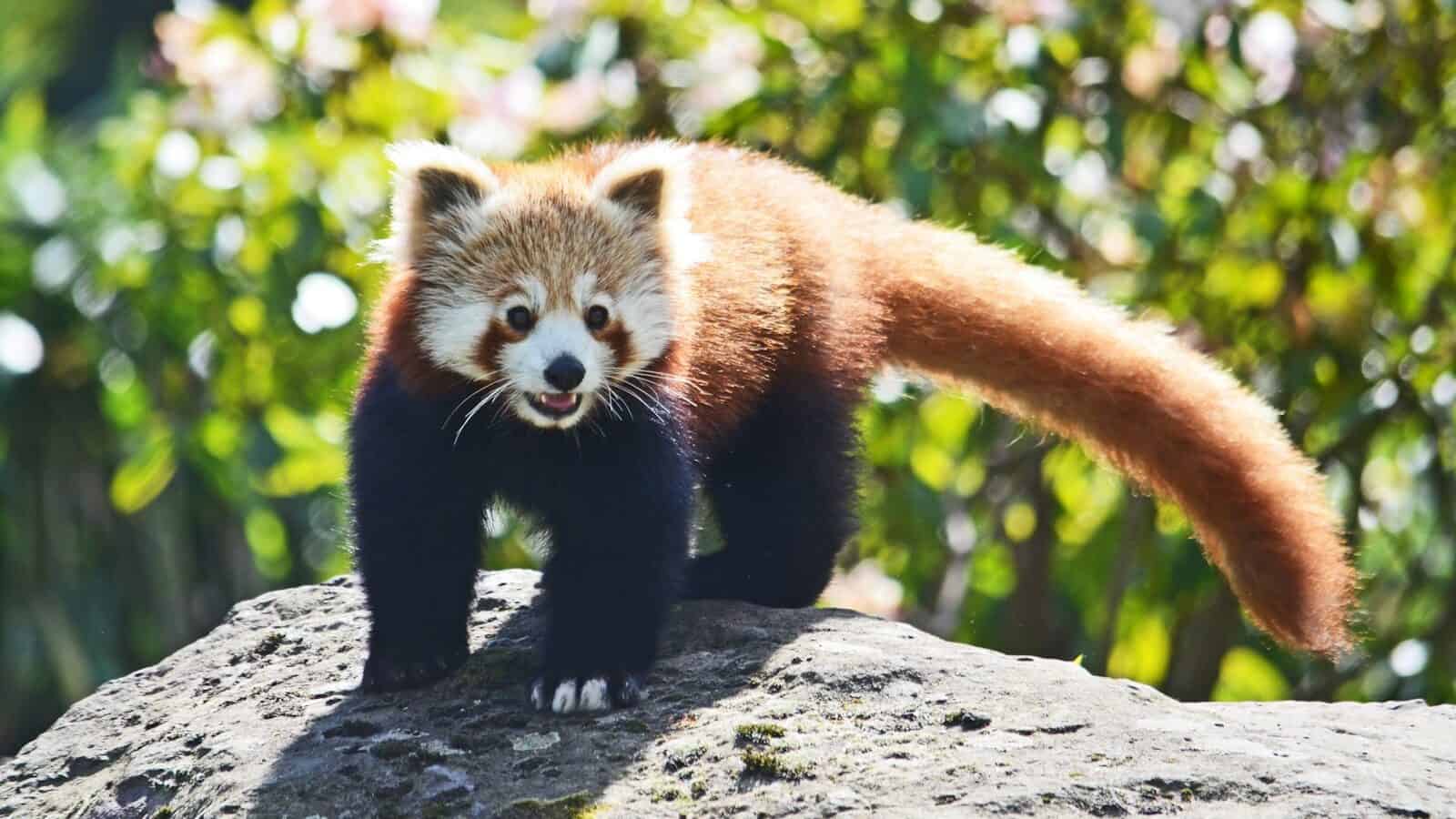
The red panda has been classified as “Endangered” on the IUCN Red List since 2015, representing a significant deterioration from its previous “Vulnerable” status. Current estimates suggest fewer than 10,000 mature individuals remain in the wild, with some researchers fearing the number could be as low as 2,500. This dramatic population decline of approximately 50% over the past two decades has triggered alarm bells among conservation organizations worldwide.
Population assessments present significant challenges due to the species’ elusive nature, remote habitat, and solitary behavior. However, comprehensive studies conducted across their range states confirm the worrying trend. In countries like Nepal and Bhutan, where some of the most intact red panda habitats remain, localized population densities have dropped from 5-6 individuals per square kilometer to fewer than 2 in many regions. This precipitous decline, continuing at an estimated rate of 10-15% per decade, places the red panda at serious risk of extinction without immediate intervention.
Habitat Loss: The Primary Threat

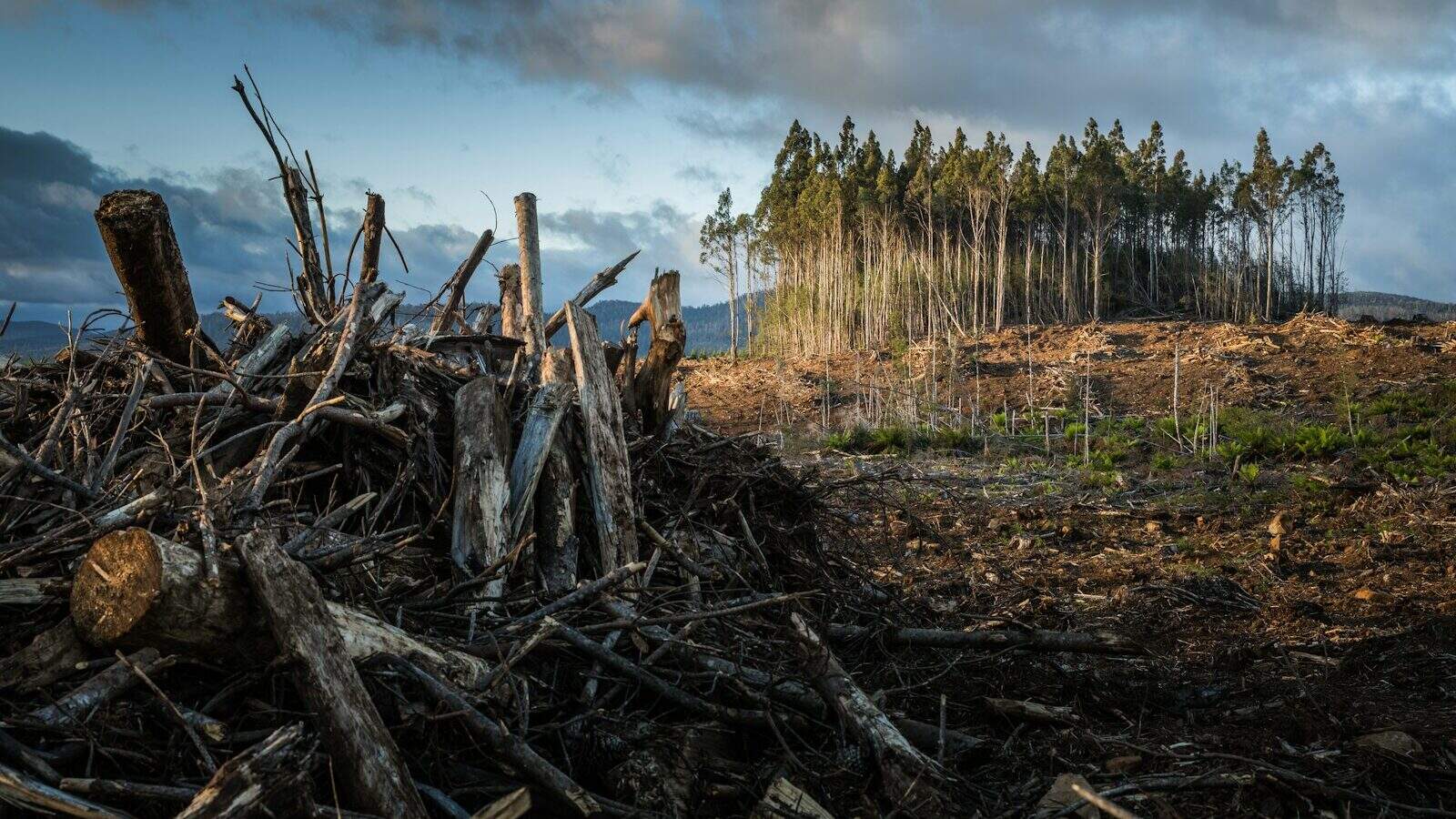
The single greatest threat to red panda survival is habitat loss. Across their range, approximately 50% of suitable red panda habitat has disappeared in the last century. Deforestation for timber, fuel, and agricultural expansion has fragmented once-continuous forests into isolated patches. This fragmentation is particularly devastating for red pandas, who rely on connected forest canopies for movement and access to resources. In Nepal alone, deforestation rates reached 2.3% annually in some red panda habitats during the early 2000s, though conservation efforts have helped reduce this rate in recent years.
The specific habitat requirements of red pandas make them particularly vulnerable to forest degradation. They depend heavily on bamboo, which constitutes 85-95% of their diet, as well as mature temperate forests with abundant canopy cover for nesting and protection. When these specialized habitats are cleared for human use, red pandas cannot simply relocate to different forest types. Studies have shown that red pandas avoid areas within 100 meters of human settlements or disturbed forest edges, meaning even partial deforestation can render large habitat areas functionally unusable for the species.
Climate Change Implications
Climate change poses an increasingly serious threat to red panda survival. As a species adapted to temperate climates with specific temperature ranges, red pandas are particularly susceptible to warming trends. Research published in the journal Global Change Biology suggests that up to 30% of current red panda habitat could become unsuitable by 2050 due to shifting temperature and precipitation patterns. These changes affect not only the pandas directly but also their critical food source—bamboo—which flowers and dies simultaneously across large areas on cycles of 15-120 years depending on the species.
The increased frequency of extreme weather events further jeopardizes red panda populations. Unusually heavy monsoon rains in their mountain habitats cause landslides that destroy forest patches, while prolonged droughts stress bamboo growth and reduce food availability. Additionally, warming temperatures are enabling the upward movement of disease vectors previously limited to lower elevations, potentially exposing red pandas to pathogens they have little evolutionary resistance against. A 2018 study in the Eastern Himalayas documented the first cases of canine distemper virus in wild red pandas, highlighting this emerging threat.
Poaching and Illegal Wildlife Trade
While habitat loss remains the primary threat, poaching has emerged as an increasingly serious danger to red panda survival. Unlike some endangered species hunted primarily for specific body parts, red pandas face multiple motivations for poaching. Their striking pelts are prized for local costumes in some regions and have gained value in international illegal wildlife markets. Between 2013 and 2018, authorities documented over 120 confirmed cases of red panda poaching or trading of their pelts across Nepal, India, and China, though experts believe this represents only a fraction of actual incidents.
Beyond their fur, some red pandas are captured alive for the exotic pet trade. Their appealing appearance and seemingly docile nature make them targets for wildlife traffickers supplying illegal pet markets, particularly in Southeast Asia and increasingly through online platforms. Conservation organizations estimate that for every red panda that survives the traumatic capture and transportation process to reach a buyer, three to four others die along the way. Additionally, localized hunting for traditional medicine and meat, though less common, continues in some remote areas, further pressuring already vulnerable populations.
Human-Wildlife Conflict

As human populations expand into red panda territory, instances of human-wildlife conflict have increased. Though red pandas rarely come into direct conflict with humans due to their arboreal lifestyle and shy nature, indirect conflicts arise when conservation needs clash with local livelihoods. In regions where subsistence farming meets forest edges, restrictions on forest resource use—implemented to protect red panda habitat—can create tension with communities that have traditionally relied on these resources for firewood, fodder, and non-timber forest products.
Livestock grazing in forest understories represents another significant point of conflict. Domestic cattle, goats, and sheep brought into forests for grazing can destroy bamboo understories crucial for red panda survival. Studies in Nepal’s Langtang National Park found that areas with regular livestock grazing had 57% less bamboo cover than ungrazed areas, and red panda signs were nearly absent in heavily grazed sections. Finding sustainable solutions that address both conservation goals and community needs remains one of the most complex challenges in red panda protection efforts.
Small Population Vulnerabilities

Beyond external threats, red pandas face challenges inherent to small, fragmented populations. Genetic diversity, crucial for species resilience and adaptability, diminishes as populations become isolated in forest fragments that prevent natural migration and gene flow. Research using genetic sampling from red panda populations across Nepal revealed concerning levels of inbreeding in some isolated groups, with genetic diversity significantly lower than in connected populations. This genetic impoverishment increases vulnerability to disease outbreaks, reduces reproductive success, and limits adaptive capacity in the face of environmental changes.
Red pandas also display relatively low reproductive rates compared to other mammals of similar size, producing only one to two cubs per year after reaching sexual maturity at 18-24 months. Cubs face high mortality rates of up to 40% in their first year. These biological characteristics, while normal for the species, become serious limitations when combined with external pressures and fragmented populations. Conservation biologists estimate that even with perfect habitat protection, some isolated red panda populations may be too small to remain viable long-term without assisted migration or reintroduction programs to boost genetic diversity.
Conservation Efforts: Protected Areas
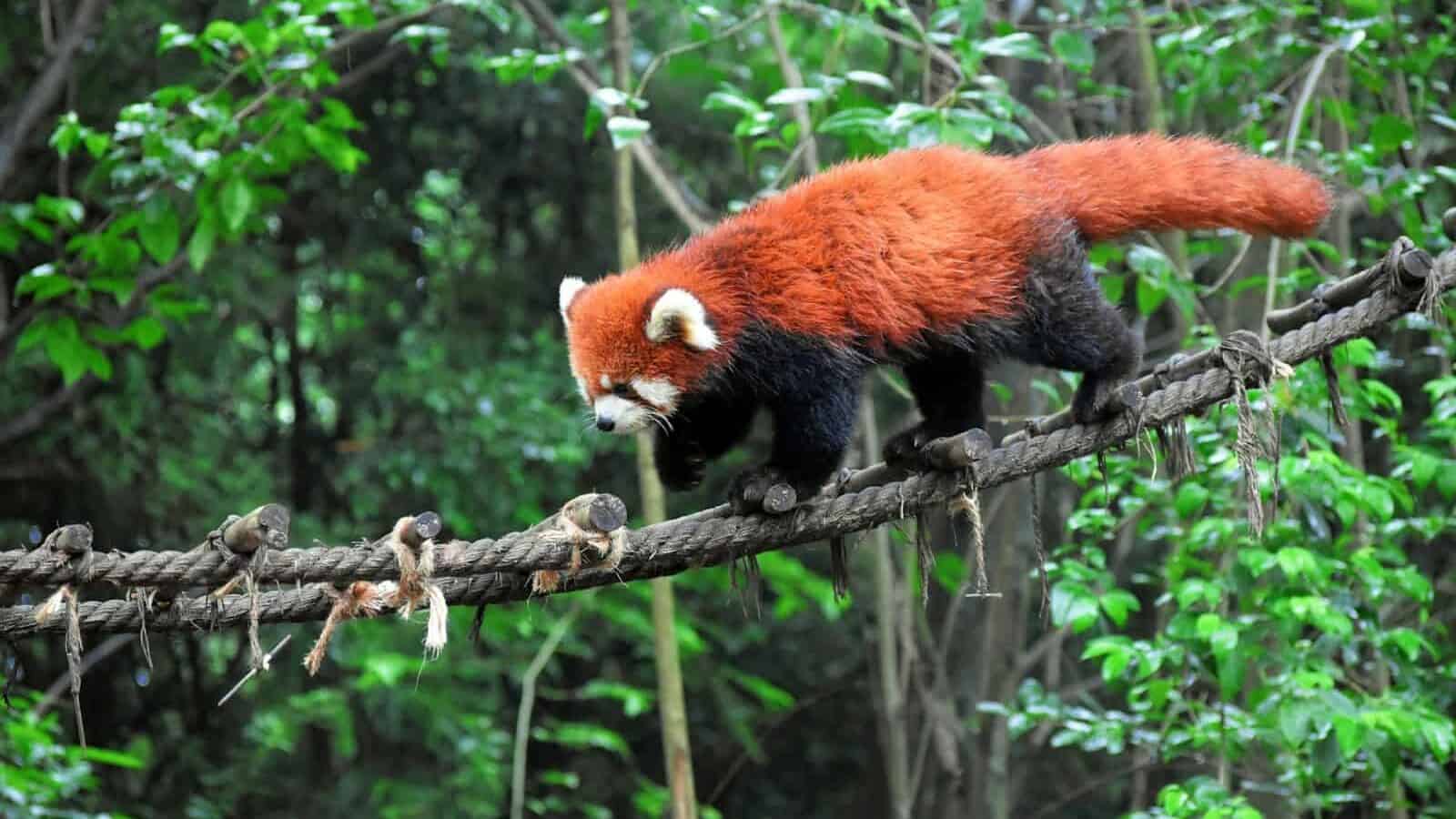
Protected areas form the backbone of red panda conservation strategy. Across their range, approximately 46 protected areas contain red panda populations, covering roughly 35% of the species’ remaining habitat. Notable examples include Nepal’s Langtang National Park, India’s Singalila National Park, and China’s Wolong Nature Reserve. These protected areas vary in effectiveness, with some providing robust protection while others struggle with limited resources, insufficient staff, or challenges in enforcement, particularly in remote mountainous terrain.
The establishment of buffer zones and connectivity corridors between protected areas represents an evolution in conservation approach. For example, the Red Panda Protection Forest in Nepal’s Ilam district created a critical corridor connecting two previously isolated habitats, allowing for genetic exchange between populations. Similarly, Bhutan’s biological corridors policy, which maintains forest connections between all protected areas, has benefited red pandas significantly. Recent initiatives focus on expanding these corridor networks, with satellite imagery and genetic sampling helping identify priority areas for protection or restoration to maximize population connectivity.
Community-Based Conservation Models
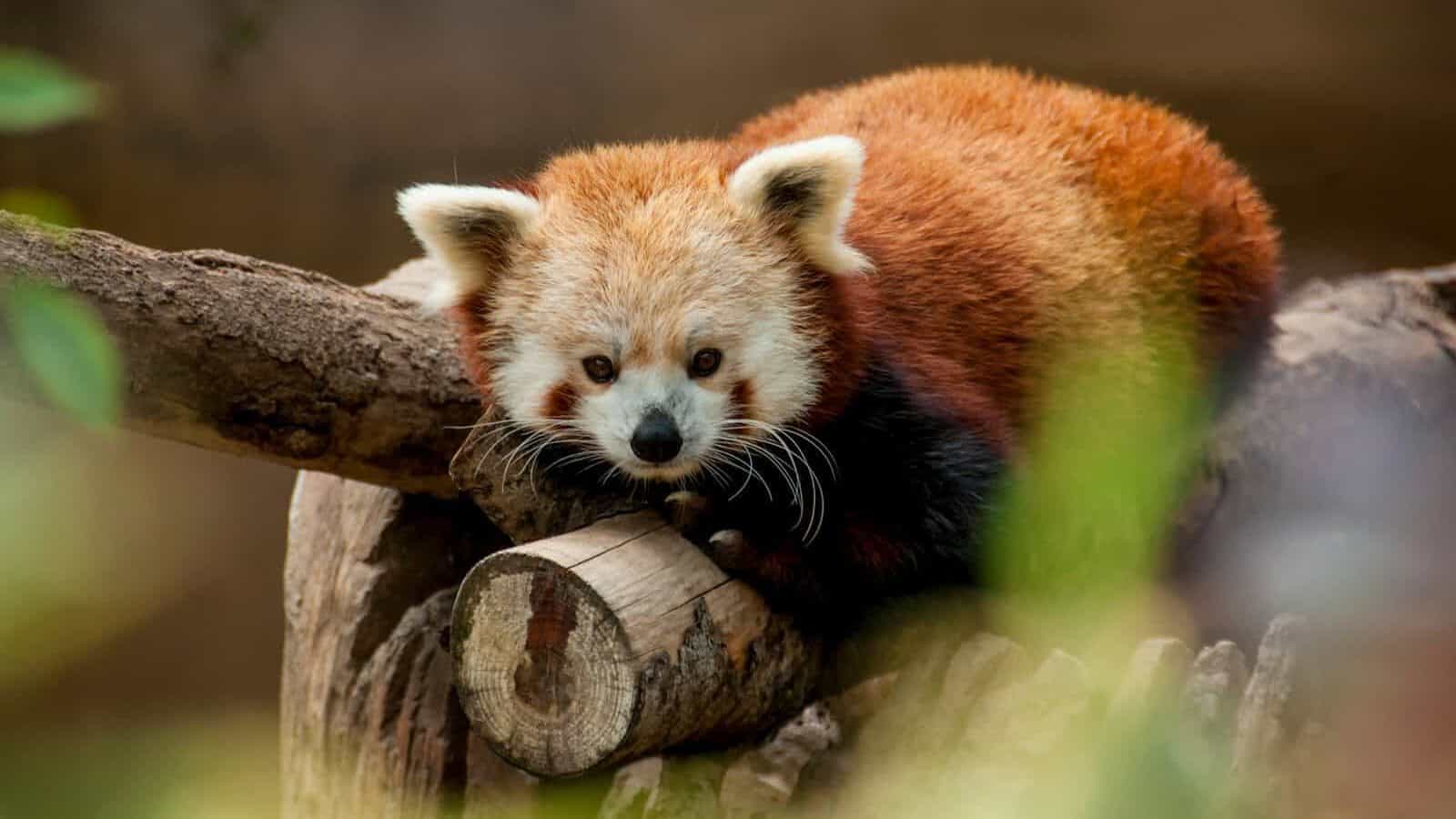
Some of the most promising advances in red panda conservation have come through community-based approaches that engage local residents as conservation partners rather than opponents. Programs like the Red Panda Network’s Forest Guardians initiative in Nepal train and employ local people to monitor red panda populations, patrol against poaching, and educate their communities. By 2022, over 100 former hunters and farmers had transformed into conservation advocates through this program, conducting regular monitoring across 1,000 square kilometers of habitat while earning sustainable livelihoods.
Community forest management represents another successful model, particularly in Nepal and parts of India, where legal frameworks allow local forest user groups to manage designated forest areas. These arrangements include specific provisions for red panda habitat protection while permitting sustainable use of other forest resources. Evaluations of community-managed forests in eastern Nepal have shown 28% better bamboo understory preservation and significantly higher red panda occupancy rates compared to similar forests without community management. These programs succeed by aligning conservation goals with local economic interests, creating sustainable incentives for protecting red panda habitat.
Captive Breeding and Reintroduction Potential

Captive breeding programs provide an important insurance policy against extinction. Currently, approximately 500 red pandas live in captivity worldwide, primarily in accredited zoos participating in the Global Species Management Plan (GSMP) for red pandas. These programs maintain careful genetic records to maximize diversity and prevent inbreeding. Notable breeding success has occurred at facilities like the Rotterdam Zoo, which has produced over 40 cubs since initiating its program. While the captive population remains relatively small, it preserves genetic diversity that could prove crucial if wild populations continue to decline.
The potential for reintroduction, however, faces significant challenges. Unlike some species successfully reintroduced to the wild, red pandas require specific habitat conditions that continue to diminish. No major reintroduction attempts have yet been undertaken, though small-scale rehabilitation and release of confiscated animals occurs in some range countries. Conservation organizations are developing protocols for potential future reintroductions, with preliminary research focusing on identifying suitable release sites with adequate protection, conducting disease risk assessments, and developing post-release monitoring methodologies. Any successful reintroduction program would require addressing the underlying threats that endangered the species initially.
Research Gaps and Technological Innovations
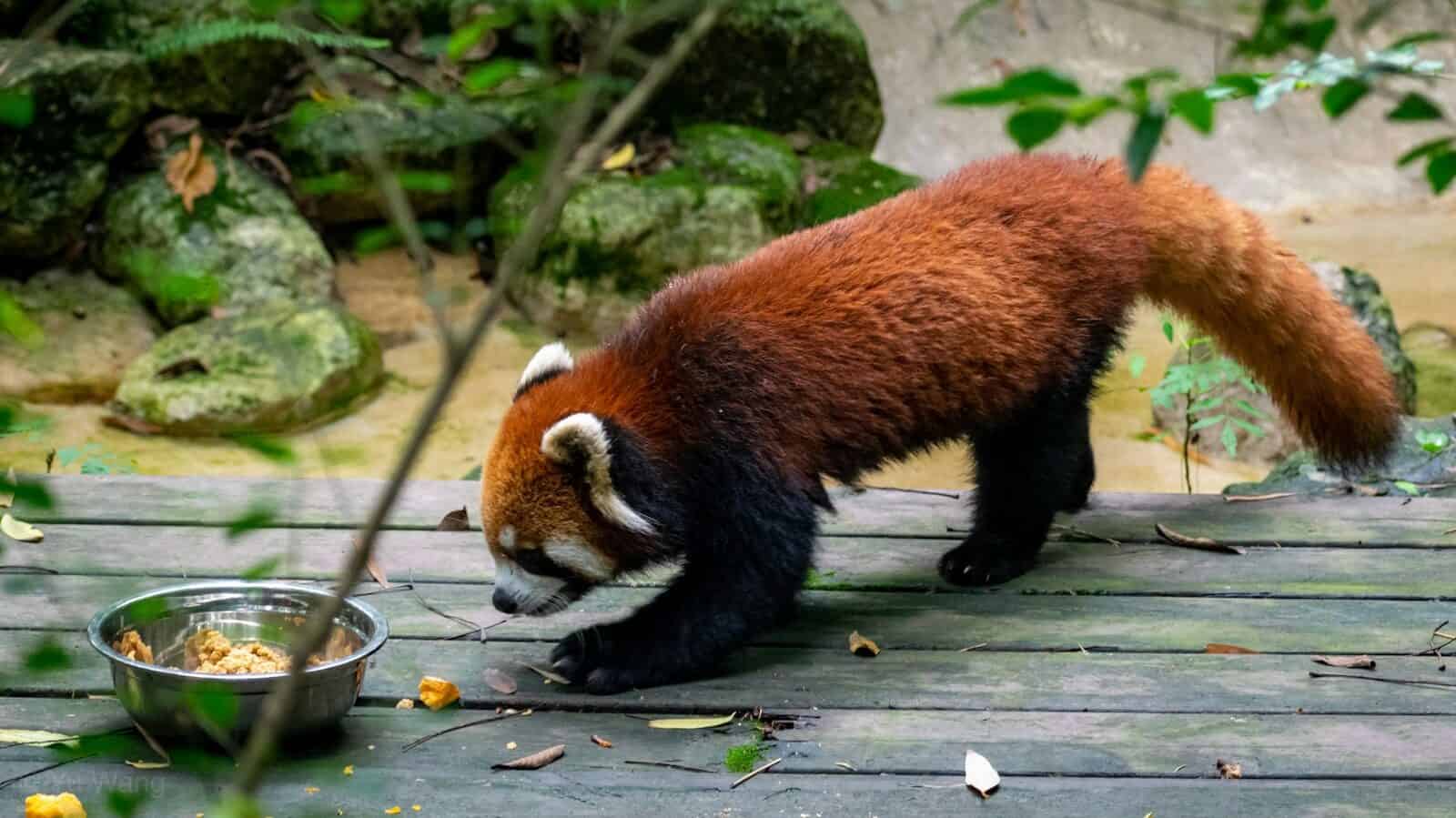
Despite decades of study, significant knowledge gaps remain in red panda ecology and conservation. Basic information about population dynamics, mortality factors, and disease prevalence remains limited for many regions. Innovative research techniques are helping address these gaps, including non-invasive genetic sampling from feces, which allows researchers to identify individuals, estimate population size, and assess genetic health without disturbing the animals. Camera trap networks provide insights into behavior, habitat use, and population density, with one study in Sikkim documenting previously unknown nocturnal activity patterns.
Technological innovations continue to enhance conservation efforts. Satellite collar tracking systems, successfully deployed on several red pandas in Nepal since 2019, have revealed previously unknown information about home range size and movement patterns. Geographic Information System (GIS) modeling helps identify habitat connectivity and prioritize conservation areas, while environmental DNA (eDNA) sampling techniques are being developed to detect red panda presence from water sources. Drone surveys are proving valuable for monitoring remote habitats and detecting forest disturbances, allowing for more rapid conservation responses in difficult terrain.
International Cooperation and Policy Challenges

As a species whose range spans five countries with varying political systems and conservation priorities, effective red panda conservation requires international cooperation. All range countries are signatories to the Convention on International Trade in Endangered Species (CITES), which prohibits international commercial trade in red pandas. However, implementation and enforcement vary considerably between countries. China has implemented some of the strictest protections, including the Wildlife Protection Law that imposes severe penalties for red panda poaching, while some other range countries struggle with enforcement capacity in remote regions.
Regional initiatives like the Eastern Himalaya Conservation Program facilitate cross-border cooperation, but political tensions sometimes complicate conservation efforts. For example, disputed border regions between India and China contain significant red panda habitat but present challenges for coordinated monitoring or protection. Differing development priorities also affect conservation outcomes, with hydroelectric projects, road construction, and mining activities sometimes taking precedence over habitat protection. Conservation organizations advocate for stronger transboundary cooperation, standardized monitoring protocols, and greater information sharing to strengthen the collective conservation effort across political boundaries.
Securing a Future for the Red Panda

The story behind the red panda’s endangered status reflects the complex interplay between human development pressures and wildlife conservation in the 21st century. From habitat loss and climate change to poaching and genetic isolation, these charismatic mammals face multiple threats requiring multifaceted solutions. The most successful conservation approaches combine strict protection of core habitats with community engagement that creates economic incentives for conservation while respecting local needs and traditional practices.
The future of the red panda remains uncertain, but there are reasons for cautious optimism. Growing international awareness has increased funding for conservation initiatives, while improving research techniques provide better information for decision-making. Community-based conservation models demonstrate that human development and red panda protection can coexist when properly designed. Perhaps most importantly, the species has become an important conservation ambassador, raising awareness about the broader biodiversity crisis facing mountain ecosystems across Asia. With continued dedication, innovation, and cooperation across borders, there remains hope that future generations will share their world with wild red pandas.

- 12 Snake Species That Are Surprisingly Gentle - June 15, 2026
- How Beavers Are Helping Rebuild Ecosystems - June 15, 2026
- How the Giraffe’s Stealthy Movements Keep It Safe - June 15, 2026