
Have you ever wondered why some people seem to have bed bug infestations out of nowhere while others remain untouched? The answer might be hiding in something you wear every single day. It’s wild how these tiny pests navigate our homes, following scent trails we can’t even detect ourselves. They’re surprisingly sophisticated trackers, equipped with sensory systems far more advanced than most people realize.
While everyone talks about keeping beds clean or checking hotel mattresses, there’s a massive blind spot most folks overlook. Bed bugs are drawn to a variety of distinct aromas in addition to the carbon dioxide you exhale and the heat your body generates. Yes, the scents within your home may be what’s attracting these awful critters. Let’s dive into what really brings these bloodsuckers to your doorstep.
Your Favorite Perfume Might Be Rolling Out the Red Carpet

Here’s the thing that’ll probably shock you. That lovely floral perfume or cologne you spritz on before bed? Bed bugs are fond of scents produced by many perfumes and fragrances. It sounds counterintuitive, right?
Floral scents draw bed bugs in. Perfume and cologne can also entice bed bugs. The reason behind this bizarre attraction is actually quite clever when you think about it from the bug’s perspective. Floral smells, fruit extracts, as well as specific kinds of alcohol, are examples of these additives. These components may become airborne when you spray cologne or perfume near where you sleep, luring bedbugs to the region.
These little pests have evolved to associate certain chemical compounds with the presence of humans. When they detect those fruity or floral notes floating through the air, their internal GPS starts pinging. Bed bugs have an excellent sense of smell, which they employ to find fresh sources of food. They can presume there is a human around when they smell perfume and travel toward the fragrance to gorge on our blood.
Honestly, I never thought twice about spritzing perfume on my pillow until I learned this. If you want to reduce the likelihood of drawing in bed bugs, it’s recommended to refrain from wearing fragrance to bed or spritzing it in your bedroom.
That Pile of Dirty Laundry Is Like a Beacon

Let’s be real, we’ve all had that chair or corner where dirty clothes accumulate for longer than we’d like to admit. Turns out, bed bugs absolutely love this habit of ours. Bed bugs are strongly attracted to the scent of dirty laundry. The sweaty, human-like smell left on unwashed clothes and bedding mimics the scent of a living host, making it irresistible to these pests.
Due to your sweat and aroma, bed bugs adore the stench of dirty laundry. Bed bugs are drawn to the sweaty fragrance in your clothing, and these spooky creatures often mistake it for you. There’s actually been research on this exact phenomenon. In a recent study, clean and soiled garments were alternately placed in various locations of a bedbug-infested room for the duration of the night. And much to their shock, when they checked the following morning, the filthy clothing was covered in bed bugs.
Think about what happens when you travel. You toss your worn clothes into your suitcase, and those items become mobile bed bug magnets. This attraction can pose a significant risk when traveling or storing unwashed clothes in open areas. The sweat, dead skin cells, and body oils that cling to fabric create an olfactory roadmap straight to your luggage.
It’s hard to say for sure, but I suspect this is one of the main ways infestations spread from hotels to homes. Consider how long they could survive in your laundry basket, particularly throughout the winter. Additionally, bed bugs can find it to be the perfect place to hide in the filthy laundry.
Carbon Dioxide: The Invisible Dinner Bell
Every single breath you take is basically advertising your location to bed bugs. Carbon dioxide is a byproduct of respiration. When we exhale, we release carbon dioxide into the air. Bed bugs detect this plume of carbon dioxide from a distance and use it to locate their prey. It’s like having a homing beacon you can’t turn off.
In addition to heat, bed bugs are attracted to carbon dioxide (CO2). In fact, one study has shown that CO2 is more attractive to bed bugs than heat. That’s actually fascinating when you consider their evolutionary strategy. They’ve fine-tuned their sensory equipment to detect the one thing every living, breathing human constantly produces.
One of the reasons that bed bugs are commonly found in beds is that humans spend a lot of time there while sleeping and exhale carbon dioxide. This creates a concentrated plume of carbon dioxide that bed bugs can easily detect and follow.
When you’re sleeping, you’re stationary for hours, creating this perfect cloud of CO2 around your head and body. When humans sleep, we are inactive, and the carbon dioxide we exhale surrounds our heads. This is why the majority of bed bug bites happen on the head and neck, although these bugs can bite on other exposed areas of the body. There’s really no way around this one since, you know, breathing is pretty essential to staying alive.
Body Heat and Natural Human Scents
Your body temperature is another major attractant these pests simply can’t resist. Bed bugs are drawn in by the warmth and moisture on our bodies, and they can detect that from up to 3 feet away. That’s actually a pretty impressive detection range for such tiny creatures.
Bed bugs are primarily attracted to scents associated with carbon dioxide, body heat, and the scent of human skin. They locate their hosts by detecting the carbon dioxide exhaled during respiration, body heat, and certain chemical compounds found on human skin, such as sweat and pheromones.
The chemistry of human sweat plays a particularly important role here. When humans sweat, the lactic acid mixes with other chemicals and bacteria on the skin. As a result, it creates a unique smell that bed bugs can detect. The scent of lactic acid is attractive to bed bugs because it signals the presence of a potential food source – human blood.
Your apocrine glands, located mainly in your armpits and groin area, produce specific pheromones. Your body naturally produces pheromones that can attract bed bugs, particularly from the apocrine glands located in the underarms and groin. These pheromones contain fatty acids that bed bugs find highly alluring. It’s not pleasant to think about, but our natural body chemistry essentially creates an all-you-can-eat buffet advertisement for these pests.
Histamine: The Chemical Trail Bed Bugs Leave Behind
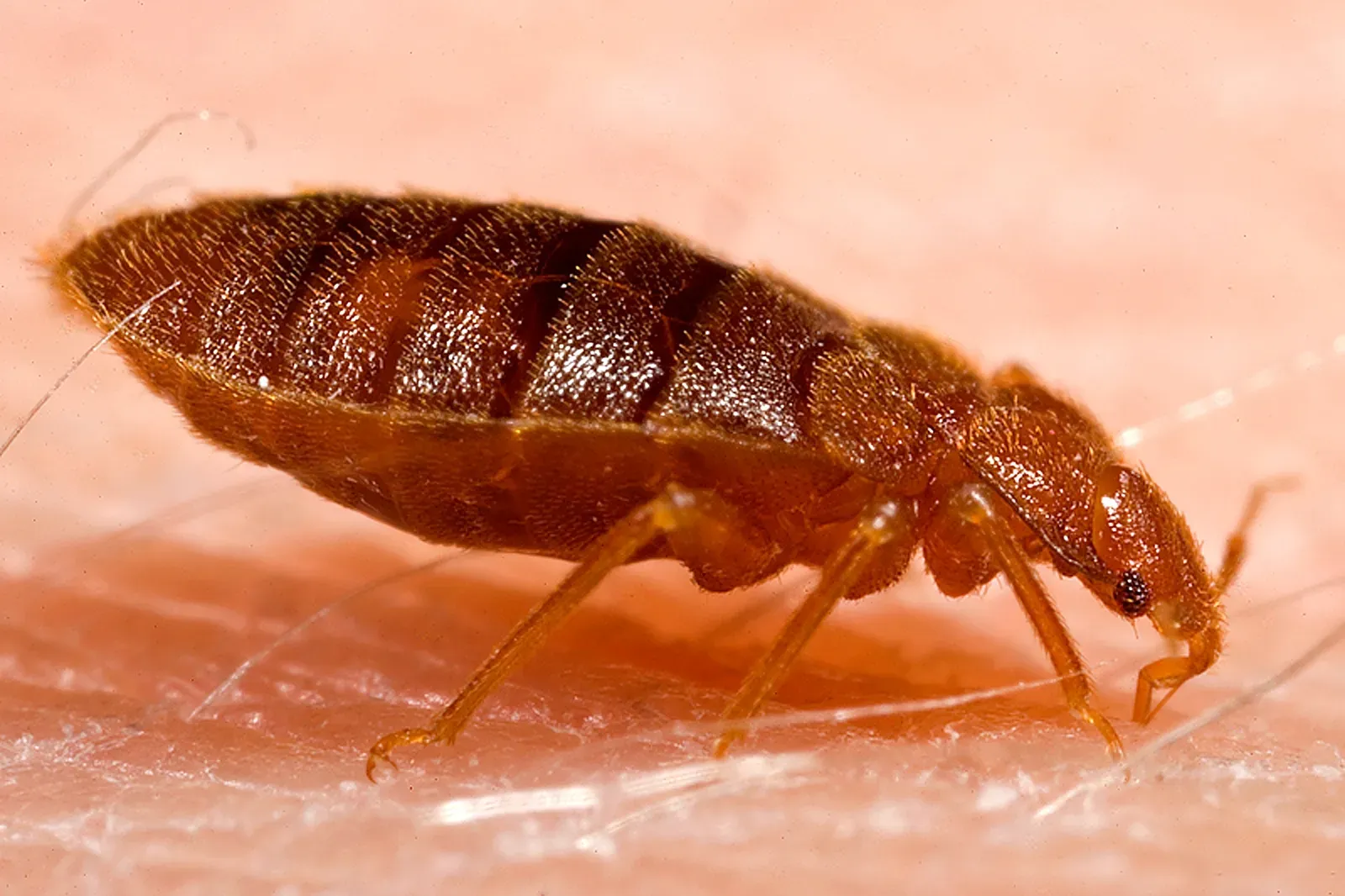
This one’s particularly unsettling. Bedbugs are drawn to the smell of histamine that is present on the skin. Bed bugs produce the chemical-like odor known as “Histamine” whenever they bite a person and feed on their blood, which draws more bed bugs to that area. This is why they tend to congregate in a single location.
When bed bugs feed on blood, they produce a chemical-like odor called histamine. This scent serves as a signal to other bed bugs, indicating that a safe, food-rich area is nearby. Over time, the buildup of histamine in an infested area can draw even more bed bugs, leading to larger and more stubborn infestations. It’s basically like leaving Yelp reviews for other bed bugs.
The really clever part is how this creates a feedback loop. One bed bug finds you, feeds, leaves histamine behind, and suddenly that spot becomes a hotspot for more bed bugs. This distinctive smell, which is mostly present in bed insect skin and feces, typically alerts the other pesky critters that it’s a secure location to feed.
Scientists have actually figured out how to use this against the bugs themselves. Scientists have devised a cunning method to force bed bugs out of hiding. They have created bed insect traps that release the histamine that bed bugs emit.
Conclusion: Understanding the Scent Trail
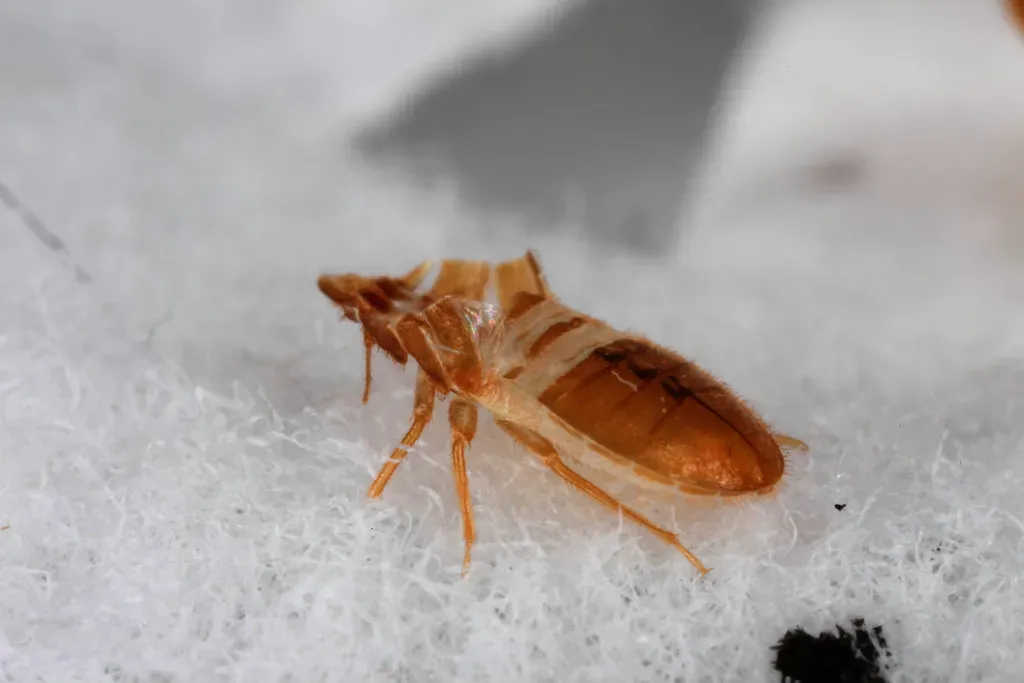
The bed bug attraction game is far more complex than most people imagine. Bed bugs are small, persistent pests that are notoriously hard to get rid of once they settle in. While many people know that bed bugs feed on human blood, fewer realize that certain scents can attract them and make infestations even worse.
From the perfume you spray before heading to bed to that hamper of unwashed gym clothes in the corner, you might unknowingly be creating the perfect environment for these pests. The carbon dioxide from your breath, the warmth radiating from your body, and the natural pheromones in your sweat all combine to create an irresistible invitation.
Understanding their behavior and taking proactive measures can help protect your home and family. By keeping your space clean, minimizing alluring scents, and being mindful of what attracts them, you stand a much better chance of staying bed bug-free. The key is awareness. Now that you know what draws them in, you can make smarter choices about bedroom habits, travel practices, and laundry management.
Did you expect perfume to be on that list? What changes will you make in your bedroom routine now?

- 14 Signs a Dog Near the Rainbow Bridge Is at Peace With Its Person - July 21, 2026
- 15 Ways a Shelter Animal Tells You It Was Always Meant to Be Yours - July 21, 2026
- 14 Ways a Dog Shows You Are the Center of Its Whole World - July 21, 2026