

Worried about unexpected vet bills?
Pet insurance can cover thousands in unexpected vet costs. Get a free quote from Lemonade in under 2 minutes.
Get My Free Quote →Sponsored · Opens Lemonade.com
For centuries, humans have debated whether animals experience complex emotions similar to our own. While science once dismissed animal emotions as mere anthropomorphism, compelling evidence now suggests many species feel deeply. Among the most profound questions in animal behavior research is whether animals experience grief. Observations across wild and domestic settings reveal behaviors that closely resemble human mourning—elephants standing vigil over deceased herd members, dolphins carrying dead calves for days, and dogs refusing to leave their companion’s resting place. This article explores the fascinating science of animal grief, examining the evidence, controversies, and what it means for our understanding of animal consciousness and our ethical responsibility toward other species.
The Evolution of Animal Emotion Research

The scientific study of animal emotions has undergone a remarkable transformation over the past century. Before the 1970s, mainstream science largely rejected the notion that animals could experience complex emotions, considering such interpretations as unscientific anthropomorphism. The behaviorist tradition, dominated by figures like B.F. Skinner, focused exclusively on observable behaviors, dismissing internal states as irrelevant. However, pioneering ethologists like Jane Goodall, who observed chimpanzees expressing what appeared to be grief, joy, and other complex emotions, began challenging this paradigm. The cognitive revolution in psychology during the 1970s and 1980s further opened the door to considering animal minds. Today, the field of affective neuroscience recognizes that emotions evolved as adaptive mechanisms across species, with many emotional systems being conserved throughout vertebrate evolution. This scientific journey reflects not just changing methodologies but evolving philosophical perspectives on animal consciousness and our relationship with other species.
The Neurobiology of Grief
The biological basis for grief offers compelling evidence for its presence across species. In mammals, grief activates the anterior cingulate cortex, which processes emotional pain, and involves neurochemicals including cortisol, oxytocin, and dopamine. These same brain structures and chemicals appear across many mammalian species. Research by neuroscientist Jaak Panksepp identified seven core emotional systems shared across mammals: SEEKING, RAGE, FEAR, LUST, CARE, PANIC/GRIEF, and PLAY. The PANIC/GRIEF system, activated during separation from social attachments, produces distress that motivates social reunion. When reunion becomes impossible through death, this system can produce prolonged distress recognizable as grief. Brain imaging studies have found similar neural patterns in humans, primates, and even rats during separation from social companions. This neurological evidence suggests that the capacity for grief isn’t uniquely human but represents an evolutionarily conserved response to social loss that serves important functions across social species.
Elephants: Nature’s Most Profound Mourners

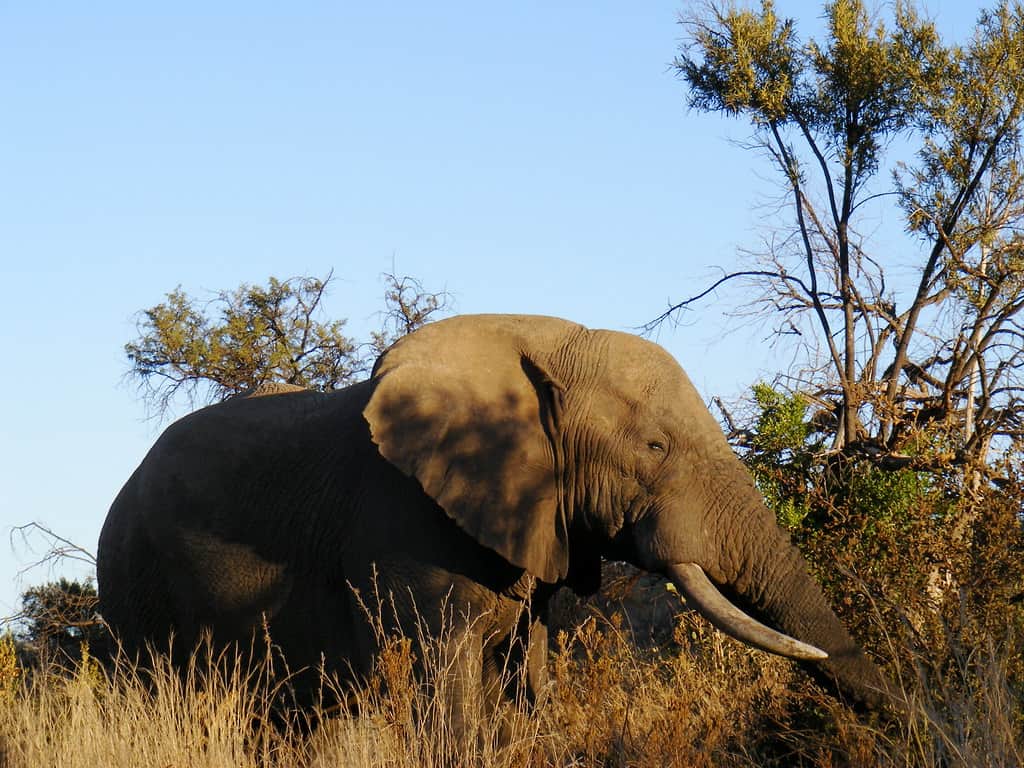
Elephants exhibit perhaps the most well-documented and complex grief behaviors in the animal kingdom. These highly social, long-lived mammals maintain deep family bonds throughout their 60-70 year lifespans and appear to recognize death distinctly from other forms of absence. Field researchers have documented elephants returning to the remains of family members years after death, gently touching the bones with their trunks in what appears to be recognition. When confronting fresh elephant deaths, surviving herd members often become unusually quiet, gather around the deceased, and cover the body with branches and dirt in behavior resembling burial rituals. In a particularly moving case documented by researcher Cynthia Moss, an elephant matriarch named Eleanor collapsed from illness. Another matriarch from a different family, Grace, attempted to lift Eleanor to her feet repeatedly over several hours. After Eleanor’s death, elephants from multiple families visited the body, touching it with their trunks and feet in apparent investigation and tribute. Such behaviors suggest not only recognition of death but also a profound social response to loss that transcends immediate kin groups.
Primates and the Death Rituals of Our Closest Relatives

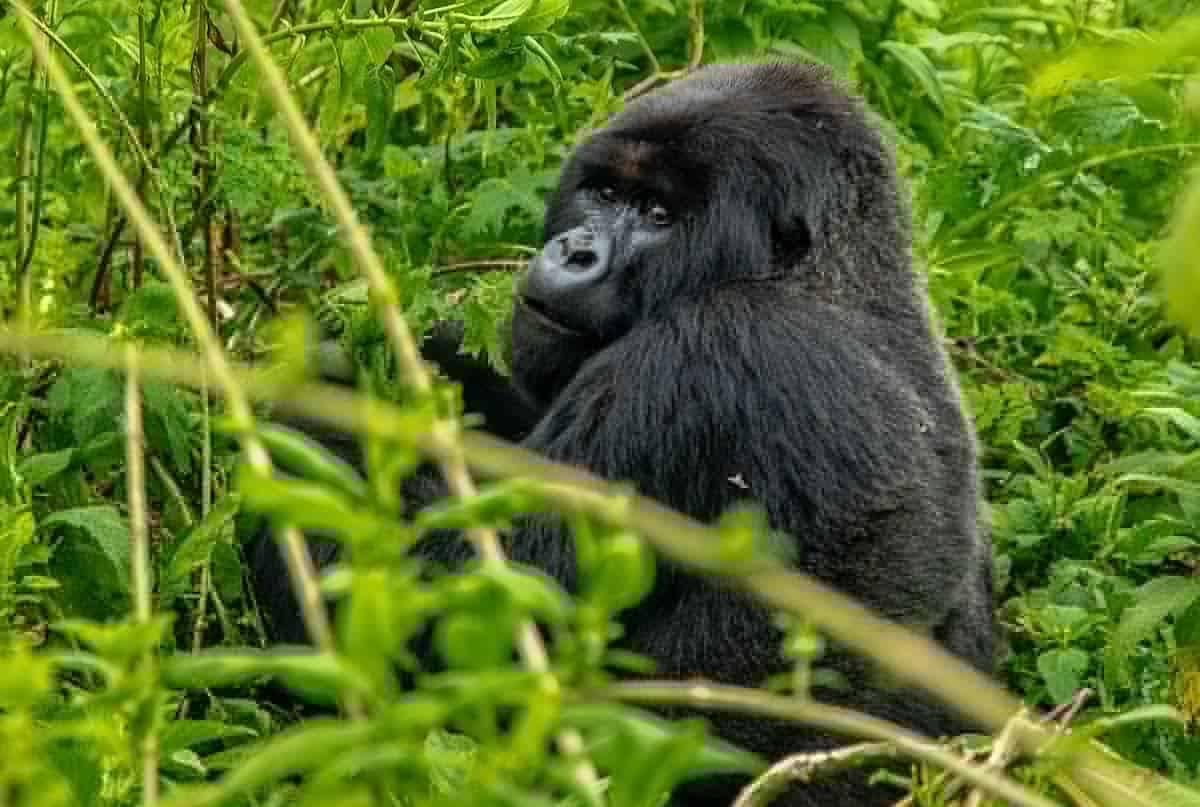
Our evolutionary cousins exhibit some of the most human-like grief responses. Chimpanzees, bonobos, and gorillas have been observed engaging in behaviors around deceased group members that strongly suggest mourning. Jane Goodall’s observations of the young chimpanzee Flint, who became withdrawn, refused food, and died shortly after his mother Flo’s death, provided one of the first well-documented cases of apparent grief in non-human primates. In more recent studies, chimpanzees have been observed carrying dead infants for days or weeks – sometimes until mummification – in what primatologists term “corpse carrying.” This behavior has been documented across chimpanzee communities and appears more complex than simple confusion about the infant’s state. At Chimfunshi Wildlife Orphanage in Zambia, researchers observed group members gathering around a deceased elderly female named Noel, gently touching and inspecting her body, keeping flies away, and remaining unusually quiet for hours. Male chimpanzees who had social bonds with her stayed near the body overnight – a rare deviation from normal sleeping arrangements. These behaviors suggest not only recognition of death but a social process resembling a wake or funeral that may help surviving group members process the loss.
Canine Grief: The Science Behind a Dog’s Devotion

The grief of dogs has been observed by countless pet owners and increasingly documented by science. Dogs’ capacity for attachment rivals that of human children, creating the potential for genuine grief responses when attachments are broken through death. In a 2019 survey of pet owners published in the journal Animals, over 86% reported behavioral changes in surviving dogs after the death of a canine companion, including decreased activity, increased neediness, and changes in sleeping and eating patterns lasting weeks or months. These behavioral changes mirror symptoms of grief in humans. The famous case of Hachikō, the Akita who waited at a Japanese train station for his deceased owner every day for nine years until his own death, demonstrates the remarkable persistence of dogs’ attachments. Neuroimaging studies show that dogs’ brains process emotions in ways similar to humans, with fMRI scans revealing that the same brain regions activate when processing social information. Dogs’ highly developed sense of smell also means they can detect biochemical changes associated with death, suggesting they may understand death differently than humans but no less genuinely. While skeptics might attribute canine grieving behavior to routine disruption rather than emotional response, the specificity and duration of these behaviors suggest a deeper emotional process at work.
Marine Mammals: Grief in the Depths

Marine mammals, particularly cetaceans like dolphins and whales, display some of the most striking examples of grief-like behavior in the animal kingdom. Unlike land animals, cetaceans must actively swim to remain afloat, making their tendency to support dead companions particularly notable. Multiple species of dolphins have been documented carrying deceased calves for days or even weeks after death, a behavior known as “postmortem attentive behavior.” This phenomenon reached public attention in 2018 when an orca named Tahlequah (J35) carried her dead calf for an unprecedented 17 days, traveling over 1,000 miles while supported by other pod members who brought her food. Marine biologist Melissa Reggente’s research has documented at least 78 cases across 20 cetacean species, suggesting this is not anomalous behavior but a widespread response to calf death. The social complexity of these marine mammals, with brain structures supporting advanced emotional processing and cultural transmission, provides neurological foundation for genuine grief responses. Their strong maternal bonds and pod structures, which in some species involve lifelong family associations, create the social context where grief would serve adaptive functions by strengthening social cohesion after loss.
Avian Mourning: Birds and Their Rituals of Loss

Despite their evolutionary distance from mammals, birds display remarkably sophisticated responses to death that challenge our understanding of grief’s biological basis. Corvids (crows, ravens, and jays) in particular demonstrate elaborate behaviors around deceased conspecifics. Western scrub jays hold what researchers term “funerals” – gatherings where birds call loudly around a dead jay, attracting others to the site. While initially interpreted as alarm calling, research by Teresa Iglesias and colleagues revealed these gatherings can last for up to 48 hours and involve specific behaviors distinct from responses to predator threats. Similar behaviors have been documented in American crows, who will gather around fallen flock members, investigate the body, and subsequently avoid the area. For pair-bonding birds like geese and albatrosses, who mate for life, the loss of a partner can trigger prolonged changes in behavior. Researcher Konrad Lorenz described a greylag goose who, after losing its mate, pulled away from the flock and adopted a drooping posture that resembled human depression. While avian grief likely differs from mammalian grief in its neurological basis, the behavioral parallels suggest convergent evolution of responses to social loss across distant branches of the evolutionary tree, highlighting how the adaptive value of grief transcends taxonomic boundaries.
Companion Animal Grief: When Pets Mourn Pets

Multi-pet households offer an intimate window into how animals respond to the loss of their companions. Beyond dogs, numerous companion species display what appears to be grief when housemates die. Cats, often characterized as independent, can show profound behavioral changes following the loss of a feline or even canine companion, including vocalization, searching behaviors, and changes to eating and sleeping patterns. In a 2022 study published in Applied Animal Behaviour Science, researchers found that 46% of cats displayed at least one behavior consistent with separation distress after losing a household companion. Bonded pairs of rabbits present another compelling example – surviving rabbits often reduce activity, decrease food intake, and may hide more frequently following the loss of their partner. Even smaller pets like rats and guinea pigs, highly social by nature, have been observed becoming lethargic and uninterested in normal activities after a cagemate’s death. Veterinary behaviorists increasingly recognize these patterns as consistent with grief rather than simply reacting to environmental changes. The domestic setting offers a controlled environment where variables like food availability and safety remain constant, making behavioral changes more clearly attributable to social loss rather than secondary stressors that might confound observations in wild settings.
Do Animals Understand Death?

A central question in animal grief research is whether animals truly comprehend death or simply respond to absence. Human understanding of death involves recognizing four key components: universality (all living things die), irreversibility (death is permanent), non-functionality (bodily functions cease), and causality (understanding what causes death). Research suggests that different species grasp these concepts to varying degrees. Elephants demonstrate remarkable comprehension, distinguishing between elephant and other animal remains, and showing greater interest in the bones of their own species and especially former group members. This selective response suggests they recognize something significant about these remains beyond simple curiosity. Primates also show behaviors suggesting at least partial understanding – chimpanzees have been observed checking for breathing and responsiveness in deceased group members before changing their behavior toward the body. Even corvids display behavior suggesting they recognize the difference between sleep and death, treating dead birds differently than living but inactive ones. However, the question becomes complicated by our inability to access animal consciousness directly. Behavioral evidence suggests many species recognize the permanence of death through their sustained changed behavior after a companion’s death, even without human-like conceptual understanding. This recognition may not be identical to human comprehension but represents an adaptive awareness of a significant and irreversible change.
The Evolutionary Purpose of Grief
From an evolutionary perspective, grief might initially seem maladaptive – it consumes energy, reduces vigilance, and appears to offer no immediate survival advantage. However, evolutionary biologists and comparative psychologists increasingly recognize that grief likely evolved because it serves important functions in social species. In highly social animals with long-term bonds, grief behaviors signal attachment and trustworthiness to other group members, potentially strengthening remaining social connections. For species that engage in cooperative child-rearing, like elephants and primates, grief responses help restructure social responsibilities after a group member’s death. The temporary withdrawal associated with grief may also provide protection during a period of vulnerability, keeping bereaved individuals close to the safety of the group while they process the loss. Neurobiologically, grief appears connected to attachment systems that evolved to maintain proximity between caregivers and offspring, later expanding to maintain broader social bonds. When viewed through this lens, similar grief responses across diverse species aren’t surprising but expected in animals where social cohesion provides survival advantages. The varying expressions of grief across species likely reflect different evolutionary pressures and social structures – from the prolonged mourning of elephants with their complex matriarchal societies to the briefer but still evident responses in less social species.
Skeptical Perspectives: Alternative Explanations

Despite compelling evidence, some scientists maintain skepticism about interpreting animal behaviors as grief. Prominent skeptical arguments focus on the risk of anthropomorphism – projecting human emotions onto animals based on superficial behavioral similarities. Critics suggest that apparently grief-like behaviors might be explained by simpler mechanisms. For instance, a mother carrying a dead infant might reflect hormonal processes rather than emotional attachment, or confusion rather than recognition of death. Animals gathering around deceased group members could represent threat assessment rather than mourning. Changes in surviving animals’ behavior might stem from disrupted routines rather than emotional responses to loss. Neurobiologist Jaak Panksepp, despite his groundbreaking work on animal emotions, cautioned against assuming animal grief involves the same reflective consciousness humans experience. These skeptical perspectives serve an important scientific function by demanding rigorous evidence and consideration of alternative explanations. However, the consistency of grief-like behaviors across diverse species, their specificity to social loss rather than other disruptions, and their neurobiological similarities to human grief suggest that parsimony might actually favor recognizing these behaviors as genuine grief rather than inventing multiple explanations for similar phenomena across species. The scientific consensus has increasingly shifted toward acknowledging that while animal grief may differ from human grief in its cognitive components, the emotional experience likely shares core similarities.
Ethical Implications: How Should This Change Our Treatment of Animals?

Recognizing animal grief has profound ethical implications for human-animal relationships across numerous contexts. In veterinary settings, this understanding supports practices like allowing surviving pets to see and smell a deceased companion, potentially providing closure and reducing searching behaviors. For wildlife management, it suggests that culling programs targeting specific individuals within social groups may cause psychological harm beyond the individuals killed. In zoos and sanctuaries, awareness of grief responses informs better management of animal deaths, including giving group members appropriate time with deceased individuals before removal. Perhaps most significantly, acknowledging animal grief challenges traditional philosophical boundaries between humans and other animals. As philosopher Peter Singer argues, the capacity for suffering rather than cognitive abilities should be the relevant criterion for moral consideration. If animals can experience not just physical pain but emotional suffering, including grief, our ethical responsibilities toward them expand accordingly. This doesn’t necessarily dictate specific policies but suggests that animal emotional welfare deserves consideration alongside physical welfare in our decision-making. From this perspective, practices that disrupt strong social bonds between animals – separating elephants from family groups, removing companion animals from households, or breaking up farm animal social units – create not just momentary stress but the potential for genuine grief and its associated suffering.
Conclusion: Bridging the Emotional Gap

The evidence for animal grief presents a compelling case that humans are not alone in our capacity to mourn. From elephants conducting death rituals to dolphins carrying deceased calves and dogs refusing to leave their companions’ graves, behaviors across diverse species suggest grief represents an evolutionarily conserved response to social loss rather than a uniquely human emotion. This understanding bridges the perceived emotional gap between humans and other animals, challenging us to reconsider traditional boundaries that have separated us from the rest of the animal kingdom. While animals may not experience grief identically to humans – lacking our linguistic ability to narrate loss or cultural frameworks for processing death – the neurological and behavioral evidence suggests their emotional experiences deserve recognition and respect. As science continues to illuminate the rich emotional lives of animals, we face important questions about our ethical responsibilities toward other species and how this knowledge should reshape our relationships with the creatures who share our capacity for attachment and loss.
Worried about unexpected vet bills?
Pet insurance can cover thousands in unexpected vet costs. Get a free quote from Lemonade in under 2 minutes.
Get My Free Quote →Sponsored · Opens Lemonade.com

- 15 Common Snake Species Found in the US - June 5, 2026
- Ancient DNA Found in Cave Dirt May Rewrite Animal History - June 5, 2026
- What Steve Irwin Taught Us About Crocodiles - June 5, 2026