


For centuries, humans have debated whether animals truly experience grief or if their behaviors following the death of a companion merely mimic mourning without the emotional depth we attribute to it. This anthropomorphic lens has often clouded scientific inquiry, but recent research is revealing surprising insights about how various species respond to death. From elephants that linger over the bones of deceased herd members to orcas carrying their dead calves for weeks, mounting evidence suggests that the capacity to mourn may be more widespread in the animal kingdom than previously understood. This article explores what science is uncovering about animal mourning, challenging long-held assumptions about animal consciousness and raising profound questions about our ethical relationships with other species.
Defining Mourning in Animals

When discussing animal mourning, scientists must first contend with how to define and recognize grief in non-human species. Unlike humans, animals cannot verbally express their emotional states, making it challenging to distinguish behaviors that genuinely indicate mourning from those that serve other purposes. Researchers typically look for specific behavioral patterns such as decreased activity, loss of appetite, altered social interactions, and increased vocalizations following the death of a companion.
Some scientists also measure physiological changes, including stress hormones or altered brain activity. The consensus emerging in ethology (the study of animal behavior) suggests that mourning might best be understood as a collection of behaviors that indicate recognition of death and a disruption to normal functioning as a result of that recognition. This operational definition allows researchers to investigate mourning across species without requiring animals to experience grief exactly as humans do.
Elephants: The Iconic Mourners

Perhaps no species has become more emblematic of animal mourning than elephants. Field researchers like Cynthia Moss and Joyce Poole have documented decades of observations showing that elephants display remarkably complex behaviors around their dead. Elephants will often stand over a deceased herd member for days, gently touching the body with their trunks and feet in what appears to be an attempt to rouse them. They frequently cover the bodies with branches and dirt in behavior that resembles burial. Most remarkably, elephants show interest in the bones and tusks of long-dead elephants, even when encountering the remains of unrelated individuals.
Studies have recorded elephants picking up the bones, carrying them, and passing them among family members in a solemn, ritualistic manner. The elephants’ extraordinary memory and social intelligence, combined with their long lifespans that enable strong bond formation, may explain why their mourning behaviors are particularly elaborate and visible to human observers. Neurological studies have also revealed that elephants possess specialized spindle neurons in their brains that in humans are associated with empathy, self-awareness, and social understanding—further supporting the notion that their grieving behaviors represent genuine emotional responses.
Primates and Death Rituals

Our closest evolutionary relatives, the great apes, exhibit some of the most human-like responses to death. Chimpanzees have been observed carrying their dead infants for weeks or months, a behavior documented by primatologist Jane Goodall and subsequently recorded in numerous field studies. In 2010, researchers witnessed a group of chimpanzees in Zambia performing what appeared to be a “funeral” for an elderly female named Noel. The group gathered around her body in silence, with some individuals grooming her while others stood watch.
Mother-infant relationships seem to elicit particularly strong grief responses, with female chimpanzees, bonobos, gorillas, and orangutans often refusing to relinquish dead infants until decomposition is advanced. These behaviors suggest not only recognition of death but also a strong emotional attachment that persists beyond life. Beyond the great apes, other primates like macaques and baboons have been observed carrying dead infants and maintaining vigils over deceased group members. The consistency of these behaviors across primate species suggests an evolutionary basis for mourning that predates human culture, potentially dating back millions of years to our common ancestors.
Marine Mammals: Grieving in the Depths

The ocean’s vast expanse has revealed some of the most dramatic examples of animal mourning. In 2018, a female orca named Tahlequah (J35) carried her dead calf for 17 days over approximately 1,000 miles in the Pacific Northwest, a behavior that captured global attention. This “tour of grief,” as researchers called it, represented an unprecedented display of what appeared to be maternal mourning. Similar behaviors have been documented in other cetacean species, including dolphins, who sometimes support dead companions at the surface as if trying to help them breathe. Dolphins have also been observed engaging in what scientists term “standing vigils” where pod members circle a deceased individual, often touching the body with their rostrums (beaks).
These marine mammals live in complex social groups with strong bonds, and their large brains contain specialized von Economo neurons associated with social awareness and empathy. The aquatic environment poses unique challenges for mourning behaviors, as bodies sink and decompose quickly, yet these animals have developed distinctive ways to express what appears to be grief despite these physical constraints. Research on captive orcas and dolphins has further demonstrated that they exhibit behavioral and physiological changes following the death of a tank mate, including altered swimming patterns, decreased appetite, and changes in vocal behavior.
Corvids: Feathered Funeral Directors
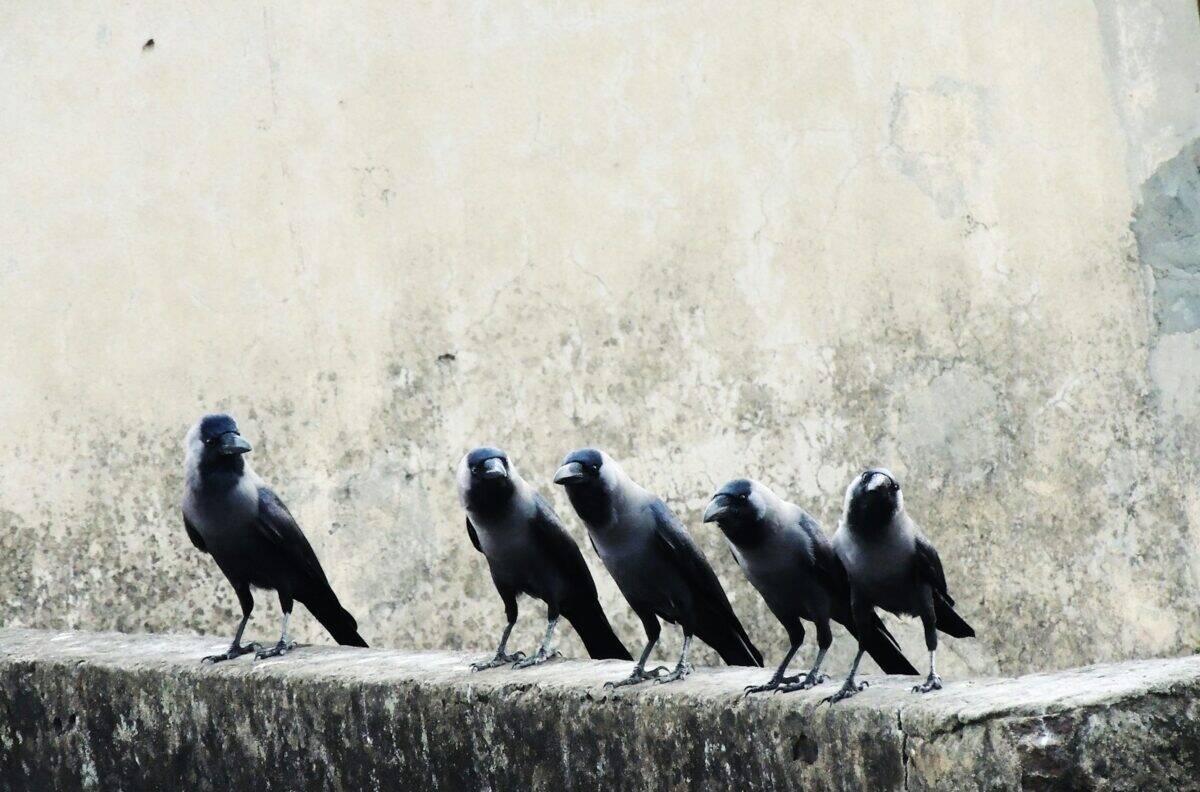
Among birds, the corvid family—ravens, crows, jays, and magpies—stands out for their apparent mourning behaviors. Researchers have documented “crow funerals,” where groups of American crows gather around a dead companion, calling loudly in distinctive patterns that differ from their regular vocalizations. Initially, scientists hypothesized that these gatherings served merely as “danger learning” opportunities, where crows identified potential threats. However, newer research suggests these rituals may serve multiple purposes, including a social acknowledgment of death. In a groundbreaking study published in the journal Animal Behaviour, researchers found that wild crows not only gathered around dead conspecifics but would avoid areas where they had seen dead crows for up to three months afterward.
Perhaps most remarkably, western scrub jays have been observed holding what appear to be “funerals” where they call to summon other jays, then gather around the deceased bird, cease foraging, and sometimes place objects near the body. These corvids possess brain-to-body ratios comparable to chimpanzees and demonstrate high-level cognitive abilities including tool use, facial recognition, and future planning. Their mourning-like behaviors challenge the notion that complex emotional responses to death are limited to mammals with large brains and suggest that the cognitive architecture for grief may have evolved independently in avian species.
Companion Animals: Dogs and Cats

The animals with whom we share our homes often display behaviors that many pet owners interpret as mourning. Dogs may become lethargic, refuse food, search for their missing companion, or sleep in their deceased housemate’s favorite spots. Cats sometimes vocalize in distinctive ways or become unusually clingy after losing an animal companion. While skeptics have suggested these behaviors might simply represent responses to disrupted routines rather than emotional grief, research increasingly supports pet owners’ intuitions. A 2022 study published in Scientific Reports surveyed over 400 Italian pet owners and found that 86% reported behavioral changes in their surviving pets following the death of a companion animal.
These changes lasted between two weeks and six months, with the average duration being approximately two months—a timeframe remarkably similar to the acute grief period in humans. The most compelling evidence comes from functional MRI studies showing that dogs process social bonds in brain regions similar to humans, suggesting they experience attachment and potentially loss in comparable ways. Companion animals may represent a unique case study for understanding animal grief because they form cross-species attachments to humans as well as conspecifics, potentially developing more flexible emotional responses than their wild counterparts.
Evolutionary Purposes of Mourning

Why would mourning behaviors evolve across such diverse species? Evolutionary biologists propose several potential benefits. First, grief may strengthen social bonds among survivors, reinforcing group cohesion during vulnerable periods when a group member is lost. Second, death recognition helps animals avoid potential sources of disease or danger. Third, for species that form strong bonds, mourning may represent an unavoidable byproduct of the attachment mechanisms that promote survival-enhancing cooperation. From an evolutionary perspective, mourning behaviors might be most expected in species that form stable social groups, have long lifespans, and depend on cooperation for survival.
Indeed, the species that display the most obvious grief responses—elephants, cetaceans, primates, and corvids—share these characteristics despite being separated by millions of years of evolution. This pattern of convergent evolution suggests that mourning serves important adaptive functions rather than being merely a maladaptive emotional response. However, the expression of grief likely varies according to each species’ ecological niche and social structure. For solitary or short-lived species, extensive mourning behaviors would offer little adaptive advantage and might even reduce survival chances, explaining why we observe fewer obvious grief behaviors in such animals.
Neuroscience of Animal Grief

Recent advances in neuroscience have begun to illuminate the biological underpinnings of animal mourning. Many mammals share similar neurological structures involved in emotional processing, particularly the limbic system. The amygdala, hippocampus, and anterior cingulate cortex—brain regions activated during human grief—have comparable structures in other mammals and even, with some differences, in birds like corvids.
Neuroimaging studies have demonstrated that dogs, for example, show similar patterns of neural activity to humans when processing social information about familiar individuals. Brain chemistry also plays a crucial role in grief responses. Animals that form strong social bonds typically have well-developed oxytocin systems, sometimes called the “bonding hormone.” When bonds are broken through death, disruption to these neurochemical systems can trigger behavioral and physiological responses that resemble depression. A 2020 study published in Neuroscience & Biobehavioral Reviews found that many mammalian species show elevated cortisol (stress hormone) levels following separation from bonded companions, whether through death or other circumstances.
Perhaps most significantly, comparative neuroanatomy has identified specialized neurons called von Economo neurons (VENs) in several species known for complex social behaviors, including great apes, elephants, and cetaceans. These specialized brain cells, once thought unique to humans, are associated with social awareness and empathy, providing a potential neural basis for grief experiences across different species.
Challenging Anthropomorphism
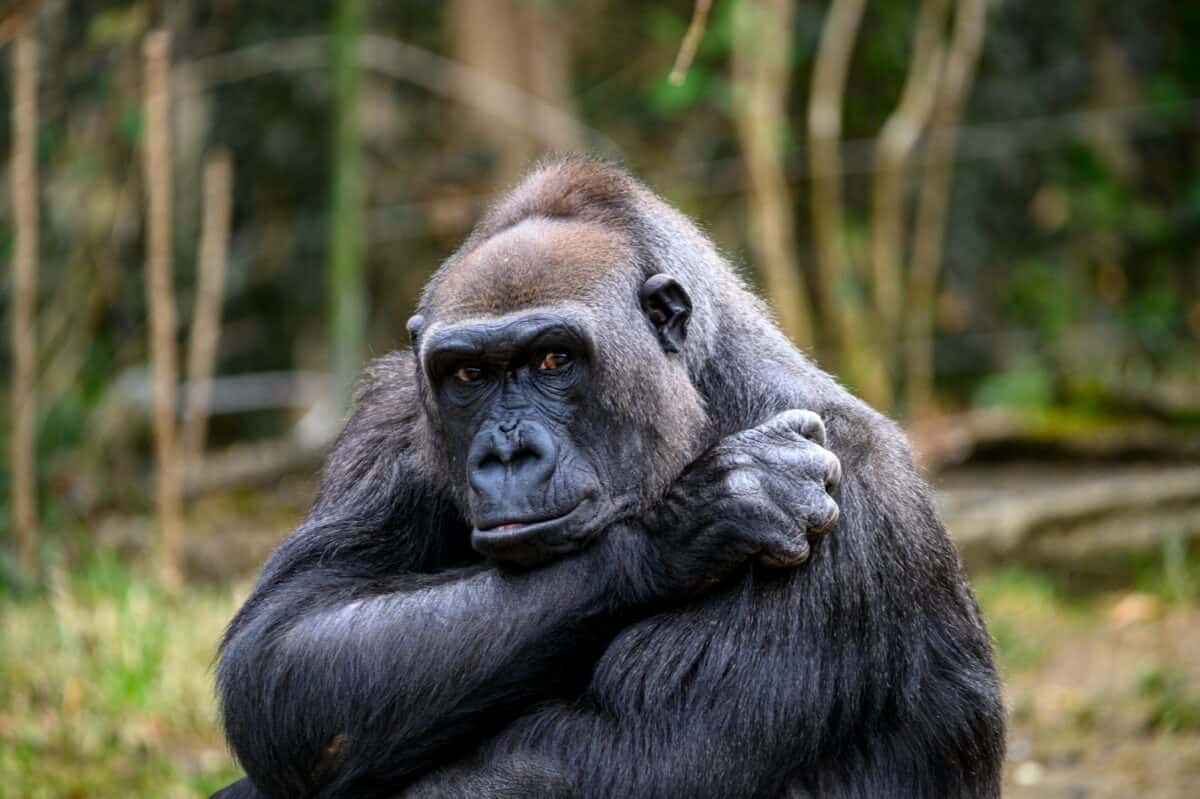
The study of animal mourning walks a delicate line between anthropomorphism (attributing human characteristics to non-human animals) and what biologist Frans de Waal calls “anthropodenial”—the refusal to recognize shared characteristics between humans and other animals. Scientists studying animal grief must contend with both risks. On one hand, interpreting all death-related behaviors as mourning could lead to overattribution of human-like emotions.
On the other hand, dismissing all such behaviors as instinctive or mechanistic risks ignoring genuine emotional experiences in other species. Modern ethology has developed methodologies to navigate this challenge, including rigorous behavioral observation protocols, physiological measurements, and cross-species comparisons. Researchers increasingly acknowledge that while animal grief may not be identical to human grief, this doesn’t make it any less real or significant. The concept of “convergent evolution” helps explain how similar emotional responses might develop independently in different lineages facing similar selective pressures.
Current scientific consensus suggests that rather than asking whether animals experience grief exactly as humans do, more productive questions focus on understanding the unique expressions of mourning in each species and how these behaviors function in their natural ecological and social contexts. This approach recognizes both continuity between human and animal emotional experiences and the important species-specific differences in how grief manifests.
Cultural Transmission of Mourning Behaviors

One of the most fascinating aspects of animal mourning is how these behaviors may be culturally transmitted within certain species. Just as human funeral practices vary across cultures, some animal populations appear to develop distinct traditions around death. Researchers studying orcas have documented pod-specific behaviors when responding to dead calves, with some groups more likely to carry deceased offspring than others.
Similarly, chimpanzee communities show variation in their responses to death, with some groups consistently removing leaves from corpses or engaging in specific vocalizations that aren’t observed in other populations. These differences suggest that mourning behaviors aren’t entirely innate but may include learned components passed through social learning. The strongest evidence for cultural transmission comes from a 2010 study of western scrub jays, where researchers found that inexperienced younger birds adopted the mourning behaviors of older birds, eventually performing these rituals even when older birds weren’t present.
This cultural dimension adds another layer of complexity to understanding animal grief, suggesting that mourning may serve social communication functions beyond individual emotional expression. For some species, grief behaviors might represent a form of community ritual that reinforces group identity and social norms around death—paralleling the way human funeral customs serve both emotional and social purposes across cultures.
Ethical Implications of Animal Mourning

Recognition of animal mourning has profound ethical implications for how humans interact with other species. If animals genuinely grieve their dead, this suggests a level of emotional awareness that demands greater moral consideration. In wildlife management, practices such as culling social animals like elephants or wolves may cause not just ecological disruption but emotional trauma to surviving group members.
In zoos and aquariums, the sudden removal of deceased animals without allowing companions to witness the body may prevent important mourning processes. For pet owners, understanding companion animal grief has practical implications for helping surviving pets cope with loss, potentially through allowing them to see the deceased animal’s body or providing additional attention during their period of grief. The recognition of mourning in animals also raises broader philosophical questions about human exceptionalism—the idea that humans are fundamentally different from and superior to other animals.
As science continues to erode the sharp distinctions once drawn between human and animal emotional lives, societies face challenging questions about practices that cause animal suffering based on outdated assumptions about their cognitive and emotional capacities. Some ethicists argue that acknowledgment of animal grief should inform policies regarding animal welfare, conservation, and end-of-life care for captive animals.
Methodological Challenges in Studying Animal Grief
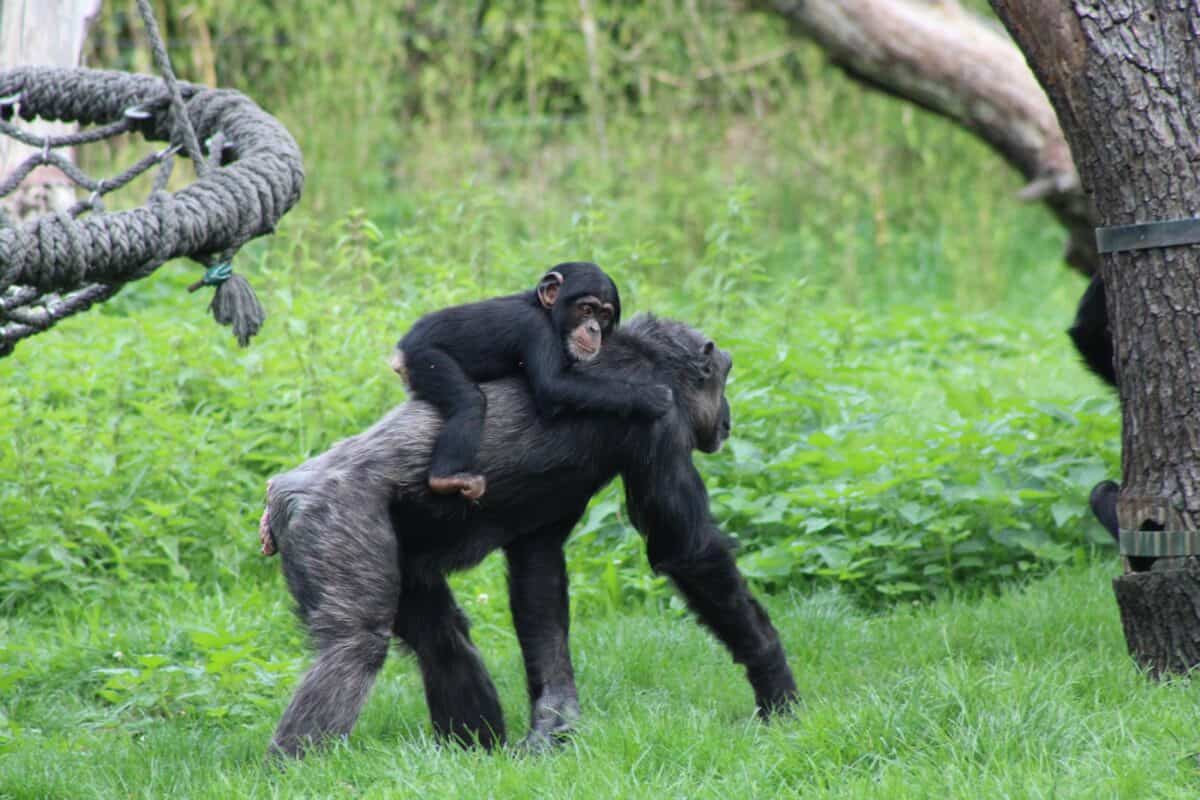
Researching animal mourning presents unique scientific challenges. Unlike many behaviors, mourning is relatively rare and unpredictable, making planned observation difficult. Field researchers often must rely on opportunistic observations rather than controlled experiments, leading to sample size limitations. Additionally, interpreting observed behaviors requires careful consideration of alternative explanations. For example, when primates carry dead infants, researchers must consider whether this represents grief or serves other functions like practice for mothering or preventing disease transmission.
Another significant challenge is avoiding confirmation bias—the tendency to notice evidence that confirms preexisting beliefs while overlooking contradictory information. Researchers who believe animals can mourn might be more likely to interpret ambiguous behaviors as grief, while skeptics might dismiss potential evidence. To address these challenges, scientists have developed rigorous methodologies including systematic behavioral observation protocols, hormonal and physiological measurements, and comparative approaches that examine responses across multiple species and contexts.
Recent technological advances have also enhanced research capabilities, with drone footage capturing previously unobservable behaviors, acoustic monitoring recording vocalizations in remote areas, and non-invasive hormone sampling allowing scientists to measure physiological stress responses without disturbing grieving animals. Despite these improvements, the subjective nature of emotional experiences means that some aspects of animal mourning may remain scientifically elusive.
Conclusion: Redefining the Boundaries of Grief

The scientific exploration of animal mourning continues to reshape our understanding of non-human consciousness and the emotional lives of other species. What began as anecdotal observations has evolved into a legitimate field of scientific inquiry, yielding compelling evidence that many animals recognize and respond emotionally to death in ways that parallel human grief. This research challenges us to reconsider long-held assumptions about human uniqueness and invites a more nuanced understanding of our place in the natural world.
As we continue to uncover the depth and diversity of animal mourning behaviors, we find ourselves confronting profound questions about consciousness, emotion, and the evolutionary roots of our own grief responses. Perhaps most importantly, this growing body of evidence calls us toward greater empathy and ethical consideration in our interactions with other species, recognizing that the capacity to mourn may be one of the deepest connections we share with our fellow travelers on earth.

From exploring the marine wonders in the Azores and witnessing the vast savannas of Kenya, to delving deep into the rich biodiversity of South Africa and traversing iconic landscapes in Australia and the US like Yellowstone, Chris's experiences are vast.
With a penchant for diving alongside sharks, the ocean holds a special place in his heart.
Through his academic insights, he champions wildlife conservation, striving with 'Animals Around The Globe' to cultivate a profound connection between humans and animals, enhancing our mutual appreciation.
Connect with him at Feedback@animalsaroundtheglobe.com.
- The Smartest Animals on Earth—And What They Can Teach Us - August 14, 2026
- The Oldest Known Woolly Rhino Found in Alaska Ice - August 14, 2026
- What Happens If Wild Horses Are Removed From U.S. Deserts? - August 14, 2026
Leave a comment
You must be logged in to post a comment.