
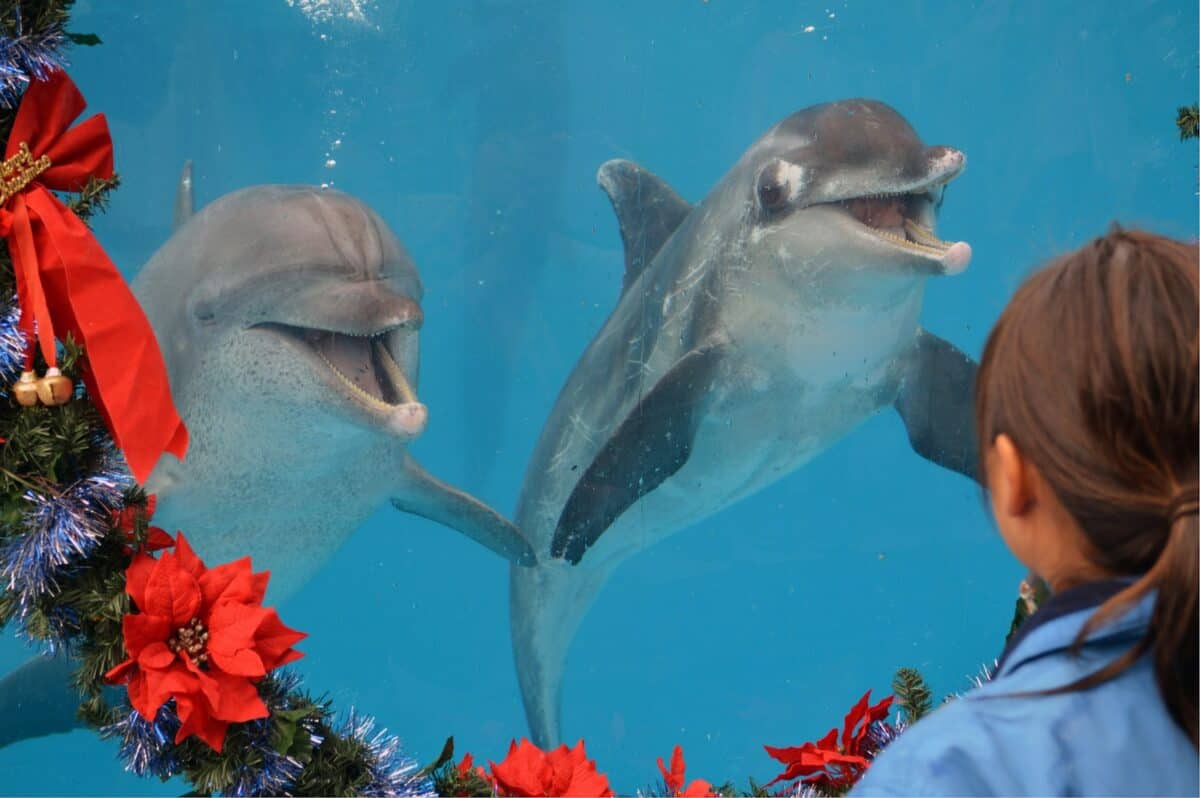
Worried about unexpected vet bills?
Pet insurance can cover thousands in unexpected vet costs. Get a free quote from Lemonade in under 2 minutes.
Get My Free Quote →Sponsored · Opens Lemonade.com
Across vast oceans and along coastal shores, a remarkable relationship has evolved between two intelligent species: humans and dolphins. Tales of dolphins rescuing swimmers in distress, cooperating with fishermen, or simply engaging playfully with beachgoers have captured our imagination for centuries. But what lies beneath these interactions? Is there genuine friendship between our species, or are we projecting our human concepts onto these marine mammals? This article explores the fascinating science, history, and reality of dolphin-human relationships, separating fact from fiction while honoring the genuine connections that can form between these two different worlds.
The Intelligence Behind Dolphin-Human Connections

Dolphins possess among the highest brain-to-body mass ratios of any animal, second only to humans. Their brains have evolved a complex neocortex—the part responsible for problem-solving, self-awareness, and communication. Studies have shown that bottlenose dolphins can recognize themselves in mirrors, understand symbolic language, and even transmit cultural knowledge across generations. This advanced cognition creates a foundation for meaningful interactions with humans, as dolphins can recognize individual people, remember interactions, and adapt their behavior accordingly. Research at facilities like the Dolphin Research Center in Florida has demonstrated that dolphins can understand not just direct commands but abstract concepts, suggesting cognitive abilities that in some ways parallel our own, creating a unique bridge for interspecies connection unlike almost any other in the animal kingdom.
Historical Accounts of Dolphin Assistance

Historical records dating back to ancient Greece document cases of dolphins aiding humans. Perhaps most famous is the story of Pelorus Jack, a dolphin who guided ships through dangerous passages near New Zealand from 1888 to 1912, becoming so valued that he received legal protection from the government. In more recent decades, documented cases include dolphins circling swimmers to protect them from sharks, supporting drowning victims until help arrives, and even guiding lost boats to shore. While some accounts may be exaggerated through retelling, marine biologists confirm that the core behavior—dolphins providing assistance to humans in distress—is consistent with their natural tendencies. Dolphins exhibit altruistic behaviors even among their own species, often supporting injured pod members and lifting them to the surface to breathe. This capacity for empathy appears to sometimes extend across species boundaries, although scientists caution against attributing purely human motivations to these behaviors.
The Phenomenon of Solitary Sociable Dolphins

Marine researchers have documented a fascinating occurrence known as “solitary sociable dolphins”—wild dolphins who, for various reasons, separate from their pods and regularly seek human interaction. The International Marine Life Alliance has recorded over 100 such cases worldwide since the 1950s. Famous examples include Fungie, who resided in Ireland’s Dingle Harbor for 37 years; JoJo in the Turks and Caicos; and Moko in New Zealand. These dolphins often approach boats, swim alongside humans, and even engage in play behaviors. Dr. Toni Frohoff, who studies human-dolphin interactions, suggests these cases represent a form of social adaptation rather than dysfunction, as the dolphins actively choose and maintain these relationships with humans. While these relationships can become meaningful to both parties, they also present ethical challenges, as the dolphins may become dependent on human interaction and less capable of reintegrating with their own species.
Cooperative Hunting Partnerships

One of the most remarkable examples of dolphin-human friendship involves cooperative fishing practices. In Laguna, Brazil, bottlenose dolphins have participated in a fishing partnership with local fishermen for generations. The dolphins herd schools of mullet toward the shoreline where fishermen wait with nets. At precisely the right moment, the dolphins signal with distinct body movements, prompting the fishermen to cast their nets. Both species benefit—the dolphins catch disoriented fish that escape the nets, while the fishermen catch more fish than they would alone. Scientists studying this phenomenon have discovered that specific dolphin families pass down this behavior, with only certain individuals participating. Remarkably, both the dolphins and the fishermen can recognize their specific partners in this arrangement. Similar cooperative hunting relationships have been documented in Myanmar and Mauritania, suggesting that these cross-species working relationships have evolved independently multiple times, indicating a natural basis for dolphin-human collaboration.
The Science of Dolphin Communication

Understanding dolphin-human relationships requires appreciating how dolphins communicate. They use a sophisticated system of clicks, whistles, body postures, and touch. Each dolphin develops a unique “signature whistle”—essentially a name—that identifies them to others. They can produce sounds at frequencies up to 150 kHz (humans hear up to about 20 kHz) and can detect sounds from miles away through echolocation. Research at the Wild Dolphin Project and similar organizations has made significant progress in decoding dolphin communication patterns. Though we haven’t developed a complete “dolphin dictionary,” scientists can now identify specific vocalizations related to feeding, danger, and social bonding. When interacting with humans, dolphins often modify their communication, using more visual signals and adapting their behaviors based on human responses. This communication flexibility demonstrates their social intelligence and provides a foundation for meaningful exchange between our species, even without shared language.
Captivity vs. Wild Interactions
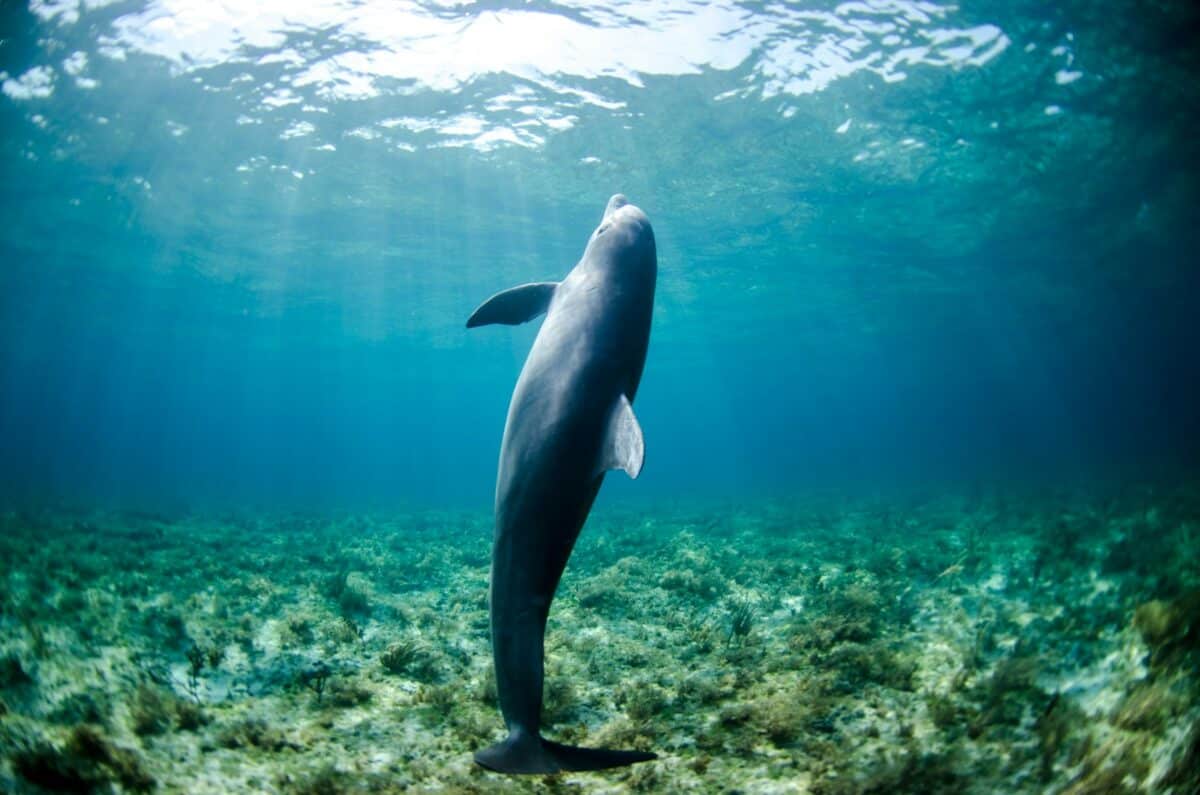
The context of dolphin-human relationships dramatically affects their nature and ethical implications. In captivity, dolphins form bonds with their trainers through daily feeding, training, and care routines. These relationships can involve genuine attachment, with dolphins showing preferences for specific trainers and exhibiting behaviors interpreted as affection. However, critics argue these bonds develop under artificial conditions where dolphins are dependent on humans. In contrast, wild dolphin interactions occur on more equal terms, with the dolphins choosing to engage or depart. Organizations like Dolphin Connection in the Florida Keys have pioneered “controlled wild” programs where humans can meet dolphins in natural settings without feeding or touching them. Research suggests these voluntary interactions may better reflect genuine interspecies connection. Dr. Denise Herzing, who has studied wild Atlantic spotted dolphins for over 35 years, notes that respectful, non-manipulative approaches allow for more authentic relationships to form, based on mutual curiosity rather than dependency.
The Neurological Basis for Connection

Recent advances in neuroscience provide intriguing insights into why dolphins and humans might form special bonds. Both species share similar neurological structures, including von Economo neurons (previously thought unique to humans, great apes, and elephants)—cells associated with social awareness, empathy, and intuition. Additionally, dolphins and humans both possess highly developed limbic systems, the brain region associated with emotional processing. Functional MRI studies on dolphins show that their brains process social information similarly to humans, with comparable activation patterns when recognizing familiar individuals. Research conducted at the National Marine Mammal Foundation has demonstrated that dolphins experience increased oxytocin levels—the hormone associated with bonding—during positive interactions with familiar humans, suggesting a neurochemical basis for attachment similar to that in human friendships. These biological similarities may explain why, despite our vastly different evolutionary paths, dolphins and humans can form connections that transcend species boundaries.
Therapeutic Benefits of Dolphin Interaction
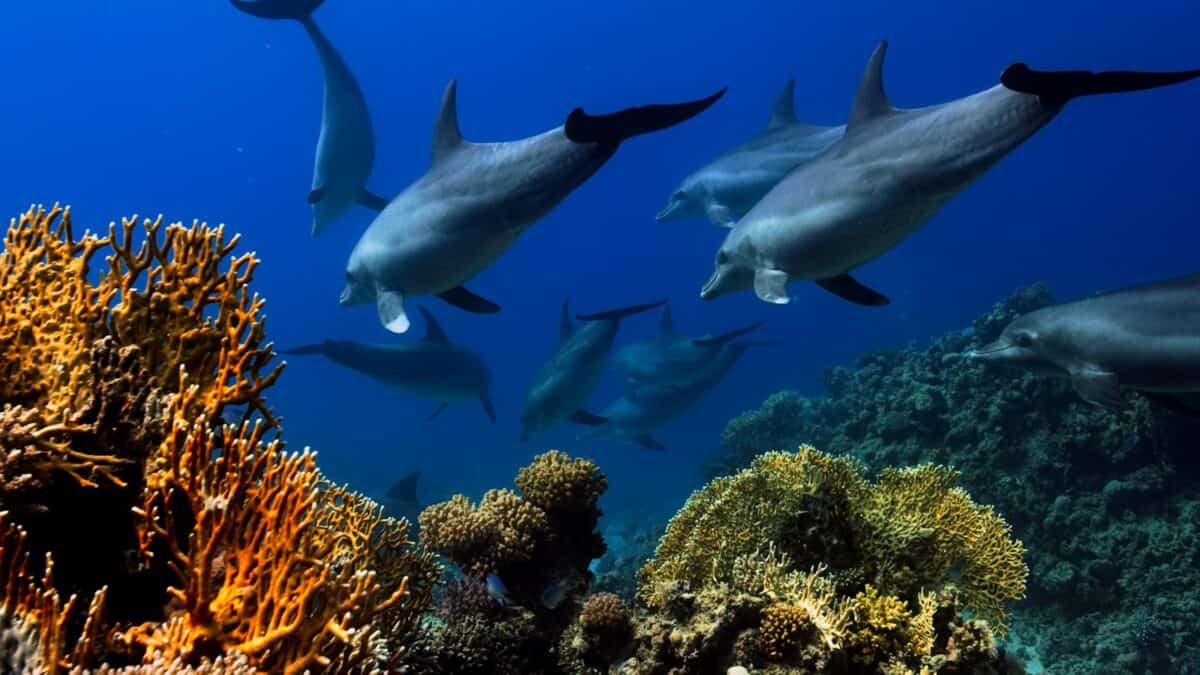
The field of dolphin-assisted therapy (DAT) has grown substantially since the 1970s, with programs worldwide serving people with physical disabilities, autism spectrum disorders, depression, and PTSD. Reported benefits include improved motor function, enhanced communication skills, reduced anxiety, and increased motivation during therapy. While some studies show promising results, the scientific community remains divided on whether dolphins specifically provide therapeutic benefits beyond those of any animal-assisted therapy. A 2012 review in the Journal of Clinical Psychology found that improvements in DAT programs often correlated with factors like being in water, outdoor activity, and novel experiences rather than dolphin-specific effects. Nonetheless, therapists involved in these programs report unique aspects of dolphin interaction, including dolphins’ spontaneous adaptation to individuals with different abilities and their apparent attentiveness to human emotional states. Current ethical practices emphasize minimal-contact approaches that respect dolphin welfare while still allowing for meaningful interaction.
When Connections Turn Dangerous

Despite their friendly reputation, dolphin-human interactions can pose significant risks to both species. Wild dolphins are powerful animals weighing hundreds of pounds, capable of causing serious injury—even unintentionally. The National Marine Fisheries Service documents dozens of cases annually where habituated dolphins have bitten, rammed, or dragged humans underwater, particularly when humans attempt to touch, feed, or swim with them inappropriately. Males dolphins especially can display aggressive or sexual behaviors toward humans that can be dangerous. Feeding wild dolphins creates additional problems, leading to dependency, altered natural behaviors, and increased vulnerability to boat strikes and fishing gear entanglement. For dolphins, close human contact can expose them to pathogens, while disrupting their natural feeding, resting, and reproductive behaviors. Marine mammal experts emphasize that respecting dolphins as wild animals—maintaining appropriate distance and avoiding feeding—actually fosters healthier, more sustainable relationships between our species.
Cultural Perspectives on Dolphin-Human Bonds

Different cultures have developed distinct perspectives on human relationships with dolphins. In ancient Greece, harming dolphins was considered sacrilege, with numerous temples depicting human-dolphin friendships in art. Polynesian cultures traditionally viewed dolphins as spiritual guardians and navigational guides. In parts of Japan, contrastingly, traditional dolphin hunts continue, reflecting a utilitarian rather than companionship-based relationship. Modern Western perspectives often romanticize dolphins as almost mystical beings, influenced by popular media portrayals in shows like “Flipper” and films emphasizing dolphins’ intelligence and apparent affinity for humans. Indigenous perspectives typically emphasize respect and reciprocity rather than ownership or entertainment. The Maori of New Zealand, for instance, consider dolphins (aihe) as kaitiaki (guardians) deserving of respect and protection while maintaining appropriate natural boundaries. These varied cultural frameworks significantly influence how different societies approach, regulate, and value dolphin-human relationships, demonstrating how these connections are as much cultural as biological phenomena.
Ethical Frameworks for Interspecies Friendship

The concept of “friendship” between humans and dolphins raises profound ethical questions about interspecies relationships. Traditional Western ethical frameworks have typically focused on human-to-human obligations, with animals considered primarily as resources or property. However, evolving ethical perspectives increasingly recognize certain animal species as “non-human persons” deserving of special moral consideration based on their cognitive abilities, emotional lives, and social complexity. Countries including India and Chile have legally recognized dolphins as “non-human persons” with specific rights against captivity and exploitation. Ethicists like Peter Singer and Tom Regan argue that dolphins’ advanced cognition warrants moral standing similar to that of human children. A balanced ethical approach acknowledges that while genuine connection between species is possible, human responsibility includes respecting dolphins’ autonomy, natural behaviors, and needs. This means prioritizing conservation of their ocean habitats, minimizing harmful human impacts like pollution and fishing gear entanglement, and ensuring that our desire for connection doesn’t compromise their well-being.
Protecting the Future of Dolphin-Human Relationships

The future of meaningful dolphin-human relationships depends on addressing serious threats to dolphin populations worldwide. The International Whaling Commission estimates that over 300,000 cetaceans (dolphins, porpoises, and whales) die annually from human activities including bycatch in fishing gear, habitat destruction, pollution, and climate change impacts. Organizations like Whale and Dolphin Conservation work to establish marine protected areas, promote sustainable fishing practices, and reduce ocean noise pollution that disrupts dolphin communication and navigation. For individuals seeking connection with dolphins, responsible wildlife tourism offers a sustainable alternative to exploitative attractions. Operators adhering to guidelines established by the World Cetacean Alliance maintain appropriate distances, limit interaction time, and prioritize education about conservation challenges. Scientists emphasize that the most meaningful way to express care for dolphins is through supporting conservation efforts that ensure wild populations can thrive in healthy oceans. This approach recognizes that genuine respect for another species means ensuring its continued existence in its natural state.
The Truth About Friendship Across Species Boundaries
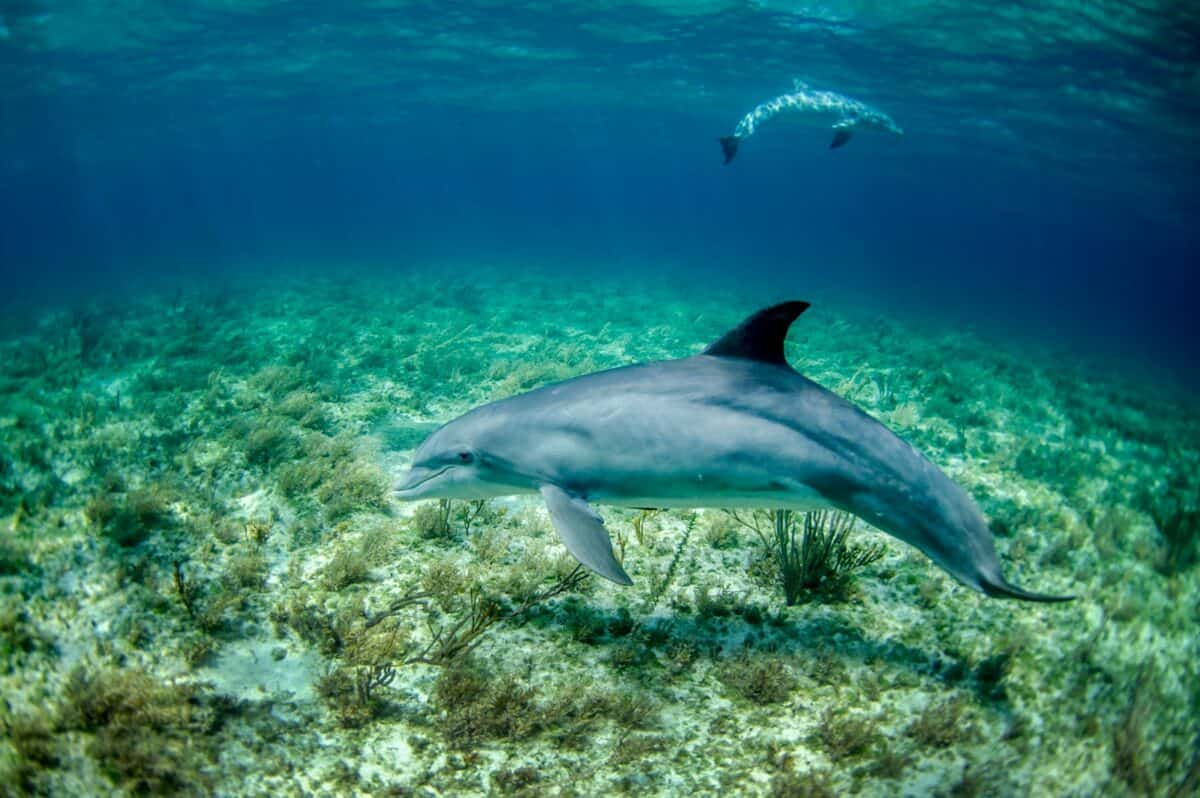
The evidence suggests that while dolphins and humans can form meaningful connections, these relationships differ fundamentally from human friendships. Dolphins appear capable of recognizing individual humans, remembering interactions over years or even decades, and choosing to engage with specific people repeatedly—behaviors that parallel some aspects of human friendship. However, these relationships occur between species with vastly different evolutionary histories, cognitive frameworks, and communication systems. Perhaps the most accurate perspective views these connections not as friendships in the human sense, but as unique interspecies relationships with their own characteristics and value. The most genuine connections arise when humans approach dolphins with respect for their wildness and autonomy, recognizing that meaningful engagement doesn’t require dominance or anthropomorphism. As we continue to learn more about dolphin cognition and behavior, our understanding of these special relationships will undoubtedly evolve, possibly revealing new dimensions of connection between our species that we have yet to fully appreciate or understand.
Worried about unexpected vet bills?
Pet insurance can cover thousands in unexpected vet costs. Get a free quote from Lemonade in under 2 minutes.
Get My Free Quote →Sponsored · Opens Lemonade.com

- 15 Common Snake Species Found in the US - June 5, 2026
- Ancient DNA Found in Cave Dirt May Rewrite Animal History - June 5, 2026
- What Steve Irwin Taught Us About Crocodiles - June 5, 2026