
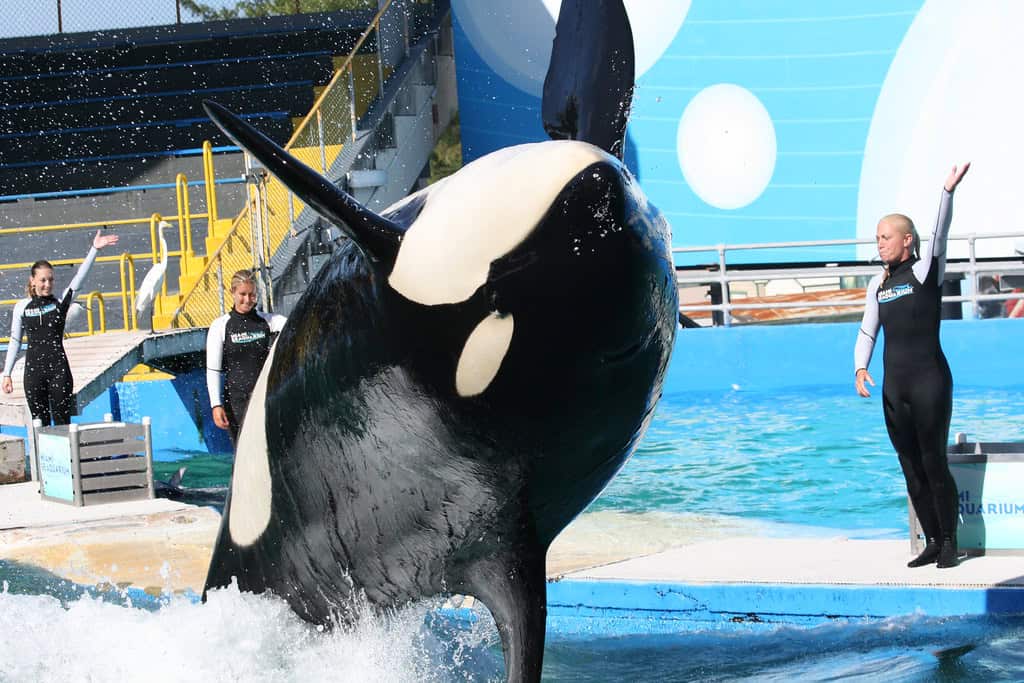
The majestic black and white predators that patrol our planet’s oceans have captivated human imagination for centuries. Known as killer whales or orcas, these apex predators possess a fearsome reputation as skilled hunters. But beneath their imposing appearance lies something even more remarkable: an intelligence so sophisticated and multifaceted that scientists are still uncovering its depths. What researchers have discovered about orca cognition challenges our understanding of animal intelligence and raises profound questions about consciousness itself. From complex social structures that rival our own to problem-solving abilities that demonstrate remarkable creativity, orcas’ intellectual capabilities extend far beyond what many people realize. The truth about orca intelligence might not just surprise you—it might completely transform how you view these magnificent creatures and our relationship with them.
The Remarkable Brain Behind the Black and White

Orcas possess the second-largest brain of any marine mammal, weighing approximately 15 pounds—more than four times larger than a human brain. But it’s not just size that matters. The orca brain has an exceptionally developed limbic system, the region responsible for processing emotions and forming social bonds. Their neocortex—the area associated with conscious thought, language, and self-awareness—is impressively convoluted, containing more folds than the human brain. This intricate neuroanatomy provides orcas with expanded cognitive processing power. Perhaps most fascinating is their paralimbic lobe, a specialized brain region not found in humans, which scientists believe plays a crucial role in their complex social cognition and processing of acoustic information. This neurological sophistication creates the foundation for intellectual abilities that continue to astonish researchers.
Cultural Sophistication That Rivals Human Societies

One of the most extraordinary aspects of orca intelligence is their development of distinct cultures. Different orca populations have unique hunting strategies, communication dialects, and social traditions that are passed down through generations—meeting the scientific definition of culture previously reserved for humans and a handful of other species. For instance, orcas in New Zealand have developed a tradition of beach hunting, while those in Patagonia have mastered the art of capturing sea lions from beaches by temporarily beaching themselves. These aren’t merely instinctual behaviors but learned traditions transmitted through social learning. Some pods have even been documented teaching these specialized hunting techniques to younger members through intentional demonstrations, with adults slowing down the process and exaggerating movements—essentially creating teaching moments. This cultural transmission demonstrates a level of social learning and information sharing once thought unique to humans.
Emotional Intelligence That Defies Expectations

Orcas display emotional sophistication that challenges our understanding of animal cognition. Their paralimbic lobe—a brain region humans don’t possess—processes emotional and social information with remarkable depth. Researchers have documented orcas exhibiting behaviors suggestive of grief, carrying dead calves for days or even weeks in what appears to be mourning. They form deep social bonds that can last a lifetime, with some populations maintaining multigenerational family groups where grandmothers play crucial roles in knowledge transmission and group survival. MRI studies have revealed that orcas possess an expanded insular cortex, associated with emotional awareness and empathy. This may explain their apparent capacity for emotional states like joy, which they express through elaborate displays of breaching and playful behavior. Their emotional lives appear so complex that some researchers argue orcas may possess forms of emotional processing that humans, lacking their specialized brain structures, might not fully comprehend.
Language Abilities Beyond Simple Communication
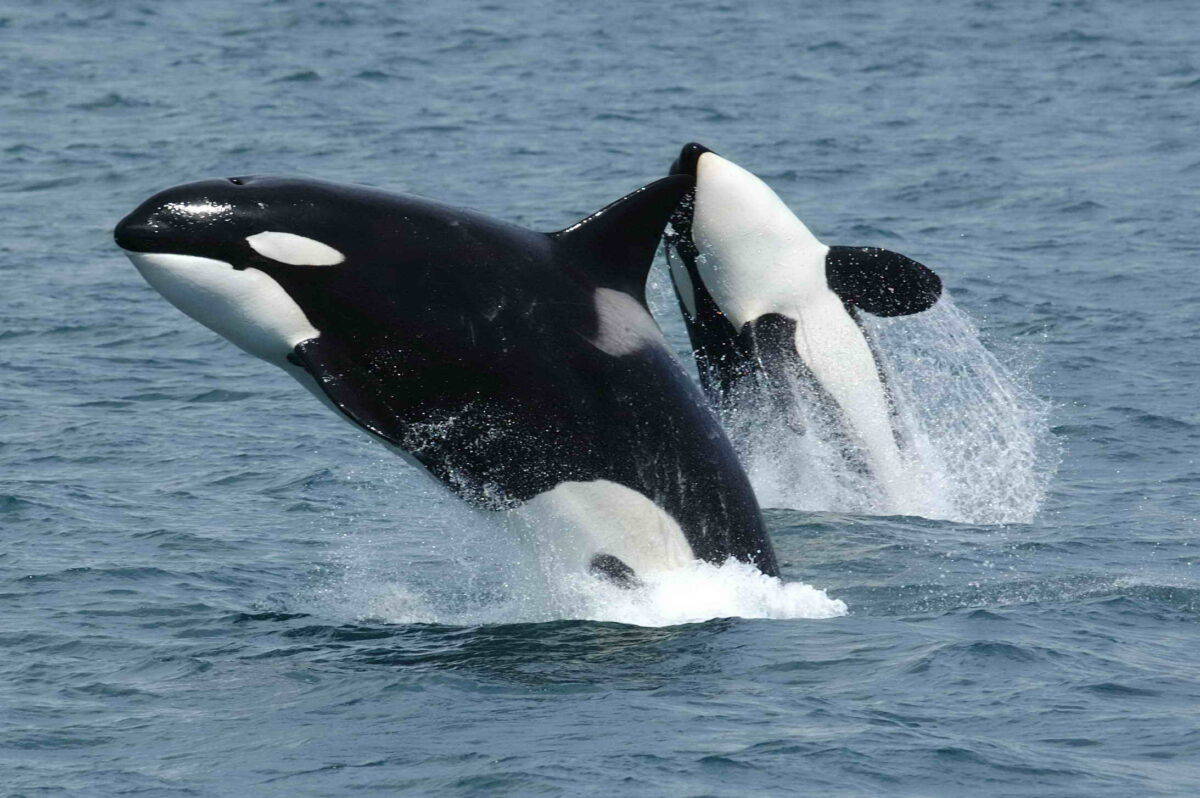
Orca communication systems are among the most sophisticated in the animal kingdom. Each pod develops a unique vocal dialect—a set of calls that serves as a kind of cultural identifier. These dialects are so distinct that researchers can identify specific pods by their vocalizations alone. Beyond these pod-specific dialects, orcas demonstrate remarkable vocal learning abilities, sometimes mimicking the calls of other pods or even other species. In captivity, some orcas have been documented imitating human speech or mechanical sounds. Their communication involves a complex system of clicks, whistles, and pulsed calls that varies depending on behavioral context and social grouping. Recent research using advanced acoustic analysis suggests their communication may contain grammatical elements and combinatorial properties similar to primitive language systems. Some scientists hypothesize that orcas may possess a form of communication that, while different from human language, could be equally complex in its structure and function.
Self-Awareness and Metacognition
Orcas are among the few non-human animals that have demonstrated self-awareness through the mirror self-recognition test, considered a gold standard for assessing this cognitive ability. When presented with mirrors, they show behaviors indicating they understand the reflection is themselves rather than another orca. This suggests a level of self-awareness once thought unique to humans and great apes. Even more remarkably, researchers have documented behaviors suggesting metacognition—the awareness of one’s own thought processes. In problem-solving scenarios, orcas have been observed pausing before attempting solutions, seemingly planning their approach rather than using trial-and-error methods. They’ve also been observed monitoring their own performance and adjusting strategies accordingly. This capacity for self-reflection represents one of the highest forms of cognition in the animal kingdom and suggests that orcas possess a sense of self that approaches—and in some ways may parallel—human consciousness.
Problem-Solving Abilities That Challenge Our Understanding

Orcas demonstrate problem-solving abilities that reveal remarkable cognitive flexibility. They’ve been observed creating sophisticated hunting strategies that require advance planning and coordination. One of the most impressive examples comes from Antarctic waters, where orcas create waves to wash seals off ice floes—a technique requiring multiple orcas to swim in precise formation. When hunting stingrays, some orcas have learned to flip the rays upside down, inducing a state called tonic immobility that renders them helpless. This technique demonstrates not just problem-solving but an understanding of another species’ biological vulnerabilities. In captivity, orcas frequently invent novel behaviors not taught by trainers and have been documented using objects in their environment as tools. Perhaps most impressively, they show the ability to solve novel problems without trial and error, suggesting they can mentally model solutions before attempting them—a form of abstract thinking once considered uniquely human.
Social Structures More Complex Than Previously Believed

Orca social structures represent some of the most complex non-human social systems on the planet. They live in highly stable family groups called pods, typically led by a post-reproductive female—the matriarch. This matrilineal social structure allows for the transmission of ecological knowledge across generations, with some pods maintaining consistent family structures for multiple human generations. Beyond their immediate family pods, orcas form larger social networks called clans, which share acoustic traditions and hunting strategies. The social intelligence required to navigate these multi-layered social structures is extraordinary. Researchers have documented complex alliance formation, reconciliation behaviors after conflicts, and cooperative problem-solving that requires sophisticated social coordination. Perhaps most remarkable is the “grandmother effect,” where post-reproductive females contribute significantly to pod survival by sharing ecological knowledge accumulated over decades—a social role with parallels to human societies. This intricate social organization provides a framework for cultural transmission and collective intelligence that amplifies individual cognitive abilities.
Specialized Neural Adaptations for Marine Life

The orca brain has evolved specialized neural adaptations for life in the ocean that represent unique forms of intelligence. Their echolocation system is supported by specialized brain regions that process acoustic information with extraordinary precision. This allows them to create detailed “acoustic images” of their environment—essentially seeing with sound in ways humans can barely comprehend. Their brain devotes significant processing power to spatial navigation, enabling them to travel vast oceanic distances with remarkable accuracy. Some orcas migrate thousands of miles yet return to specific locations year after year. Most fascinating is their ability to sleep unihemispherically—resting one brain hemisphere while keeping the other active for breathing and monitoring the environment. This adaptation, supported by specialized neural circuitry, represents a form of divided consciousness that humans cannot experience. These neural specializations demonstrate how orca intelligence has evolved to meet the unique cognitive demands of marine life, resulting in forms of intelligence that differ qualitatively from land-dwelling mammals, including humans.
The Astonishing Reality of Orca Teaching

Orcas engage in teaching behaviors that meet the scientific criteria for pedagogy—intentional instruction to impart specific knowledge or skills. Mothers have been observed deliberately slowing down hunting sequences when calves are present, providing opportunities for observation and practice. In the waters off Patagonia, adult orcas teach juveniles the dangerous technique of intentional beaching to capture sea lions by demonstrating the behavior and then supervising practice attempts. Even more remarkably, experienced orcas sometimes “handicap” themselves during teaching sessions, using less efficient techniques that are easier for novices to master before gradually introducing more advanced methods. Some pods in Norway teach young orcas to hunt herring through a technique called carousel feeding, where the fish are corralled into tight balls—a complex cooperative hunting method that requires years to master. This pedagogical sophistication goes beyond simple observational learning, suggesting orcas possess a theory of mind—an understanding that others may not share their knowledge and need instruction—once considered a uniquely human cognitive ability.
Cooperative Hunting Strategies That Demonstrate Collective Intelligence

Orca hunting behaviors reveal a level of cooperation and coordination that demonstrates collective intelligence—the ability of groups to solve problems more effectively than individuals. When hunting large baleen whales, orcas work in coordinated teams with specialized roles: some individuals harass the whale from the front while others attack its fins to reduce maneuverability. This division of labor suggests role specialization and tactical coordination. Their wave-washing technique, used to dislodge seals from ice floes, requires precise timing and positioning from multiple individuals swimming in formation to create the perfect wave. Perhaps most impressive is their apparent ability to communicate hunting intentions and coordinate strategy changes in real-time. Researchers have documented hunting groups abandoning one approach when unsuccessful and immediately implementing an alternative strategy with minimal communication, suggesting shared understanding of group goals and tactics. This level of cooperative problem-solving represents a form of distributed cognition, where the pod’s collective intelligence exceeds the sum of individual capabilities—similar to the concept of “group mind” sometimes observed in human teams.
Divergent Intelligence Across Ecotypes

Not all orcas exhibit identical forms of intelligence, as different ecotypes—distinct populations with specialized ecological niches—have evolved specialized cognitive adaptations. Resident orcas, which primarily feed on fish, demonstrate sophisticated acoustic communication and cooperative hunting of salmon. Transient (or Bigg’s) orcas, which hunt marine mammals, have developed stealthy hunting techniques and complex coordination for taking down large prey. Offshore orcas, which specialize in hunting sharks, have learned to induce tonic immobility in their prey through precise manipulation. Antarctic orcas have developed at least five distinct ecotypes, each with unique hunting specializations, from wave-washing techniques to coordinated attacks on large whales. This cognitive specialization demonstrates the principle of ecological intelligence—the evolution of specific cognitive adaptations to solve ecological challenges. The diversity of intellectual specializations across orca populations suggests their intelligence isn’t a monolithic trait but rather a flexible capacity that develops along different trajectories based on ecological demands. This cognitive diversity provides a natural experiment in how intelligence evolves to meet specific environmental challenges.
The Ethical Implications of Orca Intelligence

The emerging understanding of orca intelligence raises profound ethical questions about human interactions with these animals. Their complex cognition, emotional sophistication, and social awareness suggest they possess the primary attributes that many philosophers consider relevant to moral consideration—sentience, self-awareness, and complex social needs. The practice of keeping such cognitively sophisticated animals in captivity has come under increasing scrutiny as research reveals the psychological impacts of confinement on creatures adapted to roam vast oceanic territories and maintain complex social structures. Some legal scholars and ethicists have begun arguing for recognizing orcas as “non-human persons” deserving of fundamental rights, similar to movements advocating for legal personhood for great apes. Conservation efforts have also been transformed by our understanding of orca cognition, with increased emphasis on preserving not just the species but their diverse cultures and knowledge systems. This ethical reconsideration represents perhaps the most profound impact of research into orca intelligence, challenging humans to expand our moral circle to include these cognitive relatives who evolved in an environment so different from our own.
Conclusion: Redefining Our Understanding of Intelligence

The extraordinary cognitive abilities of orcas challenge us to reconsider what intelligence truly means beyond human-centric definitions. These remarkable marine mammals demonstrate that sophisticated cognition has evolved independently in an environment utterly different from the terrestrial context that shaped human intelligence. Their specialized forms of intelligence—from complex cultural transmission to distributed problem-solving—suggest there isn’t a single scale of intelligence with humans at the pinnacle, but rather diverse manifestations of advanced cognition adapted to different ecological niches. As we continue to discover the depths of orca intelligence, we’re compelled to approach these animals with increased respect and consideration, recognizing them as cognitive beings with their own unique forms of awareness and understanding. Perhaps the most profound insight from studying orca intelligence isn’t just what it reveals about these magnificent creatures, but what it teaches us about the limitations of our own perspective and the extraordinary diversity of minds with which we share our planet.

- Where to See Puffins Nesting in the United States - June 19, 2026
- Orangutan Moms Build a New Nest Every Night - June 19, 2026
- 12 Subtle Signs That Your Dog Is Anxious - June 19, 2026