

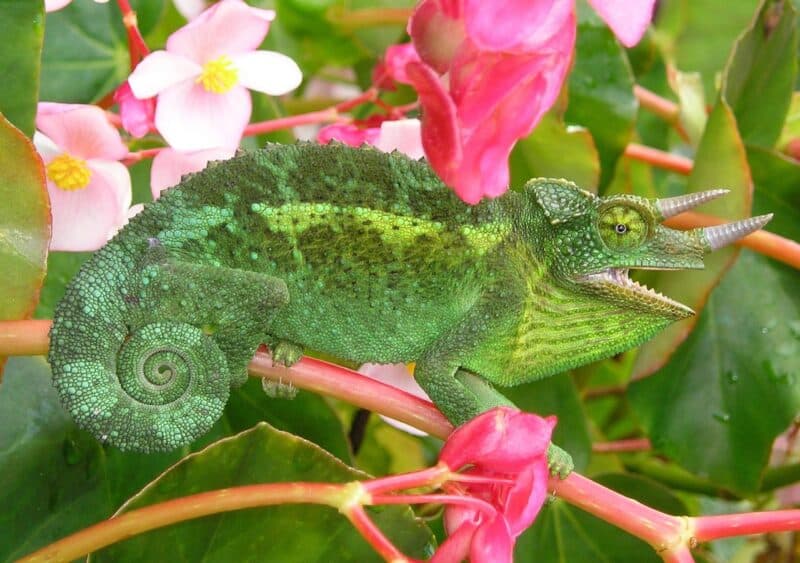
Nature is full of wonder and intrigue, with animals evolving incredible adaptations to survive. One of the most fascinating survival strategies is camouflage, enabling creatures to blend perfectly into their surroundings. This article explores 12 remarkable animals you won’t believe are hiding in plain sight, showcasing the incredible innovations nature has crafted for self-preservation.
The Masters of Disguise: Leaf-Tailed Geckos

The leaf-tailed gecko, native to Madagascar, is a master of disguise. Its body mimics the appearance of decaying leaves, complete with intricate brown spots and even notched edges that perfectly simulate leaf decay. When perched motionless on tree branches, these geckos become nearly invisible to both predators and prey. This remarkable adaptation allows them to ambush insects with ease and evade larger predators.
Blending with the Ocean Floor: The Mimic Octopus
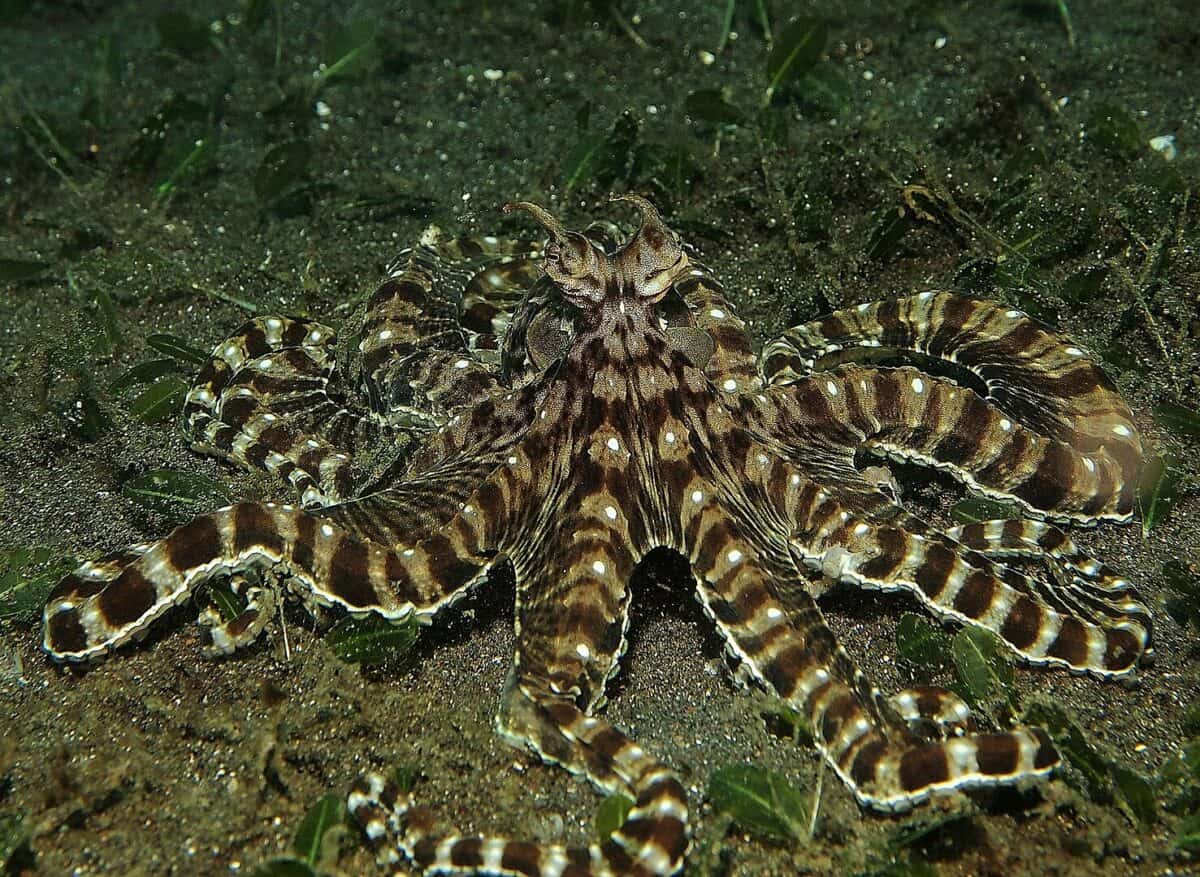
Residing in the Indo-Pacific, the mimic octopus is renowned for its ability to imitate other marine creatures. Besides blending into the sand, this intelligent octopus can contort its pliable body and change its color and texture to resemble more dangerous animals like lionfish, flatfish, and even sea snakes, thus deterring potential threats.
Chameleons: Colorful Stealth Experts
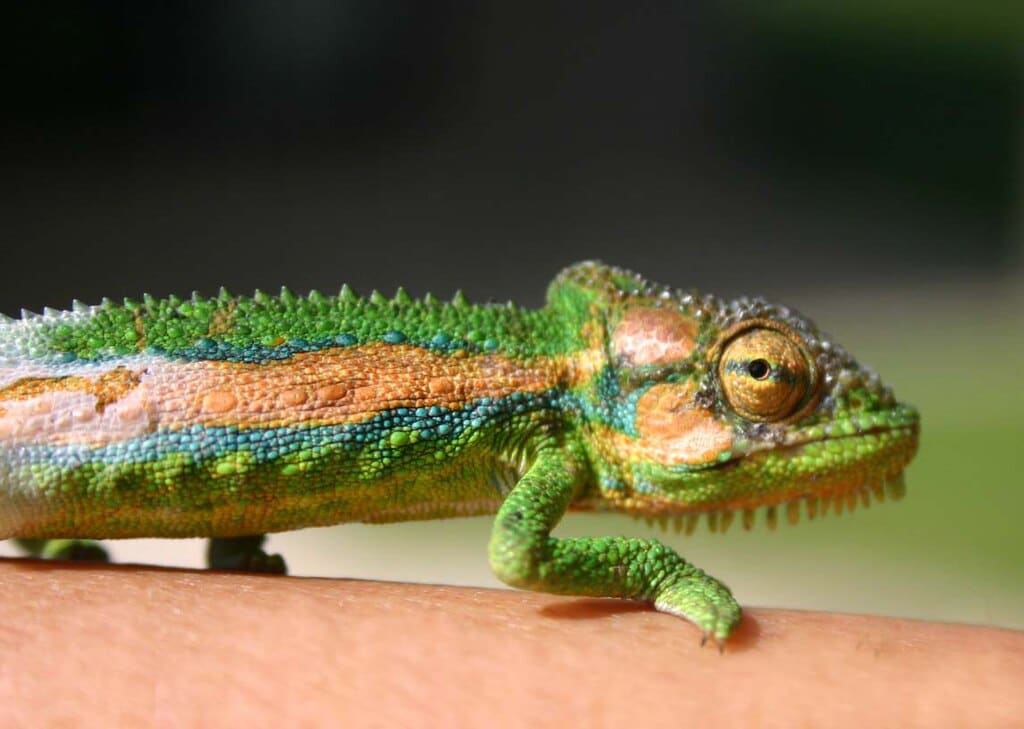
Chameleons have gained a reputation for their unparalleled ability to change color. By altering the spacing of specialized skin cells called chromatophores, these reptiles blend seamlessly into their environments. Though color change is often used for communication and temperature regulation, it also serves as a crucial defense mechanism, allowing them to evade predators while stalking prey.
Invisibility Cloaks: Glass Frogs.
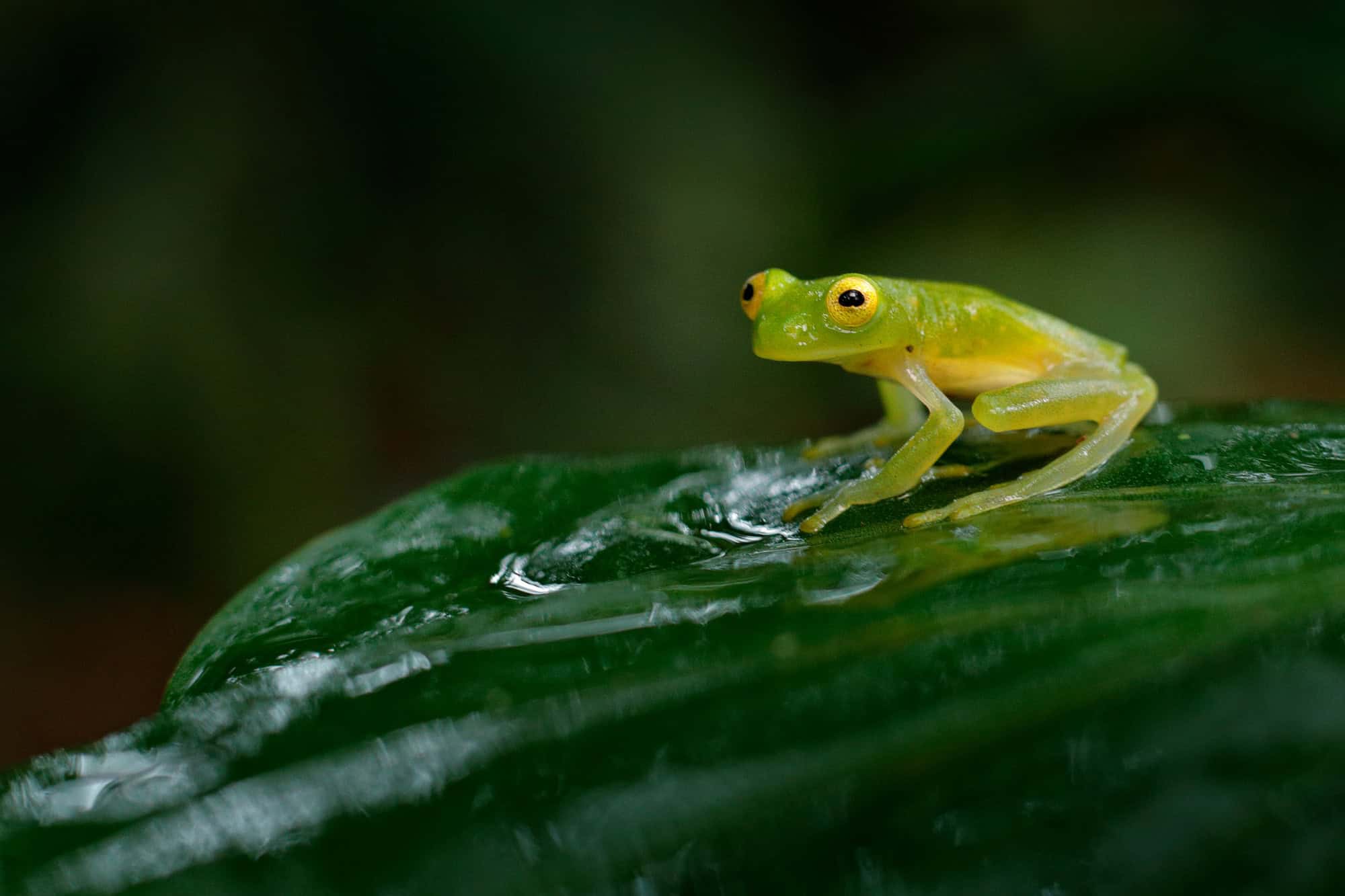
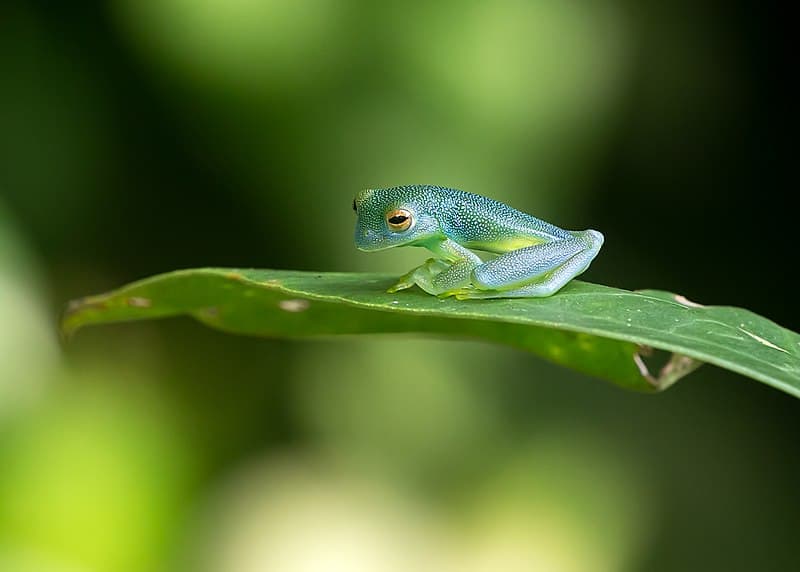
Native to Central and South America, glass frogs possess translucent skin that allows them to blend into their leafy forest habitats. This transparency makes them incredibly difficult to spot by predators from below, as the frog’s coloration mimics the hues of leaves, providing a natural shield in the dense forest canopy.
Ink and Shade: Cuttlefish Camouflage

Cuttlefish are highly intelligent mollusks equipped with exceptional camouflage capabilities. They possess specialized skin cells called chromatophores, leucophores, and iridophores, which allow them to rapidly alter their skin patterns and colors. This enables them to adapt to various backgrounds and even communicate through dynamic displays. Their stealthiness helps them avoid predators and sneak up on prey.
Disguised to Perfection: The Peppered Moth

The peppered moth is a remarkable example of evolutionary adaptation. During the Industrial Revolution, the darker variety of the moth thrived as soot covered trees, while the lighter variant dominated before industrialization. Today, both forms are visible depending on pollution levels, illustrating a fascinating case of natural selection driven by environmental changes.
Seahorse Secrecy: The Pygmy Seahorse
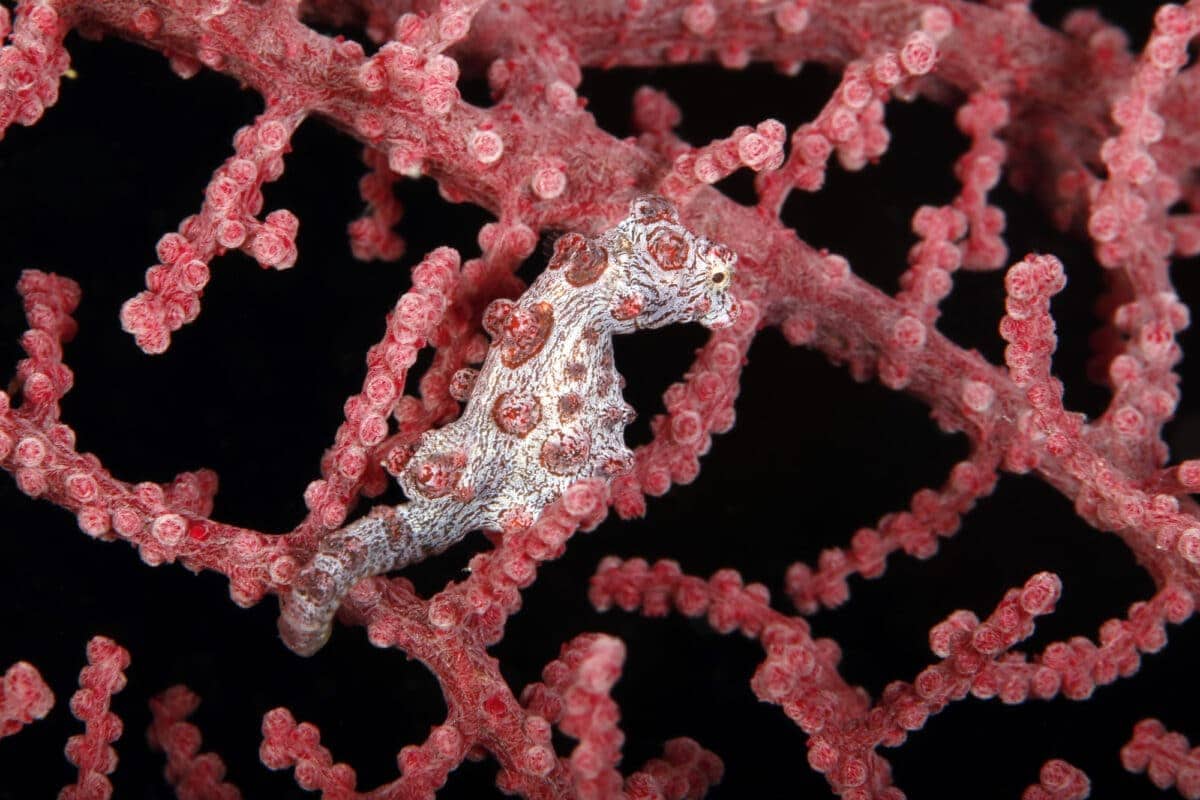
Pygmy seahorses inhabit coral reefs in the Indo-Pacific and are camouflaged to the point of near invisibility. These miniature marvels mirror the color, texture, and shape of the corals they call home. Interestingly, they adapt to match the corals’ hues they are born into, creating one of the most perfect natural disguises.
Frozen in Position: Snow Leopards

These elusive big cats of the Himalayas are superbly adapted to their alpine environment. Their stunning, thick fur mimics the rocky, snowy terrain, providing them excellent stealth. This natural camouflage is essential for successful hunting, as it allows them to silently approach their prey, typically wild sheep and goats, without being detected amid the harsh landscape.
Clever Cover: The Walking Stick Insect

The walking stick insect is an astonishing example of evolutionary deception. Mimicking the appearance of twigs and branches, these insects evade predators with ease. Their slender bodies, brown or green coloration, and even subtle limb movements replicate the swaying of twigs in the wind, making them indistinguishable from their surroundings.
Mimetic Marvel: The Indonesian Mimic Spider
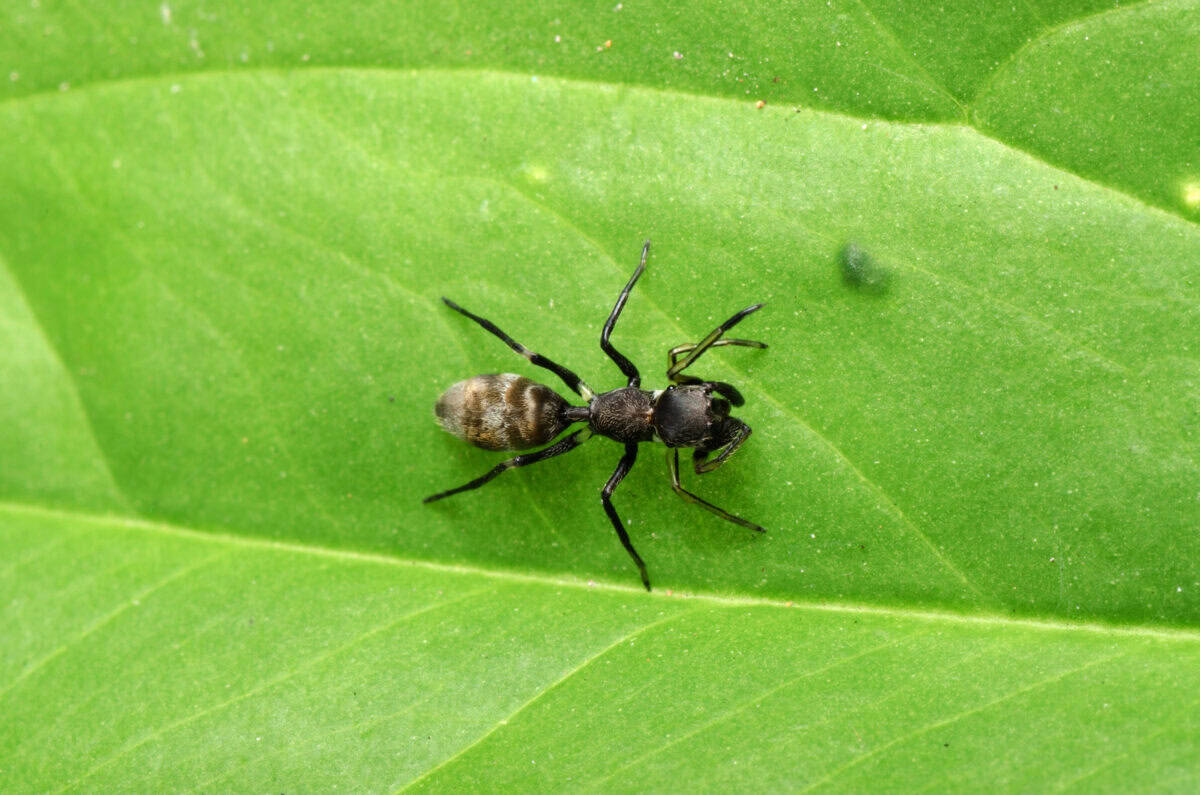
The Indonesian mimic spider takes camouflage to the next level by imitating ants. This skillful impersonation is achieved not only through similar coloration and body segmentation but also by moving in a manner characteristic of ants. This strategy helps avoid potential predators or allows them to ambush unsuspecting ant prey.
The Art of Staying Hidden
Camouflage is one of nature’s most ingenious solutions for survival. Through an array of patterns, colors, and adaptations, these 12 animals have evolved to disappear within their habitats. Their extraordinary abilities are not just feats of physical disguise but vital survival strategies, showcasing nature’s ability to produce astonishing adaptations over time.

From exploring the marine wonders in the Azores and witnessing the vast savannas of Kenya, to delving deep into the rich biodiversity of South Africa and traversing iconic landscapes in Australia and the US like Yellowstone, Chris's experiences are vast.
With a penchant for diving alongside sharks, the ocean holds a special place in his heart.
Through his academic insights, he champions wildlife conservation, striving with 'Animals Around The Globe' to cultivate a profound connection between humans and animals, enhancing our mutual appreciation.
Connect with him at Feedback@animalsaroundtheglobe.com.
- How Tigers Mark Their Territory Using Scent and Scratches - July 29, 2026
- The Deadly Volcano That Erased a Town Is Now Active Again - July 29, 2026
- 12 Deep Sea Animals With Terrifying Adaptations - July 29, 2026