

Have you ever wondered what it would be like to share your home with a three-legged dog or a blind cat? Most people walk past these animals at shelters, their eyes drawn to the bouncy puppies and sleek kittens instead. Yet, those who pause long enough to look beyond the wheelchair or the clouded eye often discover something remarkable. These pets, the ones some consider broken, have an astonishing capacity to teach us about resilience, patience, and unconditional love in ways we never expected.
It’s easy to assume that caring for means signing up for endless hardship. The truth, however, is far more nuanced. While these companions do require thoughtful consideration and sometimes adaptive equipment, they also offer rewards that catch even seasoned pet owners off guard.
A Deeper Bond Than You Ever Imagined
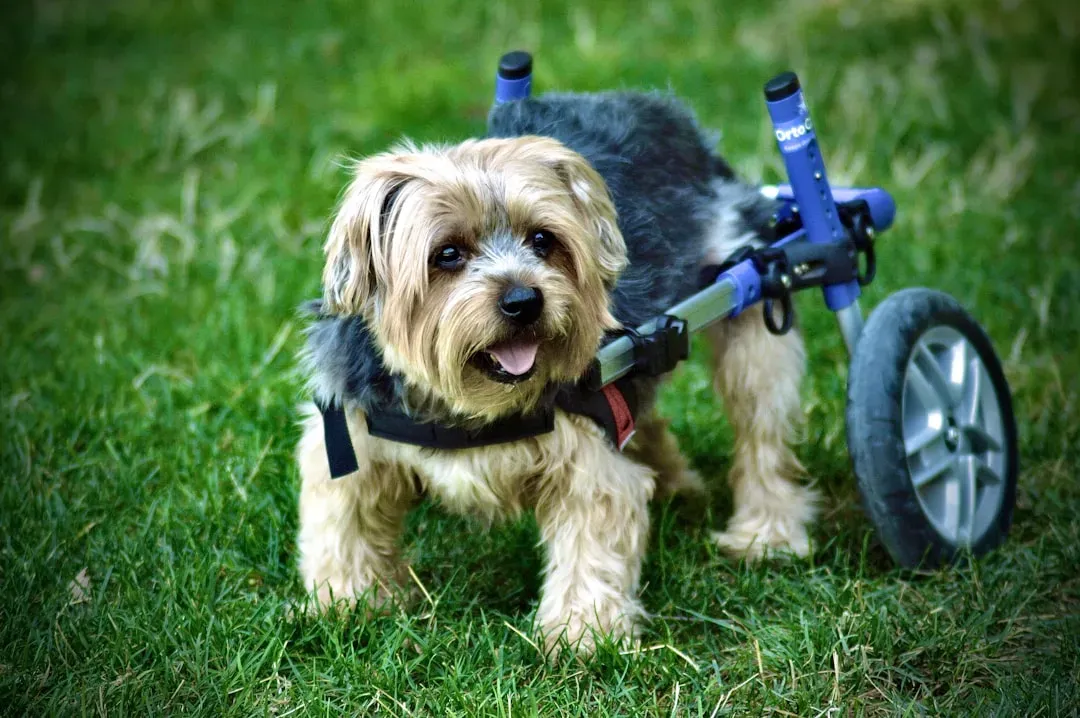
The dedication required to care for a special needs pet can transform their life, offering them love, security, and happiness while providing you with a loyal companion and profound satisfaction. There’s something about helping an animal navigate a world they can’t fully see or hear that creates an intimacy most people don’t anticipate.
When you become the eyes for a blind dog or the reassuring touch for a deaf cat, you’re not just a caretaker. You become their entire universe in a way that’s hard to replicate with able-bodied pets. Adopters who choose to look beyond the impairment are rewarded with love, companionship, and the satisfaction of knowing that a needy cat has been given the chance of life in a loving home.
This bond doesn’t develop overnight. It builds gradually as your pet learns to trust your guidance and you learn to read their unique signals. The result is a connection that feels almost telepathic.
They’re Masters of Adaptation
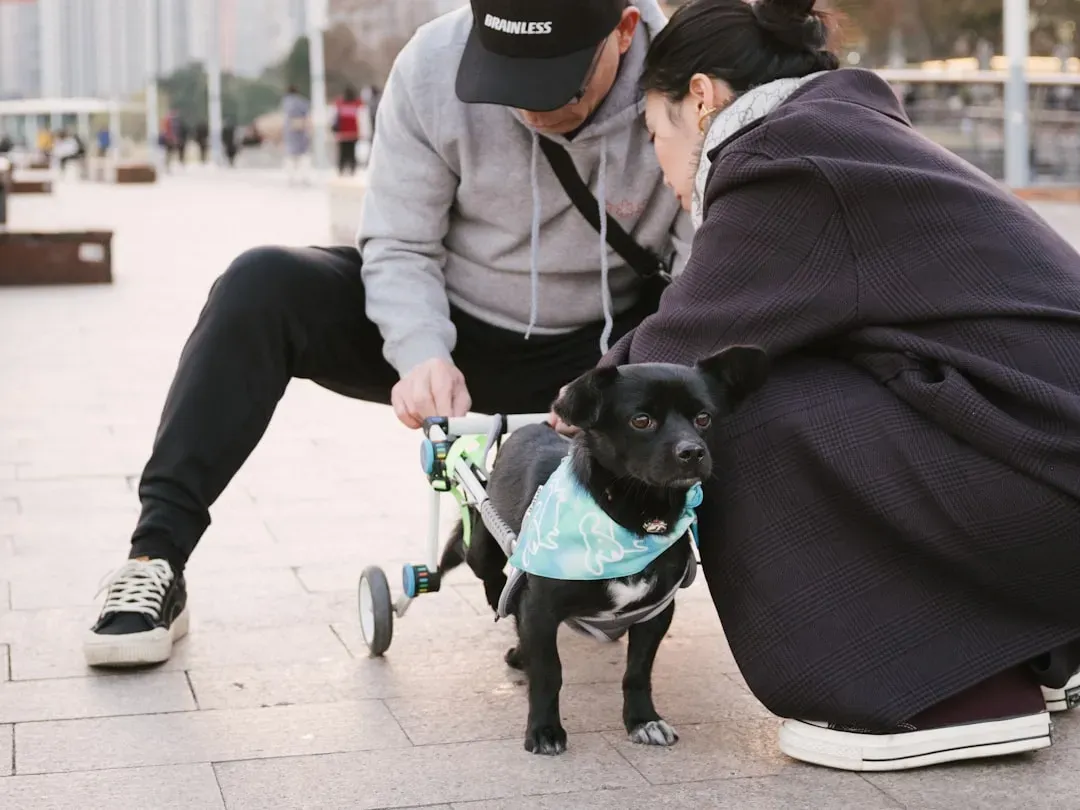
Disabled cats may require a little additional care or consideration for their environment, but their ability to adapt will amaze and inspire. I’ve seen this firsthand at shelters where three-legged cats leap onto furniture with surprising agility, and dogs missing both eyes navigate obstacle courses using scent and memory.
Many pet owners cannot fathom their pet with only three legs, but almost all pets do as well with three legs as they do with four, and pets don’t realize they’re missing a leg and usually cope well. Animals simply don’t dwell on what they’ve lost. They focus on what they can still do, often finding creative solutions that would impress any problem solver.
Blind cats develop mental maps of their homes with remarkable accuracy. Deaf dogs learn to respond to hand signals and even vibrations. Some deaf cats have even been trained to understand sign language. Their resilience isn’t just inspiring, it’s downright humbling.
Lower Adoption Barriers and Costs
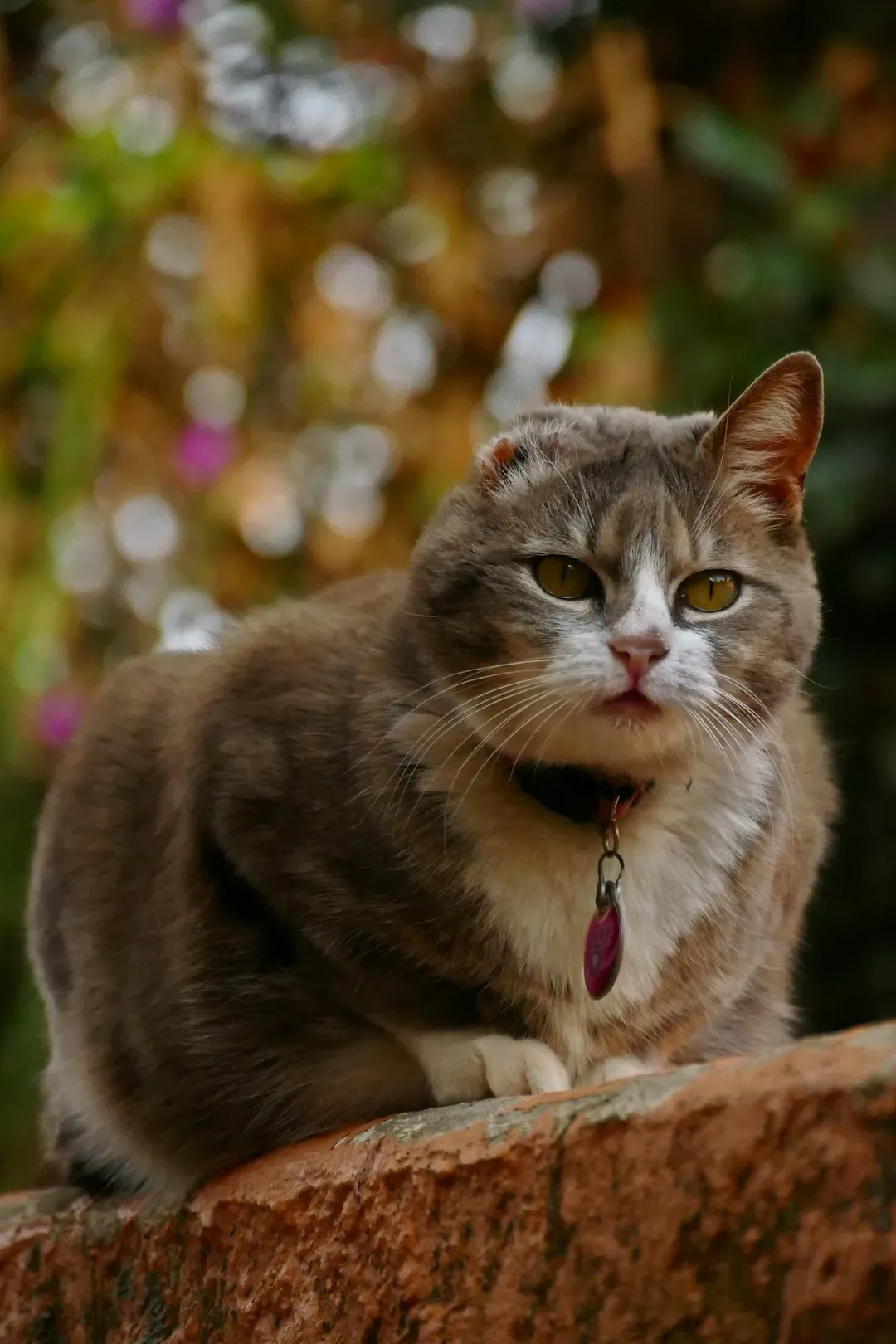
Here’s something most people don’t realize. Shelters have developed Special Care adoption tracks that help adopters understand a pet’s unique circumstances and needs before making an adoption decision, with teams working with potential adopters in advance to educate them about potential costs and care implications. This means you’re not walking into the unknown.
Many rescue organizations offer reduced or waived adoption fees for special needs animals. Some even provide ongoing support, connecting you with veterinary resources and communities of other special needs pet owners. The financial barrier to entry can actually be lower than adopting a standard pet.
Recent years have witnessed a movement among pet owners to keep disabled dogs and provide them with wheelchairs and other necessary equipment, with the perception of paralyzed and mobility-challenged dogs changing dramatically in the past decade, largely due to improved networking capabilities through social media where rescuers can fundraise and owners can connect for support. This infrastructure didn’t exist before, but it’s thriving now.
Teaching Empathy to Everyone Around You
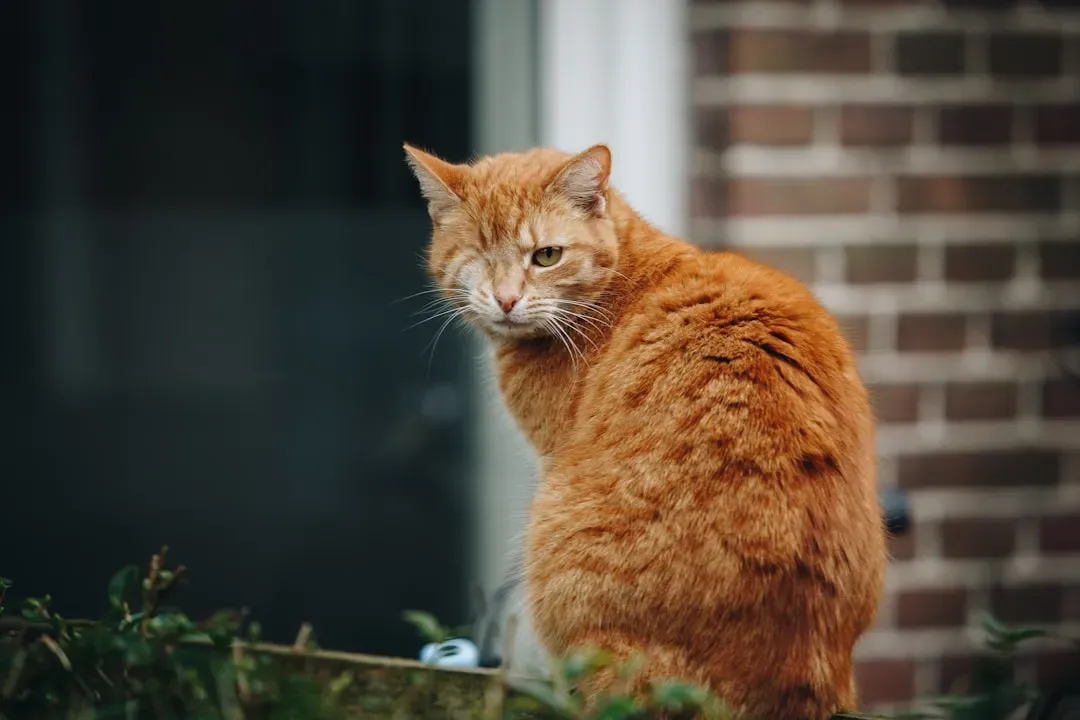
These special pets can inspire their owners to face their own challenges, help children with special needs feel and be accepted by others, and promote empathy. When you walk a blind dog wearing a halo bumper or a three-legged cat comes to greet your guests, something shifts in people’s perceptions.
Children especially benefit from growing up with special needs pets. They learn that differences don’t diminish value. They see firsthand that limitations don’t define an individual’s capacity for joy or love. These lessons stick with them far longer than any lecture about compassion ever could.
Even adults find their perspective changing. Friends who initially expressed concern or pity often become the biggest advocates once they see your pet’s personality shine through. Living with a blind or deaf pet is a wonderful experience where you are providing a safe, reliable, loving home for a pet who might struggle under other circumstances, and it can feel rewarding.
An Unexpected Community Awaits
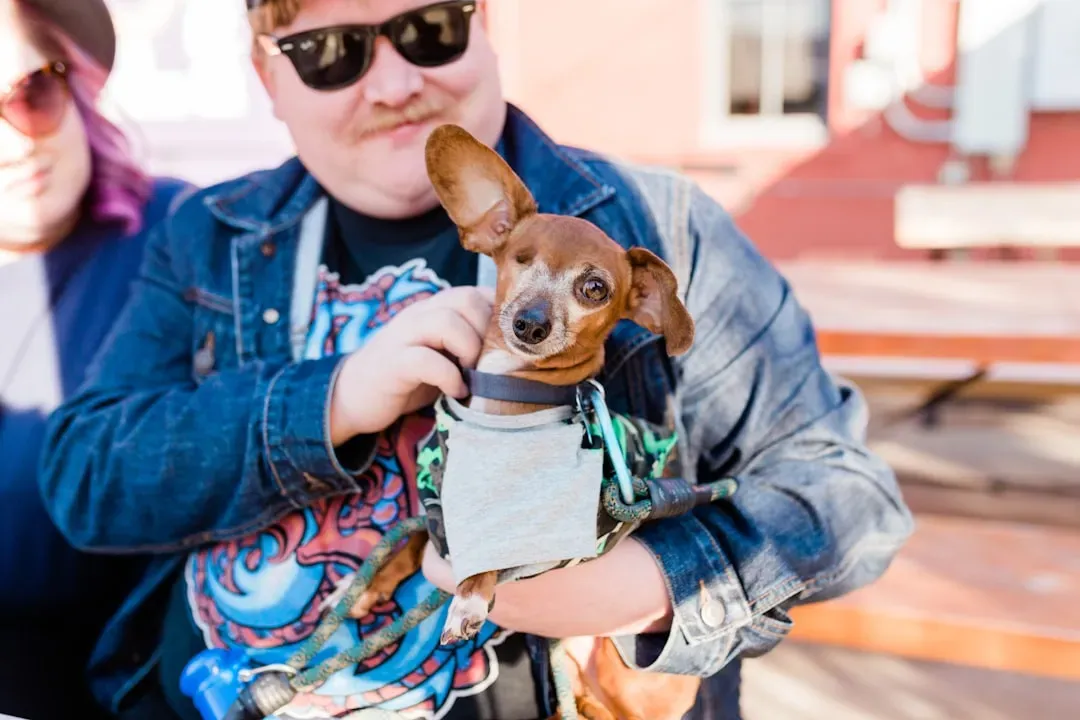
Connecting clients with other owners who have disabled pets through social media support groups provides them with a like-minded network of people to talk to and the support they need to adjust to this new way of life. You’re never alone in this journey, even when it feels overwhelming at first.
Online communities dedicated to blind pets, deaf animals, and tripods (three-legged pets) are remarkably active and supportive. Members share training tips, equipment recommendations, and encouragement. Some people report that the friendships formed through these groups become as valuable as the pet relationship itself.
Disabled pets today can enjoy a good quality of life thanks to the evolution of pet wheelchairs and carts, advancements in physical and alternative therapies, and the power of social media. The resources available in 2026 are light years ahead of what existed even a decade ago. You’ll find videos demonstrating adaptive techniques, product reviews, and countless success stories to guide your journey.
Conclusion: A Gift That Gives Back
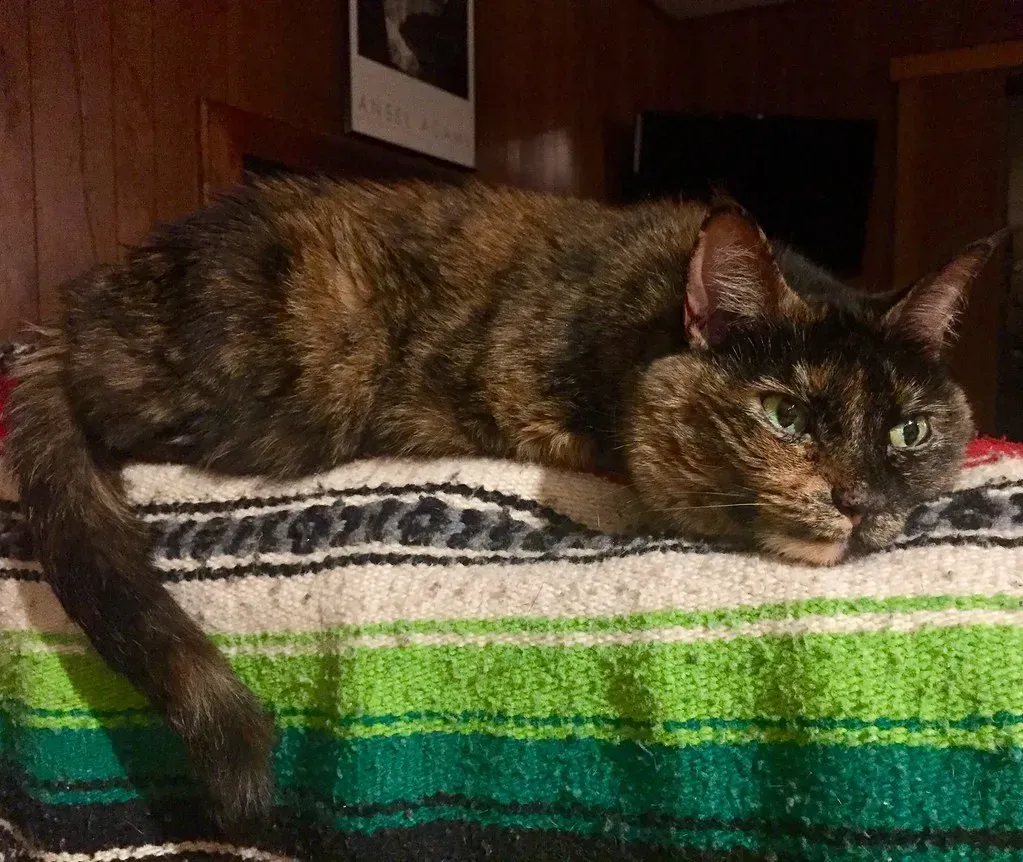
isn’t about charity or sacrifice. It’s about recognizing potential where others see limitation. These animals don’t need pity; they need people willing to meet them where they are and help them thrive. In return, they offer lessons in resilience that no self-help book could match.
Caring for a disabled pet can be challenging, but the rewards are great. The morning routines, the creative problem-solving, the moments when your blind cat confidently navigates to their favorite sunny spot – these become the highlights of your day. You realize that what you thought was an act of kindness was actually a gift to yourself.
The shelters are full of animals waiting for someone to see past their differences. Maybe it’s time to ask yourself: could you be that person? What might you discover about yourself in the process?

- 6 Exotic Bird Species You Can Spot in U.S. National Parks - July 19, 2026
- 11 Iconic American Birds Facing New Challenges and How You Can Help - July 19, 2026
- 10 Friendliest Animals in the World - July 19, 2026