
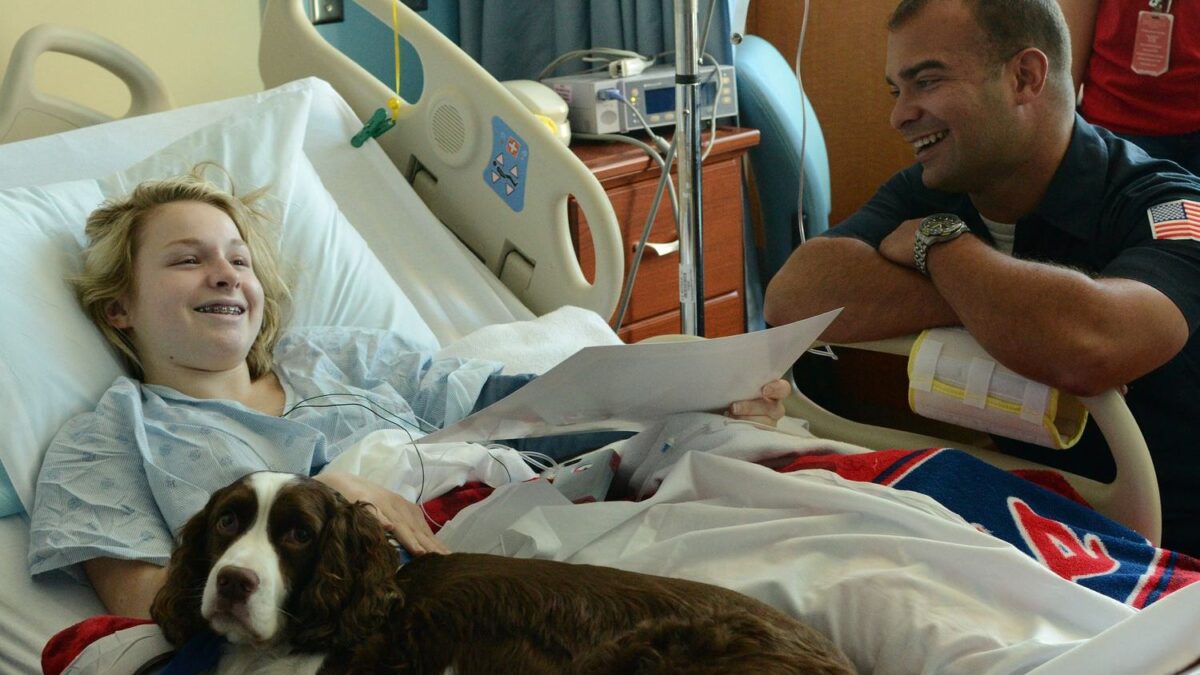
You walk into a hospital room, weighed down by worry and exhaustion. The walls feel too white, too sterile, too cold. Then, something shifts. A golden retriever trots in, tail wagging gently, eyes warm and undemanding. For just a moment, everything feels a little lighter, a little more bearable. This isn’t magic or wishful thinking. It’s the real, measurable impact of therapy animals, and honestly, the science behind it might surprise you.
While countless stories exist about animals bringing comfort during tough times, there’s now solid evidence proving these four-legged companions do far more than simply brighten someone’s day. From hospitals to mental health facilities, from schools to disaster zones, therapy animals are quietly transforming how we approach healing and well-being. Let’s dive into the remarkable ways these unseen heroes are making a genuine difference in people’s lives.
The Science Behind the Comfort

When you pet a therapy dog, your body doesn’t just feel good, it actually changes at a biological level. Interaction with therapy animals reduced cortisol levels, increased oxytocin, lowered blood pressure, and increased social engagement and emotional regulation. Think of cortisol as your body’s alarm system, constantly ringing when you’re stressed. Oxytocin, on the other hand, acts like a soothing balm, the same hormone released when you hug someone you love.
Here’s the thing that gets me: this isn’t some vague feel-good effect. Animal-assisted therapy can significantly decrease the need for pain medication following joint replacement surgeries, with the need for oral pain medication being 28% less in the animal-assisted therapy group. That’s a reduction people can actually feel in their bodies. The presence of these animals creates tangible, physical changes that medical professionals can measure and document.
Mental Health Breakthroughs
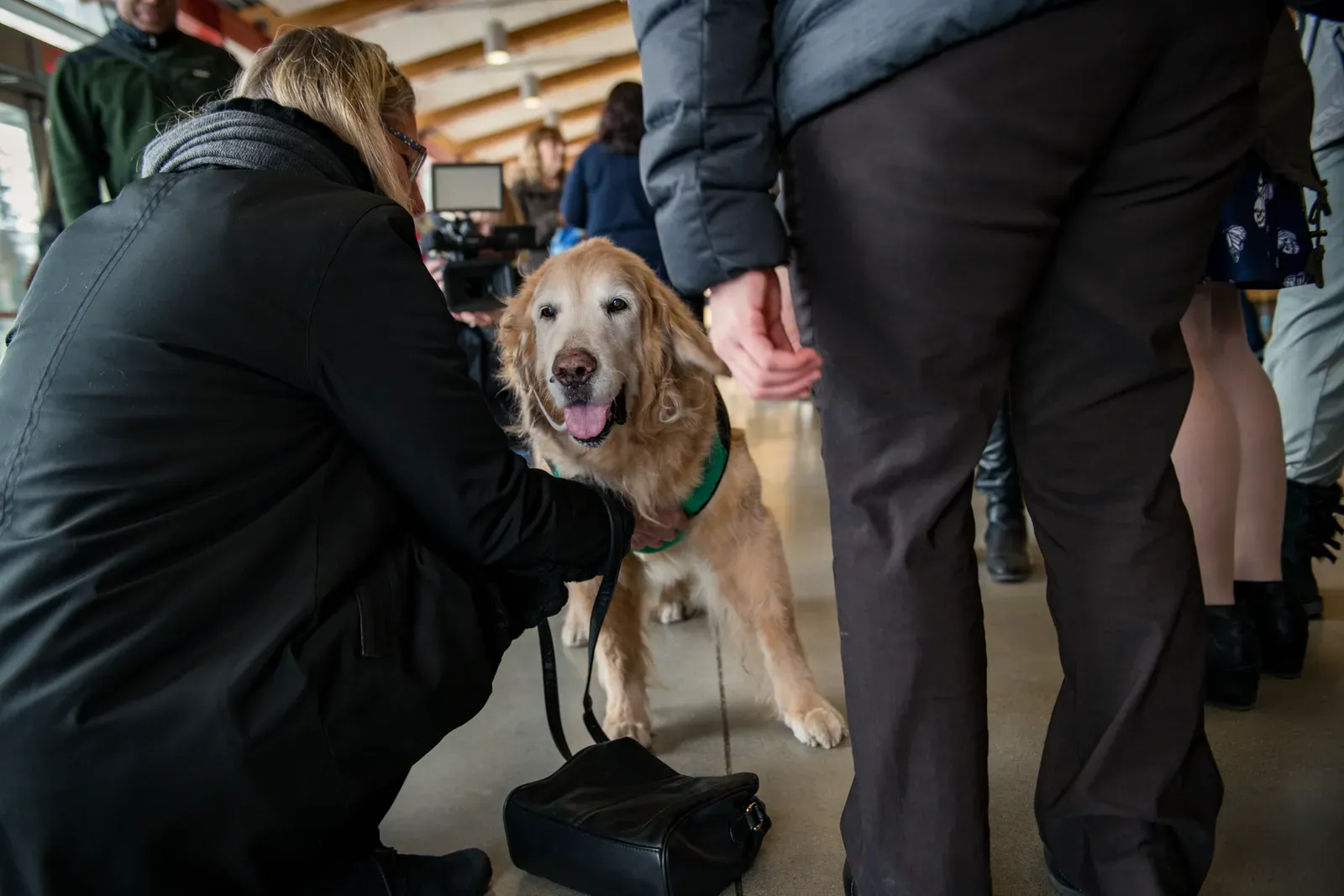
Studies indicated that AAT improved mental health outcomes for people with depression, anxiety, PTSD, and schizophrenia, with benefits including reduced symptoms and improved social functioning and quality of life. I find it fascinating how something as simple as sitting with a dog can reach people who struggle to connect with traditional therapy methods. It’s hard to say for sure, but there seems to be something deeply human about our response to animals.
Researchers observed a consistent pattern of higher amounts of the bonding hormone oxytocin and lower amounts of the stress hormone cortisol after participants engaged in focused interactions with their emotional support animal for 10-minute periods. Just ten minutes. That’s less time than most of us spend scrolling through our phones, yet it can shift someone’s entire emotional state. The beauty lies in how therapy animals offer support without judgment, without expectations, without the complicated dynamics that sometimes make human interactions challenging.
Children Finding Their Voice

Children with autism often face a world that feels overwhelming and confusing. Yet something remarkable happens when therapy animals enter the picture. Many children with autism feel a deep bond with animals, and children with autism were engaged in significantly greater use of language as well as social interaction in their therapy sessions that incorporated animals compared to standard therapy sessions without them.
Programs were associated with positive impacts on factors including reduced emotional and behavioral outbursts and improved socialization behavior observed by therapists in the day hospital setting. Kids who previously struggled to express themselves suddenly find communication easier when a furry friend sits beside them. It’s like the animal becomes a bridge between the child’s inner world and the people trying to help them. Therapy sessions that once felt intimidating become spaces of comfort and growth.
Healing in Hospital Settings
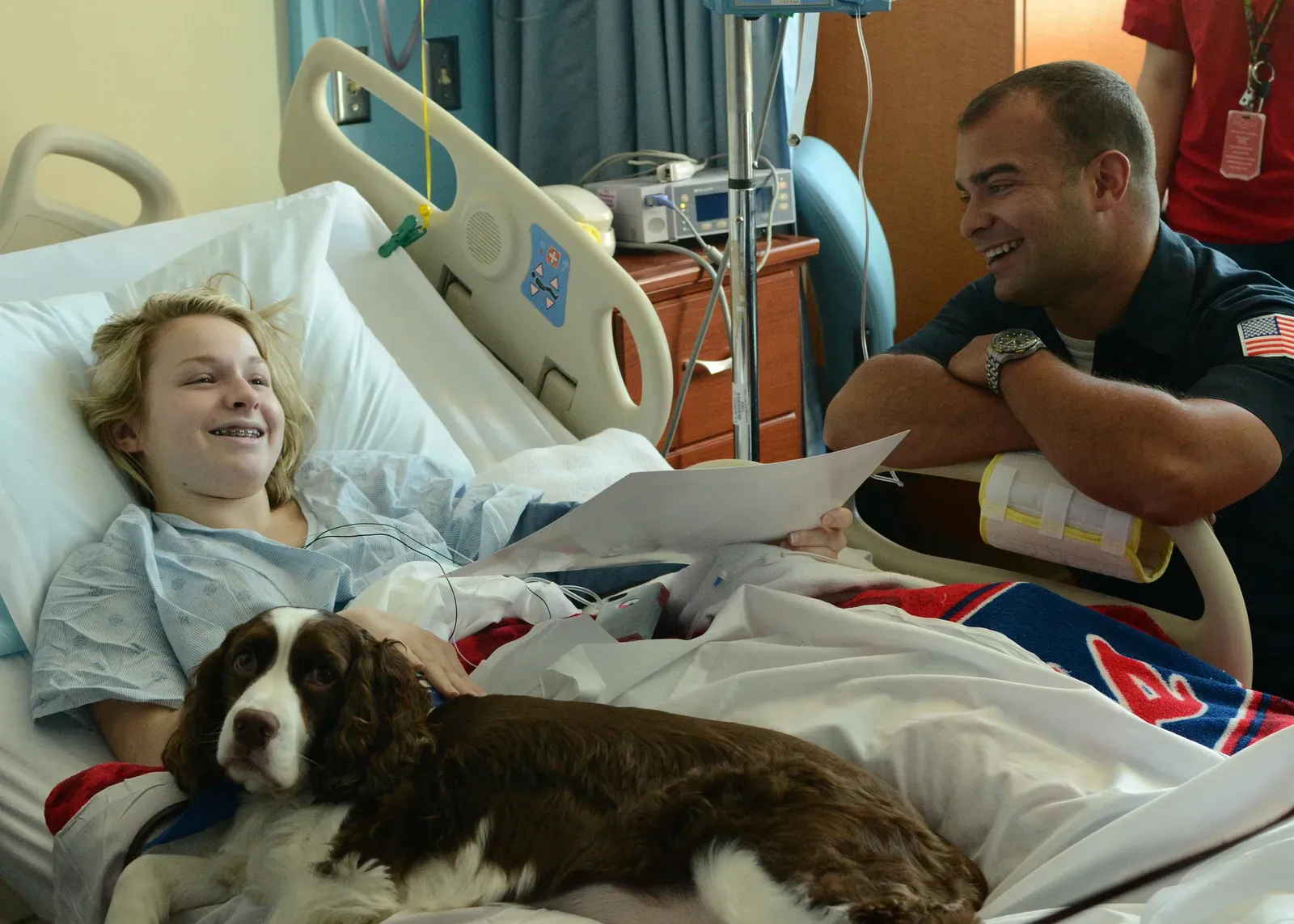
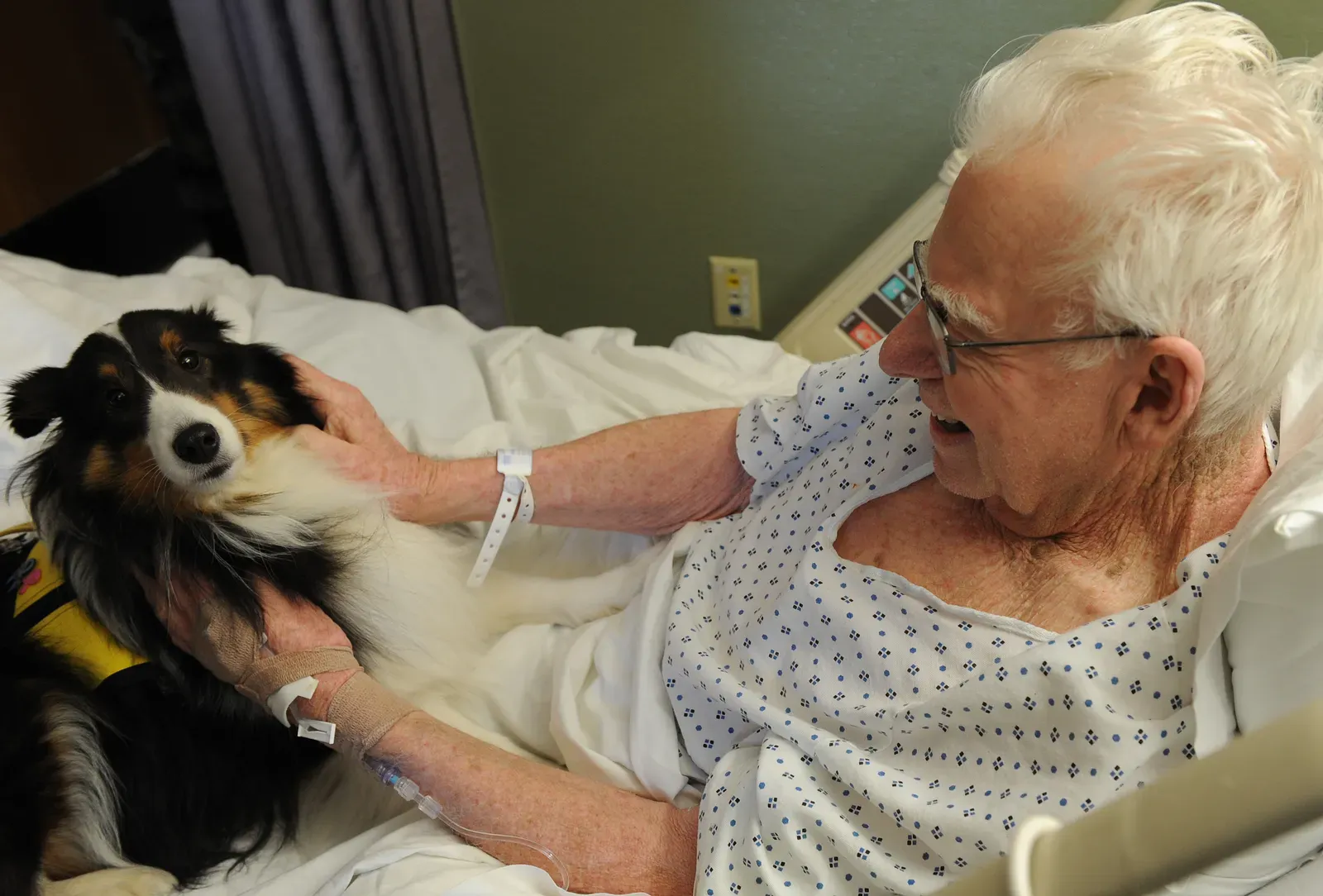
Hospitals can be frightening places, filled with unfamiliar sounds, uncomfortable procedures, and constant uncertainty. Over 70% of hospitals in the U.S. now have AAT programs, helping people with conditions like chronic pain, anxiety, and depression. That’s a pretty remarkable shift in how mainstream medicine views complementary therapies.
Therapy dogs used in hospitals can improve patient well-being and decrease anxiety, loneliness and depression, and also help hospitalized patients by lowering pain, blood pressure and stress. The dogs wander through oncology units, sit quietly beside beds in children’s wards, and bring moments of normalcy to people facing some of the hardest days of their lives. What strikes me most is how these visits aren’t just nice extras, they’re becoming recognized as legitimate therapeutic interventions.
Supporting Healthcare Workers
Let’s be real: healthcare workers are exhausted. The people who care for everyone else rarely get the support they need. Self-reported positive mood nearly doubled among the health care workers who engaged with highly trained dog-handler teams in therapy dog programs. Doubled. That’s not a small improvement.
These therapy dog programs for staff members work differently than patient visits. The interactions are brief, often just a few minutes during a shift, but they create crucial moments of relief in incredibly demanding environments. Healthcare workers deal with trauma, loss, and constant pressure. Having a therapy dog available offers them a judgment-free way to decompress and reset, even if just for a moment. Honestly, it’s about time we started prioritizing the emotional well-being of the people who dedicate their lives to helping others.
Bridging Social Isolation

For those in long-term care, pet therapy can reduce feelings of loneliness or isolation, encourage communication and socialization skills, and provide comfort during stressful times. Loneliness is an epidemic in our society, particularly among elderly people in care facilities. Days can blur together, visits from family might be infrequent, and the sense of purpose can fade.
Therapy animals break through that isolation in ways that humans sometimes can’t. Dog assisted therapy in long-term elderly care facilities helped reduce symptoms of depression, as the dogs help facilitate social interaction and create positive emotional responses. A resident might not feel like talking to staff or other residents, but when a dog enters the room, something shifts. Suddenly there’s a reason to smile, to reach out, to engage with the world again. The animals don’t replace human connection, but they create pathways back to it.
The Growing Recognition
Research by the American Psychiatric Association shows that 87% of pet owners report that their pets improve their mental well-being, offering companionship, comfort, and emotional support during difficult times. That’s an overwhelming majority of people experiencing real benefits. The vast majority, actually. This isn’t fringe science anymore, it’s becoming mainstream understanding.
The U.S. is home to more than 50,000 therapy dogs. Fifty thousand animals and their dedicated handlers working to bring comfort to people who need it. That number keeps growing as more healthcare facilities, schools, and community organizations recognize the value these programs provide. The evidence keeps mounting, the success stories keep accumulating, and slowly but surely, therapy animals are earning their place as legitimate contributors to human health and healing.
Conclusion
The impact of therapy animals extends far beyond simple companionship. These dedicated creatures and their handlers are changing lives in measurable, documented ways, from reducing medication needs to helping children find their voices, from supporting overwhelmed healthcare workers to breaking through the walls of isolation. They offer something uniquely valuable: unconditional presence without judgment, comfort without complexity, and healing without words.
The next time you see a therapy dog in a hospital hallway or read about an animal-assisted program, remember that what you’re witnessing isn’t just a nice gesture. It’s a scientifically supported intervention that’s making a genuine difference in people’s lives every single day. What’s your take on therapy animals? Have you ever experienced their impact firsthand?

- 8 US States With the Most White-Tailed Deer - August 2, 2026
- 10 Fascinating Things About Japan That Will Amaze You - August 2, 2026
- 10 Cool Facts About The Okapi, The Most Mysterious Mammal On Earth - August 2, 2026