

Shark migration is a critical ecological phenomenon that influences marine ecosystems worldwide. These ancient predators have been traveling along established routes for millions of years, following food sources, seeking breeding grounds, and responding to seasonal temperature changes. But what would happen if these migration patterns suddenly ceased? The consequences would extend far beyond the sharks themselves, triggering cascading effects throughout ocean ecosystems and potentially disrupting the delicate balance that maintains marine biodiversity. As climate change, overfishing, and habitat destruction increasingly threaten shark populations and their migratory behaviors, understanding these potential impacts becomes increasingly urgent for marine conservation efforts and the health of our oceans.
The Importance of Shark Migration Patterns

Shark migrations represent some of the most impressive journeys in the animal kingdom. Some species, like the great white shark, can travel over 12,000 miles annually, crossing entire ocean basins. These migrations aren’t random wanderings but purposeful journeys that follow ancient routes established over evolutionary time. Sharks migrate for various reasons: to find seasonally abundant food sources, to reach specific breeding grounds, to give birth in protected nursery areas, or to follow optimal water temperatures. These movements distribute shark influence across vast oceanic regions, preventing any single area from experiencing constant predation pressure. Through migration, sharks effectively connect distant ecosystems, transferring energy and influencing food webs across thousands of miles of ocean.
Climate Change: A Primary Threat to Migration

Climate change represents perhaps the most significant threat to shark migration patterns. As ocean temperatures rise, the thermal corridors that many shark species follow are shifting. Research published in the journal Nature Climate Change has documented changes in the timing and routes of several shark species’ migrations in response to warming waters. For example, tiger sharks in the western North Atlantic have been observed extending their range further north than historically recorded as waters warm. These shifts can disconnect sharks from their traditional feeding grounds and breeding areas. If water temperatures become too extreme or change too rapidly, some migrations may cease altogether, as sharks may no longer receive the environmental cues that trigger migratory behavior or may find traditional routes now passing through inhospitable conditions.
Ecological Imbalance in Coastal Ecosystems

If sharks stopped migrating to coastal areas where they traditionally feed, these ecosystems would likely experience significant disruption. Many coastal species have evolved under the periodic pressure of shark predation. For instance, in seagrass meadows off Australia, tiger sharks create what ecologists call a “landscape of fear” that prevents dugongs and sea turtles from overgrazing. Studies in Shark Bay, Australia, have shown that when tiger sharks are absent, these grazers consume seagrass indiscriminately, potentially destroying these crucial habitats. Without the seasonal arrival of migratory sharks, coastal prey species would likely experience population explosions, followed by resource depletion, habitat degradation, and potential collapse. The periodic nature of shark presence through migration creates a pulsing predation pressure that maintains ecological balance; without it, this balance would be lost.
Disruption of Deep Ocean Nutrient Cycling

Many shark species, such as blue sharks and makos, migrate between surface waters and the deep ocean, creating vertical connectivity in marine ecosystems. These movements transport nutrients between different depth zones, a process known as “biological pumping.” When sharks feed in productive surface waters and then dive to deeper regions, they transport these nutrients through their waste products and eventually through their bodies when they die. Research from the University of Miami has shown that shark movements can significantly influence nutrient distribution in the open ocean. If these vertical migrations ceased, nutrient cycling between ocean layers would be reduced, potentially decreasing overall ocean productivity. This disruption would be particularly significant in nutrient-poor regions of the open ocean, where biological pumping plays a crucial role in supporting diverse food webs.
Impacts on Shark Reproduction and Population Stability
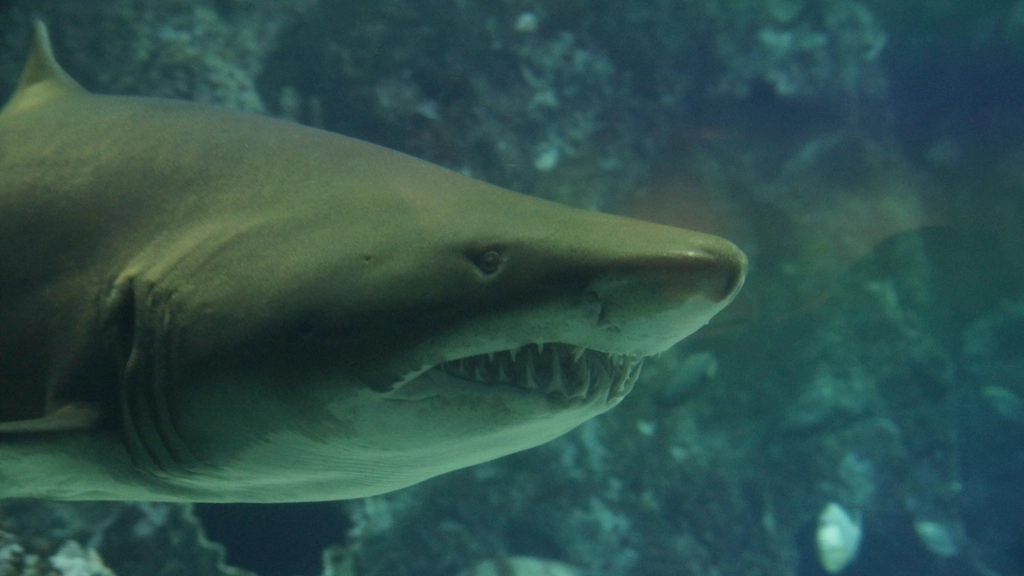
Many shark species rely on migration to reach specific breeding grounds or nursery areas that offer optimal conditions for mating or giving birth. For instance, female lemon sharks return to their birthplace in the Bahamas to give birth, a behavior known as natal philopatry. If migrations to these critical habitats stopped, reproduction rates would likely decline dramatically. Without access to traditional nursery areas that offer protection from predators and abundant food, shark pup survival rates would plummet. Over time, this would lead to aging populations and eventual population collapse for many species. The loss of genetic mixing that occurs when sharks from different regions meet at breeding grounds would also reduce genetic diversity, making populations more vulnerable to diseases and environmental changes.
Concentration of Predation Pressure

Shark migration disperses predation pressure across wide geographic areas. If sharks became more sedentary, certain regions would experience constant rather than seasonal predation. Studies in the Caribbean have shown that coral reef communities exposed to year-round shark presence develop different structures than those with seasonal shark visitors. Constant predation pressure could drive some prey species to local extinction, while others might develop extreme defensive adaptations. This concentrated predation would likely reduce biodiversity in heavily shark-populated areas, as only the most shark-resistant species would thrive. Meanwhile, areas that would normally receive seasonal shark visits would lose the ecological benefits of top-down control, potentially allowing invasive species to establish or mesopredators (middle-ranking predators) to become overabundant.
Economic Consequences for Fisheries

The cessation of shark migration would have significant economic repercussions, particularly for fisheries. Many commercial fish species rely on the balance maintained by shark predation. When sharks remove sick or weak individuals from prey populations, they help maintain the health of these stocks. Research published in Science has demonstrated that the decline of sharks can lead to the collapse of scallop fisheries due to the overabundance of cownose rays, which sharks typically control. Additionally, predictable shark migrations support ecotourism industries worth over $314 million annually worldwide. Shark diving, a growing sector of marine tourism, depends on reliable shark presence at specific locations during particular seasons. Coastal communities from South Africa to the Bahamas that have built economies around seasonal shark tourism would face severe economic hardship if these migrations ceased.
Changes in Marine Pathogen Dynamics

An overlooked aspect of shark migration is its role in controlling marine disease dynamics. Sharks often prey on weak or sick individuals, effectively removing potential sources of disease from populations. This selective predation, known as the “healthy herd” effect, helps prevent large-scale disease outbreaks among marine species. Additionally, the movement of sharks between different regions prevents any single pathogen from adapting specifically to evade shark predation. If sharks became sedentary, localized co-evolution between pathogens and their hosts could accelerate, potentially leading to more virulent diseases. Research from the University of California has shown that when top predators like sharks are removed from marine systems, disease prevalence often increases among prey species. Without migratory sharks providing this ecosystem service across broad geographic ranges, marine disease outbreaks could become more common and more severe.
Loss of Genetic Connectivity Among Shark Populations
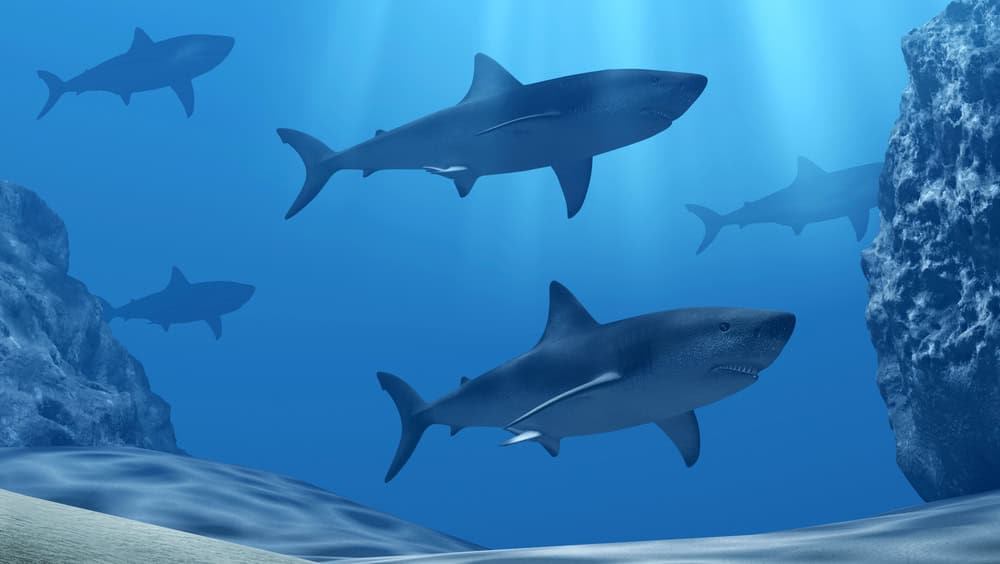
Shark migrations facilitate gene flow between geographically distant populations, maintaining genetic diversity throughout species’ ranges. This genetic connectivity is crucial for long-term species resilience. A 2018 study published in the Proceedings of the Royal Society B found that white sharks from Australia and South Africa, once thought to be separate populations, occasionally travel between these regions, creating genetic links. If migrations ceased, shark populations would become increasingly isolated and genetically distinct. Over time, this isolation would reduce genetic diversity within each population, making them less adaptable to environmental changes and more susceptible to inbreeding depression. Some isolated populations might develop unique adaptations to local conditions, potentially leading to speciation over evolutionary time, but the more immediate consequence would be increased vulnerability to extinction due to reduced genetic health.
Behavioral Changes in Shark Prey Species

The predictable comings and goings of migratory sharks have shaped the behavior of countless marine species. Many prey animals have evolved to recognize the seasonal timing of shark arrivals and adjust their behavior accordingly. For example, research in Shark Bay, Australia, has shown that dolphins alter their feeding habits and habitat use during times when tiger sharks are present. If shark migrations ceased, prey species would need to either maintain constant vigilance (which reduces energy available for feeding and reproduction) or lose their anti-predator behaviors entirely (increasing vulnerability during any shark encounters). Over time, this could lead to significant behavioral adaptations, with some species potentially abandoning rich feeding grounds that become too dangerous or others developing new defensive strategies for constant shark presence. These behavioral shifts would ripple through marine communities, altering species interactions far beyond direct shark-prey relationships.
Impact on Apex Predator Diversity
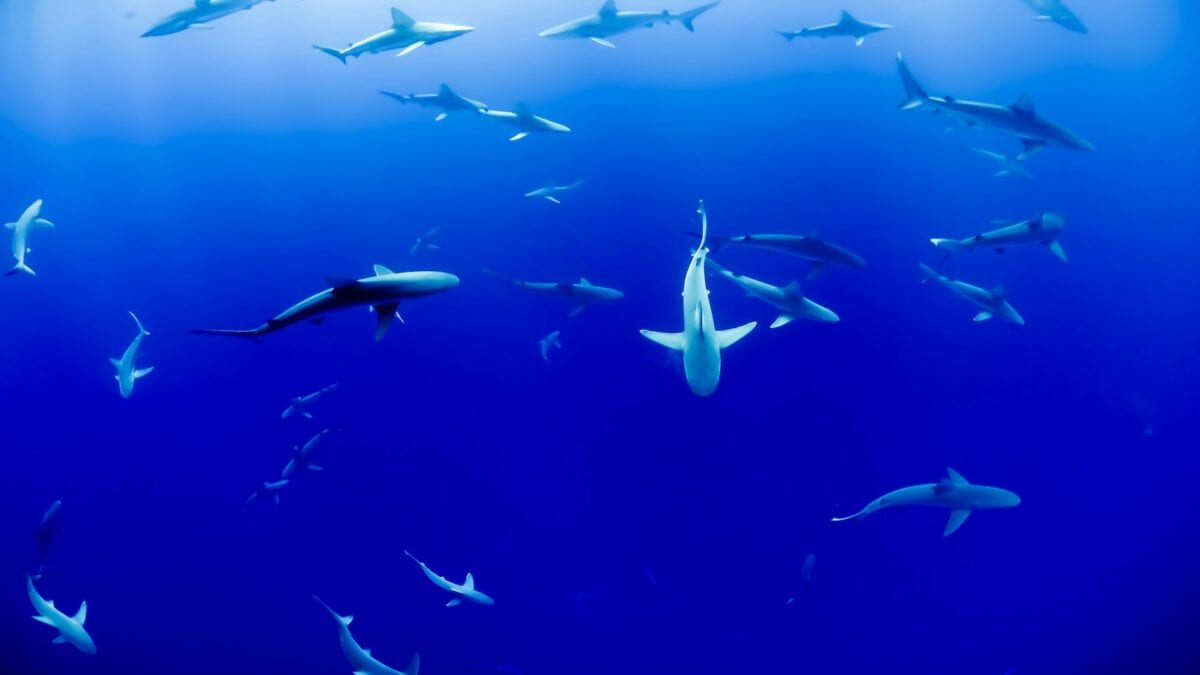
Shark migrations help maintain biodiversity among apex predators by reducing direct competition. When different shark species migrate through an area at different times, they can utilize the same resources without competing directly. For example, in coastal California, salmon sharks and blue sharks often use the same productive areas but during different seasons. If migrations stopped, increased competition in desirable habitats would likely lead to competitive exclusion, where dominant species push out others. This would reduce the diversity of apex predators in many marine ecosystems. Research suggests that diverse predator assemblages provide more stable ecosystem functioning than systems dominated by single predator species. The loss of this diversity would make marine ecosystems less resilient to other disturbances and potentially lead to simplified food webs with fewer functional roles filled.
Scientific and Conservation Challenges

The cessation of shark migrations would present significant challenges for marine science and conservation. Researchers currently use predictable migrations to study shark biology, behavior, and ecological roles. The Global Shark Movement Project, which tracks thousands of sharks worldwide, relies on migratory patterns to identify critical habitats deserving protection. If migrations became unpredictable or stopped, designing effective marine protected areas would become more difficult. Conservation strategies would need to shift from protecting migratory corridors to preserving large, permanent shark habitats—a much more challenging proposition in crowded coastal waters with competing human uses. Additionally, public support for shark conservation often builds around the spectacle of migrations, such as the famous sardine run off South Africa where sharks follow massive fish shoals. Without these dramatic events capturing public imagination, generating enthusiasm for shark protection might become more challenging.
Conclusion: The Ripple Effects of Changed Migration Patterns

If sharks stopped migrating, the consequences would cascade throughout marine ecosystems in ways both predictable and unexpected. From disrupted coastal food webs to altered deep-ocean nutrient cycling, from economic impacts on fisheries and tourism to changes in disease dynamics, the cessation of these ancient migratory patterns would fundamentally transform our oceans. As climate change continues to warm ocean waters and human activities fragment marine habitats, the threat to shark migrations grows more serious. Conservation efforts must prioritize not just protecting sharks themselves, but preserving their ability to move freely along their traditional migratory routes. Understanding and safeguarding these movements represents one of the most significant challenges and opportunities in marine conservation today, with implications for ocean health that extend far beyond the sharks themselves.

- The Bird That Can Recognize More Faces Than a Human - July 29, 2026
- How Army Ants Coordinate Massive Raids Without a Leader - July 29, 2026
- 13 Largest Horses in the World - July 29, 2026