
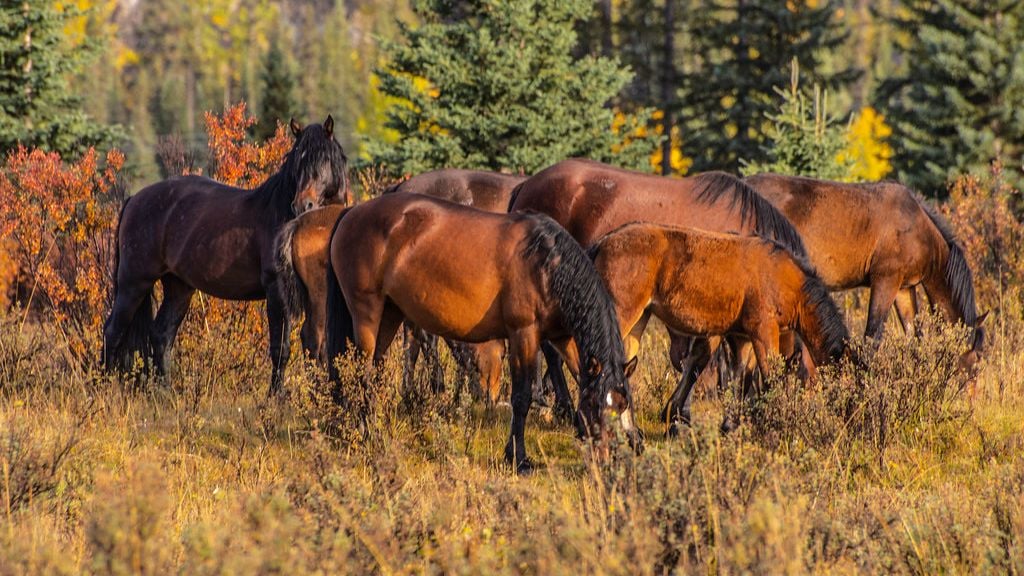
Picture a stallion thundering across an open plain, its mane whipping through the wind like flames against the sky. There’s something primal about that image, something that stirs deep within us. Wild horses have captivated human imagination for centuries, not just as magnificent creatures but as living embodiments of what it means to be truly free. Their story is woven into landscapes, cultures, and the very essence of what we consider untamed.
Wild horses have long been revered as symbols of freedom and independence, serving as powerful metaphors for the untamed spirit within us. These remarkable animals move through the world on their own terms, unbound by fences or human expectations. Yet beyond the romance and symbolism, wild horses face complex challenges in our modern world. Let’s dive in.
Freedom Made Flesh: The Symbolic Power of Wild Horses
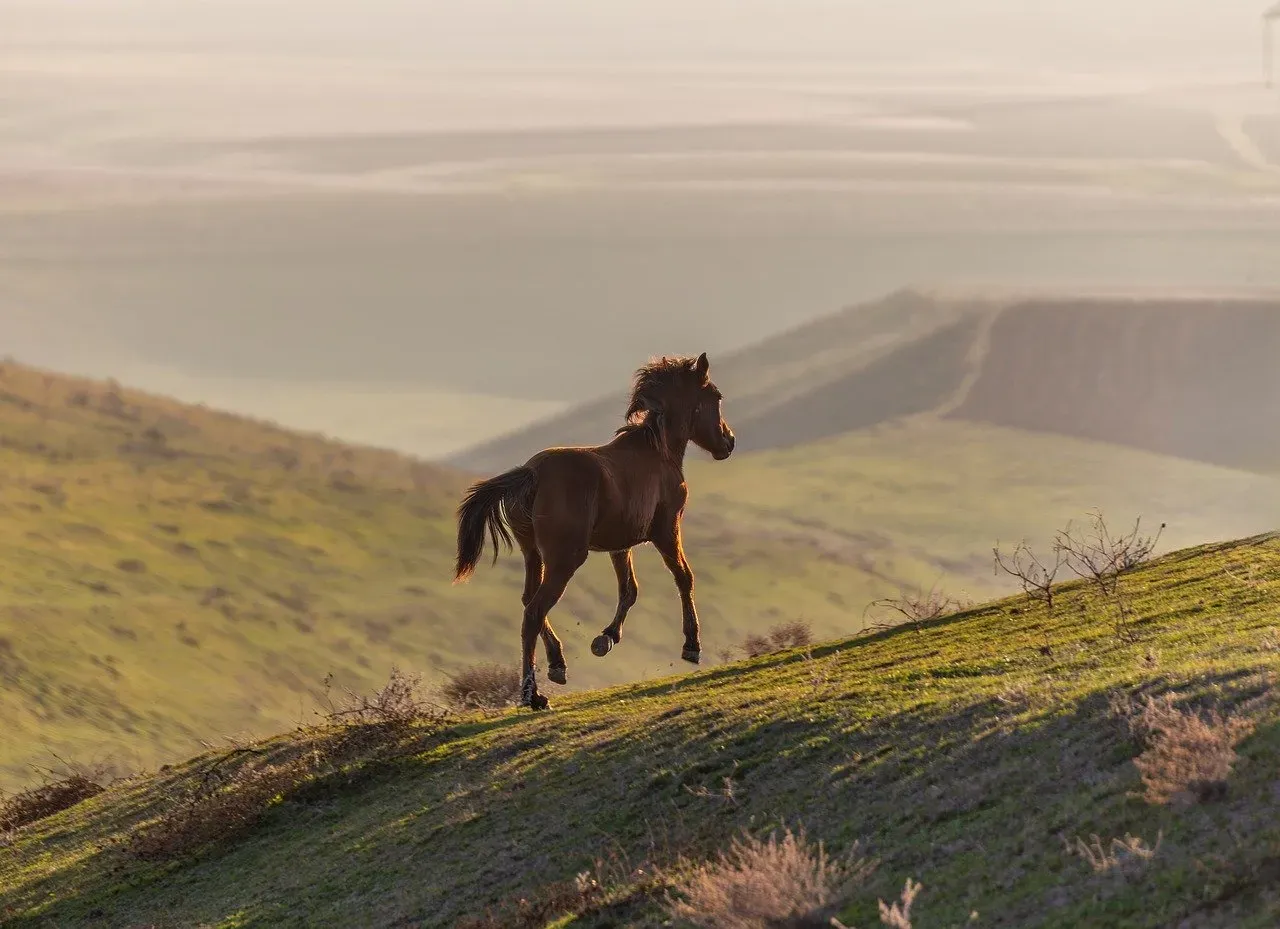
Wild horses are symbolic of freedom and are part of the mythology and legends of the American West. When we think about liberty, autonomy, and the courage to live unbridled, these creatures naturally gallop into our minds. It’s hard to say for sure, but there’s something about watching them run that makes us feel more alive ourselves.
Wild horses are powerful symbols of untamed freedom, representing the essence of a life unbound by societal constraints and embodying the wild spirit of nature. They inspire awe not just through their physical beauty but through what they represent. Unlike domesticated animals, wild horses answer only to the call of the wind and the rhythm of their own hooves.
In the depths of our souls, we all have a part of us that longs to be wild, to run free, and to break away from the constraints of society. This connection explains why wild horses resonate so powerfully across different cultures and time periods. In almost all communities, this beloved animal represents strength, freedom, and intelligence.
Horses, especially wild mustangs, represent untamed spirit, power, and the courage to overcome challenges to freedom. They’re not just running away from something. They’re running toward their own destiny, whatever that may be.
The symbolism runs deeper than mere aesthetics or folklore. A wild horse may represent untamed emotions or a desire for freedom, appearing in dreams and visions as messengers from our subconscious. Let’s be real, when life feels constricting, the image of a wild horse breaking through barriers speaks to something fundamental in our nature.
Living on the Edge: The Natural Behavior and Habitat of Wild Horses
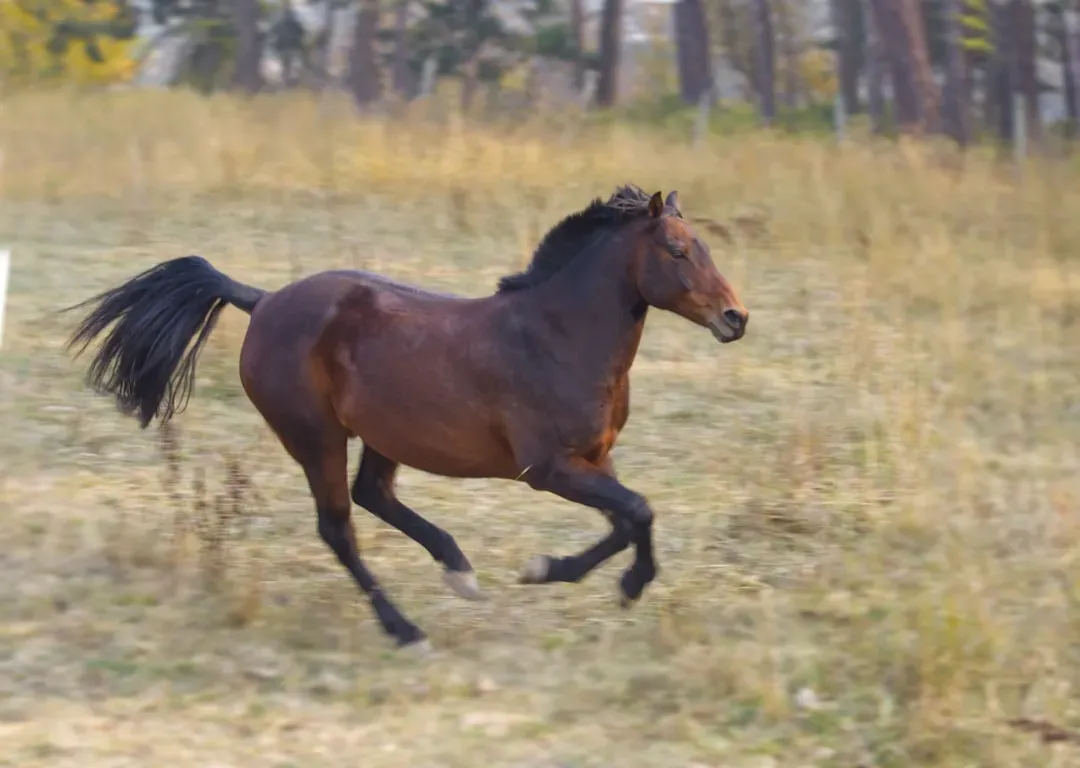
Horses living in the wild survive in relatively severe conditions, within arid and semi-arid plains, grasslands, prairies, deserts, and badlands, moving from place to place in search of shelter, vegetation, and adequate water. Their existence isn’t the romantic fantasy we sometimes imagine. It’s harsh, demanding, and requires constant adaptation.
Feral and wild horse herds are usually made up of several separate, small bands which share a territory, with size ranging from two to 25 individuals, mostly mares and their offspring, with one to five stallions. Each band is led by a dominant mare, sometimes called the lead mare or boss mare. Here’s the thing: people often assume the stallion runs the show, but it’s usually the experienced lead mare who decides where the band goes for water, food, and safety.
Wild horses utilize a variety of different plant species for forage, with the species and habitats they use varying across seasons; during summer months, shrubs were preferred compared to basin wildrye and Baltic rush which were more heavily consumed in the fall. Their dietary flexibility demonstrates remarkable intelligence and adaptability.
Horse behavior is best understood from the view that horses are prey animals with a well-developed fight-or-flight response, with their first reaction to a threat often being to flee, although sometimes they stand their ground to defend themselves or their offspring. This survival instinct shapes every aspect of their social structure and daily movements.
Wild horses show considerable environmental tolerances, having historically inhabited environments ranging from temperate forest to steppe and tundra, though in general they tend to show a preference for open environments. Their resilience across diverse landscapes speaks to millions of years of evolutionary refinement.
The Przewalski’s Horse: Earth’s Last True Wild Horses
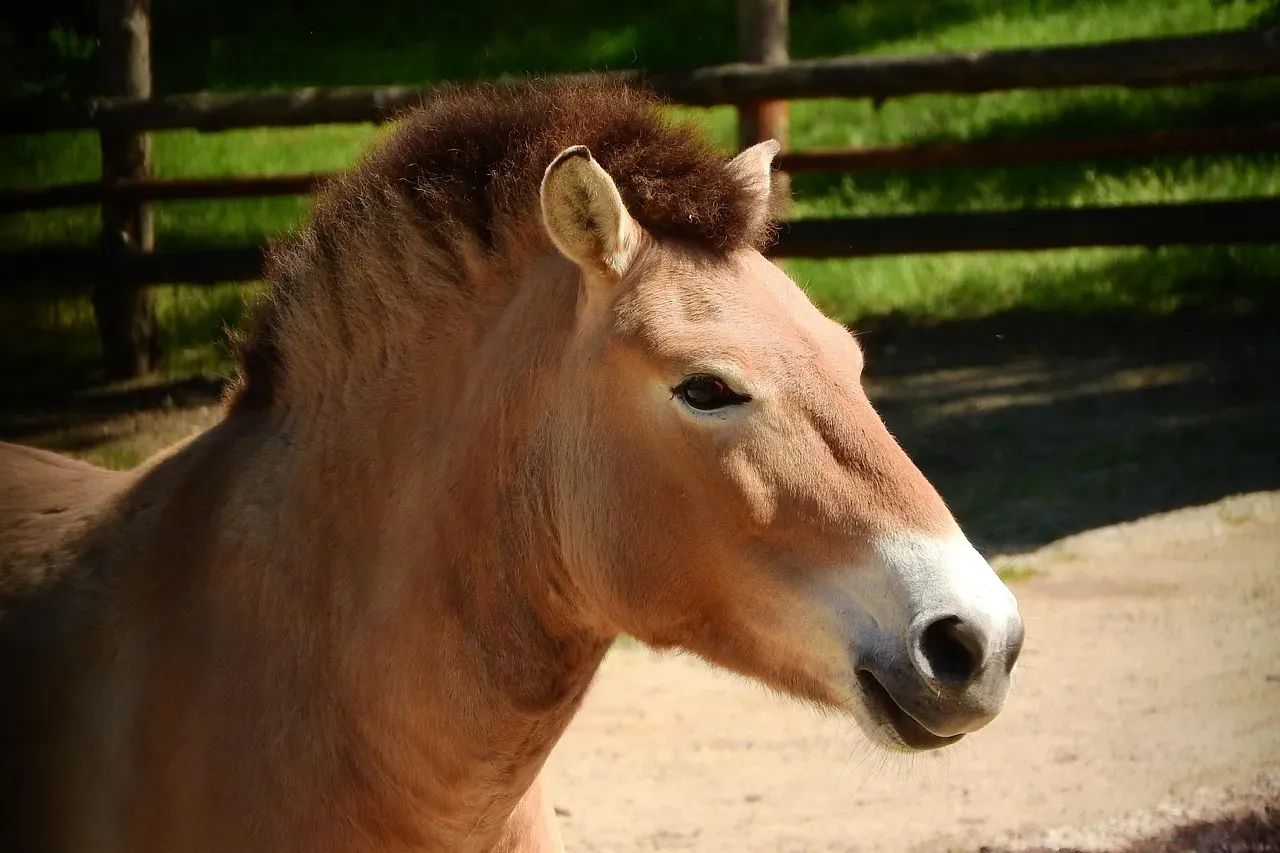
Przewalski’s horse remains as the only truly wild horse in existence, being the only remaining species that has never been domesticated. This distinction matters more than most people realize. While mustangs and brumbies live wild lives, they descended from domestic stock. Przewalski’s horses represent an unbroken lineage stretching back millennia.
Przewalski’s horse had reached the brink of extinction but was reintroduced successfully into the wild, and today has been reintroduced to small areas spanning from its former distribution in northeast China, Mongolia and Kazakhstan. Their recovery represents one of conservation’s remarkable success stories, though their numbers remain precariously low.
Przewalski’s horses have 32 chromosomes while domesticated horses have 64, and they are known to live up to 30 years in the wild. This chromosomal difference fundamentally separates them from every domestic breed. They are well adapted to harsh climates, surviving temperatures from negative forty to forty degrees Celsius.
Their preferred habitat consists of open grasslands, steppe, and riparian areas where they can find sufficient grazing and water, with the primary wild population found in Khustain Nuruu National Park in Mongolia. Visiting these populations offers a glimpse into what horse life looked like before humans changed everything.
Honestly, seeing a Przewalski’s horse in the wild must be like looking through a window into the Pleistocene. They carry themselves differently than domestic horses, with a stockier build and distinctive upright mane. They’re living proof that wildness can survive even when pushed to the very edge of extinction.
America’s Wild Heritage: Mustangs and the Western Landscape
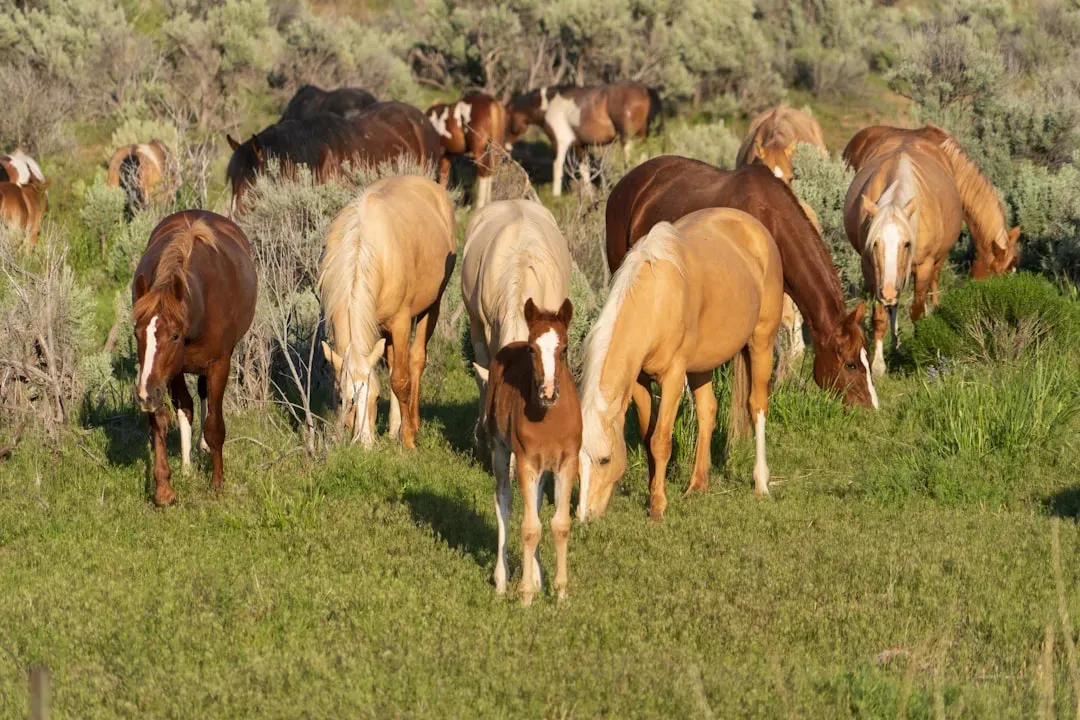
In the late 15th and early 16th centuries, Spanish colonists reintroduced horses to the Americas, with escaped or released horses quickly adapting to the wild and thriving in environments that had once been their evolutionary cradle. Horses first evolved in North America around 55 million years ago, making their return a homecoming of sorts.
They have been recognized as a symbol of American culture and freedom. The mustang particularly holds a special place in American mythology, representing the frontier spirit and the boundless possibilities of the West. Cowboys, pioneers, and indigenous peoples all wove these horses into their stories.
The most recent population estimates as of March 1, 2025 show a nationwide population estimate of 73,130 wild horses and burros. Despite reductions, BLM officials say the population remains nearly three times what scientists estimate the lands can support. This creates a tension between preservation and land management that sparks heated debate.
One of their most remarkable contributions is their well-digging behavior, as wild horses use their hooves to excavate shallow wells in dry regions to access underground water. These wells often become vital water sources for other wildlife, including deer, pronghorn, and birds. The ecological role wild horses play goes far beyond simple grazing.
Wild horses, like the mustangs of North America, roam without boundaries, representing the untamed spirit of nature, moving as they please and living without restraint. Yet that freedom comes at a cost in our increasingly managed and divided landscapes.
The Social World of Wild Horse Bands
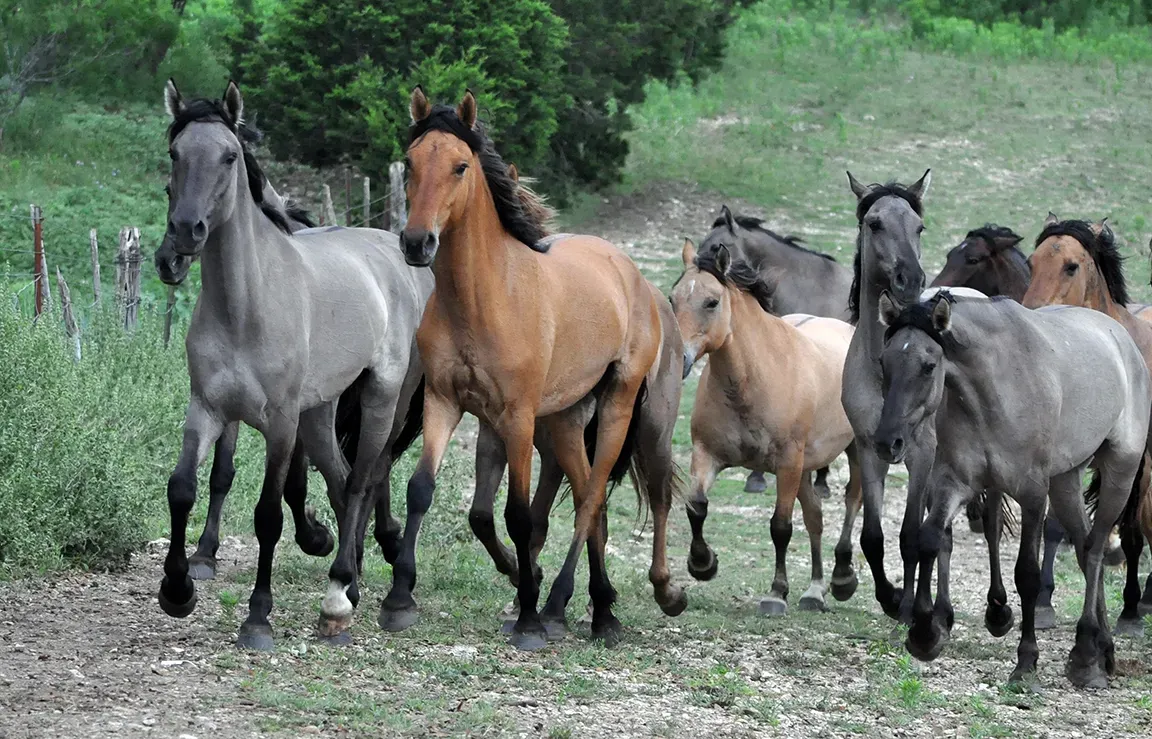
Mustangs predominantly live in groups called bands, with each band consisting of a leading stallion usually five years of age or older, a leading mare, and a few more mares, with the stallion’s main job being to protect the band from attacks and predators. The social dynamics within these bands reveal sophisticated communication and cooperation.
The dominant mare remains in the front, leading the group in its travels, showing the herd where to sleep, eat, drink, and dig for mineral licks. She’s essentially the band’s navigator and decision-maker for daily survival. The stallion, meanwhile, brings up the rear, scanning for threats and keeping the group together.
Forced dominance hierarchies are not part of natural horse behavior but are forced by humans making horses live together in limited space with limited resources, and so-called dominant horses are often horses with dysfunctional social abilities caused by human intervention. This challenges the common assumption that wild horse society is purely about dominance and submission.
Most young horses in the wild are allowed to stay with the herd until they reach sexual maturity, usually in their first or second year, with the herd stallion usually driving out both colts and fillies as an instinct that prevents inbreeding. These young horses then form bachelor groups or join new bands, refreshing genetic diversity across the population.
There is no constraining a horse when it runs with the wind, but the creature also enjoys the company of family and friends, as it’s always more fun to gallop together in a setting where individuality never gets lost. The balance between independence and social connection defines wild horse life in ways that mirror our own human struggles.
Conservation Challenges: When Freedom Meets Management
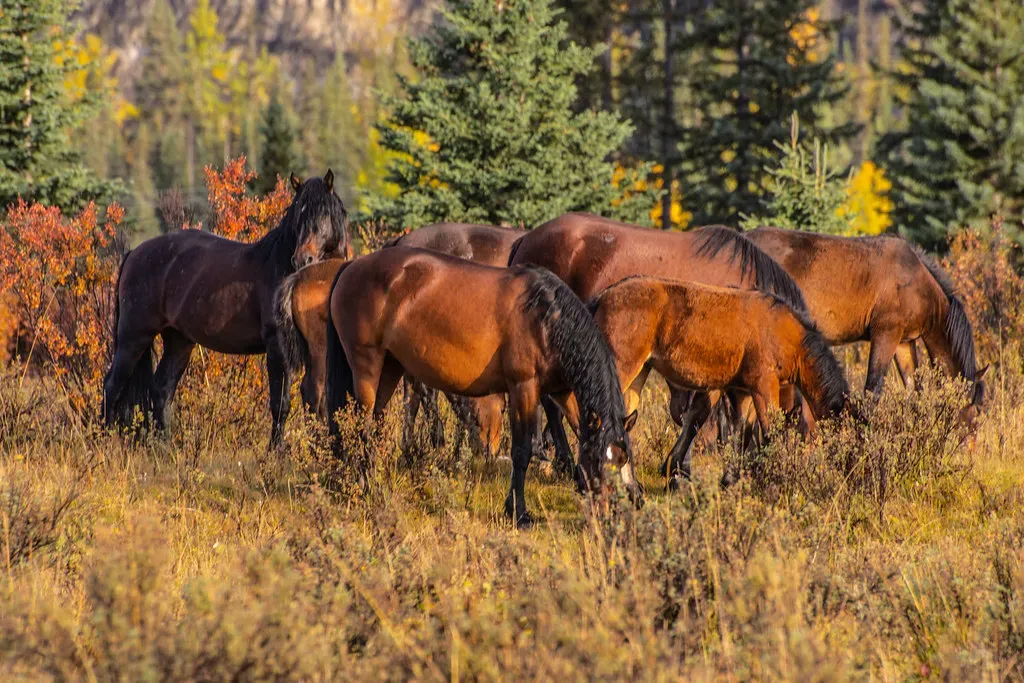
Growing herds are costing millions of taxpayer dollars as politics and society collide over how to manage them. The BLM determines what it calls the Appropriate Management Level (AML), which is the number of wild horses and burros that can thrive in balance with other public land resources and uses, with animals exceeding AML to be removed from the range.
At the 2025 BLM Advisory Board meeting, AWHC’s Conservation Scientist advocated for the adoption of humane, effective, and scalable fertility control methods like immunocontraception to manage wild horse populations. Fertility control offers a middle ground between removal and unchecked population growth, though implementing it across vast territories presents logistical challenges.
By addressing overpopulation, the BLM aims to ensure the long-term well-being of wild horses and burros while safeguarding the delicate balance of ecosystems, having removed 11,784 animals from overpopulated herds since March 2023. Yet this approach remains controversial among advocates who question whether the land truly cannot support higher numbers or whether livestock grazing receives preferential treatment.
There are currently 62,000 wild horses and burros in long-term holding, with the BLM intending to remove an additional 20,000 from public rangelands. The holding facilities themselves raise ethical questions about whether removing horses from the range to confine them in corrals truly serves their welfare or the spirit of the 1971 Wild Free-Roaming Horses and Burros Act.
As debates about their management continue, it is vital to recognize their rightful place in North America’s natural history and the critical role they play in today’s ecosystems, with protecting wild horses and their habitats honoring their legacy. Finding solutions that respect both ecological balance and the horses’ intrinsic right to freedom remains one of conservation’s most contentious challenges.
Conclusion: The Spirit That Cannot Be Broken
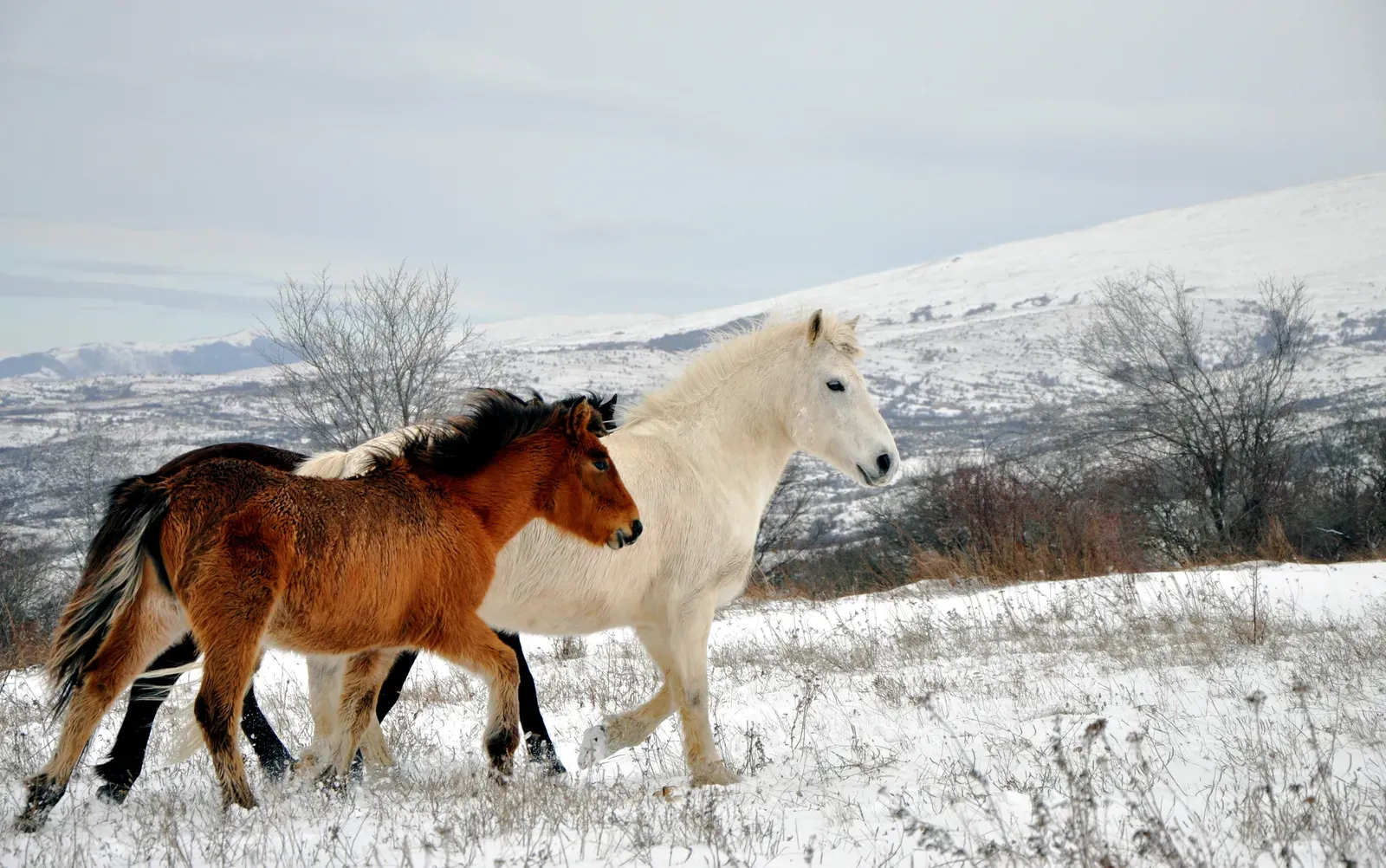
Wild horses gallop through our collective consciousness as more than just animals. They represent something we fear losing in our increasingly controlled and predictable world. Wild horses symbolize freedom and strength through their untamed spirit and resilience in the face of adversity.
Whether thundering across Nevada’s high desert, grazing in Mongolia’s ancient grasslands, or appearing in our dreams as messengers of something we’ve forgotten, wild horses remind us that freedom isn’t just an idea. It’s a way of being. They live it in every hoofbeat, every toss of the mane, every decision to run or stand their ground.
Wild horses are an indelible part of North America’s natural and cultural heritage, embodying both freedom and resilience, with their story spanning millennia and deeply intertwined with the very fabric of this continent’s ecosystems, serving as a testament to nature’s ingenuity and adaptability.
The challenges they face in 2026 reflect our own struggle to balance preservation with practical land management, wildness with human needs, and the symbolic with the real. As we move forward, the question isn’t just about how many horses the land can support. It’s about what kind of world we want to live in and whether there’s still room for creatures that refuse to be tamed.
What does freedom mean to you when you see a wild horse running? Does it stir something you didn’t know was sleeping? The wild horses of our world deserve protection not just because they’re beautiful or historically significant, but because they show us a way of being that’s increasingly rare. What do you think about it? Tell us in the comments.
