


The vegan movement, once a niche lifestyle choice, has rapidly gained momentum over the past few decades. Tracing its roots back to the mid-20th century, veganism began primarily as a diet that eschewed all animal products. The term “vegan” was coined in 1944 by Donald Watson, a British animal rights advocate, who sought a term to describe individuals who avoided dairy and eggs in addition to meat. Initially motivated by health and ethical considerations, the movement has expanded its focus, now encompassing environmental issues and animal rights on a global scale.
Understanding Animal Exploitation

Animal exploitation refers to the various ways in which animals are used and often harmed for human benefit. This exploitation spans numerous industries, including food, fashion, entertainment, and research. Animals are often subjected to inhumane conditions in factory farms, undergo painful procedures for testing, and are used for clothing and other products. This exploitation is driven by consumer demand and has significant ethical implications. By adopting a vegan lifestyle, individuals aim to reduce and ultimately end these practices by decreasing demand for animal-derived products.
Health Implications of a Vegan Diet

One of the significant arguments for veganism revolves around the health benefits associated with a plant-based diet. Numerous studies suggest that a vegan diet can lower the risk of heart disease, high blood pressure, type 2 diabetes, and certain cancers. Rich in fruits, vegetables, legumes, and whole grains, a vegan diet tends to be higher in fiber, antioxidants, and beneficial plant compounds. However, it’s essential for vegans to plan their diets carefully to avoid potential deficiencies in nutrients such as vitamin B12, iron, calcium, and omega-3 fatty acids.
Environmental Impact of Animal Agriculture
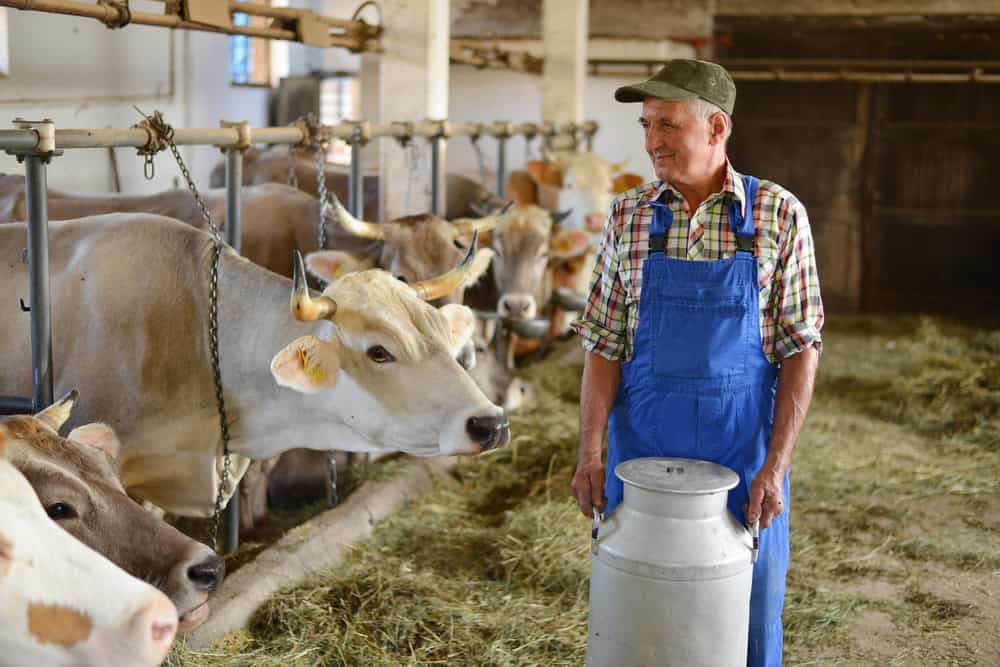
The environmental argument for veganism is compelling. Animal agriculture is a significant contributor to deforestation, water pollution, and greenhouse gas emissions. According to the Food and Agriculture Organization, livestock is responsible for approximately 14.5% of all human-induced greenhouse gas emissions. By reducing consumption of animal products, we can significantly lower our carbon footprint, conserve water, and reduce the destruction of wildlife habitats. This environmental perspective has resonated with many, particularly younger generations, who are increasingly concerned about climate change.
Ethical Considerations and Animal Rights

At the heart of the vegan movement lies a strong ethical stance against animal exploitation. Advocates argue that animals, like humans, have the right to live free from harm and exploitation. This perspective challenges long-standing cultural norms and raises questions about our treatment of animals and their place in our society. Ethical vegans often promote alternatives to animal products and advocate for changes in legislation to protect animal rights. This ethical dimension of veganism appeals to those who believe in non-violence and social justice for all beings.
Challenges in Ending Animal Exploitation

Despite the growing popularity of veganism, ending animal exploitation remains a daunting challenge. Cultural traditions, economic factors, and resistance from powerful industries all contribute to the persistence of animal exploitation. Furthermore, there is a lack of consensus on what constitutes acceptable use of animals, leading to varied ethical standards globally. While veganism presents a viable path towards reducing harm, it requires widespread societal change, consumer education, and policymaking efforts to create meaningful impact.
The Future of Veganism
The future of veganism is promising, with increasing awareness and innovation driving change. Plant-based alternatives are becoming more accessible and palatable, catering to a broader audience. Initiatives such as Meatless Mondays and the rise of lab-grown meat technology highlight society’s shift towards more sustainable and ethical consumption. Additionally, educational programs and advocacy continue to play vital roles in raising awareness about the benefits of a vegan lifestyle. While the path to ending animal exploitation is long and complex, the vegan revolution represents an important step towards a more compassionate and sustainable world.
With ongoing commitment from individuals, communities, and industry leaders, it is possible to envision a future where animal exploitation is significantly reduced. The vegan revolution is more than a dietary choice; it is a call for a fundamental rethinking of our relationship with the natural world and the sentient beings that inhabit it.
What are your thoughts on Veganism? Do you really think that with a change in our dietary habits, we could change our relationship with natural world? Comment what you think!

From exploring the marine wonders in the Azores and witnessing the vast savannas of Kenya, to delving deep into the rich biodiversity of South Africa and traversing iconic landscapes in Australia and the US like Yellowstone, Chris's experiences are vast.
With a penchant for diving alongside sharks, the ocean holds a special place in his heart.
Through his academic insights, he champions wildlife conservation, striving with 'Animals Around The Globe' to cultivate a profound connection between humans and animals, enhancing our mutual appreciation.
Connect with him at Feedback@animalsaroundtheglobe.com.
- Why Spiders Don’t Get Stuck in Their Own Webs - July 20, 2026
- What Scientists Found in a 10,000-Year-Old Beehive - July 20, 2026
- This Spider Builds Fake Decoys of Itself - July 20, 2026