
Our planet has been crafting masterpieces for billions of years. Deep canyons carved by relentless rivers, hexagonal columns rising from ancient volcanic fury, and rainbow-colored mountains that look photoshopped but aren’t. These natural sculptures tell stories of fire, ice, water, and time itself.
What makes these formations so captivating isn’t just their beauty. It’s the realization that every crack, every color, every impossible angle exists because of forces we can barely comprehend. So let’s dive in and explore seven that will make you question everything you thought you knew about the earth beneath your feet.
Grand Canyon: A Window Into Two Billion Years
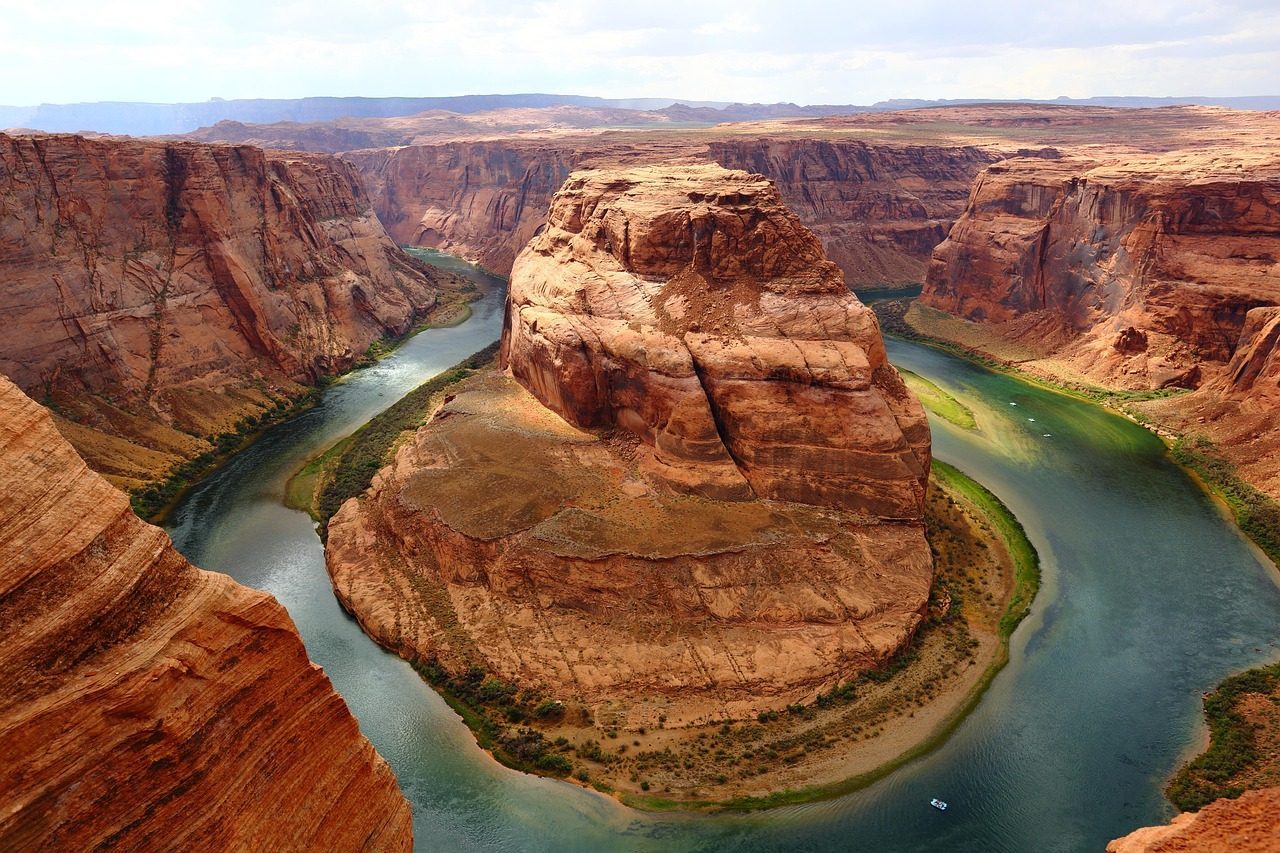
Stretching 277 miles in length and reaching depths of over a mile, the Grand Canyon is carved over millions of years by the Colorado River and is a vivid showcase of layered rock revealing nearly two billion years of Earth’s history. The sheer scale is almost impossible to grasp until you’re standing at the edge, watching the afternoon light paint the canyon walls in shades of crimson, amber, and gold.
Here’s the thing about the Grand Canyon. Photos don’t do it justice. The depth creates its own weather system, and the drama of the landscape and the multi-coloured geology of this extraordinary geological phenomenon is unsurpassed. Hikers descending into the canyon walk backward through time, each layer representing a different chapter in Earth’s autobiography.
Giant’s Causeway: Ireland’s Volcanic Masterpiece
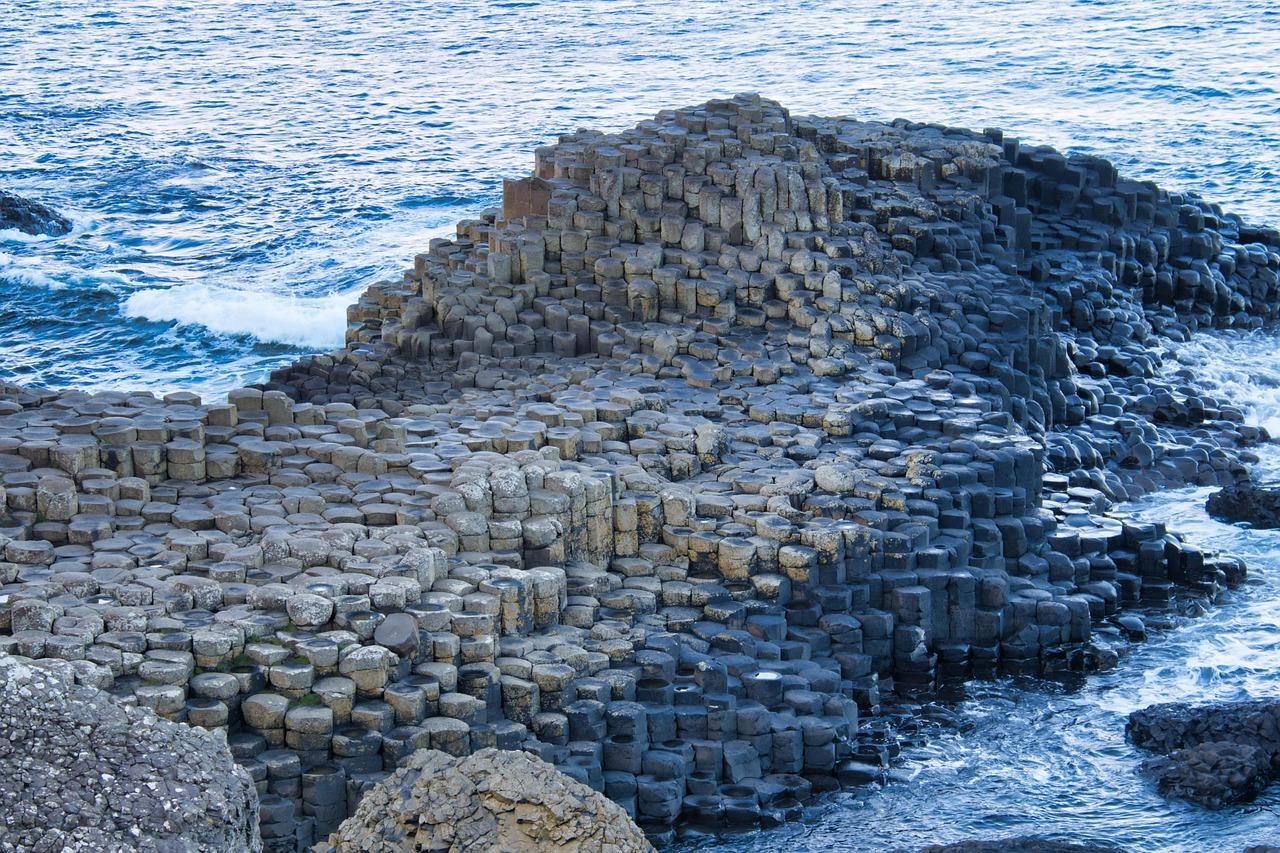
The Giant’s Causeway in Northern Ireland is a mesmerizing coastal formation of over 40,000 basalt columns, some reaching heights of 39 feet, created by volcanic activity 50-60 million years ago. The hexagonal stones fit together so perfectly they look like ancient cobblestones leading straight into the sea.
Local legend tells a different story. Legend attributes its creation to the giant Finn MacCool, said to have built it as a bridge to Scotland. Whether you believe in giants or geology, there’s something genuinely magical about walking across these columns while waves crash against the shore. The symmetry feels almost too precise to be natural, like nature was showing off.
Danakil Depression: Earth’s Most Alien Landscape
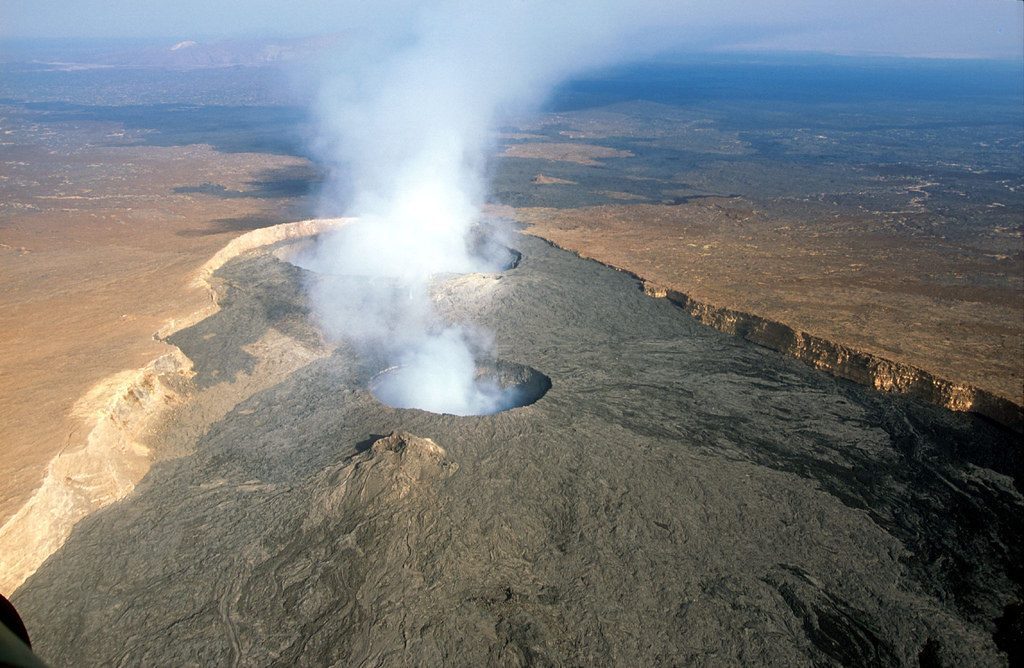
Volcanic activity abounds along the Great Rift Valley, particularly in the Danakil Depression, a dramatic region home to more than thirty young volcanoes, sulphurous yellow hot springs and otherworldly salt plains. This place doesn’t look like Earth. It looks like a distant planet where the ground bleeds neon yellows, oranges, and greens.
Honestly, visiting the Danakil Depression requires serious preparation. This is a geologically and politically volatile area. The heat is extreme, the terrain hostile, and the landscape constantly changing thanks to ongoing volcanic activity. It’s hard to say for sure, but this might be the closest you can get to witnessing the early stages of planetary formation without leaving our atmosphere.
The Wave: Arizona’s Impossible Sandstone
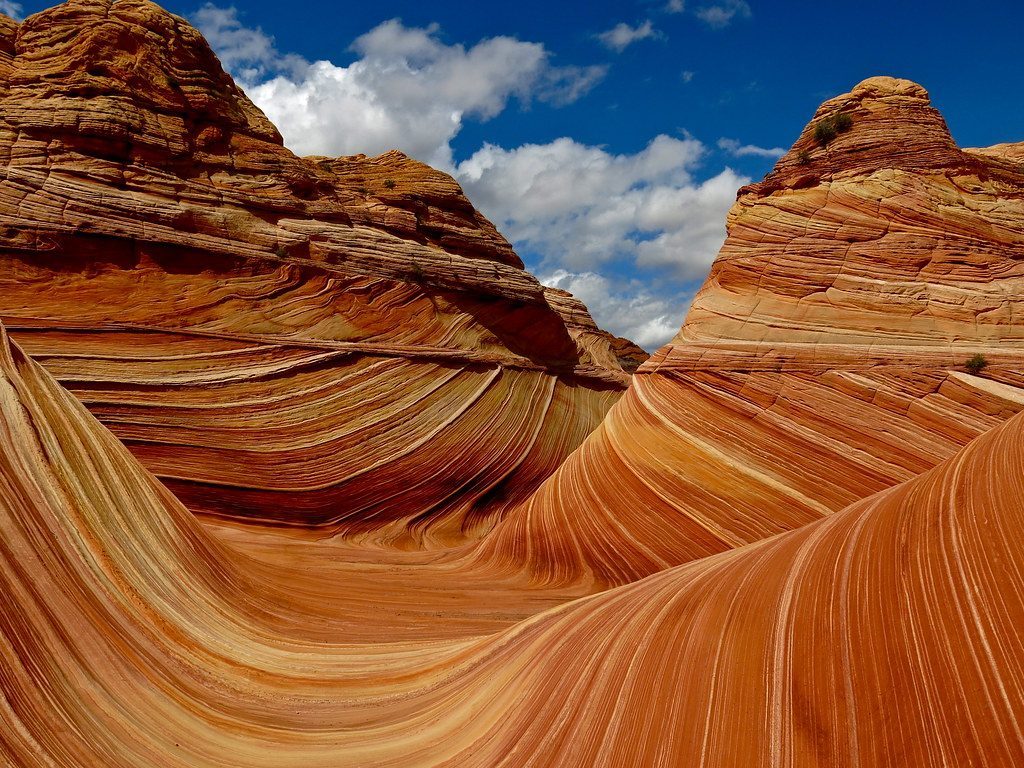
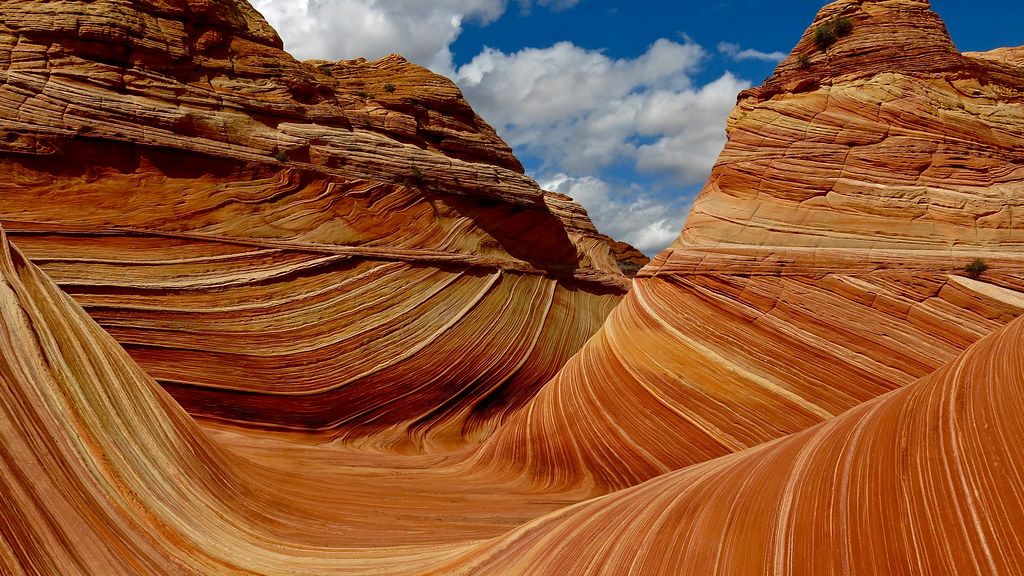
Located along the Utah/Arizona border, the Wave is an undulating formation shaped during the Jurassic period, when sand dunes were swept across the desert by wind, while the different-coloured bands were created by chemicals left on the rock by water runoff. The swirling patterns look painted, as though someone took a giant brush and swept it across the stone.
Getting there is notoriously difficult. Only 20 permits are issued daily via lottery, making it one of the most exclusive natural wonders to access. The stripes of red, orange, pink, and cream ripple across the surface like frozen waves, creating a surreal environment that photographers dream about.
Mount Roraima: The Lost World Made Real
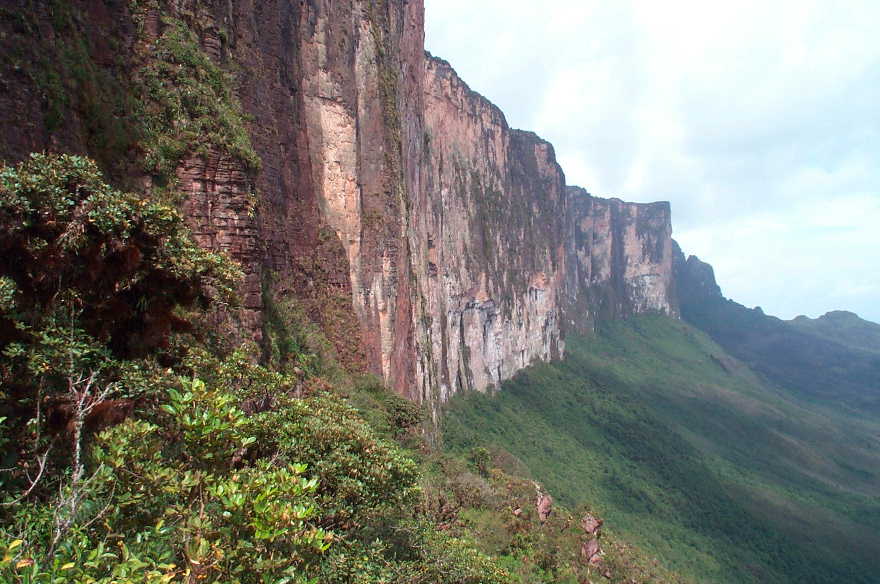
It’s not hard to see why Roraima has been cited as the inspiration for Sir Arthur Conan Doyle’s The Lost World, as this mist-shrouded table-top mountain is one of the oldest rock formations on earth, made up of sediments that used to sit on the seabed. The flat summit rises above the clouds, creating an isolated ecosystem unlike anywhere else.
Almost 3000m tall, Roraima is threaded with stunning silvery waterfalls and lush jungle. Climbing to the top feels like entering another dimension where evolution took a different path. Strange plants grow nowhere else on Earth, and the landscape appears frozen in time.
Zhangye Danxia: China’s Rainbow Mountains
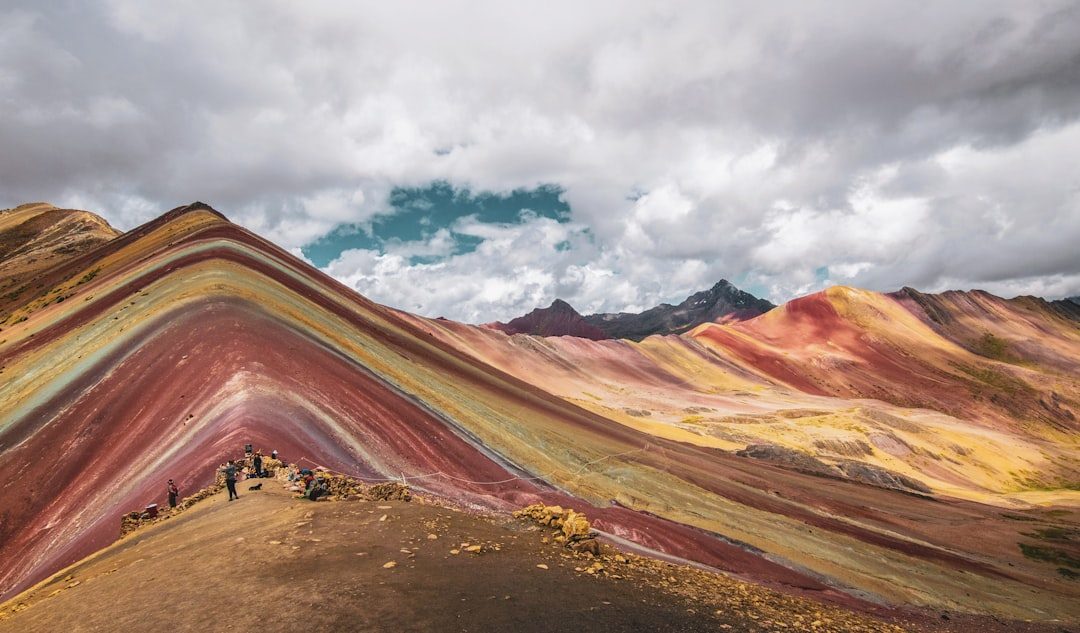
These formations of different colored sandstone were shaped after thousands of years of rain and wind, and the region has been listed as a UNESCO World Heritage site since 2010. The mountains look like someone spilled paint across the landscape, creating ribbons of red, yellow, orange, and green that stripe the hillsides in impossible patterns.
The colors aren’t an illusion or trick photography. They’re the result of mineral deposits and oxidation occurring over millions of years. Walking through these hills feels like stepping into a living painting where every angle reveals a new color combination that shouldn’t exist in nature but does.
Tsingy de Bemaraha: Madagascar’s Stone Forest
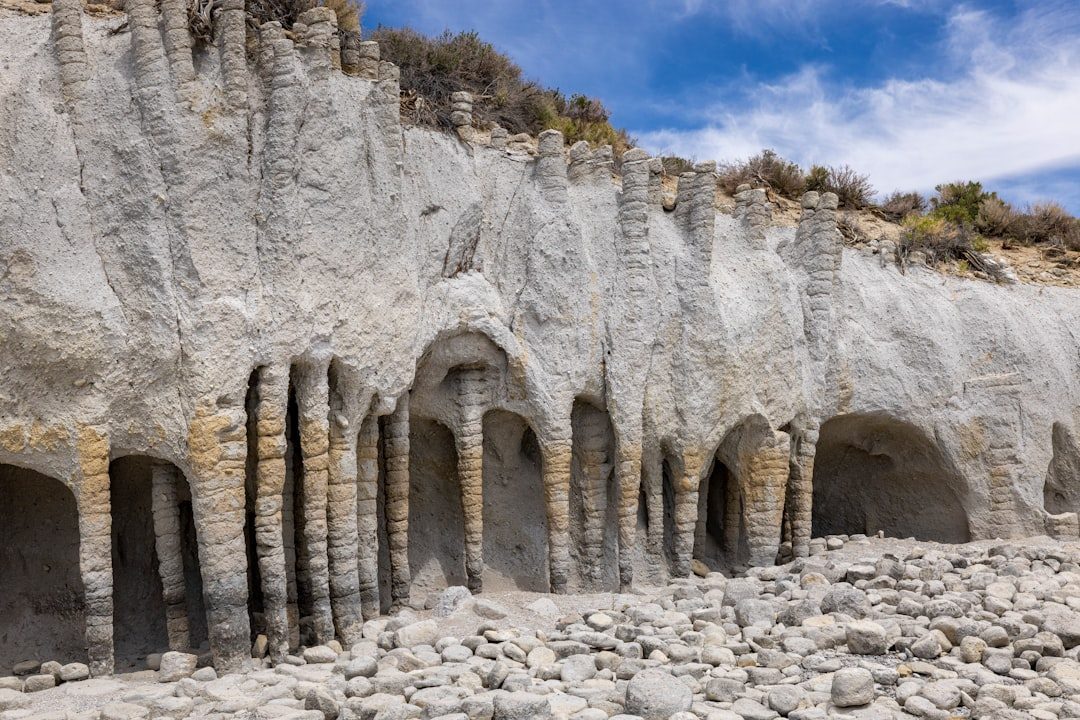
On the western coast of Madagascar lie the needle-shaped limestone formations of Tsingy de Bemaraha, and apart from the iconic tsingy, the area is also home to incredibly diverse wildlife and preserved mangrove forests. The name translates roughly to “where one cannot walk barefoot,” which makes perfect sense when you see the razor-sharp pinnacles jutting skyward.
These jagged formations create a labyrinth of stone that looks impenetrable and otherworldly. Erosion carved the limestone into narrow canyons and soaring spires over millions of years, creating habitats found nowhere else. Rare lemurs navigate the stone forest with ease while humans require suspension bridges and careful footing to explore this vertical wilderness.
Conclusion
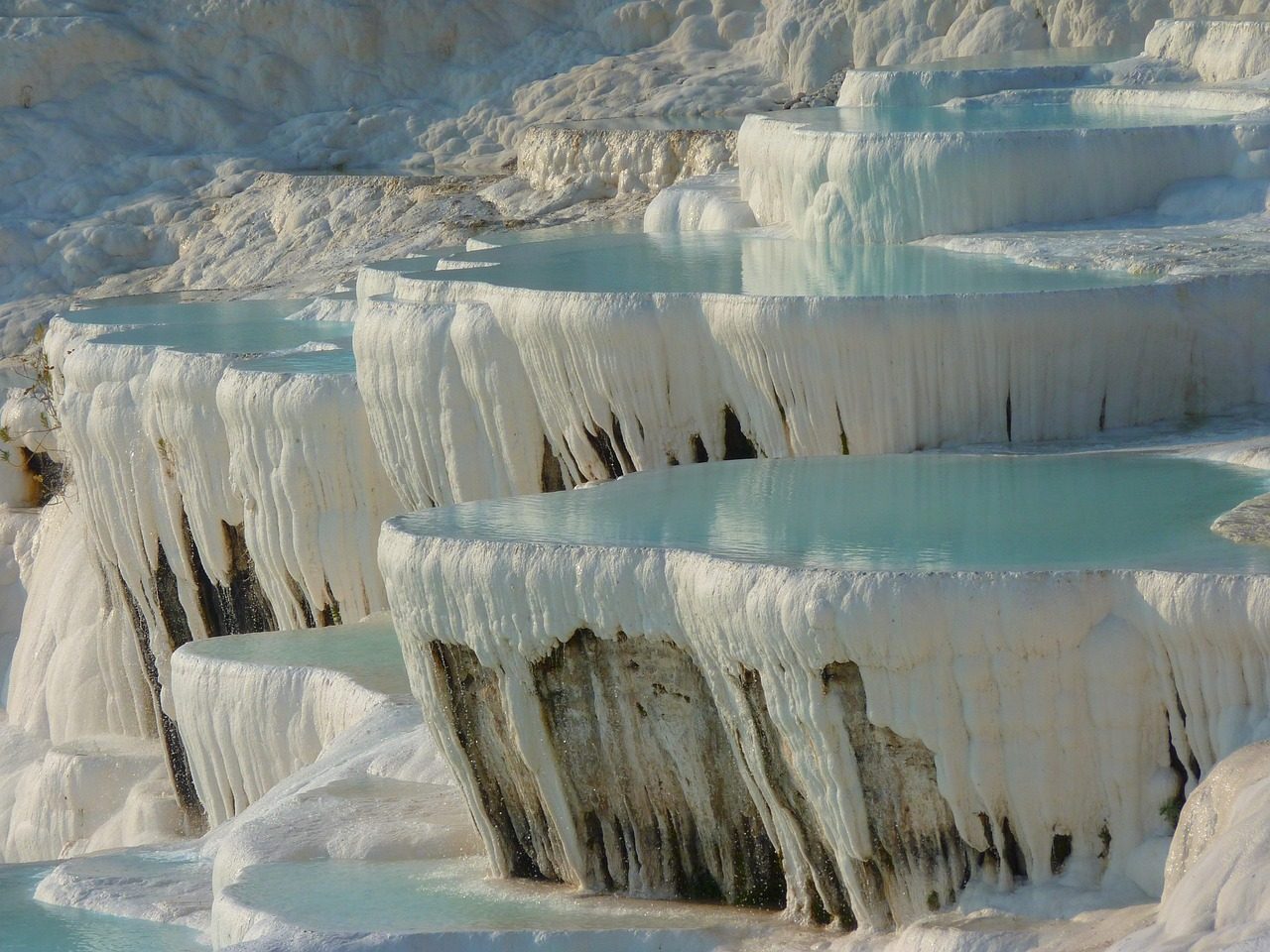
These seven represent only a fraction of Earth’s natural artistry. Each formation required millions of years of precise conditions, patient erosion, volcanic fury, or the slow dance of tectonic plates. They remind us that the ground beneath our feet isn’t static but constantly evolving, sculpting new masterpieces we might never see completed.
Standing before any of these wonders forces a perspective shift. Our problems feel smaller. Our timelines insignificant. What do you think about these ancient formations? Have you visited any of them, or do you have your own favorite geological wonder? Tell us in the comments.
