


From the crystalline blues of tropical paradise to the mysterious depths of frigid polar waters, Earth’s oceans and waterways cover more than 70% of our planet. Yet beneath their seemingly serene surfaces lies a world of hidden dangers – from natural hazards and deadly currents to some of the most formidable predators ever to evolve. While humans have conquered mountains, deserts, and even ventured into space, our planet’s waters remain largely unexplored and unpredictable, harboring both visible threats and unseen perils.
This exploration of the world’s most dangerous waters takes us on a global journey through treacherous maritime passages, deadly whirlpools, shark-infested coastlines, and waters teeming with microscopic killers. We’ll dive into the scientific realities behind infamous reputations, examine the geological and biological factors that create these hazardous environments, and uncover what truly lurks beneath the surface. Whether shaped by powerful ocean currents, extreme weather patterns, or evolution’s most lethal adaptations, these waters demand our respect and caution – while simultaneously captivating our imagination.
The Strait of Malacca: Pirates and Natural Hazards

Stretching approximately 550 miles between Malaysia and the Indonesian island of Sumatra, the Strait of Malacca serves as one of the world’s most critical shipping lanes, with nearly 100,000 vessels passing through annually. This narrow waterway – just 1.7 miles wide at its narrowest point – carries roughly a quarter of all traded goods globally, including vital oil shipments to Asian markets. However, this economic importance comes with significant dangers that have plagued the strait for centuries.
Modern piracy continues to threaten ships traversing these waters, with armed criminals employing sophisticated tactics to board vessels and steal cargo or demand ransoms. Beyond human threats, the strait presents navigational challenges with its shallow depth, countless small islands, unpredictable weather patterns, and dangerous rip currents. The waters also harbor venomous sea snakes, box jellyfish with potentially fatal stings, and estuarine crocodiles capable of growing over 20 feet long. Despite international maritime patrols and improved security measures, the Strait of Malacca remains one of the world’s most dangerous commercial waterways.
The Northern Waters: Arctic and North Atlantic Deadliness

The frigid waters of the Arctic and North Atlantic Oceans represent some of Earth’s most unforgiving marine environments. With water temperatures frequently below freezing and air temperatures plummeting far lower, survival time for humans without proper protection can be measured in minutes rather than hours. Hypothermia sets in rapidly, and even the most experienced sailors face immense challenges when navigating these regions. The volatile weather patterns create sudden, violent storms with towering waves that can overwhelm even large vessels.
Beneath these turbulent surfaces lurk additional dangers, including massive icebergs that can tear through ship hulls and shifting ice floes that trap vessels. The waters themselves teem with life adapted to extreme conditions, including the Greenland shark, which can grow to 24 feet and live over 400 years. While not typically aggressive toward humans, their size and power make them formidable predators. Additionally, orcas, leopard seals, and the occasional polar bear hunting in coastal waters present serious threats to the unwary. Climate change has introduced new uncertainties to these regions, altering ice patterns and creating unpredictable conditions even for experienced Arctic navigators.
The Amazon River Basin: Freshwater Killers
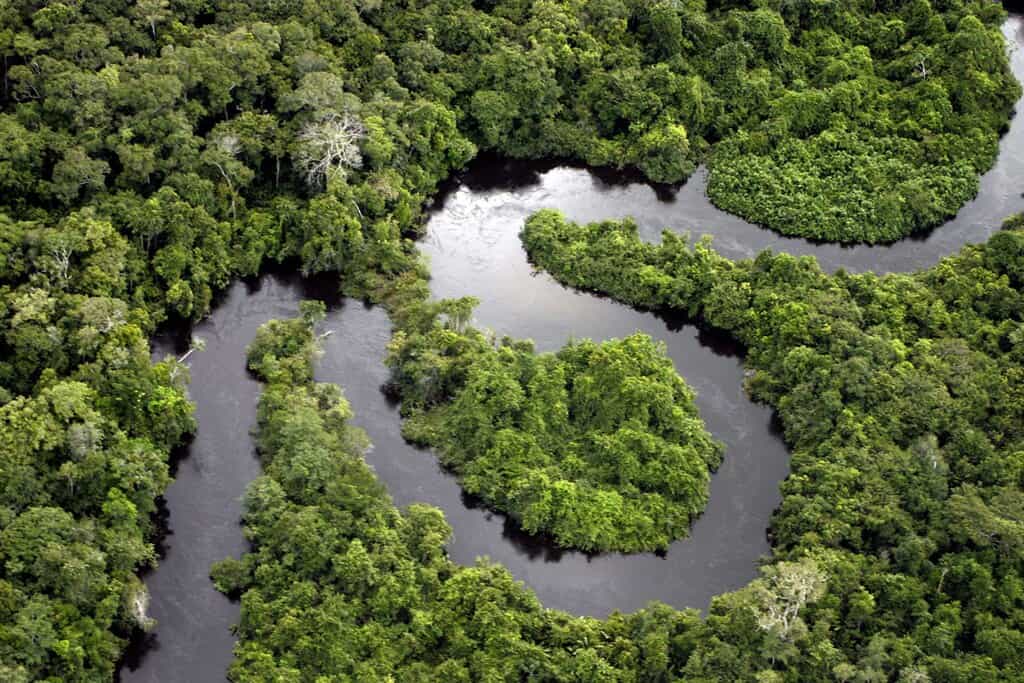
The Amazon River and its vast basin contain some of the most dangerous freshwater environments on Earth. Spanning over 4,000 miles and draining nearly 40% of South America, these waters host an incredible diversity of life – including numerous species evolved specifically to kill. Most infamous among these is the red-bellied piranha, which contrary to Hollywood depictions, rarely attacks humans in normal conditions but can become dangerously aggressive during dry seasons when food is scarce. More consistently lethal are the candiru, parasitic catfish infamous for their alleged ability to enter human orifices, and the arapaima, massive fish reaching up to 10 feet that can leap from the water with enough force to fatally injure boaters.
Perhaps the most feared residents of Amazonian waters are the bull sharks and anacondas. Bull sharks can swim thousands of miles upriver into freshwater environments, bringing their aggressive temperament and powerful bite. Green anacondas, potentially growing to over 30 feet long and weighing up to 550 pounds, are the world’s largest snakes and skilled aquatic predators capable of taking down caimans, capybaras, and occasionally humans. Adding to these biological threats are unpredictable currents, seasonal flooding that can rise 40 feet, and waters often carrying waterborne diseases including schistosomiasis and leptospirosis, making the Amazon Basin beautiful but potentially deadly.
Australia’s Northern Coast: Box Jellyfish Territory

Australia’s northern coastline, particularly around Queensland and the Northern Territory, is home to what many marine biologists consider the world’s most venomous creature: the box jellyfish (Chironex fleckeri). These nearly transparent predators possess up to 60 tentacles, each extending up to 10 feet and containing millions of microscopic cnidocytes – specialized cells that inject venom on contact. A single box jellyfish carries enough toxin to kill 60 adult humans, and the pain from their sting is so excruciating that victims have been known to go into shock and drown before reaching shore. The venom attacks the heart, nervous system, and skin cells simultaneously, potentially causing death within minutes if left untreated.
Box jellyfish season typically runs from October to May, coinciding with Australia’s warm summer months when tourists are most likely to visit. Unlike many jellyfish that drift passively, box jellyfish are active hunters with four cluster eyes capable of forming images and detecting light, allowing them to actively pursue prey. They can swim at speeds up to four knots, making them surprisingly fast for invertebrates. Australian beaches in affected areas deploy protective nets and maintain vinegar stations for emergency first aid, as acetic acid can neutralize unfired stinging cells. Despite these precautions, box jellyfish cause numerous hospitalizations annually and remain responsible for approximately 50 recorded fatalities in Australian waters since 1884.
The Gulf of Guinea: Africa’s Pirate Hotspot
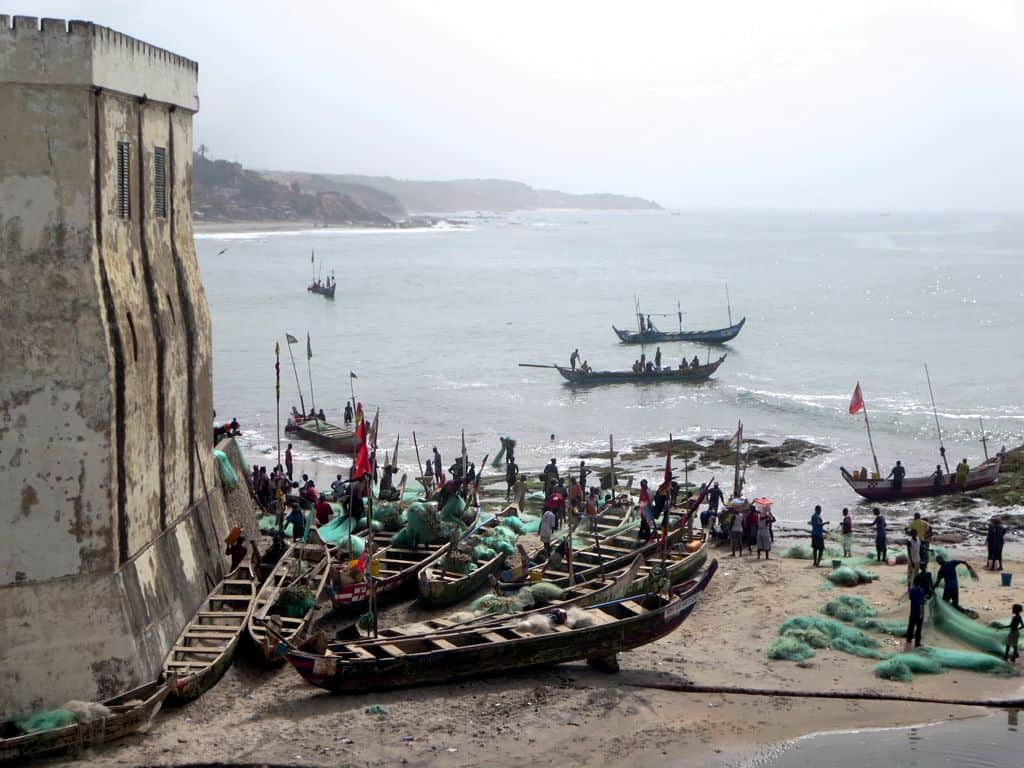
The Gulf of Guinea, stretching along Africa’s western coastline from Senegal to Angola, has overtaken the Horn of Africa as the world’s most dangerous maritime zone for piracy and armed robbery. Unlike Somali pirates who typically seek ransom for hijacked vessels and crews, pirates in the Gulf of Guinea frequently employ violent tactics focused on stealing cargo, particularly oil, and kidnapping crew members for ransom. In 2020 alone, the International Maritime Bureau reported that the region accounted for over 95% of global maritime kidnappings, with crews facing significantly higher risks of violence than in other piracy hotspots.
Beyond human threats, these waters present natural dangers including powerful and unpredictable currents, particularly near river deltas, and seasonal storms that can develop with little warning. The marine ecosystem harbors bull sharks, which thrive in the warm tropical waters and can venture into freshwater estuaries, as well as various venomous sea snakes. Environmental hazards compound these dangers, with decades of oil exploitation resulting in spills that have degraded water quality and created additional health risks. Despite international naval patrols and increased security measures, the combination of political instability in adjacent countries, economic disparities, and limited law enforcement capabilities continues to make the Gulf of Guinea one of the world’s most dangerous waterways.
Lake Kivu: The Exploding Lake
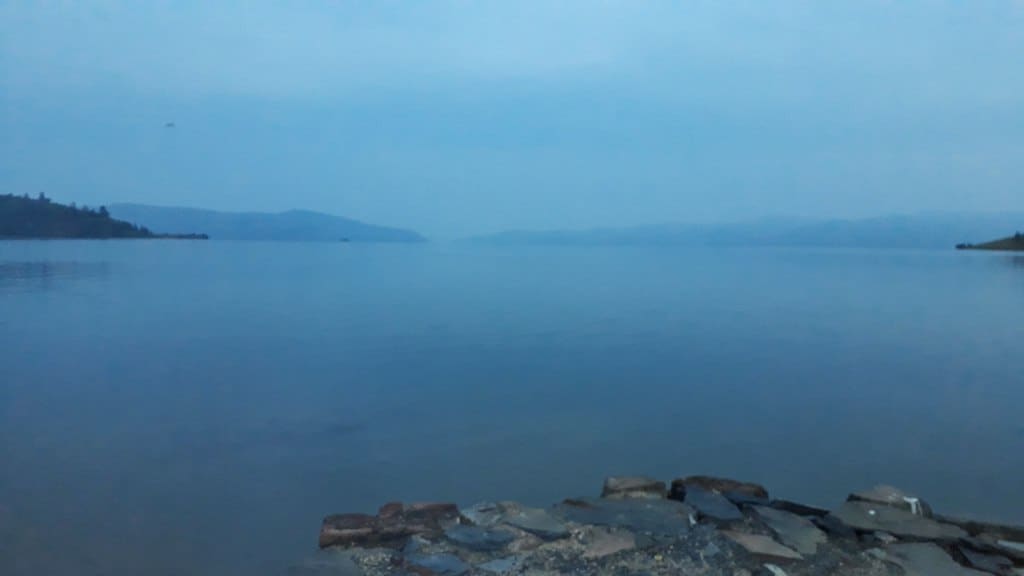
Nestled between Rwanda and the Democratic Republic of Congo, Lake Kivu presents a unique and potentially catastrophic natural hazard. This seemingly peaceful body of water, covering nearly 1,040 square miles, harbors a deadly secret beneath its surface: approximately 256 cubic kilometers of carbon dioxide and 65 cubic kilometers of methane gas dissolved in its deep waters. This enormous gas reservoir results from a combination of volcanic activity feeding carbon dioxide into the lake bottom and bacterial decomposition of organic matter producing methane. The lake’s stratified layers typically keep these gases trapped in the depths – but this equilibrium is precarious.
Scientists fear Lake Kivu could experience a limnic eruption, a rare natural disaster where dissolved gases suddenly erupt from the water. Such events have occurred elsewhere with devastating consequences, most notably at Cameroon’s Lake Nyos in 1986, when a gas eruption asphyxiated nearly 1,800 people in nearby villages. Lake Kivu contains a thousand times more gas than Lake Nyos and has approximately two million people living along its shores. Geological evidence suggests similar eruptions have occurred approximately every thousand years throughout the lake’s history. While extraction plants now harvest some methane for energy production, which reduces the danger while providing power to local communities, the potential for a catastrophic gas release remains one of Africa’s most significant natural hazards.
New Smyrna Beach: Shark Attack Capital of the World

Located on Florida’s Atlantic coast, New Smyrna Beach has earned the ominous distinction as the “Shark Attack Capital of the World.” This otherwise idyllic stretch of coastline experiences more shark-human encounters per square mile than anywhere else on Earth. The International Shark Attack File has recorded over 300 attacks in Volusia County (where New Smyrna Beach is located), with the majority occurring along this specific 13-mile stretch of shoreline. The high incidence rate isn’t necessarily because the sharks here are more aggressive, but rather due to a perfect storm of environmental and human factors that increase interaction opportunities.
The beach’s proximity to Ponce Inlet creates ideal conditions for various shark species, particularly blacktip and spinner sharks, which are drawn to the area’s abundant baitfish. The inlet’s strong tidal flows stir up sediment, reducing underwater visibility and increasing the likelihood of mistaken identity bites, where sharks confuse human limbs with their natural prey. Additionally, New Smyrna Beach’s popularity with surfers – who splash and paddle in ways that resemble distressed fish – contributes to the high encounter rate. Despite the alarming statistics, most attacks here are relatively minor “hit-and-run” incidents rather than the predatory attacks depicted in movies. Nevertheless, the concentration of sharks and human recreational activities makes these waters uniquely hazardous compared to other beaches worldwide.
The Saltstraumen Maelstrom: Nature’s Underwater Cyclone
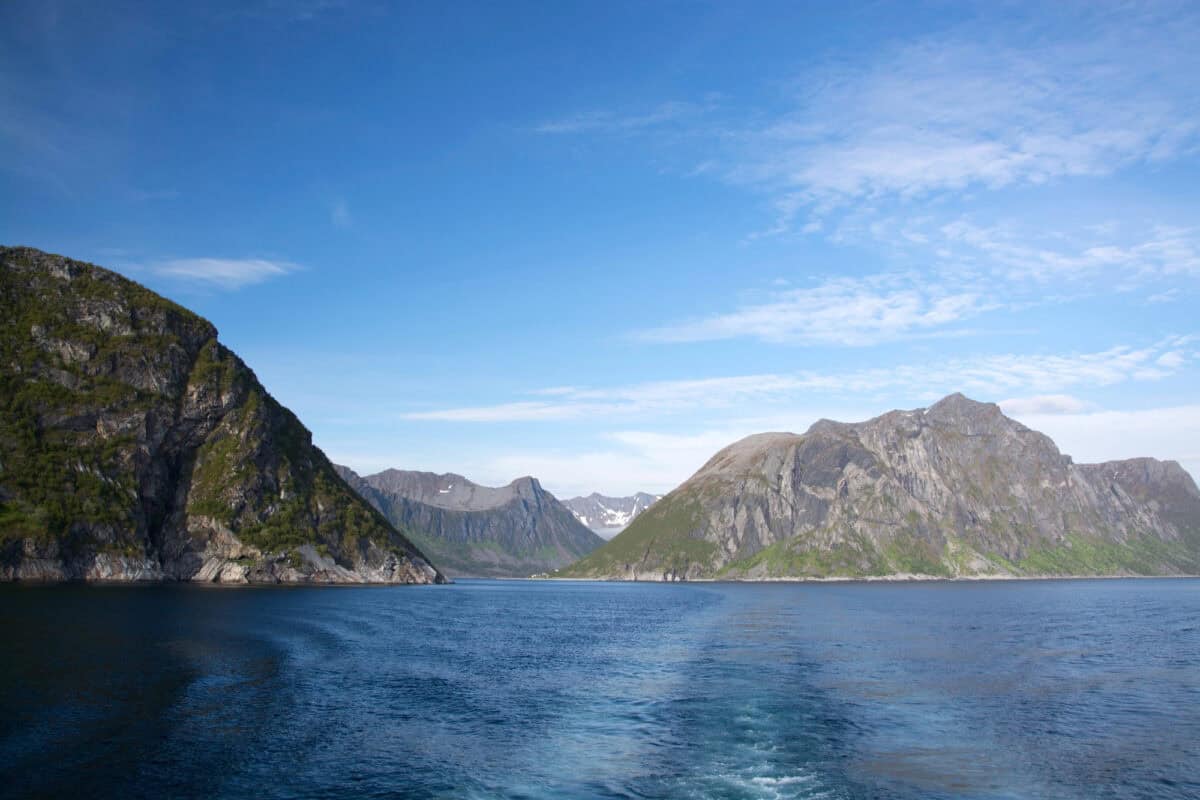
Located near Bodø in northern Norway, the Saltstraumen Maelstrom stands as the world’s strongest tidal current, creating some of the most dangerous waters for navigation. Four times daily, up to 400 million cubic meters of seawater forces its way through a narrow 150-meter wide strait connecting the Saltfjord and Skjerstadfjord. This immense volume of water, moving at speeds reaching 20 knots (23 mph), generates massive whirlpools – some with diameters exceeding 10 meters and depths of 5 meters. These vortices form, disappear, and reform rapidly, creating an ever-changing maze of powerful water movements that can easily capsize small vessels.
What makes Saltstraumen particularly treacherous is the unpredictability of its currents beyond the basic tidal schedule. Local underwater topography, with its deep holes and shallow underwater plateaus, creates complex water behaviors including powerful upwellings, horizontal jets, and secondary whirlpools that even experienced local fishermen treat with extreme caution. Despite the dangers, the maelstrom attracts adventure tourists for whitewater rafting and experienced divers seeking to explore its unique underwater environment. The turbulent waters create an extraordinarily rich ecosystem by constantly circulating nutrients, supporting diverse marine life including wolf fish, cod, coalfish, and rose fish. However, even with modern navigation equipment and local guides, Saltstraumen remains one of the world’s most challenging and potentially deadly water passages.
The Mississippi River Delta: Industrial and Natural Hazards
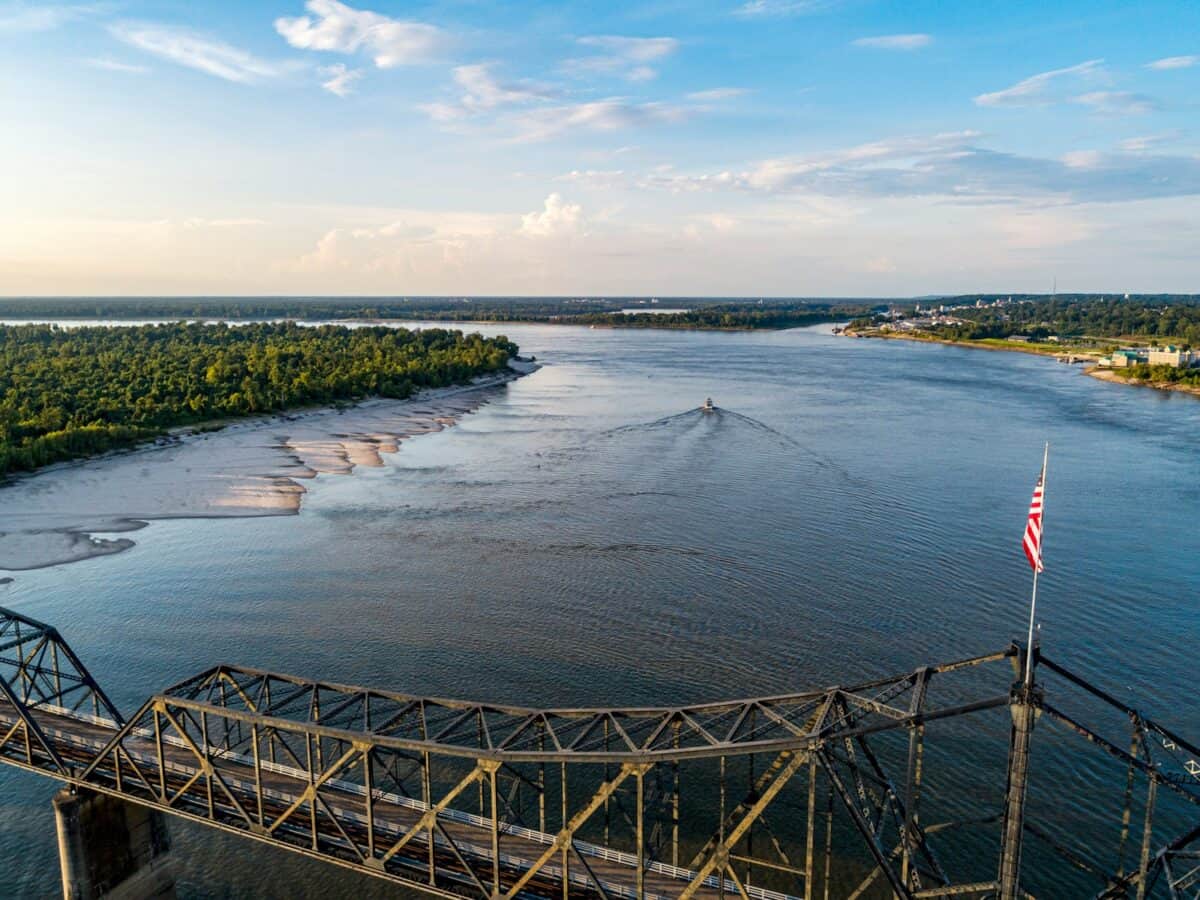
The Mississippi River Delta, where America’s mightiest river meets the Gulf of Mexico, presents a complex convergence of natural and man-made dangers. This vast wetland ecosystem, spanning over 7,000 square miles, features a labyrinth of channels, bayous, and marshes that can disorient even experienced navigators. The delta’s waters contain alligators, snapping turtles, and water moccasins – venomous snakes capable of delivering potentially fatal bites. Bull sharks, which can tolerate freshwater environments, frequently venture miles upriver, bringing their aggressive temperament into areas where swimmers might not expect shark encounters.
Industrial development has added significant hazards to these already challenging waters. The region hosts a dense concentration of petrochemical facilities, creating what environmentalists call “Cancer Alley” due to chemical contamination concerns. After decades of oil and gas extraction, thousands of abandoned wells and platforms present underwater hazards to navigation, while ongoing industrial accidents have periodically released toxins into the water. The delta’s geology compounds these problems, as the soft sedimentary land is sinking while sea levels rise, increasing flood risks and intensifying storm surge impacts during hurricanes. This combination of natural predators, industrial contamination, navigational challenges, and extreme weather vulnerability makes the Mississippi Delta one of North America’s most hazardous aquatic environments.
The Mariana Trench: Extreme Pressure and Unknown Dangers
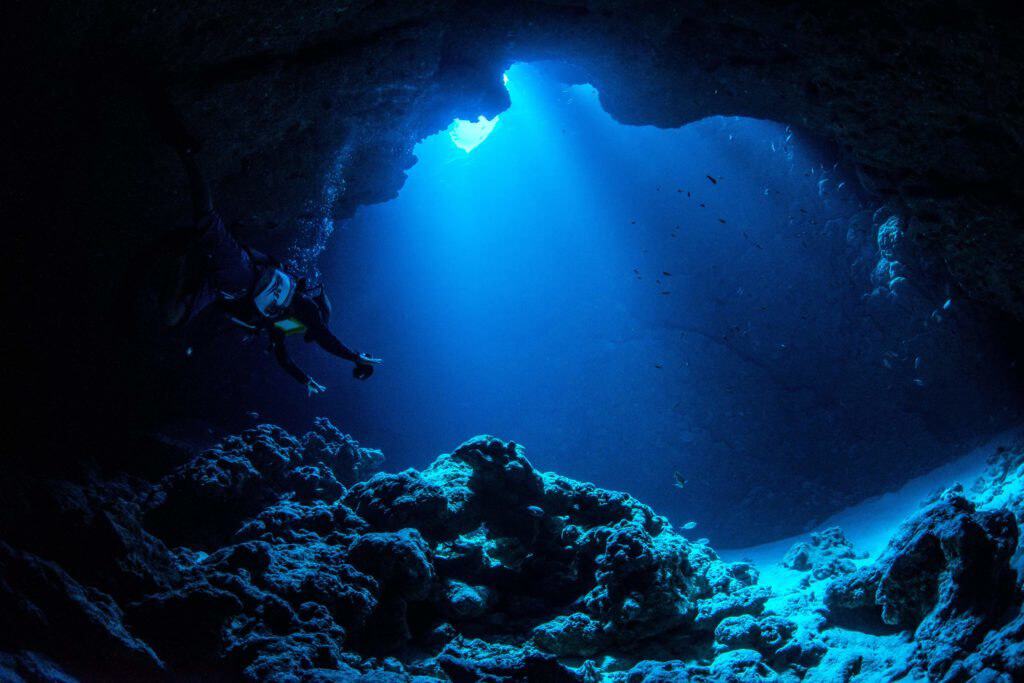
The Mariana Trench in the western Pacific Ocean represents Earth’s deepest oceanic trench, plunging to approximately 36,070 feet (10,994 meters) at its lowest point, the Challenger Deep. This extreme environment creates water pressure exceeding 1,000 atmospheres – equivalent to having over 100 adult elephants standing on your head. Such crushing force would instantly implode any human body or conventional submarine not specifically engineered for these depths. The near-freezing temperatures, complete darkness, and scarcity of nutrients make this one of the planet’s most hostile environments, yet remarkably, life has adapted to these seemingly impossible conditions.
Scientific exploration of the trench remains limited due to its extreme technical challenges, meaning much of what lurks in its depths remains unknown. Documented inhabitants include bizarre adaptations such as the Mariana snailfish – the deepest-living fish ever recorded – which produces special chemical compounds that prevent their proteins from being crushed under pressure. Other residents include amphipods with antifreeze proteins, translucent sea cucumbers, and potentially undiscovered species with unique biological adaptations. Even more concerning from a human perspective, research has detected alarming levels of pollution, including industrial chemicals and microplastics, in samples from the trench’s deepest points. This contamination demonstrates that even Earth’s most remote waters aren’t immune to human impact, adding toxic hazards to this already extreme environment.
The Blue Holes of the Bahamas: Underwater Cave Systems

The Bahamas archipelago contains the highest concentration of blue holes in the world – vertical underwater caves and sinkholes formed during past ice ages when sea levels were much lower. These striking geological formations, named for the dramatic contrast between their deep blue waters and surrounding lighter seas, represent some of the most dangerous diving environments on Earth. The most infamous, Dean’s Blue Hole near Long Island, plunges vertically to a depth of 663 feet, making it the world’s second deepest known marine sinkhole. The combination of extreme depth, complex tunnel systems, strong and unpredictable currents, and sudden changes in water chemistry creates a potentially lethal environment even for experienced technical divers.
What makes blue holes particularly treacherous is their deceptive nature. The crystal-clear entrance pools often appear invitingly tranquil, but beyond the entry points lie maze-like passages where silt can be easily disturbed, reducing visibility to zero within seconds. Many blue holes feature haloclines – sharp boundaries between fresh and salt water – which create visual distortions that disorient divers. Deeper sections often contain hydrogen sulfide layers, which not only smell like rotten eggs but can burn skin on contact and become toxic when breathed through scuba equipment. Despite these dangers, blue holes continue to attract adventurous divers drawn to their unique ecosystems and archaeological significance, as they often contain preserved remains of ancient animals and human artifacts from indigenous Lucayan people. However, the numerous diving fatalities in these systems have earned them the grim nickname “diver graveyards.”
Conclusion: Respecting Earth’s Aquatic Dangers

The world’s most dangerous waters remind us that for all its beauty and wonder, nature also commands respect. From venomous sea creatures to unpredictable ocean currents and aggressive territorial animals, Earth’s aquatic environments harbor a wide range of hazards. These dangers are rarely the result of malice—rather, they reflect the intricate survival strategies of species evolved to defend, hunt, or navigate some of the planet’s most extreme habitats. Understanding these risks not only helps keep humans safe but also fosters a deeper appreciation for the complex ecosystems in which these creatures live.
Respecting Earth’s aquatic dangers means more than avoiding harm; it means approaching the ocean—and all bodies of water—with awareness, responsibility, and humility. Whether diving among coral reefs, fishing in tropical rivers, or simply wading along a coastal shoreline, informed behavior reduces the risk of accidents and encourages coexistence with the remarkable biodiversity of our planet’s waters. Ultimately, learning to live alongside these powerful forces of nature may be one of the greatest tests—and triumphs—of human wisdom and stewardship.

From exploring the marine wonders in the Azores and witnessing the vast savannas of Kenya, to delving deep into the rich biodiversity of South Africa and traversing iconic landscapes in Australia and the US like Yellowstone, Chris's experiences are vast.
With a penchant for diving alongside sharks, the ocean holds a special place in his heart.
Through his academic insights, he champions wildlife conservation, striving with 'Animals Around The Globe' to cultivate a profound connection between humans and animals, enhancing our mutual appreciation.
Connect with him at Feedback@animalsaroundtheglobe.com.
- Why Spiders Don’t Get Stuck in Their Own Webs - July 20, 2026
- What Scientists Found in a 10,000-Year-Old Beehive - July 20, 2026
- This Spider Builds Fake Decoys of Itself - July 20, 2026