

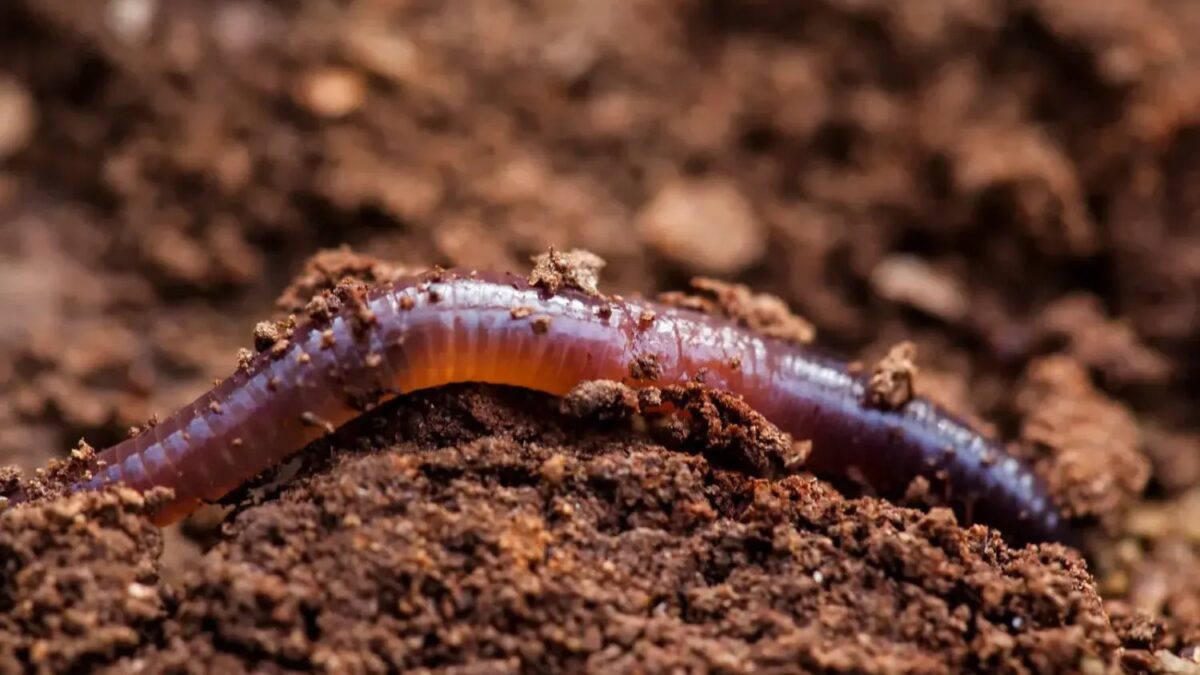
There are creatures on this planet that seem to laugh in the face of what we consider survivable. Most of us picture volcanoes as places of absolute destruction, molten rock, toxic gas, and temperatures that would reduce almost anything to ash in seconds. So what happens when scientists discover that tiny, microscopic worms have made active volcanic craters their home?
It sounds like science fiction. Honestly, it reads like something out of a fantasy novel. Yet the evidence is real, the research is ongoing, and the implications for what we know about life on Earth, and possibly beyond it, are nothing short of extraordinary. Get ready, because this story goes places you probably won’t expect. Let’s dive in.
The Discovery That Stopped Scientists in Their Tracks
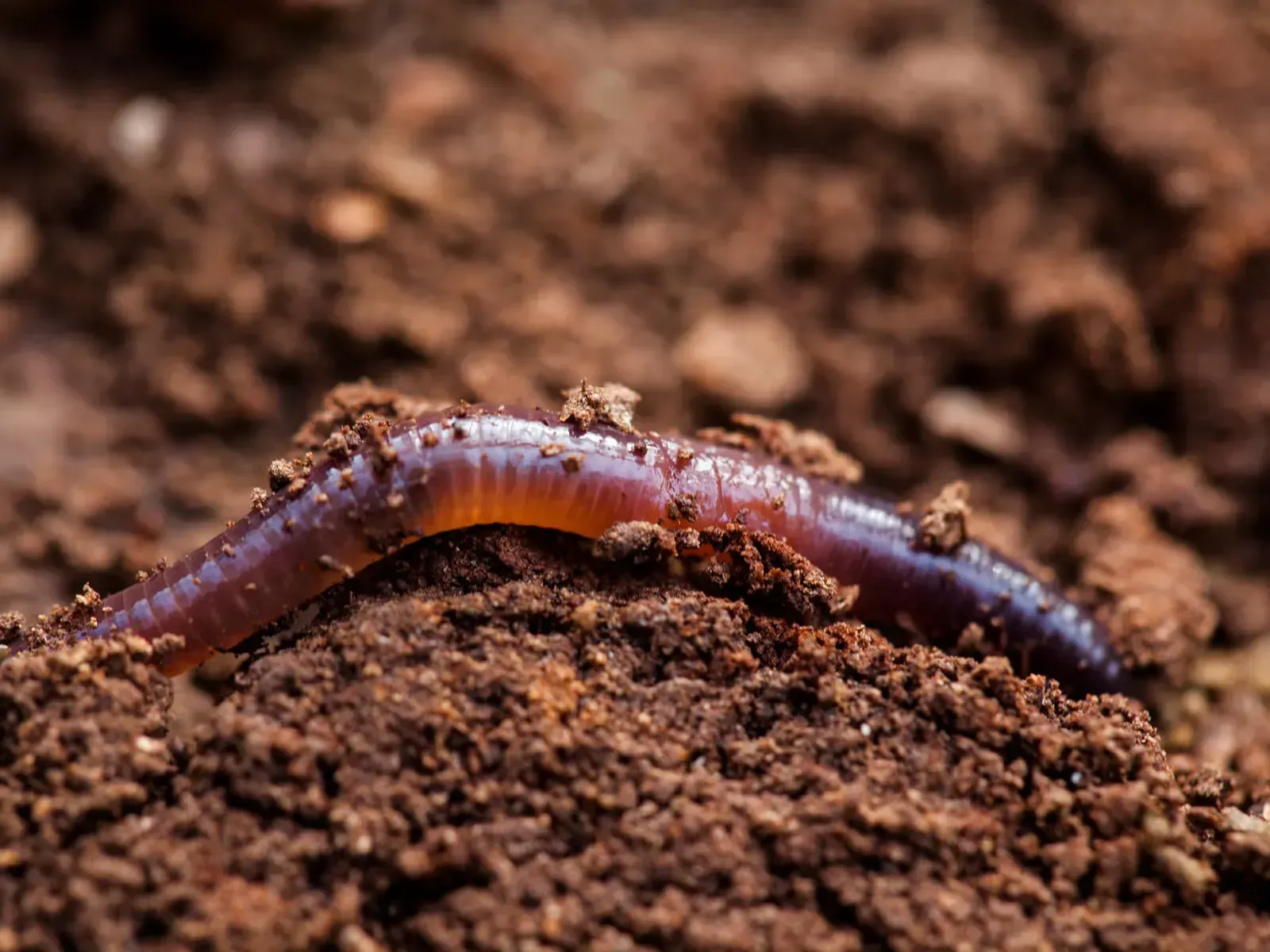
Picture a team of researchers carefully collecting samples from the scalding, acidic interior of an active volcano and finding something alive inside. That’s essentially what happened when scientists began studying the harsh environments around volcanic craters, specifically focusing on the microscopic inhabitants of what are known as “lava tubes” and volcanic soils. The tiny organisms found there, nematodes, which are microscopic roundworms, were not just surviving. They were thriving.
Nematodes are among the most abundant animals on Earth. You’d find them in your garden soil, in the deep ocean, even in polar ice. Still, discovering them in volcanic environments pushed the boundaries of what biologists believed possible. These aren’t exotic, alien-looking creatures. They’re the same basic body plan as worms found in your backyard, just living in a place that should, by all conventional logic, kill them instantly.
What Makes Volcanoes So Hostile to Life
Let’s be real about the conditions inside and around active volcanoes. Temperatures can soar to levels that denature proteins and dissolve most organic material on contact. The soil is often flooded with sulfur compounds, carbon dioxide, and other gases that would be lethal to virtually any animal we know of.
The pH levels in volcanic environments can be devastatingly acidic, comparable in some zones to battery acid. Combine that with the near-total lack of nutrients, unpredictable physical disturbances from volcanic activity, and the sheer toxicity of the chemical soup present in the ground, and you have what most scientists would confidently call a dead zone. Apparently, nobody told the worms.
Meet the Volcano Worms Defying Biology
The nematodes found in volcanic environments belong to several species, some of which were already known to science, while others appear to be entirely new discoveries adapted specifically to extreme conditions. One species in particular, Steinernema feltiae, has been identified in volcanic soils and is known for its remarkable environmental tolerance. Here’s the thing though, finding a familiar species in an unfamiliar place raises more questions than it answers.
Researchers collected samples from the slopes and interiors of Masaya volcano in Nicaragua, one of the most actively degassing volcanoes on the planet. Finding nematodes there was, by the scientists’ own admission, genuinely shocking. The worms weren’t just present in trace amounts either. Multiple species showed up in the samples, suggesting that this isn’t a fluke or contamination situation. Something is allowing them to survive, and science wants to know exactly what that something is.
The Genetic Secrets Hidden in Their DNA
When scientists analyzed the DNA of these volcanic nematodes, they found something deeply interesting. The worms appear to carry genetic adaptations that help them cope with toxic stress, specifically elevated concentrations of metals and sulfur compounds that would wreck the cellular machinery of most animals.
It’s a bit like finding a fish that evolved gills capable of breathing both water and air. The underlying biology is familiar, but the specific tweaks are remarkable. Researchers believe these genetic traits may have developed over long periods of exposure, a slow burn of evolutionary pressure in the most literal sense. I think what’s most striking here is not just that they survived, but that they appear to have actively adapted, which suggests these extreme environments have been inhabited far longer than anyone suspected.
Why This Changes Our Understanding of Life’s Limits
For a long time, scientists used a concept called the “limits of life” to define the boundaries beyond which biology simply cannot function. Temperature, acidity, radiation, pressure – these were the walls of the cage. Volcano worms are punching holes in those walls.
Every time an organism turns up in a place we assumed was sterile or lifeless, we have to reconsider our models. The discovery of extremophiles, organisms that thrive in extreme conditions, has been building for decades. Hydrothermal vent bacteria, Arctic ice microbes, deep-cave fungi. Each discovery pushed the line a little further. Volcano worms feel like they pushed it off a cliff entirely. The biological rulebook, it seems, keeps needing new chapters.
What This Means for the Search for Life Beyond Earth
Here’s where things get genuinely exciting, maybe even a little mind-bending. If life can persist in volcanic environments on Earth, it raises the probability that life could exist in similar environments on other planets or moons. Volcanic activity is not unique to Earth. Jupiter’s moon Io is one of the most volcanically active bodies in the entire solar system, and scientists have long speculated about subsurface liquid environments on moons like Europa and Enceladus.
Finding nematodes in volcanic soil doesn’t mean aliens exist, to be clear. It’s not that direct a leap. But it does force astrobiologists to widen the list of environments they consider potentially habitable when scanning other worlds. If a simple worm can carve out a life in a crater seeping sulfur dioxide, then perhaps the universe is a far more populated place than our old assumptions allowed. It’s hard to say for sure, but honestly, the possibility alone is thrilling.
The Research Road Ahead
Scientists are only at the beginning of understanding how these organisms function, reproduce, and maintain colonies in such punishing terrain. Future research is expected to focus on isolating specific proteins and enzymes that allow the worms to neutralize toxic compounds at the cellular level. Think of it like reverse-engineering a biological hazmat suit from the inside out.
There’s also significant interest in what these worms eat. Food sources in volcanic environments are incredibly scarce, so researchers suspect the nematodes may feed on microbial mats, which are thin layers of bacteria and archaea that cling to volcanic rock. If confirmed, this would reveal a full microscopic food chain operating inside one of Earth’s most violent landscapes, quiet, invisible, and seemingly indifferent to the chaos above it. The more we look, the stranger and more wonderful it gets.
Conclusion: Life Is Stranger Than We Give It Credit For
Volcano worms are not just a curious footnote in biology. They are a genuine challenge to the frameworks scientists use to define where life can and cannot exist. They remind us that evolution is patient, creative, and relentlessly opportunistic in ways that continue to outpace our predictions.
There’s something almost poetic about it. In one of the most violent environments our planet produces, a tiny, near-invisible worm quietly goes about its existence, unbothered. It makes you wonder what else is out there, hidden in plain sight in places we’ve already written off as dead. What other assumptions about life are waiting to be overturned? What do you think is still out there, surviving in the places we least expect? Drop your thoughts in the comments.

- Urban Coyotes Show Remarkable Adaptability, Learning to Thrive in City Environments - July 22, 2026
- Beavers Are Nature’s Engineers, Creating Vital Habitats for Other Wildlife Species - July 21, 2026
- The Recovery of the California Condor Offers Hope for Other Critically Endangered Birds - July 21, 2026