
Worried about unexpected vet bills?
Pet insurance can cover thousands in unexpected vet costs. Get a free quote from Lemonade in under 2 minutes.
Get My Free Quote →Sponsored · Opens Lemonade.com
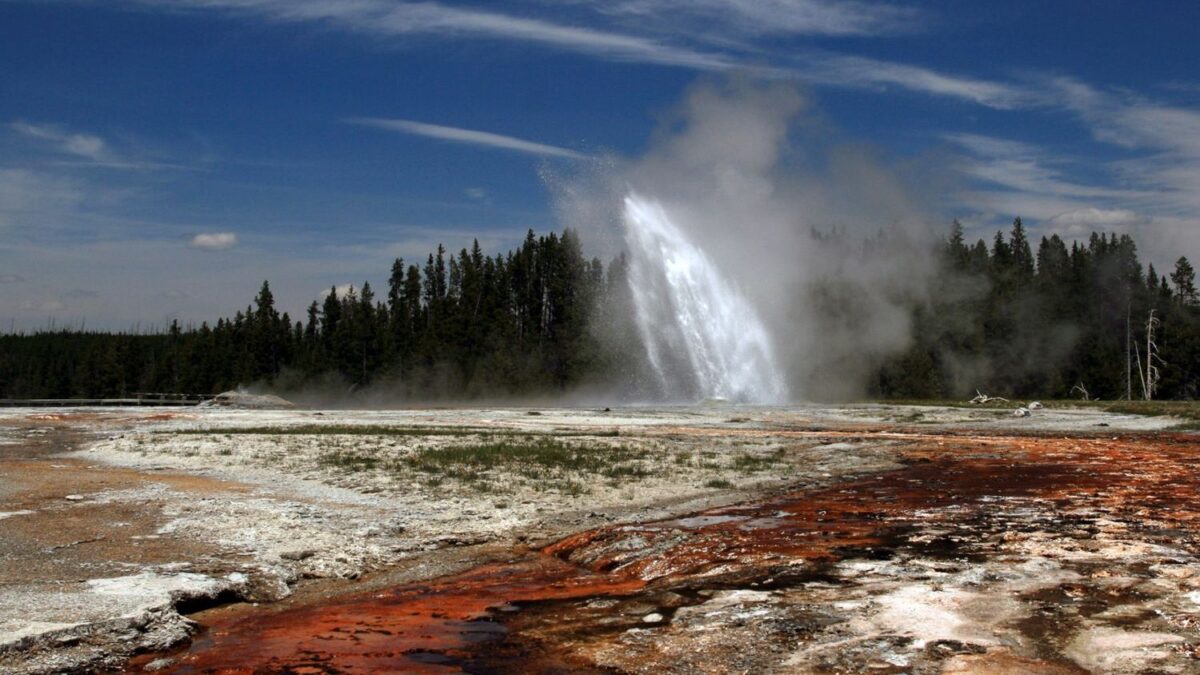
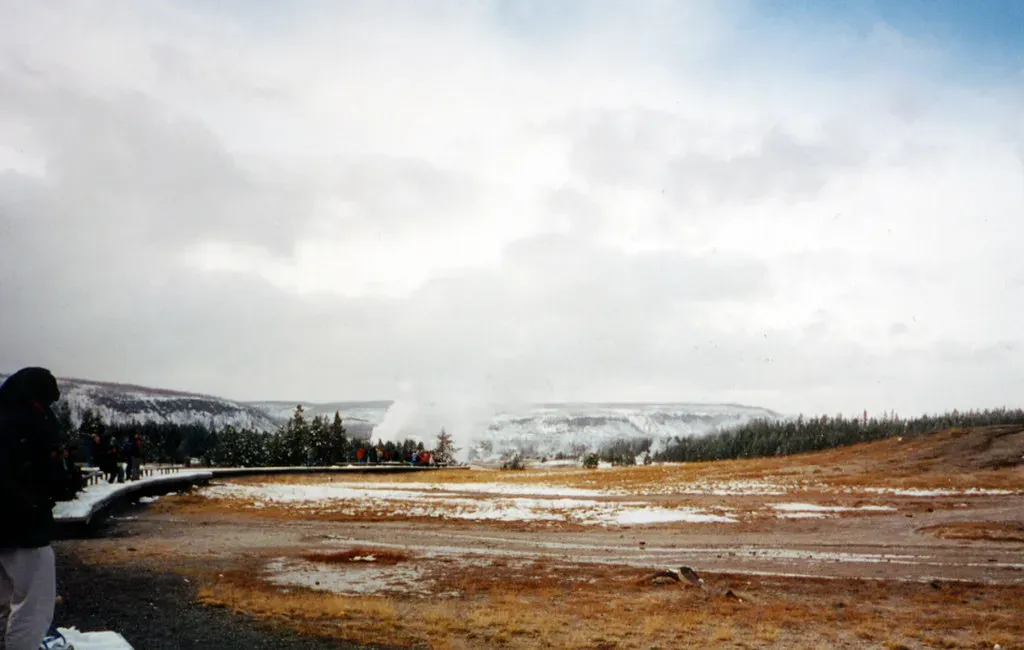
Picture yourself standing at the edge of Old Faithful, watching steam shoot into the Wyoming sky. Tourists snap photos, children shriek with delight. Nobody thinks about what lurks beneath their feet. Deep underground, a massive reservoir of molten rock simmers, waiting. Yellowstone National Park is beautiful, yes. It’s also one of the most dangerous volcanic systems on Earth, and honestly, most visitors have no idea they’re standing on top of a potential catastrophe.
The ground here moves. It rises and falls like the chest of a sleeping giant, and sometimes that giant stirs more than usual.
What Makes Yellowstone a Supervolcano
The term supervolcano refers to a volcanic system that has erupted more than 1,000 cubic kilometers of material at some point in its past. Yellowstone certainly qualifies. Geologic evidence suggests that Yellowstone has produced three colossal eruptions within the past 2.1 million years, each one reshaping the landscape in ways that are hard to fathom.
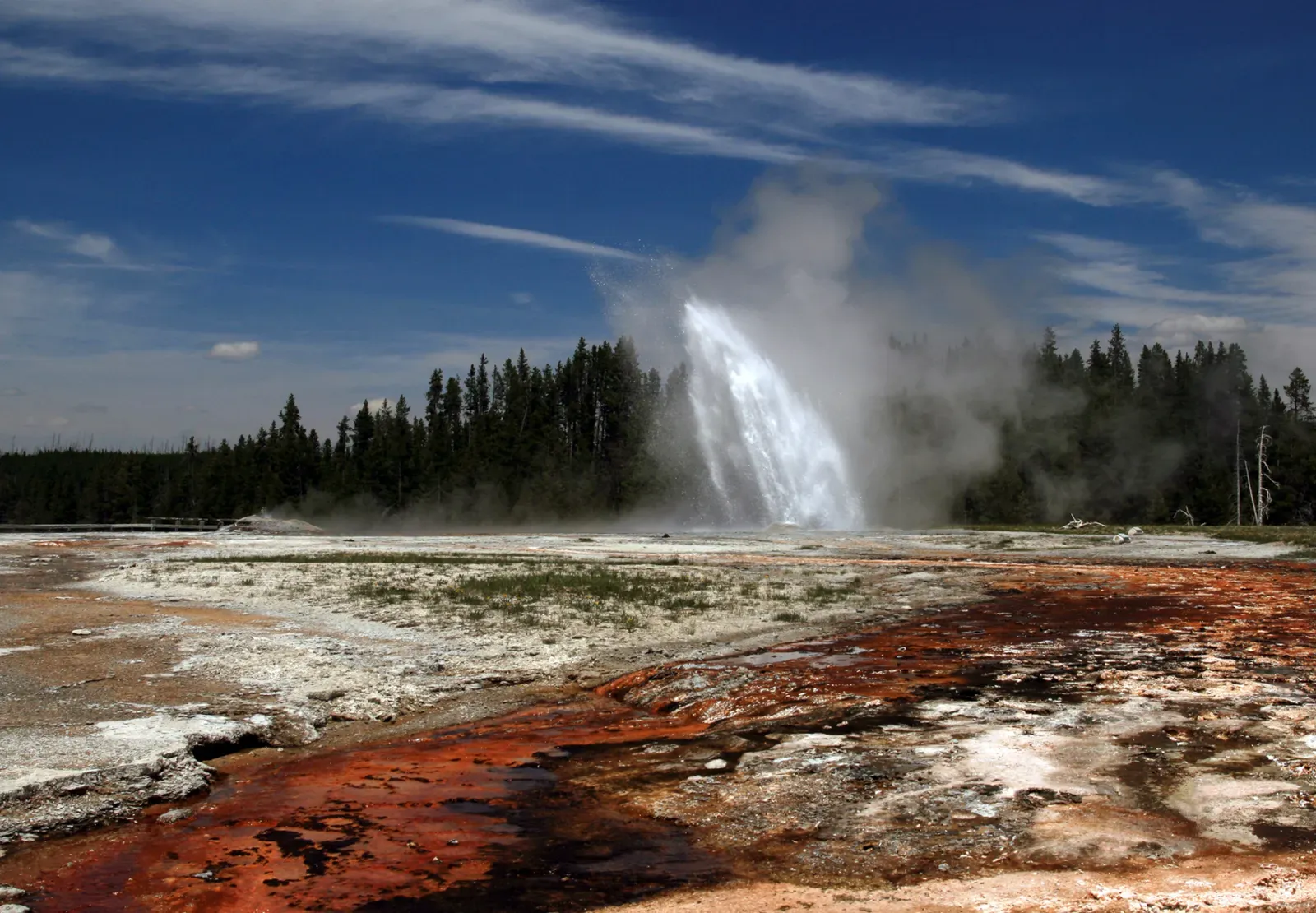
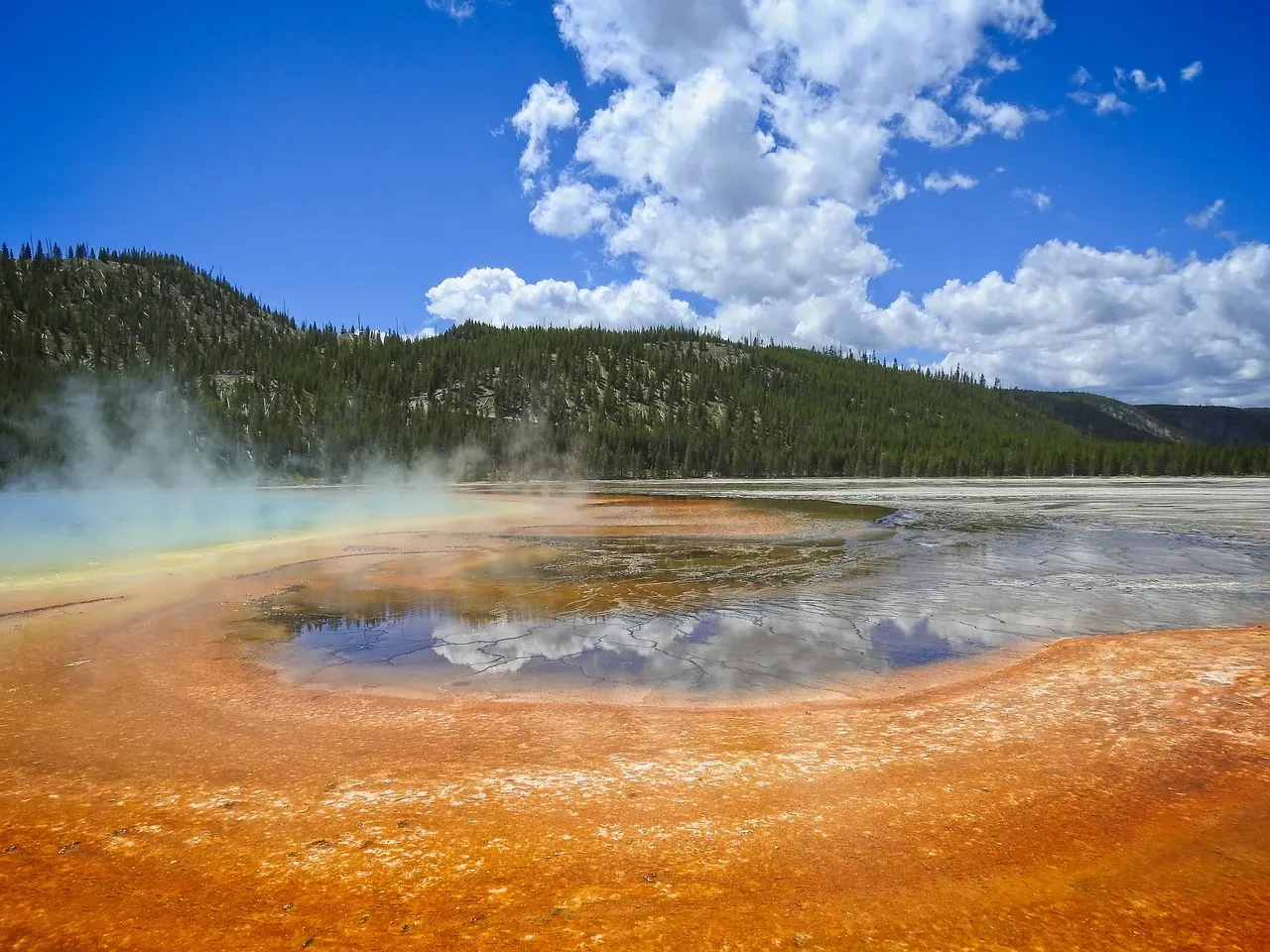
The magma chamber beneath the caldera contains around 4,000 cubic kilometers of partially molten material, making it one of the largest on the planet. Think about that for a second. Underneath the geysers and bison herds sits an underground ocean of liquid rock. The heat from this magma fuels the park’s famous thermal features, but it also represents a ticking clock of geological violence.
The Violent History Beneath Our Feet
Yellowstone has produced three colossal eruptions within the past 2.1 million years, occurring at gaps of about 600,000 to 800,000 years. The most recent supereruption happened around 640,000 years ago, creating the massive caldera that exists today. The last Yellowstone eruption was 1,000 times greater than the 1980 Mount St. Helens eruption that killed 56 people and scorched hundreds of square kilometers in the Pacific Northwest.
When Yellowstone erupts on a massive scale, the consequences are biblical. The last blast shot a fatal plume of hot ash, molten rock, and lethal gases thousands of meters into the air, and a third of the continent was likely plunged into complete darkness. Previous eruptions spewed volcanic debris across most of the continental United States. Material from these ancient catastrophes has been found as far away as Louisiana.
Recent Activity Raises Concerns
Scientists have noticed something interesting lately. A Chicago-sized swath of rising ground at the northern volcanic rim of the Yellowstone Caldera has risen an inch since July of last year. This isn’t necessarily alarming by itself, yet it demonstrates that the system remains very much alive. Yellowstone Caldera activity remains at background levels, with 100 located earthquakes in January, and deformation measurements indicate continued subtle uplift along the north caldera rim in 2026.
Recent research published in Nature revealed something even more concerning. A team discovered a sharp, volatile-rich cap just 3.8 kilometers beneath Yellowstone’s surface made of magma that acts like a lid, helping to trap pressure and heat below it. The magma isn’t evenly distributed either. Most of the magma is concentrated under the northeast of the Yellowstone Caldera, with somewhere between 400 and 500 cubic kilometers of rhyolite magma squatting there.
What Would Actually Happen During an Eruption
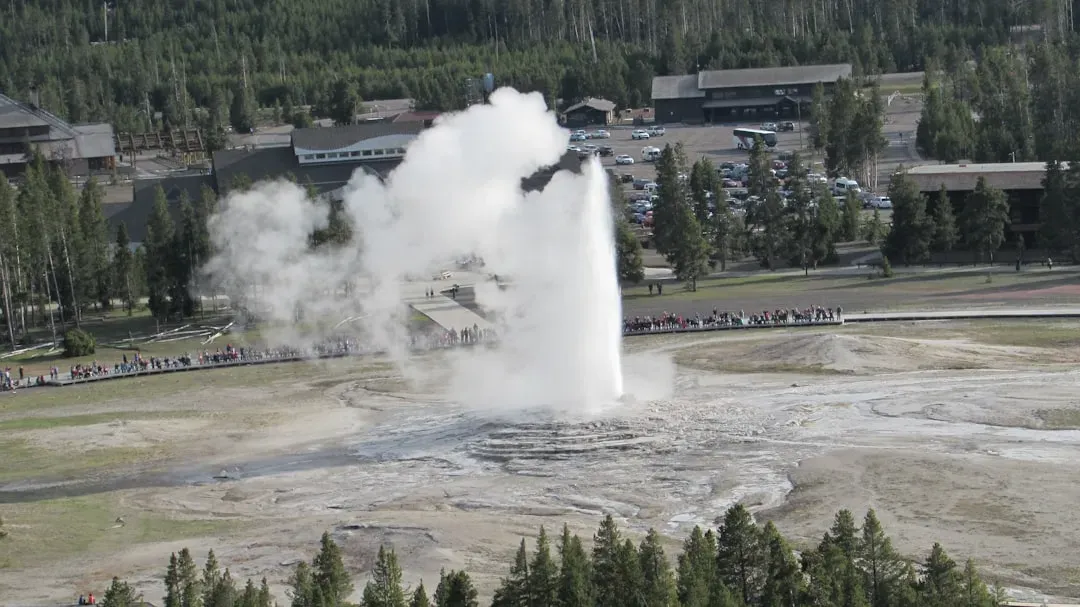
Let’s be real about what a major Yellowstone eruption would look like. If another large, caldera-forming eruption were to occur at Yellowstone, its effects would be worldwide, with regional effects such as falling ash and short-term changes to global climate lasting years to decades. The states closest to Yellowstone would face total devastation from pyroclastic flows, those terrifying currents of superheated gas and rock fragments that race across the landscape faster than you can run.
The ash problem would be staggering. Other places in the United States would be impacted by falling ash, with the amount decreasing with distance from the eruption site. We’re talking about volcanic ash blanketing entire states, collapsing roofs, contaminating water supplies, and destroying crops. Imagine trying to breathe when the air itself becomes a toxic soup of microscopic glass particles.
Temperature changes would follow quickly. Sulfuric gases released from the volcano would spring into the atmosphere and mix with the planet’s water vapor, creating a haze of gas that wouldn’t just dim the sunlight but also cool temperatures. Agriculture would collapse. The food chain would shatter from the bottom up.
Are We Really Due for Another One
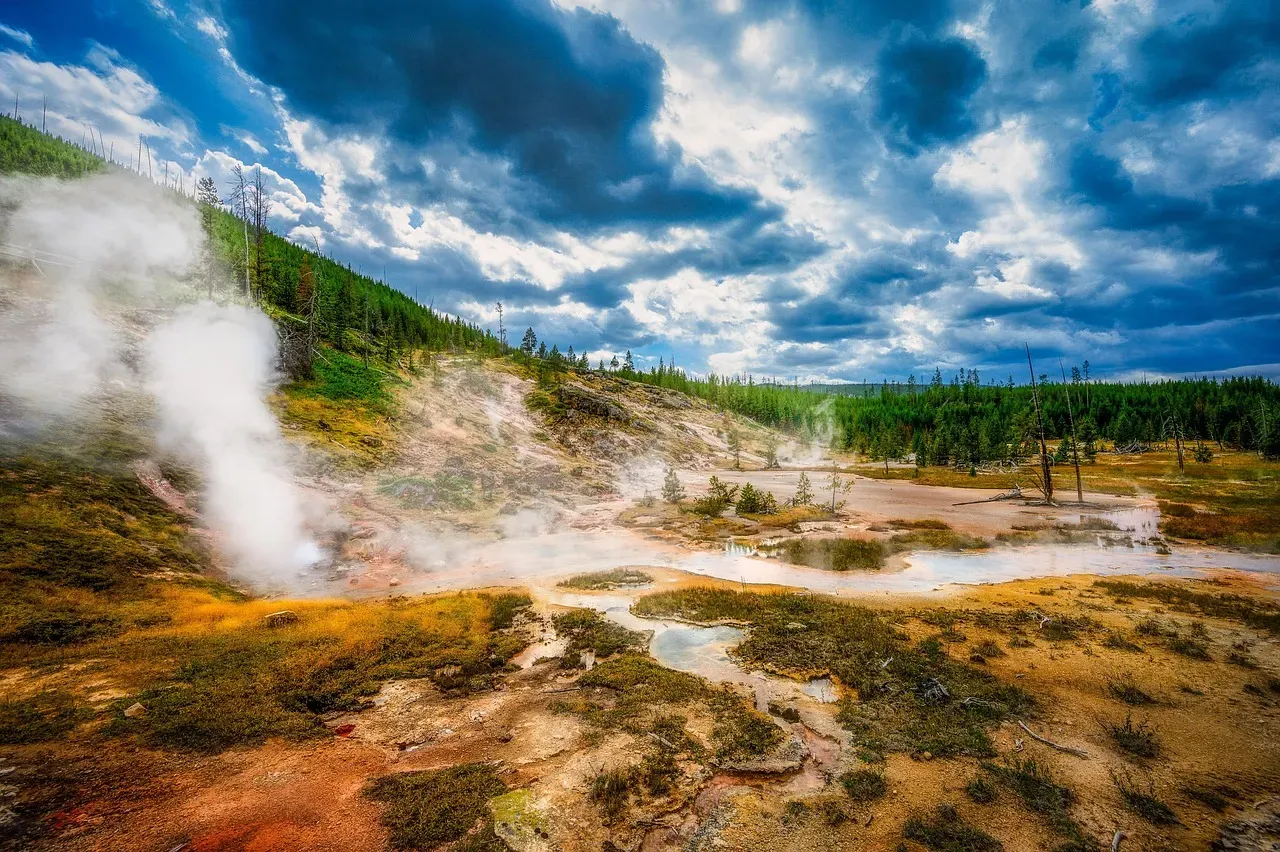
You’ve probably heard people say Yellowstone is overdue for an eruption. Here’s the thing, though. Yellowstone is not overdue for an eruption, as volcanoes do not work in predictable ways and their eruptions do not follow predictable schedules. The math people cite comes from averaging just two intervals between three eruptions, which is statistically meaningless.
Still, that doesn’t mean we’re safe. Analysis of crystals from Yellowstone’s lava showed that the magma reservoir can reach eruptive capacity and trigger a super-eruption within just decades, not centuries as volcanologists had originally thought. That’s the terrifying part. When things start moving, they could move fast. We might not get the centuries of warning that earlier models suggested.
Scientists are not convinced that another catastrophic eruption will ever happen, which offers some comfort. Yet the volcano remains active, the magma chamber is enormous, and the ground continues to shift and breathe.
Monitoring the Beast
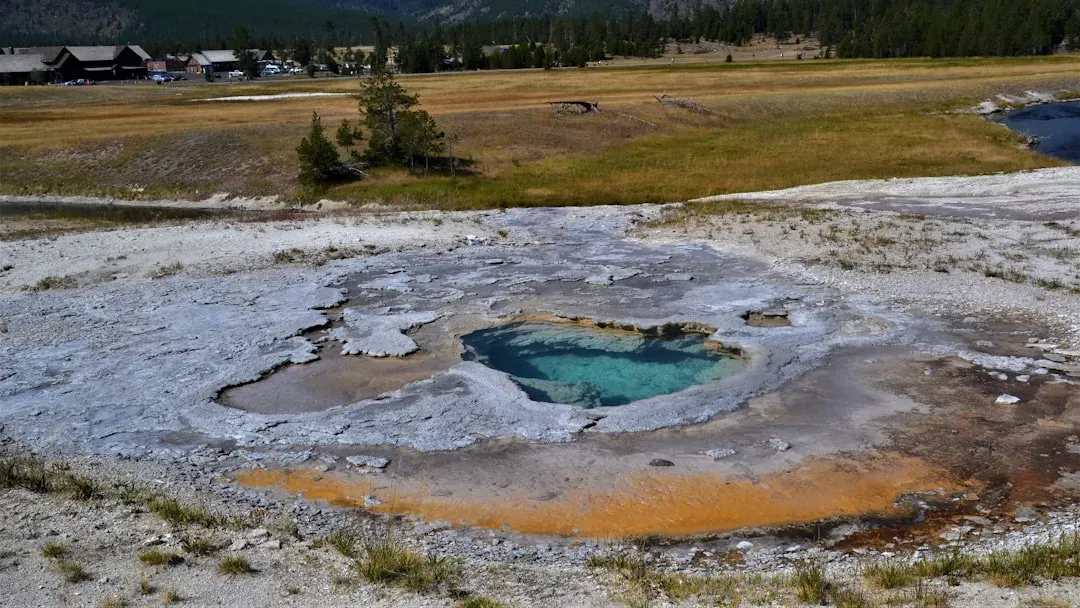
The Yellowstone Volcano Observatory is a consortium of nine state and federal agencies who provide timely monitoring and hazard assessment of volcanic, hydrothermal, and earthquake activity in the region. They’re watching constantly. Seismographs track every tremor. GPS stations measure ground deformation down to the millimeter. Gas sensors monitor what’s bubbling up from below.
Yellowstone will reawaken someday to host more eruptions, but volcanoes like Yellowstone don’t erupt without warning, and scientists expect months of intense activity prior to any future eruption. That’s reassuring, sort of. It means we’d likely have some advance notice, time to evacuate, time to prepare.
The more likely near-term threats are actually hydrothermal explosions, those violent bursts of steam and boiling water that can happen with minimal warning. These won’t destroy continents, yet they can certainly kill anyone nearby and cause significant local damage.
Conclusion
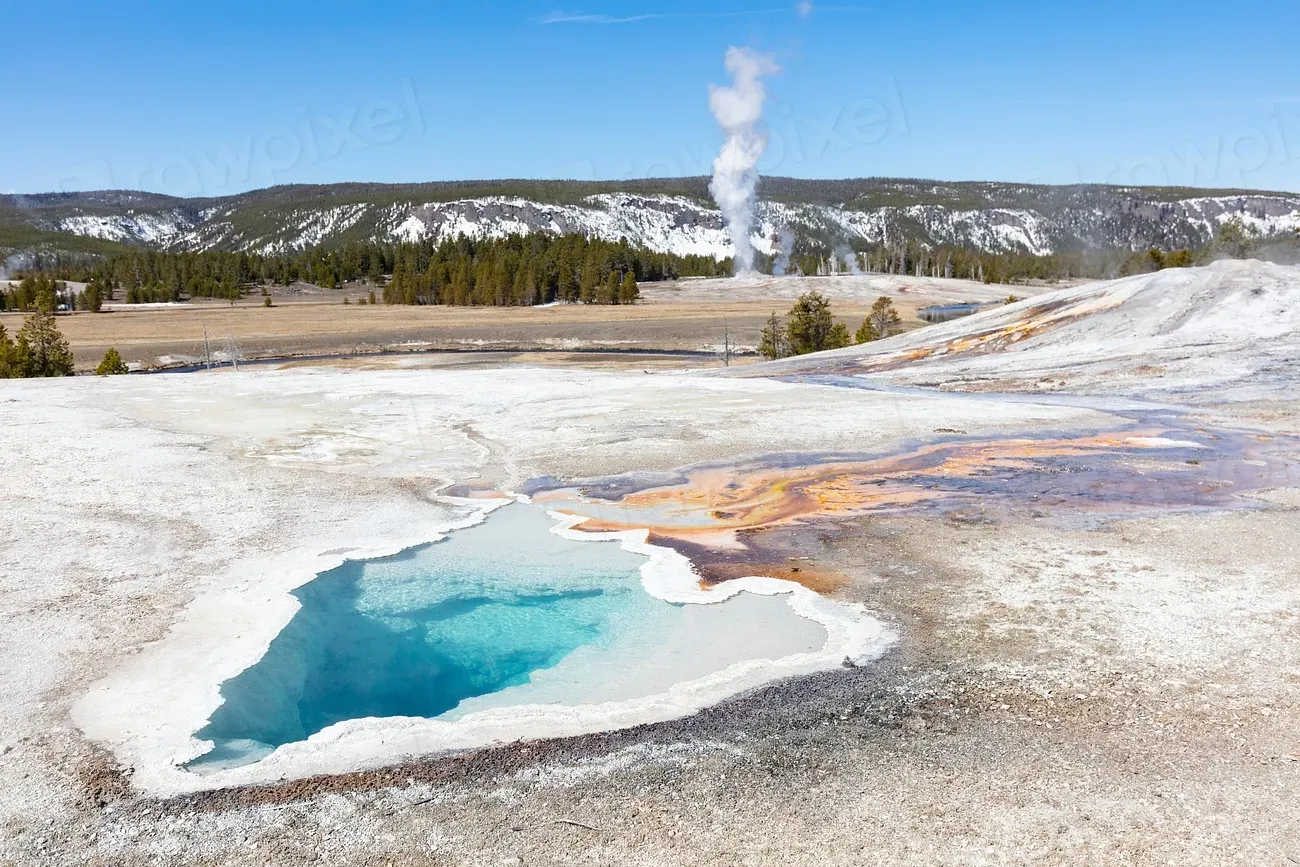
Yellowstone sits there, beautiful and deadly, breathing steam into the cold mountain air. The supervolcano beneath America’s first national park has devastated the continent before, and geological evidence suggests it will do so again. We just don’t know when. It could be tomorrow, it could be hundreds of thousands of years from now. The uncertainty is perhaps the most unsettling part.
Scientists keep watching, instruments keep recording, and life goes on above one of Earth’s most powerful geological features. We can’t prevent an eruption, yet we can prepare for one. We can fund monitoring efforts, develop evacuation plans, and most importantly, we can be honest about the risks. The sleeping giant will wake up eventually. What do you think we should be doing to prepare? Share your thoughts below.
Worried about unexpected vet bills?
Pet insurance can cover thousands in unexpected vet costs. Get a free quote from Lemonade in under 2 minutes.
Get My Free Quote →Sponsored · Opens Lemonade.com

- The Ocean’s Deepest Creatures Hold Surprising Secrets to Longevity - June 10, 2026
- 6 Scents That Make Mosquitoes Target You First - June 10, 2026
- The Forgotten Deserts of America Where Wildlife Still Thrives - June 10, 2026