
Think you’ve seen evolution at its best? Think again. Nature has a way of pulling off the unexpected, crafting creatures so bizarre that they defy imagination. We’re talking about animals that can survive being frozen solid or turn into living gelatinous puddles at crushing ocean depths. Evolution isn’t some careful, predictable process that ticks along quietly in the background.
It’s wild, unpredictable, and startlingly inventive. The five animals we’re about to explore showcase just how creative natural selection can get when faced with extreme challenges. Whether it’s surviving temperatures that would kill most living things or developing a touch so sensitive it rivals human sight, these creatures push the boundaries of what life can achieve. Let’s dive in.
The Tardigrade: Nature’s Titanium Masterpiece
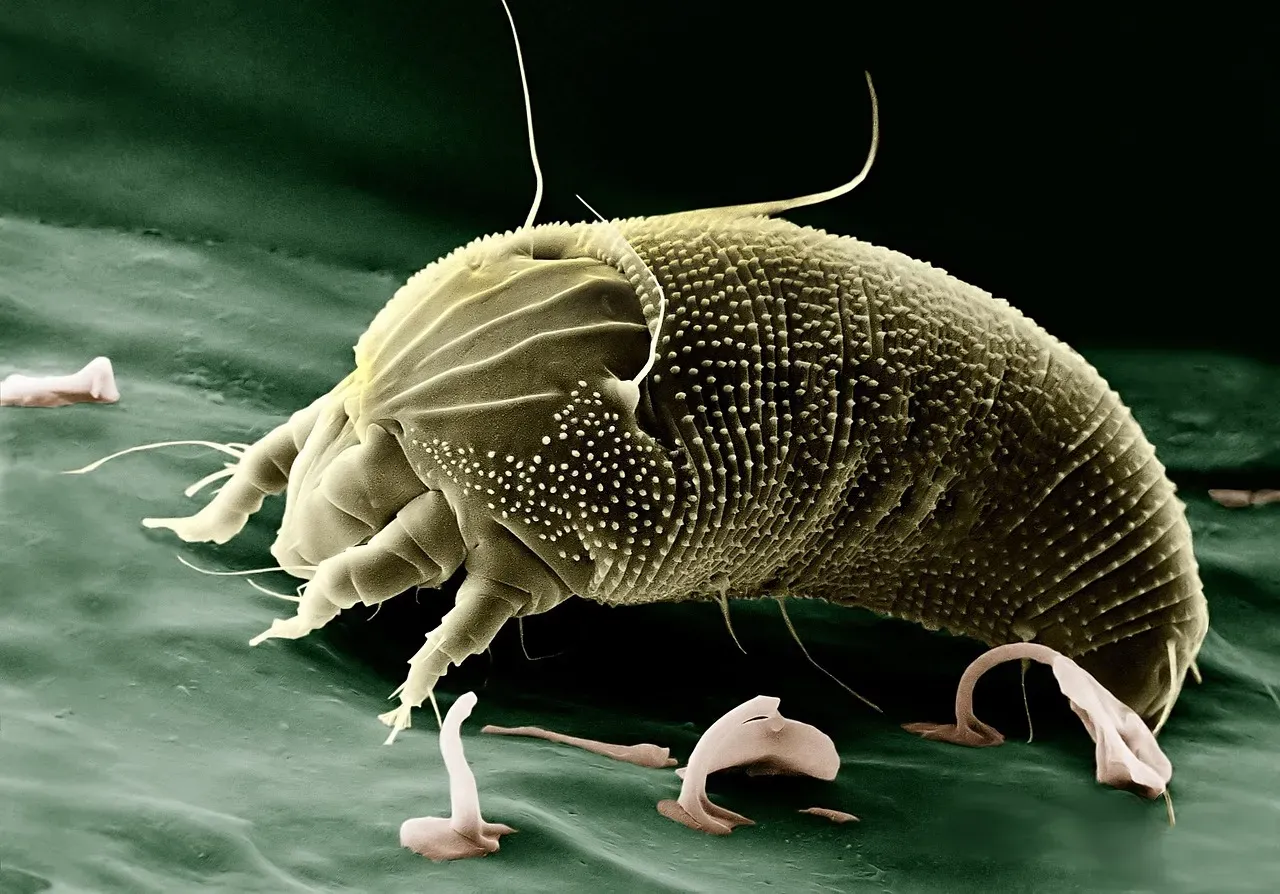
With an evolutionary timeline stretching back to the age of dinosaurs, the tardigrade is a miniature micro-animal renowned for surviving extreme conditions including high doses of radiation, freezing conditions, extreme pressure, and even being launched into space. Honestly, these creatures are less than one millimeter in size yet they’re tougher than pretty much anything else on the planet.
They achieve this remarkable feat by entering a “tun” state, where their bodies dry out and curl into a tiny ball, entering a state of protective hibernation. This bizarre survival strategy allows them to pause life itself, waiting out impossible conditions until things improve. Tardigrades inhabit a variety of ecosystems globally, from deep ocean beds to mountainous regions, and are commonly found in moist areas like moss, with their ability to endure extreme environments making them one of the most adaptable creatures on the planet.
The only thing these little water bears can’t handle? Sustained high temperatures. Still, when it comes to evolutionary resilience, nothing quite matches up.
The Star-Nosed Mole: A Face Only Evolution Could Love
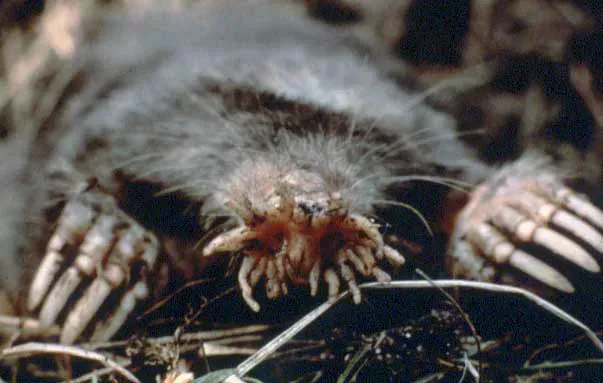
Let’s be real, this creature looks like it wandered straight out of a science fiction nightmare. The star-nosed mole can be found in wet low areas, typically in eastern Canada and the northeastern United States, with its main claim to fame being its strange pink fleshy ring around the snout, called the star. That bizarre appendage isn’t just for show.
The star is jam-packed with nerve fibers and functions similar to our eyes, painting a picture of the mole’s surroundings by using its keen sense of touch. Think of it as the mole’s way of seeing in total darkness. Evolution took touch sensitivity and turned it into something approaching visual perception. The star-nosed mole is also considered the fastest eating mammal on Earth, consuming insects in less than 0.2 second.
This animal spends most of its life in underground swamp tunnels where light is useless. So evolution simply invented a workaround that’s completely unique among mammals.
The Mimic Octopus: Master of Disguise and Deception
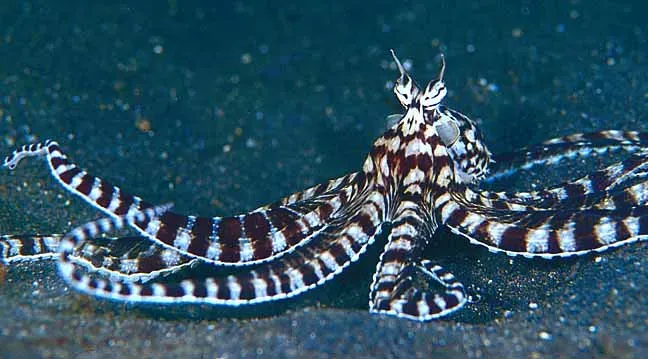
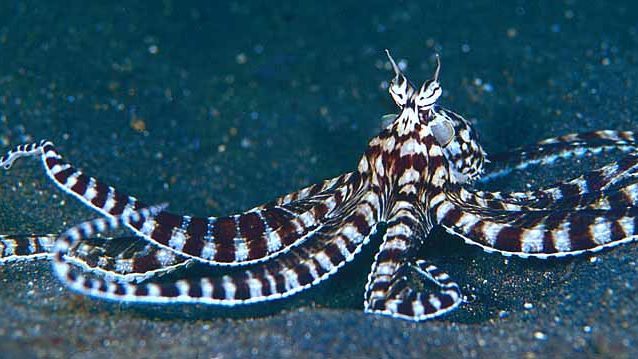
Here’s where evolution really shows off. The mimic octopus possesses the astonishing ability to imitate the physical appearance and behavior of more than 15 different marine species, including sea snakes, lionfish, and flatfish, using this form of mimicry both to deter predators and to approach prey. I know it sounds crazy, but this cephalopod can literally transform itself into entirely different creatures at will.
The mimic octopus is found in the shallow waters of the Indo-Pacific, particularly around Indonesia and Malaysia. What makes this even more remarkable is the level of detail involved. We’re not just talking about changing color like many octopuses can. This animal reshapes its body, alters its swimming patterns, and mimics specific behaviors of the creatures it’s impersonating.
The mimic octopus’s ability to change its shape, color, and behavior is a remarkable example of adaptive evolution. It’s like evolution handed this creature a complete costume wardrobe and the acting skills to use it.
The Wood Frog: Freezing Its Way Through Winter
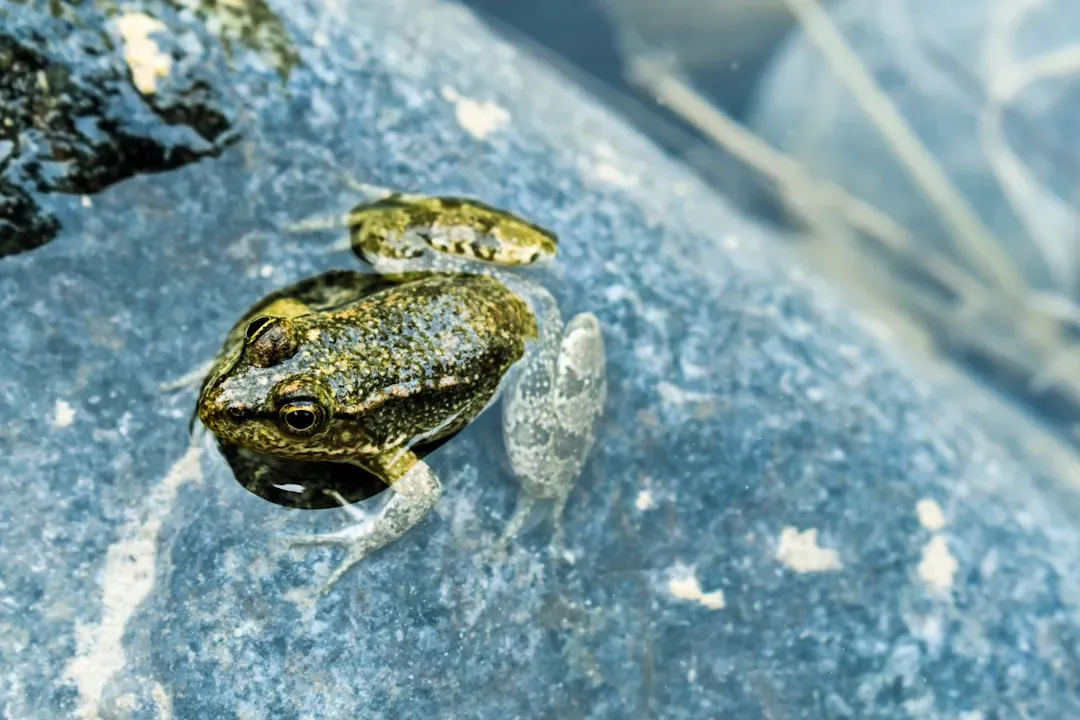
The wood frog is a species that lives in the US and Canada, as far north as Alaska and the Yukon, where these amphibians regularly experience temperatures as low as negative 45 degrees Celsius. So how does a cold-blooded amphibian survive the kind of cold that would shatter most living tissue? It freezes itself solid.
Wood frogs have adapted to remain frozen for up to eight months of the year, with ice filling their abdominal cavity and forming between their layers of skin and muscle, while the frog’s liver produces large amounts of glucose, which prevents their cells from freezing and binds water molecules to prevent dehydration. Their hearts stop beating completely. They don’t breathe. For all practical purposes, they’re dead.
When they’re hibernating, wood frogs have no heartbeat and do not breathe, but in spring, once they thaw, their hearts start beating again. It’s hard to say for sure, but this might be one of the most audacious survival strategies in the entire animal kingdom. The vast majority of creatures would simply die if subjected to this treatment.
The Blobfish: Perfectly Adapted for Crushing Depths
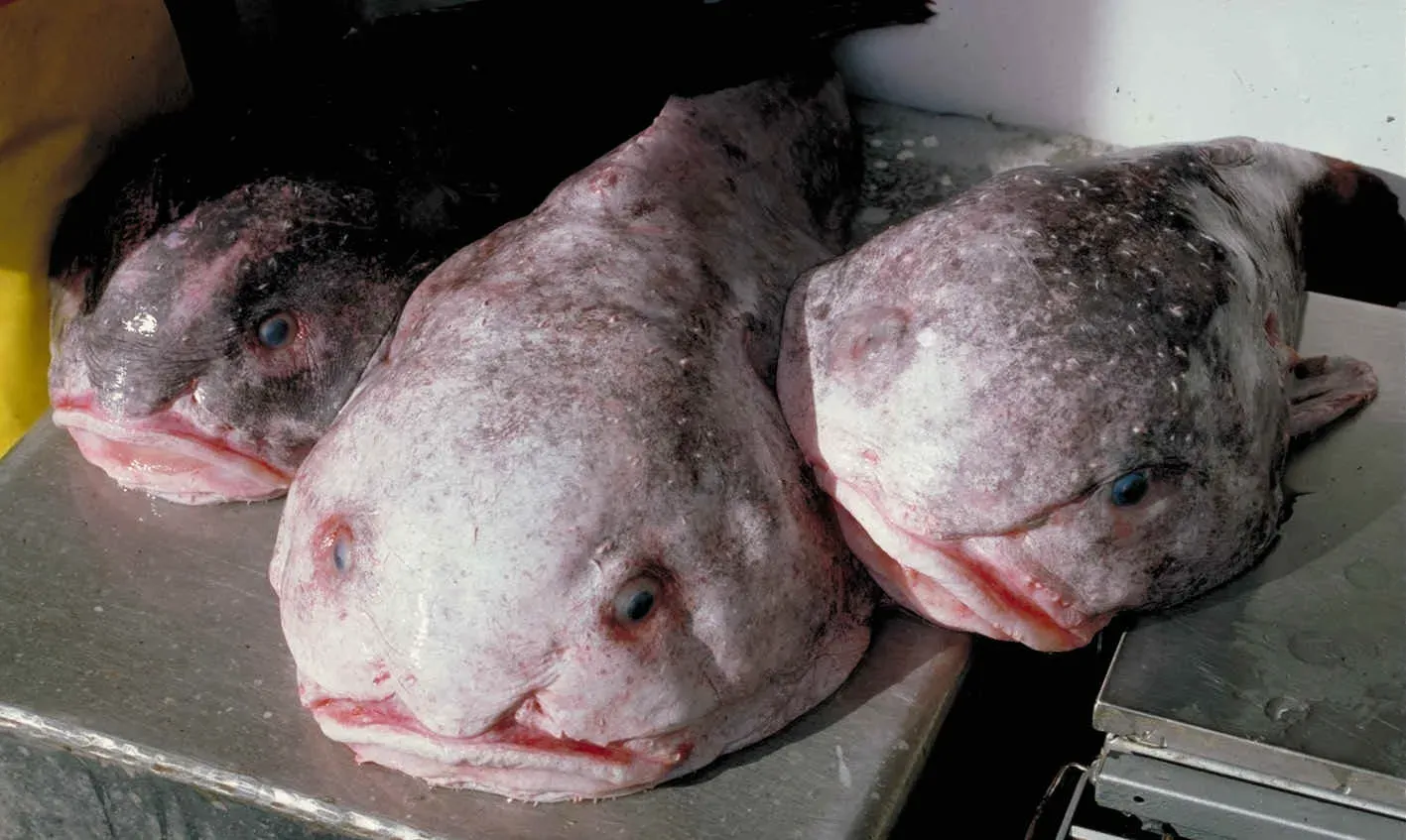
Named the “World’s Ugliest Animal” of 2013, the blobfish has made quite a splash in the scientific and pop-cultural communities since its discovery in 2003. Fair enough, this creature looks absolutely ghastly when pulled to the surface. There’s a reason for that strange, melted appearance, though.
The blobfish is a gelatinous mass that floats above the ocean floor at depths of 600 to 1,200 meters, and they have bones that are very soft and malleable because of the intense pressure they are exposed to at such depths. Down in those crushing depths, where pressure would collapse most organisms, the blobfish’s jelly-like structure works perfectly. Since blobfish lack any substantial muscle, they feed only on crustaceans and other edible materials that happen to swim in front of their strange mouths.
Although these creatures are absolutely ghastly looking on land and in observatories, their low-density flesh has led scientists to understand that they aren’t as blobby when deep underwater. Evolution sculpted this creature specifically for an environment humans can barely reach, where normal fish anatomy simply wouldn’t function.
Conclusion
Evolution doesn’t play by the rules we expect. These five animals demonstrate that natural selection is far more inventive, audacious, and downright weird than most people realize. From microscopic survivors that can endure the vacuum of space to deep-sea dwellers that look like melted gelatin, life has found astonishing ways to persist in every corner of our planet.
What’s truly remarkable is that these aren’t ancient fossils or extinct oddities. These creatures are alive right now, quietly going about their bizarre survival strategies in environments most of us will never see. Evolution continues to surprise us, crafting solutions we’d never dream up ourselves. Which of these animals shocked you the most? The possibilities out there are endless, and we’re still discovering new evolutionary marvels every year.

- What It Means When Your Cat Slowly Blinks at You Across the Room - June 27, 2026
- The US States With the Largest Monarch Butterfly Migrations - June 27, 2026
- 6 Signs Termites May Already Be Active Around Your Property - June 27, 2026