

Texas is one of those places where geography and biology converge in genuinely unusual ways. The varying geography of the second largest state provides a remarkable variety of habitats, ranging from swamps and Piney Woods in the east to rocky limestone karst in the Hill Country, desert in the south and west, mountains in the far Trans-Pecos, and grassland prairie in the north. That patchwork of landscapes creates pockets of isolation where, over thousands of years, certain species evolved in ways found nowhere else on the planet.
Only four ecoregions in the Lower 48 states are fully contained within a single state, and Texas has two of them: the Edwards Plateau and the Texas Blackland Prairie. These ecoregions unique to Texas contribute to the abundance of species found nowhere else in the world. What follows is a look at some of the most fascinating animals that call the Lone Star State their exclusive home.
The Guadalupe Bass: Texas’s Own State Fish
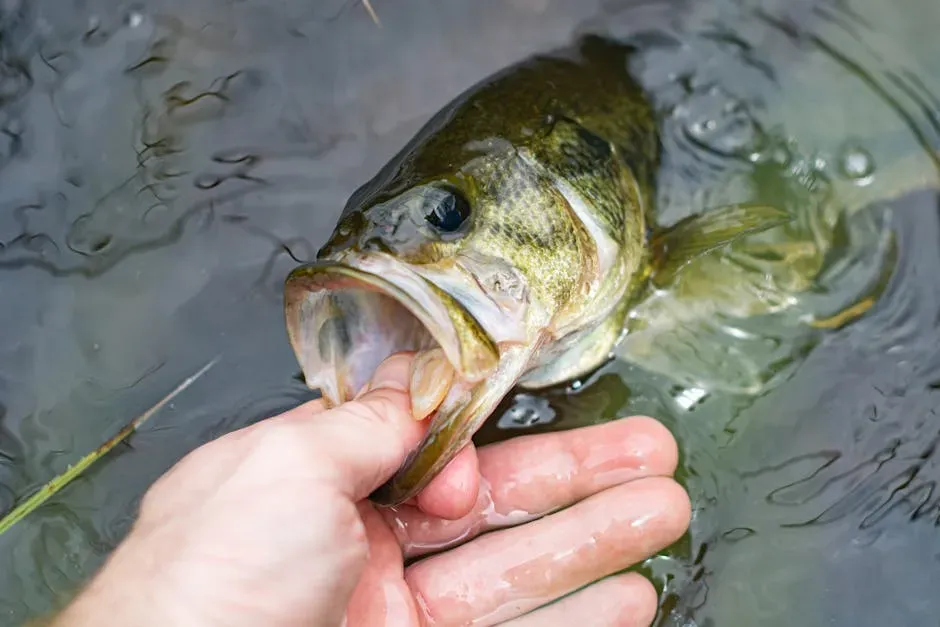
The Guadalupe bass is a rare species of fish endemic to the U.S. state of Texas, where it also serves as the official state fish. It is restricted to creeks and rivers, including the Guadalupe River for which it is named, and is listed as near threatened. It’s one of the cleaner examples of true endemism in Texas, a fish you simply cannot find anywhere else on Earth.
The Guadalupe bass is found only in Texas and is endemic to the northern and eastern Edwards Plateau, including headwaters of the San Antonio River, the Guadalupe River above Gonzales, the Colorado River north of Austin, and portions of the Brazos River drainage. Its biggest conservation threat comes from hybridization with introduced smallmouth and largemouth bass, which can dilute the genetic identity of this irreplaceable species over time.
The Barton Springs Salamander: Austin’s Underground Resident
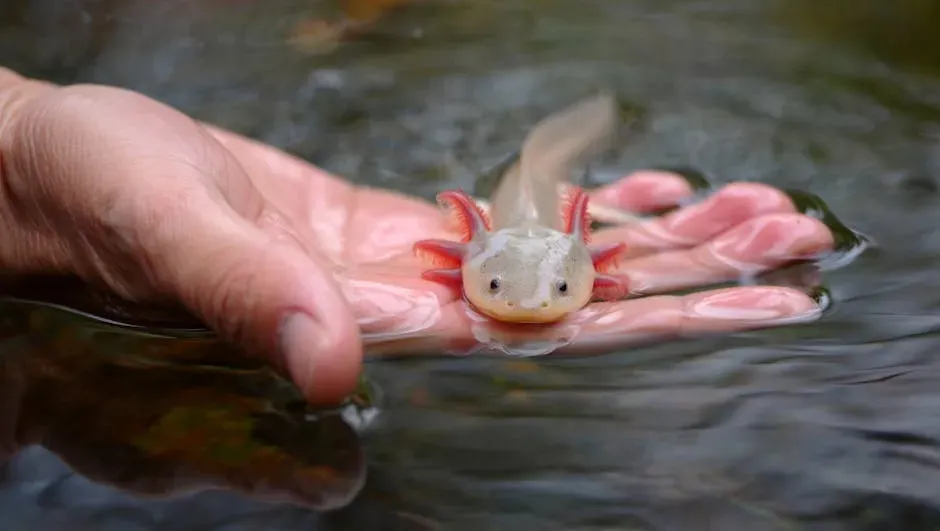
The Barton Springs salamander is an endangered lungless salamander endemic to Texas. It was first found in Barton Springs in Austin, but is now also known from other localities in the nearby Travis and Hays Counties. Despite living practically in the heart of one of the fastest-growing cities in America, this creature managed to remain undescribed by science until 1993.
The Barton Springs salamander occurs only at the spring outflows of Barton Springs, often found under rocks or in gravel in water several inches to 15 feet deep. They can also be found hiding in aquatic plants and algae and rely on a clear, clean, continuous flow of spring water. Urban runoff and groundwater overuse remain persistent threats to their fragile habitat.
The Texas Blind Salamander: Life in Total Darkness
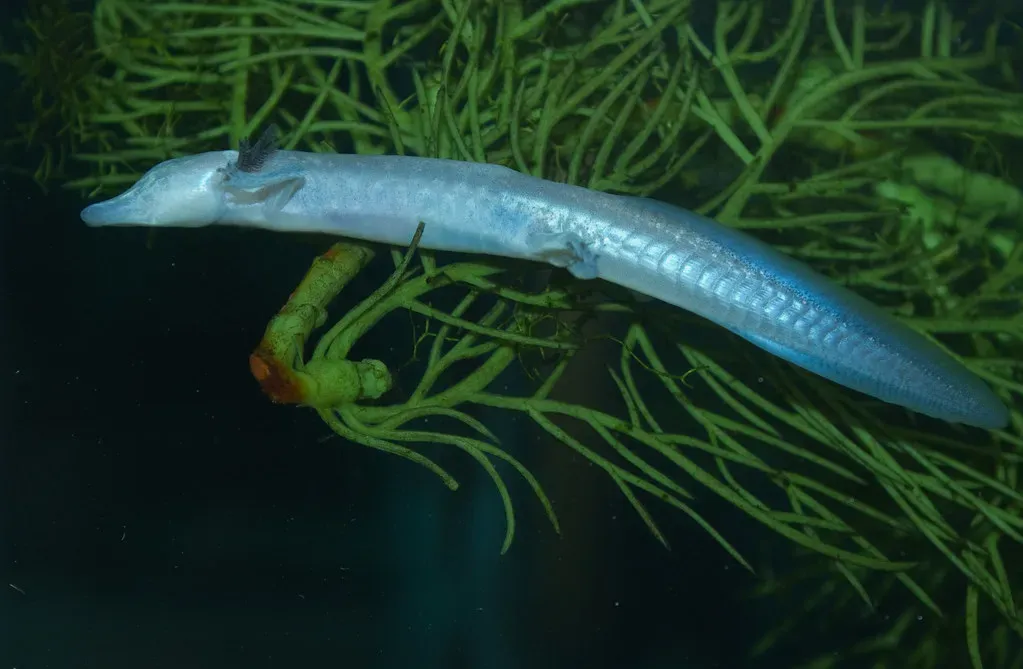
Texas blind salamanders are characterized by their lack of eyes, external red gills, slender limbs, a broad head, and transparent-pale color. They grow to about four to five inches as adults. These pale, ghostly creatures have spent so many generations underground that their eyes have essentially become vestigial, serving no purpose in their pitch-black world.
Specimens have been collected at seven localities in the Purgatory Creek system and along the San Marcos Fault near San Marcos, Texas. Adults and immature larvae are well-adapted for living in underground streams in caves, and many probably inhabit deep recesses not accessible to collectors. Specimens have been taken in deep pools with minimal current and nearly constant temperatures. Their dependence on the Edwards Aquifer makes groundwater depletion one of their most serious long-term risks.
The Houston Toad: A Race Against Extinction
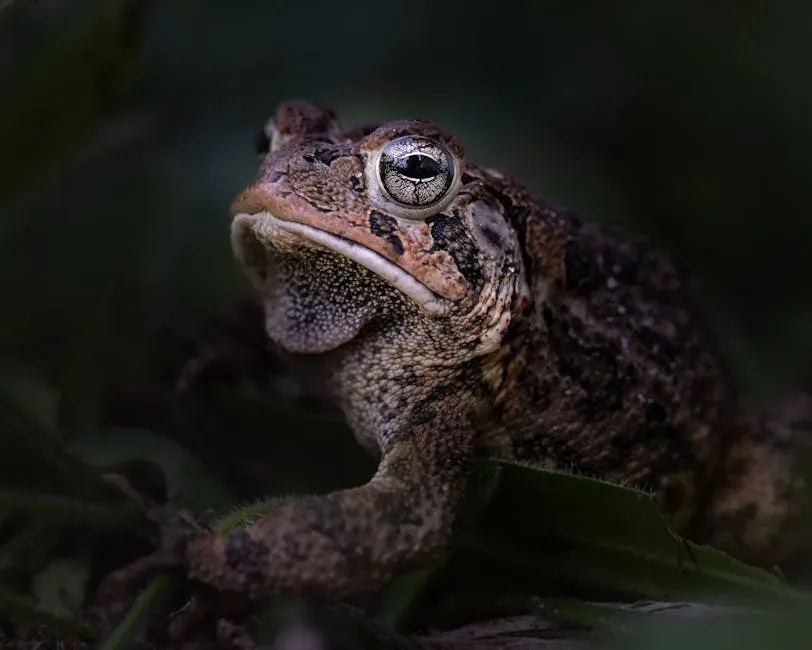
The Post Oak Savannah area of east central Texas is home to the Houston toad, a terrestrial amphibian that prefers deep sandy soils. This species is threatened by ongoing habitat loss, severe droughts, and wildfires. It has held endangered status since 1973, just three decades after scientists first formally identified it, which puts into stark relief how quickly a species can decline once its narrow habitat is disturbed.
Endemic to oak and pine woodlands and savannas in a small region in southeastern Texas, this little brown toad became an officially endangered species in 1973. As of 2021, there were only 250 known adults remaining in the wild and, if habitat destruction and drought conditions continue, that number could still be decreasing. The species now depends significantly on captive breeding and carefully managed wildlife refuges for its survival.
Cagle’s Map Turtle: River-Bound and Threatened
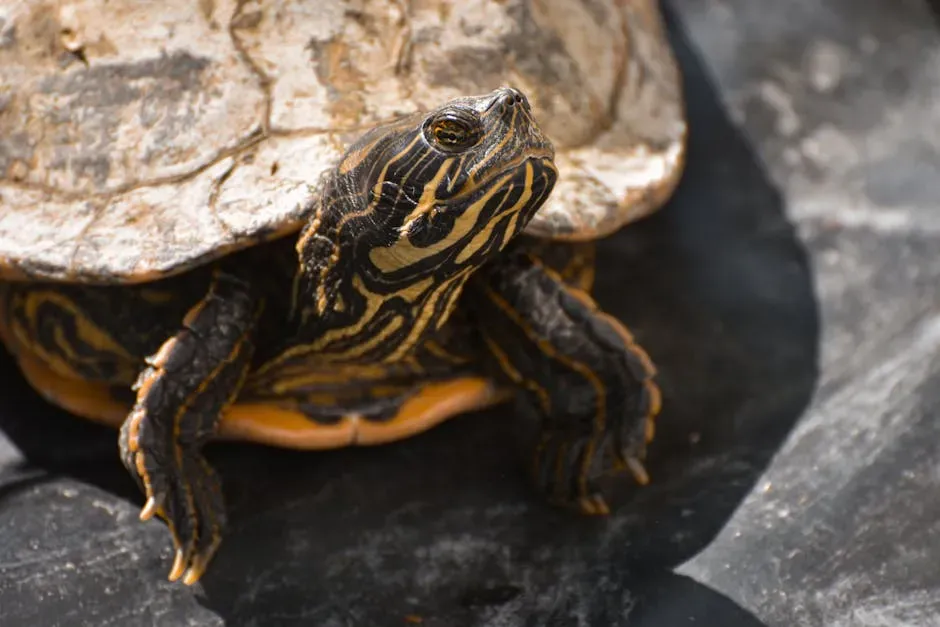
Cagle’s map turtles are endemic to Texas and documented from the Blanco, Guadalupe, Medina, San Antonio, and San Marcos rivers. Populations from the San Antonio River are considered to have been extirpated. The turtle gets its distinctive common name from the intricate pattern on its shell and skin, which resembles the contour lines of a topographic map.
Cagle’s map turtles are listed as “Threatened” in Texas and under the Convention on International Trade of Endangered Species as a CITES 3 species. Given the conservation status of this species, it cannot be collected from the wild without specific state permits. River flow modification and water withdrawal from its narrow range of river systems remain the primary concerns for its long-term survival.
The Texas River Cooter: A Freshwater Shell Worn with Pride
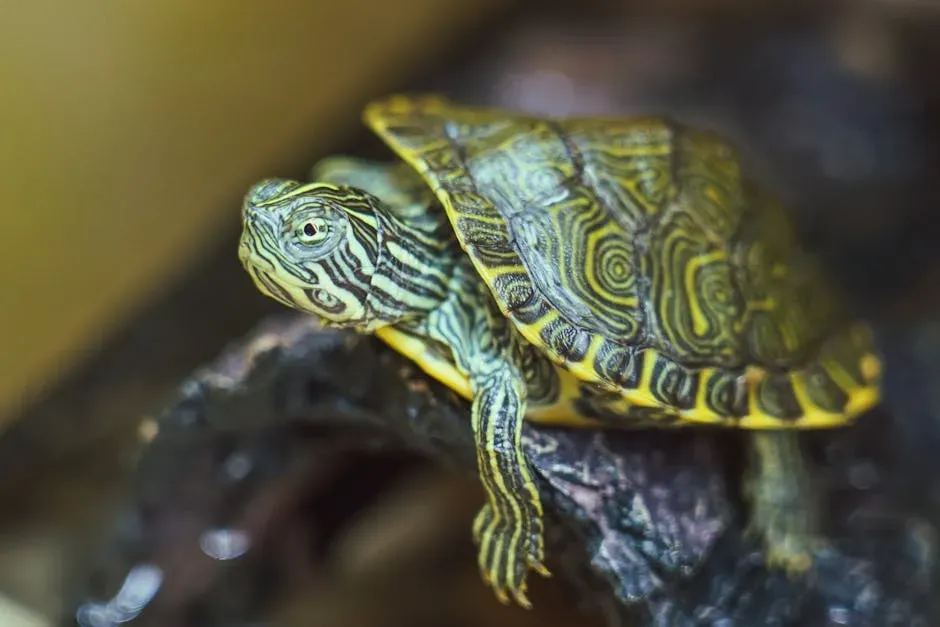
The Texas river cooter is a species of freshwater turtle endemic to the U.S. state of Texas. It is found in the river basins of the Brazos, San Bernard, Colorado, Guadalupe, San Antonio, Nueces, and their tributaries. Unlike some of the more hidden endemic species, this turtle is at least observable to patient naturalists willing to look carefully along the banks of the right rivers.
Cooters are reptiles in the genus Pseudemys, a group of freshwater turtle species found in the southeastern United States and northeastern Mexico. Nearly all cooters are identifiable by the yellow stripes on their heads and legs, and most also sport a dark brown, green, or black shell. The Texas river cooter’s restriction to specific river basins makes it particularly vulnerable to changes in water flow, pollution, and the alteration of riverbank habitat.
The Golden-Cheeked Warbler: The Only Bird That Breeds Only in Texas
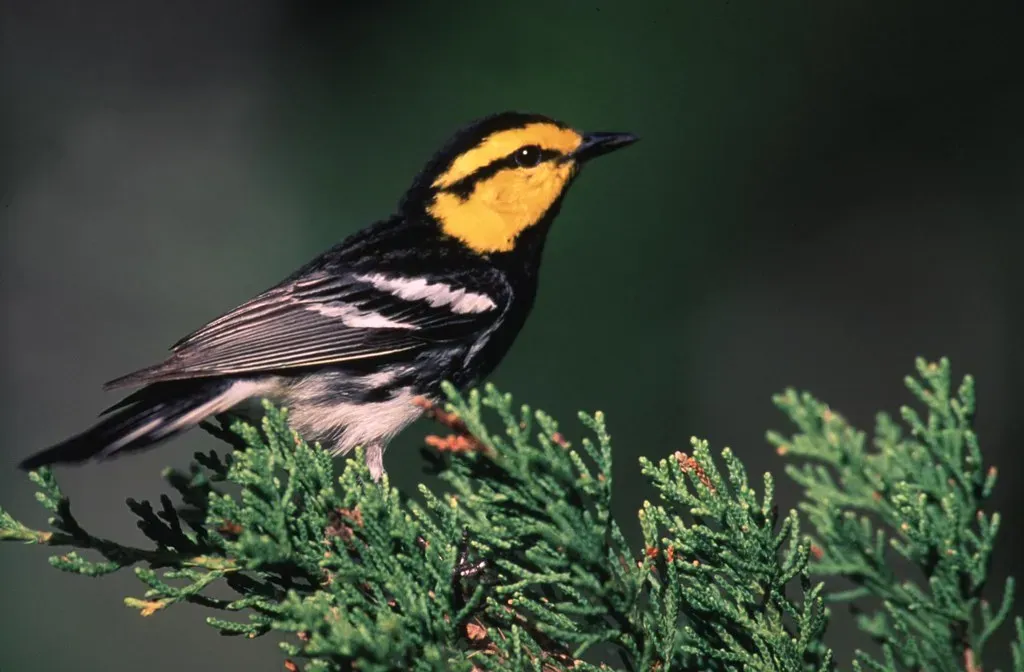
Golden-cheeked warblers are small migratory songbirds with a length of 4.5 to 5 inches and an 8-inch wingspan. The oak-juniper woodlands in Central Texas are the only site where one can find the golden-cheeked warbler breeding, and it is the only bird species whose breeding territory is limited exclusively to the Lone Star State. That distinction makes it genuinely unique in the entire North American avian world.
Because so many tall juniper and oak forests have been destroyed to make way for buildings, highways, and shops, golden-cheeked warbler populations are at risk. Some habitats have had to be destroyed to cultivate crops or grass for livestock. Conservation efforts, including protected land near Austin and the central Hill Country, remain the primary safety net for this striking little bird.
The Speckled Pupfish: Holding On in Reeves County
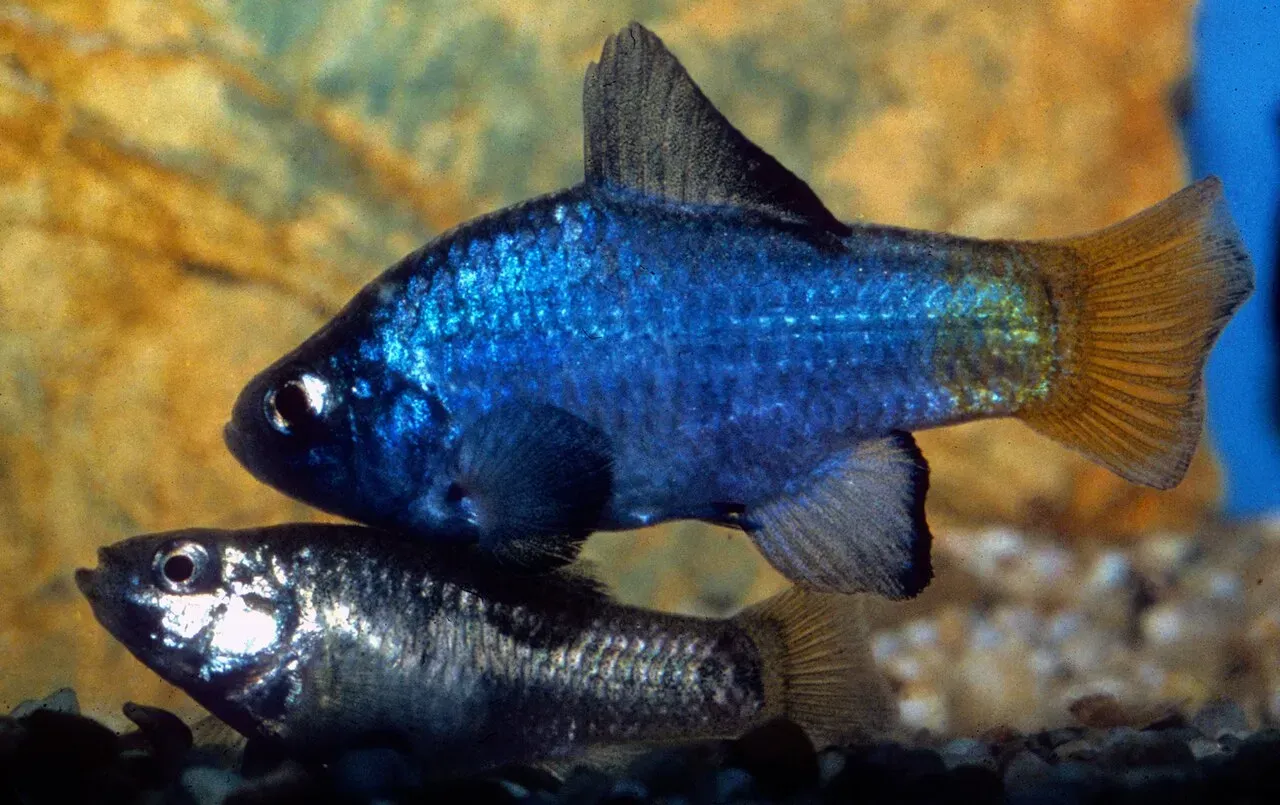
Pupfishes are small fish typically found in isolated locations with high temperatures or other extreme living circumstances. The speckled pupfish is found only in a system of irrigation canals in Reeves County, where its dwindling population is being monitored by the U.S. Fish and Wildlife Service. The fact that this species persists in agricultural canal infrastructure rather than a pristine natural spring tells its own story about the pressures these tiny fish face.
The speckled pupfish’s confinement to such a narrow corridor of water in a single Texas county makes it one of the more geographically vulnerable freshwater fish in the country. Any significant disruption to the hydrology of Reeves County, whether from drought, groundwater pumping, or changes in agricultural water management, could prove catastrophic for the entire species.
The Toothless Blindcat: Deep Below San Antonio
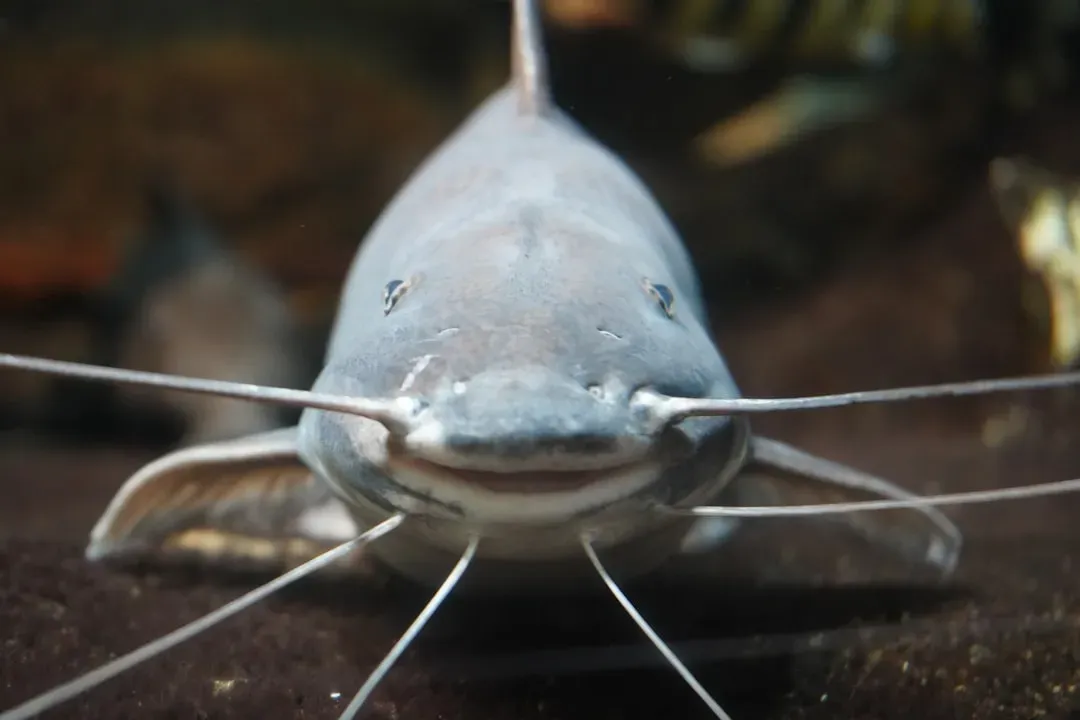
The toothless blindcat is one of two highly cave-adapted eyeless species of catfish endemic to the Edwards Aquifer. This rare species exists in total darkness, 900 feet below San Antonio, Texas. It is around four inches long, lacks eyes and jaw teeth, and has pinkish-white depigmented skin. Its toothless mouth is adapted for scraping bacterial mats from cavern walls. It is one of the more otherworldly creatures on this list, living a life that most surface animals couldn’t survive for a moment.
The blindcat scavenges food sources from invertebrates and fungus with its sucker-like, whiskered mouth, and dwells in a humanly inaccessible habitat. The only way we even know about this deep aquifer species is because individuals are occasionally captured through well systems. Its entire known existence is confined to the subterranean world of a single aquifer beneath one Texas city.
Attwater’s Pocket Gopher: A Coastal Bend Specialist
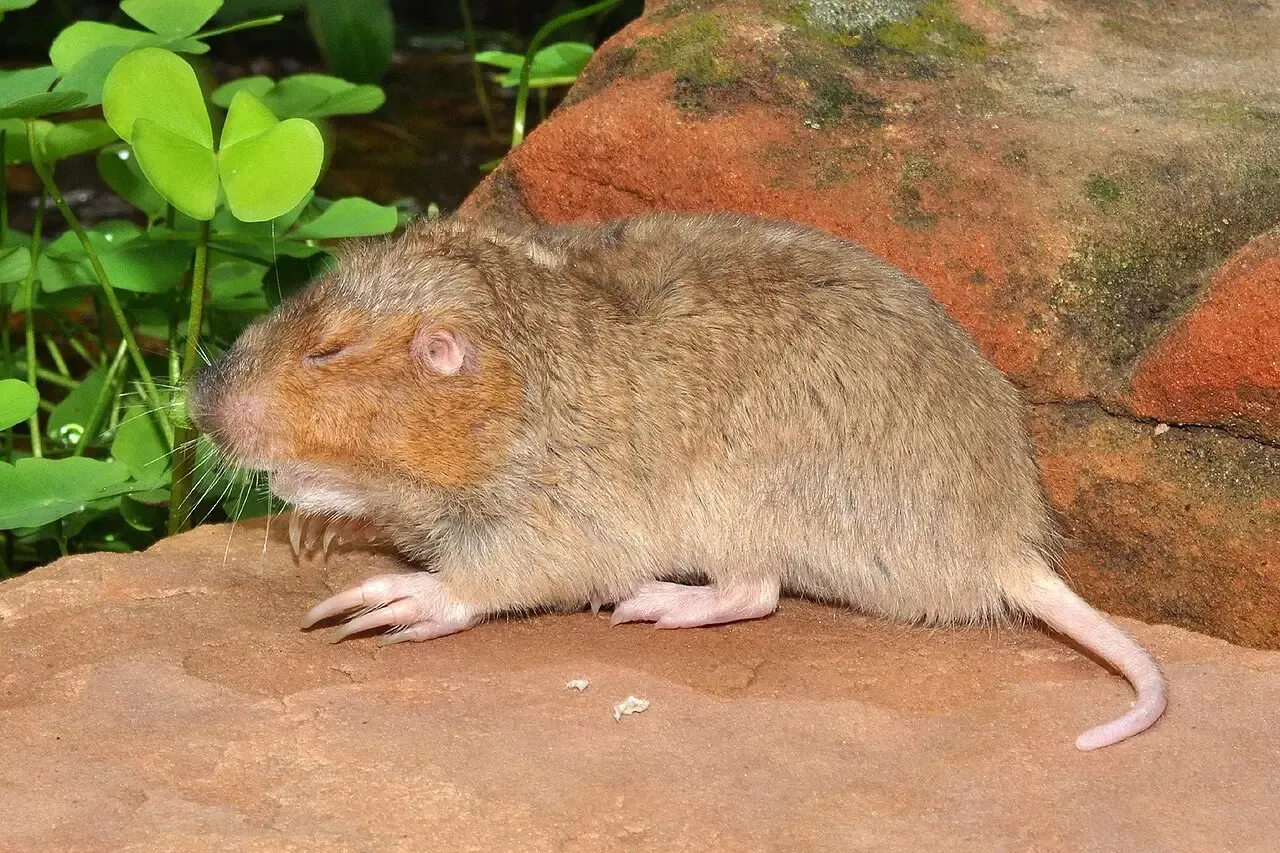
Attwater’s pocket gopher is a species of rodent in the family Geomyidae. It is endemic to the Texas Coastal Bend in the southcentral United States and was named in honor of English naturalist Henry Philemon Attwater. Small, burrowing, and largely invisible to most visitors passing through coastal Texas, it nevertheless represents a genuinely exclusive piece of the state’s natural heritage.
This gopher’s narrow range along the Texas Coastal Bend makes it sensitive to habitat fragmentation and land conversion. Coastal prairie, the preferred habitat for this species, has declined sharply across its range over the past century, leaving the Attwater’s pocket gopher among the less-heralded but very real conservation concerns in the region.
The Golden Orb Freshwater Mussel: A River Jewel
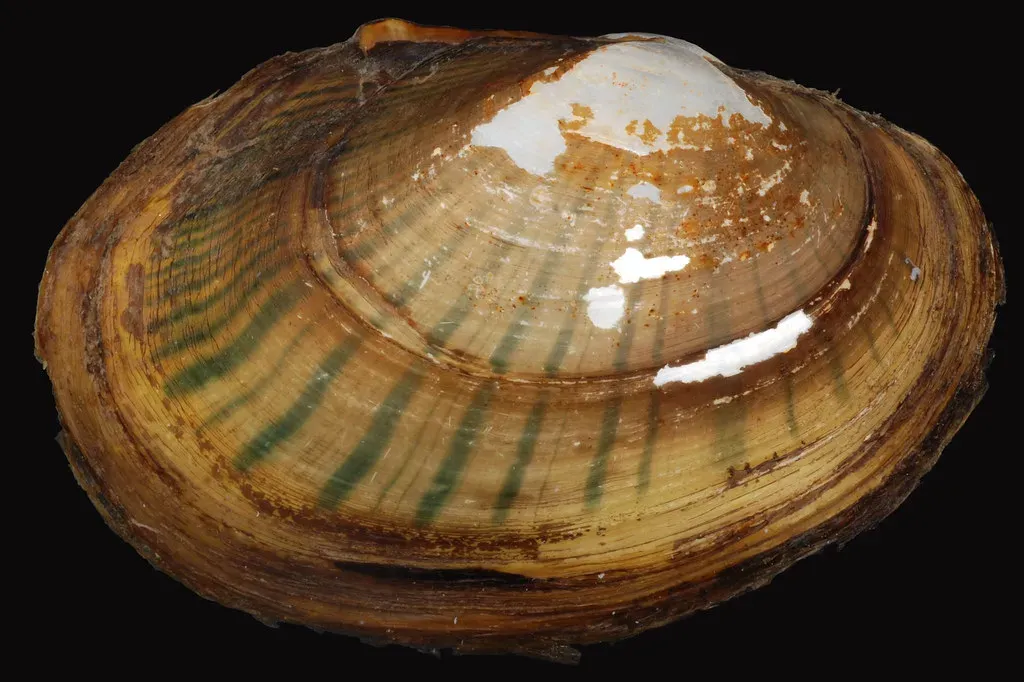
Rotundaria aurea, the golden orb, is a species of freshwater mussel native to the United States, where it is found only in Texas. This species was moved from Quadrula to Rotundaria based on genetic evidence in 2012. Freshwater mussels rarely capture the public imagination the way fish or birds do, but they serve as important filter feeders and reliable indicators of river health.
The golden orb’s restriction to Texas waterways means that the quality and stability of those rivers directly determines whether this species survives at all. Like many freshwater mussels, it is sensitive to sedimentation, pollution, and alterations to river flow, threats that are common across much of the state’s river system today.
The Big Bend Gambusia: Clinging to a Single Pond
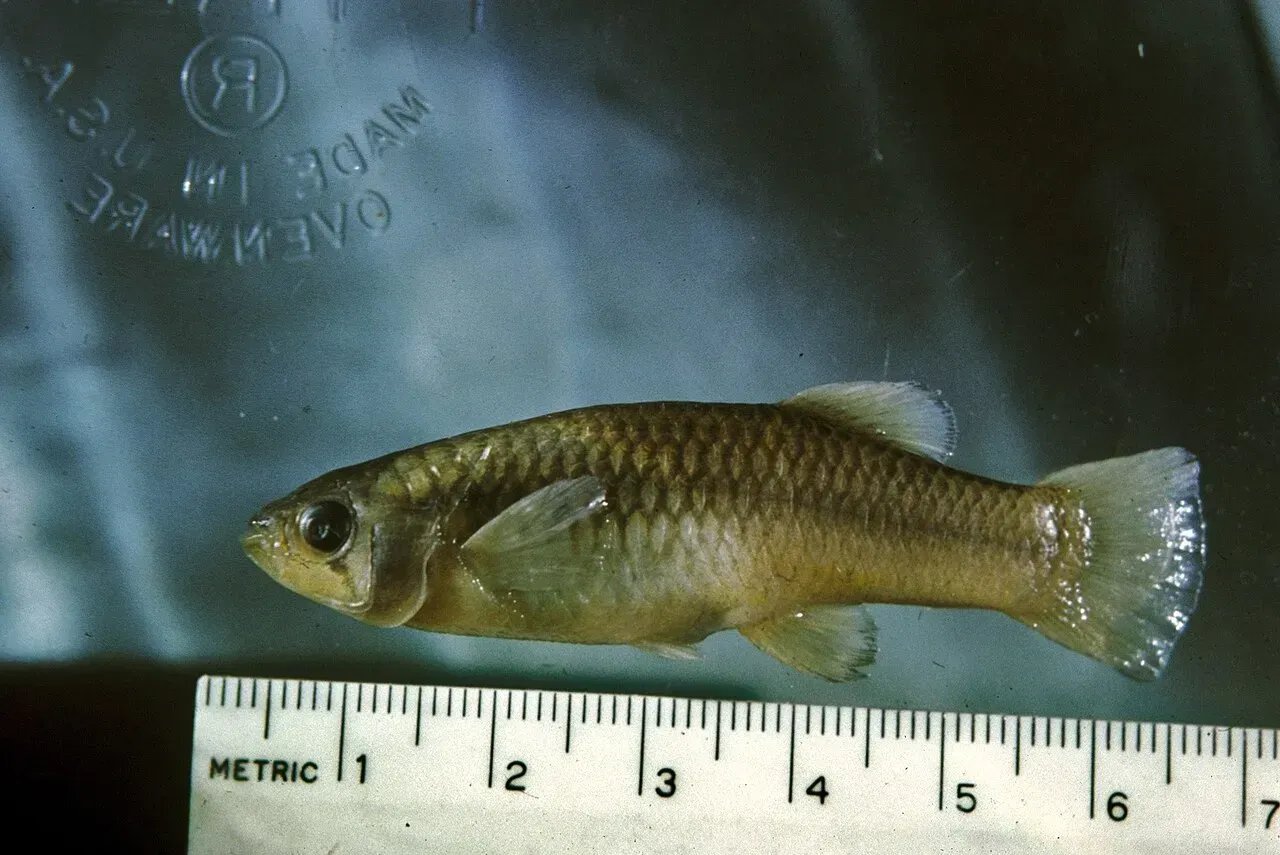
The remaining population of the Big Bend gambusia can be found in a pond in Big Bend National Park. A miniature, live-bearing fish, the Big Bend gambusia only exists in the Big Bend area of the Rio Grande in the United States and Mexico. The only known remaining population exists in a protected pond in Big Bend National Park. The fact that an entire species is now concentrated in a single protected pond is a sobering illustration of how quickly range can collapse.
The Big Bend gambusia is among the most range-restricted vertebrates in North America. Its survival depends almost entirely on the continued protection and careful management of that one pond within the national park. Without active conservation, the species has essentially nowhere else to go.
The Texas Horned Lizard

The Texas Horned Lizard, the official state reptile of Texas, is one of the most iconic and unusual creatures of the American Southwest. Known for its flattened body, spiky “horned” appearance, and remarkable defense mechanism of squirting blood from its eyes to deter predators, this reptile has long captured public imagination. Once widespread across Texas, its populations have seen a noticeable decline due to habitat loss, pesticide use that reduces its primary food source (harvester ants), and urban expansion. Despite conservation efforts, spotting a Texas Horned Lizard in the wild today is far less common than it once was, making it both a symbol of Texan heritage and a reminder of the challenges facing native wildlife.
The Ocelot
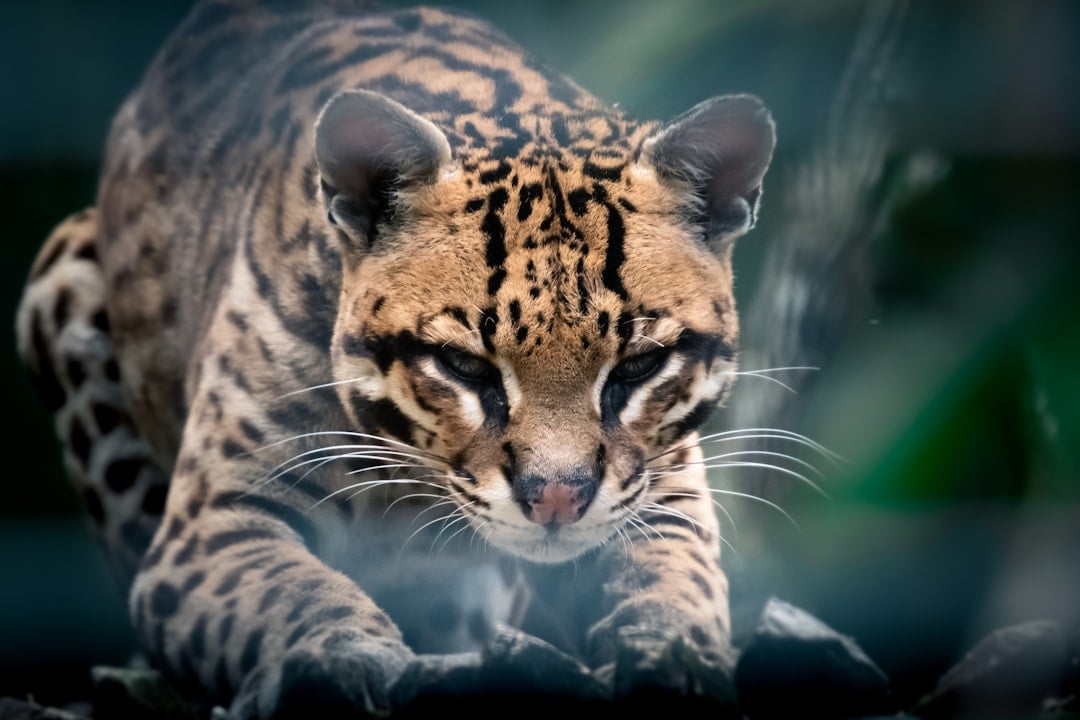
The Ocelot is a strikingly beautiful and elusive wild cat, recognized by its golden coat patterned with dark rosettes and stripes. Native to dense brushlands and thorn forests, particularly in South Texas, it is one of the rarest wild cats in the United States. With fewer than a hundred individuals remaining in the wild in the U.S., the ocelot is classified as endangered, facing threats from habitat fragmentation, road mortality, and human encroachment. These solitary, nocturnal hunters rely on thick vegetation for cover and survival, making conservation of their habitat critical. The presence of the ocelot in Texas represents both a fragile ecological success story and an urgent call for stronger protection measures.
The Texas Kangaroo Rat
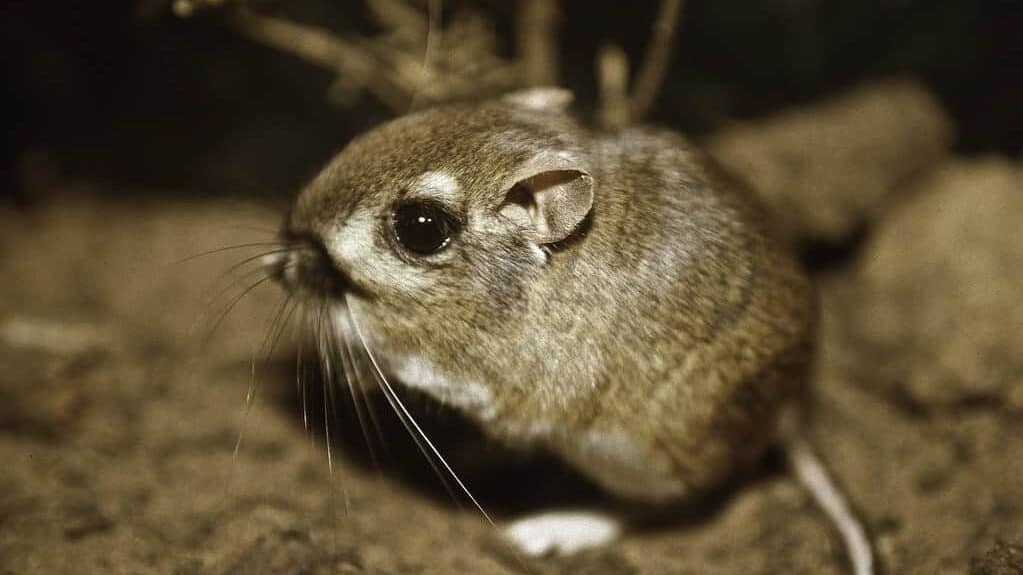
The Texas Kangaroo Rat is a small, nocturnal rodent uniquely adapted to the dry, open landscapes of Texas. Named for its powerful hind legs and hopping movement, similar to a kangaroo, this species can leap impressive distances to evade predators and navigate its environment. It survives in arid conditions with remarkable efficiency, requiring very little water as it derives moisture from seeds and vegetation. Preferring sandy soils for burrowing, the Texas Kangaroo Rat plays an important role in its ecosystem by aiding in seed dispersal and soil aeration. However, like many specialized species, it faces threats from land development and changes in land use, making its conservation increasingly important for maintaining ecological balance.
Conclusion: A Landscape Worth Protecting
Conserving diverse endemic species is critical because they tend to face greater threats of extinction or decline due to their limited habitats. The animals in this article aren’t just curiosities. They are living evidence of thousands of years of isolated evolution, shaped by the specific chemistry of an aquifer, the flow of a particular river, or the ancient geology of a limestone plateau.
The vulnerability of these species makes them great indicators of water conditions. When they are present and thriving in a habitat, the water is likely clean and plentiful. However, the reverse is also telling and may indicate the presence of toxic pollutants and chemicals. In that sense, each of these species functions as a living signal about the health of Texas’s land and water.
Texas is often celebrated for its size and its spirit, but its quieter claim to fame may be this: it contains entire worlds, underground, in rivers, and on remote coastal plains, that exist nowhere else. Protecting those worlds is not just a matter of environmental policy. It’s a matter of keeping something genuinely irreplaceable from disappearing forever.
