
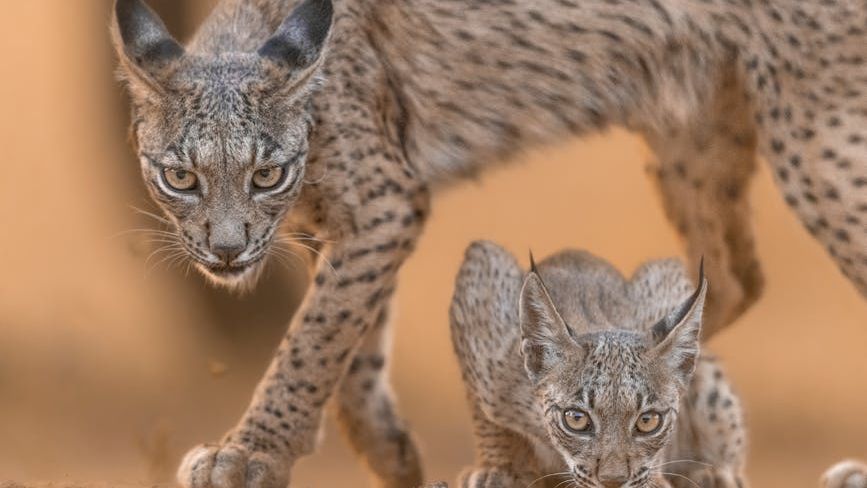
There are species alive today that, by any reasonable measure, should not be. Populations reduced to the dozens. Breeding grounds stripped bare. Hunting pressure sustained across generations. For many of the world’s most beloved animals, the forecast once looked bleak enough that scientists were essentially preparing for the worst.
What shifted things was rarely a single breakthrough. More often, it was the slow accumulation of protective laws, habitat restoration work, captive breeding programs, and international agreements, often spanning decades before visible results appeared. The progress is real, and in some cases, genuinely astonishing. Here are five stories that show what’s possible when the right effort meets the right timing.
The Bald Eagle: A Symbol Reclaimed From the Brink
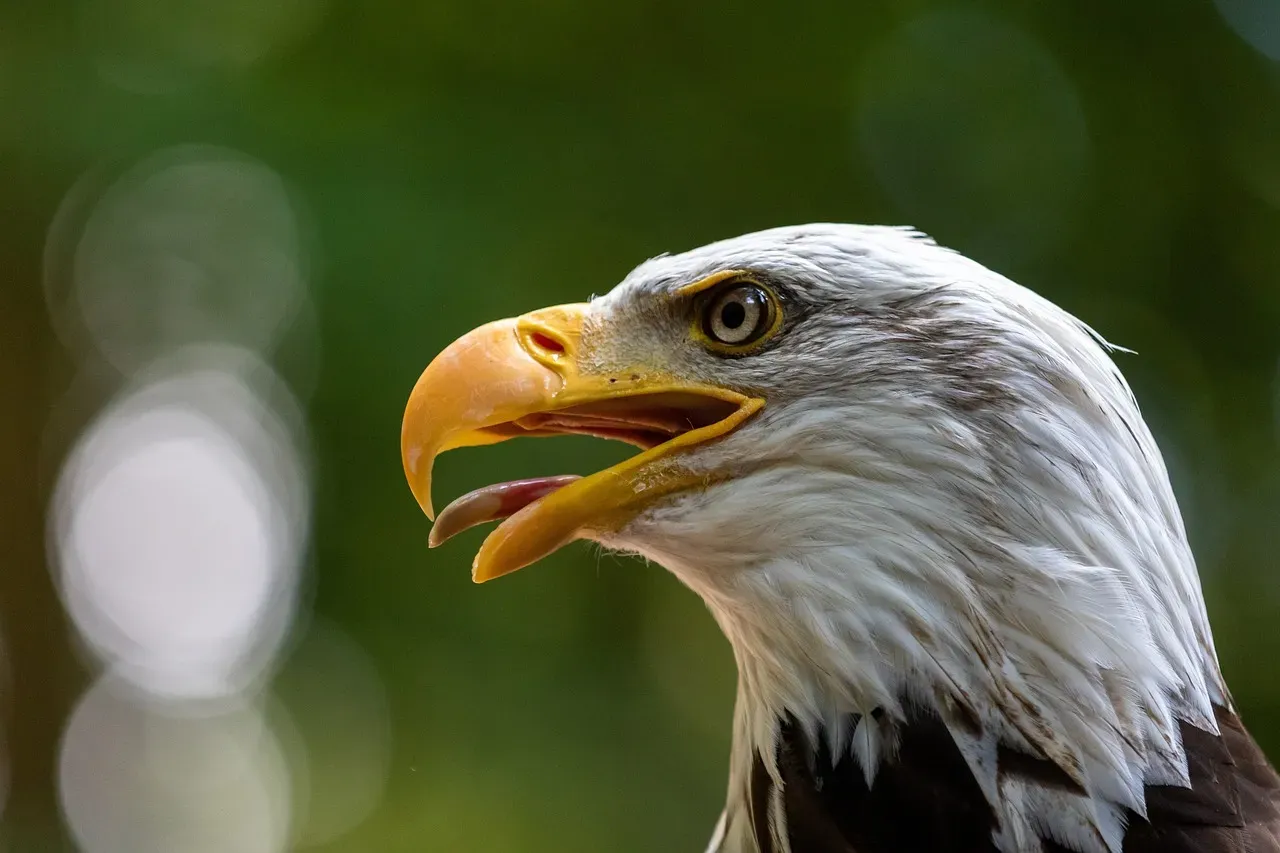
Few conservation reversals carry the symbolic weight of the bald eagle’s recovery. By the mid-20th century, this national symbol had been decimated by habitat loss, hunting, and the devastating effects of DDT, which caused eggshells to thin and break. In 1963, only 417 nesting pairs remained in the lower 48 states.
When DDT was introduced after World War II, its widespread use led to contamination of bald eagle food sources as it leached into bodies of water and was ingested by fish. Many eagles were poisoned after eating contaminated fish, leading to substantial population declines.
The banning of DDT in 1972 and protections under the Endangered Species Act sparked a remarkable recovery. Today, over 316,700 bald eagles soar across the United States, with more than 71,400 nesting pairs.
In 2024, the IUCN reclassified the bald eagle as least concern, with an estimated global population of 200,000 mature individuals – a remarkable turnaround for this iconic species. It’s a trajectory that took roughly six decades to complete, and it still stands as one of the clearest demonstrations that policy and persistence, together, can genuinely work.
Humpback Whales: From the Edge of the Ocean’s Silence
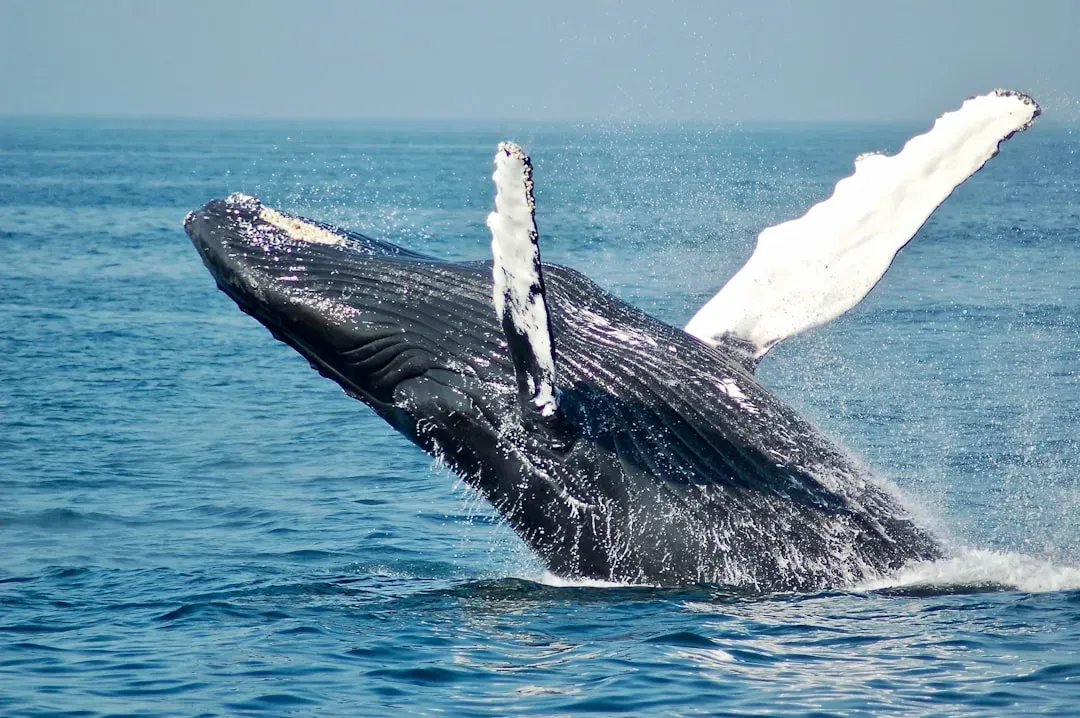
Commercial whaling nearly drove humpback whales into extinction, slashing their population from around 125,000 individuals to a mere 1,200 in 1966. These were animals that had crossed every ocean for millions of years, reduced to a fraction of their former numbers in just a century of industrial hunting.
The 1966 moratorium by the International Whaling Commission halted factory ships, enforced by naval patrols and satellite monitoring. Calving grounds off Hawaii and migration routes along the U.S. East Coast began to see calves multiplying again.
Today, humpback whales thrive in several of the world’s oceans, with an estimated population of 80,000 individuals globally. By 2016, humpback whales had recovered enough that 9 out of 14 populations were delisted from the Endangered Species Act.
The challenge isn’t entirely behind them. Humpback whales are still under threat due to warming sea temperatures. As sea temperatures rise, they are forced to travel further than ever to reach their breeding grounds. Recovery, in other words, is never a destination. It’s an ongoing condition that requires sustained protection.
The Iberian Lynx: A Cat Species Rewritten From Near-Extinction
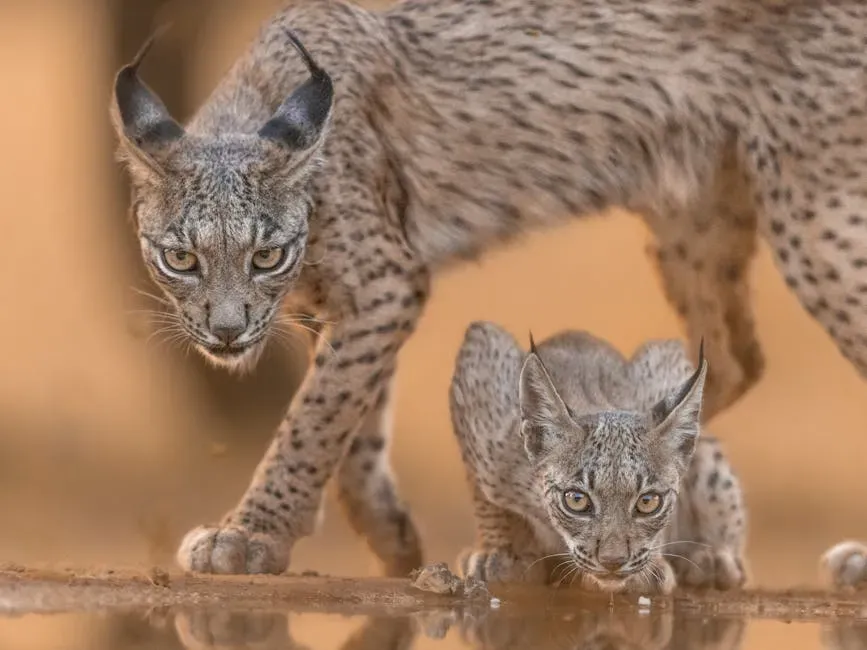
The Iberian lynx has been hailed as the “greatest recovery of a cat species ever achieved” – a tufted-eared carnivore native to Spain and Portugal, and one of the newest faces of historic wildlife recovery. At its lowest point, the species had dwindled to fewer than 100 individuals, making it arguably the world’s most endangered wild cat.
Conservation efforts focused on increasing the availability of the lynx’s main food source – the European rabbit. Portugal introduced a National Breeding Centre for Iberian lynxes, and additional programs that saw the release of hundreds of captive lynxes, as well as efforts to restore their habitats, also contributed to the rebound.
In 2024, the Iberian lynx was declared no longer endangered by the IUCN following an incredible 20 years of international conservation collaboration. They were most recently assessed in 2024 as vulnerable, with an increasing population of 648 mature individuals. There are now thought to be 13 clusters in Spain and one in Portugal.
What makes this recovery particularly instructive is the detail behind it. Restoring a predator wasn’t just about the predator itself. It required rehabilitating the prey species, the landscape, and the social structures of local communities who shared that land. All of it mattered.
The California Condor: Engineering a Return From Zero
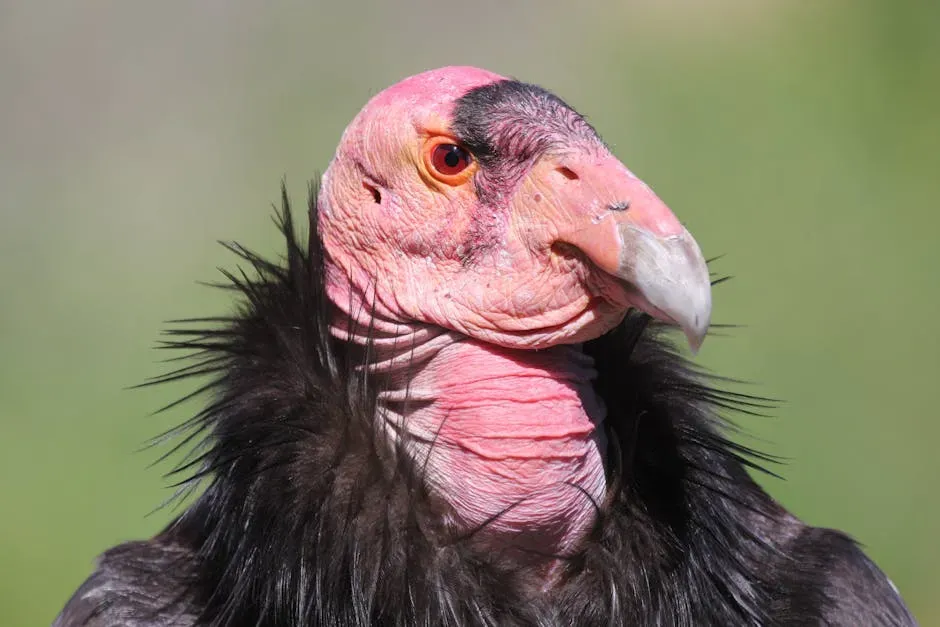
The California condor population grew from 27 individuals in 1987 to over 500 birds by 2024, including more than 300 flying free in California, Arizona, and Utah. That number, 27, still reads as more obituary than starting point. The entire wild population had been captured in a last-ditch effort to prevent total extinction.
The recovery took decades of careful captive breeding and systematic reintroduction into the wild. Lead poisoning from spent ammunition remains the condor’s most persistent threat today, which is why advocacy for non-lead bullets in condor range continues to be a conservation priority.
The California condor’s journey represents one of the most intensive species recovery efforts in history. Through carefully managed captive breeding programs and strategic reintroduction, these magnificent birds have slowly rebuilt their populations in protected habitats.
The condor’s story is a study in what it actually takes to pull a species back when numbers fall that low. It’s not glamorous work. It involves round-the-clock monitoring, hand-rearing chicks, tracking individual birds across hundreds of miles, and fighting ongoing battles against new threats. The fact that these birds soar again over the Grand Canyon is nothing short of extraordinary.
Gray Wolves and the Ripple Effect of Restoring a Predator
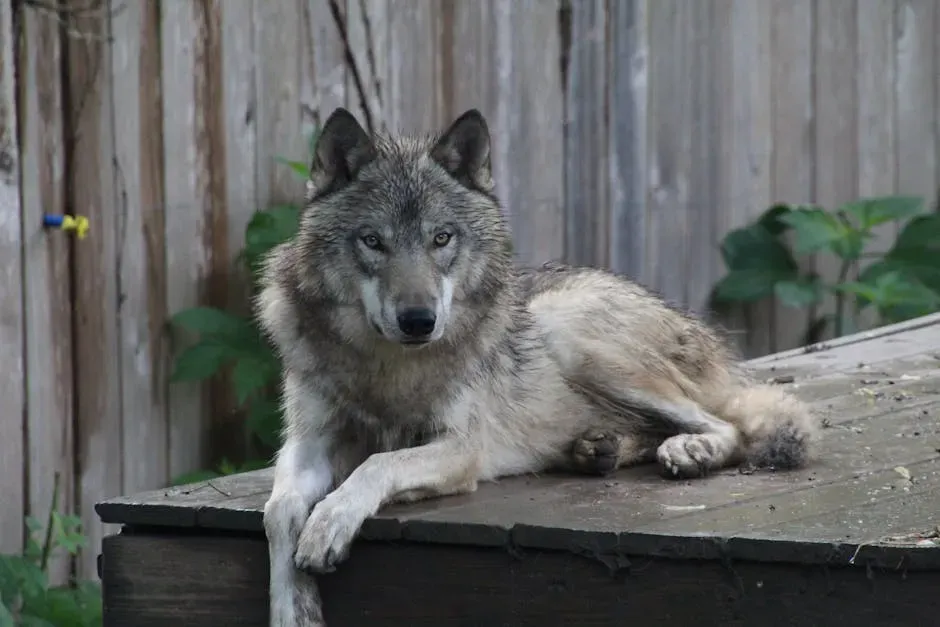
Gray wolves faced relentless persecution in the American West, wiped out from Yellowstone National Park by 1926 through government bounties and rancher campaigns. Their absence triggered cascading effects: elk herds ballooned, overbrowsing willows and aspens, which in turn starved beavers and songbirds dependent on those habitats.
Through a combination of legal protections, reintroduction programs, and conservation efforts, the grey wolf population has made a remarkable recovery. Today, there are over 6,000 grey wolves in the United States, and the species has been removed from the endangered species list in some states.
Through targeted wildlife conservation efforts, gray wolves are slowly returning to landscapes they once roamed. Reintroduction programs and habitat protections have enabled these essential predators to reclaim their role in balancing ecosystems across North America.
Today, grey wolves are classed as least concern on the IUCN Red List. Though their numbers have recovered in some places, retaining legal protections is still crucial for keeping the species strong. The wolf’s story is a reminder that protecting a species means protecting the entire system it belongs to – and that a healthy ecosystem often starts with restoring the animals that shape it from the top down.
What These Recoveries Actually Tell Us
Each success story demonstrates that with appropriate legal protections, science-based management, habitat preservation, and public support, wildlife populations can recover from severe depletion. These recoveries didn’t happen by accident – they required dedicated conservation efforts, often spanning decades and involving cooperation across international boundaries.
Major conservation and restoration efforts established from the 1970s to the 1990s, like the United States Endangered Species Act and the international Convention on Biological Diversity, laid the groundwork for biodiversity protections that many of these species directly benefited from.
When we conserve habitat for birds and wildlife, it’s not only those species that benefit. Entire ecosystems, people included, reap the rewards of conservation action, including cleaner water and air, healthier soil, more carbon sequestration, and enhanced climate resilience.
None of these recoveries came cheaply or easily, and none are yet unconditional. Climate change, habitat pressure, and political will remain ongoing tests. Still, what these stories confirm is something worth holding onto: populations that once existed in the dozens now number in the hundreds of thousands, and those transformations were built deliberately, painstakingly, one protected nesting site and one enforced regulation at a time. That’s not luck. That’s what sustained commitment looks like when it finally shows results.
