
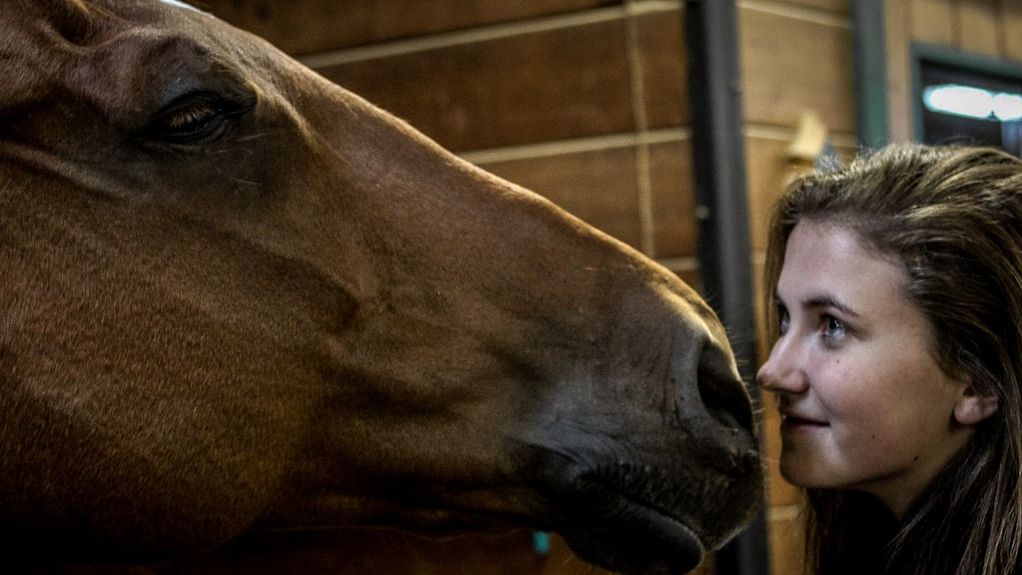
There’s something magical about the bond between a horse and their human. It’s not built overnight, and honestly, it can’t be faked. Horses are prey animals by nature, which means trust doesn’t come easily to them.
They’re constantly reading our body language, our energy, even our intentions. When a horse decides you’re worthy of their trust, it’s one of the most rewarding feelings in the world. So how do you know if your equine companion has given you their heart? Let’s dive in.
They Lower Their Head Around You
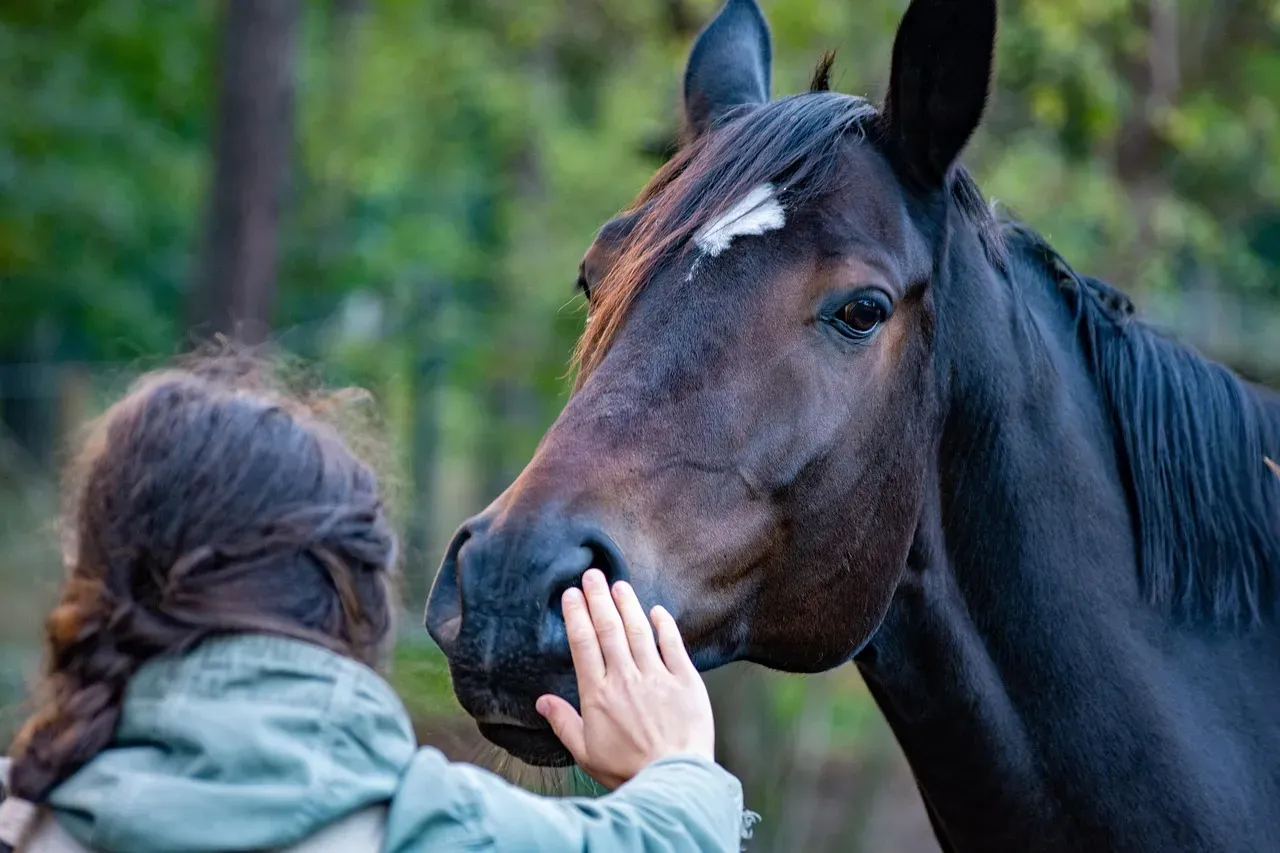
When a horse drops their head to your level or even below, it’s a massive sign of relaxation and submission. In the wild, lowering the head is a vulnerable position. Horses only do this when they feel completely safe.
If your horse consistently lowers their head when you approach or while you’re grooming them, they’re telling you something profound. They trust you won’t hurt them. It’s their way of saying they can let their guard down in your presence, which is no small thing for an animal that’s hardwired to flee at the first hint of danger.
They Follow You Without a Lead Rope
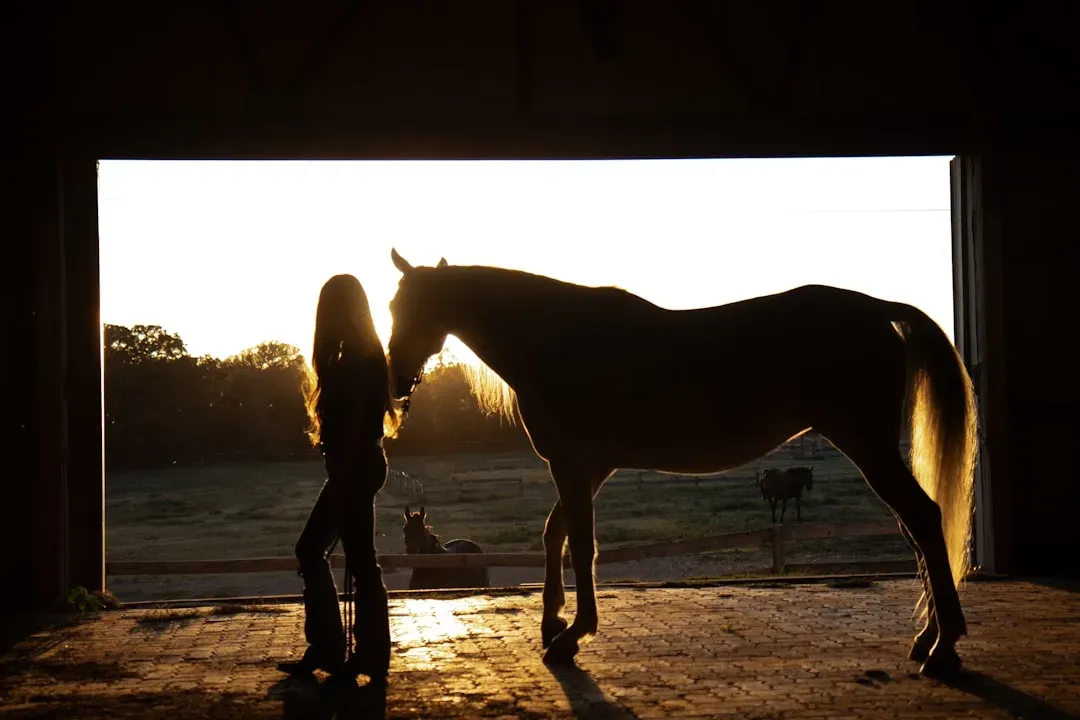
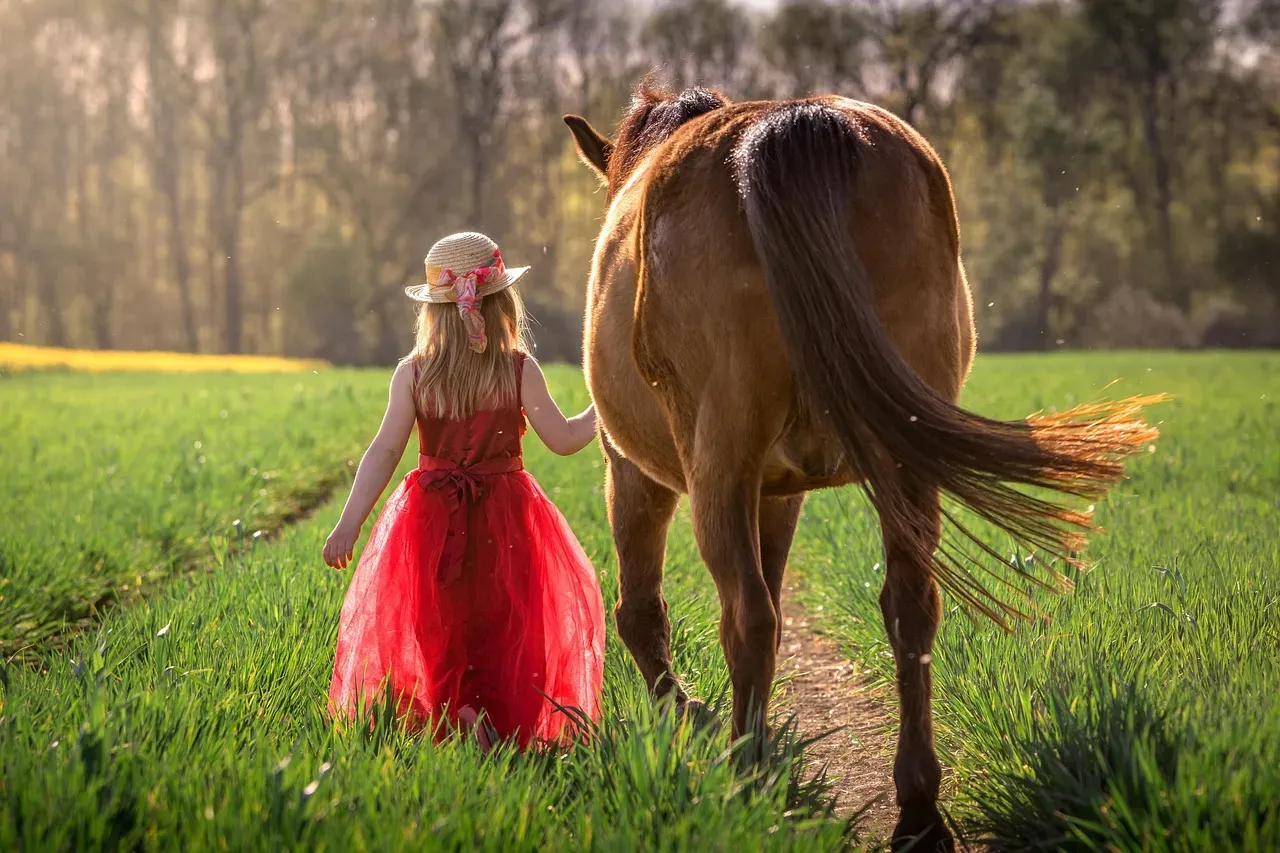
Ever notice your horse shadowing you around the paddock even when you’re not asking them to? That’s pure trust right there. Horses are herd animals, and they follow those they respect and feel safe with.
When your horse chooses to walk alongside you without being led, they’re treating you like a trusted herd member. I think this is one of the clearest signs because it’s entirely their choice. They could wander off to graze or explore, yet they stay close. That voluntary connection speaks volumes about how they view your relationship.
They Let You Touch Their Sensitive Areas
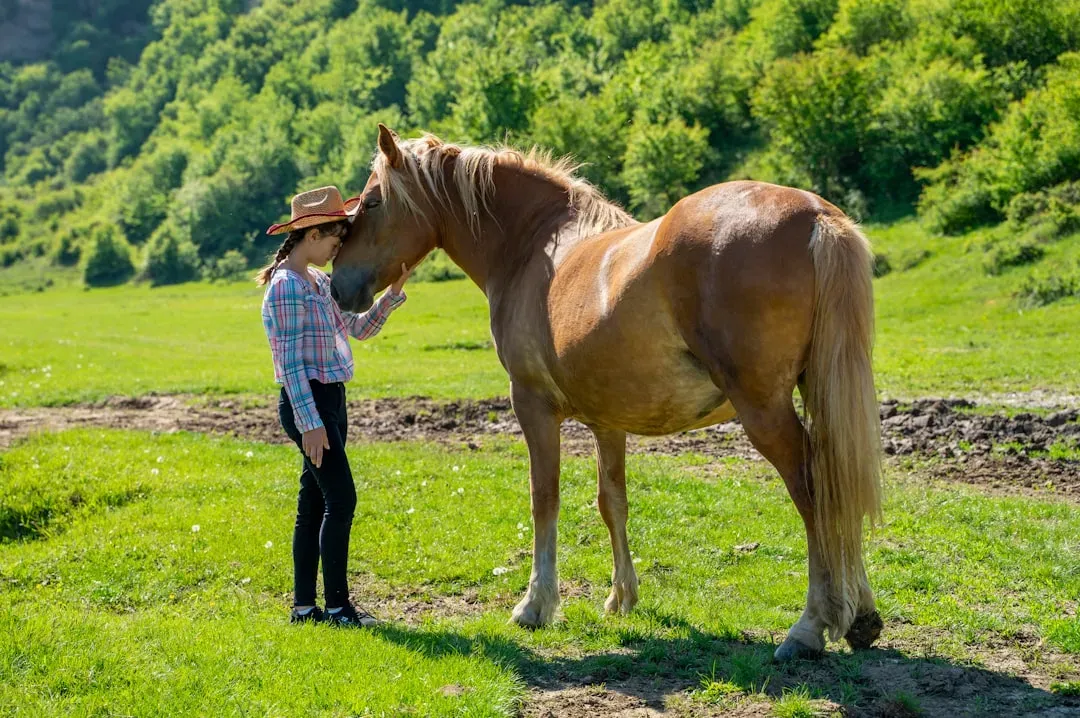
Horses have certain spots that are incredibly vulnerable – their ears, face, belly, and legs. These areas are instinctively protected because in the wild, an injury there could mean death. If your horse allows you to handle these places without flinching or pulling away, you’ve earned serious trust.
Try gently touching their ears or running your hand down their legs. A horse that trusts you will stand calmly, maybe even lean into the touch. Horses that don’t trust will pin their ears back, shift away, or even try to bite. The difference is night and day, and it tells you everything about where you stand with them.
They Show You Their Softer Side With Relaxed Eyes
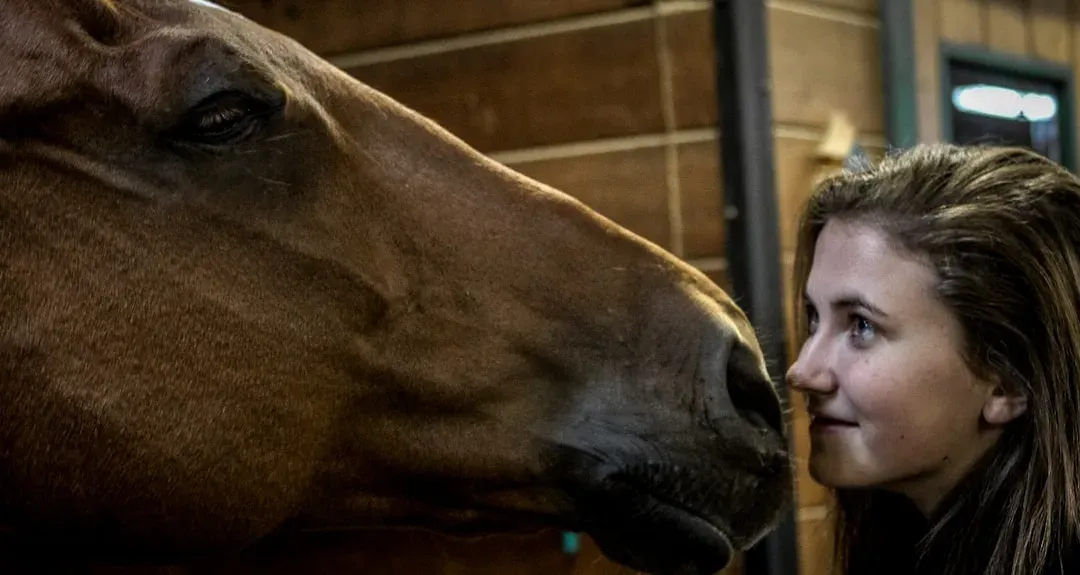
Eyes are windows to the soul, even for horses. When a horse trusts you, their eyes become soft, with droopy eyelids and a gentle expression. You might even catch them blinking slowly or closing their eyes completely while you’re nearby.
Compare that to a nervous or distrustful horse, whose eyes are wide with whites showing, constantly scanning for threats. If your horse looks at you with those soft, half-closed eyes, they’re in a state of total relaxation. It’s hard to say for sure, but I believe this is when they’re truly content and at peace with your presence.
They Nuzzle and Groom You Back
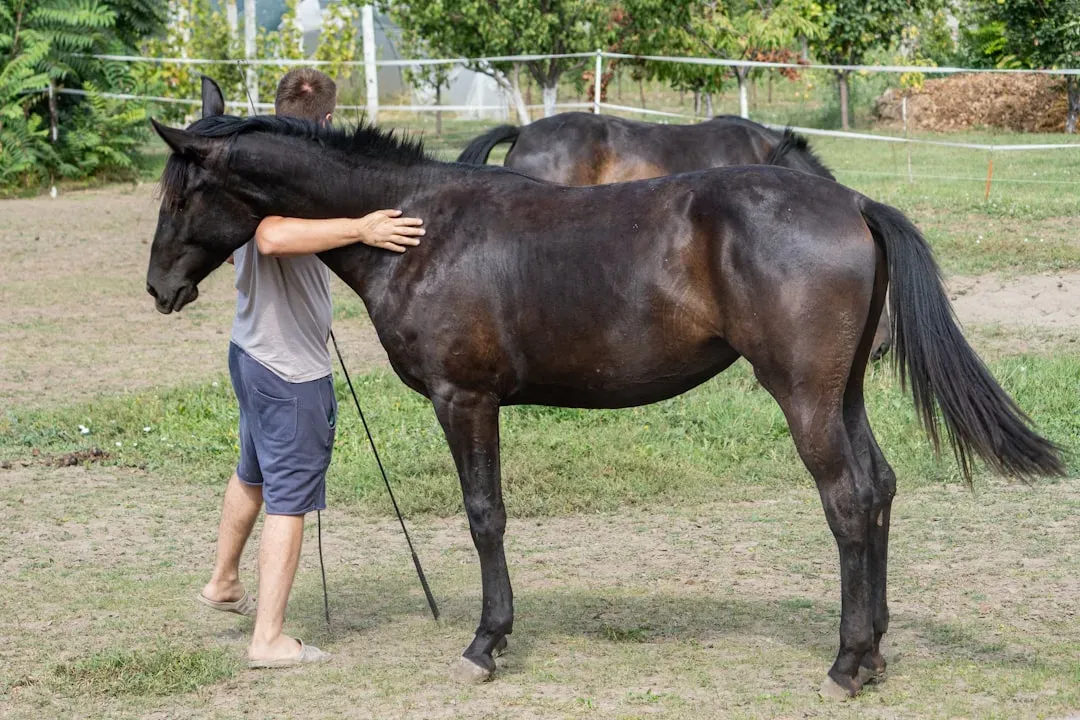
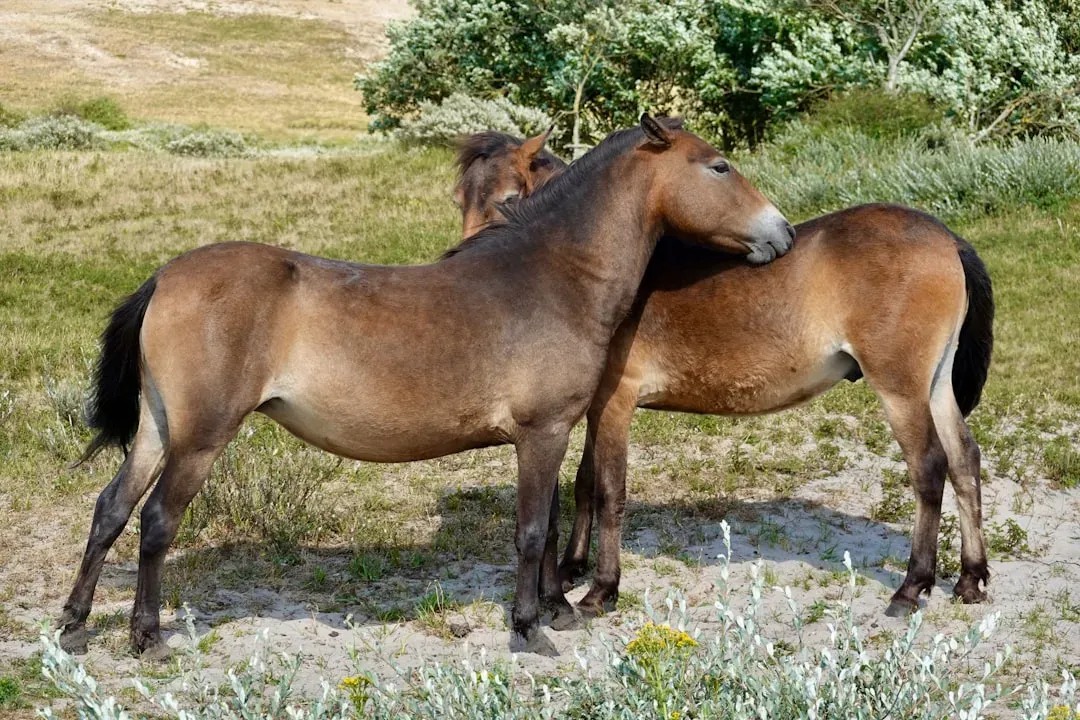
Mutual grooming is a huge part of equine social behavior. Horses groom each other to strengthen bonds and show affection within the herd. If your horse nibbles at your shirt, nuzzles your shoulder, or gently mouths your arm, they’re treating you like a herd mate.
This isn’t random behavior. They’re actively choosing to engage with you the same way they would with another horse they care about. Some people mistake this for food-seeking behavior, but there’s a clear difference. When a horse grooms you, it’s gentle, deliberate, and usually happens during quiet moments together.
They Breathe Calmly and Sigh in Your Presence
Listen closely next time you’re with your horse. Do they take deep breaths or let out big, relaxed sighs? That’s a trust signal you don’t want to miss.
Horses hold tension in their breathing when they’re anxious. A horse that trusts you will have slow, steady breaths and might even exhale deeply as if releasing all their worries. Those big sighs are like a horse version of “I’m so relaxed right now.” It’s one of those subtle signs that’s easy to overlook, but once you start noticing it, you’ll realize just how significant it is.
They Turn Their Back to You
This might seem counterintuitive at first. Why would turning away be a sign of trust? Here’s the thing – a horse’s rear end is their primary defense weapon. Those powerful hind legs can seriously injure a predator.
When a horse willingly turns their hindquarters toward you, they’re showing they don’t perceive you as a threat. They’re comfortable enough to put themselves in what would be a defensive position, knowing you won’t take advantage of their vulnerability. Let’s be real, this is huge. It means they’ve categorized you as safe, maybe even family.
They Come to You in the Field
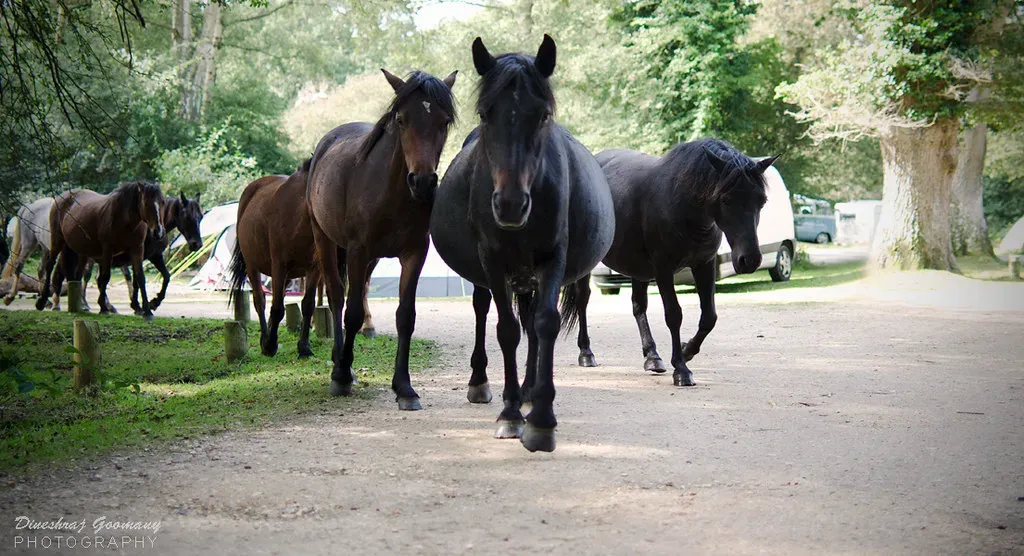
Does your horse look up and walk toward you when you enter their pasture? Or do they play hard to get, making you trudge across the field with a bucket of treats? The difference matters more than you might think.
A horse that genuinely trusts and enjoys your company will come to greet you. They’re excited to see you, not just what you might be carrying. Sure, some horses are more independent or food-motivated, but the ones who consistently approach you are expressing preference. They want to be near you, and that desire stems from trust and affection that’s been carefully built over time.
They Rest or Sleep Near You
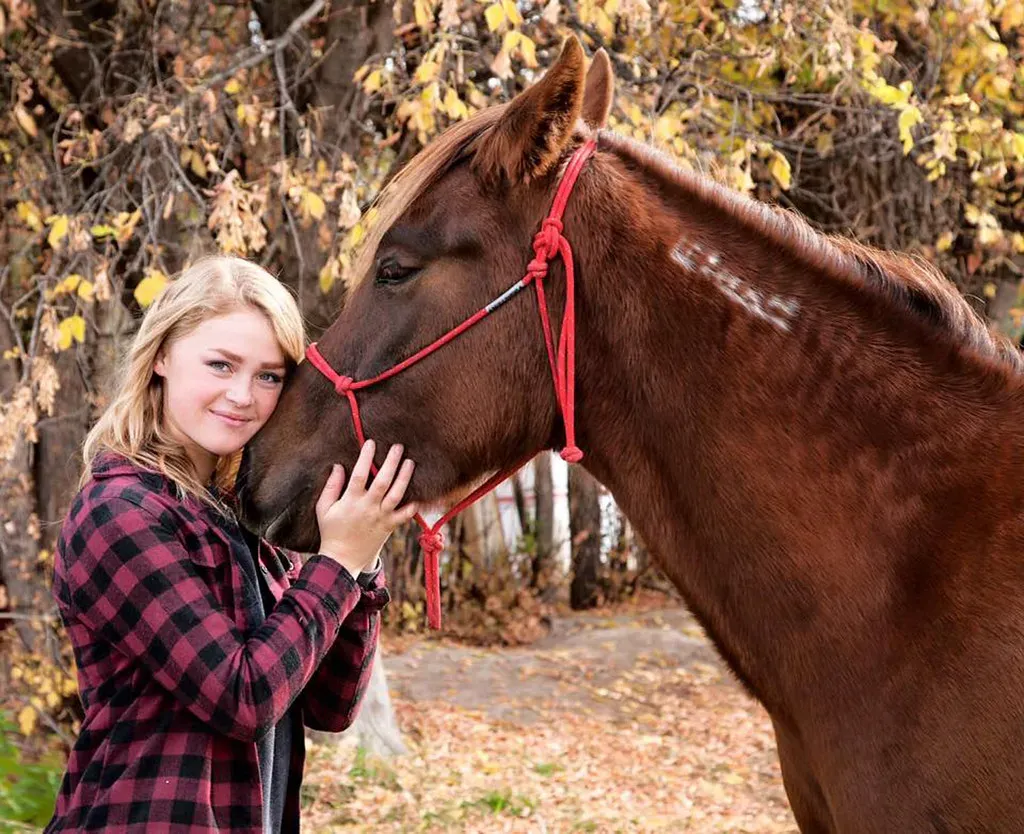
Sleep is when horses are most vulnerable. In the wild, they sleep in shifts while others keep watch. If your horse lies down to rest while you’re nearby, or even dozes off standing up in your presence, that’s ultimate trust.
I know it sounds crazy, but watching a horse sleep near you is actually quite emotional. They’re essentially saying they trust you to protect them while they’re defenseless. Not every horse will do this, and it can take years to reach this level of connection. If you’ve achieved this, you should feel incredibly honored because you’ve become part of their inner circle of safety.
They Respond to Your Voice and Energy
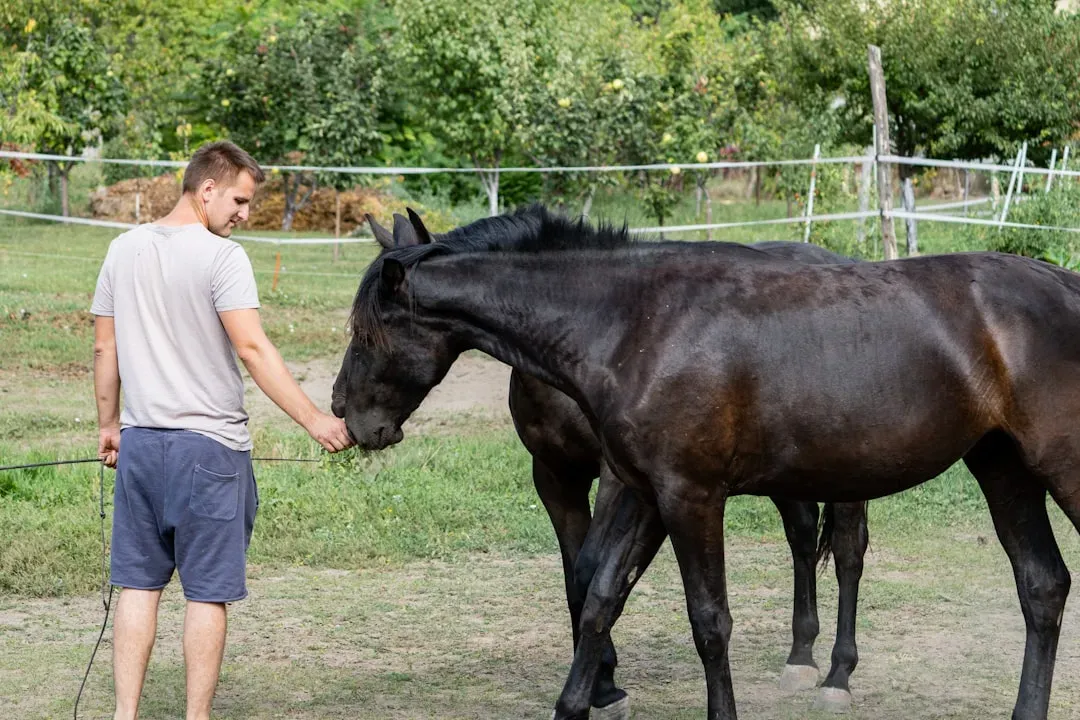
Horses are incredibly perceptive to subtle changes in tone and energy. A horse that trusts you will tune into your voice, pricking their ears forward when you speak and responding to gentle vocal cues. They might even whinny or nicker when they hear you approaching.
Beyond just voice, they’ll mirror your emotional state. If you’re calm, they’re calm. If you’re tense, they pick up on it immediately. This synchronization happens because they trust your judgment about whether a situation is safe or dangerous. They’ve learned to read you, and more importantly, they’ve decided your assessment of the world is reliable enough to follow.
Conclusion
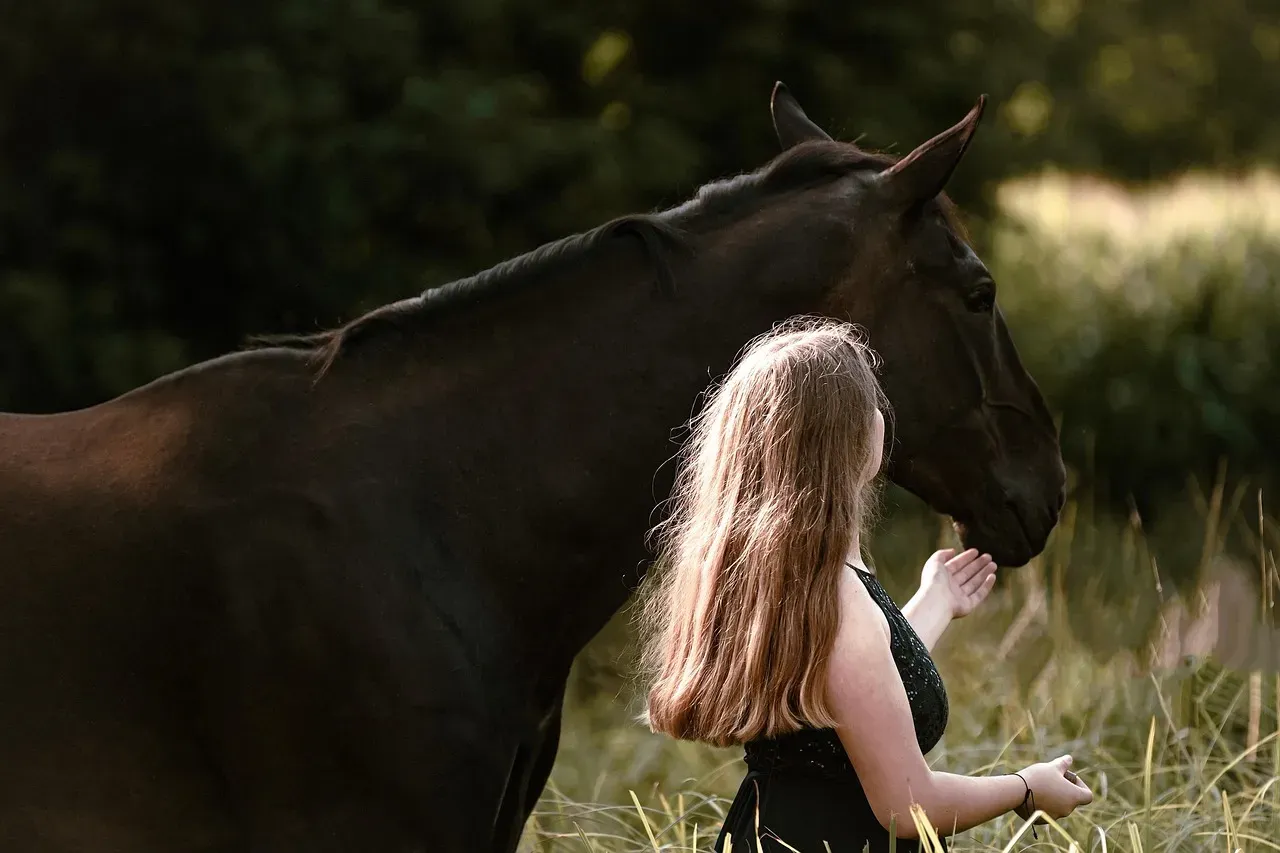
Trust between a horse and their human is something truly special that can’t be rushed or forced. It develops through countless small interactions, consistent behavior, and mutual respect. Every horse is different – some are naturally more trusting, while others need more time and patience to open up.
The signs we’ve explored are your horse’s way of communicating in a language without words. They’re showing you, through their behavior and body language, that you’ve become someone important in their world. If your horse displays even a few of these signs, you’re doing something right.
What do you think about it? Does your horse show these trust signals, or are there other ways they communicate their bond with you? Tell us in the comments.
