
Most gardeners are quick to swat, spray, or stomp anything that moves among their plants. It’s understandable, really. A single aphid infestation on a prized rose bush can trigger a kind of defensive panic that reaches for the nearest pesticide. Yet the overwhelming majority of the insects sharing your garden space are doing something genuinely useful.
The average backyard is home to thousands of insects, but only about a tenth of these are destructive. In fact, most are either beneficial or harmless. That shifts the picture considerably. Rather than viewing your garden as a battlefield, it’s worth understanding what these creatures are actually doing out there.
The Three Core Roles Beneficial Insects Play
Beneficial insects in the garden can be loosely housed in four groups: pollinators, predators, parasitoids, and decomposers. Each group serves a different role, and they tend to occupy very different spaces in the garden.
The roles that beneficial insects perform are sometimes referred to as “ecosystem services” – processes that occur in the ecosystem that happen to benefit humans. Think of them as a free, self-regulating maintenance crew.
Beneficial insects are an essential part of any healthy garden plant ecosystem. They help control pests by preying on them, pollinate plants to increase yields, and play a vital role in maintaining biodiversity. Without these helpful creatures, gardens can quickly become overrun with pests, leading to plant damage and decreased crop yields.
Pollinators: Far More Diverse Than You Think
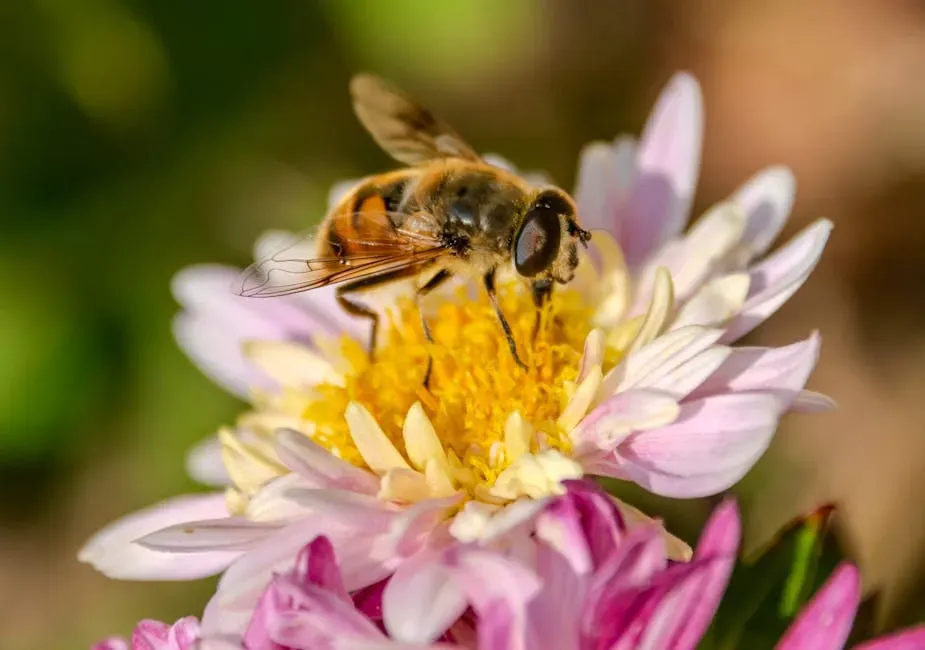
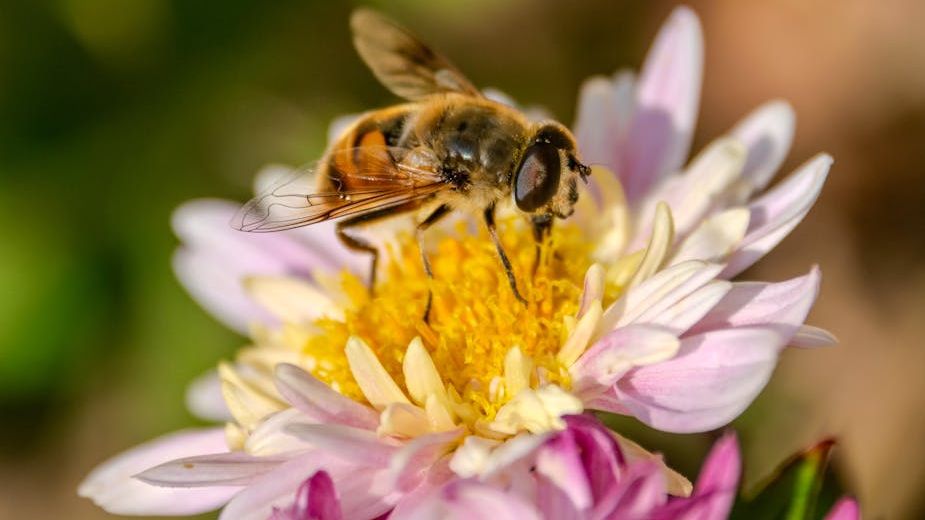
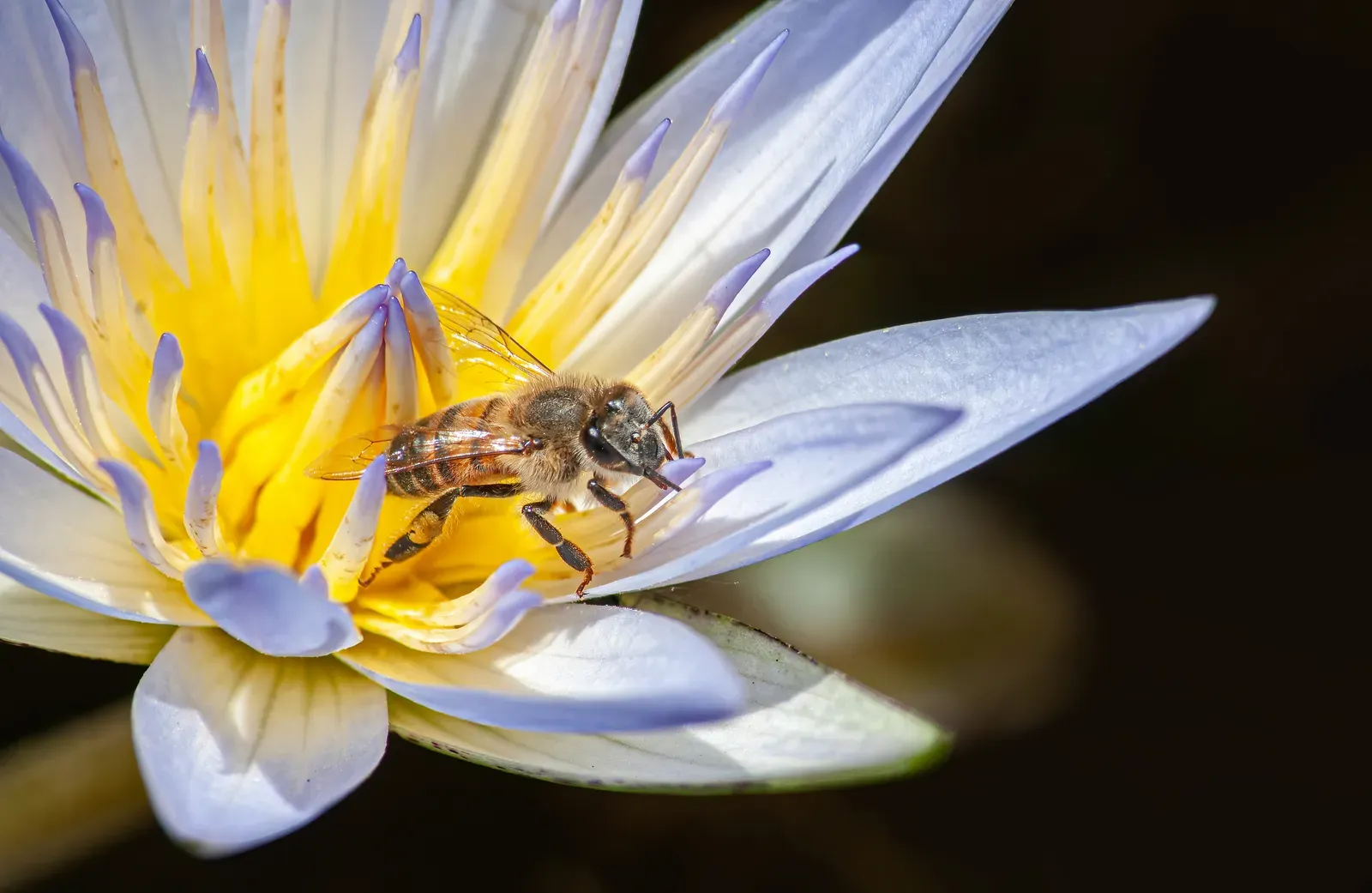
Insect pollinators include many more species than just honey bees. Native bees are also important pollinators, in addition to many species of beetles, butterflies, moths, and flies. The honey bee tends to get most of the credit, but the pollination workforce is enormous.
These insects provide ecosystem services by spreading pollen among different plants of the same species, helping them complete their life cycles by producing seed. Pollination isn’t actually a goal of the insects themselves. It occurs as they move around flowers, seeking nectar or pollen as food.
Most flowering plants, roughly three quarters of all species, require an animal pollinator. That figure alone puts a different weight on every visit a bee or hoverfly makes to your garden. Honeybees are crucial pollinators for many plants, playing a significant role in the fertilization and growth of fruits, vegetables, and flowers. Their presence in a garden supports the overall ecosystem and helps ensure a bountiful harvest.
Natural Predators: Your Garden’s Built-In Pest Control
Less than one percent of insects are considered harmful, yet those few can cause significant damage. Instead of relying solely on chemical solutions, gardeners can support nature’s own pest control system by working with beneficial insects.
If populations of beneficial insects are allowed to increase throughout the growing season, they can reduce pest populations of moths, aphids, mites, and bugs by a notable margin. That kind of natural suppression is difficult to replicate with a spray bottle.
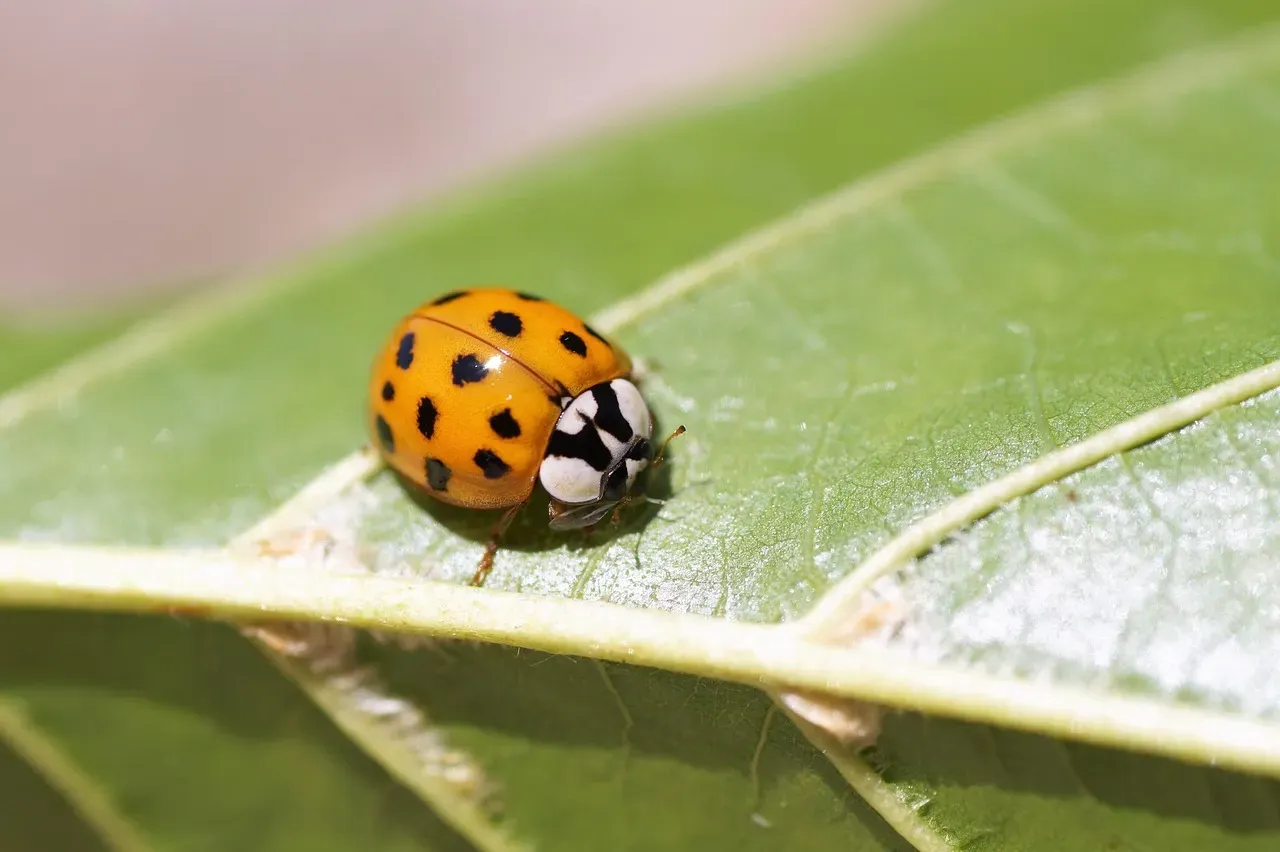
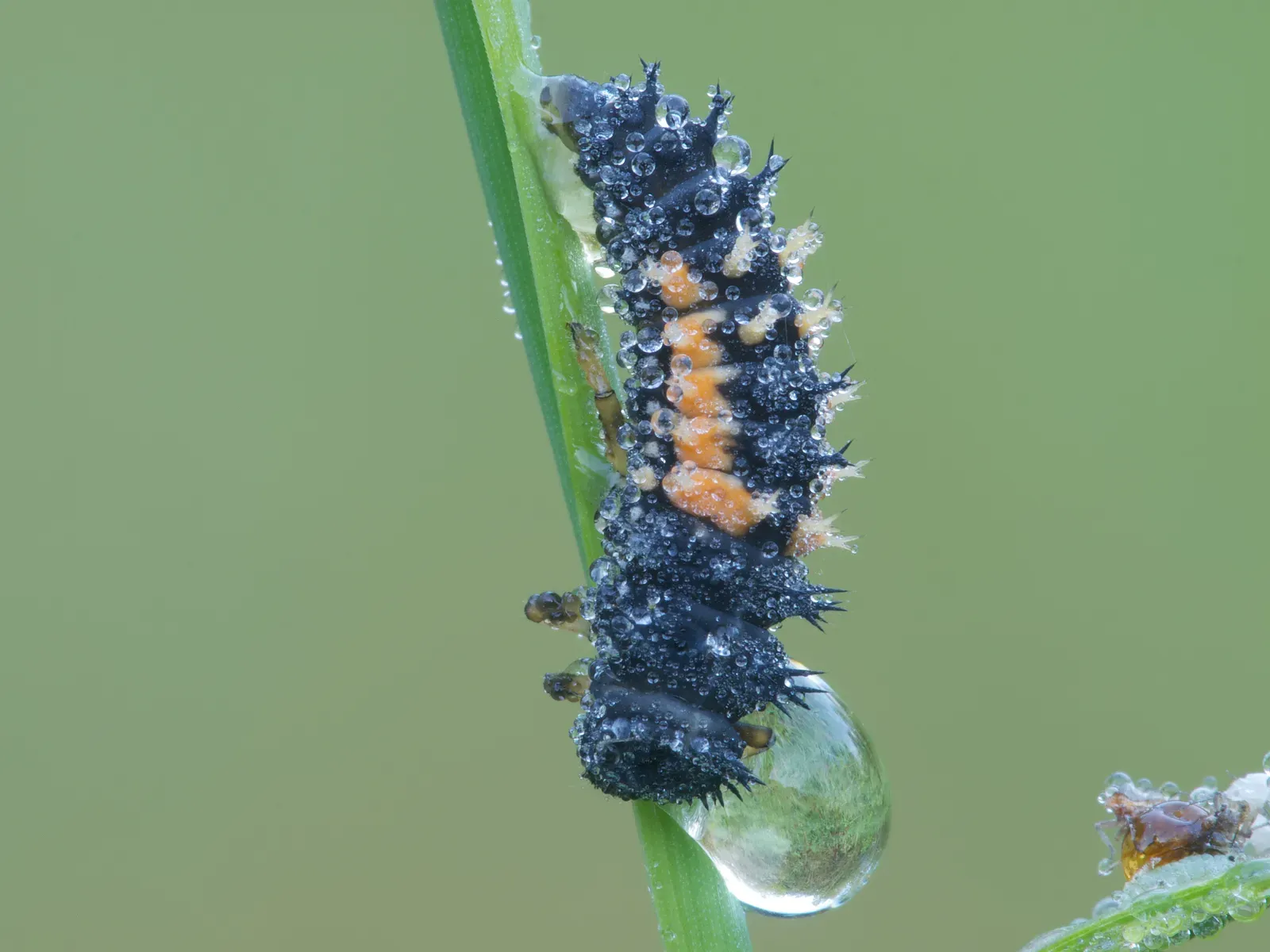
Despite their delightful name and appearance, ladybugs are ferocious predators. Before they get their bright red colors, they start out life as larvae, cruising around on plants and feasting on aphids. A ladybug larva can eat up to 40 aphids an hour.
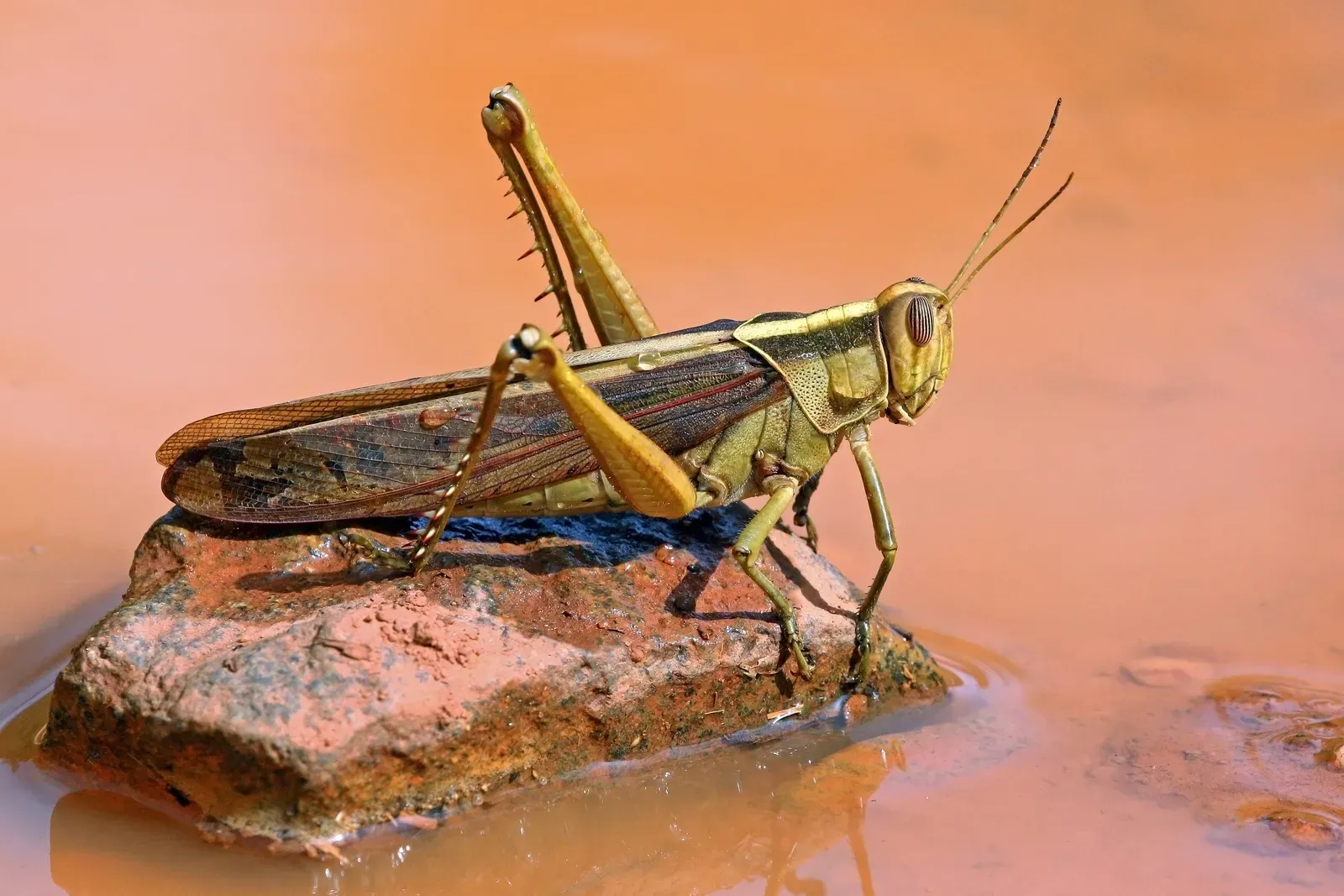
Lacewing larvae, sometimes called “aphid lions,” attack and consume many aphids, mites, lace bugs, and small insects. A praying mantis will make short work of any grasshoppers troubling you, and these fierce predators will also hunt many other insect pests that terrorize gardens.
Parasitoids: The Silent Specialists
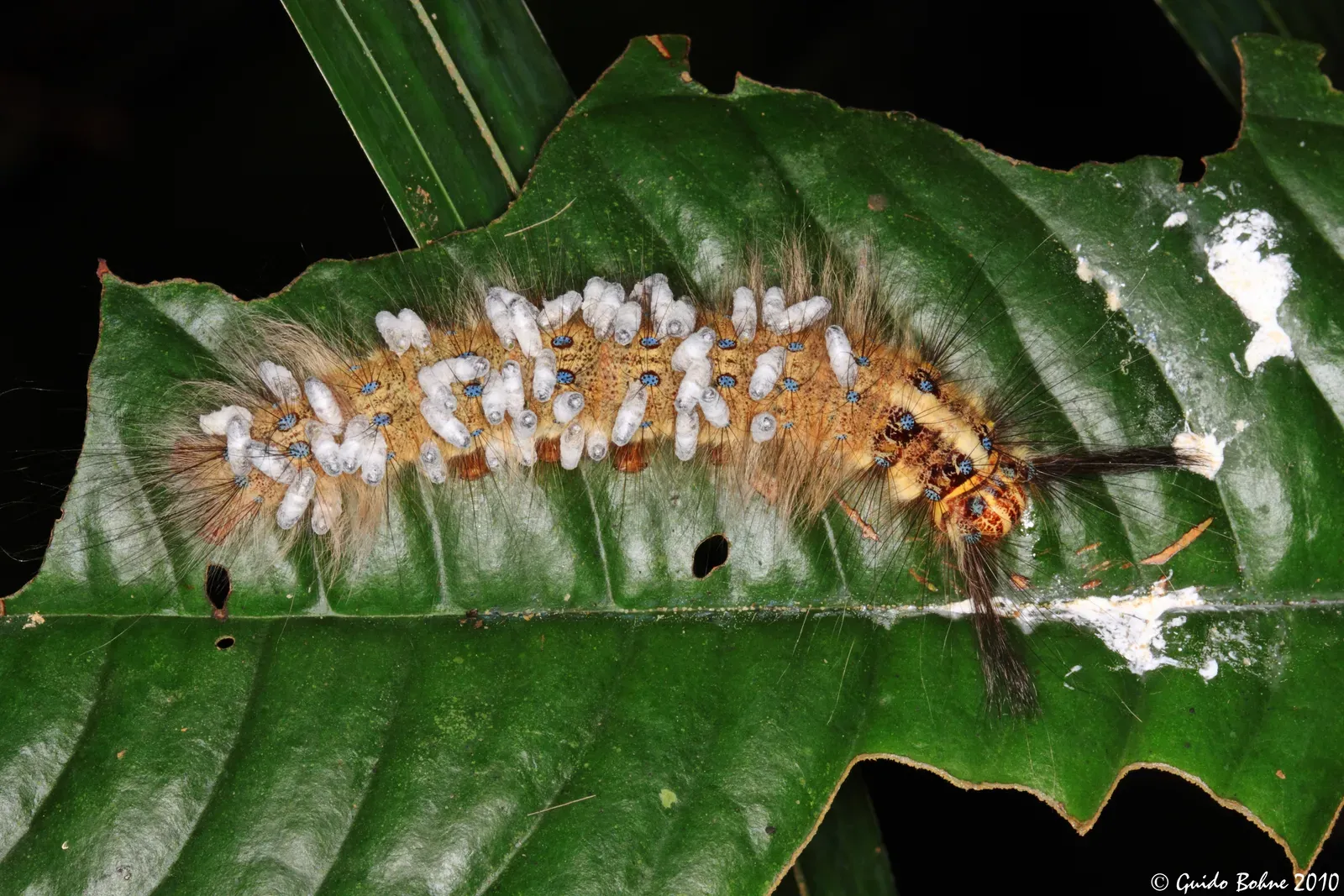
Parasitizers prey upon other insects in a slightly different way than predators. They lay their eggs on or in pest insects, and when the eggs hatch, the larvae feed on the host. It’s a remarkably efficient system, and it operates completely out of sight for most gardeners.
Braconid wasps lay their eggs on the backs of tomato hornworms and other caterpillars, forming those white cocoons you sometimes see on a caterpillar’s back. If you find a parasitized caterpillar, don’t kill it. Move it elsewhere in your garden. The wasp larvae will take care of the pest and turn into more wasps to continue their work in your vegetable patch.
Trichogramma wasps are minuscule, with several fitting on the head of a pin, and they lay their eggs inside the eggs of over 200 different insect pests, preventing those pests from ever hatching in the first place. Scale that up across a whole season and a whole garden, and it’s significant work.
Decomposers: The Underground Engine of Soil Health
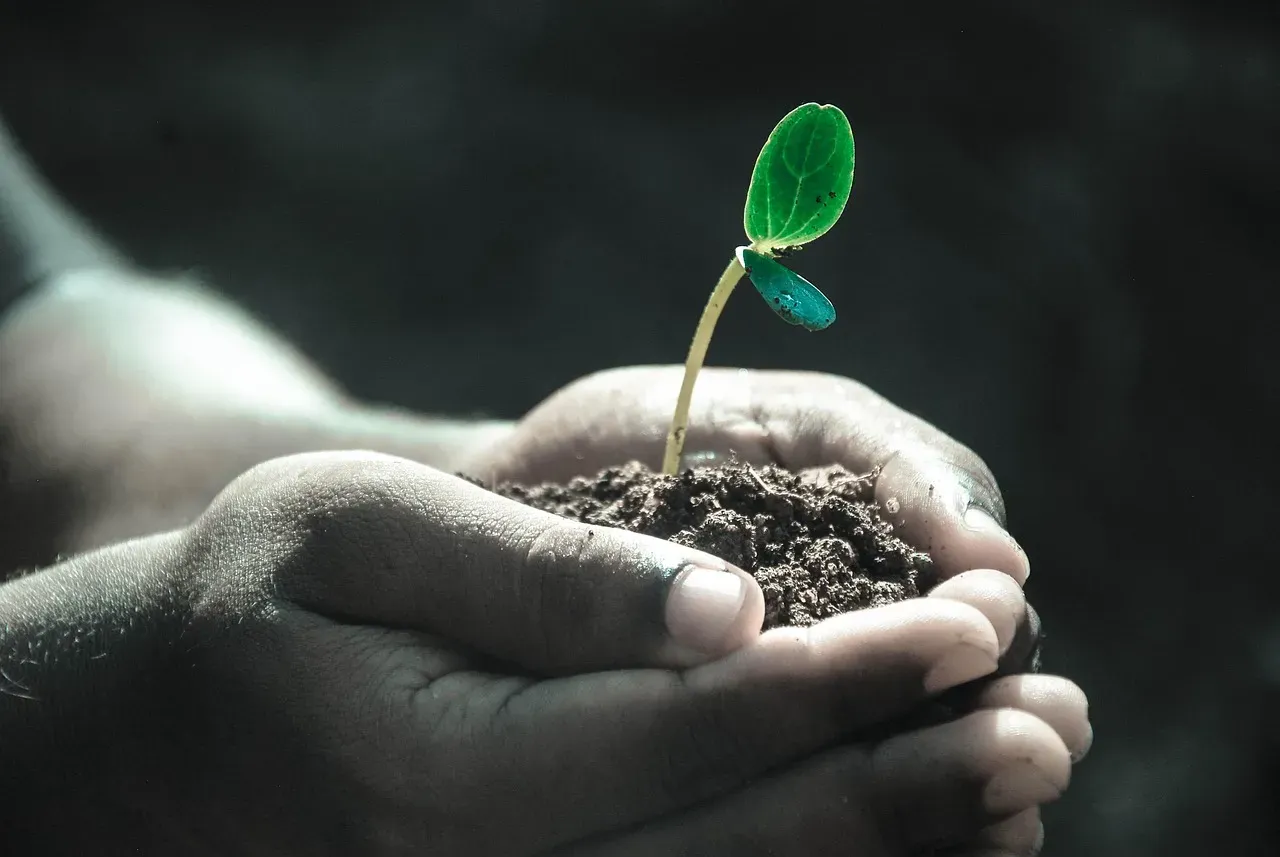
In the soil and at the soil surface, decomposers benefit gardeners by contributing to healthy soil. They eat decaying plant matter, dead insects, dung, and even natural mulches. These materials are broken down into smaller and smaller bits, eventually contributing structure to soil and nutrients to plants. Decomposers are a valuable part of a healthy soil ecosystem.
Insect decomposers include a variety of beetles, flies, termites, and carpenter ants. As decomposers, insects help aerate the soil, turning more soil than earthworms, and increasing soil rainwater retention. Most gardeners pour money into soil amendments while the insects doing the same work for free are rarely acknowledged.
Collembola feed on decaying plant material, fungi, and bacteria. They may also feed on insect feces, pollen, and algae, providing ecosystem services as tiny soil “cleaners.” Together with other decomposers, these organisms form nature’s recycling service.
How to Make Your Garden Welcoming to Beneficial Insects
With any ecosystem, diversity is key. The more complex and diverse your garden landscape is, the more likely beneficial insects will call it home. That doesn’t mean an untidy mess. It means thoughtful variety.
Garden spaces well-suited for beneficial insects have a diversity of flower types, shapes, and colors. Diverse flowers provide pollen and nectar for a broader range of insects. Bee species are adapted to flowers of specific sizes and shapes, with long-tongued bees utilizing deeper flowers like penstemons, while smaller bees visit more accessible blooms like aster and goldenrod.
Brush, leaf, and mulch piles, logs, and overgrown areas provide safe places for predatory insects like lady beetles to overwinter. Waiting until late spring to clean out backyard gardens allows time for insects to exit their overwintering habitat.
Reducing synthetic chemicals in a garden can greatly enhance beneficial insect populations. Many insecticides are broad-spectrum and can have adverse effects on beneficial insects. If pesticides are genuinely necessary, consider selecting one that will target the specific pest rather than using a broad-spectrum product. Biological pesticides, for example, are made to target a specific insect or group of insects.
Conclusion: A Healthier Garden Starts with a Different Perspective
Once you understand what most garden insects are actually doing, that reflex to reach for a spray can starts to look like exactly what it is: working against yourself. The predators keeping your aphid population in check, the pollinators making your tomatoes fruit, the decomposers building your soil from below – they’re all operating on the same piece of ground you’re tending.
Some pests are necessary to feed the beneficial insects, and some plant damage is natural for any ecosystem. A certain tolerance for imperfection, a willingness to leave the leaf litter a little longer, and a garden planted with variety across the season are often the most practical things a gardener can do.
The insects were here long before the garden was. Working with that fact, rather than against it, is probably the most sustainable gardening decision anyone can make.
