


The prehistoric world comes alive through extraordinary fossil discoveries that defy the odds of preservation. While dinosaur fossils often capture public imagination, some of the most remarkable and scientifically valuable fossils belong to much smaller creatures—insects. Recent discoveries have yielded insect fossils of such exceptional preservation that even delicate structures like wing membranes, venation patterns, and microscopic scales remain visible after millions of years.
These exquisitely preserved specimens offer unprecedented insights into insect evolution, ancient ecosystems, and the Earth’s past climate conditions. Unlike typical fossils that preserve only hard body parts, these extraordinary specimens reveal intricate details that would normally decompose rapidly after death, providing scientists with a literal window into prehistoric life.
The Miracle of Exceptional Preservation

Insect fossils with preserved wing structures represent what paleontologists call “exceptional preservation” or Lagerstätten—rare fossil deposits where unusual conditions allowed for the preservation of soft tissues and delicate structures. Unlike vertebrate bones or mollusk shells, insect exoskeletons and especially their wings are incredibly fragile, composed of thin chitin membranes supported by veins. For these delicate structures to fossilize, insects must be rapidly buried in oxygen-poor, fine-grained sediments where bacterial decomposition is minimized. The most spectacular insect wing fossils come from ancient lake beds, amber deposits, and fine volcanic ash falls where insects were quickly entombed, effectively sealing them from destructive forces that would normally erase all traces of their delicate anatomy.
Amber: Nature’s Perfect Preservation Medium

Among all fossilization environments, amber—fossilized tree resin—provides the most spectacular preservation of insect wings. When insects became trapped in sticky tree resin millions of years ago, the resin’s antimicrobial properties prevented decomposition while its quick-hardening nature created a perfect three-dimensional snapshot of the insect. Amber from the Baltic region, the Dominican Republic, and Myanmar (Burma) has yielded fossils where not just wing venation is visible, but also microscopic scales, hairs, and even structural coloration.
The 99-million-year-old Burmese amber has revealed specimens where scientists can observe the precise arrangement of wing veins, microscopic wing scales of moths and butterflies, and even the corrugation patterns that allowed ancient insects to fold their wings. Some amber specimens preserve wings so perfectly that researchers can study their aerodynamic properties as if examining a modern specimen.
The Solnhofen Limestone: Wings Through Time

The famous Solnhofen Limestone in Germany, best known for yielding the Archaeopteryx fossil, has also produced insect fossils with extraordinary wing preservation dating back approximately 150 million years to the Late Jurassic period. These fine-grained limestone deposits formed in shallow, hypersaline lagoons where few scavengers could survive, and the extremely fine sediment captured impressions of delicate wing membranes with remarkable fidelity.
The “flatness” of these fossils, while lacking the three-dimensionality of amber specimens, preserves wing venation patterns with such precision that taxonomists can classify insects to genus and sometimes species level. Perhaps most famously, the limestone has yielded specimens of ancient dragonflies where the intricate network of wing veins remains visible, showing remarkably little change in the basic wing architecture compared to modern counterparts—a testament to the evolutionary success of these aerial designs.
Green River Formation: An Insect Wing Treasury
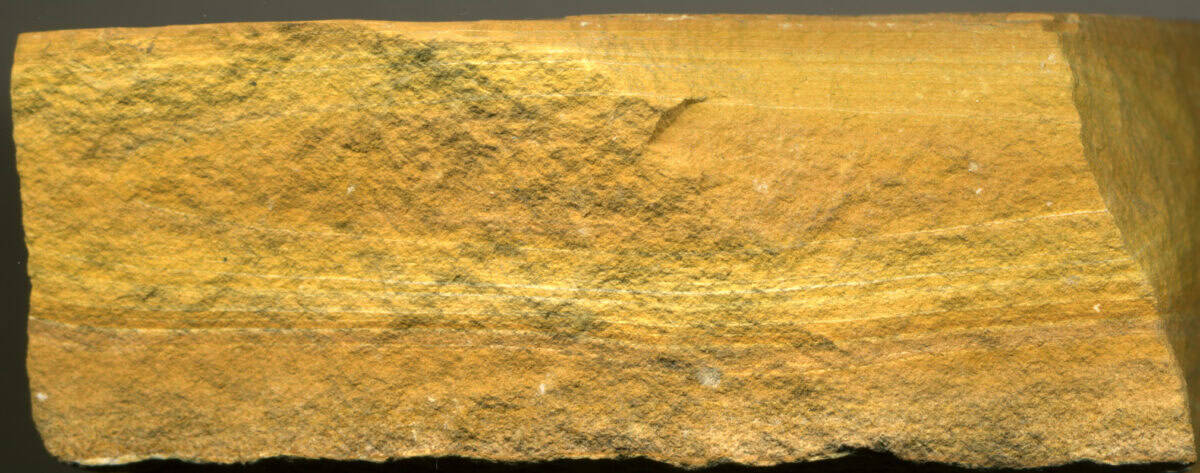
The Green River Formation spanning Wyoming, Colorado, and Utah represents one of North America’s richest sources of exceptionally preserved insect fossils. Dating from the Eocene epoch approximately 50 million years ago, these ancient lake deposits contain countless insect specimens where wing membranes are preserved as carbonized films. What makes Green River fossils particularly valuable is their relative youth in geological terms, representing a crucial period when modern insect families were becoming established.
Paleontologists have recovered specimens of ancient flies, beetles, and true bugs where wing venation patterns can be directly compared to modern descendants, allowing researchers to track evolutionary changes with unprecedented precision. The fine-grained sediments of these ancient lakes captured details as fine as the microscopic corrugations that strengthen dragonfly wings, providing valuable data about the biomechanics of prehistoric insect flight.
Microscopic Revelations: Wing Scales and Structures

Perhaps the most astonishing aspect of exceptionally preserved insect wing fossils is the preservation of microscopic features that would seem impossible to fossilize. Using advanced imaging techniques like scanning electron microscopy and synchrotron X-ray analysis, researchers have discovered 200-million-year-old fossil butterfly and moth specimens with intact wing scales. These scales—microscopic overlapping structures that give butterfly wings their color and water-repellent properties—rarely preserve, yet specimens from various deposits have yielded fossils where individual scales measuring just micrometers across remain visible.
In extraordinary cases from Chinese deposits dating to the Middle Jurassic (approximately 165 million years ago), scientists have even detected the intricate ridged nanostructures within these scales that create structural coloration through light diffraction. These discoveries push back the origins of sophisticated wing structures millions of years earlier than previously thought.
Wings as Windows to Ancient Ecosystems

Insect wing fossils serve as powerful environmental indicators, offering insights into ancient ecosystems that other fossils cannot provide. Wing morphology in insects is tightly linked to their habitat and lifestyle—the broad, reinforced wings of dragonflies indicate they were aerial predators hunting on the wing, while the folding mechanisms of beetle elytra (hardened forewings) reveal adaptations for moving through tight spaces.
By analyzing the assemblages of insect wing types in a fossil deposit, paleoecologists can reconstruct entire ecosystems. For example, the abundance of well-preserved aquatic insect wings in certain deposits suggests permanent water bodies, while the presence of preserved termite wings indicates nearby forests. Each type of wing represents a different ecological niche, and together they paint a detailed picture of ancient environments that would otherwise remain invisible in the fossil record.
The Dominican Republic’s Time Capsules
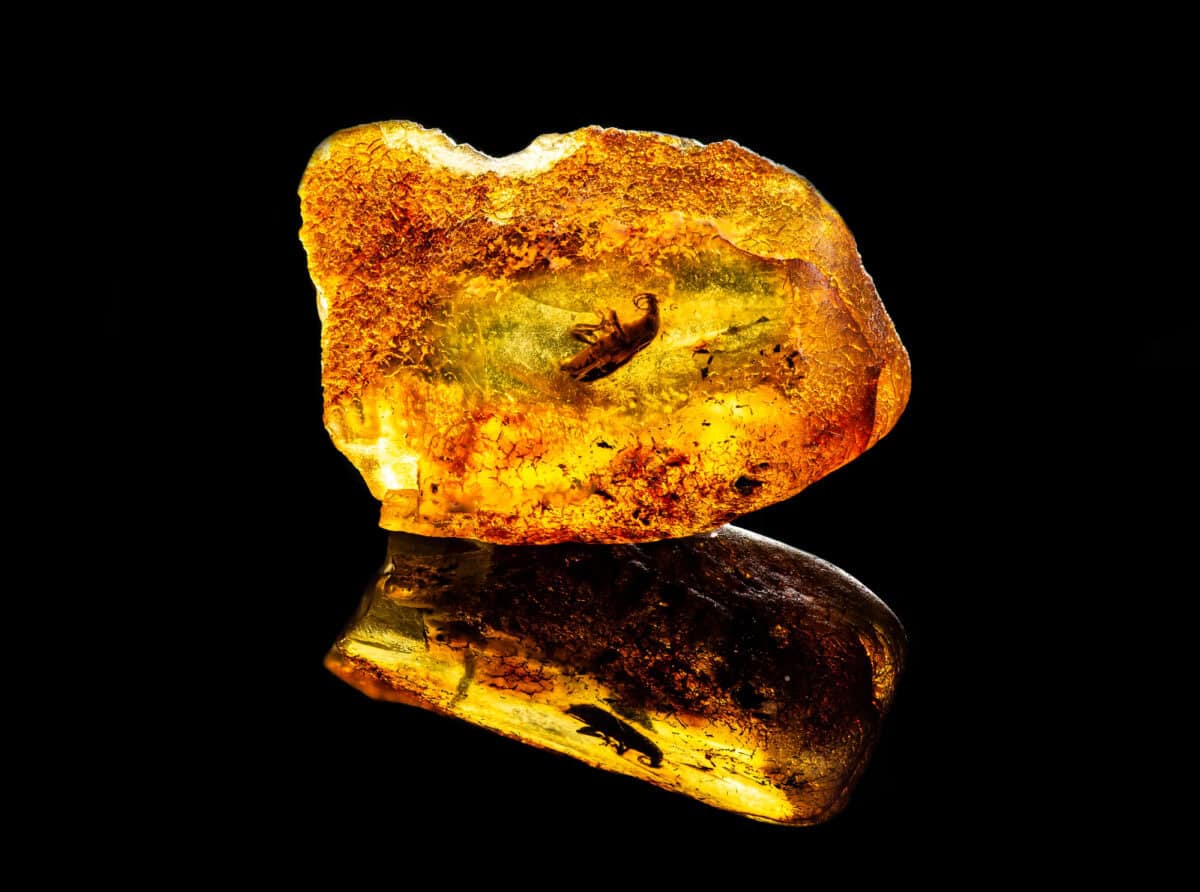
The Dominican Republic’s amber deposits, dating from 15-40 million years ago, have yielded some of the most spectacular preserved insect wings ever discovered. This relatively young amber provides a crucial window into the more recent evolution of insects, especially in tropical environments. One particularly remarkable aspect of Dominican amber is its preservation of structural coloration in insect wings.
Unlike pigment-based colors that fade after death, structural colors are produced by physical structures that manipulate light. Specimens of ancient metallic-hued wasps and beetles from Dominican amber still display iridescent wings with the original blue and green hues intact. Microscopic examination reveals that the nanoscale structures responsible for this coloration—tiny ridges and layers that diffract light—remain perfectly preserved after millions of years. These specimens demonstrate not just the permanence of structural color but also how little some insect structures have changed over evolutionary time.
Chinese Fossil Beds: Revolutionary Discoveries
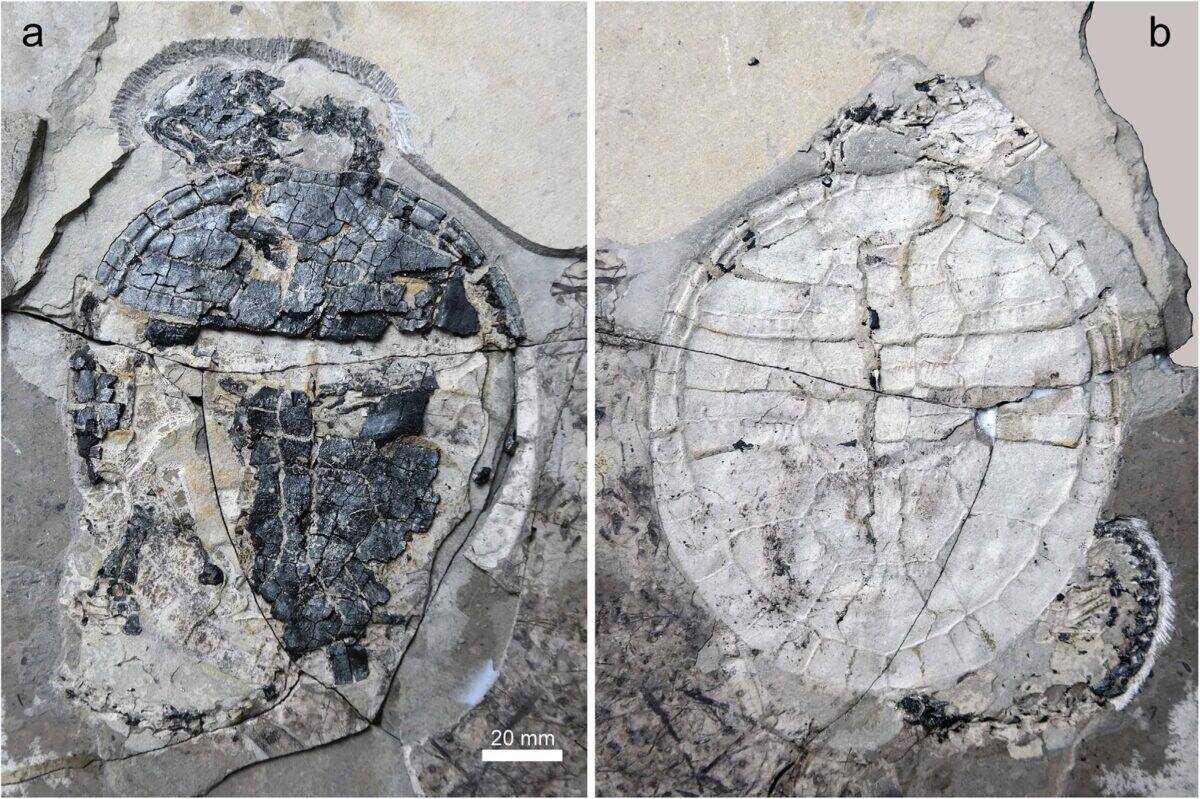
China’s Daohugou and Jehol fossil beds have revolutionized our understanding of insect evolution through their exceptional preservation of wing structures. Dating from the Middle Jurassic to Early Cretaceous periods (approximately 165-120 million years ago), these deposits have yielded fossils that preserve not just wing venation but also microscopic surface textures and even original coloration patterns. The fine-grained volcanic and lake sediments captured insects with such precision that scientists can analyze the functional morphology of extinct insect wings.
One spectacular example includes fossils of lacewings with intricate spotted wing patterns still visible after more than 160 million years. These deposits are particularly significant because they capture insects from the crucial time period when flowering plants were first diversifying, allowing researchers to track how insect wing adaptations—particularly in pollinators—evolved in response to this major ecological transformation. The Chinese deposits have yielded over 30 orders of insects with preserved wings, making them one of the most comprehensive windows into ancient insect diversity ever discovered.
Wing Venation: Nature’s Fingerprints
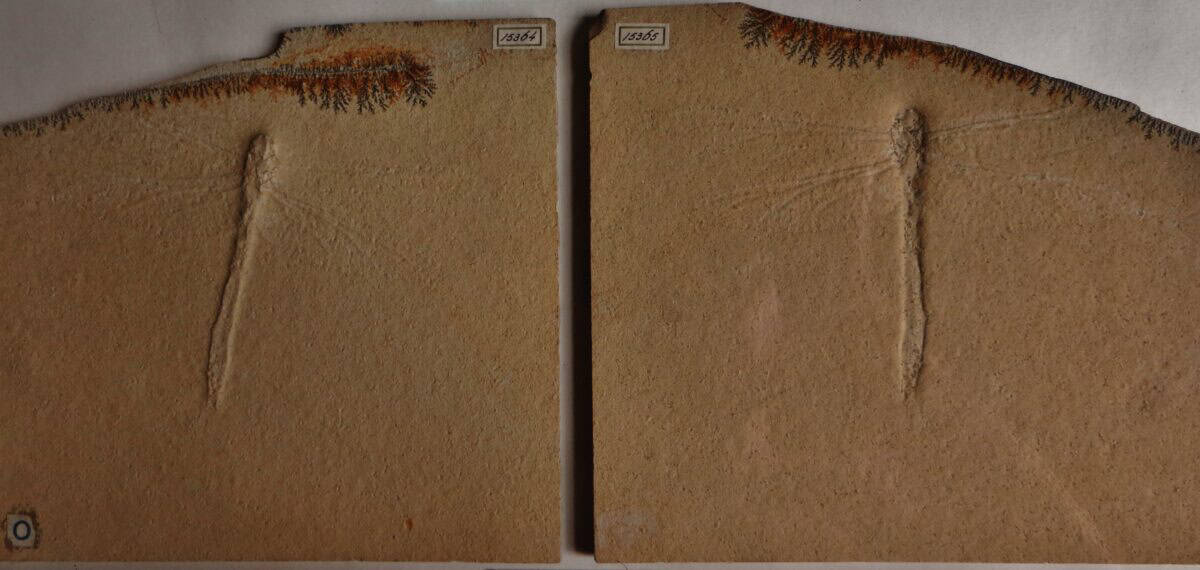
Wing venation patterns—the arrangement of supporting veins within the wing membrane—serve as nature’s fingerprints for insect identification. Even when other body parts are missing or damaged, the distinct venation pattern often allows paleontologists to identify fossil insects to family level or beyond. This precision makes exceptionally preserved wing fossils particularly valuable for understanding evolutionary relationships. The branching patterns of veins, their connections, and the cells they form follow genetic blueprints specific to each taxonomic group.
When these patterns are preserved in fossils with exceptional clarity, scientists can track how these “fingerprints” have changed over millions of years. The wing venation of ancient dragonflies from the Carboniferous period (359-299 million years ago) shows remarkable similarities to modern forms, demonstrating evolutionary conservation of successful designs, while fossil flies display the gradual simplification of wing venation over time—an evolutionary trend toward more efficient flight structures.
Advanced Imaging: Revealing the Invisible

Modern technology has revolutionized the study of fossilized insect wings, revealing details invisible to previous generations of researchers. Techniques like confocal laser scanning microscopy, synchrotron X-ray tomography, and Reflectance Transformation Imaging (RTI) allow scientists to examine wing structures at unprecedented resolution without damaging delicate specimens. These methods can detect features as small as a few nanometers, revealing structures that would remain invisible even under traditional microscopes.
For example, when researchers applied RTI to seemingly plain insect wing fossils from the Green River Formation, hidden structural coloration patterns emerged that had been invisible for over 50 million years. In amber specimens, micro-CT scanning has allowed scientists to examine internal wing structures without cutting open precious samples. Perhaps most remarkably, chemical analysis techniques like Raman spectroscopy have detected traces of original chitin molecules in some exceptionally preserved wing fossils, providing biochemical data from creatures that lived hundreds of millions of years ago.
Flight Evolution Written in Stone

The exceptional preservation of insect wings in the fossil record provides an unparalleled window into the evolution of flight itself. Insects were the first animals to evolve powered flight, achieving this milestone approximately 400 million years ago—roughly 150 million years before pterosaurs and 250 million years before birds. The earliest recognizable insect wings appear in fossils from the Carboniferous period, already showing sophisticated aerodynamic adaptations.
Well-preserved wing fossils allow researchers to track how different flight mechanisms evolved, from the direct flight muscles of ancient dragonflies to the indirect flight mechanism that powers the wings of modern flies and bees. Some of the most informative fossils come from the Permian period (299-252 million years ago), where transitional forms show the gradual evolution of folding wing mechanisms in beetles and true bugs. These detailed wing fossils reveal not just structural adaptations but also functional changes, providing insights into the biomechanical principles that shaped insect flight over hundreds of millions of years of evolution.
Lessons from the Past: Conclusion

These extraordinarily preserved insect wing fossils offer far more than aesthetic appreciation—they provide crucial scientific data that connects our world to ancient ecosystems. Through these delicate impressions in stone and perfect entombments in amber, scientists gain insights into evolutionary processes that shaped Earth’s most diverse group of animals over hundreds of millions of years. The preservation of microscopic wing structures demonstrates that even the most fragile biological features can sometimes endure through geological time, challenging our assumptions about what information the fossil record can preserve.
As imaging technologies continue to advance, these already remarkable fossils may yield even more secrets, allowing future researchers to extract information beyond what we can currently detect. In an era of rapid biodiversity loss, these ancient wings remind us of the resilience and adaptability of insects through Earth’s tumultuous history, while simultaneously highlighting the irreplaceable value of the evolutionary innovations that could be lost through extinction.

From exploring the marine wonders in the Azores and witnessing the vast savannas of Kenya, to delving deep into the rich biodiversity of South Africa and traversing iconic landscapes in Australia and the US like Yellowstone, Chris's experiences are vast.
With a penchant for diving alongside sharks, the ocean holds a special place in his heart.
Through his academic insights, he champions wildlife conservation, striving with 'Animals Around The Globe' to cultivate a profound connection between humans and animals, enhancing our mutual appreciation.
Connect with him at Feedback@animalsaroundtheglobe.com.
- The Animal With the Heaviest Horns Uses Them Like Sledgehammers - July 30, 2026
- Why Some Animals Are Getting Smaller—and Others Bigger - July 30, 2026
- The Longest-Tailed Bird Uses It to Win Mates in Dazzling Displays - July 30, 2026