Worried about unexpected vet bills?
Pet insurance can cover thousands in unexpected vet costs. Get a free quote from Lemonade in under 2 minutes.
Get My Free Quote →Sponsored · Opens Lemonade.com
While the United States might not immediately bring to mind images of animals with extraordinary abilities, America’s diverse ecosystems harbor creatures with remarkable adaptations that border on superpowers. From the deserts of the Southwest to the frigid landscapes of Alaska, native wildlife has evolved astonishing strategies to survive and thrive in challenging environments. These biological marvels demonstrate nature’s ingenuity through specialized physical traits, physiological processes, and behavioral adaptations that allow them to overcome seemingly impossible obstacles. Let’s explore some of the most extraordinary survival superpowers exhibited by animals found within U.S. borders—capabilities that continue to astound scientists and nature enthusiasts alike.
The Tardigrade’s Unmatched Resilience

Often called water bears or moss piglets, tardigrades are microscopic animals found throughout the United States in various environments from mountain moss to suburban backyards. These tiny creatures possess perhaps the most impressive survival superpowers of any animal on Earth. Tardigrades can enter a state called cryptobiosis, where they essentially dehydrate themselves and reduce their metabolic activity to near zero. In this state, they can survive temperatures from near absolute zero (-458°F) to well above boiling (300°F), pressure six times greater than the deepest ocean trenches, radiation levels thousands of times what would kill a human, and the vacuum of space. Perhaps most incredibly, tardigrades can survive without water for up to 30 years, then rehydrate and continue their lives as if nothing happened. Their ability to repair damaged DNA quickly makes them virtually indestructible by Earth standards, earning them the title of the planet’s ultimate survivors.
The Opossum’s Immunity Tricks

The Virginia opossum, North America’s only marsupial, possesses several remarkable survival adaptations. Most famously, opossums can “play dead” when threatened, entering an involuntary comatose-like state that can last for hours, complete with a death-like odor that discourages predators. Beyond this theatrical defense, opossums harbor a truly superheroic quality: near immunity to venomous snakes. Their blood contains peptides that neutralize the venom of rattlesnakes, cottonmouths, and other pit vipers. Scientists are studying these compounds for potential use in antivenom medications. Additionally, opossums have extraordinary resistance to rabies, likely due to their lower body temperature compared to other mammals. Perhaps most surprisingly, these often-maligned creatures are tick-destroying machines, consuming thousands annually and killing nearly 95% of ticks that attempt to feed on them, making them valuable allies in reducing Lyme disease prevalence.
The Wood Frog’s Freeze-Thaw Cycle

The wood frog (Rana sylvatica), found throughout the northeastern United States and Alaska, performs what seems like biological magic each winter. As temperatures drop, these remarkable amphibians allow nearly 65% of their body water to freeze solid. Their hearts stop beating, they cease breathing, and their blood no longer flows. By any conventional definition, they appear dead. The frogs accomplish this feat by flooding their cells with glucose and urea, which act as natural antifreeze, preventing complete freezing of cellular structures while allowing intercellular fluids to solidify. Special proteins in their blood prevent damaging ice formation. When spring arrives and temperatures rise, the frogs simply thaw out and resume normal activities within hours. This freeze-tolerance ability allows wood frogs to survive in regions where winter temperatures regularly plunge far below freezing, making them the only frog species found north of the Arctic Circle in North America.
The Horned Lizard’s Blood-Squirting Defense

Horned lizards, native to the American Southwest, employ one of the most bizarre defensive mechanisms in the animal kingdom. When cornered by predators like coyotes or foxes, several species of these reptiles can increase blood pressure in vessels near their eyes until they rupture, shooting streams of blood up to 5 feet away. This blood contains chemicals that are particularly distasteful to canine predators, often causing them to retreat immediately. The chemical compounds taste bitter and can temporarily blind attackers, giving the lizard precious seconds to escape. Beyond this spectacular defense, horned lizards also camouflage themselves against desert landscapes, inflate their bodies to appear larger or more difficult to swallow, and possess spiny crowns that make them challenging for predators to consume. These combined adaptations have allowed horned lizards to survive for millions of years in harsh desert environments where predation pressure is intense.
The Rattlesnake’s Heat-Sensing Abilities

Rattlesnakes possess a remarkable superpower that gives them a significant hunting advantage: infrared vision. Located between their nostrils and eyes are specialized heat-sensing pits that can detect temperature differences as small as 0.003°C. These organs essentially provide rattlesnakes with a form of thermal imaging that works independently from their regular vision, allowing them to create a thermal map of their surroundings. This adaptation is particularly valuable for hunting warm-blooded prey in complete darkness or for detecting predators. The heat-sensing pits are so sensitive they can detect a mouse from over 3 feet away based solely on its body heat. Combined with their venomous bite, muscle-paralyzing toxins, and iconic warning rattle, this infrared capability makes rattlesnakes formidable predators. What makes this ability even more impressive is that the snakes’ brains process this thermal information alongside visual data to create a comprehensive picture of their environment.
The Diving Capabilities of Beaked Whales
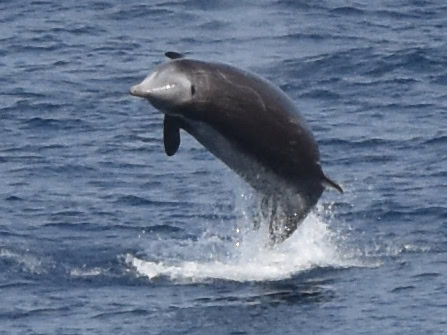
Several species of beaked whales found in U.S. waters, particularly Cuvier’s beaked whales off the California coast, have diving abilities that surpass all other mammals. These remarkable marine mammals regularly dive to depths exceeding 3,000 feet and can remain submerged for over 2 hours on a single breath. The current record, documented by researchers in 2020, showed a Cuvier’s beaked whale diving to an astonishing 9,874 feet (nearly 2 miles deep) and staying underwater for 222 minutes. To achieve these feats, beaked whales possess several adaptations: their muscles store unusually high amounts of oxygen-binding myoglobin; their metabolism slows dramatically during dives; their lung structure allows for complete collapse under pressure without damage; and their blood carries elevated oxygen levels. Perhaps most impressive, they’ve evolved to manage nitrogen absorption during these extreme dives, preventing decompression sickness that would kill humans attempting similar ascents. These adaptations allow beaked whales to access deep-ocean food sources unavailable to most other predators.
The Regenerative Powers of Axolotls

The axolotl, a salamander species native to lakes near Mexico City but now widely bred in captivity throughout the U.S., possesses regenerative abilities that seem straight from science fiction. These aquatic amphibians can regrow entire limbs, parts of their brain, spinal cord, heart, and other vital organs without scarring or loss of function. Unlike most amphibians, axolotls exhibit neoteny, retaining their juvenile aquatic form throughout life while becoming reproductively mature. When an axolotl loses a limb, specialized cells called blastema form at the injury site, then differentiate into bone, muscle, nerves, and skin to create a perfect replacement within weeks. Perhaps most remarkably, they can regenerate the same structures repeatedly without diminished capacity. Scientists study axolotls extensively, hoping to unlock the genetic secrets behind these abilities for potential human medical applications. Their regenerative capabilities, combined with extraordinary resistance to cancer despite their long cellular telomeres, make axolotls one of the most scientifically valuable animals in regenerative medicine research.
The Black Bear’s Hibernation Mastery

American black bears display one of nature’s most impressive metabolic tricks during winter hibernation. Unlike true hibernators whose body temperatures drop dramatically, black bears maintain a body temperature only slightly below normal while reducing their heart rate from 40-70 beats per minute to just 8-12. Despite not eating, drinking, urinating, or defecating for up to 7 months, they emerge in spring with minimal muscle atrophy and bone density loss. Remarkably, pregnant female bears even give birth and nurse cubs during hibernation. Bears accomplish this through several adaptations: they recycle nitrogenous waste that would normally become toxic urine; they use their fat stores with nearly 100% efficiency; they slow their metabolism by about 75%; and they maintain protein synthesis to prevent muscle wasting. Perhaps most incredibly, hibernating bears develop insulin resistance that would cause severe diabetes in humans, yet they suffer no ill effects and reverse the condition each spring. These adaptations have sparked significant medical research, particularly for treating kidney failure, muscle atrophy in bedridden patients, and osteoporosis.
The Bombardier Beetle’s Chemical Warfare

Found across the United States, bombardier beetles have evolved one of the animal kingdom’s most sophisticated chemical defense systems. When threatened, these insects mix two segregated chemicals—hydrogen peroxide and hydroquinones—in a specialized chamber reinforced with heat-resistant protein. This triggers a violent exothermic reaction that heats the mixture to near boiling point (212°F). The resulting pressure forces the scalding chemical spray out through a directional nozzle at speeds up to 22 mph, often with an audible pop. Most remarkably, bombardier beetles can precisely aim this noxious spray in virtually any direction, including at predators approaching from behind, by rotating their flexible abdominal tip. The spray contains benzoquinones that irritate eyes and respiratory systems of potential predators. The beetle’s internal reaction chamber is lined with special cells that prevent self-poisoning, and the insect can release multiple defensive sprays in rapid succession without harm. This intricate chemical factory within a creature less than an inch long represents one of evolution’s most extraordinary defensive adaptations.
The Wolverine’s Cold-Weather Adaptations
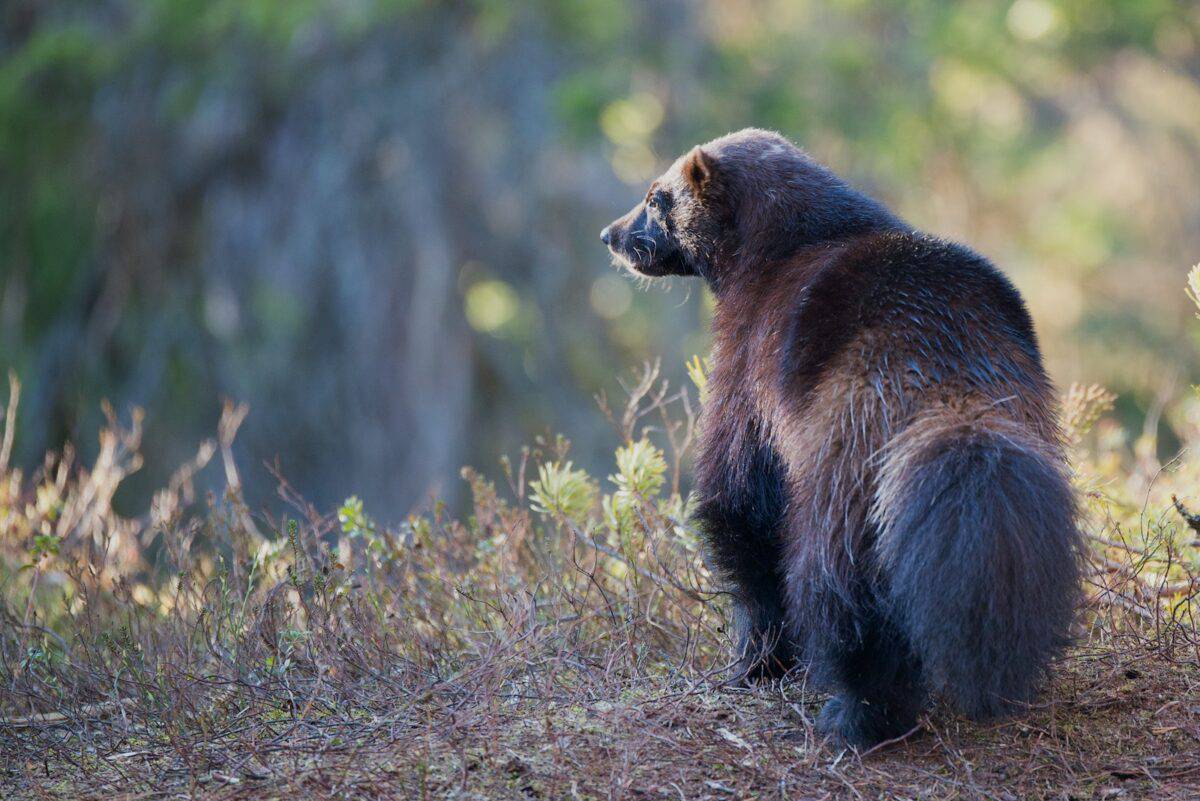
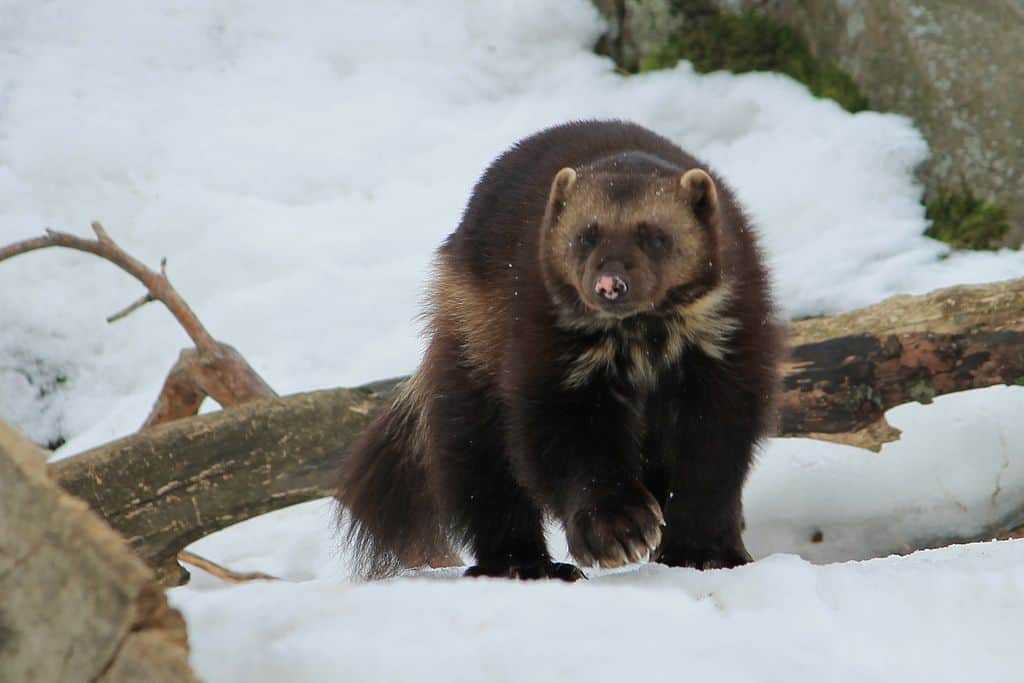
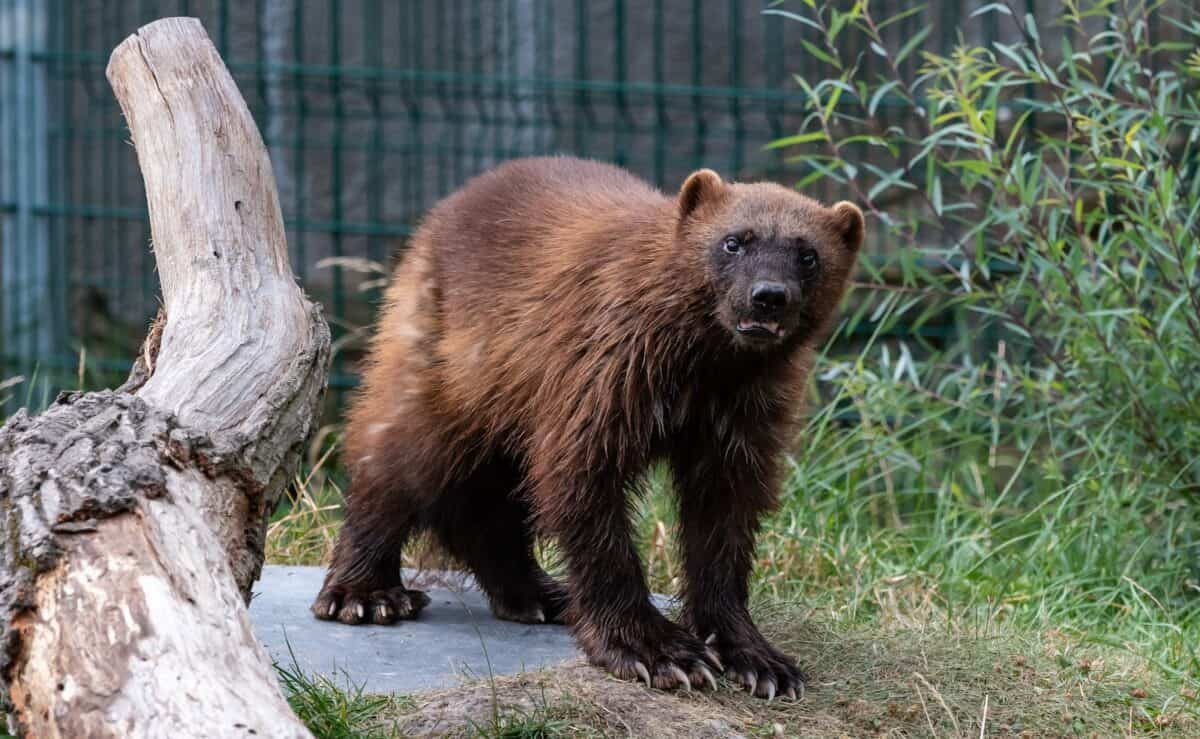
Despite their relatively small size (typically 20-40 pounds), wolverines are among North America’s most cold-adapted mammals, possessing several superpowers for surviving in extreme environments. Their fur has unique hydrophobic properties that resist frost formation, allowing them to remain active in temperatures as low as -40°F. Wolverines have disproportionately large paws that function as natural snowshoes, distributing their weight to travel efficiently across deep snow. Their metabolism runs exceptionally hot, acting as an internal furnace that helps maintain body temperature in freezing conditions. Additionally, wolverines possess incredibly powerful jaws and specialized molars that can crush frozen meat and bones, allowing them to feed on winter-killed carcasses too frozen for other predators to consume. Perhaps most impressively, female wolverines dig elaborate snow dens extending up to 15 feet under the snow surface, where they give birth and raise kits, utilizing the snow’s insulating properties to create a relatively warm microclimate. These combined adaptations allow wolverines to thrive in harsh alpine and arctic environments that few other mammals can inhabit year-round.
The Alligator’s Incredible Immune System

American alligators, found throughout the southeastern United States, possess one of the most powerful immune systems known to science. These ancient reptiles can suffer horrific wounds, including lost limbs, in their territorial battles and harsh environments yet rarely develop serious infections despite living in bacteria-laden waters. Research has shown that alligator blood contains powerful antimicrobial peptides effective against a remarkable range of pathogens, including drug-resistant bacteria like MRSA, various fungi, viruses, and even HIV. Scientists attribute this immunity partly to the alligator’s evolutionary history spanning over 200 million years, during which their immune systems have been refined against countless pathogens. Additionally, alligators can seal off damaged limbs to prevent blood loss, effectively shutting down blood flow to injured areas. Perhaps most remarkably, they can survive months without food by slowing their metabolism to near hibernation levels. Combined with their ability to hold their breath underwater for hours and powerful bite force exceeding 2,000 pounds per square inch, alligators demonstrate survival adaptations that have allowed them to outlive the dinosaurs.
The Hummingbird’s Metabolic Miracle

Hummingbirds, with numerous species found across the United States, perform daily metabolic feats that would be impossible for most other animals. These tiny birds maintain the highest metabolism of any animal except insects, with heart rates exceeding 1,200 beats per minute during flight and breathing rates of up to 250 breaths per minute. To fuel this extraordinary energy demand, hummingbirds consume more than their body weight in nectar daily, visiting hundreds or even thousands of flowers. Their specialized hovering flight, which allows them to fly backward, upside down, and to remain stationary in mid-air, requires so much energy that they exist perpetually on the edge of starvation. Most remarkably, to survive each night without feeding, hummingbirds enter torpor—a controlled hypothermic state where they lower their body temperature by up to 50°F, reduce their heart rate to 50 beats per minute, and cut their metabolic rate to 1/15th of normal levels. This nightly hibernation-like state saves enough energy to prevent starvation, and they can rouse themselves from torpor in minutes when morning arrives. Ruby-throated hummingbirds showcase another superpower during migration, when these 3-gram birds fly non-stop across the Gulf of Mexico—a 500+ mile journey over open water with no food or rest.
Nature’s Remarkable Engineering
The extraordinary survival adaptations exhibited by these American animals demonstrate nature’s remarkable problem-solving abilities developed through millions of years of evolution. From microscopic tardigrades surviving conditions that would destroy most life forms to bears engineering solutions for extended fasting, these biological superpowers reveal how selective pressures drive the development of specialized traits. What makes these adaptations particularly fascinating is how they often solve similar challenges through completely different mechanisms, showing the multiple pathways evolution can take. Scientists continue studying these remarkable creatures not only to better understand biological processes but also to develop biomimetic technologies inspired by nature’s ingenious designs. As climate change and habitat loss increasingly threaten wildlife populations, preserving these evolutionary marvels becomes ever more critical—both for maintaining biodiversity and for the potential human applications their unique adaptations might inspire. The survival superpowers of America’s wildlife remind us of nature’s resilience and ingenuity, offering valuable lessons as we face our own environmental challenges.
Worried about unexpected vet bills?
Pet insurance can cover thousands in unexpected vet costs. Get a free quote from Lemonade in under 2 minutes.
Get My Free Quote →Sponsored · Opens Lemonade.com