


In a discovery that has captivated both paleontologists and nature enthusiasts alike, an astonishing find was made in an unassuming backyard garden. The world of ancient creatures comes alive as a rare fossil is unearthed in a domestic setting, sparking curiosity and excitement about Earth’s prehistoric past. This discovery highlights how history can be just below our feet, waiting to reveal its secrets.
The Unlikely Discovery

The story began with a typical day of gardening that took an unexpected turn. While tilling the soil in their garden, a homeowner stumbled upon something hard and unfamiliar. This seemingly ordinary piece turned out to be an ancient fossil, hidden for millions of years beneath tranquil flowerbeds. The find serves as a reminder that significant paleontological discoveries can occur outside of professional digs and museums.
The Initial Identification

Upon examination by local experts, the fossil was identified as belonging to a prehistoric marine creature, likely from the Cretaceous period. This era, which spanned from about 145 to 66 million years ago, was a time when large swathes of what is now land were covered by vast oceans. The identification process involved examining the fossil’s shape, texture, and position, leading to a preliminary classification that hinted at its ancient origins.
The Fossil’s Geological Context
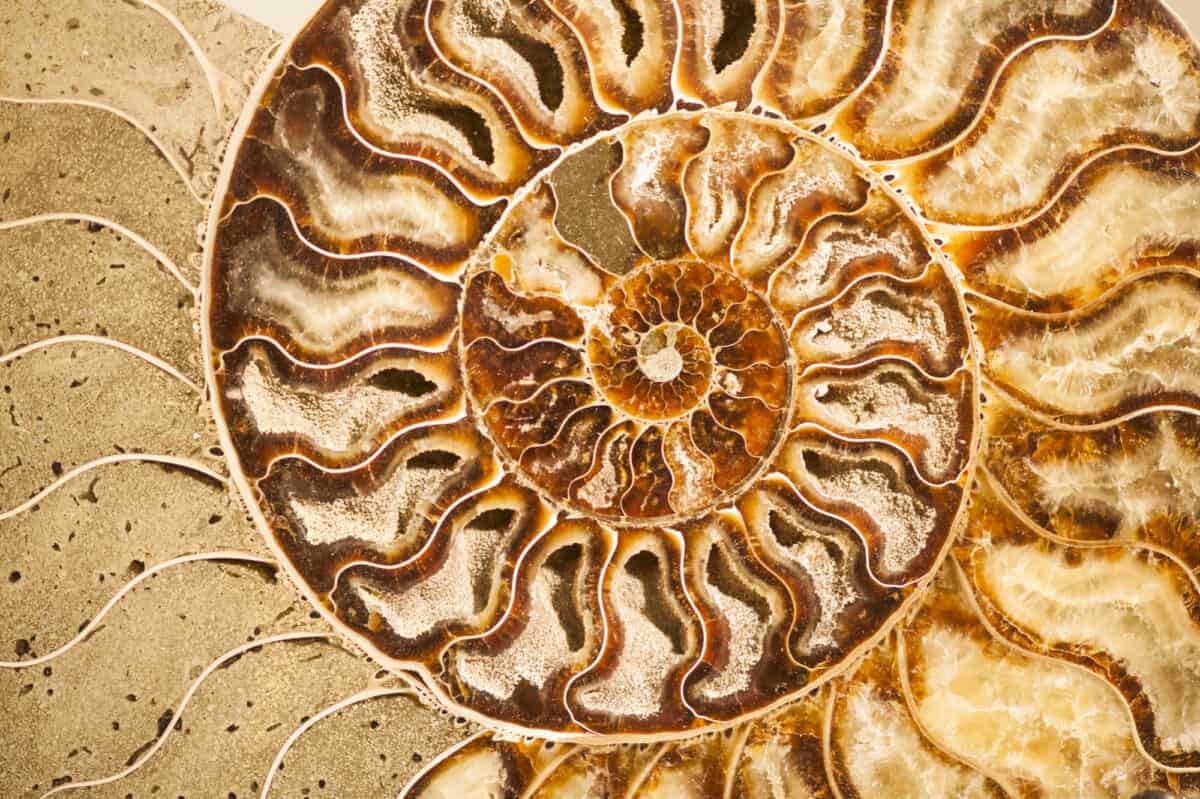
The backyard’s geological history spurred interest among paleontologists. Nearby layers of sediment and rock provided context, suggesting the area was once part of a shallow sea. This hints at a vibrant marine ecosystem that could have existed millions of years ago, contributing to the preservation of such fossils.
What Type of Creature Was It?

While the exact species remains under study, initial analysis suggests the fossil could belong to an ammonite, a group of extinct marine mollusks. Ammonites were prolific during the Cretaceous period and are characterized by their spiral shells. These creatures are renowned not only for their beauty and biological complexity but also as index fossils, helping to date the strata in which they are found.
The Importance of Ammonites

Ammonites played a crucial role in the marine ecosystems of their time, similarly to modern cephalopods like squids and octopuses. The discovery of an ammonite fossil in a backyard is a testament to their widespread presence in ancient oceans and their importance in understanding prehistoric marine life.
Why Backyard Discoveries Matter

Fossil finds in ordinary places like backyards bring excitement and a sense of participation to the general public. They democratize paleontology, showing that anyone, anywhere can be part of uncovering Earth’s ancient history. Such discoveries also emphasize the importance of preserving natural spaces where ancient treasures might still lie hidden beneath the surface.
The Process of Fossilization

Fossilization is a rare and fascinating process. When creatures like ammonites died, their shells settled onto the seabed. Over time, they became buried under layers of sediment. Minerals gradually replaced the organic material, preserving the shape and details of the shell in rock form. This complex process can take thousands to millions of years.
The Role of Citizen Scientists

Citizen scientists play an essential part in paleontology. Backyard discoveries often prompt interest in science and encourage individuals to learn and engage with their environment. This can lead to collaboration with professional scientists and contribute to valuable scientific research, furthering our understanding of Earth’s history.
How Fossils Teach Us About Climate Change

Fossils like the one found in this backyard are more than relics of the past; they are vital clues to Earth’s climatic and environmental history. By studying fossils, scientists can reconstruct ancient ecosystems and understand how they responded to climatic shifts. This knowledge can inform current models of climate change and its potential impacts.
Preserving and Displaying the Fossil

Once identified, fossils can be either left in situ, preserved for further study, or shared with the community through displays in local museums or educational institutions. This allows the public to appreciate these historical treasures and recognize their importance in the natural world, fostering a greater appreciation for science and history.
Encouraging Backyard Curiosity

The discovery encourages people everywhere to engage with the natural world. From children turning over stones in streams to gardeners unearthing curiosities among their plantings, there’s a universe of discovery to be had. Every discovery, no matter how small, contributes to the broader tapestry of scientific knowledge.
The Future of Paleontological Discoveries

This fossil find demonstrates the potential for future discoveries in unexpected places. As technology advances and interest in citizen science grows, the likelihood of uncovering more about our planet’s deep past increases. Discoveries like this not only add to the scientific narrative but also inspire new generations of paleontologists.
Conclusion: A Window Through Time

The fascinating discovery of an ancient animal fossil in a backyard garden brings the past into the present with compelling clarity. It serves as a remarkable reminder that history is often closer than we realize, lying just beneath our feet. Such findings enrich our understanding of prehistoric life, inspire scientific inquiry, and engage communities. As more people become informed and enthusiastic about exploring the past, the tapestry of human knowledge continues to expand, deepening our connection with Earth’s storied history.

From exploring the marine wonders in the Azores and witnessing the vast savannas of Kenya, to delving deep into the rich biodiversity of South Africa and traversing iconic landscapes in Australia and the US like Yellowstone, Chris's experiences are vast.
With a penchant for diving alongside sharks, the ocean holds a special place in his heart.
Through his academic insights, he champions wildlife conservation, striving with 'Animals Around The Globe' to cultivate a profound connection between humans and animals, enhancing our mutual appreciation.
Connect with him at Feedback@animalsaroundtheglobe.com.
- The Sacred Goose of Ancient Rome: Protector of the Capitol - July 21, 2026
- Top 10 Animal Encounters in Europe - July 21, 2026
- The Lizard That Shoots Blood From Its Eyes - July 21, 2026