
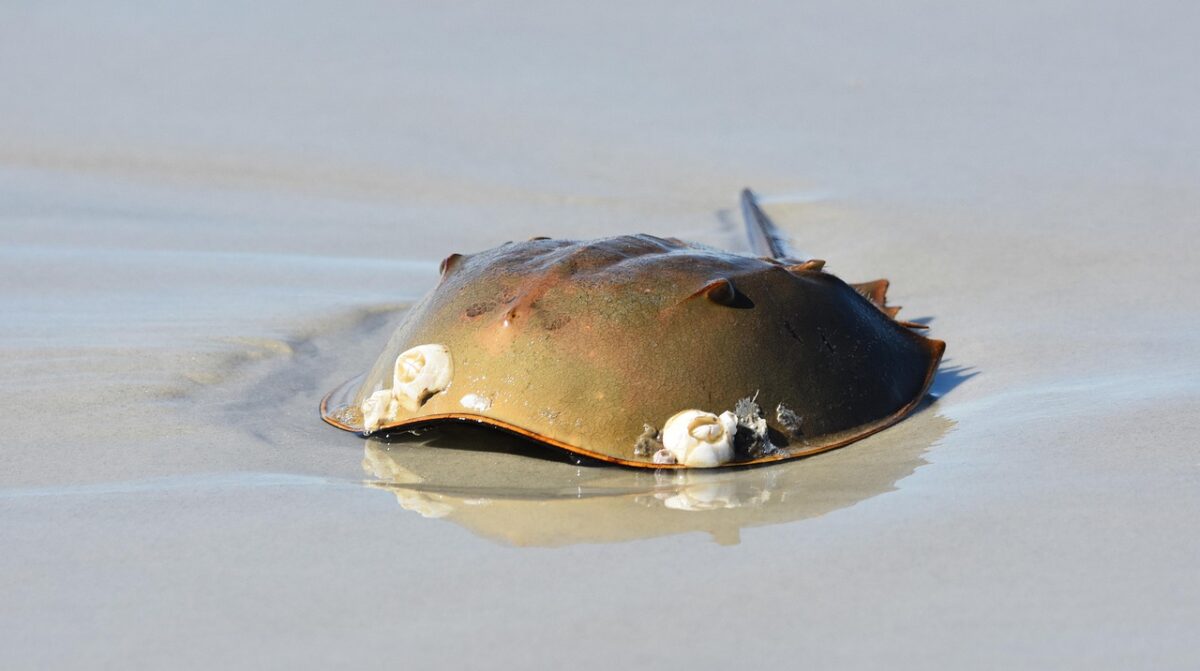
Imagine something crawling out of the ocean tonight on a moonlit beach, and that exact creature, with the same shape, same biology, same prehistoric behavior, doing the same thing it did hundreds of millions of years ago. No major redesign. No dramatic evolutionary upgrade. Just quiet, stubborn, almost defiant survival. It sounds impossible, right?
The natural world is full of creatures that seem frozen in time. Scientists call them “living fossils,” and their stories are frankly more mind-bending than any science fiction. From creatures that predate the dinosaurs to animals so ancient they watched entire continents drift apart, the survivors on this list challenge everything we think we know about evolution. Let’s dive in.
What Is a “Living Fossil” and Why Does It Matter?
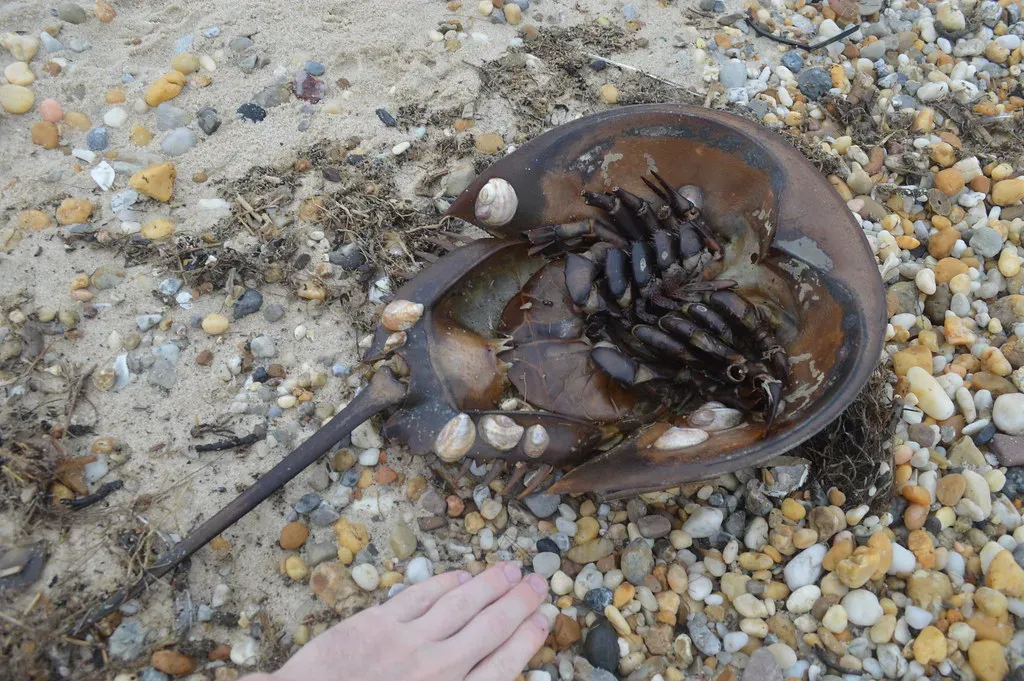
In his 1859 book On the Origin of Species, naturalist Charles Darwin coined the term “living fossil” to describe living organisms that appeared unchanged from their extinct fossil relatives. Honestly, for a term invented that long ago, it still hits differently when you see one of these creatures up close.
The term is often used to describe an organism that has, at least superficially, remained unchanged for millions of years. While there aren’t any individual species alive today that also lived hundreds of millions of years ago, there are several groups of organisms that look a lot like their ancestors and are pretty much identical, not only in terms of looks but in lifestyles too.
These “living fossils” are important as they provide a window into Earth’s distant past and help us understand how some organisms have found themselves in states of evolutionary stasis, while others haven’t. Think of them like time capsules. Cracked open for us to study, still ticking.
The minimal superficial changes to living fossils are mistakenly declared as an absence of evolution, but they are actually examples of stabilizing selection, which is itself an evolutionary process, and perhaps the dominant process of morphological evolution. So it’s not that they stopped evolving. It’s that evolution decided their design was close enough to perfect.
The Horseshoe Crab: Nature’s Most Stubborn Survivor
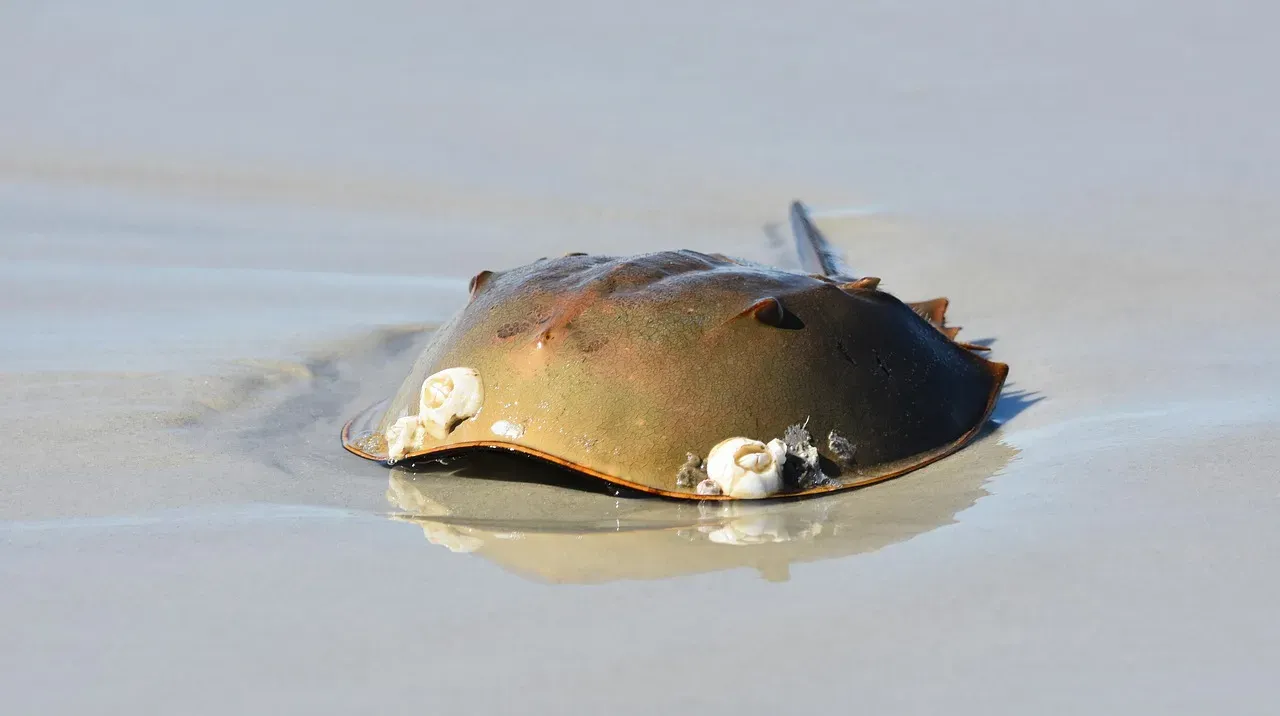
Here’s a fact that should stop you mid-scroll. In an ever-changing world where adaptation is key to survival, one creature stands as a remarkable testament to evolutionary perfection: the horseshoe crab. Often referred to as “living fossils,” these ancient arthropods have remained virtually unchanged for over 300 million years, surviving mass extinctions that wiped out countless other species, including the dinosaurs.
Horseshoe crabs are ancient creatures that first appeared at least 480 million years ago during the Ordovician Period and don’t appear to have changed much since. They are not crabs at all, but “chelicerates,” and therefore more closely related to spiders and sea scorpions. The name is basically a historical accident. A very old one.
The phenomenon displayed by horseshoe crabs is known as “evolutionary stasis” or “morphological stasis,” a condition where a species experiences minimal anatomical change over extended periods. Fossil records indicate that while minor adaptations have occurred over millions of years, their fundamental body plan and biological systems have remained remarkably constant. Scientists believe this evolutionary standstill isn’t due to an inability to evolve but rather represents an extraordinary case of evolutionary success. Once horseshoe crabs achieved their distinctive form approximately 300 million years ago during the Carboniferous period, this body plan proved so effective for their ecological niche that further significant changes weren’t necessary for survival.
Dodging multiple mass extinctions and ice ages, they flourished when many of their fellow marine organisms were wiped out. Their survival is credited to their tolerance for environmental conditions. They can survive in waters that are salty or fresh and low in oxygen. It’s hard to say for sure, but I think that kind of biological flexibility is worth more than any flashy evolutionary trait.
Blue Blood, Ancient Biology, and Modern Medicine
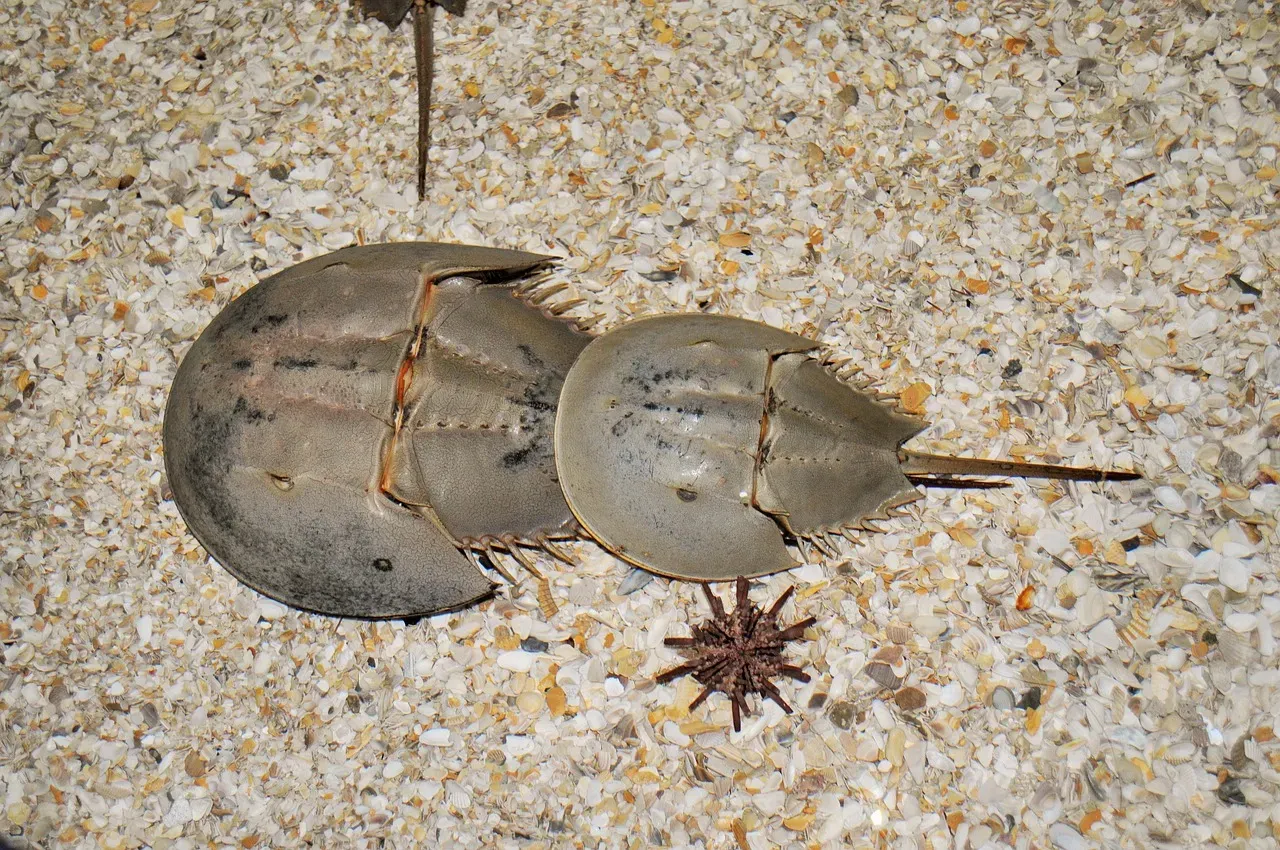
This is where the story gets truly jaw-dropping. Horseshoe crabs don’t have the same red blood that we do. Instead, their blood is copper-based and vividly blue. Inside this ancient blue elixir, researchers have discovered specialized cells called amebocytes that react to bacterial toxins in an extraordinary way.
Since the 1970s, horseshoe crab blood has been used to test for bacterial contamination in vaccines, injectable drugs, and medical devices. A single quart of horseshoe crab blood is worth approximately $15,000, making it one of the most valuable liquids on Earth. That’s right. A creature half a billion years old is actively helping keep modern medicine safe. Let’s be real, that’s one of the most surreal facts in all of biology.
This remarkable biological feature, unchanged for 300 million years, now helps ensure the safety of countless medical procedures worldwide, an ironic twist where one of Earth’s oldest organisms plays a crucial role in cutting-edge healthcare.
Despite surviving for hundreds of millions of years through asteroid strikes and ice ages, horseshoe crabs now face some of their greatest threats from humans. Across North America and Asia, horseshoe crab populations are rapidly declining. Of the four living species, the American horseshoe crab is listed as Vulnerable, and the tri-spine horseshoe crab is listed as Endangered on the IUCN’s Red List. Surviving the dinosaurs only to struggle against us. That’s a painful thought.
Other Ancient Animals That Defied Time
The horseshoe crab is remarkable, but it’s not alone. Brachiopods living today, such as Lingula, look more or less the same as their Cambrian counterparts from about 500 million years ago. They are considered the oldest known animal genus that still contains living representatives. Five hundred million years. That number is almost too big to hold in your head.
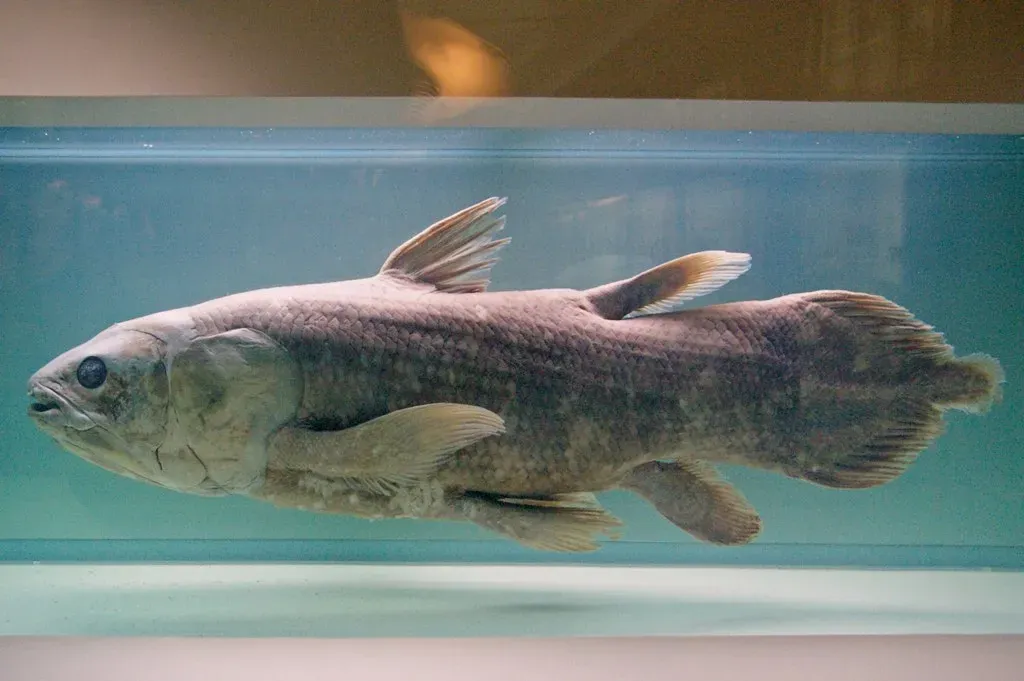
Some creatures, like the coelacanth, survived for so long and so inconspicuously that they were believed to be extinct. These ancient fish have lobe fins that function like primitive limbs. The oldest fossils of these fish date back more than 410 million years. Scientists thought they went extinct several hundred million years ago, during the Late Cretaceous era. That is, until they were spotted alive and well off the coast of South Africa in 1938.
Coelacanths are fish that live deep off the coasts of Africa and Indonesia. They have unusually shaped paired body fins which they move alternatively, almost as if they’re “walking” underwater. Imagine discovering that a creature science declared extinct is just quietly swimming around in the dark depths of the ocean. A bit unsettling. Completely wonderful.
The tuatara also makes a good candidate as a living fossil. They retain many unique characteristics of their dinosaur-era ancestors. These include two rows of teeth in the upper jaw, the ability to hear without external ears, and girdle-like structures in their skeletons. Remarkably, tuataras have a genome of about 5 billion base pairs, which is roughly 67% larger than the human genome.
Why Don’t These Creatures Simply Evolve?
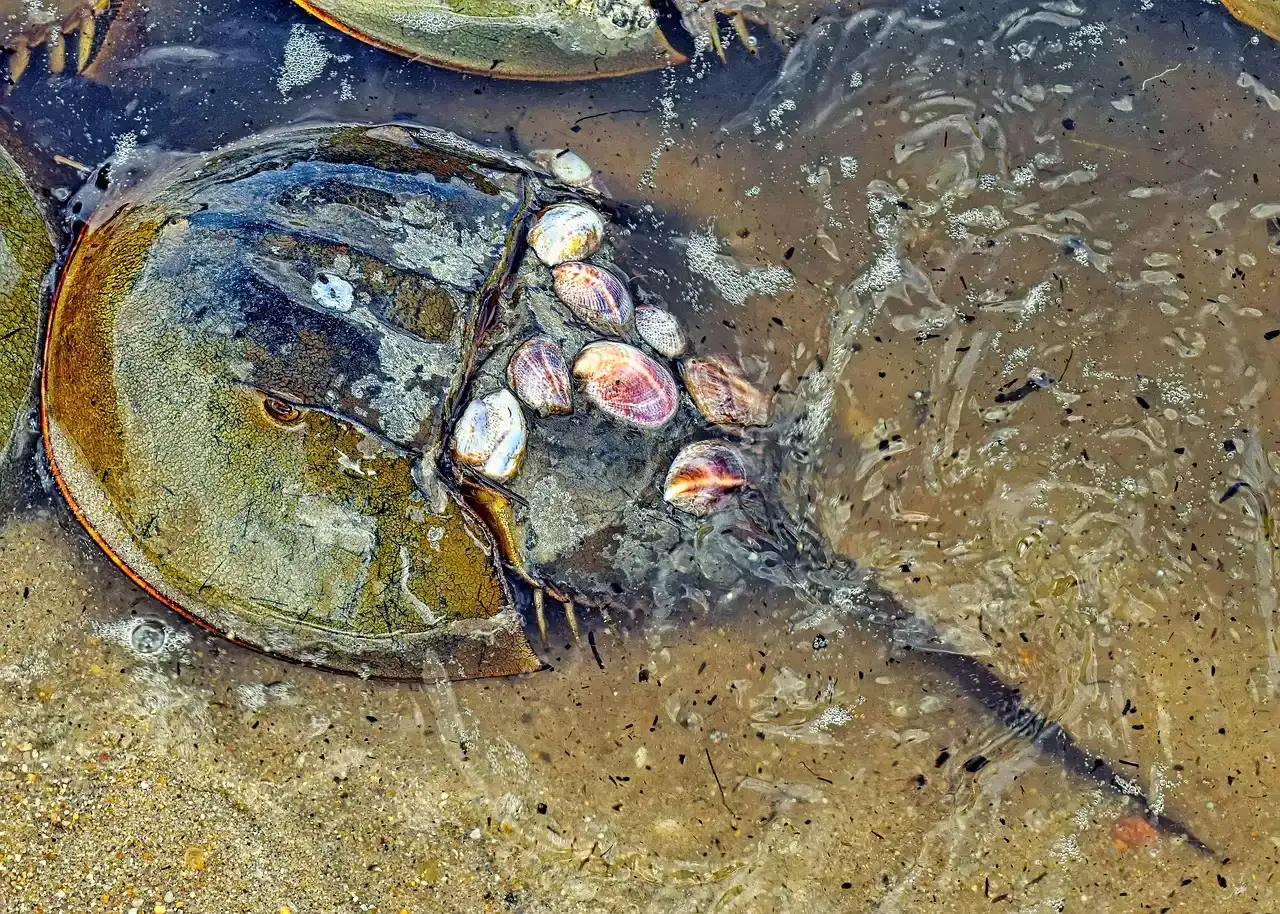
Horseshoe crabs, for example, occupy a specialized ecological niche that has remained relatively stable despite Earth’s ever-changing environments. They typically inhabit shallow coastal waters and estuaries with sandy or muddy bottoms, spending much of their time foraging for food by plowing through the substrate. Their feeding habits, primarily consisting of worms, mollusks, and other bottom-dwelling invertebrates, represent a stable food source that has persisted through various geological epochs. Their position in the food web as mid-level consumers has remained relatively unchanged, allowing them to avoid the specialized dependencies that have driven many species to extinction.
All the marine animals in this category seem to be undergoing morphological stasis. Some may have molecular stasis too. Their slowing rates of evolution are likely a result of the relatively stable environment underwater, particularly in the deep sea. The ocean floor is, in a way, the most conservative neighborhood on the planet. Slow, dark, and resistant to change.
Think of it this way. If you found a blueprint for a house that kept every family warm, dry, and safe through earthquakes, floods, and fires for millions of years, would you really tear it down to try a new architectural style? These creatures simply stopped needing to reinvent the wheel. If a design works, natural selection won’t try to fix what clearly isn’t broken.
Analysis of the genome of the elephant shark has shown that the species changes at a veritable snail’s pace. In fact, it has the slowest evolving genome of all vertebrates, with its DNA almost imperceptibly altered over hundreds of millions of years. Evolution, it turns out, is perfectly comfortable with doing almost nothing, when nothing needs to be done.
Conclusion: Ancient Survivors in a Modern World
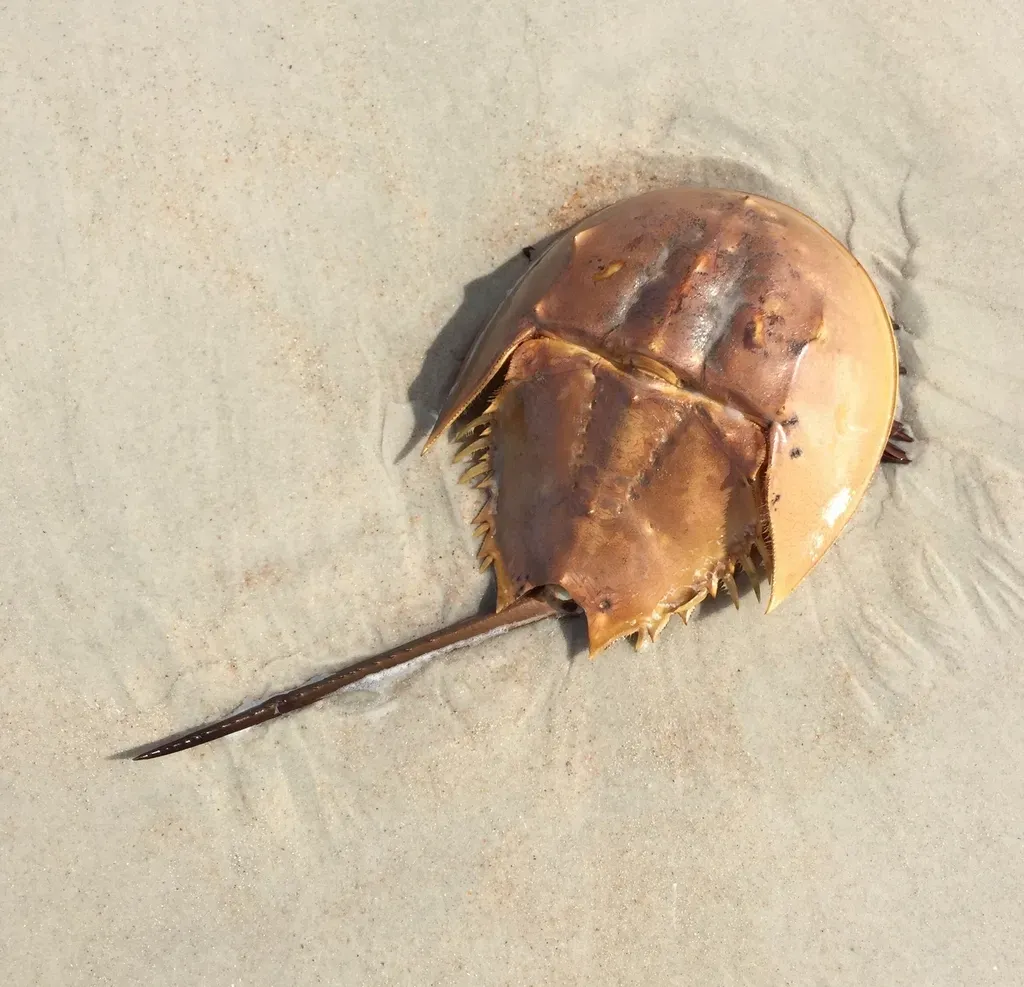
There is something quietly humbling about standing on a beach and knowing that the creature crawling past your feet has been doing exactly this since before the first tree ever grew on land. These animals are not relics of failure. They are masterpieces of biological engineering that nature never saw reason to edit.
Living fossils represent lineages that have remained relatively unchanged over long periods of time. They provide valuable insights into evolutionary stasis and the factors that allow certain organisms to persist for millions of years. Every time we study them, we learn something new, not just about ancient life, but about the rules of survival itself.
The real question these creatures ask us is not why they stopped evolving, but whether we will be wise enough to let them keep surviving. In a world that changes faster than ever, maybe there is profound wisdom in something that chose not to. What do you think: is there more strength in relentless change, or in perfecting one brilliant design and holding on to it for half a billion years? Drop your thoughts in the comments below.
