

Picture this: a creature that looks like it wandered out of a prehistoric fantasy, armored up and ready for battle, yet oddly endearing in its awkward shuffle. Armadillos have that quirky charm, don’t they? They’ve been quietly digging their way into our backyards and imaginations for years.
But there’s way more to these little tanks than meets the eye. From bizarre birthing habits to ancient mega-relatives, prepare to have your mind blown. Let’s dive into the wild world of armadillos.[1][2]
1. They Always Deliver Identical Quadruplets
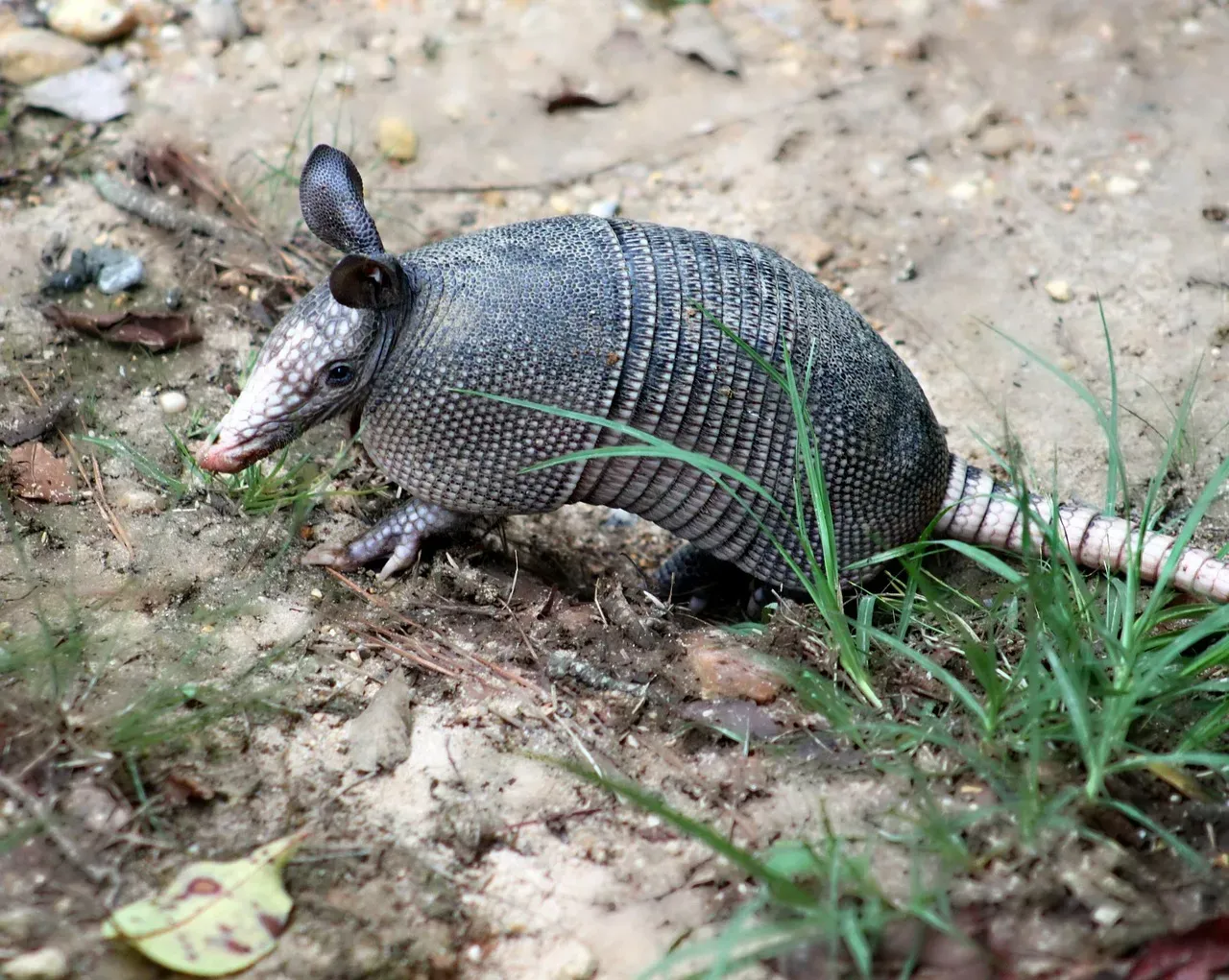
Ever heard of a mammal that spits out four perfect clones every single time? Nine-banded armadillos do just that. Their egg splits into four identical parts after fertilization, resulting in quadruplets all the same sex.[2]
It’s like nature’s own photocopier. This polyembryony is rare in mammals and helps them crank out survivors in tough environments. Honestly, it’s both genius and a bit eerie.[3]
2. Only a Couple Can Roll Into a Perfect Ball
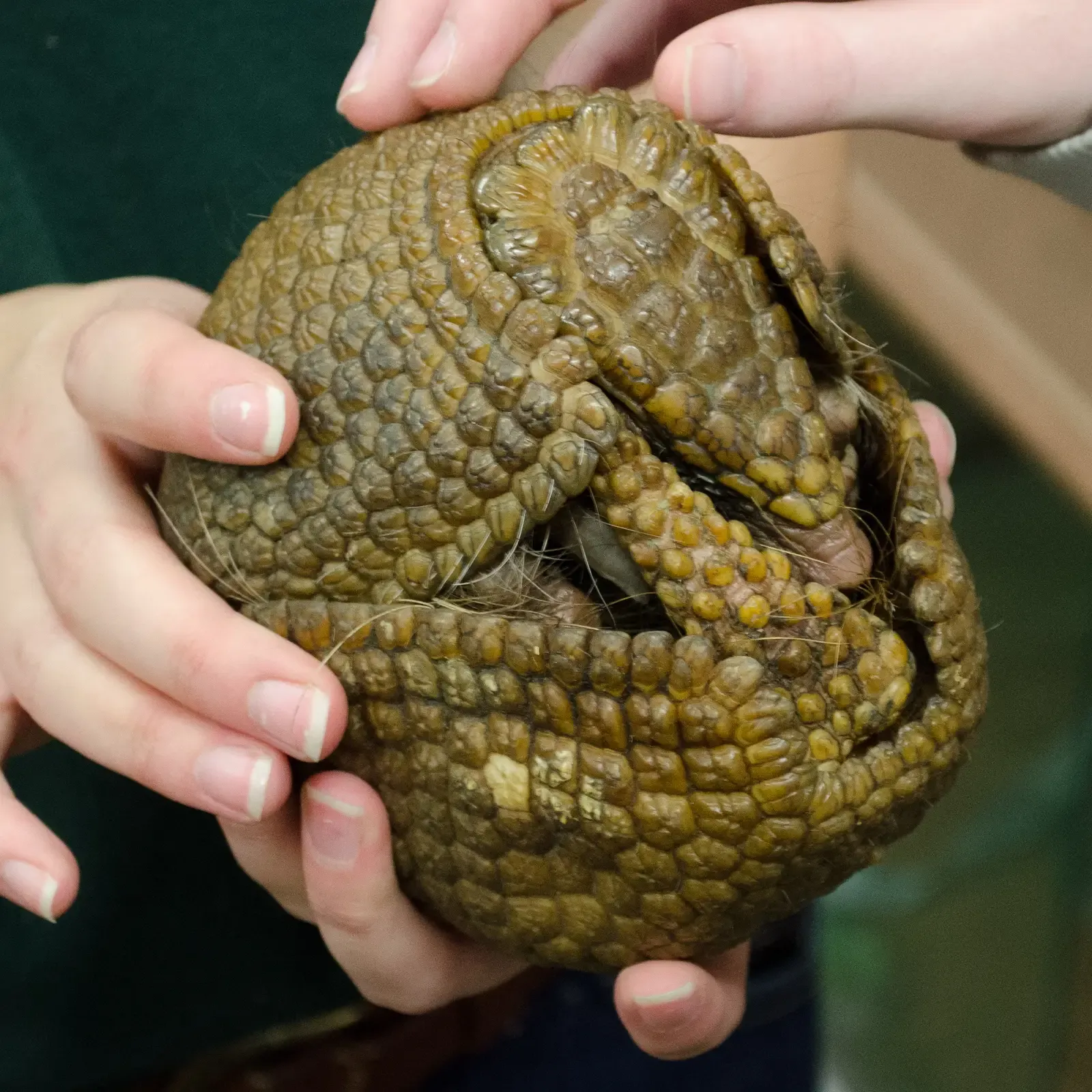
Forget the myth that all armadillos curl up like roly-polies. Truth is, just the Brazilian and southern three-banded species pull off that trick, thanks to their flexible shell bands.[1]
Others? No dice, too many plates get in the way. Instead, the nine-banded ones leap three or four feet straight up when spooked, which sadly leads to roadkill mishaps. Who knew defense came with such drama?[4]
3. They’re the Only Animals Spreading Leprosy to Humans
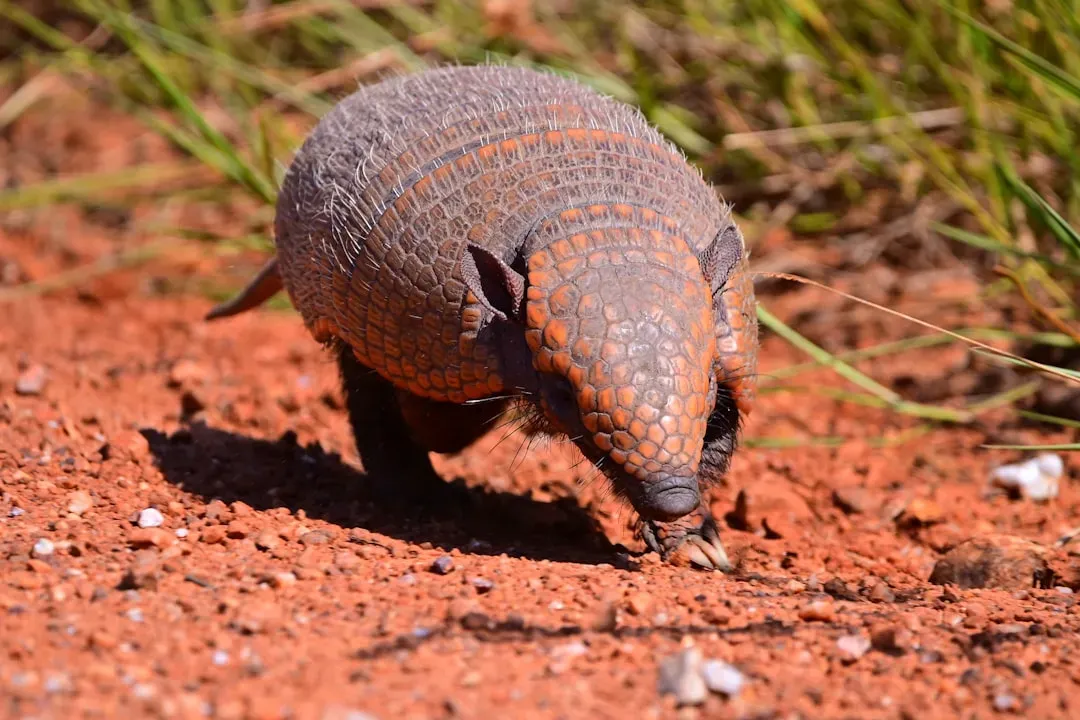
Shocking, right? Armadillos carry the bacteria for Hansen’s disease, thriving in their cool body temps around 34°C. Folks can catch it from handling, eating, or even breathing in spores from their waste.[1]
Blame 15th-century explorers for introducing it. Their low metabolism makes them perfect hosts, unlike warmer-blooded critters. It’s a grim reminder to keep your distance in the wild.[2]
4. The Pink Fairy Is Tiny and Sneaky
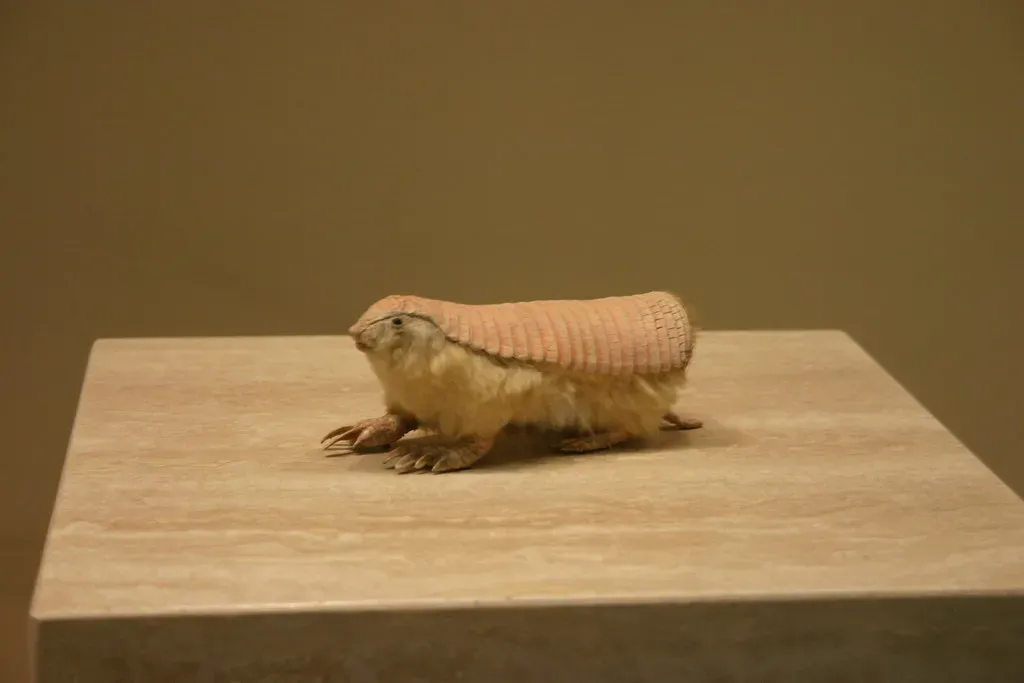
Meet the pink fairy armadillo, smallest of them all at just 5 inches long and pink as a sunset. It sports a special vertical plate on its rump to plug burrows backward, vanishing like a ghost.[1]
Lives in Argentina’s sandy plains, mostly furry under that shell cap. Pet trade and habitat loss threaten this elusive digger. I mean, it’s adorable overload in miniature form.[3]
5. Giant Armadillos Pack Serious Size
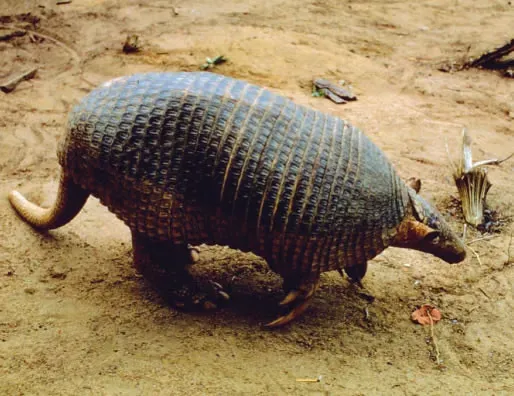
Flip the script: giant armadillos stretch nearly 5 feet and tip scales at 130 pounds. Their claws? Up to 8 inches, perfect for raiding massive ant hills while standing on hind legs.[1]
They boast the most teeth too, around 100 pegs for chomping bugs. Hunting and deforestation push them toward vulnerable status. These beasts prove armadillos aren’t all pint-sized.[2]
6. Ancient Cousins Were Car-Sized Behemoths
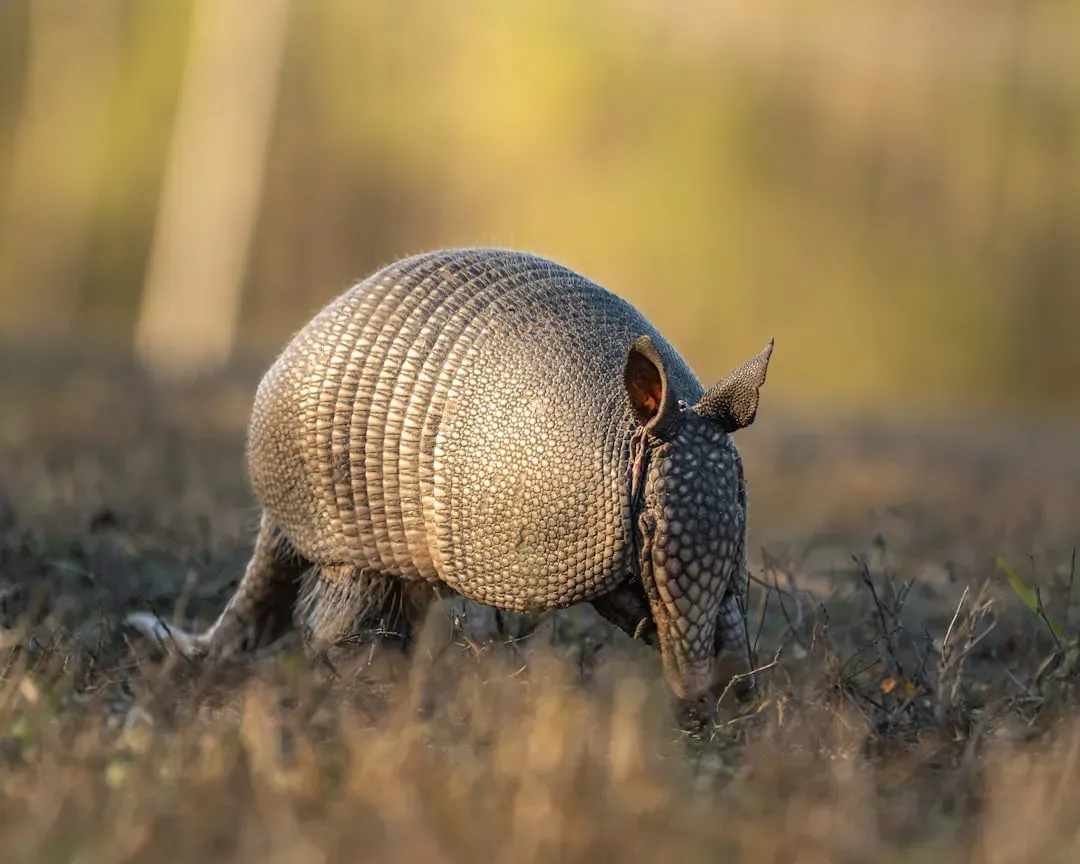
Glyptodonts, armadillo kin from the Ice Age, weighed a ton and spanned 10 feet. Early humans hunted them for meat and even lived in their shells. Extinct around 10,000 years ago.[1]
DNA confirms they’re true armadillos, not distant relatives. Imagine bumping into one today. It’s wild how these armored icons downsized over eons.[4]
7. They Swim with Built-In Floaties
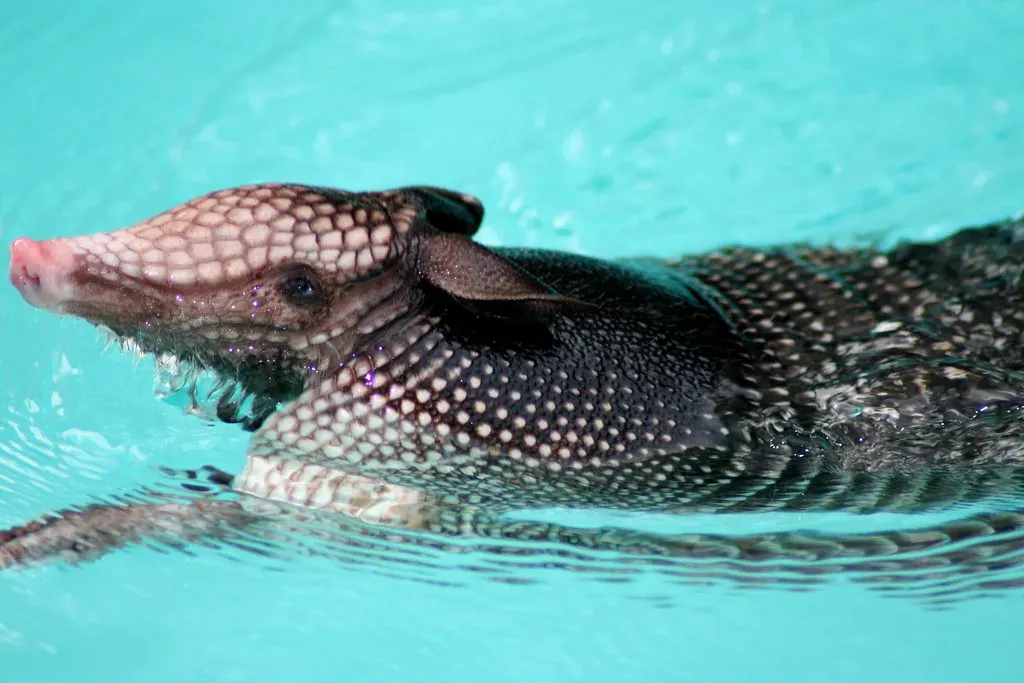
Armadillos aren’t landlubbers. They gulp air to inflate their guts for buoyancy, dog-paddling or walking river bottoms while holding breath up to 6 minutes.[1]
This helped nine-bandeds cross the Rio Grande northward. Small streams? No sweat. It’s like they have personal life vests engineered by evolution.[2]
8. Nine-Banded’s the Lone US Ranger
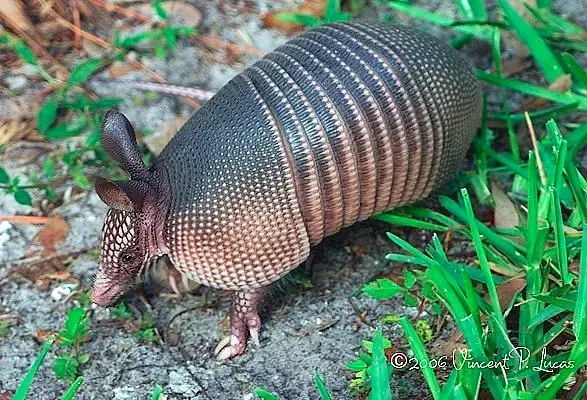
Only the nine-banded armadillo calls the States home, creeping north from Mexico thanks to milder winters. Now spotted as far as Indiana. Their range boom is ongoing.[1]
Prefer shady, sandy spots near water for digging feasts. Humans unwittingly aid by mowing lawns, exposing grubs. They’re opportunists in suburbia.[2]
9. One Species Actually Hibernates
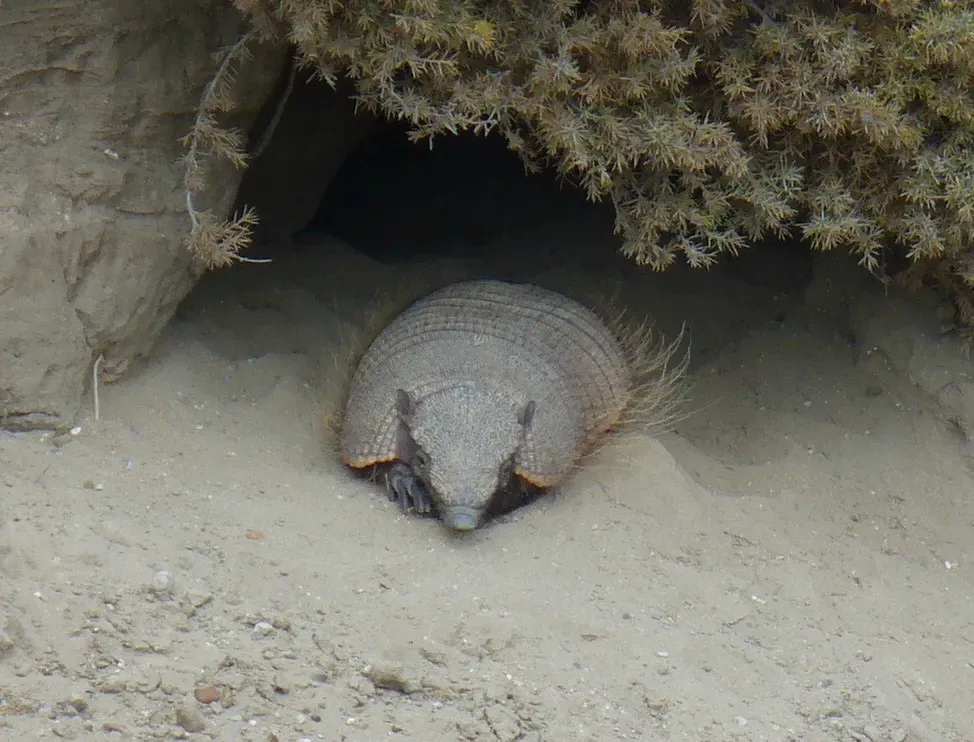
Meet the pichi, the armadillo that chills out Patagonian winters by hibernating. Body temp plummets from 95°F to 58°F in burrows. Rare for these tropical-ish mammals.[1]
They also nap daily in torpor. It’s a survival hack in harsh steppes. Proves armadillos adapt wildly to climates.[3]
10. Shells Starred in Musical Instruments
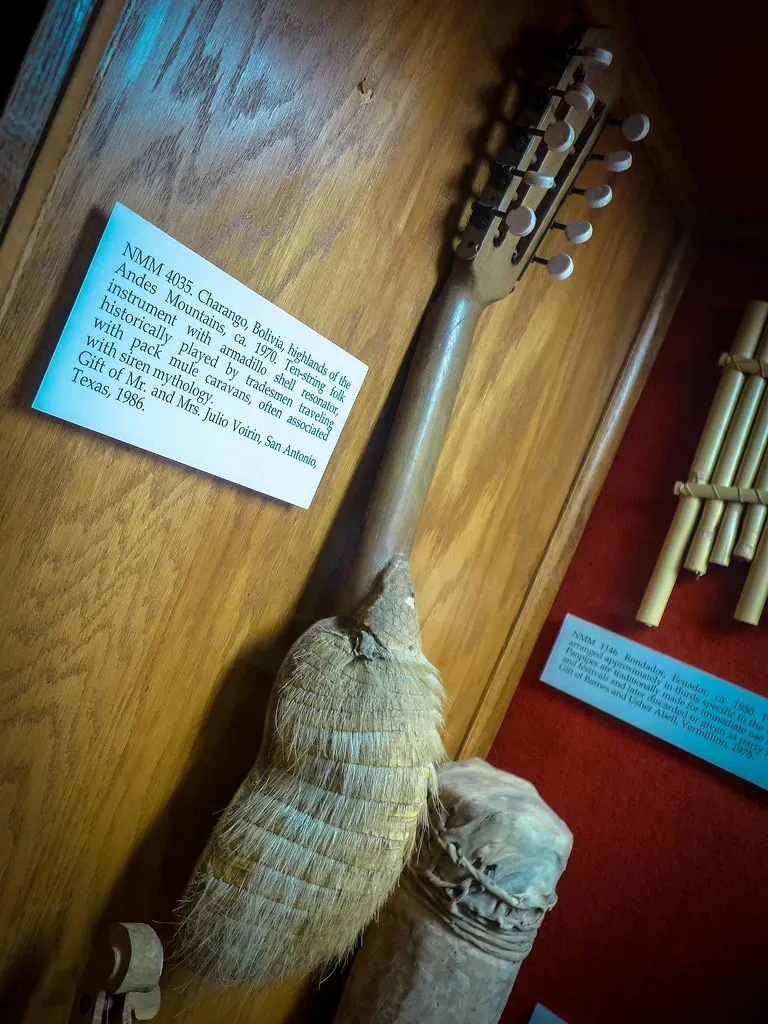
In Andean cultures, armadillo shells became backs for charangos, those small guitars. Rattles too for carnivals. Tradition lingers, though wood replaced them.[1]
Banned now in spots to save species. Ties these critters to human music history. Kinda poetic, armor turning melody.[2]
Wrapping It Up: Armadillos Rule the Oddball Kingdom
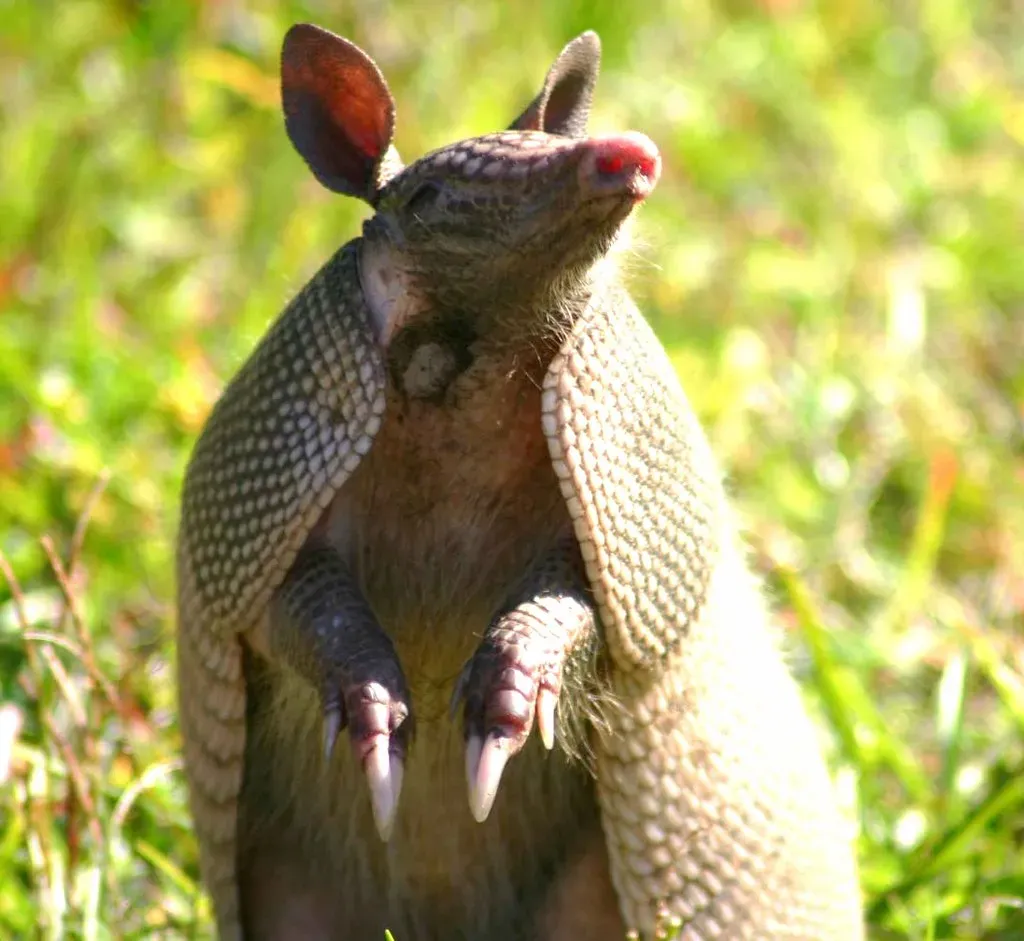
From clone babies to leprosy lore, armadillos pack more surprises than a suitcase full of quirks. They’re resilient survivors shaping ecosystems while dodging our cars and myths.
Next time you spot those telltale dig holes, tip your hat to these armored wonders. Which fact blew your mind most? Share below – what’s your armadillo story?[4]
