

There is something almost unsettling about watching an elephant stand motionless beside the bones of a fallen companion. Not frightened. Not fleeing. Just… present. As if paying respects. For most of human history, we dismissed this kind of behavior as instinct or coincidence. Honestly, that seems almost embarrassing now, given everything science has since revealed.
Elephants are not simply large, impressive animals moving across the landscape. They are emotional beings with rich interior lives, long memories, complex social networks, and grief that mirrors our own in ways that are difficult to ignore. The more researchers study them, the more the line between human and elephant experience begins to blur in quietly profound ways.
What follows is a look into the heart of elephant society, exploring the deep bonds that hold these giants together across decades, and sometimes even beyond death. Be prepared to see them in an entirely different light.
The Wisdom Keepers: How Matriarchs Hold the Herd Together
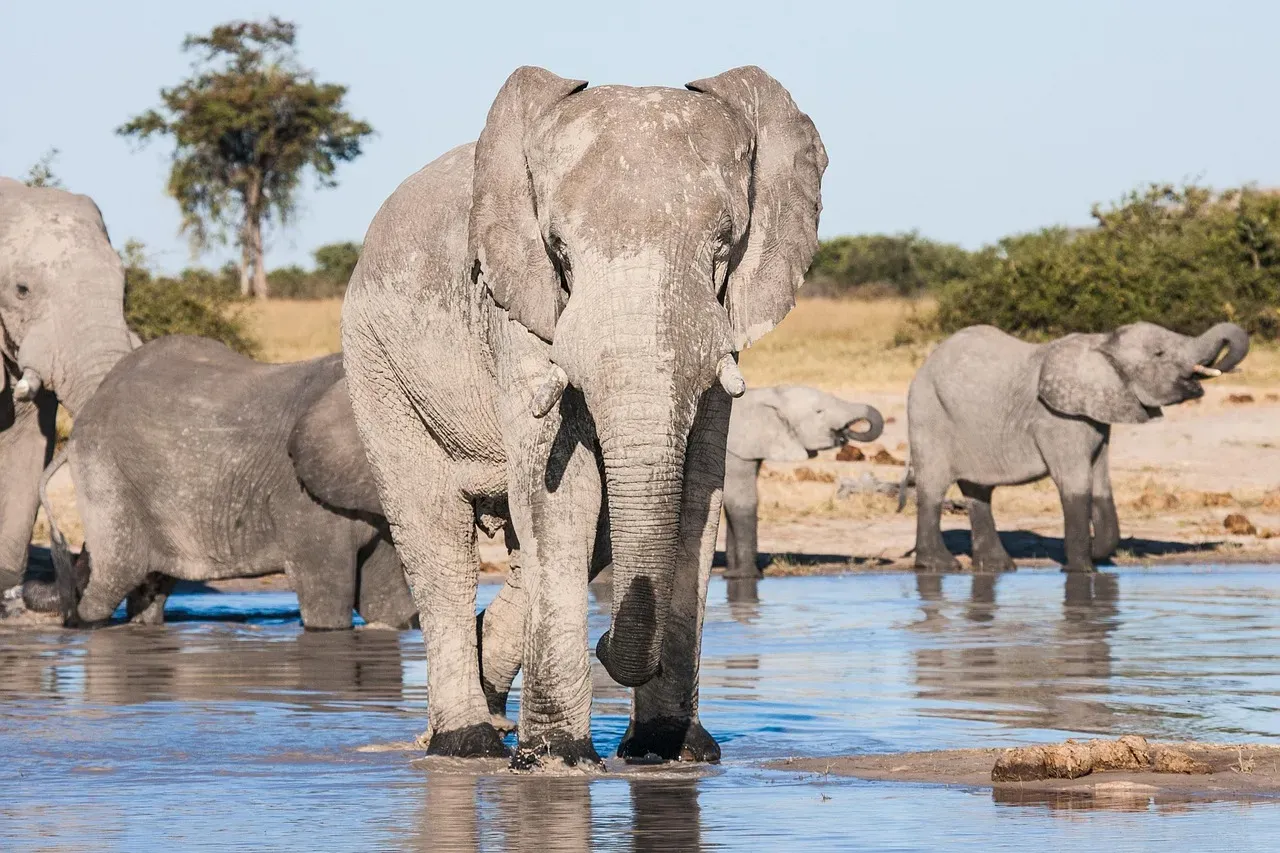
Picture a grandmother who remembers every drought her family ever survived, every safe trail through the mountains, and every stranger who once meant them harm. Now make her six tons and put her at the front of a herd of twenty. That is, roughly speaking, the matriarch.
The matriarch is pivotal in the elephant group, providing essential leadership and extensive knowledge of resource locations while coordinating collective defence efforts. She is not simply a figurehead. A matriarch’s ability to make sound decisions, especially during stressful times, significantly enhances the group’s chances of survival.
Families led by older matriarchs demonstrate a superior ability to discern conspecific vocalisations and adjust their responses based on the familiarity of the caller. Think of it like a living security system, one that has been updated and refined over sixty years of lived experience.
Elephant family groups led by older matriarchs show a greater sensitivity to serious threats, including the superior ability to detect the presence of male lions at an early stage, which affords better protection for vulnerable calves in particular. Younger matriarchs simply do not have the same read on danger, because that kind of knowledge cannot be inherited. It has to be earned, season by season, threat by threat.
As the matriarch and other dominant females collect habits and memories throughout years of experience, they share their wisdom with the rest of the herd, building what scientists call a memory bank. This communal knowledge has the power to far outlive any one elephant, continuing the survival of a herd for generations. It is, in every real sense, a living library.
A Language Beyond Human Hearing: The Secret World of Elephant Communication
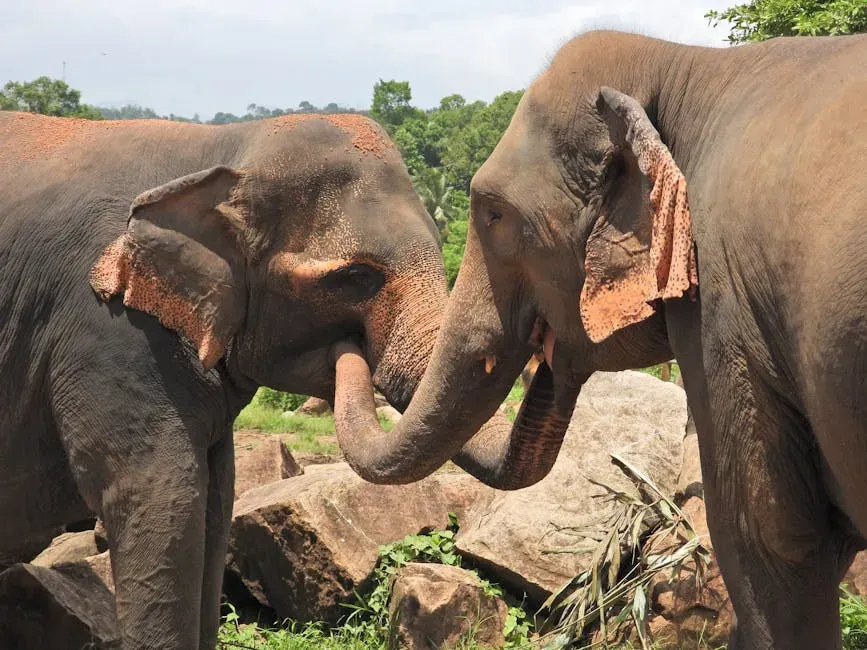
Here is something that still astonishes me every time I think about it. Elephants have entire conversations we cannot hear. Not because they are whispering, but because their voices operate in frequencies far below the range of human perception.
The use of infrasonic communication by elephant species was first discovered in the 1980s, when a zoologist named Katy Payne noticed an unusual vibration in the air while observing Asian elephants at a zoo in the USA. She did not hear anything. She felt it. That hunch changed everything.
Elephants can communicate using very low frequency sounds with pitches below the range of human hearing. These low-frequency sounds can travel several kilometers and provide elephants with a “private” communication channel that plays an important role in elephants’ complex social life.
Recent research using seismic sensors has demonstrated that elephants can detect these ground-transmitted signals through their feet and trunk, which contain specialized mechanoreceptors sensitive to vibrations. Even more remarkably, studies suggest that elephants may be able to triangulate the location of calling individuals based on the direction and intensity of these vibrations. They are, in the most literal sense, listening with their feet.
In 2024, machine learning was used to investigate elephants’ personal names. Research published in Nature Ecology and Evolution demonstrated that elephants call each other by distinct vocalized names and respond when they hear others call their name. Researchers analyzed hundreds of elephant calls recorded over more than a year in Kenya, and when recorded calls were played back, elephants responded to the sound of their friends or family members calling their name by either calling back or moving toward the speaker. They use names. Let that sink in.
Grief, Loss, and the Rituals of the Dead
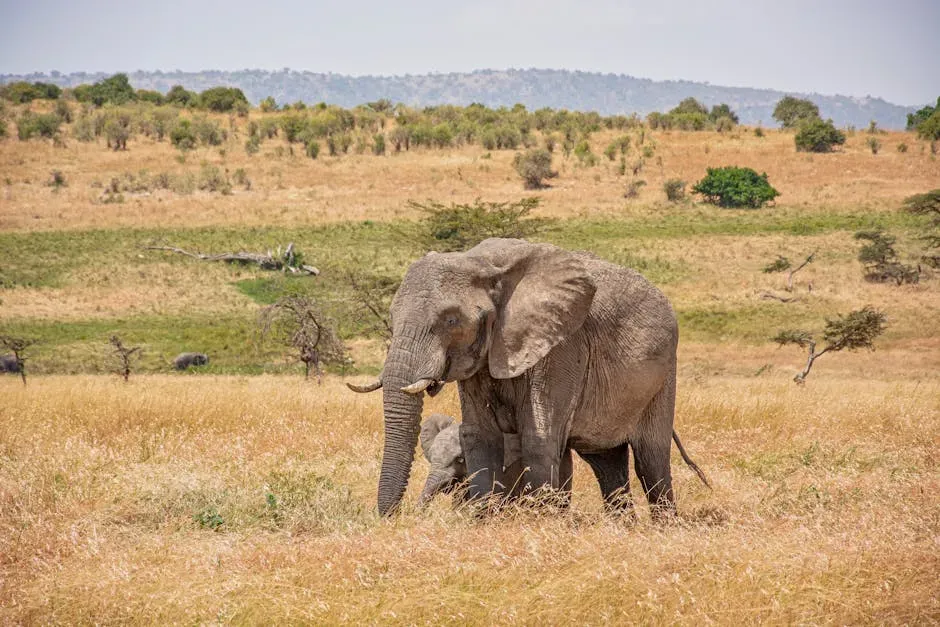
No aspect of elephant behavior is more striking, or more emotionally confronting, than how they respond to death. It raises questions about grief that science is still working to fully answer. Elephants are at present the gold standard in animal grief studies. That distinction was not given lightly.
Several studies have documented elephants grieving in complex ways, including burying young calves, guarding dead bodies, and even crying. Out of all animals observed, elephants resemble a human’s mourning patterns most closely. There is something deeply uncomfortable about that fact, in the best possible way.
Researchers collected 39 videos capturing 24 cases of thanatological behavior in Asian elephants between 2010 and 2021. The videos recorded elephants patting a deceased family member with their trunks or attempting to revive it with kicks, and gathering, vigil-like, near its remains.
In five videos, adult female elephants scooped up deceased calves with their trunks and carried them through the forests for days, possibly weeks, at a time. Days. Weeks. Carrying their dead. It is hard to witness that and continue arguing these animals do not feel loss.
Elephants have been one of few species other than Homo sapiens known to have recognizable ritual around death. They show a keen interest in the bones of their own kind, and are often seen gently investigating them with their trunks and feet while remaining very quiet. The emotional intelligence of elephants is not a myth, as these animals understand the concept of death and know the area where a family member has passed. They sometimes return to the same place, even if only the bones remain.
The Architecture of Belonging: Family Bonds That Last a Lifetime
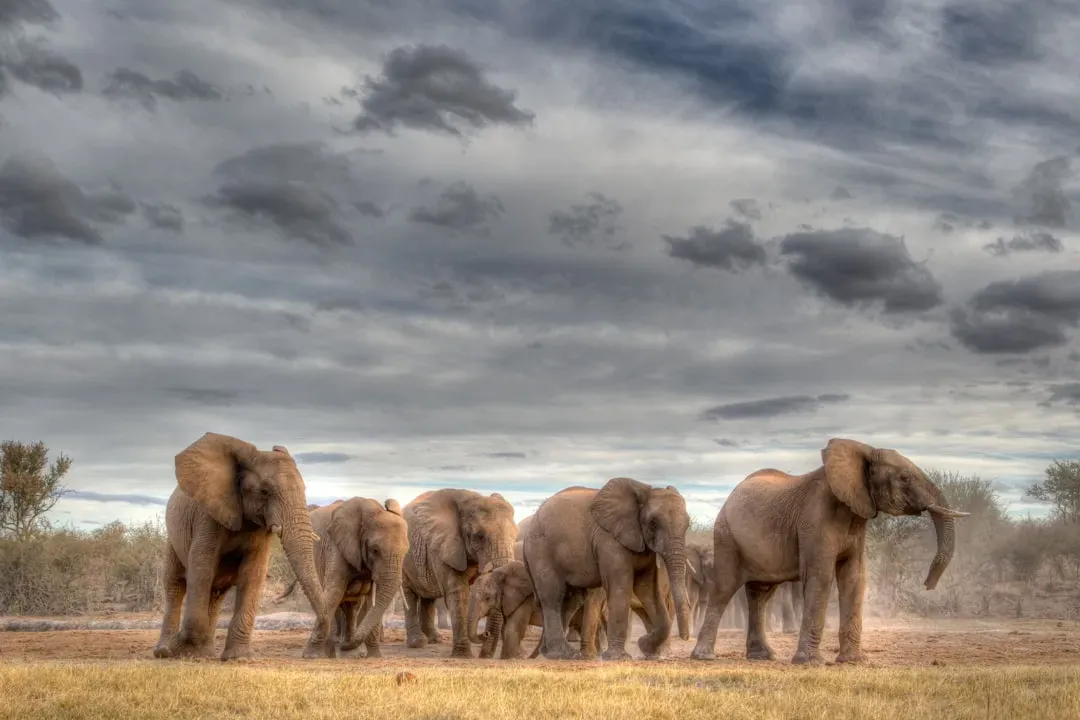
Elephant society is not casual. It is not a loose association of individuals who happen to share a watering hole. It is an intricate, deeply felt structure of kinship and loyalty that shapes every decision every member of a herd makes, from birth to old age.
In the wild, Asian and African elephant calves rely heavily on their mothers and family members for survival, social support, and learning during their first four to five years of life. Observations show African elephant calves spend about ninety percent of their time within five metres of another elephant, preferring close contact. That is not just proximity. That is belonging.
Female savannah elephants remain within the same family group throughout their lives, and allomothering, or caring for another’s offspring, is common and important for calf survival. Think of it as a village raising a child, except the village has trunks and moves together across hundreds of kilometers.
If one of the herd members is injured and cannot walk as fast as their usual pace, the rest of the herd will slow down to ensure they stay together. No one is left behind. That is not instinct. That is a choice, rooted in empathy.
Adult female Asian elephants often cross busy roads first to protect the younger ones. The younger elephants then cross, followed by the adult females who ensure everyone gets across safely. These remarkable actions showcase the depth of their social bonds and their natural instinct to protect the vulnerable. It reads like something a protective parent would do. Because, in every meaningful sense, it is.
What Losing an Elephant Costs the World: Conservation and the Stakes of Emotional Life
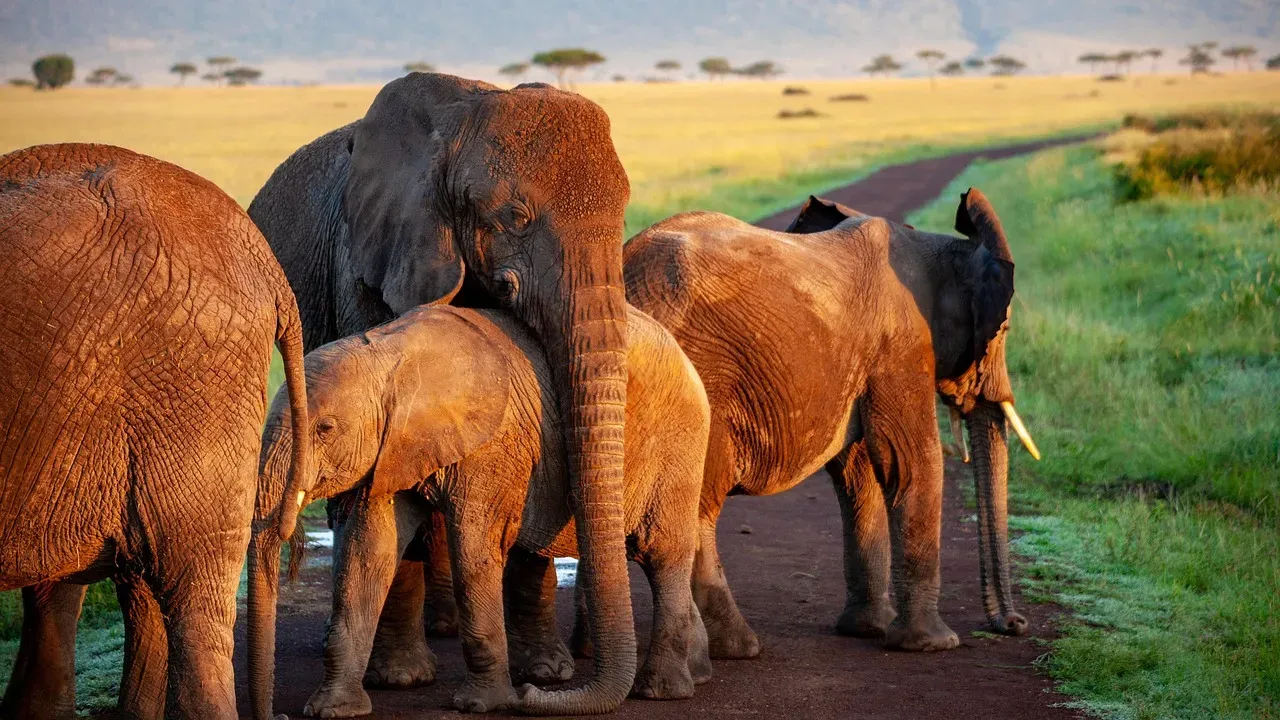
Understanding that elephants feel deeply is not just philosophically interesting. It has urgent, practical consequences for how we protect them. When we lose an elephant, we do not simply lose one animal. We lose a vessel of irreplaceable, living memory.
Modern threats to elephant populations pose serious challenges to their matriarchal knowledge systems. Poaching specifically targeting older females for their larger tusks has created matriarch gaps in many populations, leaving younger, inexperienced females to lead without the benefit of complete knowledge transfer.
When matriarchs are killed, decades of accumulated environmental knowledge, including locations of crucial water sources during droughts, can be permanently lost, affecting survival prospects for entire family lines. That is not an abstract conservation concern. That is an entire community losing its elders overnight.
When older elephants are killed, especially matriarchs, a wealth of knowledge is lost, often resulting in poor decisions, increased conflict with humans, and trauma within the herd. Elephants under emotional stress can show signs of depression, withdrawal, inactivity, aggression, and trauma related to poaching, captivity, or separation.
Recognising that elephants have complex thoughts and emotions is key to improving their care. In the wild, human pressures force elephants into risky choices, like crop-foraging. In captivity, supportive environments and positive human relationships are vital for their well-being, while harmful early experiences can cause lasting damage. The emotional health of elephants is not a luxury concern. It is a survival issue.
Conclusion
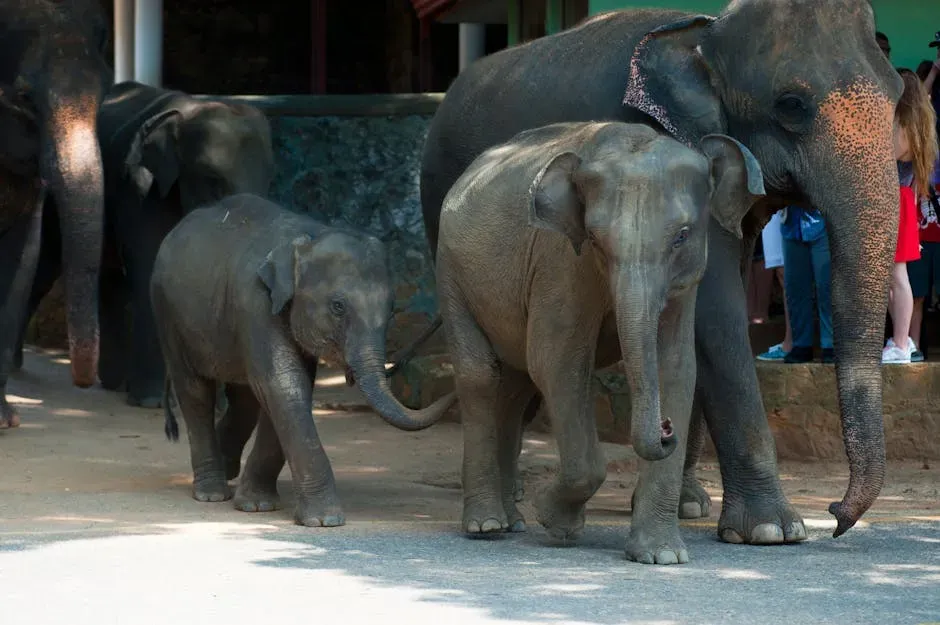
What is truly remarkable about elephants is not just what they feel. It is that they have built entire societies around those feelings. The bonds they form, the grief they carry, the wisdom they pass down, the names they call each other across kilometers of open savanna, all of it points to an inner life that demands our respect and urgently demands our protection.
We share this planet with creatures who mourn their dead, raise their young together, remember kindness and cruelty for decades, and communicate in frequencies we are only now beginning to understand. That is not background noise in the natural world. That is civilization, expressed in a language older than ours.
Perhaps the most humbling thought of all is this: elephants have been living in rich, emotionally complex societies for far longer than we have. What would they make of us, if they could study us with the same attention we are finally learning to give them?

- 18 Astonishing Facts About Human Evolution That Rewrite Our Origins - August 10, 2026
- 15 Signs Your Dog Is the Best Roommate You’ve Ever Had - August 10, 2026
- How to Cool Down a Dog: Science‑Backed Ways To Keep Your Pup Safe - August 10, 2026